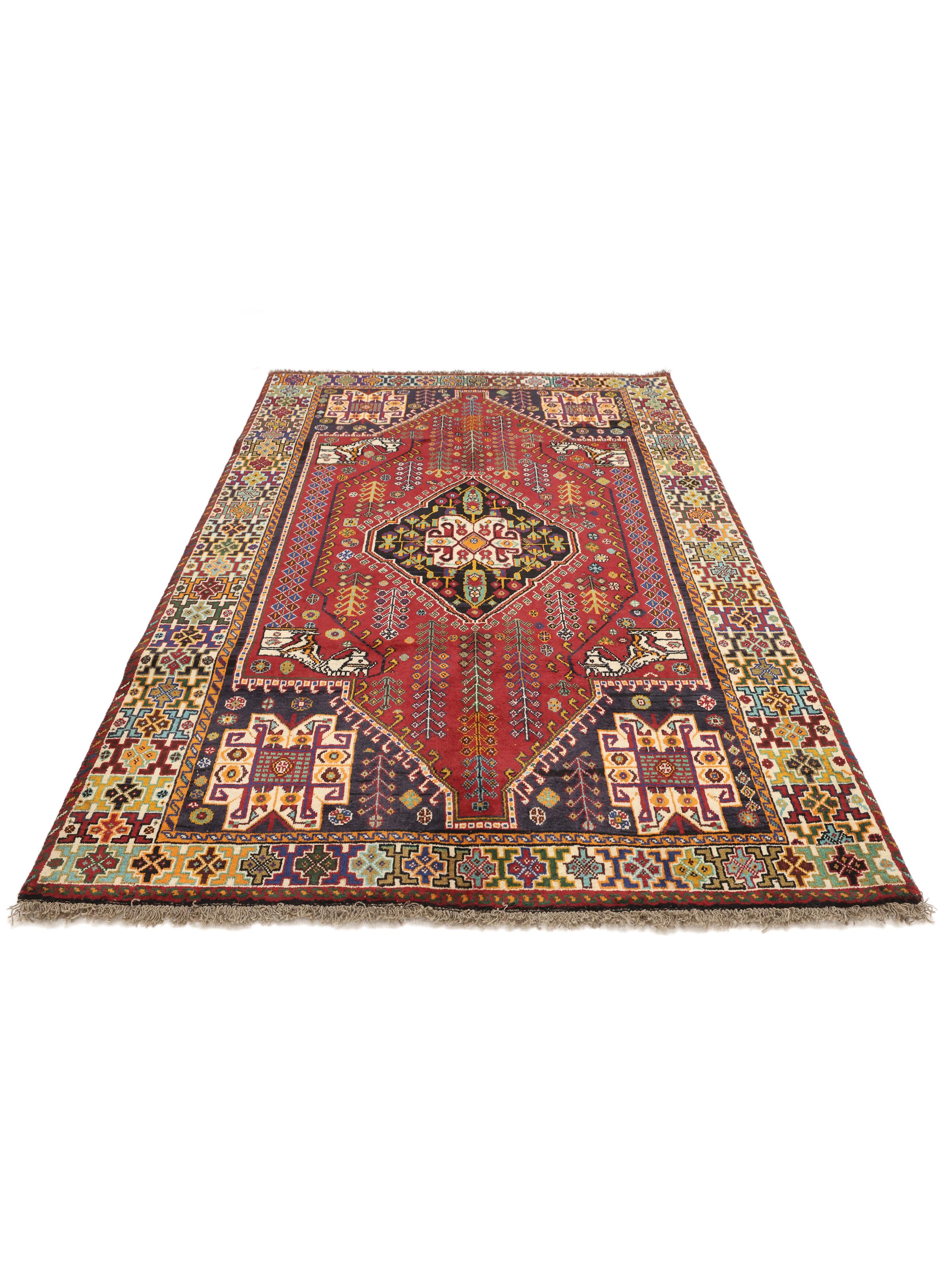
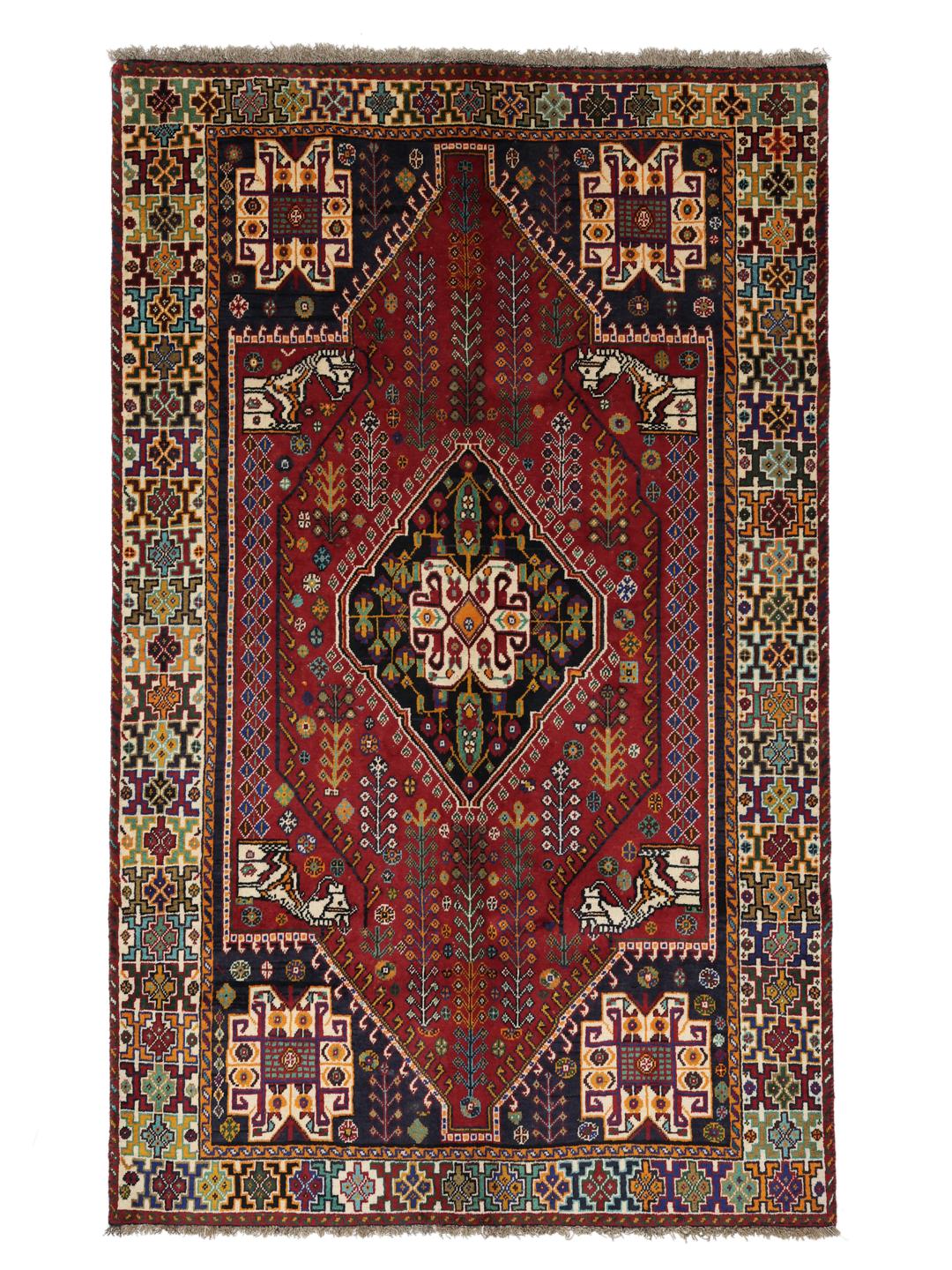
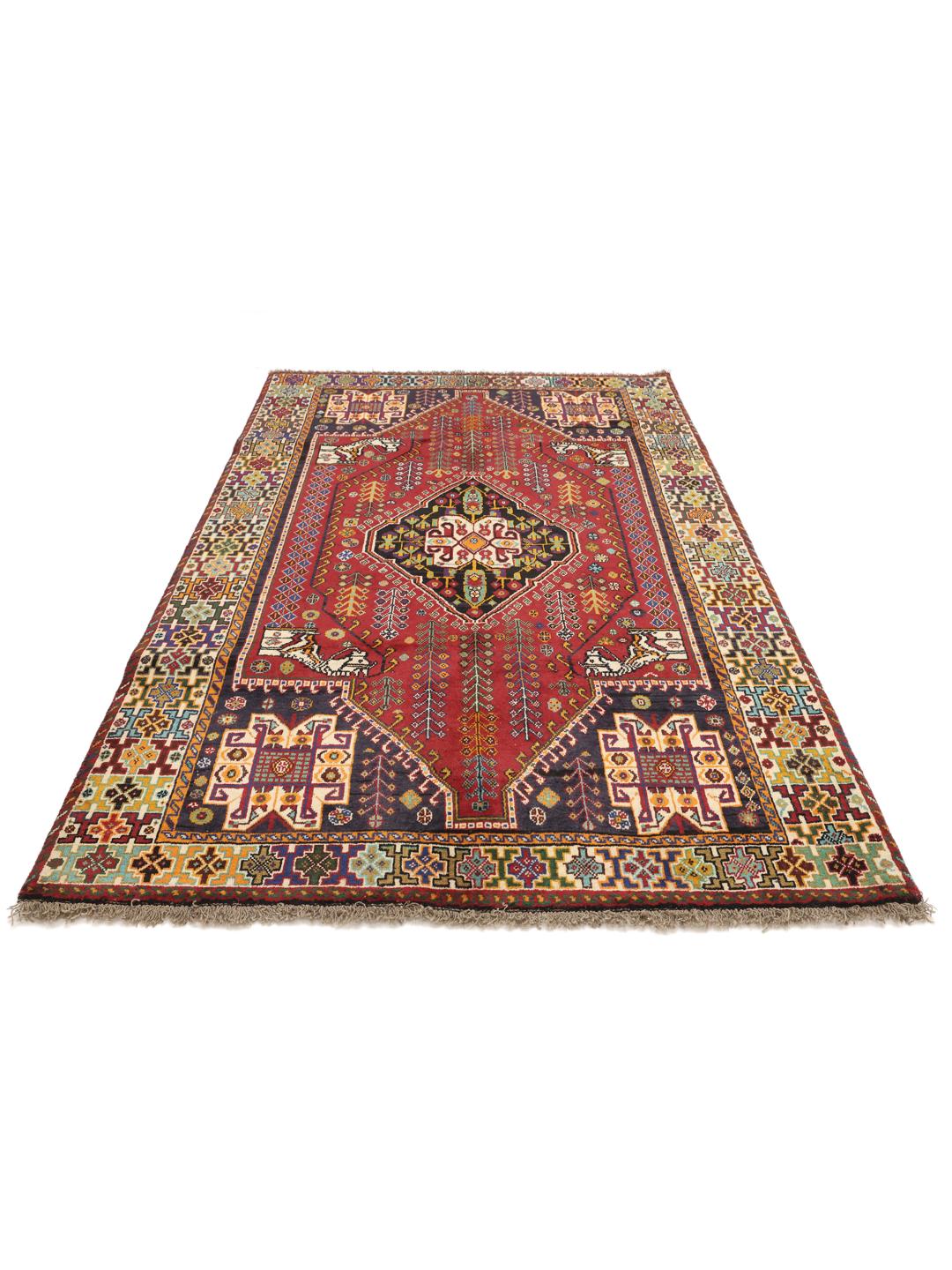
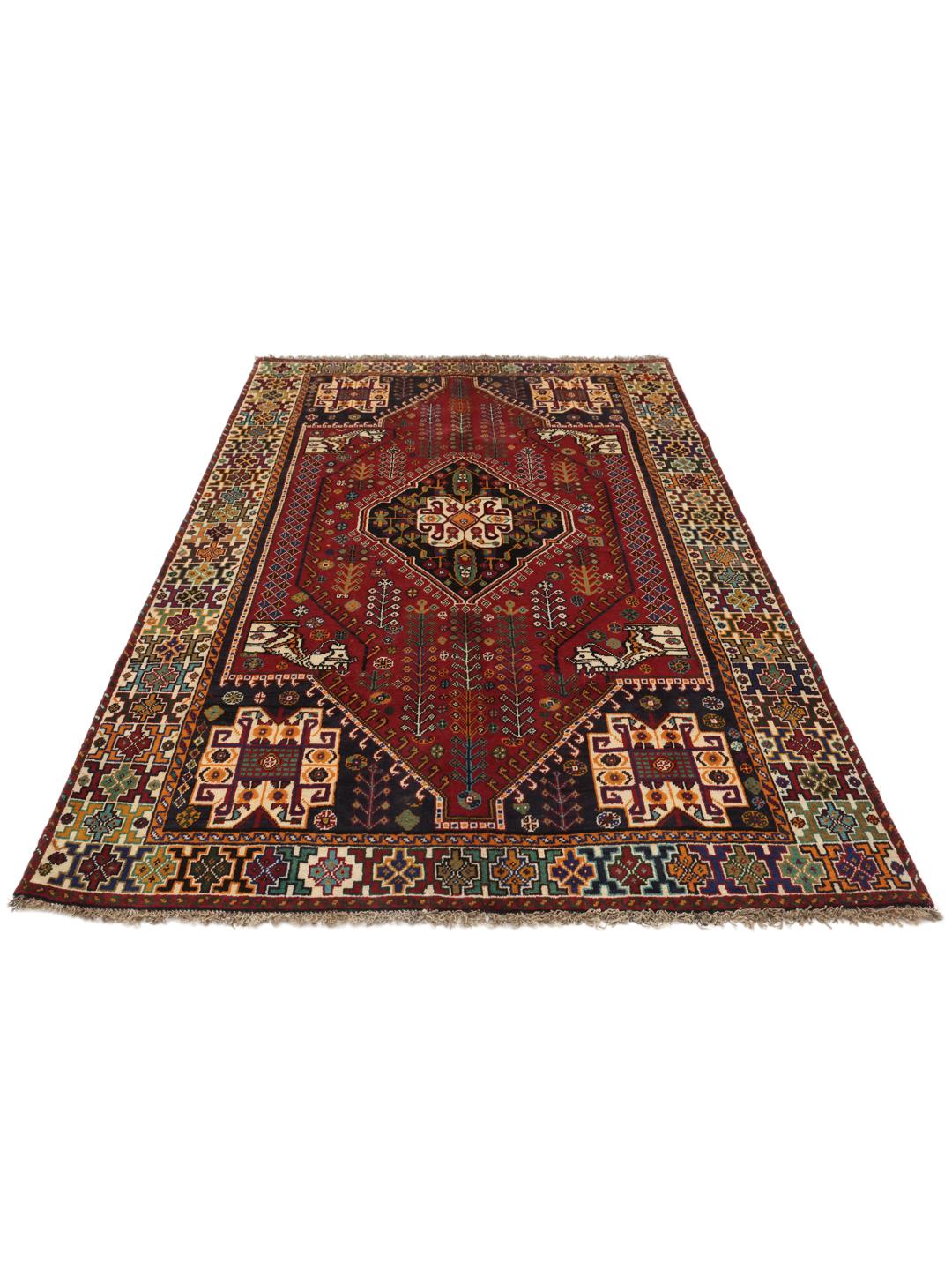
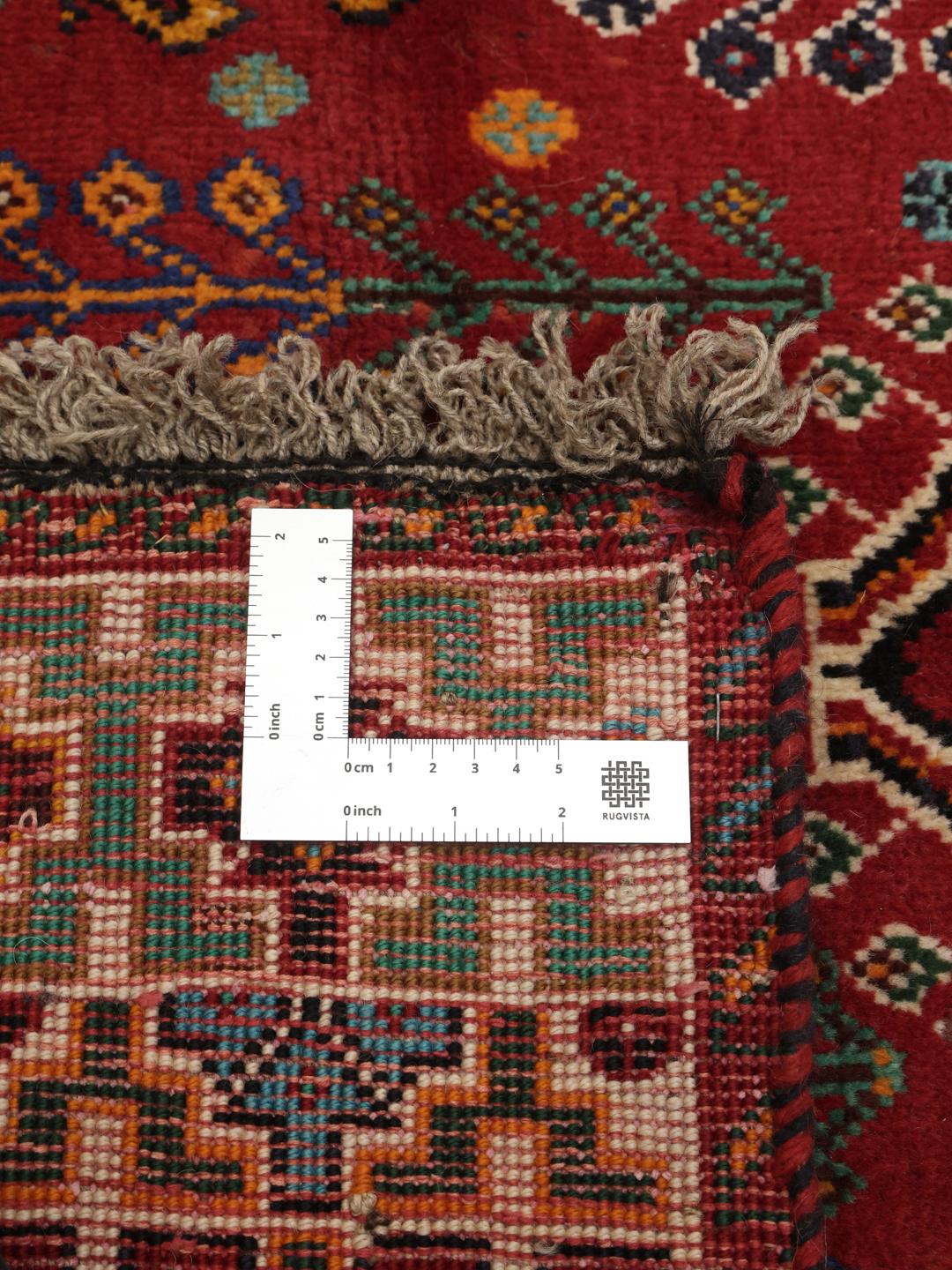
The Ghashghai rugs originate from the nomadic tribes of the Middle East, a region with a deep-rooted history of textile artistry. For generations, these tribes have moved across the rugged landscapes, carrying their weaving traditions with them. This nomadic lifestyle has heavily influenced their designs, which often reflect the natural world and the cultural identity of the tribe.
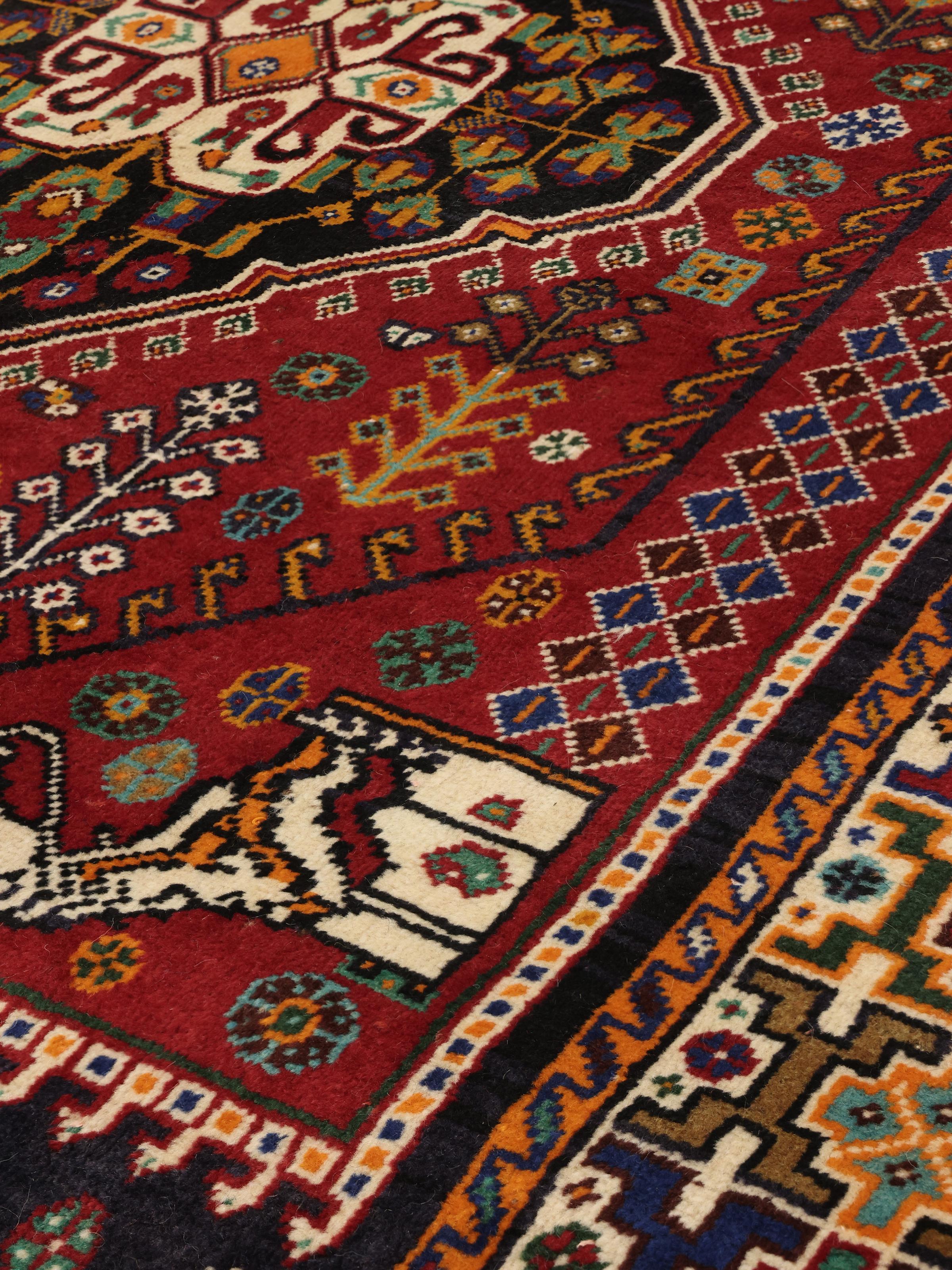
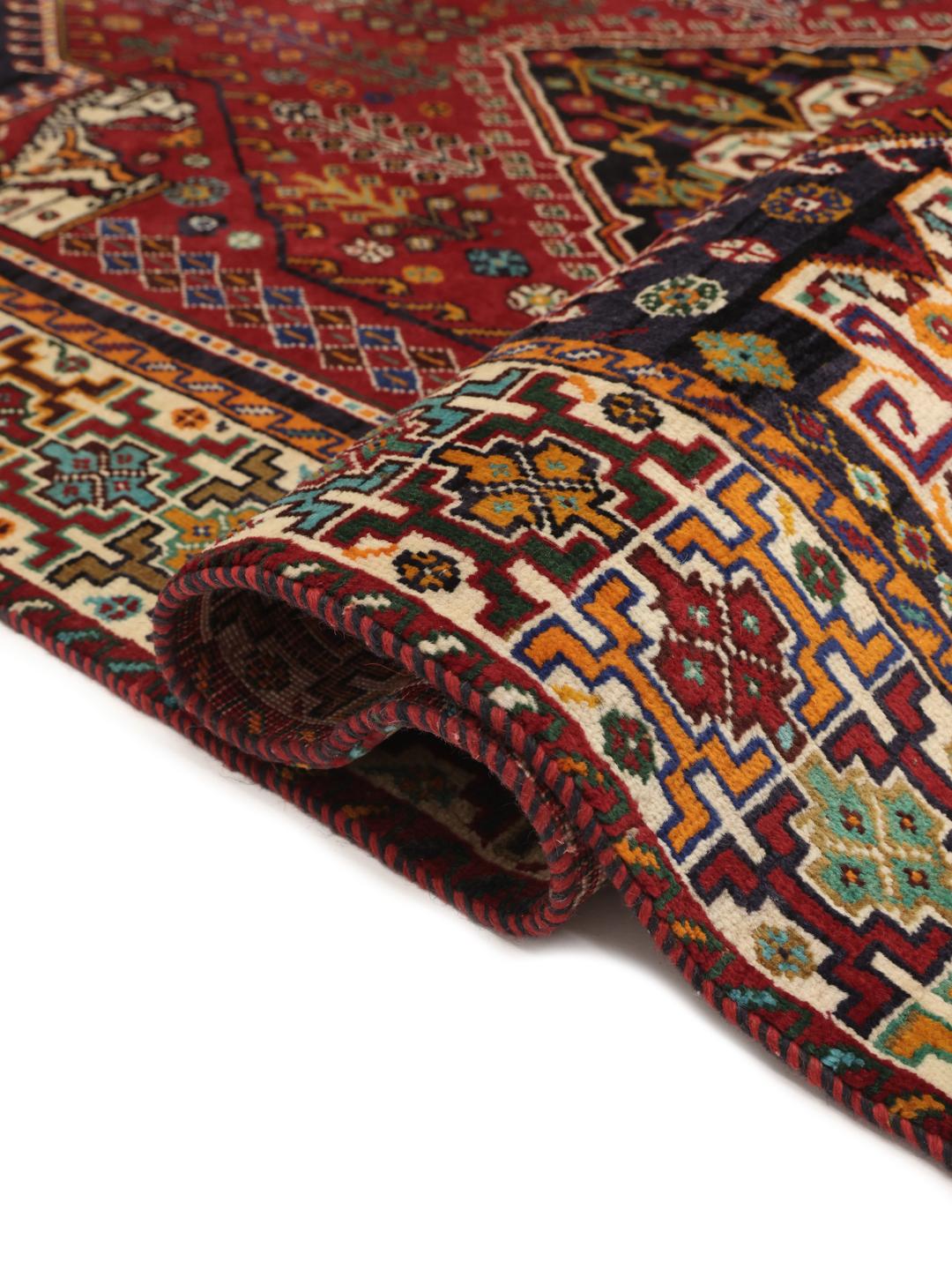
The construction of these rugs relies on time-honoured techniques passed down through families. The use of high-quality wool, sourced from local flocks, is central to the process. This wool is known for its natural lanolin content, which gives the pile a unique, durable, and slightly lustrous quality that improves with age, making these rugs highly prized for their longevity.
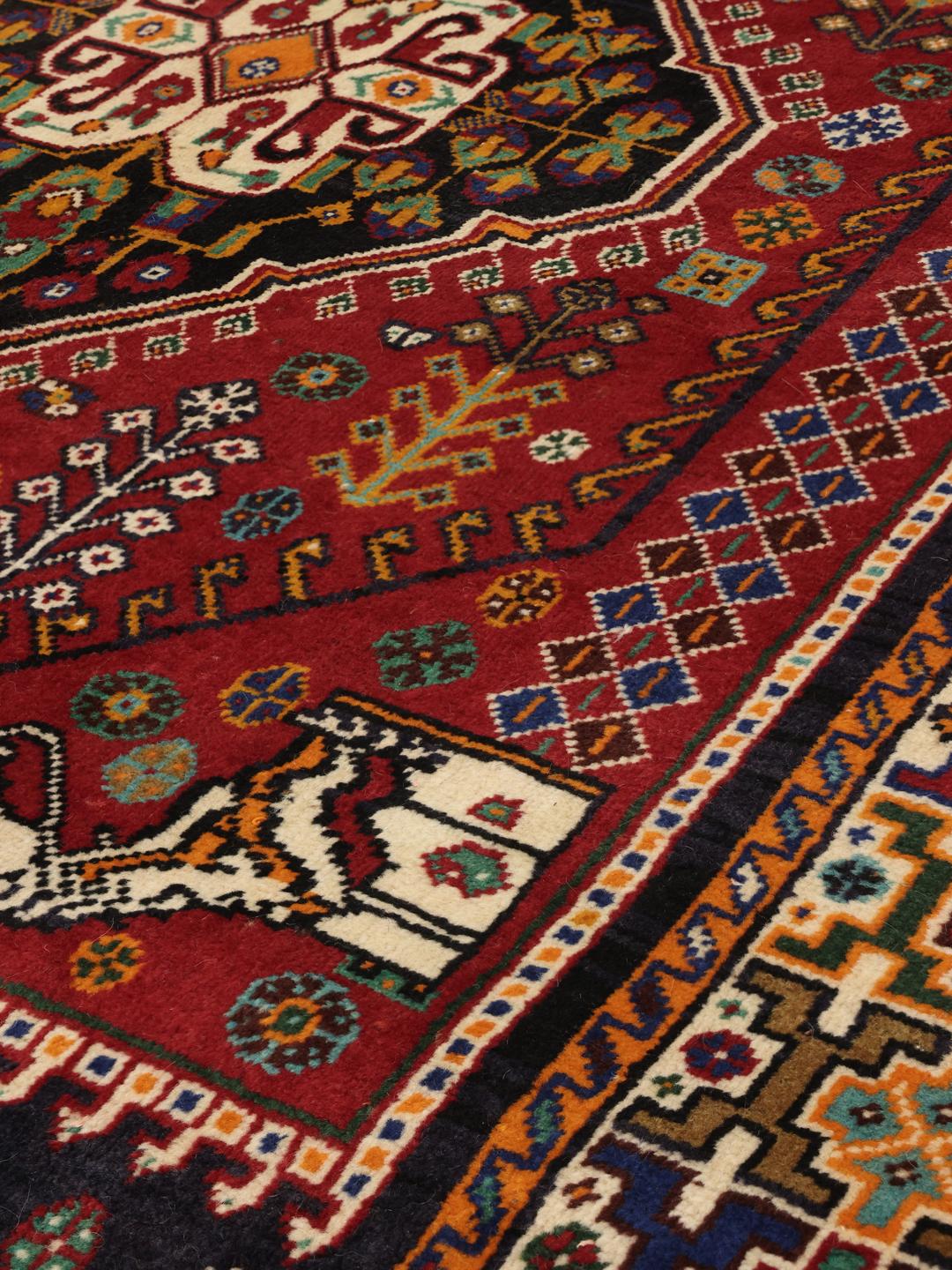
Visually, Ghashghai rugs are famous for their bold, geometric motifs. You will often see stylised representations of flowers, birds, and animals, alongside complex medallions. The field is typically filled with these symbolic patterns, enclosed by intricate borders that frame the composition. The use of vibrant, deep colours—often achieved through traditional dyeing methods—makes every piece visually striking and distinct.
Owning a Ghashghai rug is more than a design choice; it is a connection to a rich cultural heritage. Collectors value these pieces for the skill required to translate tribal stories into woven form. Each rug represents a blend of history, artistry, and manual labour, standing as a testament to a craft that continues to be celebrated for its authenticity and enduring appeal.