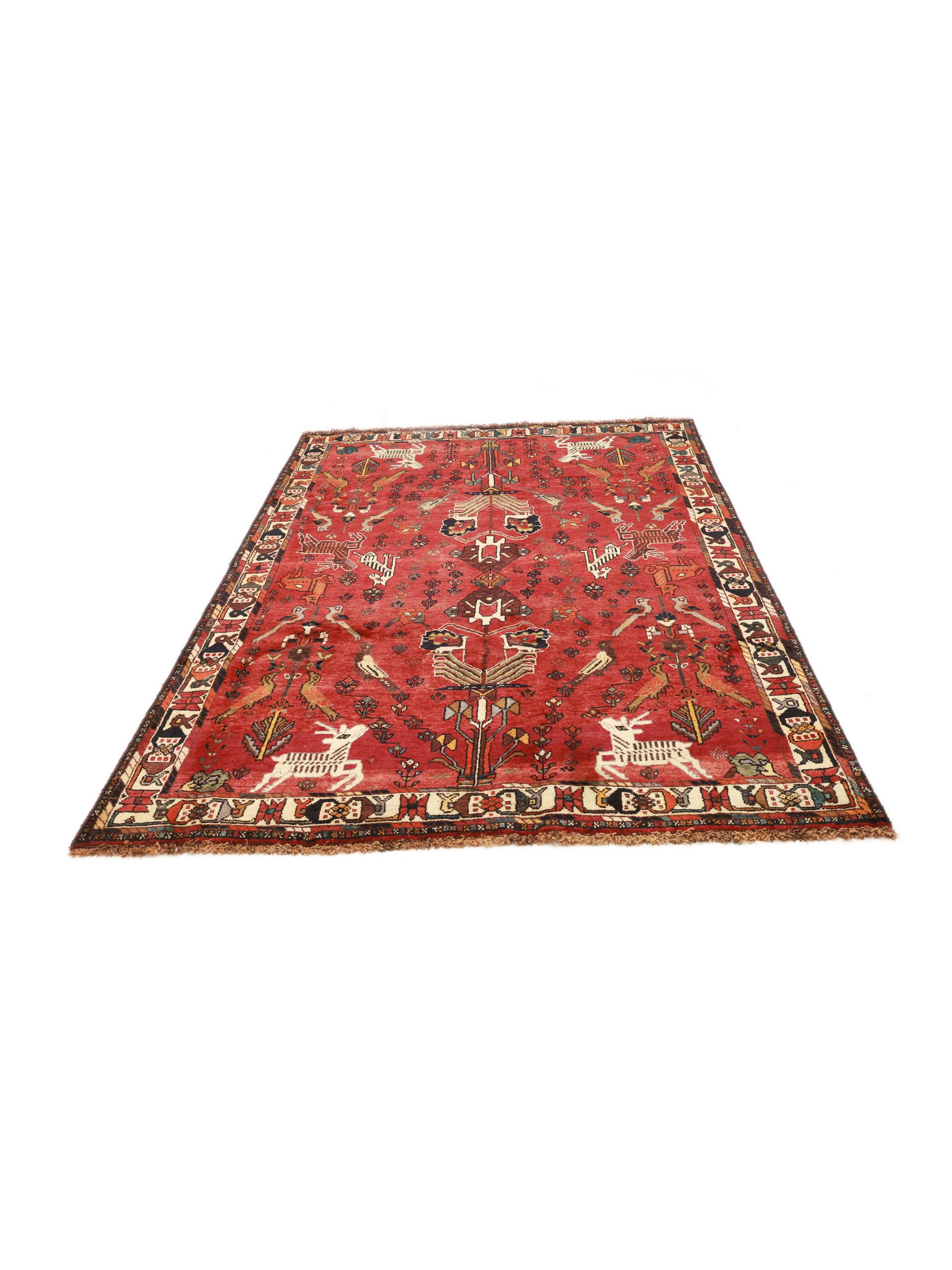
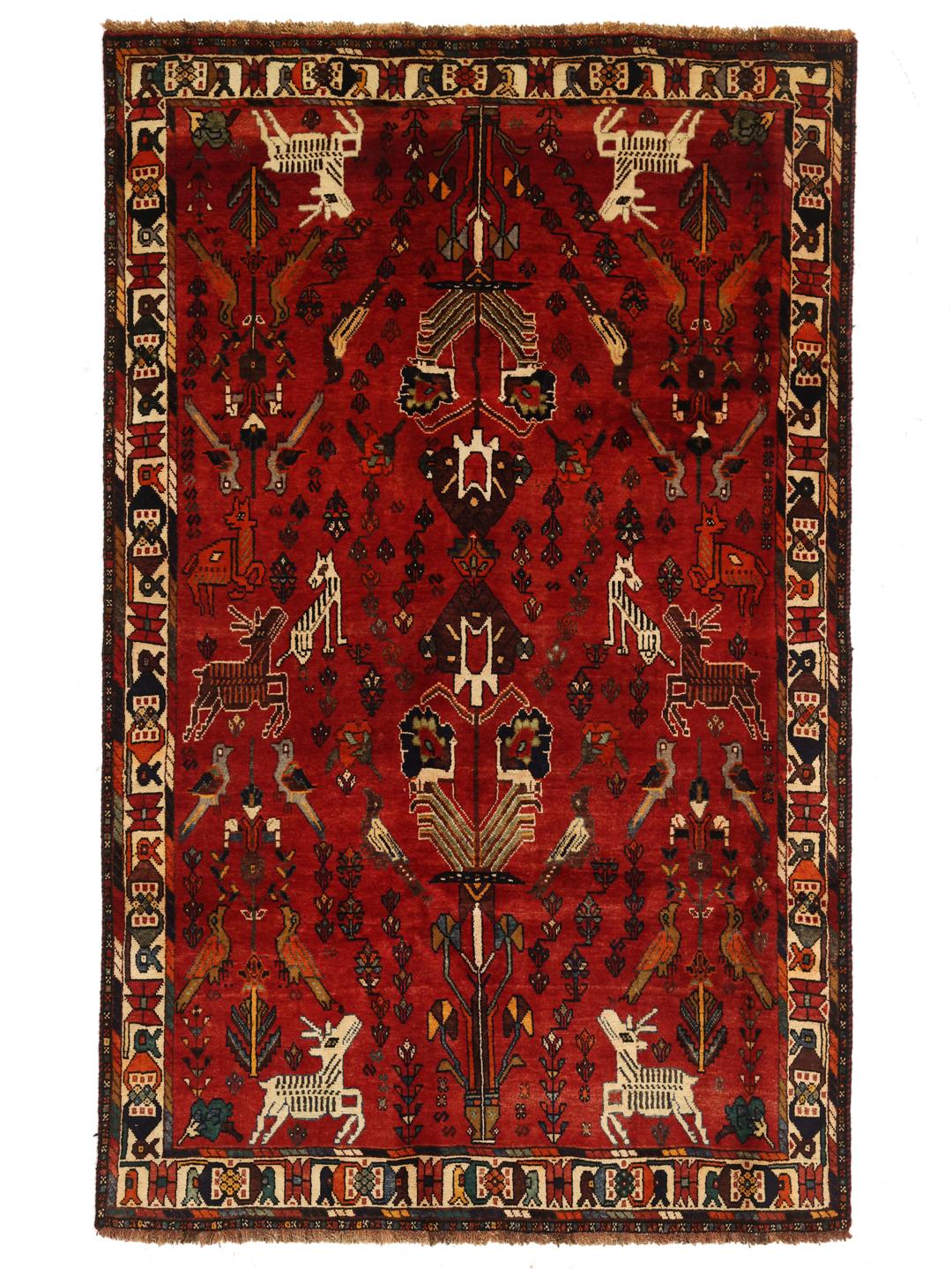
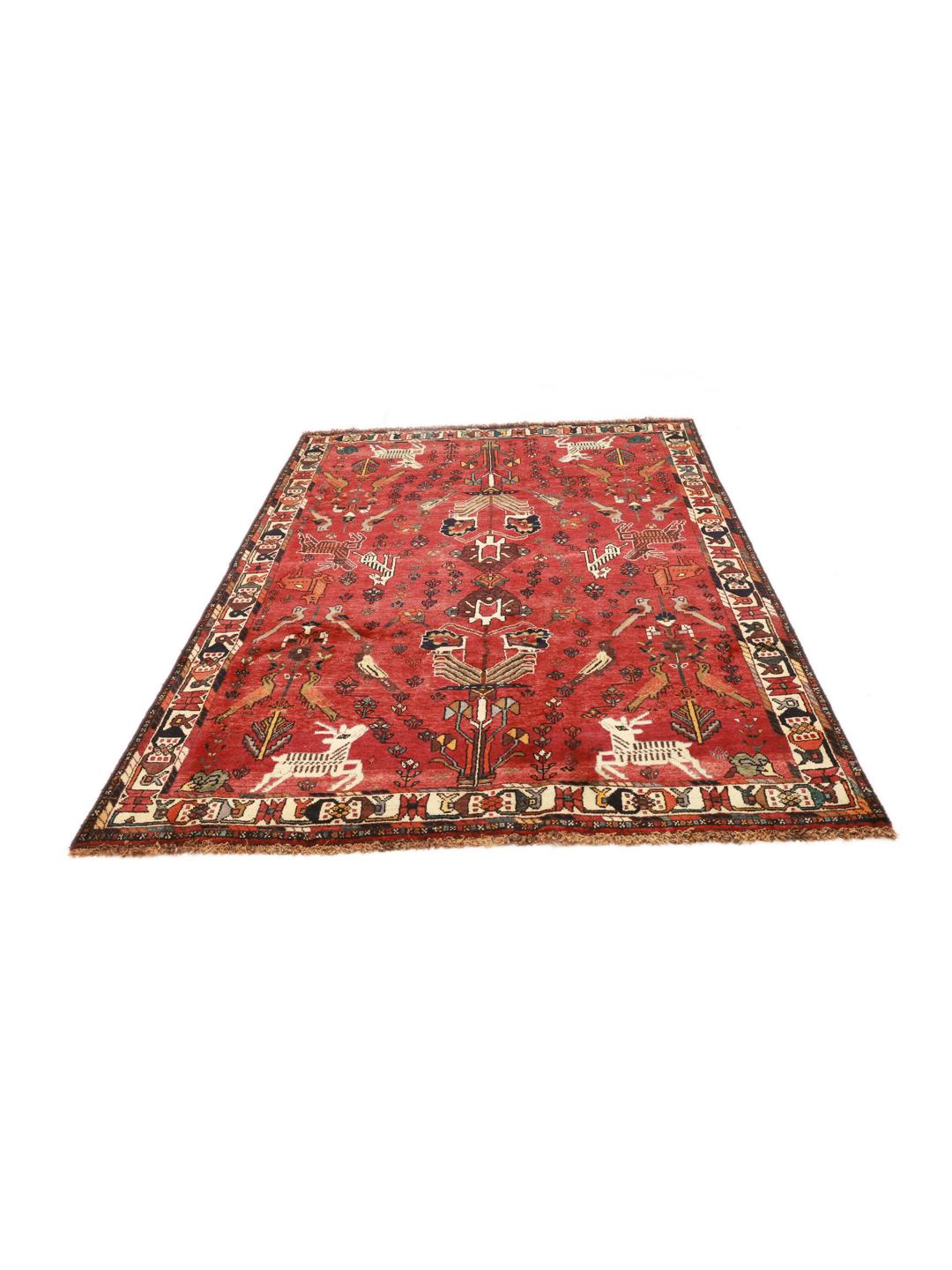
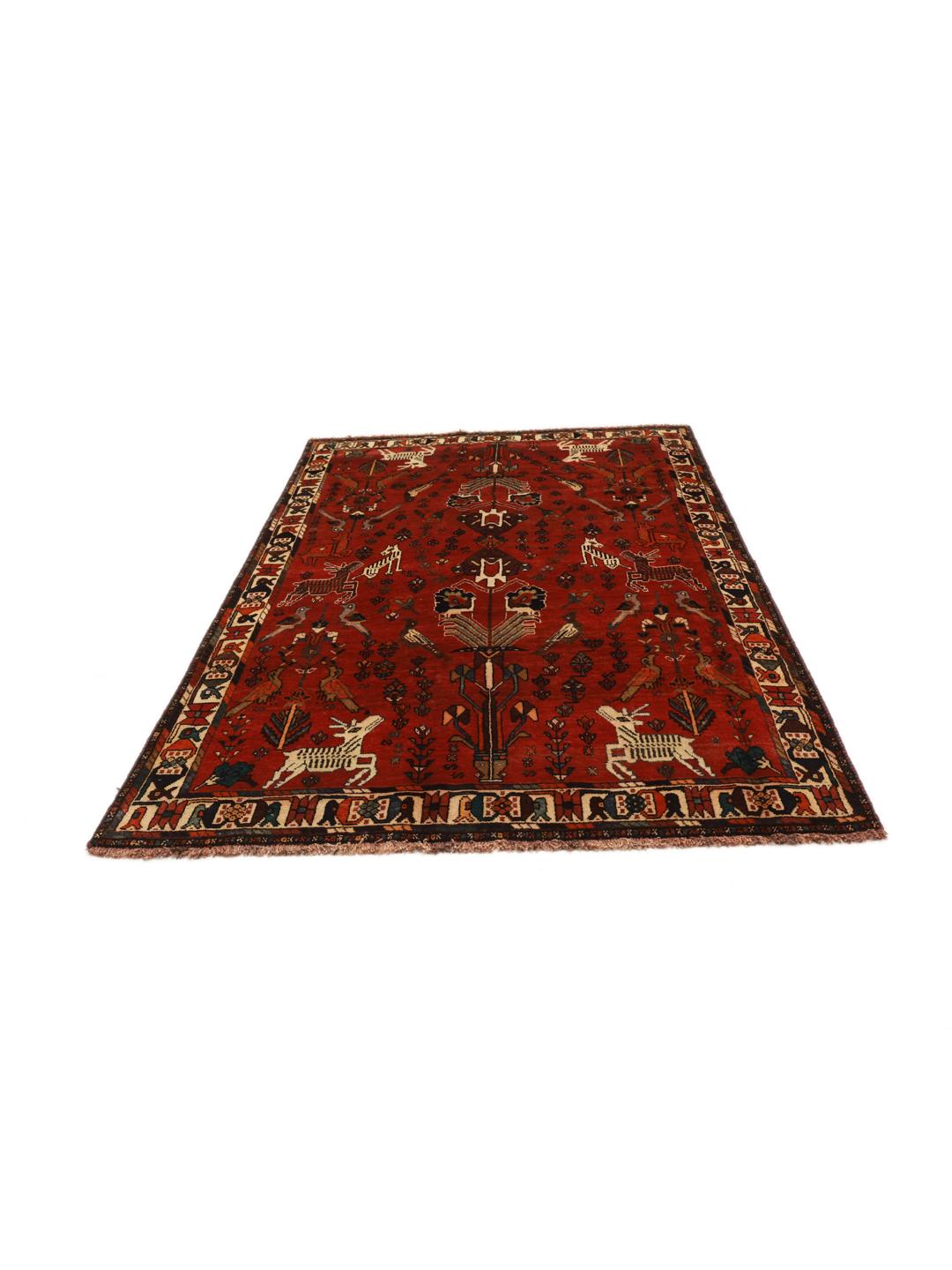
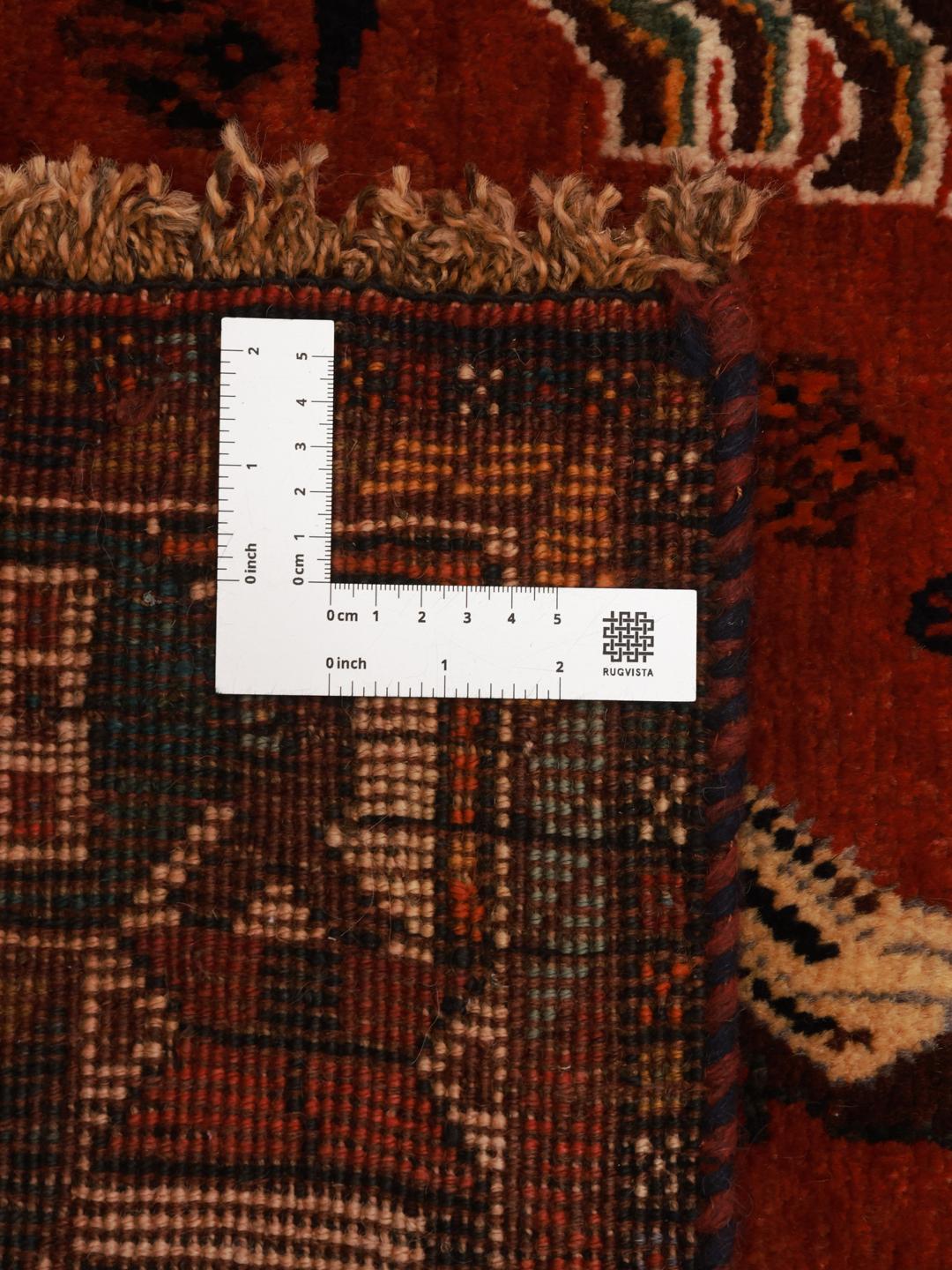
The Ghashghai rugs originate from the nomadic tribes of the Middle East, a region with a deep-rooted history of weaving that has been passed down through generations. These tribes, known for their seasonal migrations, developed a distinct visual language that reflects their surroundings, beliefs, and the natural beauty of their landscapes.
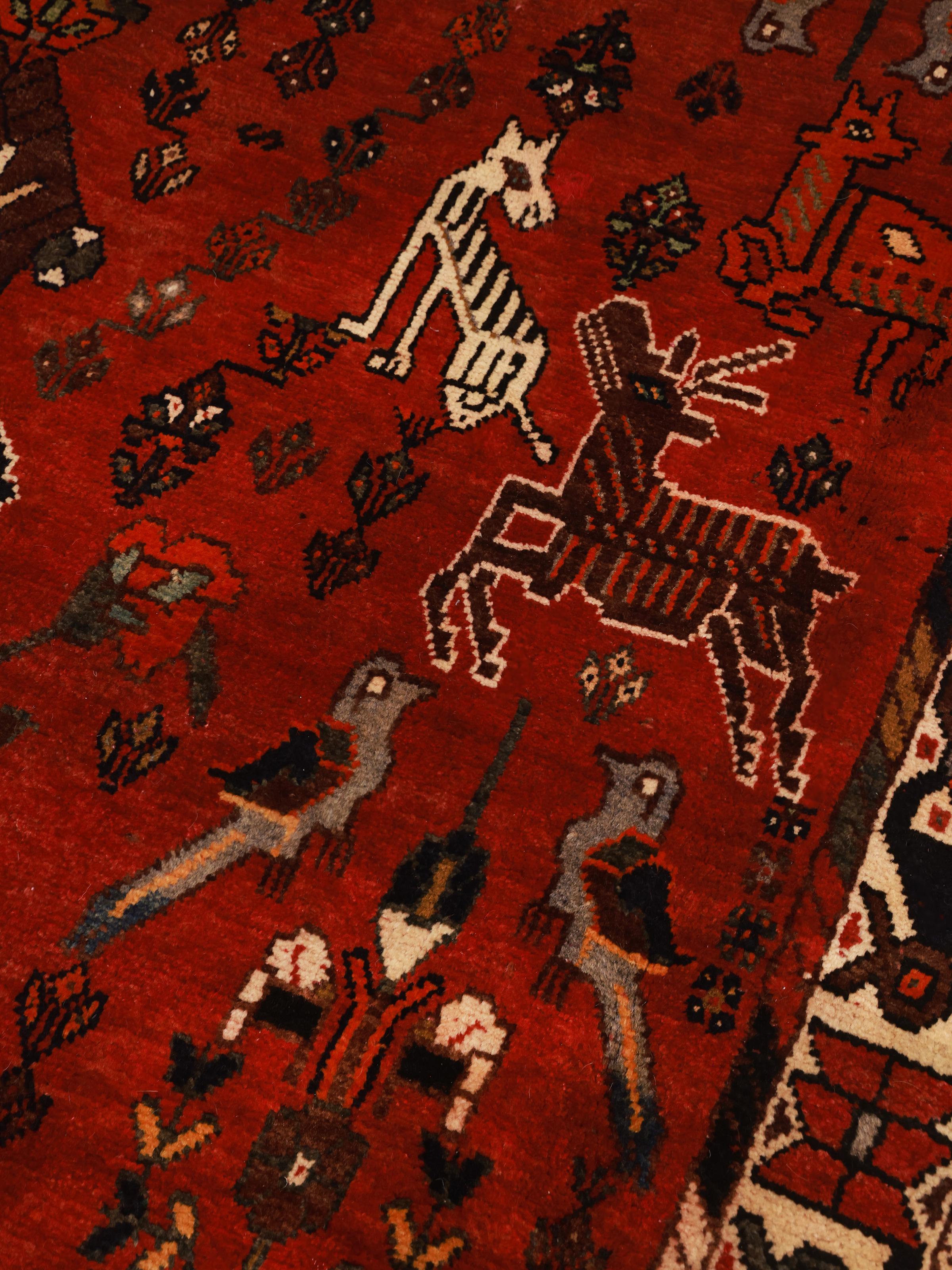
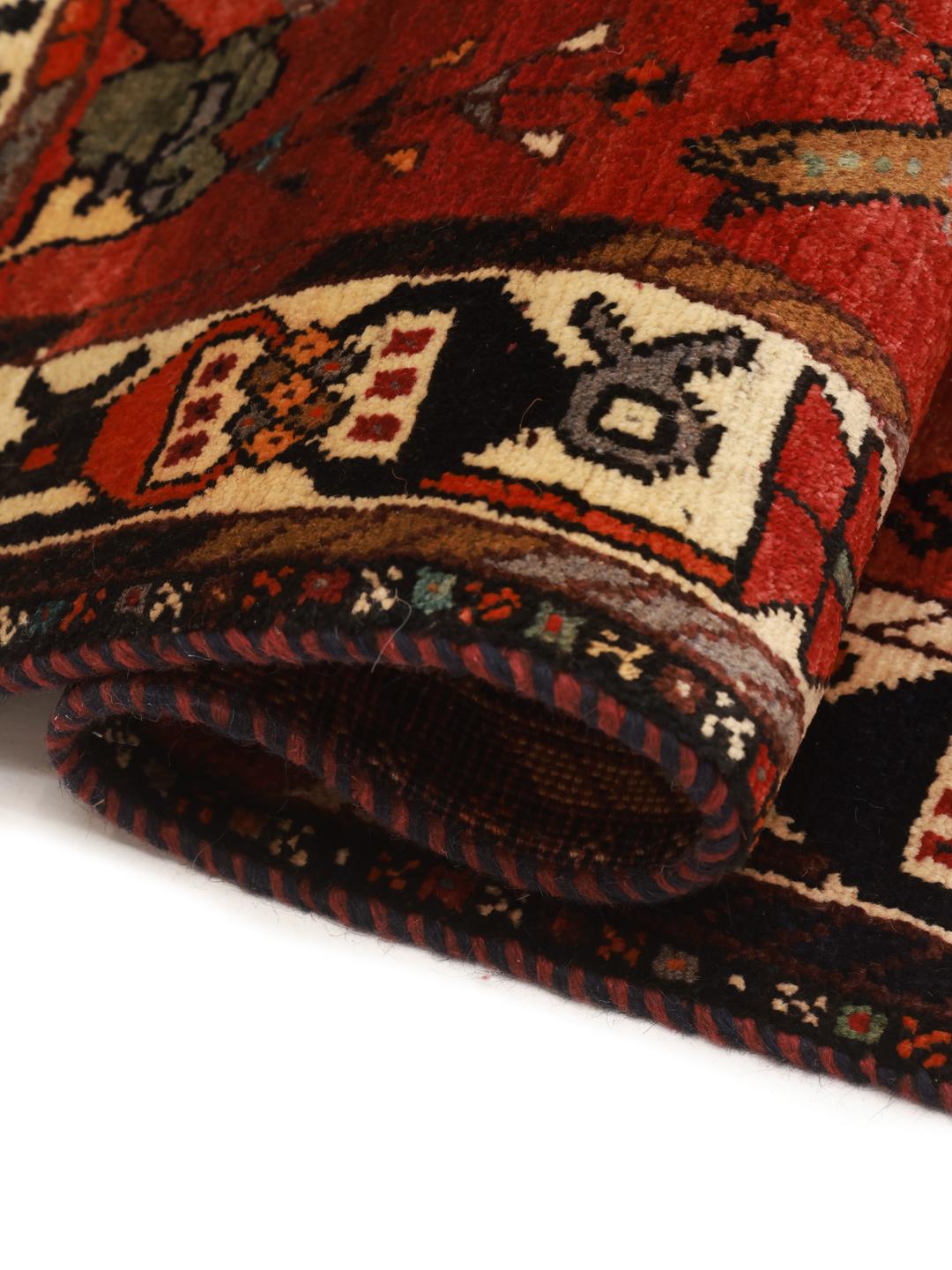
The weaving tradition of the Ghashghai is celebrated for its authenticity and lack of rigid formality. Unlike commercial rugs that follow strict templates, these pieces are often created from memory and imagination. The term 'hand-knotted' here refers to the precise, manual tying of individual wool threads, a technique that produces a long-lasting and resilient surface that improves with age.
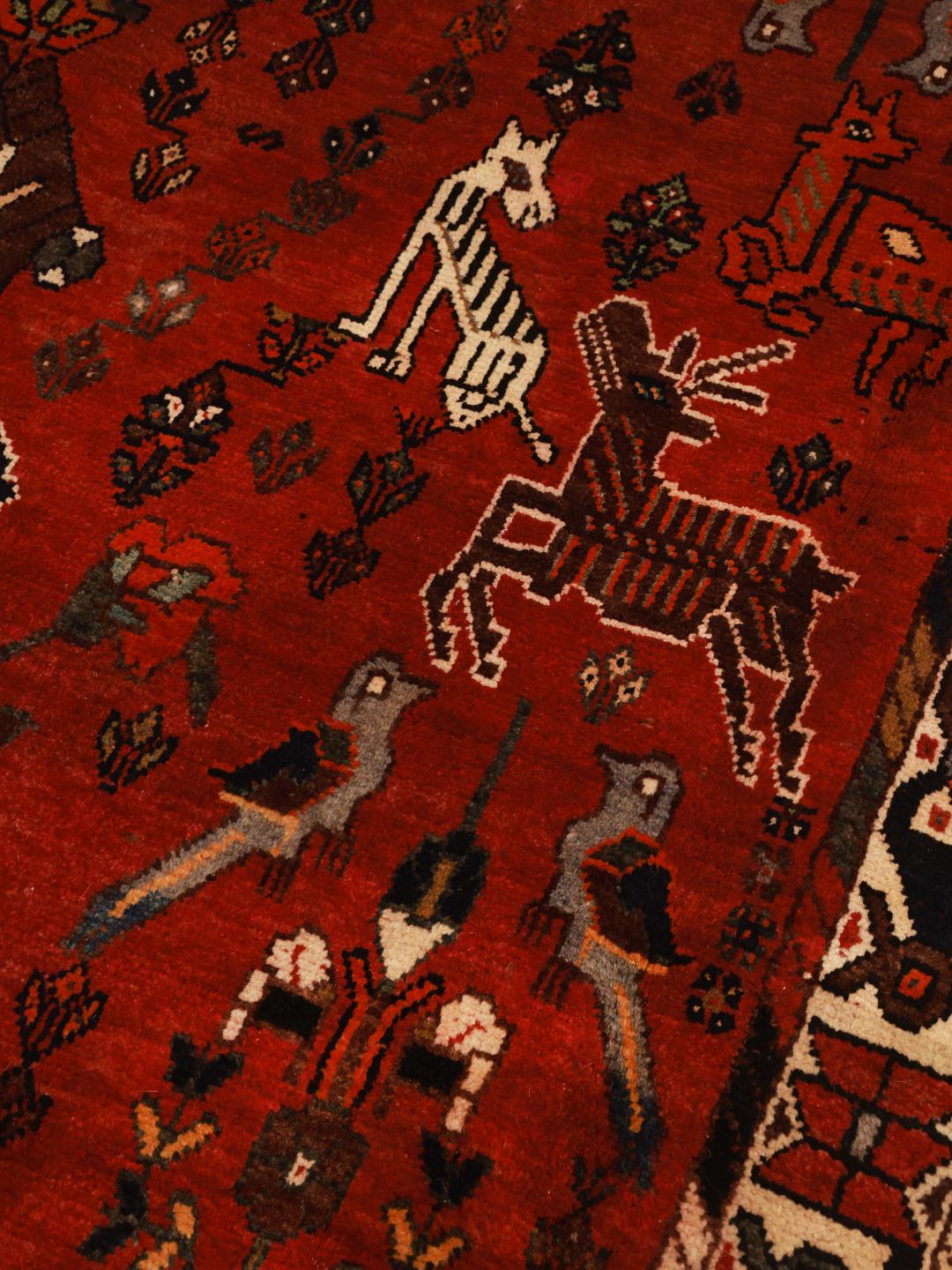
Signature design elements in this tradition often include stylized animal motifs, birds, and geometric floral patterns arranged in a seemingly spontaneous yet balanced composition. The use of vibrant, natural dyes—typically dominated by rich reds and deep blues—creates a warm and energetic aesthetic that has made these rugs highly sought after by collectors worldwide.
Owning a Ghashghai rug is an investment in human skill and cultural preservation. It represents a connection to a nomadic heritage where every knot is a testament to the weaver's patience and creative expression. These rugs are valued not just for their aesthetic appeal, but for their ability to carry the legacy of a resilient culture into the modern home.