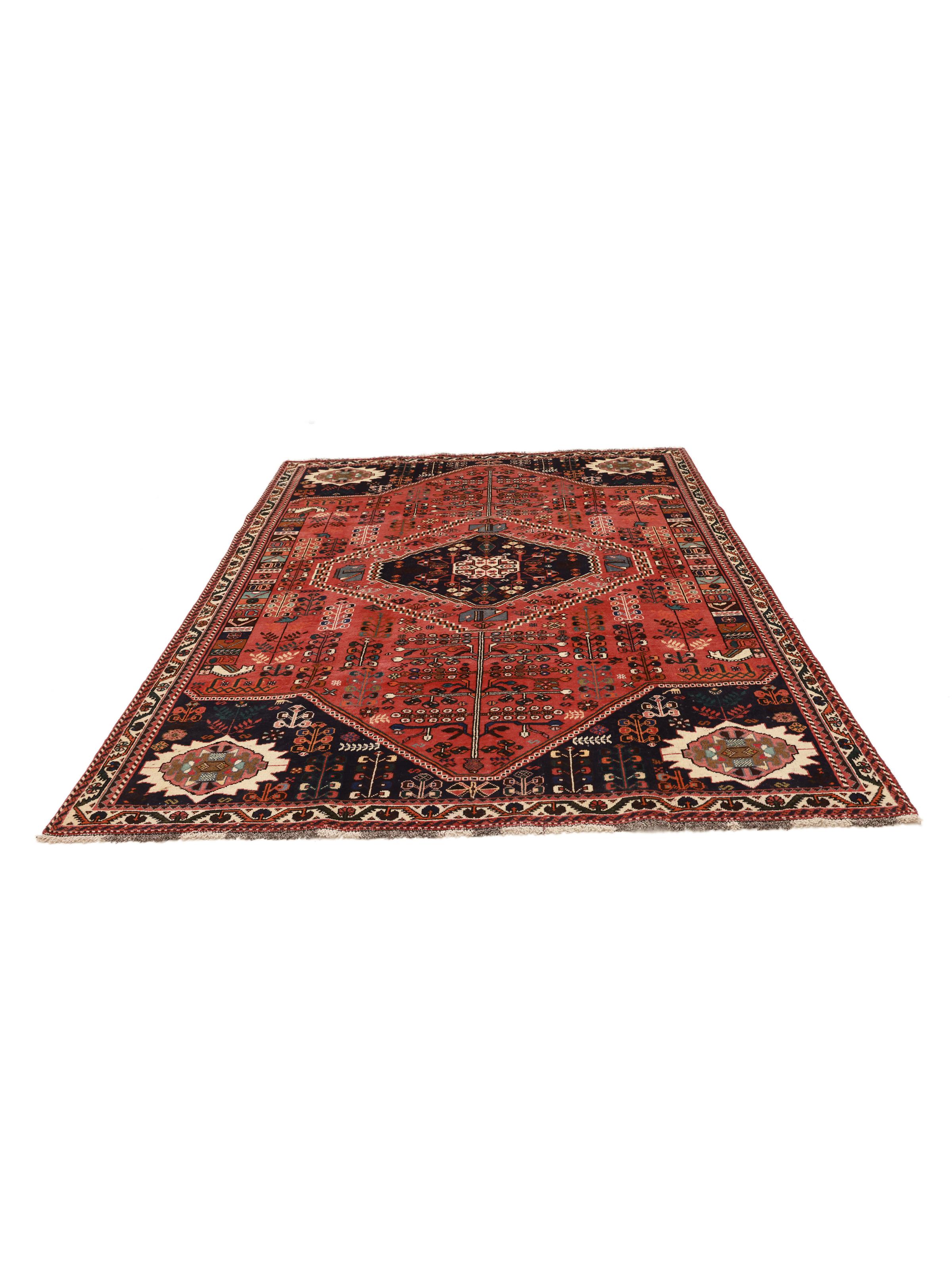
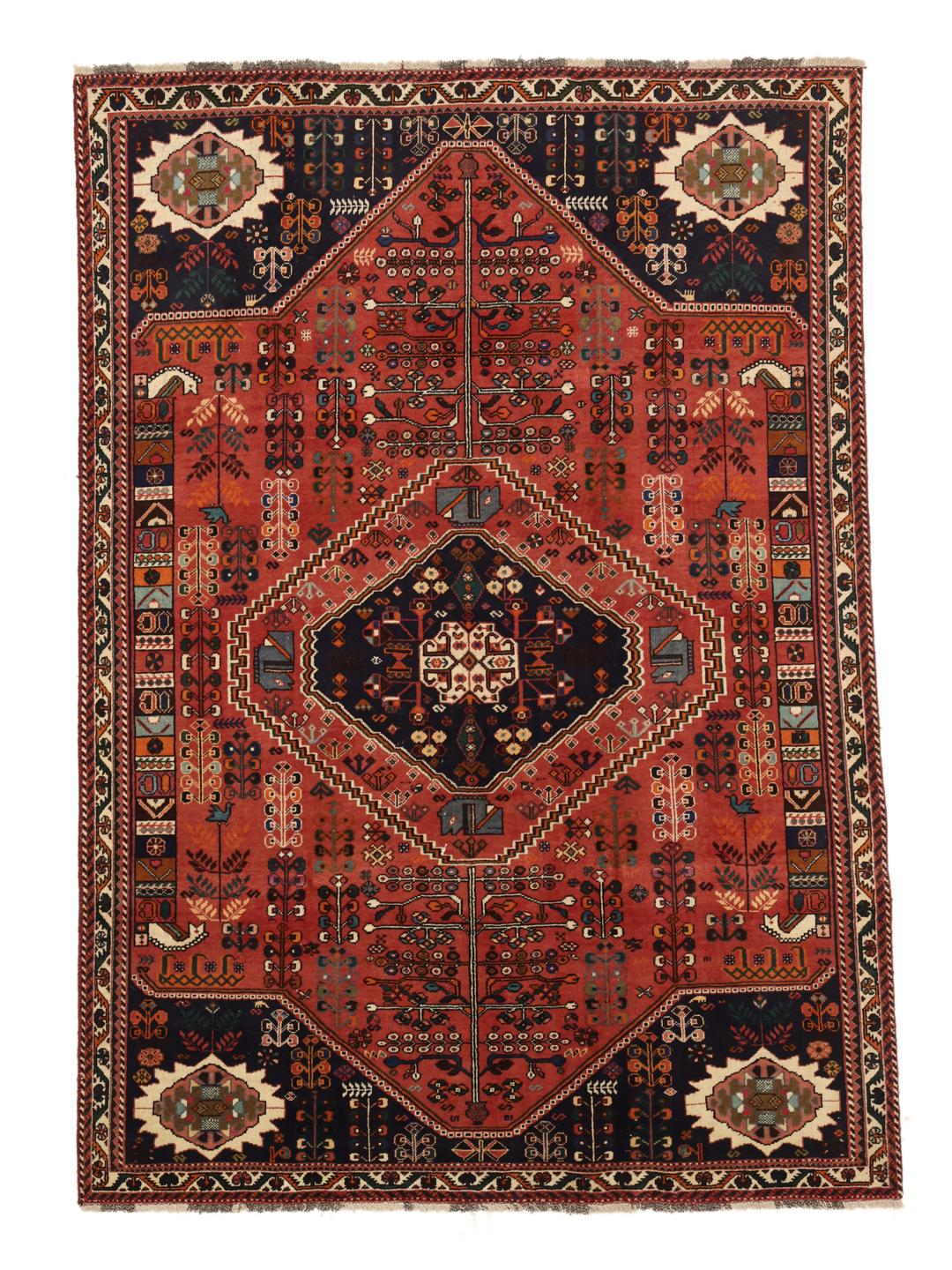
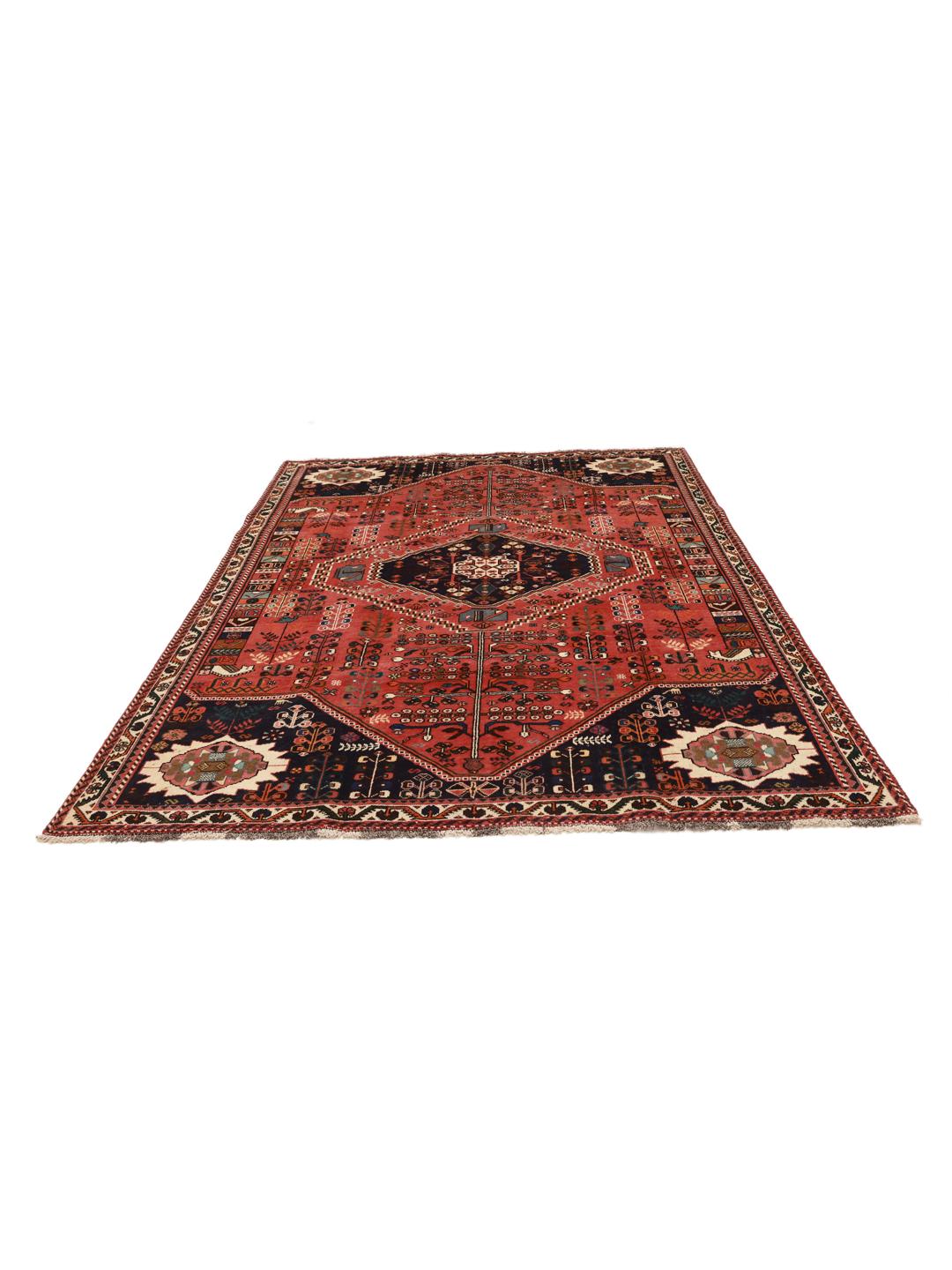
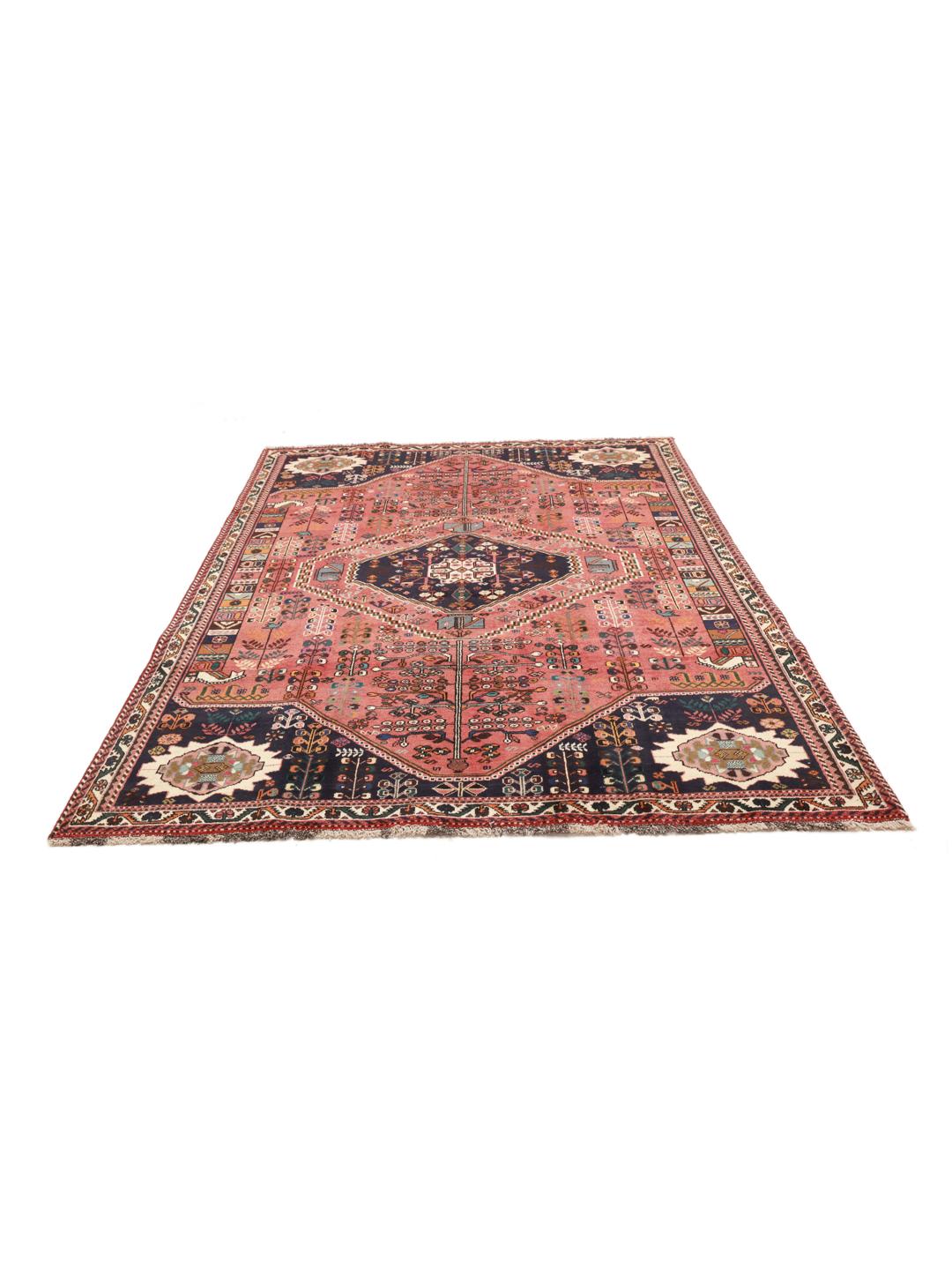
The Qashqai rugs originate from the nomadic tribes of the Middle East, a region with a long-standing history of textile artistry. For centuries, these semi-nomadic peoples have travelled across high plateaus, carrying their looms with them. This migratory lifestyle has deeply influenced the designs, which often incorporate elements from the natural landscapes and the cultural symbols passed down through generations of tribal families.
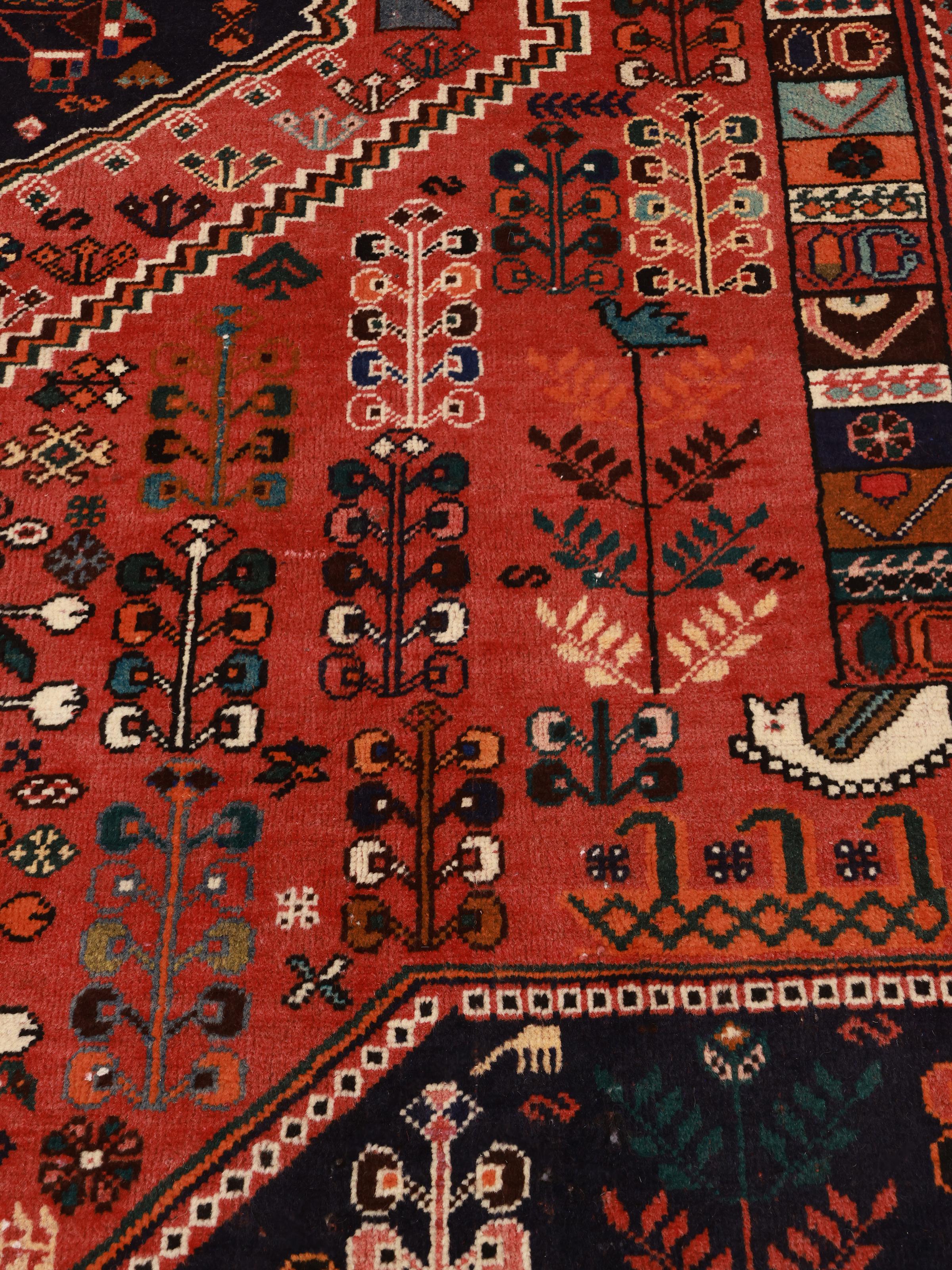
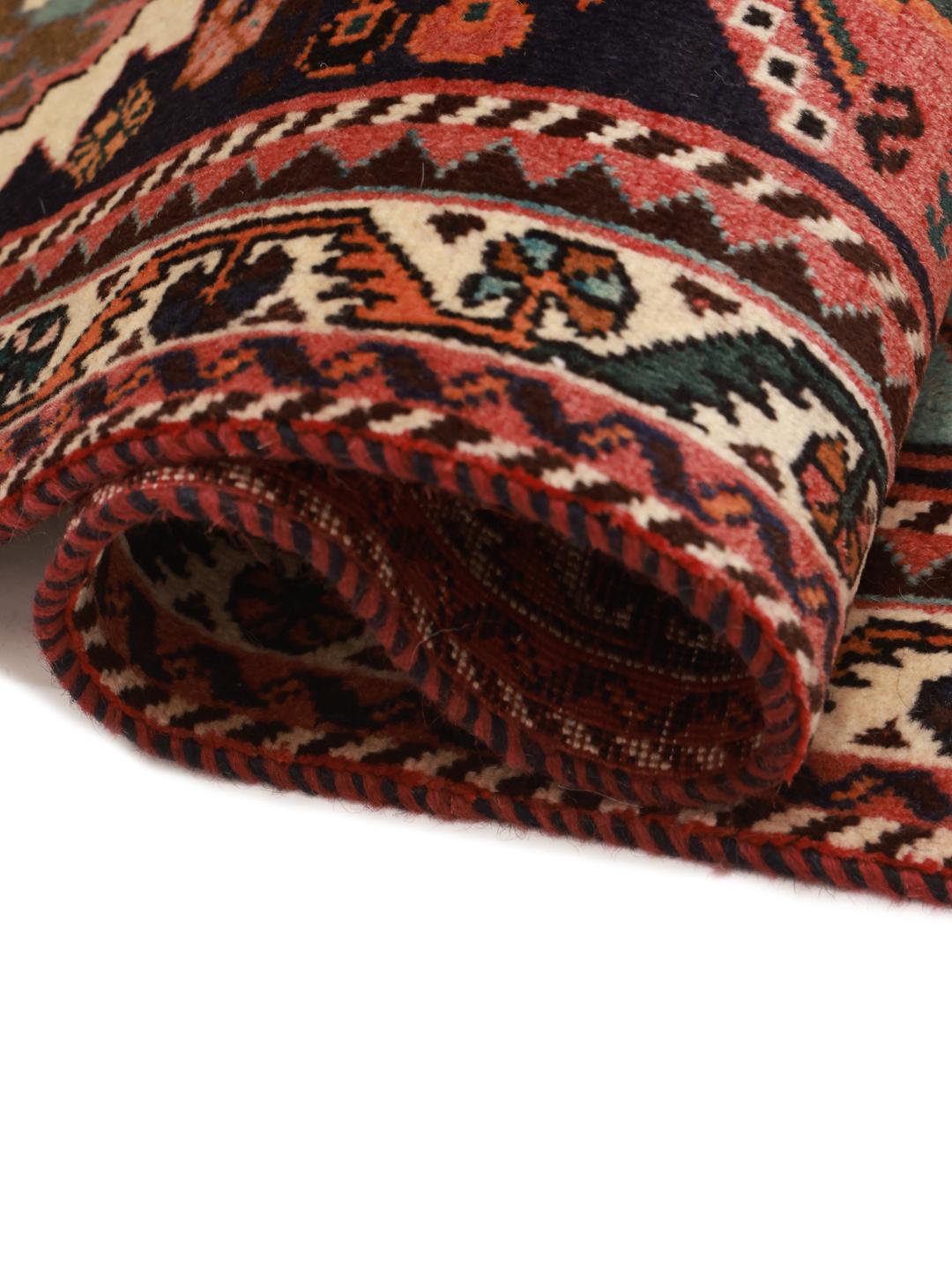
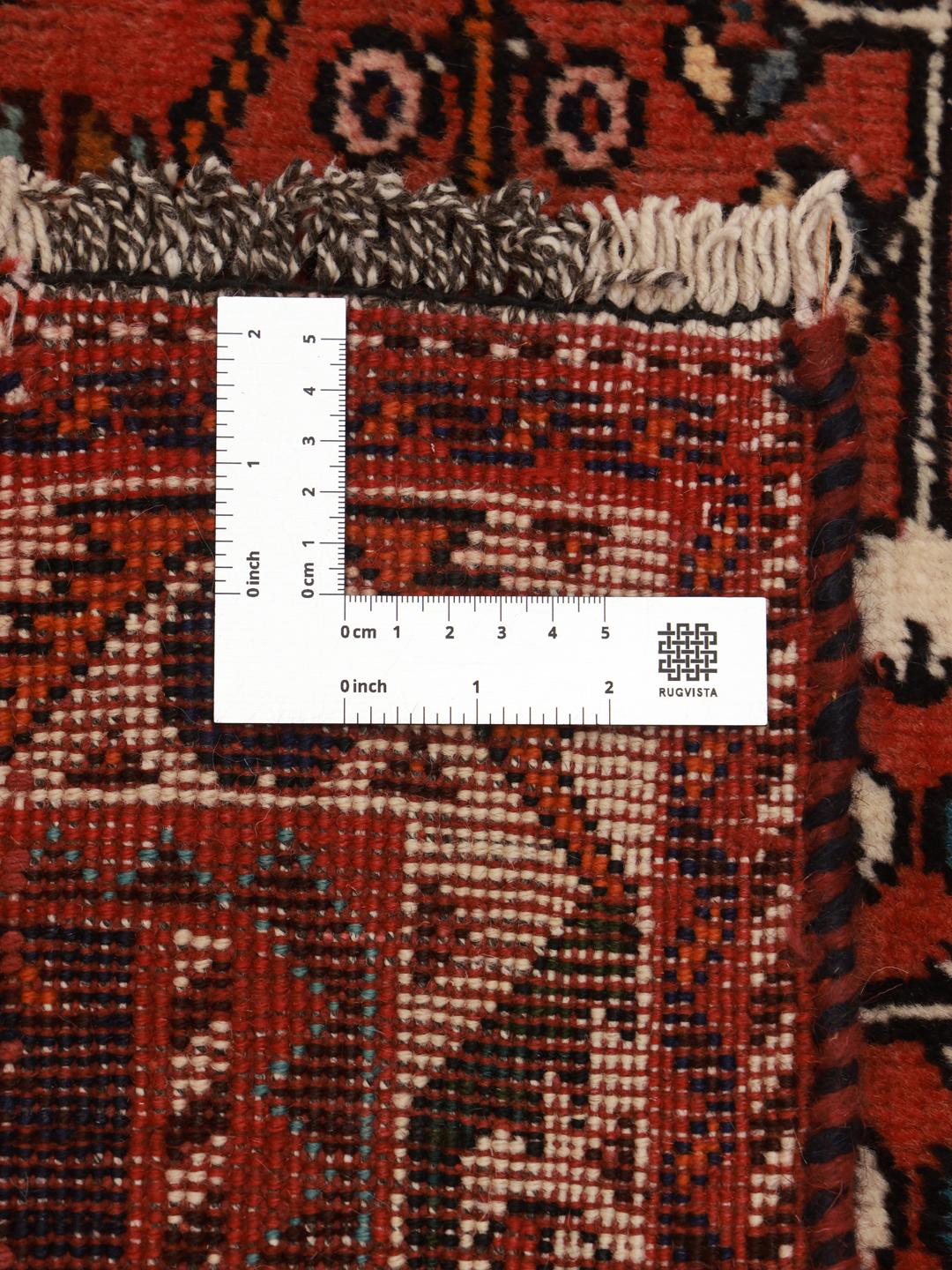
The craft is defined by a specific approach to construction, often involving locally sourced wool that is spun and dyed using traditional methods. The term hand-knotted refers to the technique where each pile thread is individually tied to the foundation, a method that ensures the rug remains flat and durable. This labour-intensive craft is a hallmark of the region, ensuring that each rug is a sturdy, high-quality textile that can withstand the demands of daily life.
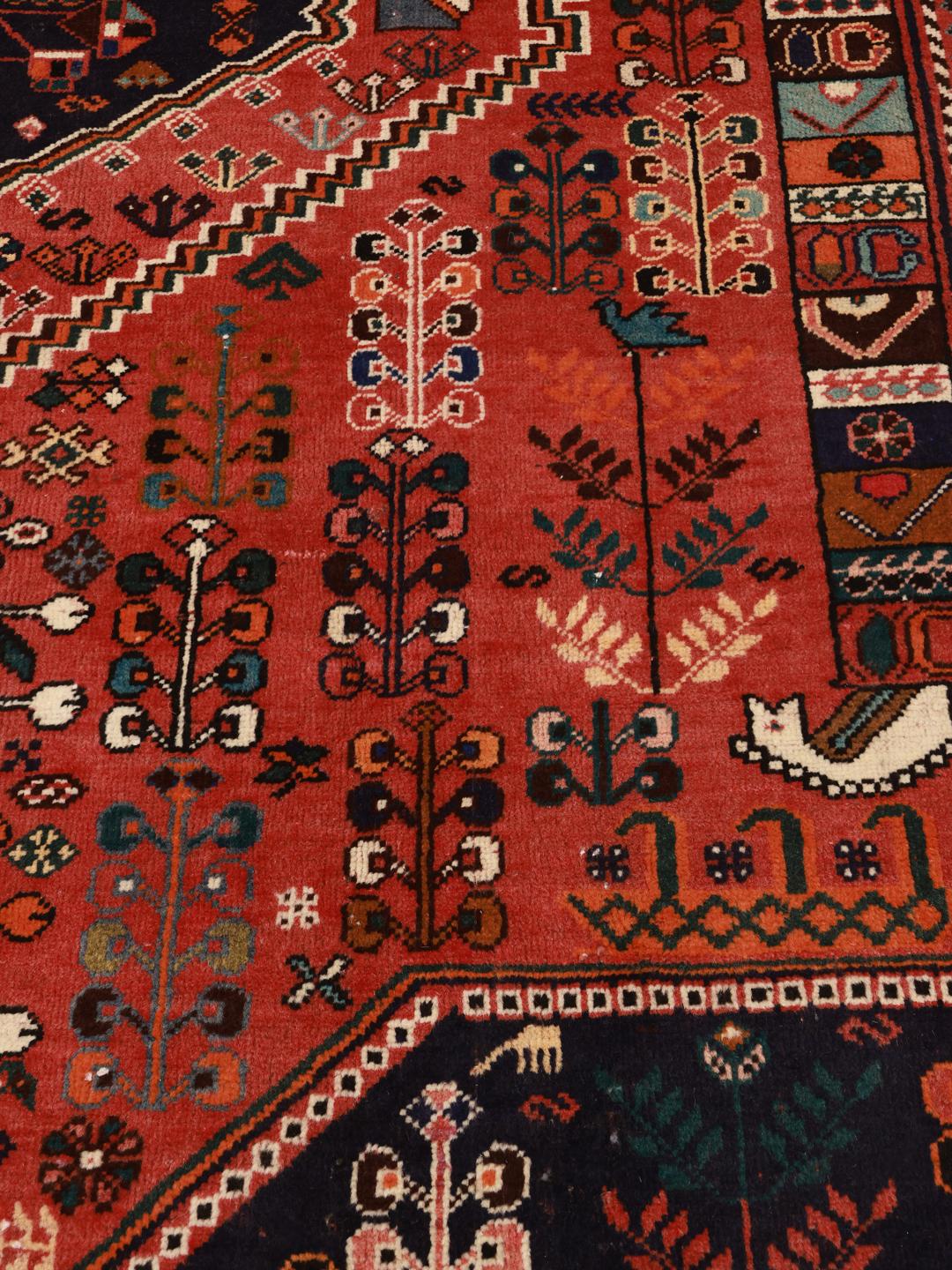
Visually, these rugs are celebrated for their bold geometric motifs, including stylised animals, plants, and signature medallions. The field is often filled with a variety of symbols, each telling a story or representing a specific tribal identity. While many feature a classic red field, the inclusion of contrasting deep blue and ivory tones creates a sophisticated balance, making each rug an expressive and visually engaging piece of decor.
Beyond their aesthetic appeal, these rugs are highly valued by collectors for their cultural significance and the skill required to produce them. Owning a piece from this tradition is an investment in a living heritage, representing a connection to the nomadic spirit and the ancient art of weaving. These rugs are not merely floor coverings but are regarded as lasting heirlooms that carry the legacy of their creators into your modern home.