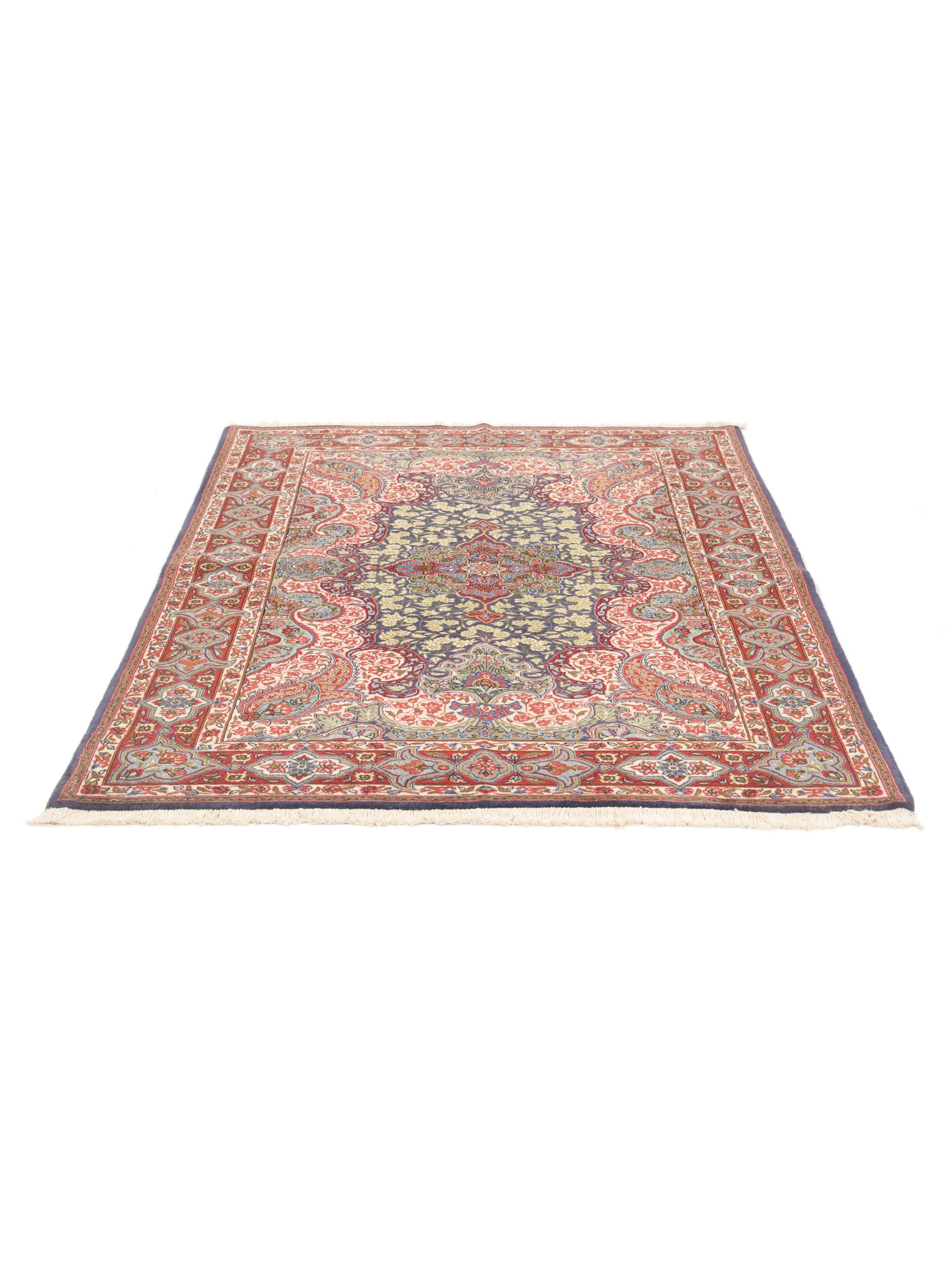
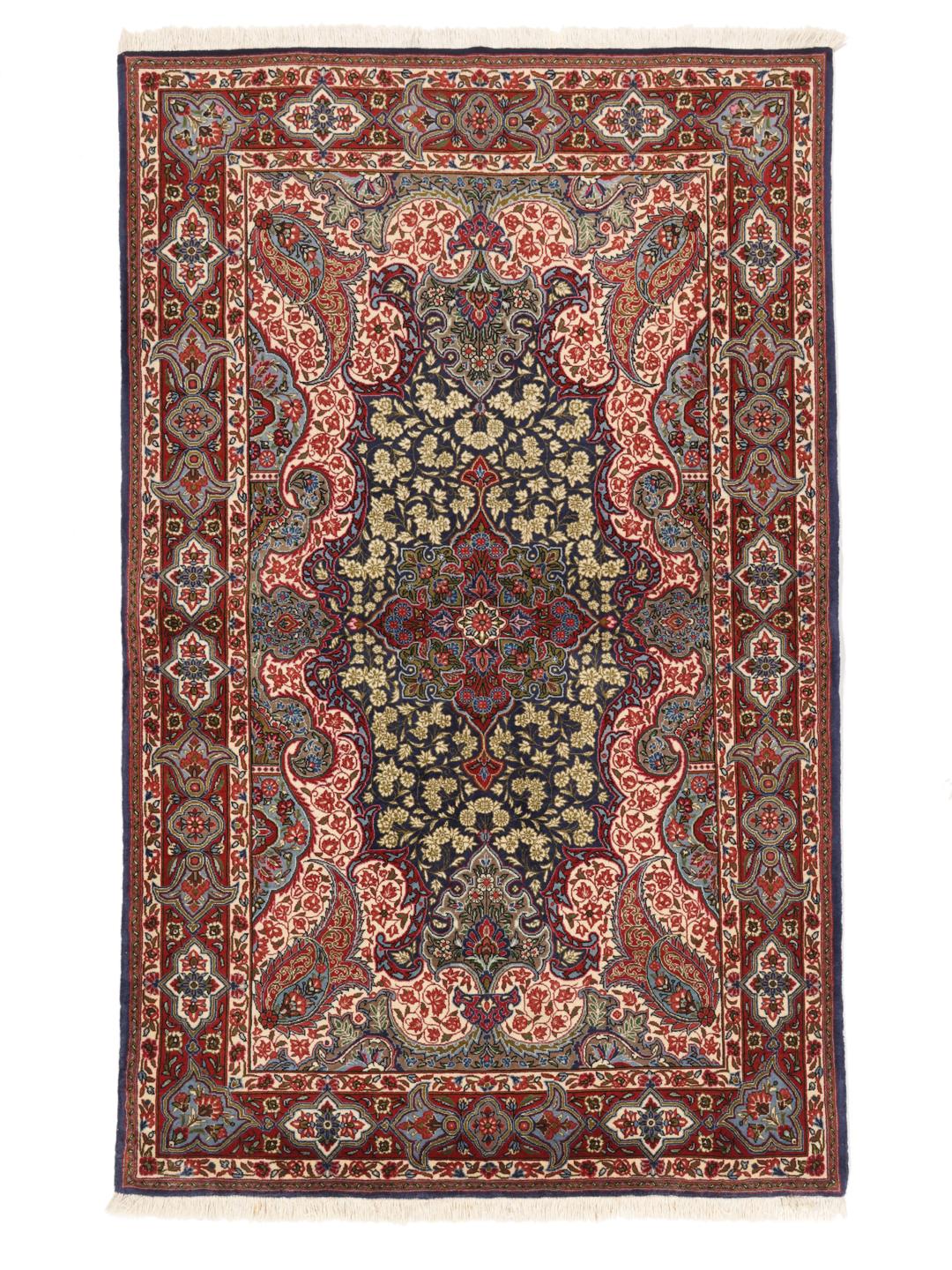
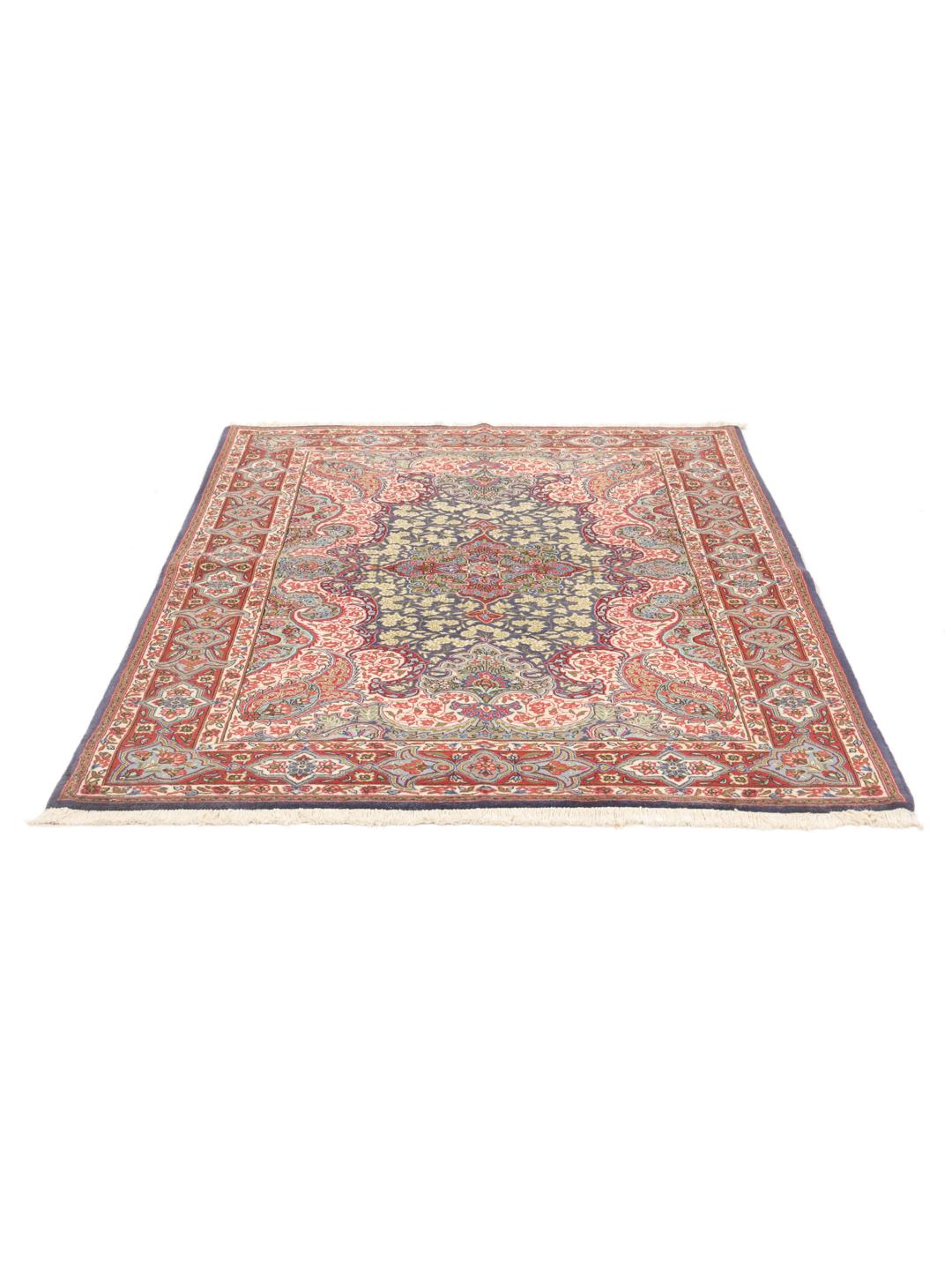
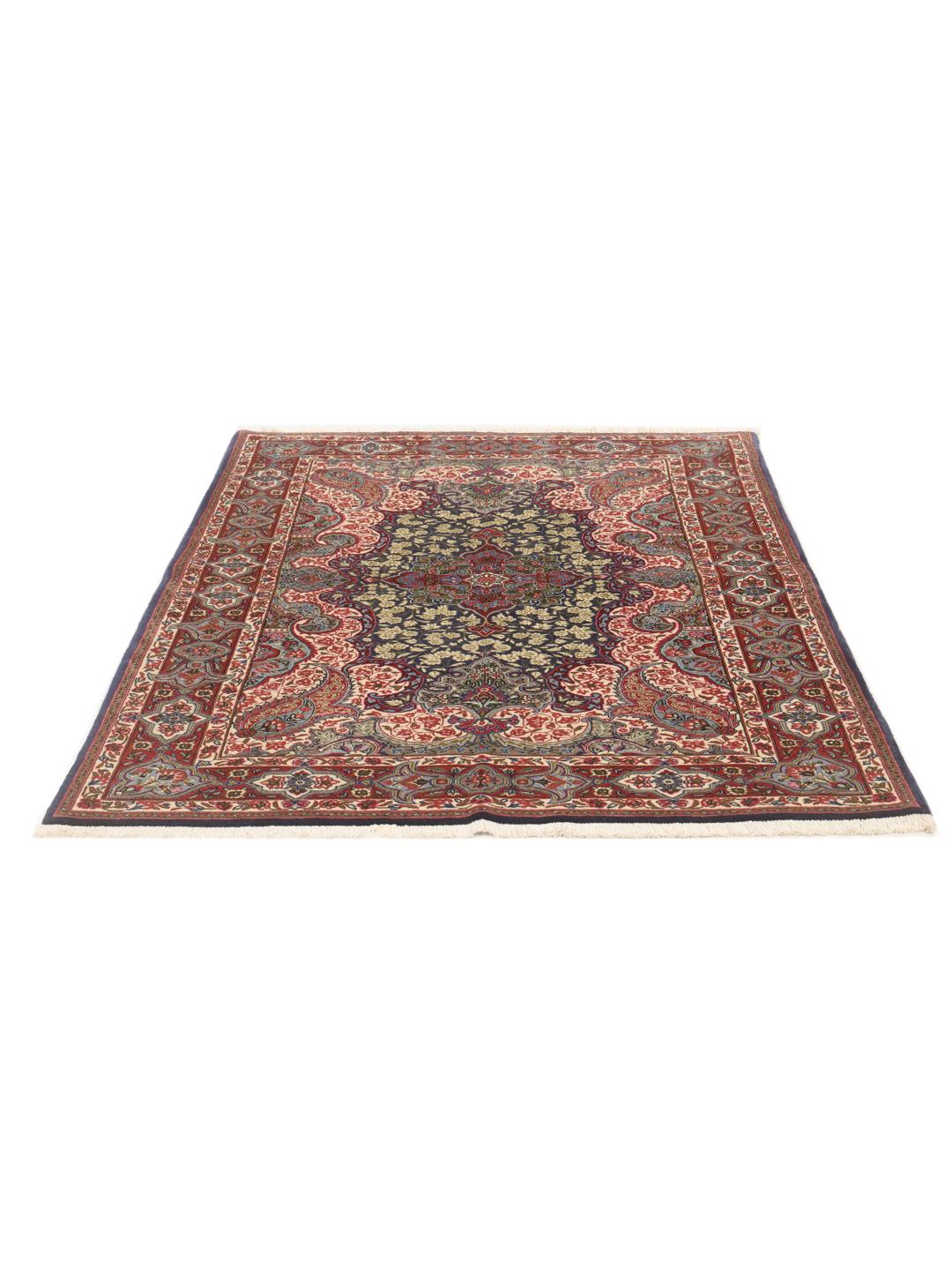
Sarough rugs take their name from the village of Sarouk in the Arak region of the Middle East. Historically, this area has been a powerhouse of rug production, known for an evolution of style that moved from classic medallion designs to the flowing, exuberant floral patterns that define the tradition today. These rugs gained significant international popularity in the early 20th century, particularly in the West, where their durability and rich colour palettes became highly sought after.
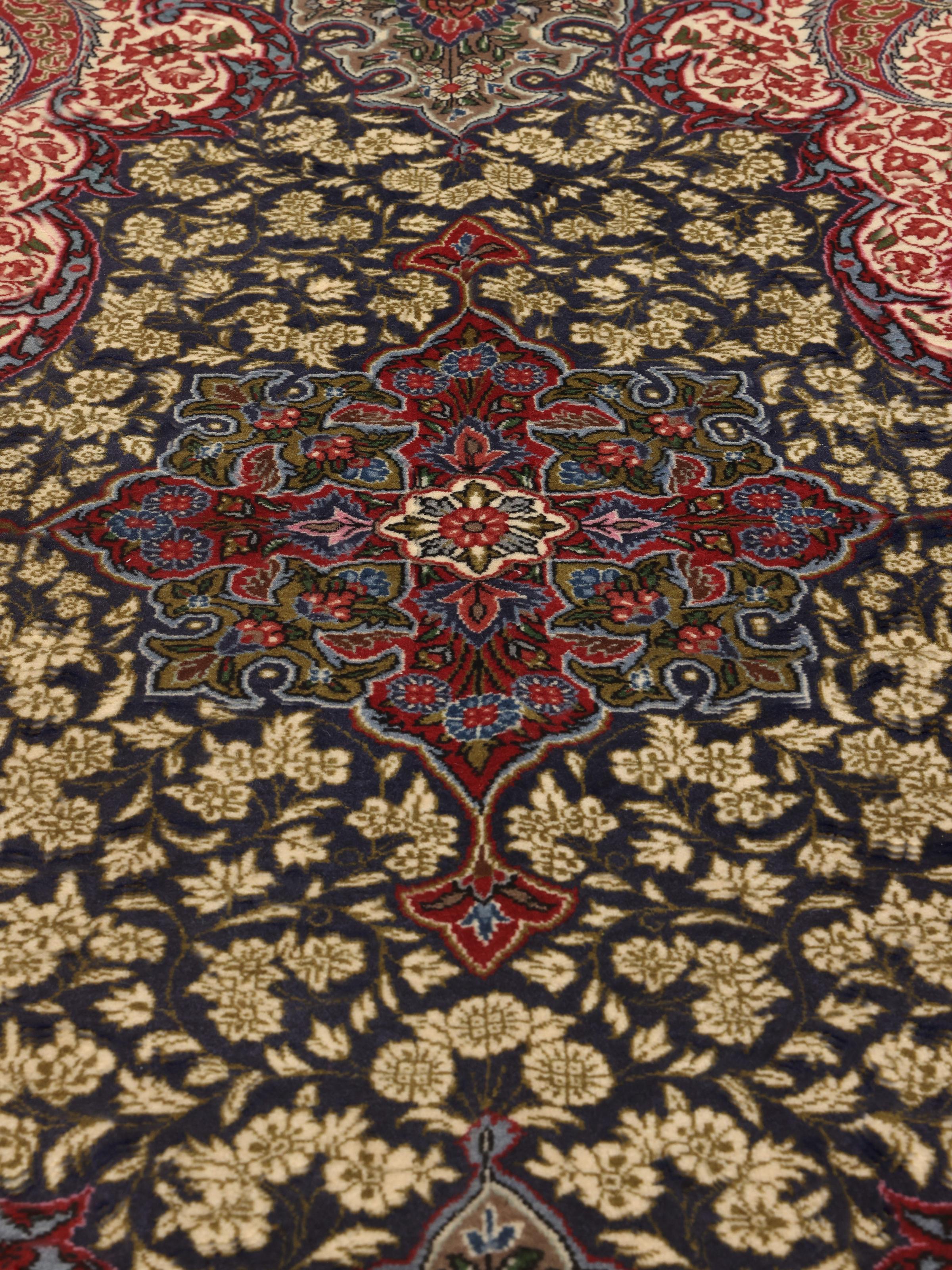
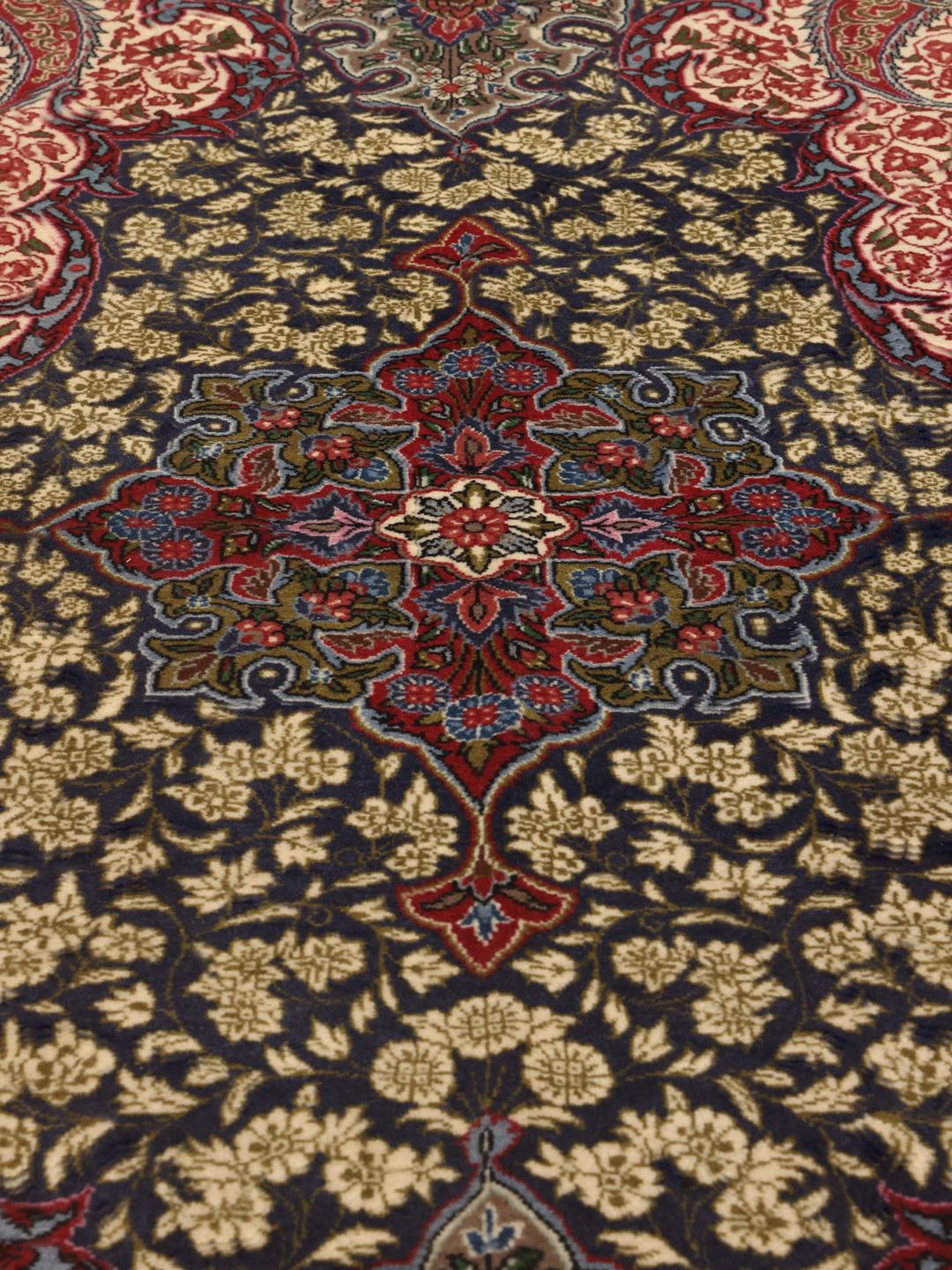
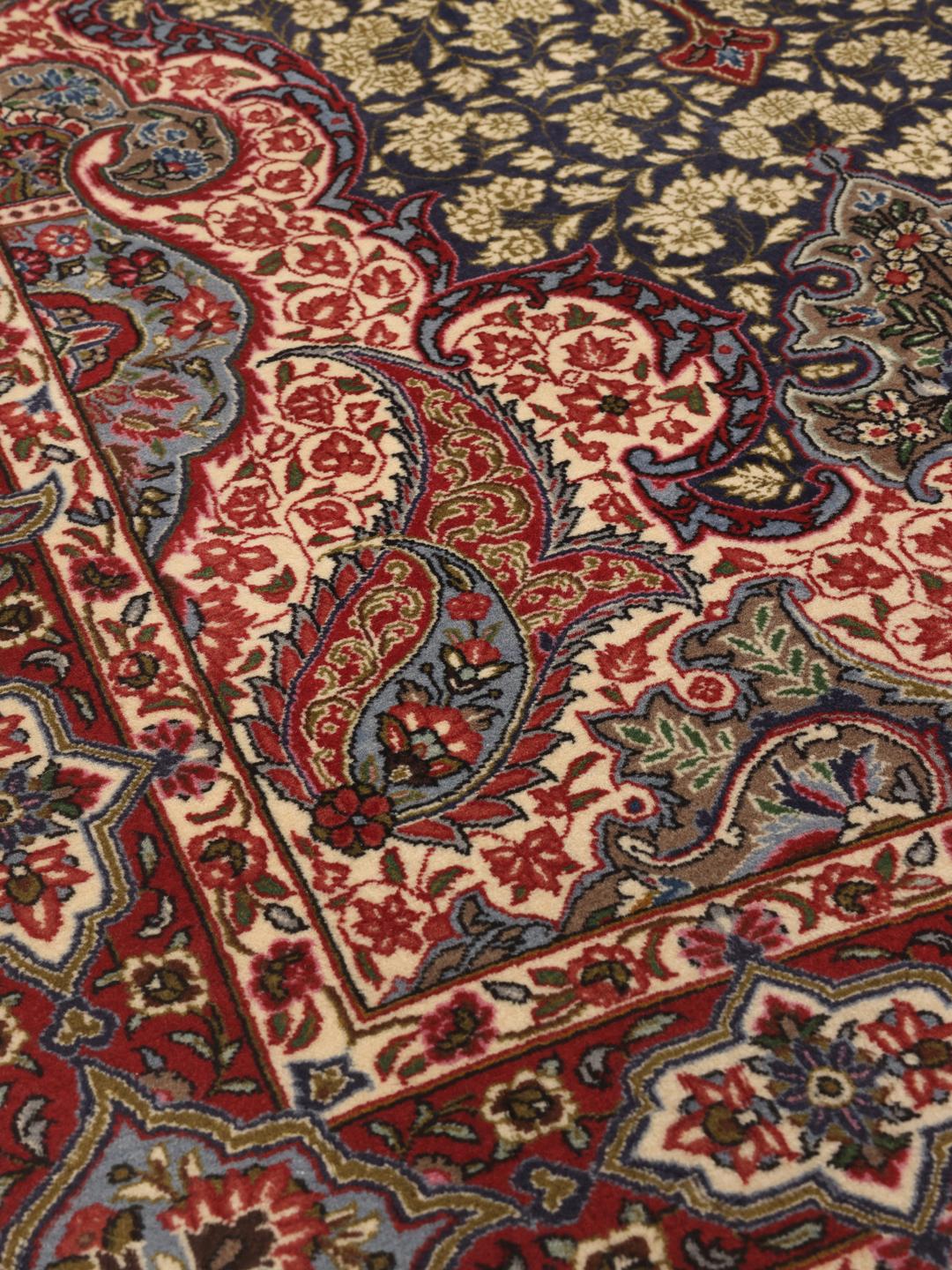
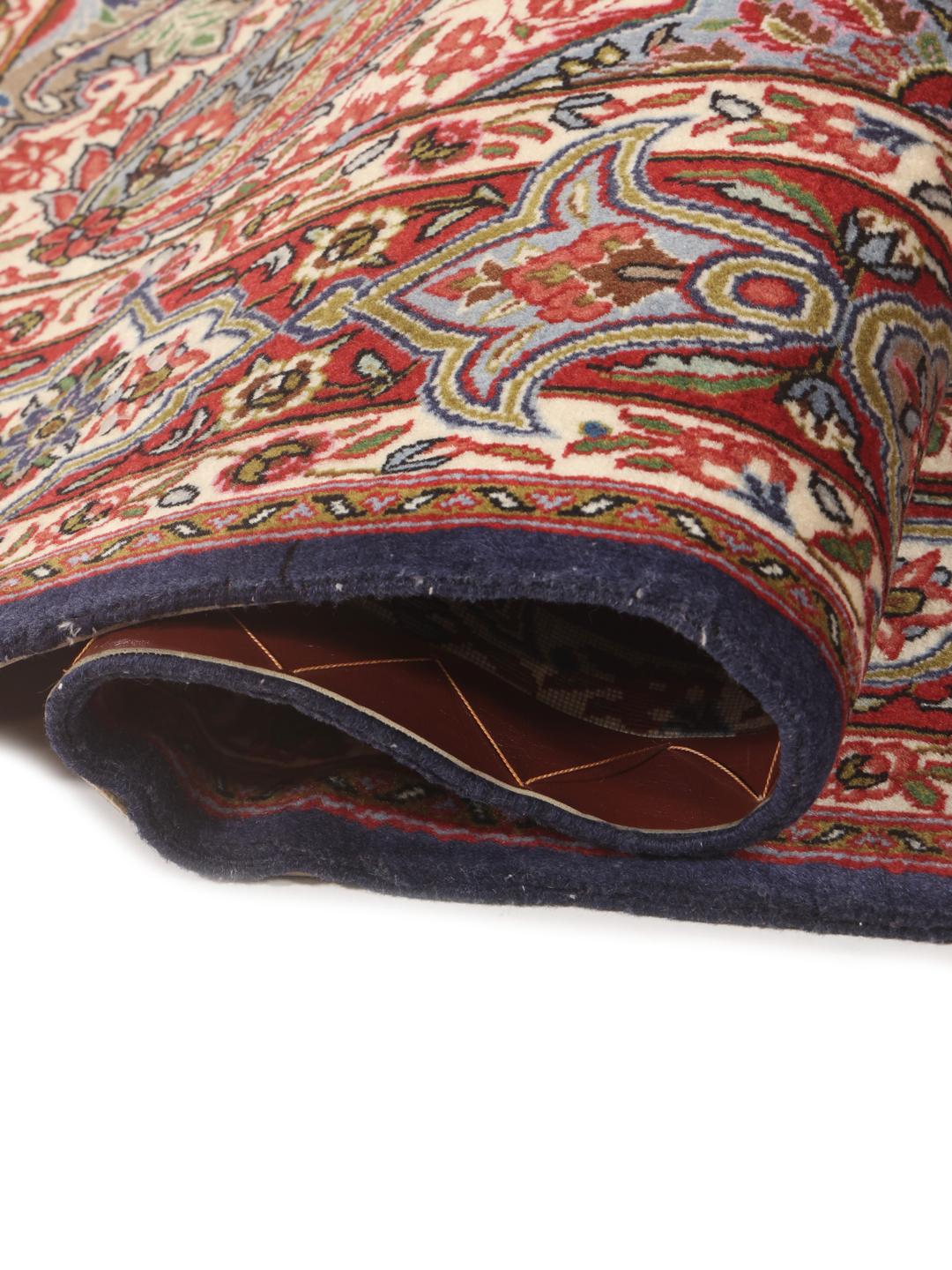
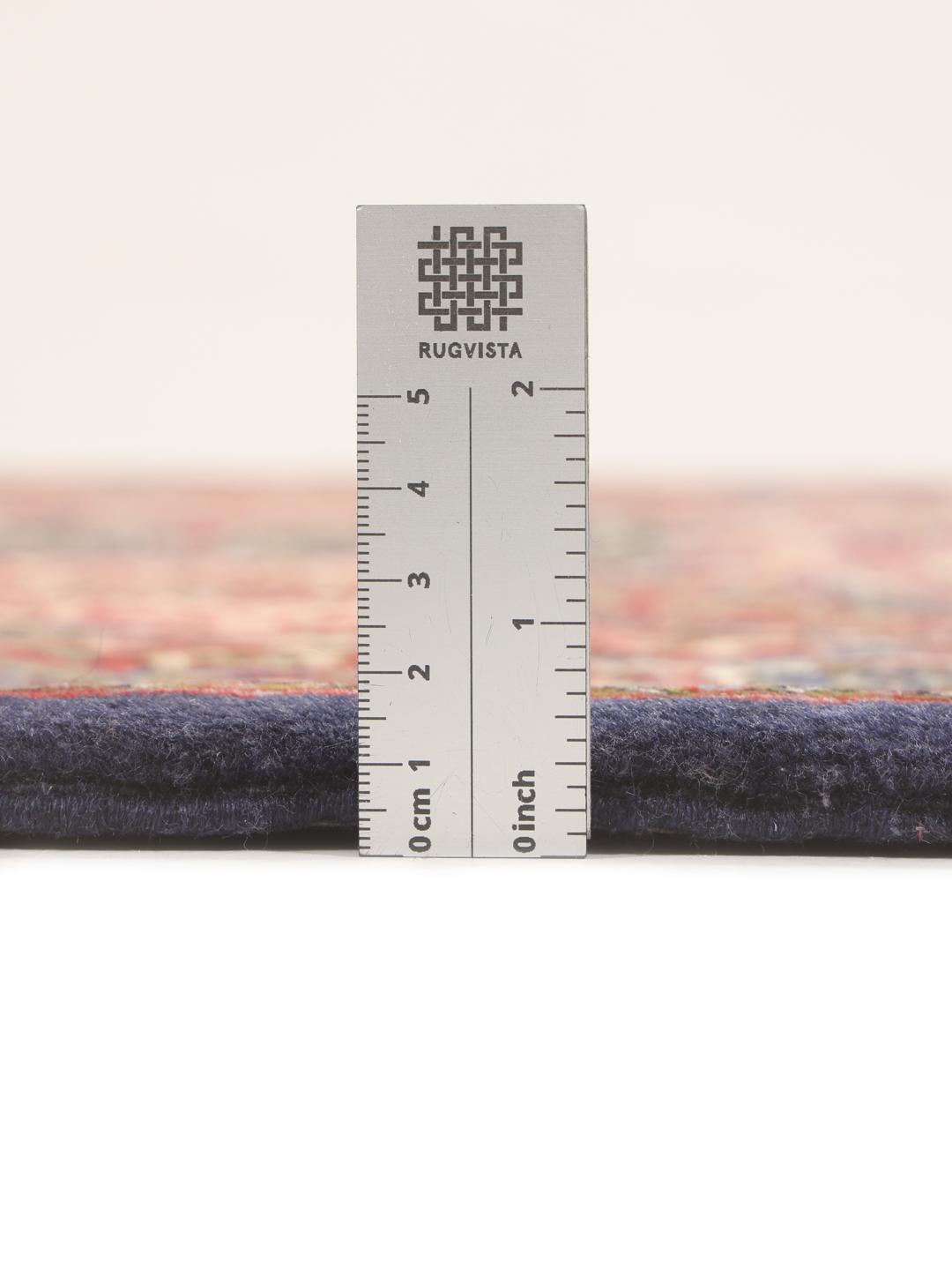
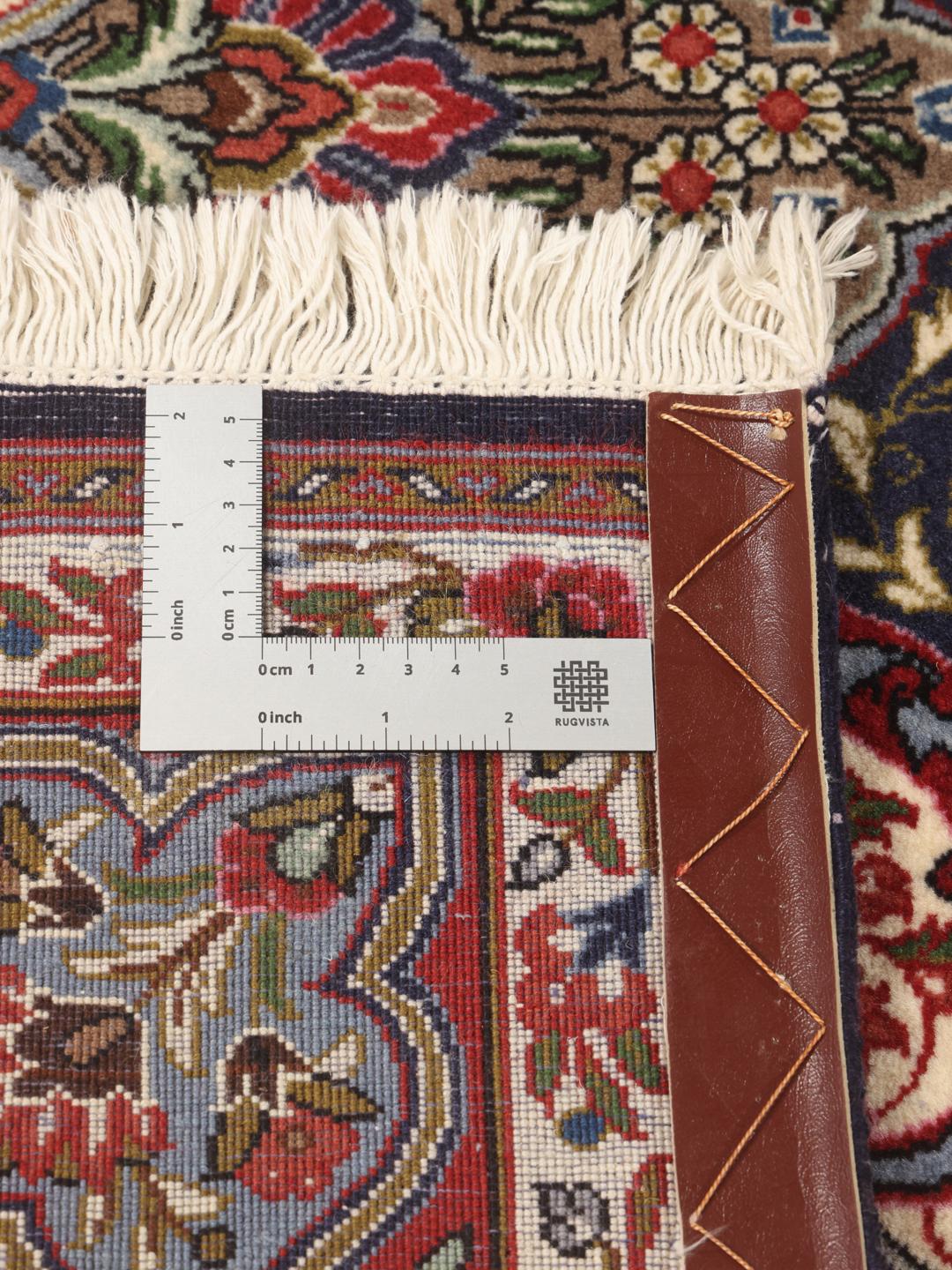
The craft of these rugs is defined by the use of high-quality wool and a very sturdy, tight knotting technique. This construction is what gives the rugs their characteristic weight and longevity. The term Sarough often implies a level of density that allows the wool to stand up to decades of use while still retaining a soft, plush feel. It is a technical standard that has been passed down through generations of families in the region.
Visually, these rugs are celebrated for their vibrant floral motifs, often featuring elaborate bouquets, vines, and palmettes that sprawl across the field in a balanced, organic fashion. While many feature a classic central medallion, others are filled with an all-over design that creates a sense of endless movement and depth. The colours are traditionally deep and rich, often utilising natural dyes that mellow beautifully with age.
Owning a Sarough is an investment in a living tradition. These rugs are highly valued by collectors and homeowners alike for their ability to balance formal elegance with the warm, human touch of handcrafted work. They represent a bridge between the ancient history of Middle Eastern textile arts and the needs of a contemporary home, offering a level of heritage and skill that simply cannot be replicated by modern industrial methods.