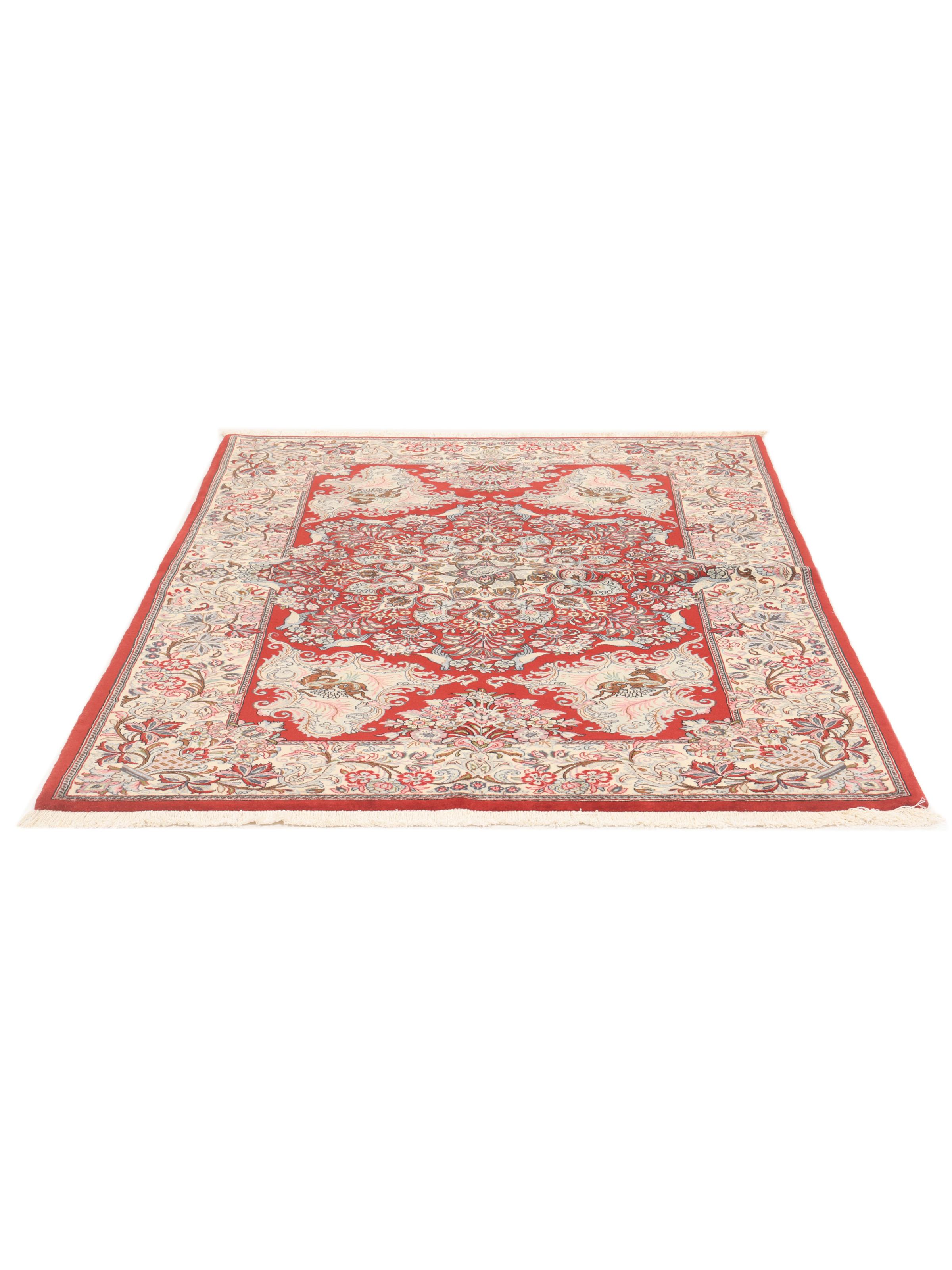
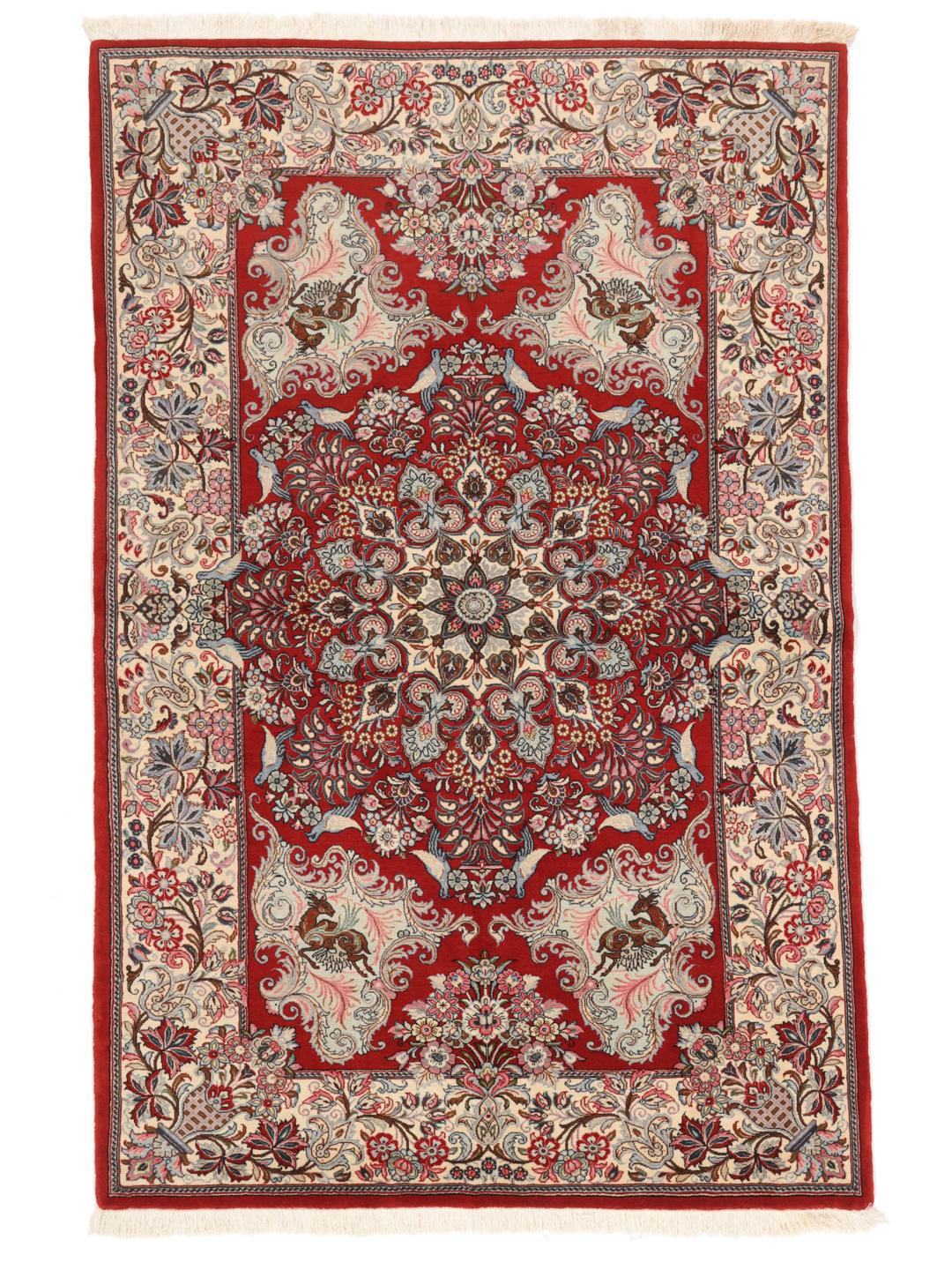
The Sarough tradition originates from the village of the same name in the central region of the Middle East. Historically, these rugs gained international renown in the late 19th and early 20th centuries for their exceptional durability and high-quality wool. The weavers in this area developed a reputation for creating pieces that could withstand heavy use while maintaining their aesthetic appeal, making them a staple in households around the world.
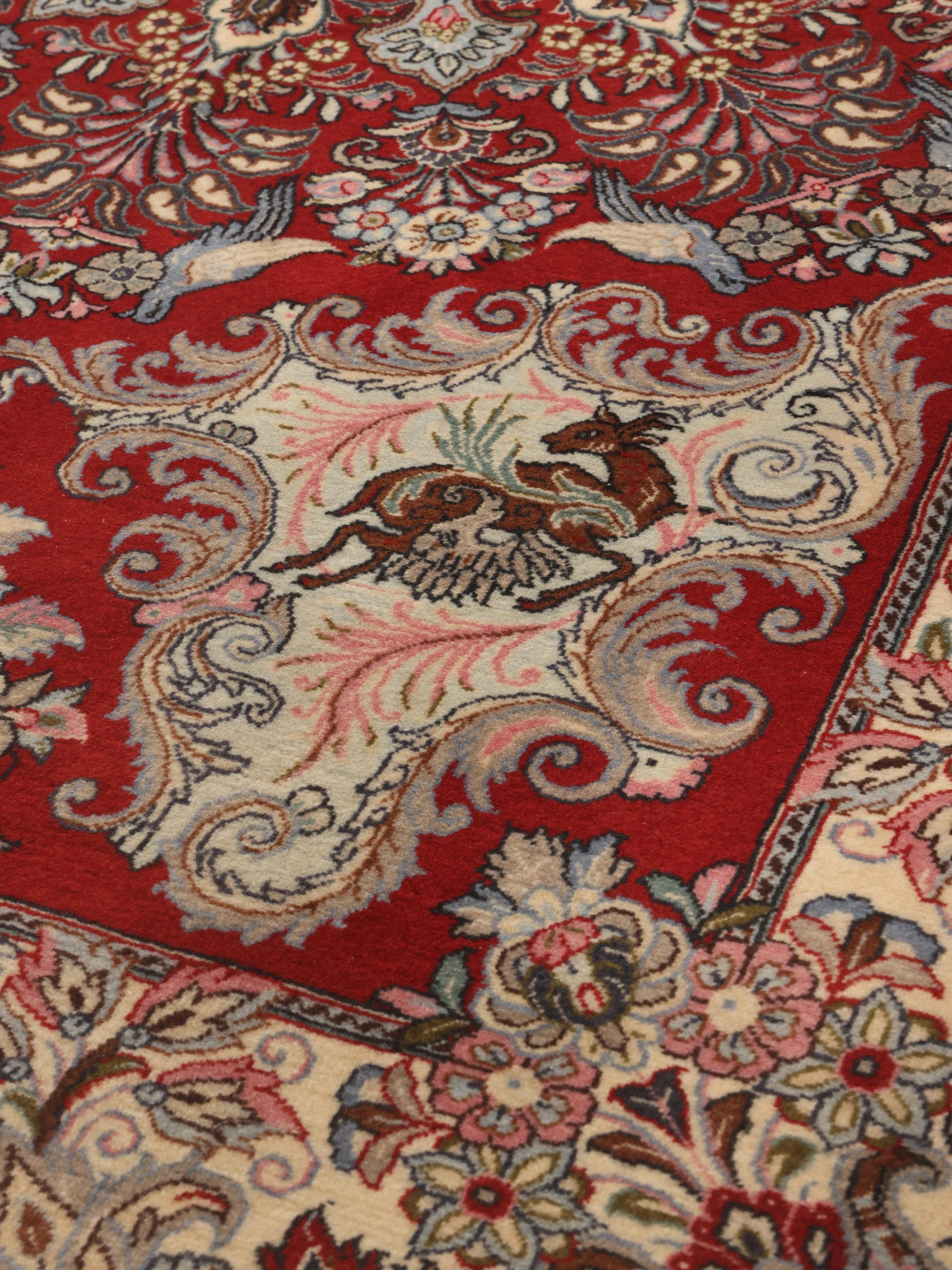
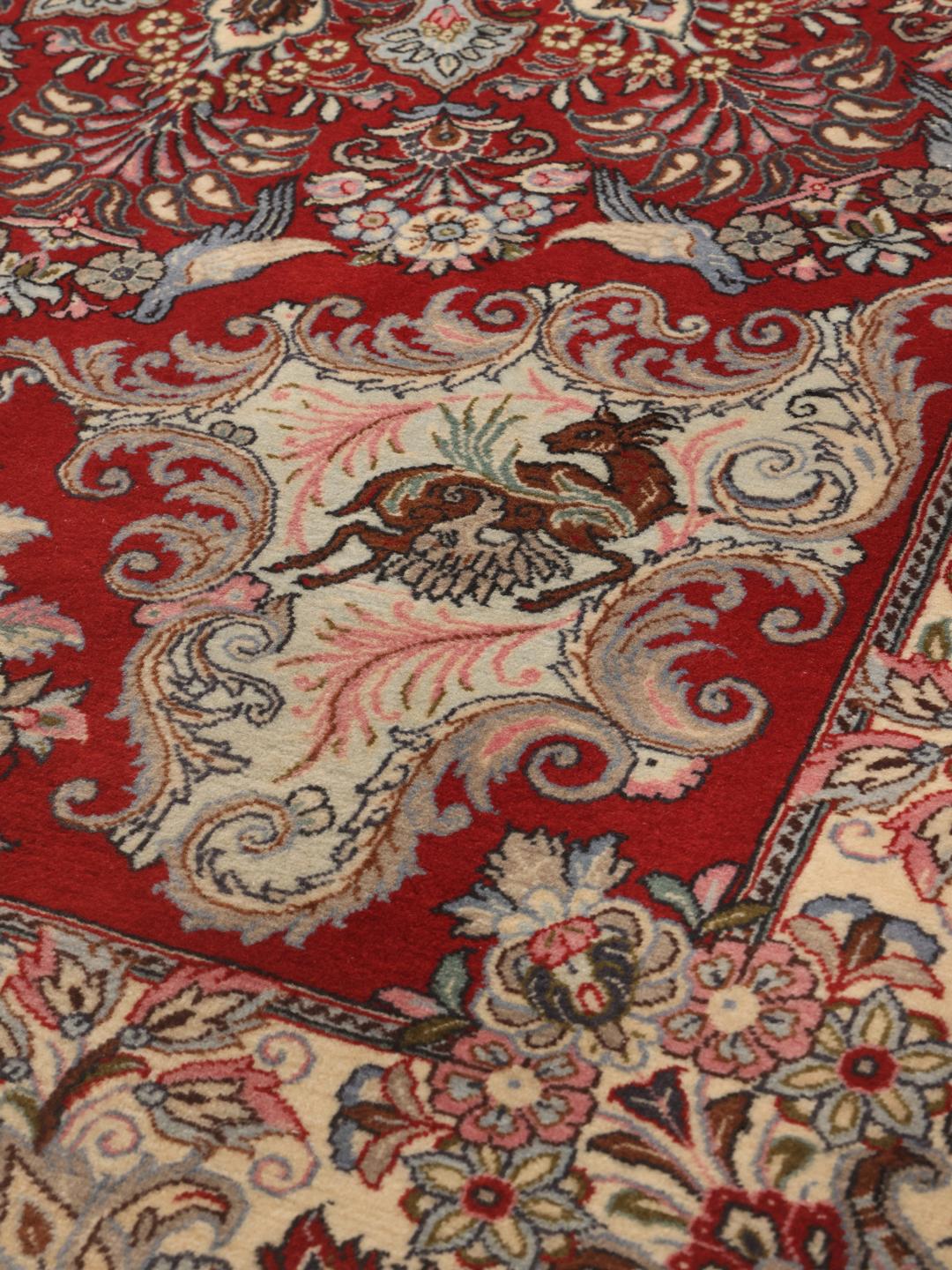
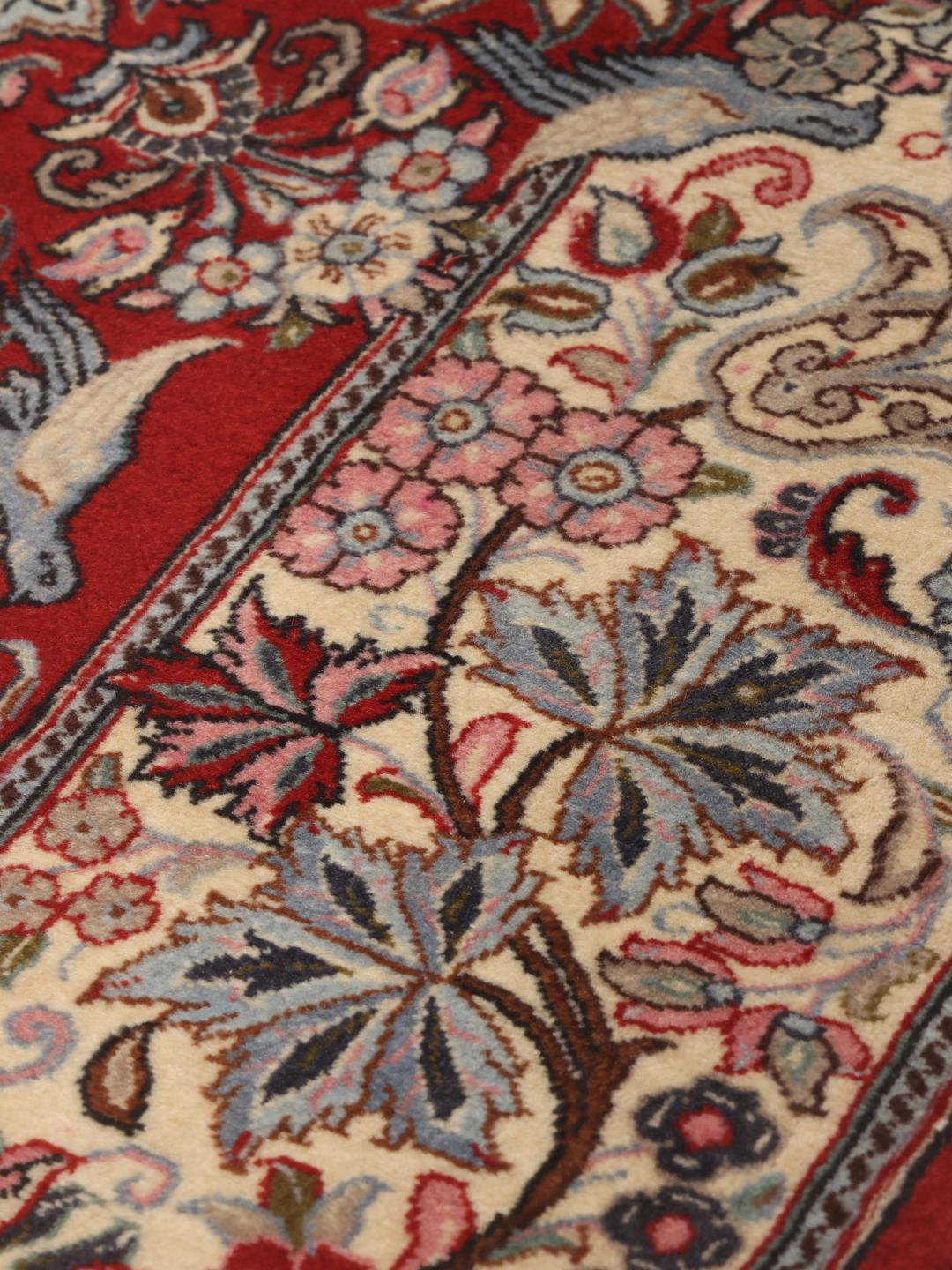
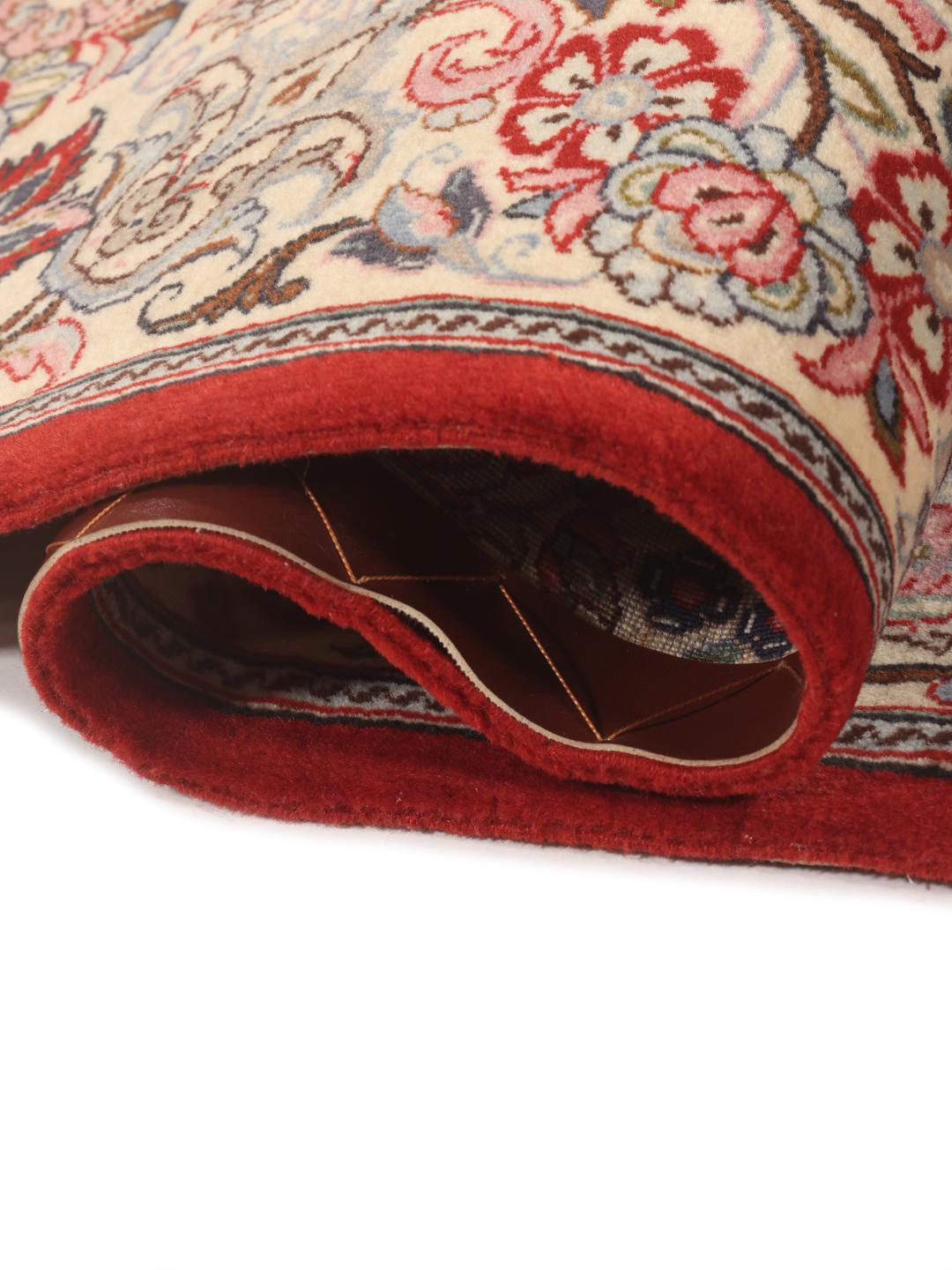
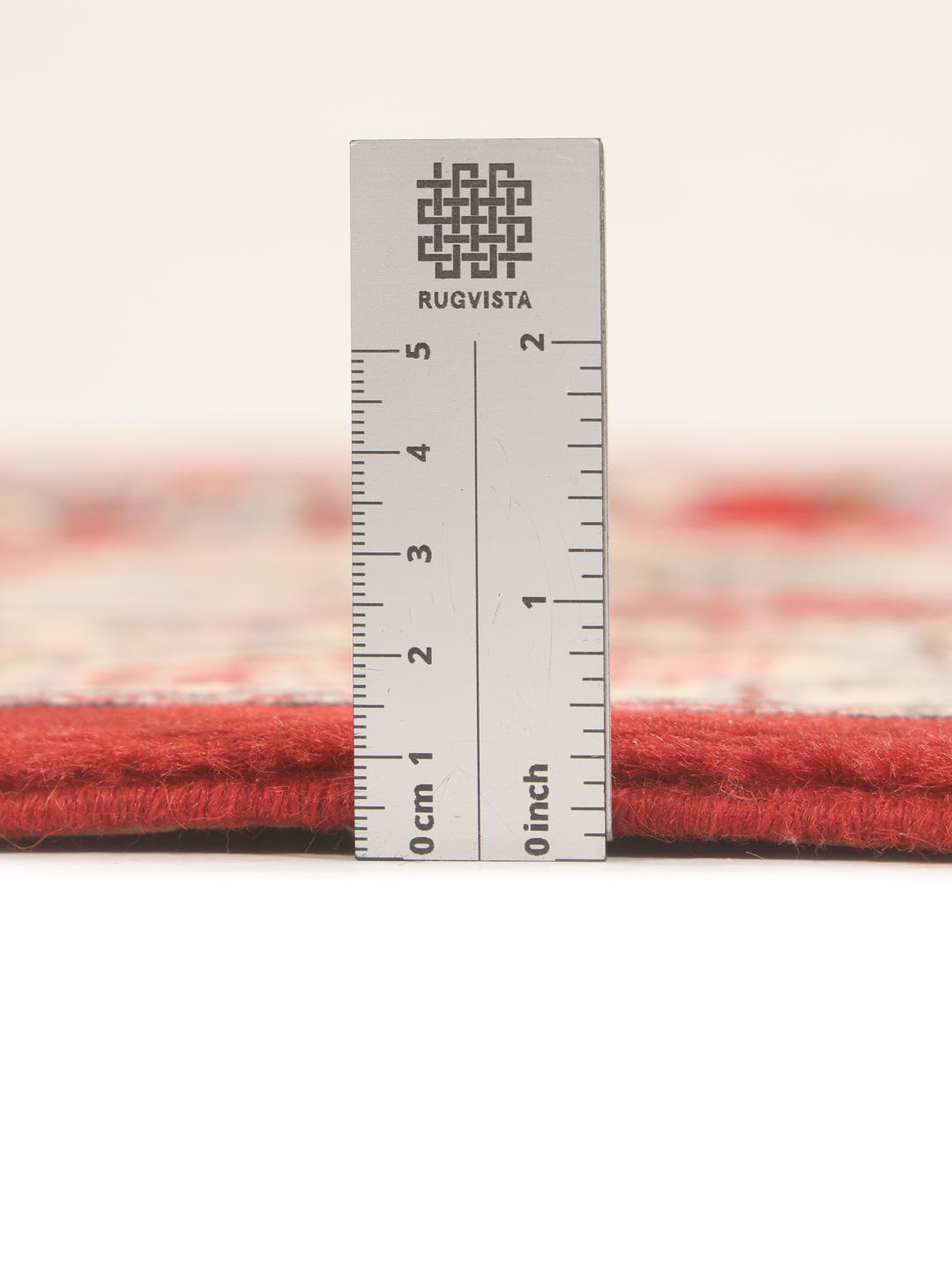
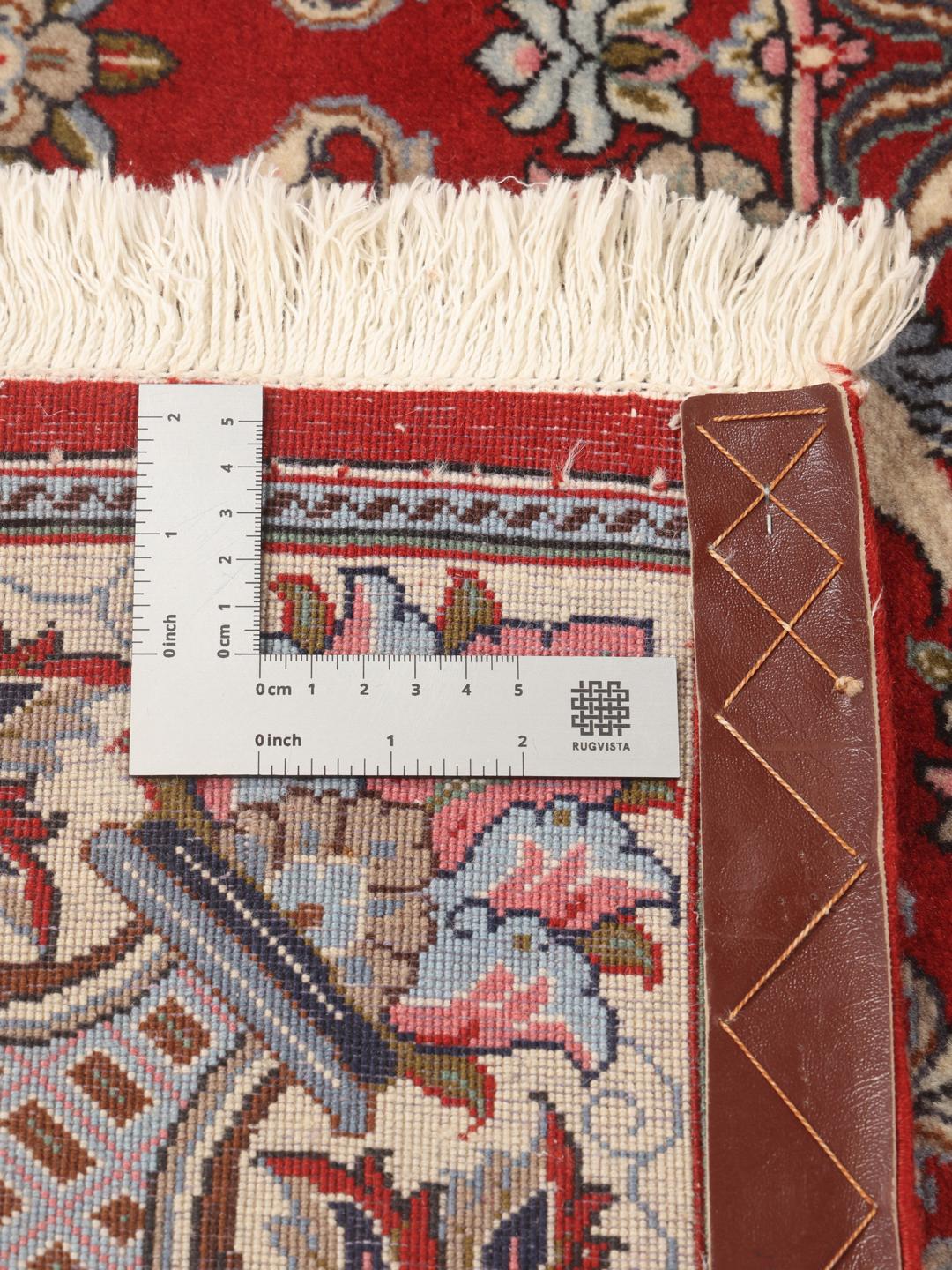
The technical quality of a Sarough is often defined by its robust foundation and the use of high-grade wool. By employing a dense knotting technique, the weavers create a resilient pile that is well-known for its ability to resist wear. This technical foundation is what allows the intricate patterns to remain clear and sharp over decades of use, proving that these rugs are built for life rather than just for display.
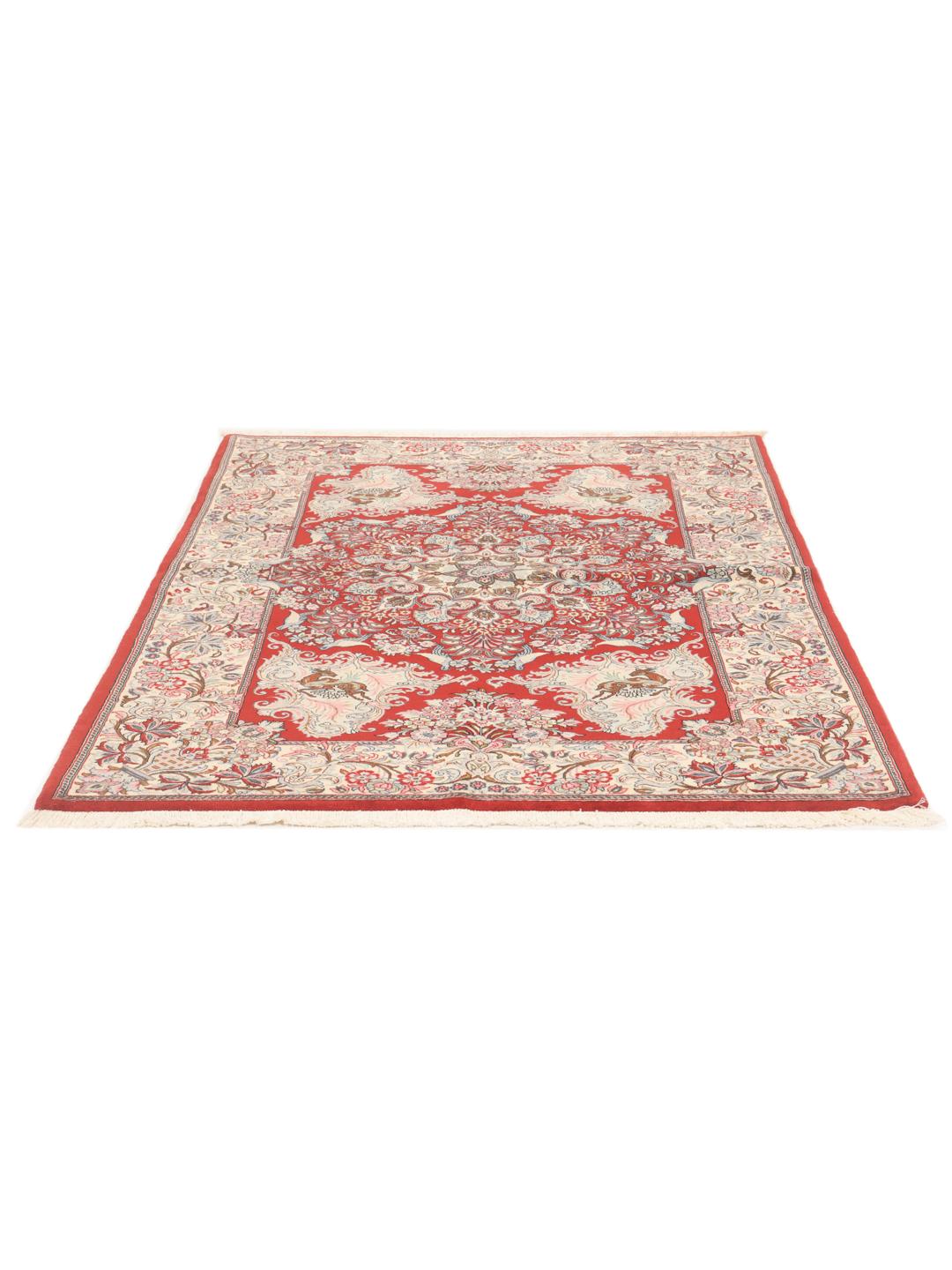
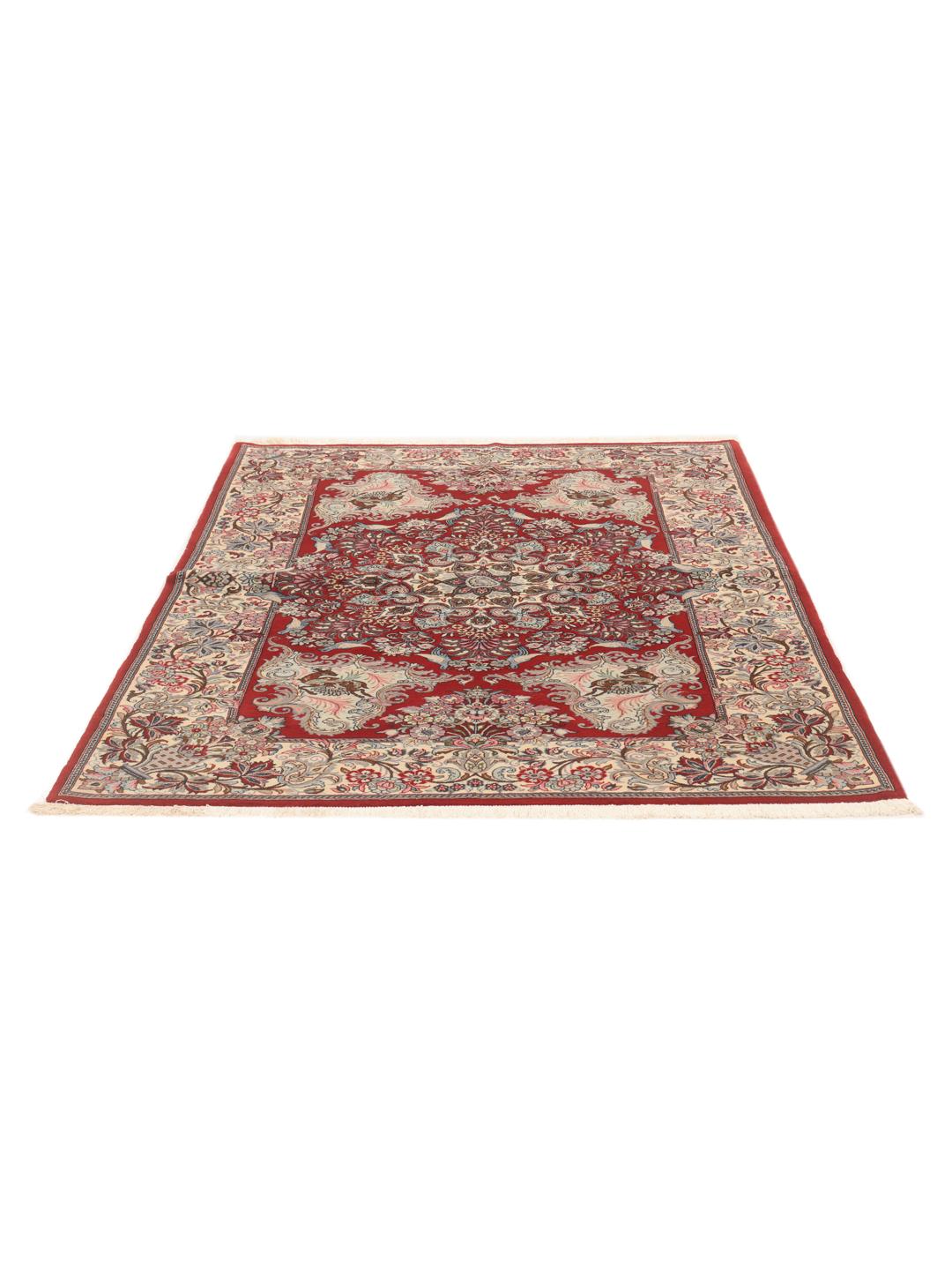
Visually, these rugs are celebrated for their sophisticated floral language. While they often feature a central medallion, the field is frequently filled with fluid, curving vines and a variety of blossoms, such as roses and palmettes. This design tradition is highly expressive, often incorporating a rich, deep red tone as the primary backdrop, which provides a dramatic contrast to the softer, more muted tones used in the floral details.
Owning a Sarough is an opportunity to connect with a long-standing lineage of craft and artistry. These rugs are highly sought after by collectors who value the intersection of functional utility and historical significance. By bringing one into your home, you are not just acquiring a floor covering, but a piece of cultural heritage that represents the skill, patience, and artistic vision of generations of weavers.