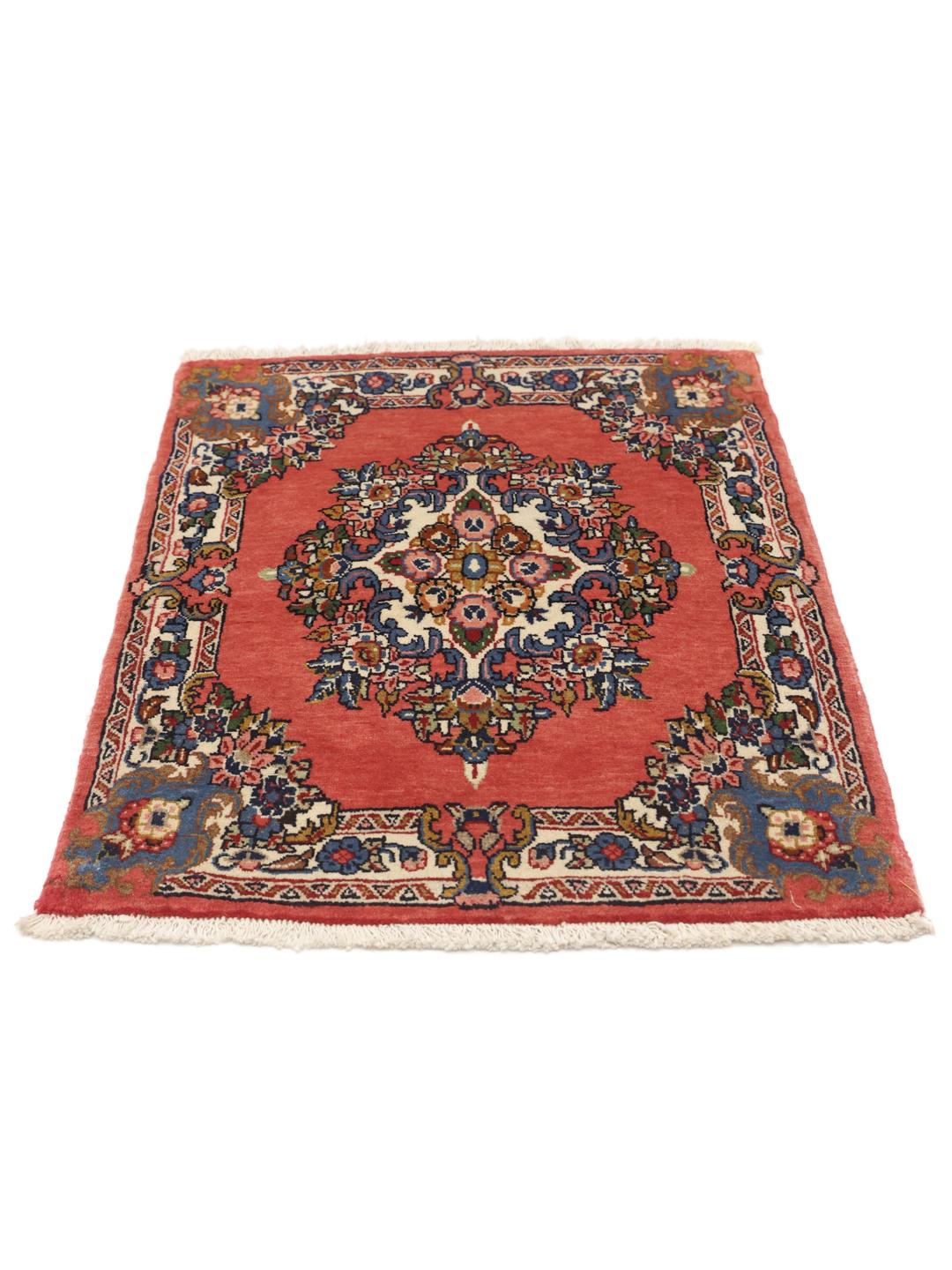
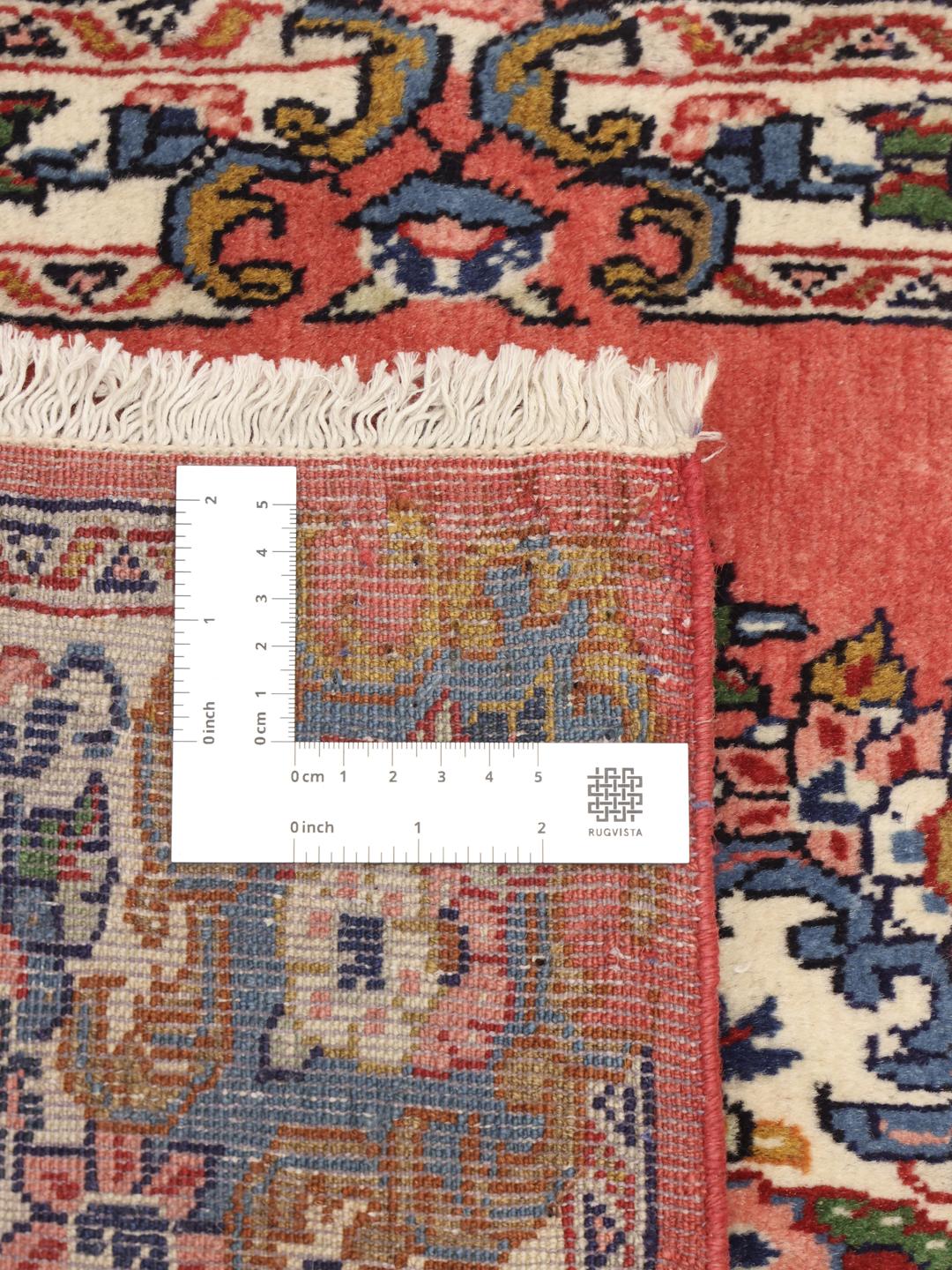
Sarough rugs originate from the village of the same name in the Arak region of the Middle East. Historically, this area became a major hub for rug production in the late 19th and early 20th centuries, when artisans began creating these pieces specifically to meet the high demand from international markets.
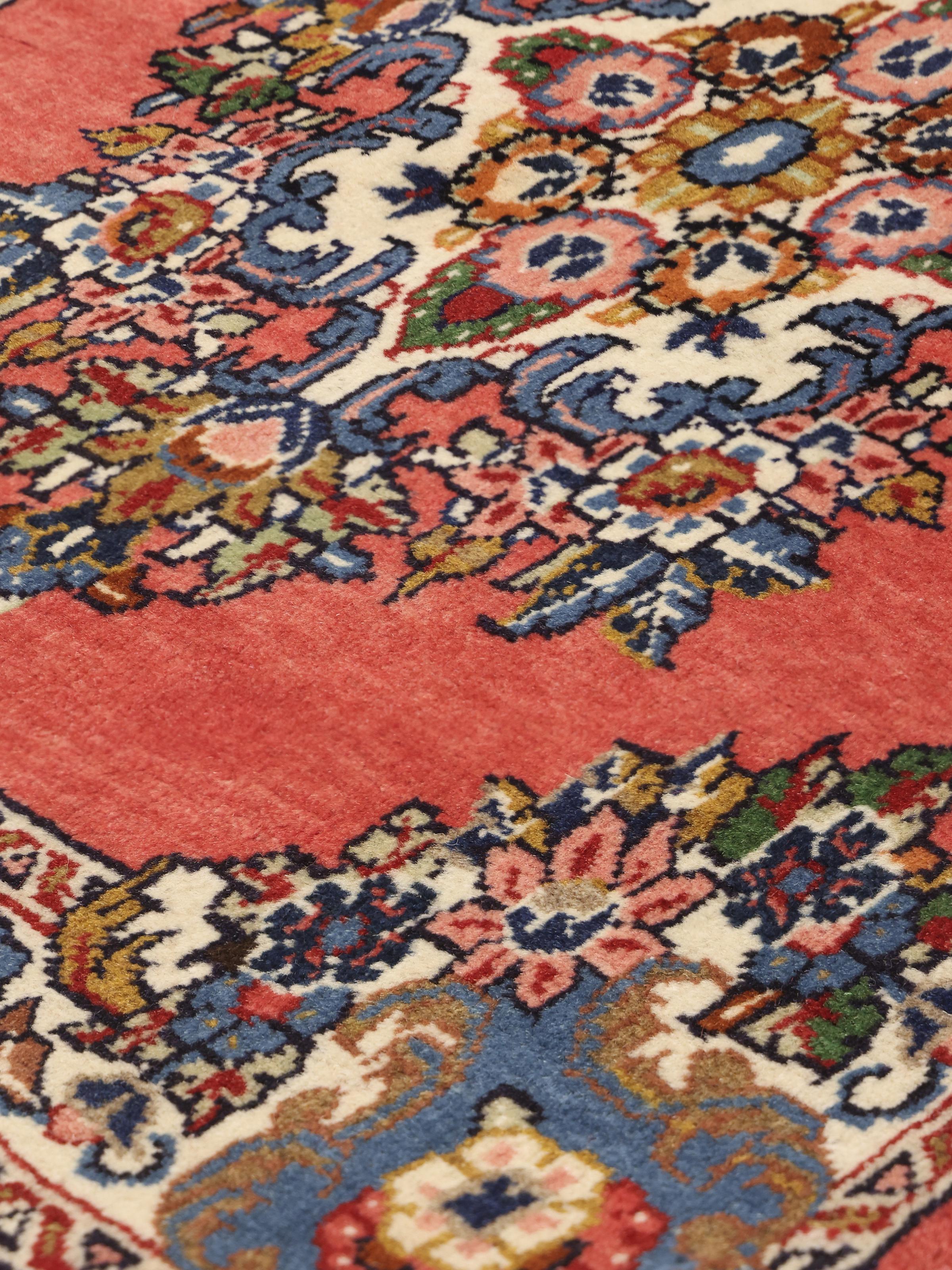
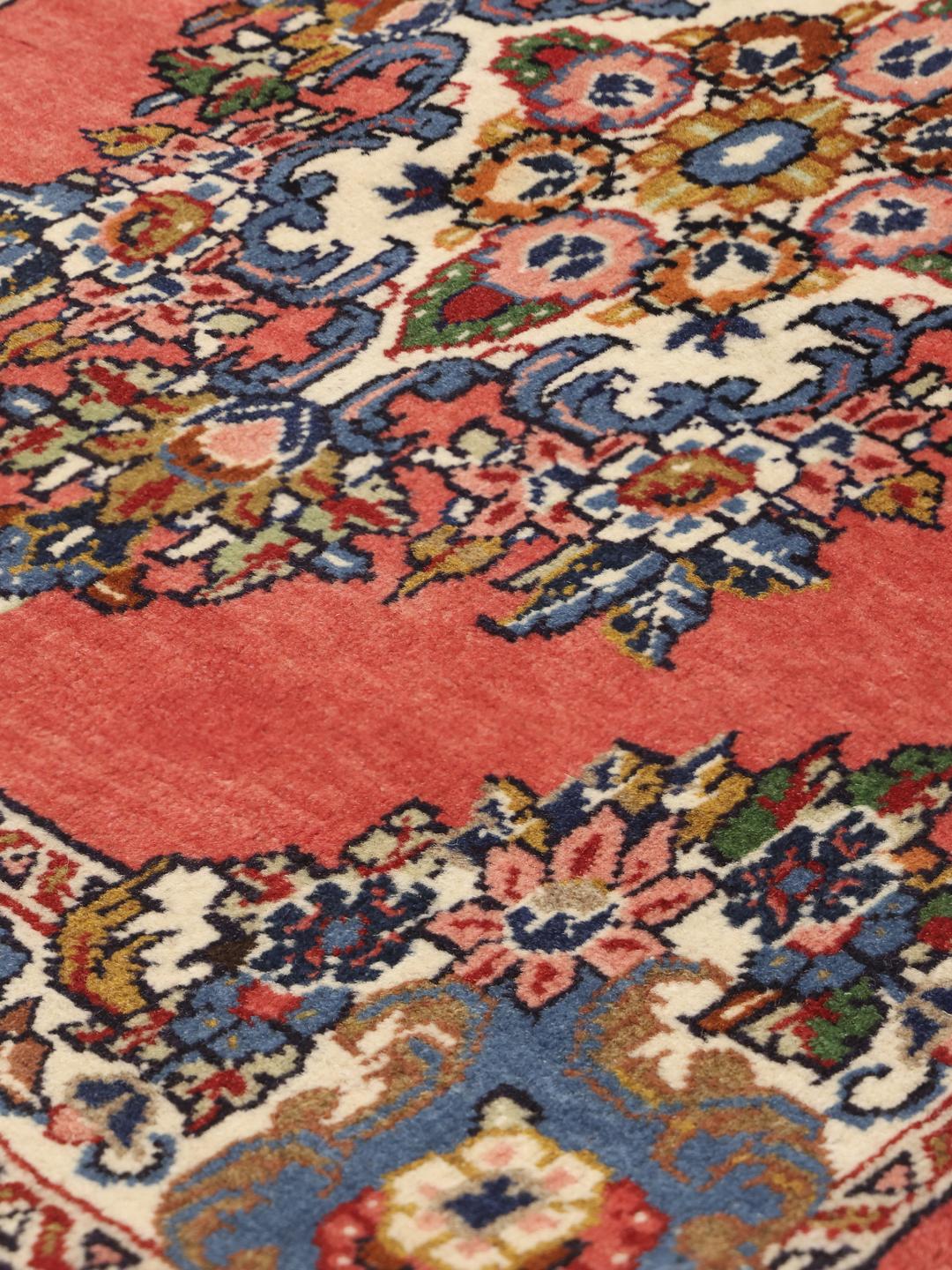
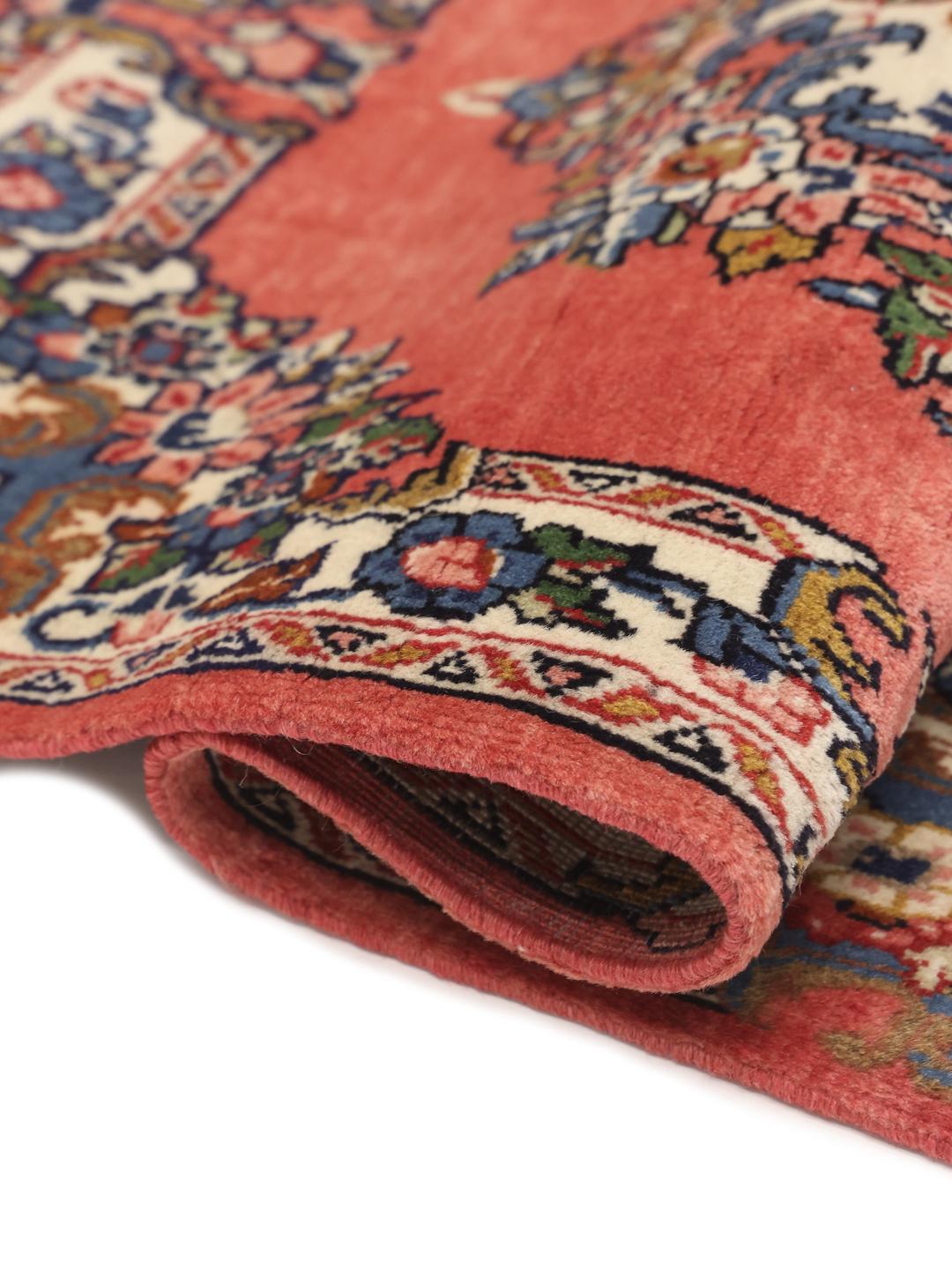
The technique used in these rugs is defined by a dense, sturdy foundation, which allows for a very durable pile. The use of high-quality wool, combined with a precise hand-knotting process, results in a rug that is known for its ability to withstand heavy foot traffic while maintaining its rich, vibrant appearance over decades.
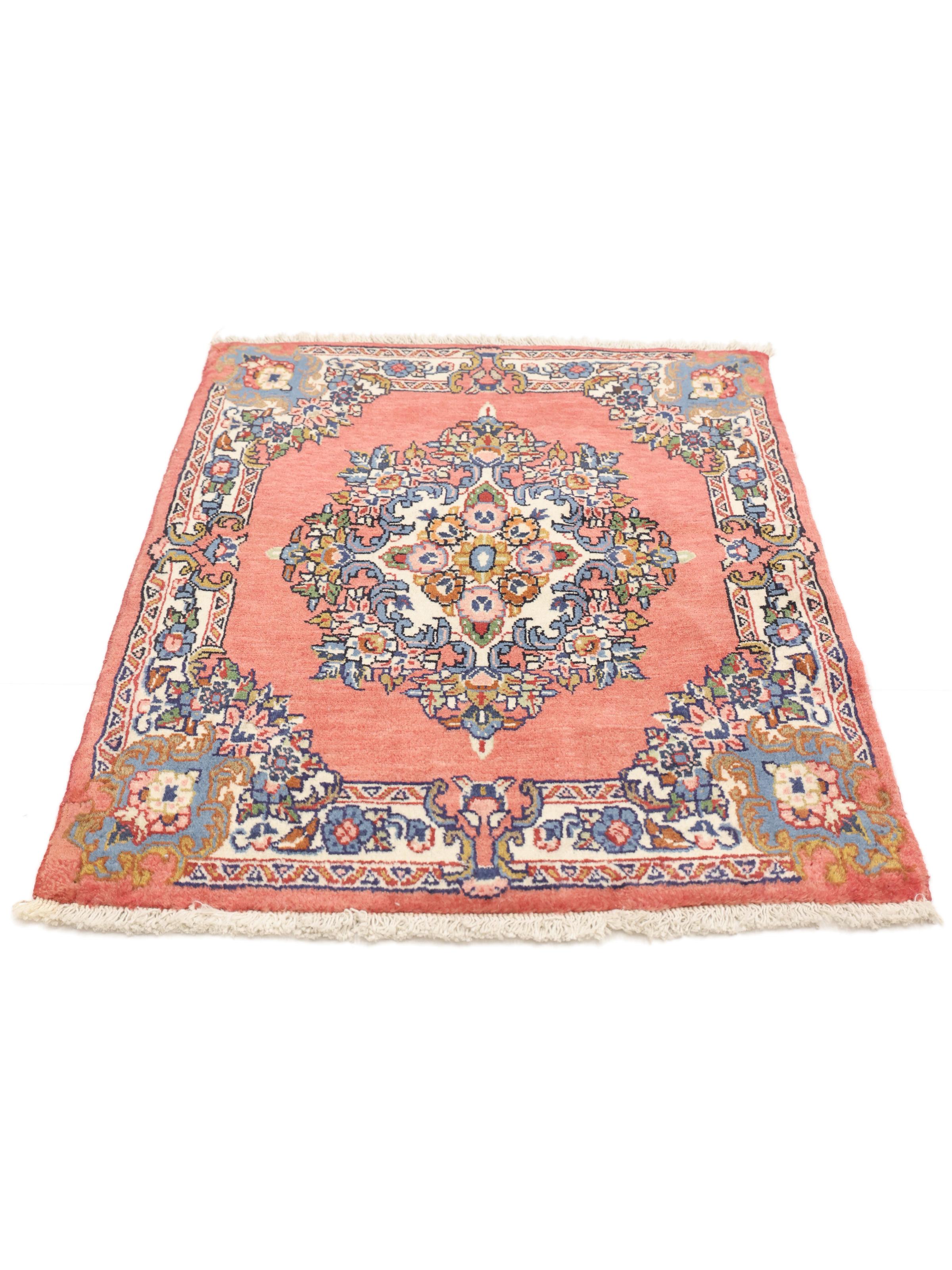
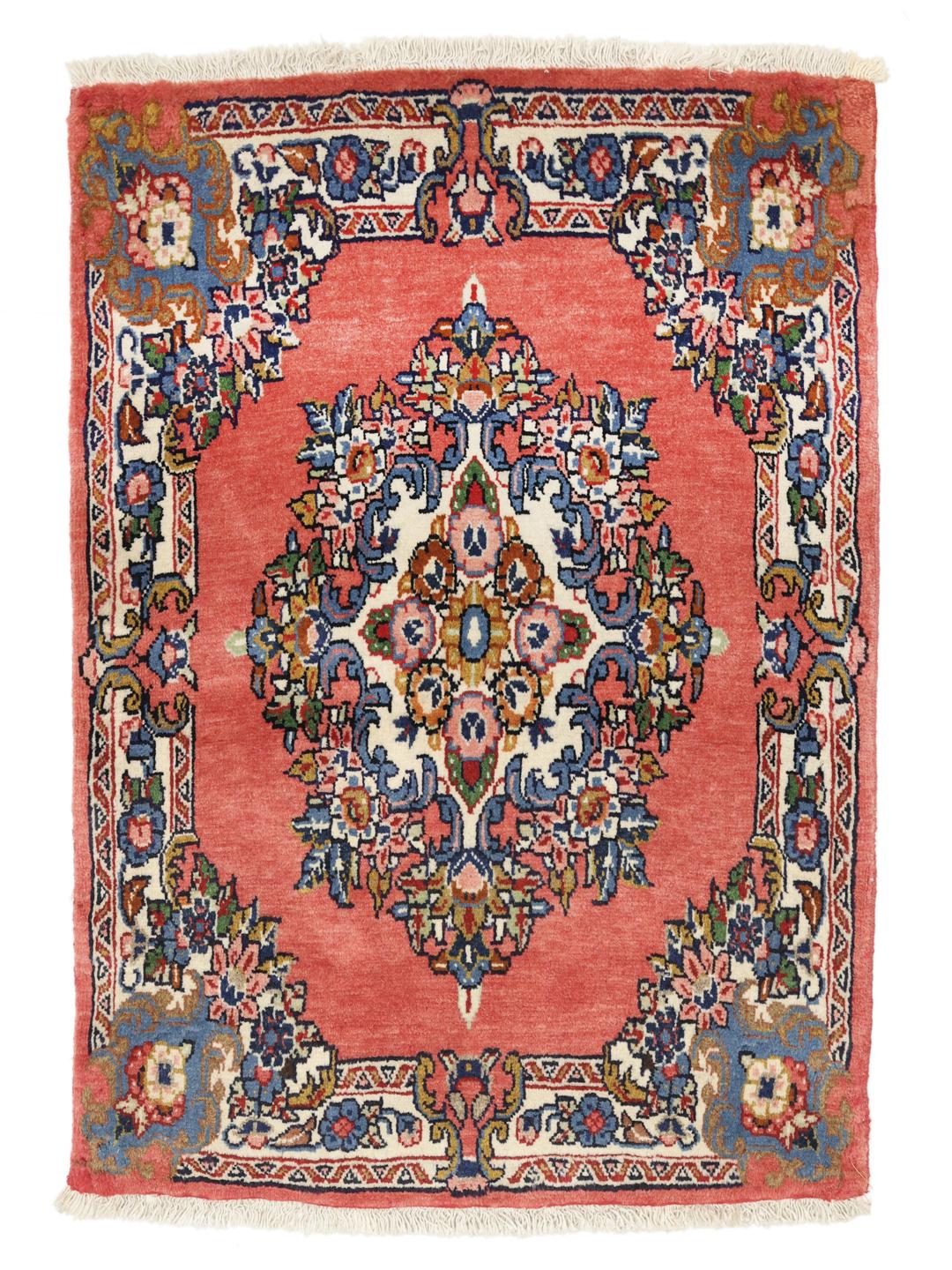
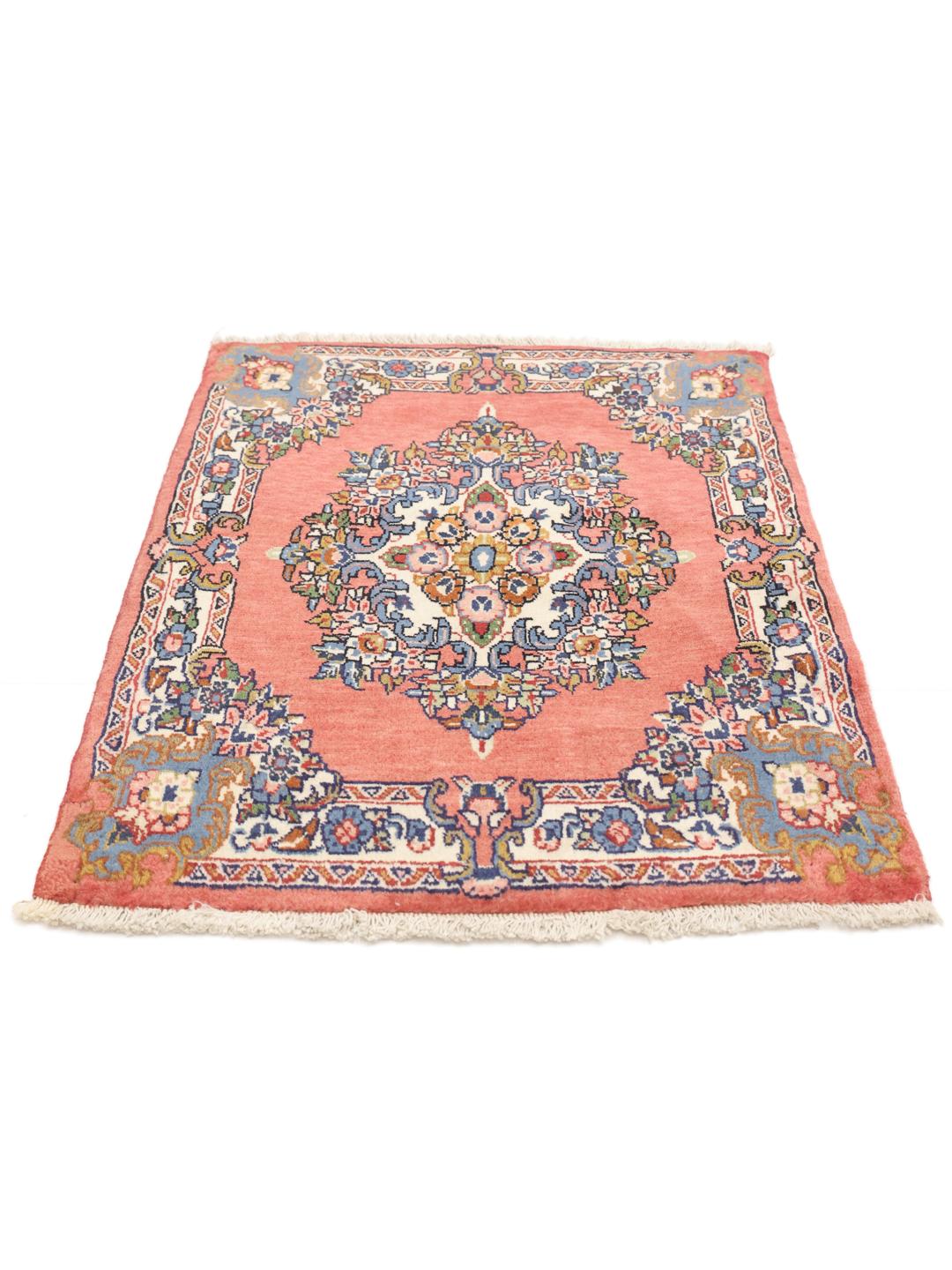
Design-wise, Sarough rugs are famously known for their ornate, floral-inspired patterns and central medallions. While many follow a traditional layout, the specific arrangement of flowers and vines can vary greatly between pieces, reflecting the individual creative expression of the person who knotted the rug.
Today, these rugs are highly valued by collectors and enthusiasts who appreciate the skill and cultural heritage woven into every strand. Owning a Sarough is not just about floor coverage; it is about preserving a legacy of craftsmanship that has been passed down through generations in the Middle East.