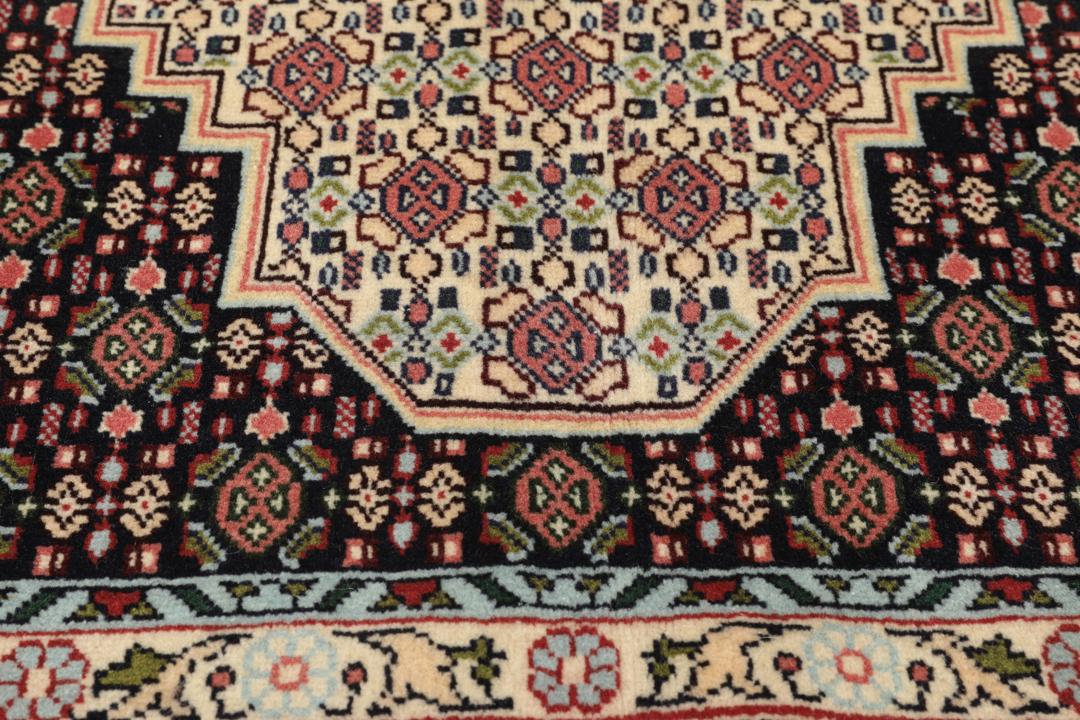
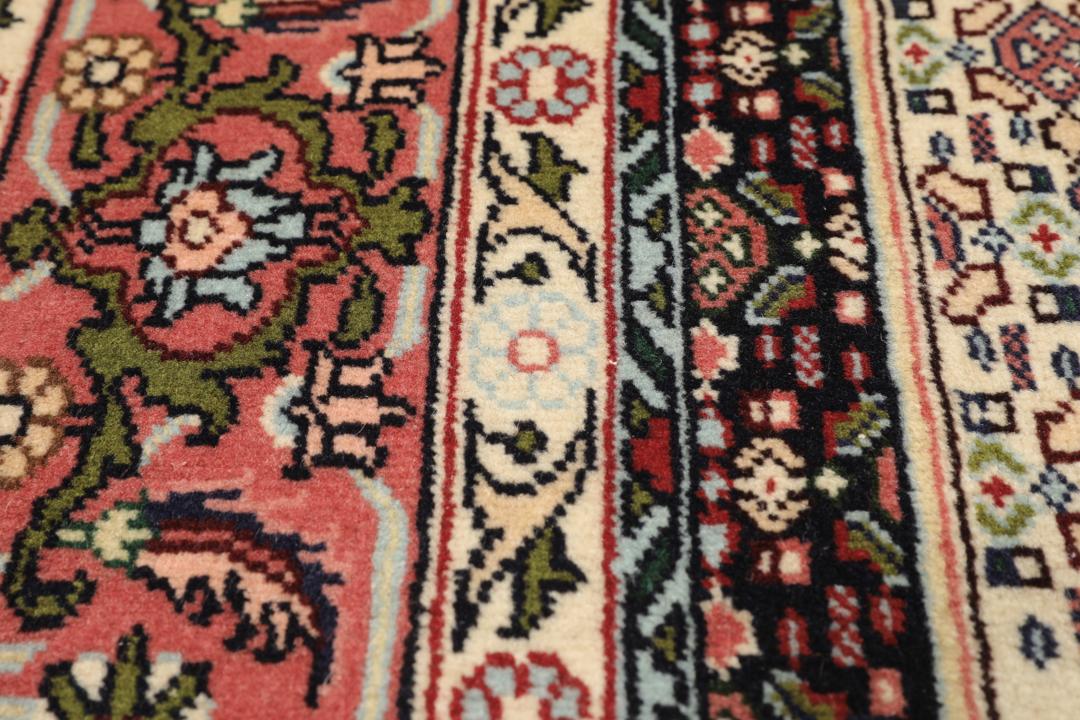
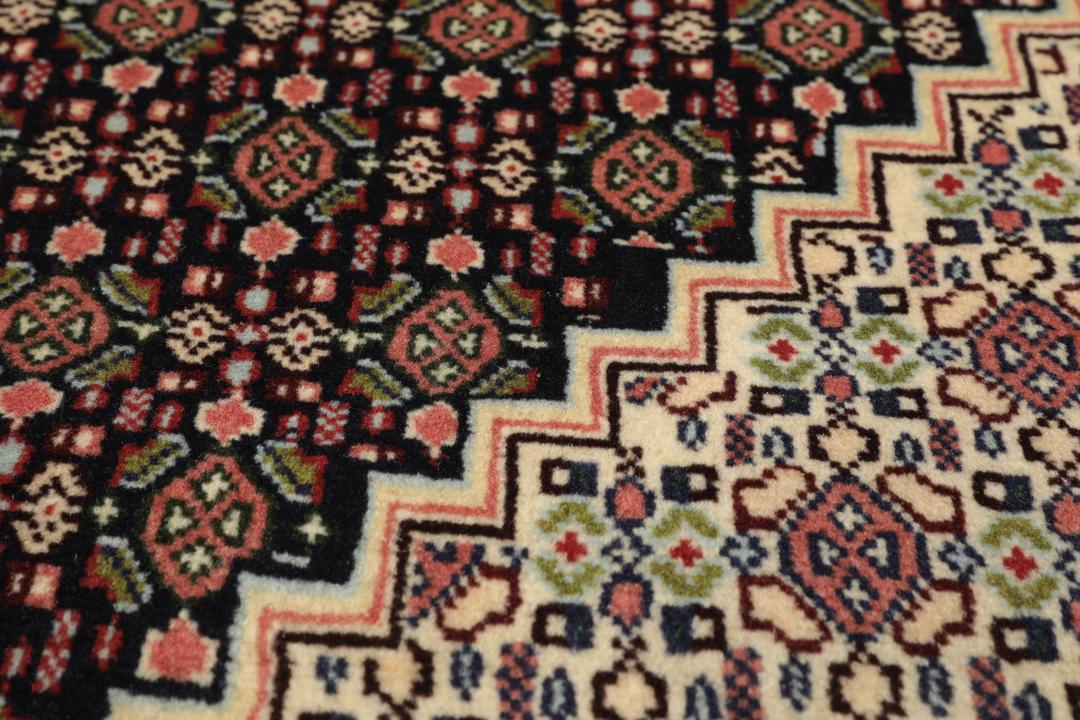
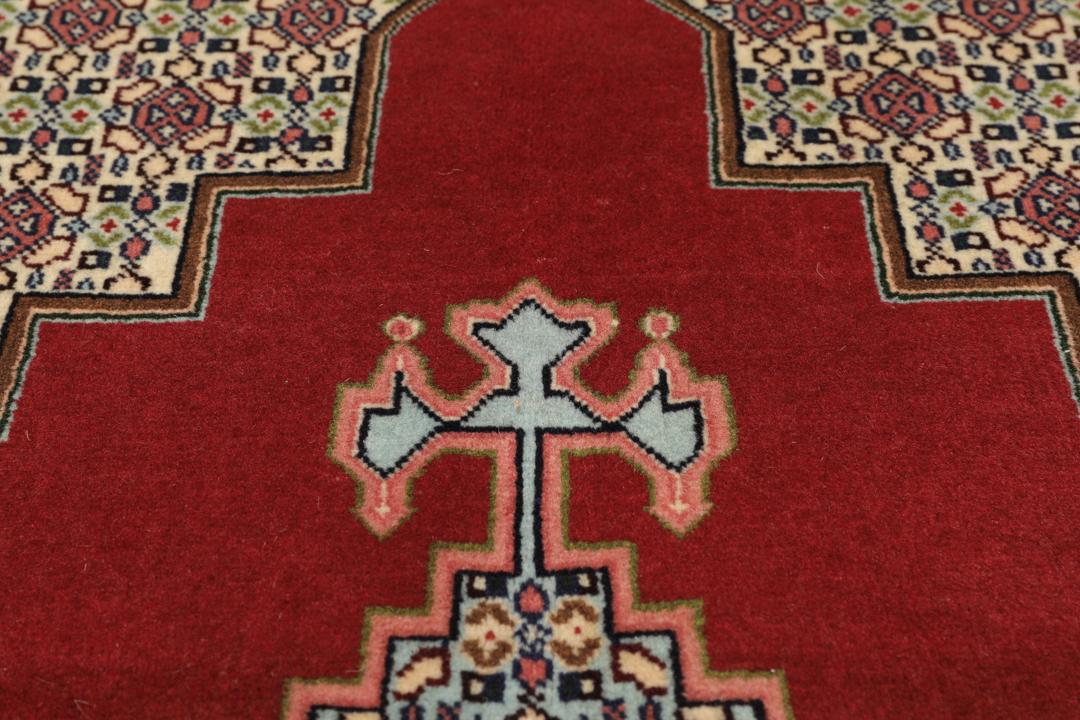
Senneh rugs originate from the city of Sanandaj, which was historically known as Senneh, located in the mountainous Kurdistan region of the Middle East. This area has long been a centre for sophisticated textile production, where weaving is deeply embedded in the local cultural identity.
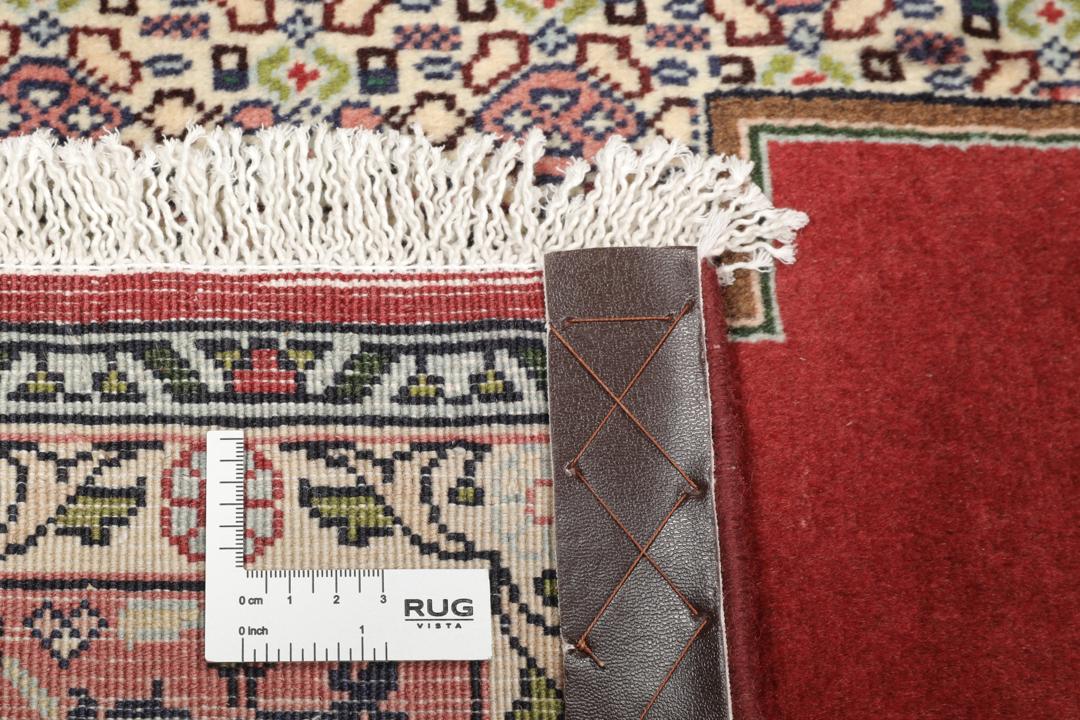
The term Senneh is often associated with the 'Senneh knot' or asymmetrical knot, which is a hallmark of this tradition. This specific knotting technique allows for a higher degree of precision in pattern creation compared to other methods, leading to the highly detailed and refined motifs that these rugs are famous for.
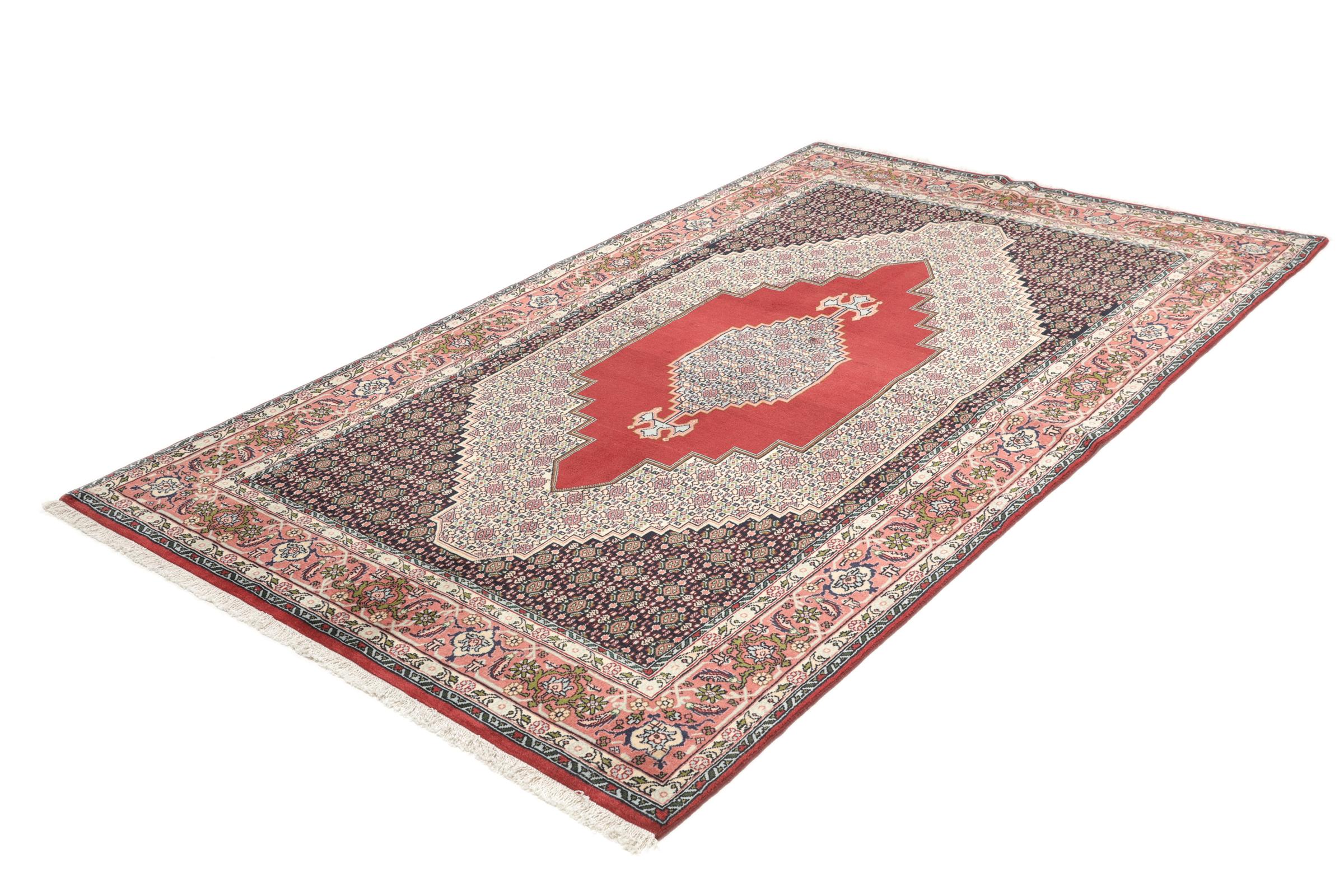
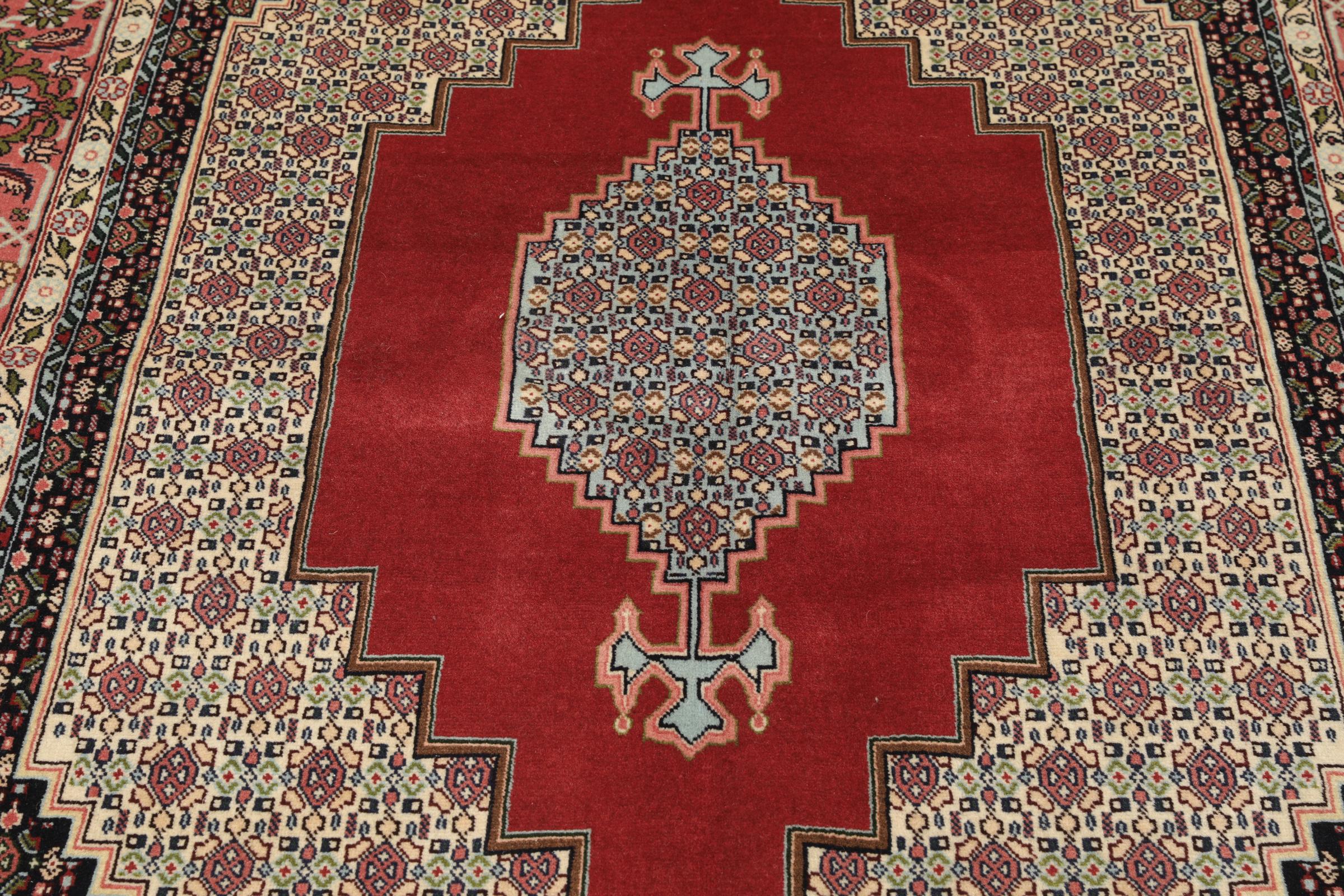
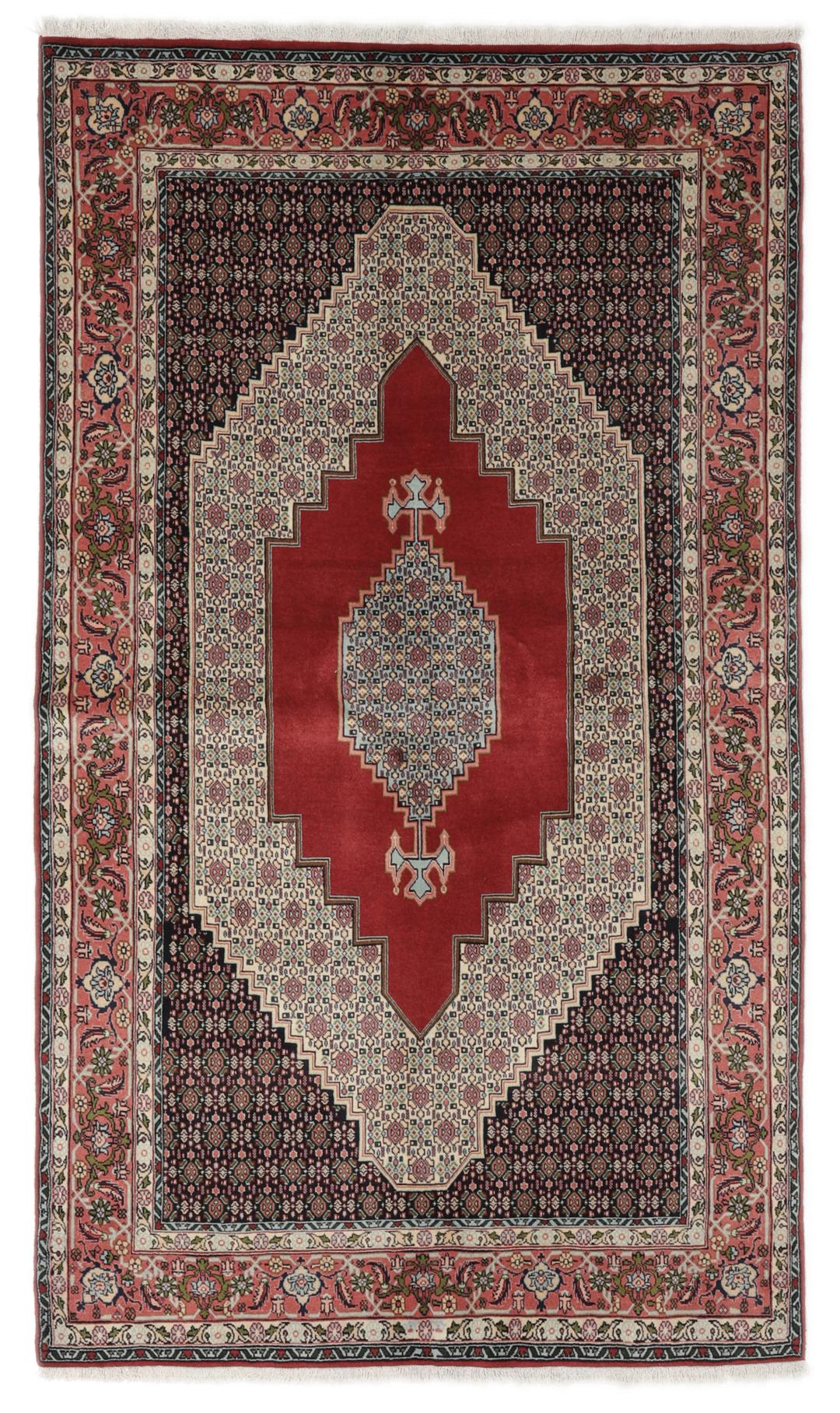
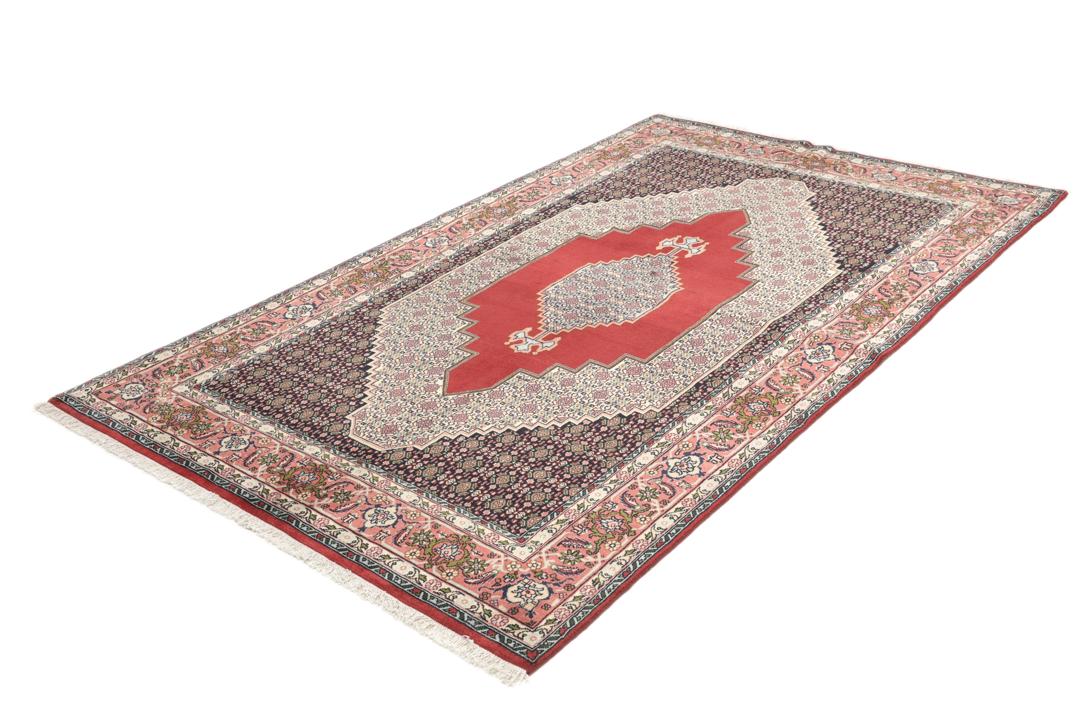
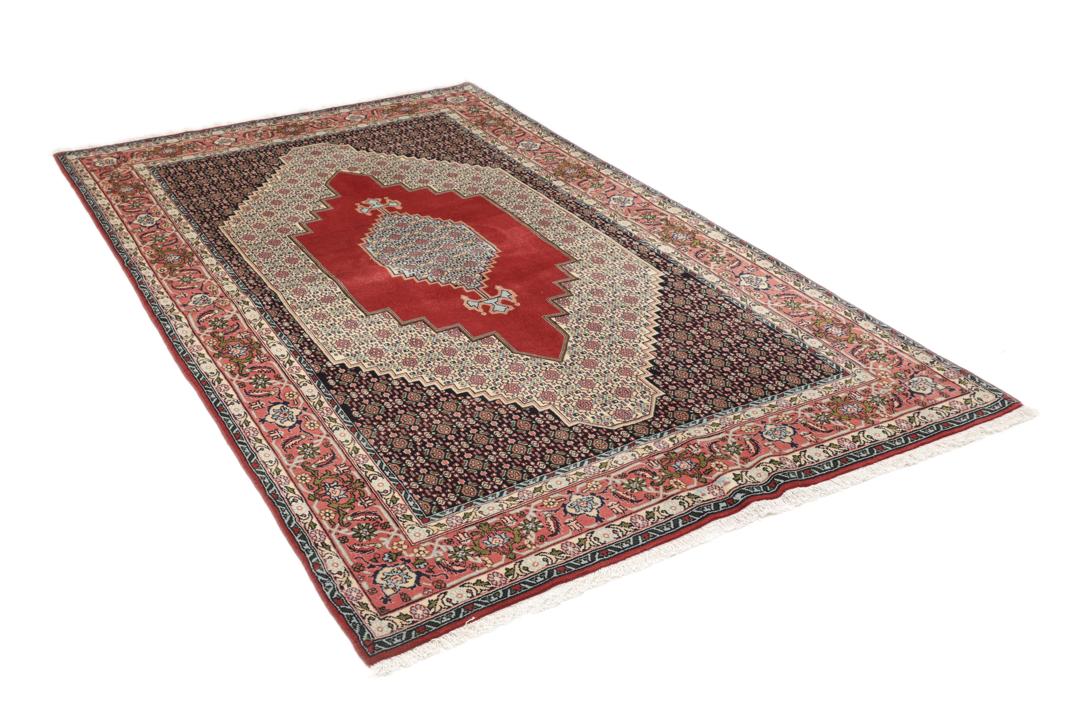
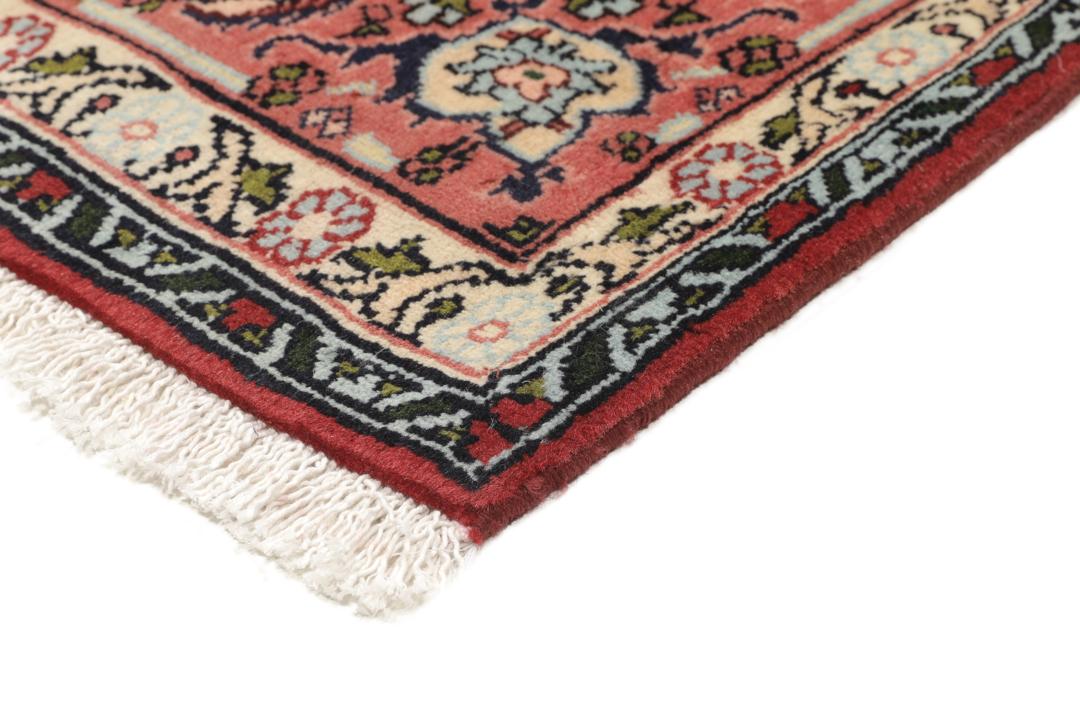
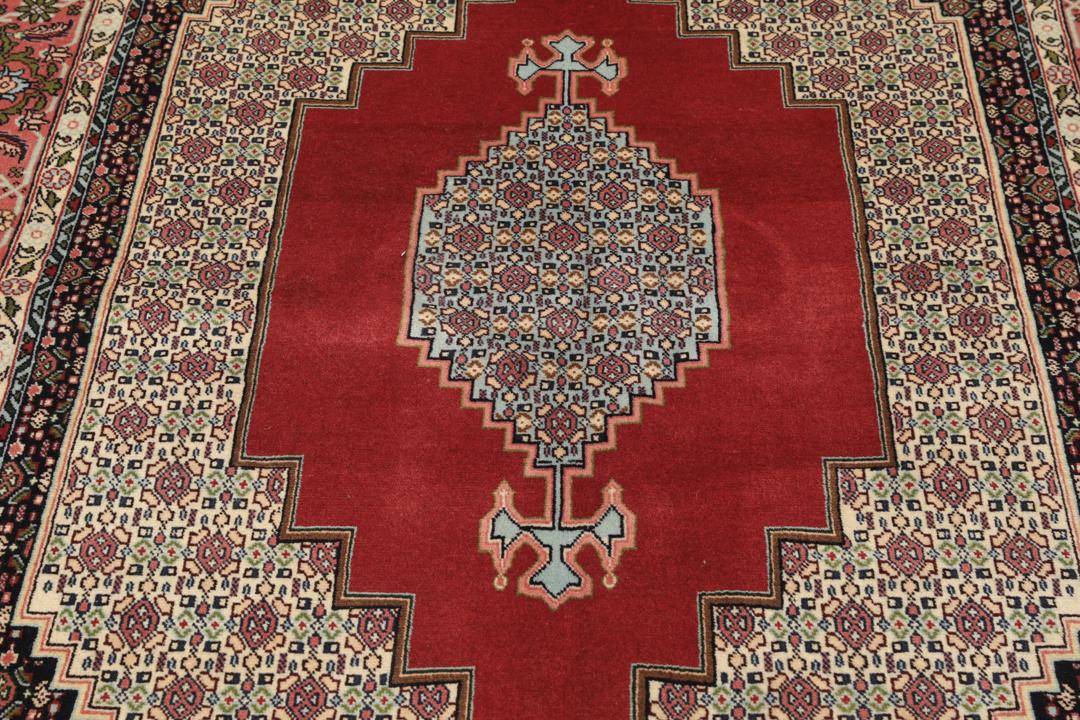
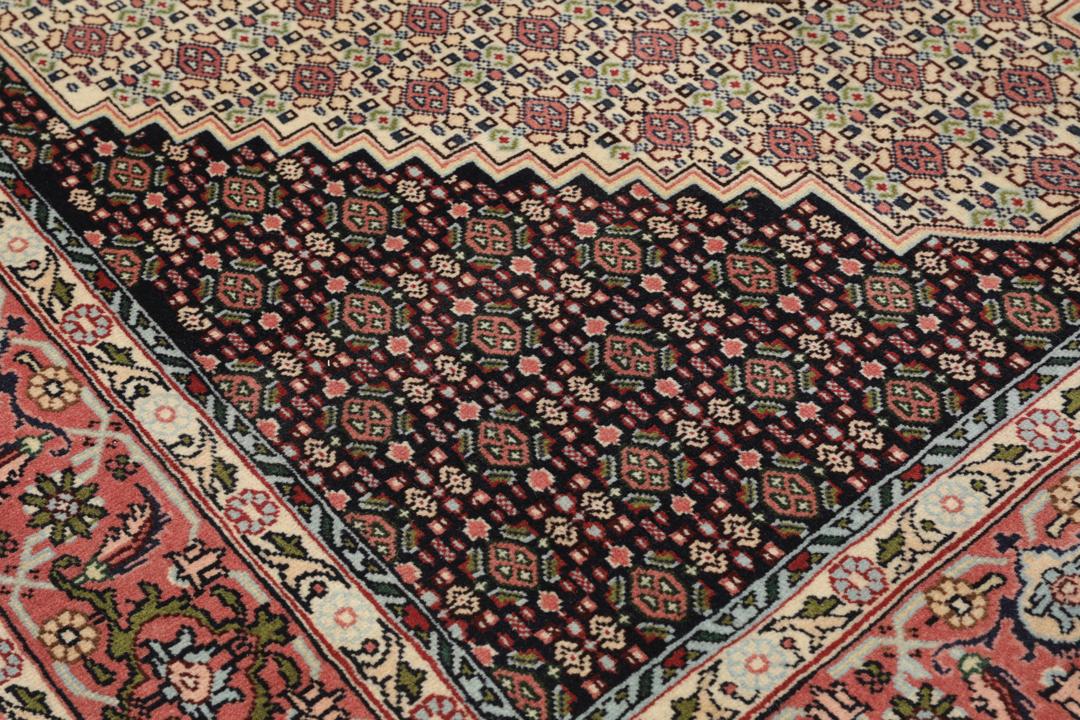
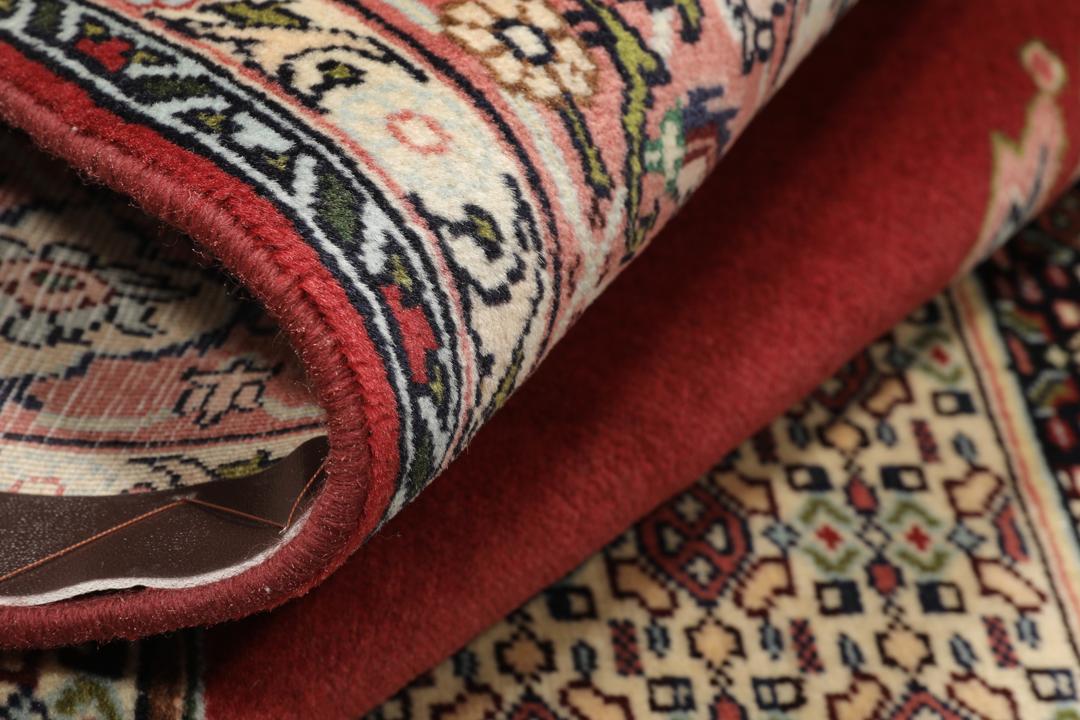
Visually, Senneh rugs are celebrated for their distinctive geometric medallions and finely executed floral patterns. While traditional examples often feature a cream or dark-red field, they are known for their balance and symmetry. The borders are typically filled with intricate floral vines, providing a structured frame that complements the central design.
Owning a Senneh rug is more than just a decorative choice, as it represents a connection to a specific, historical craft tradition. These rugs are highly valued by collectors for their technical excellence and the skill required to produce them, making them a lasting testament to the heritage of the Middle Eastern weaving guilds.