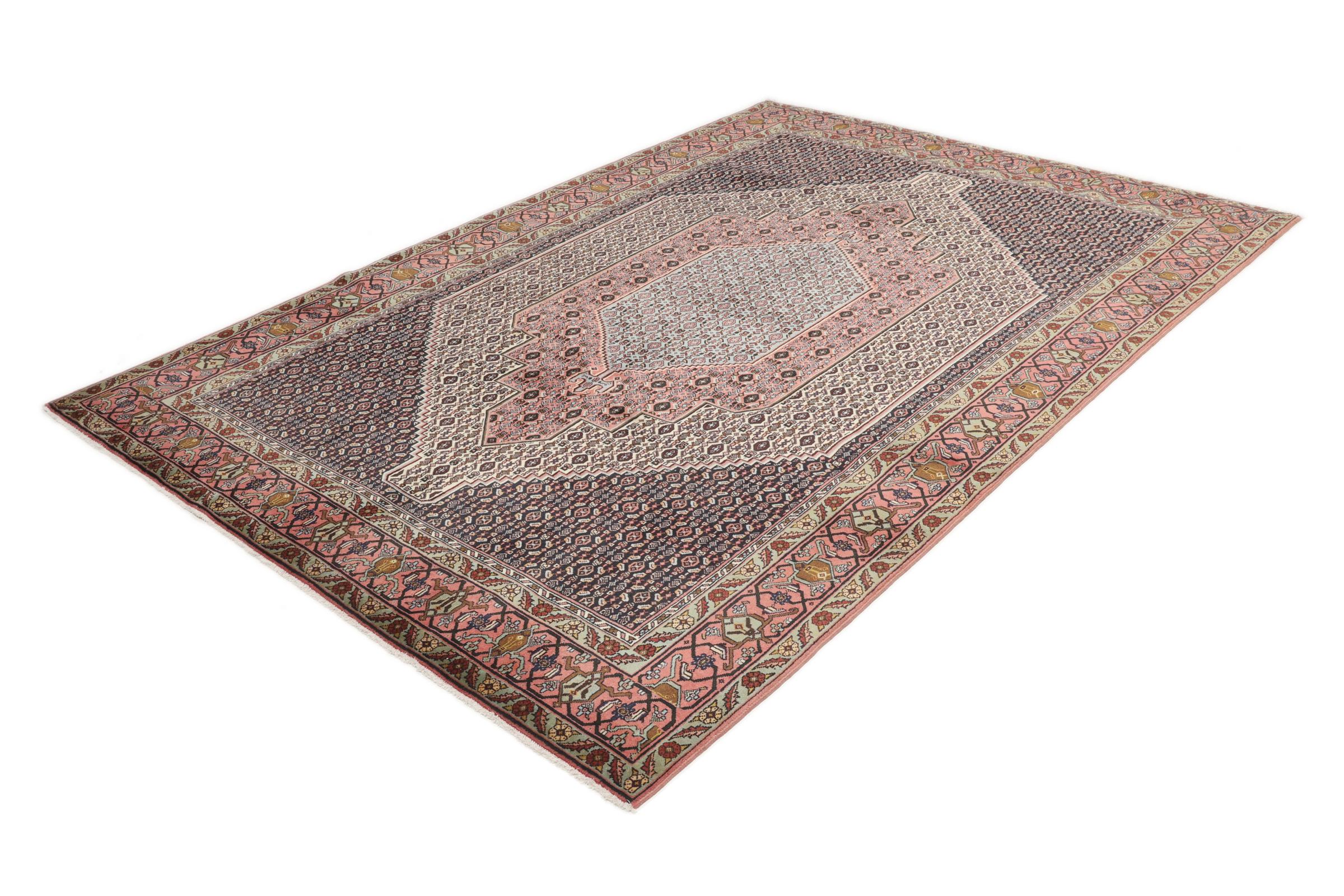
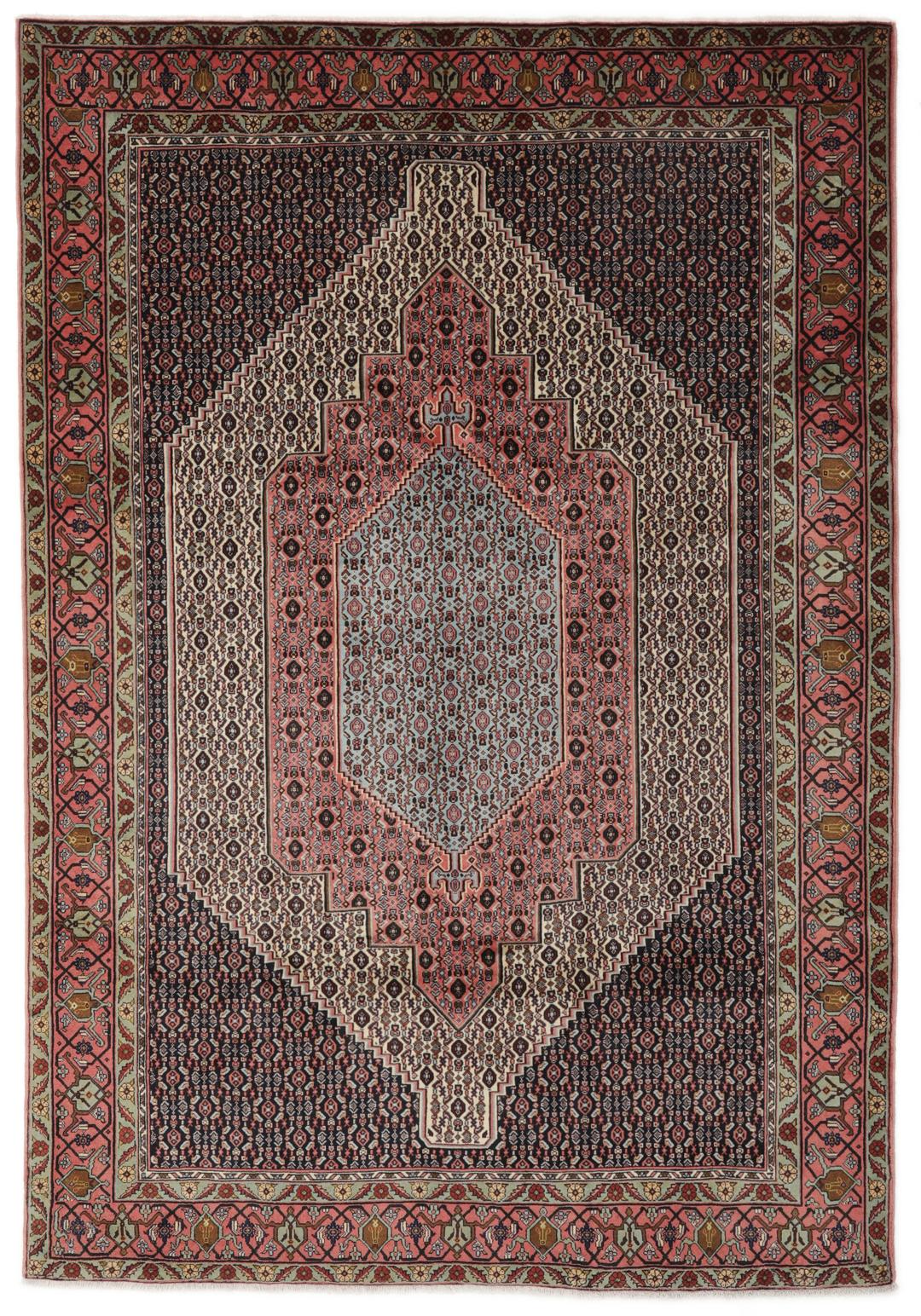
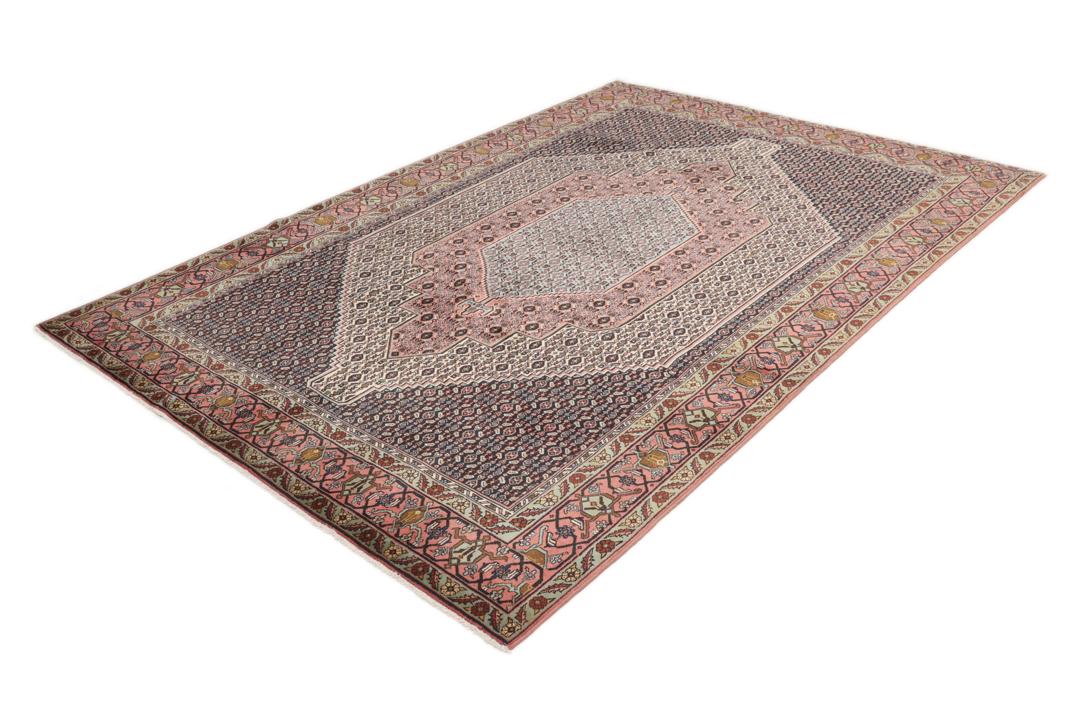
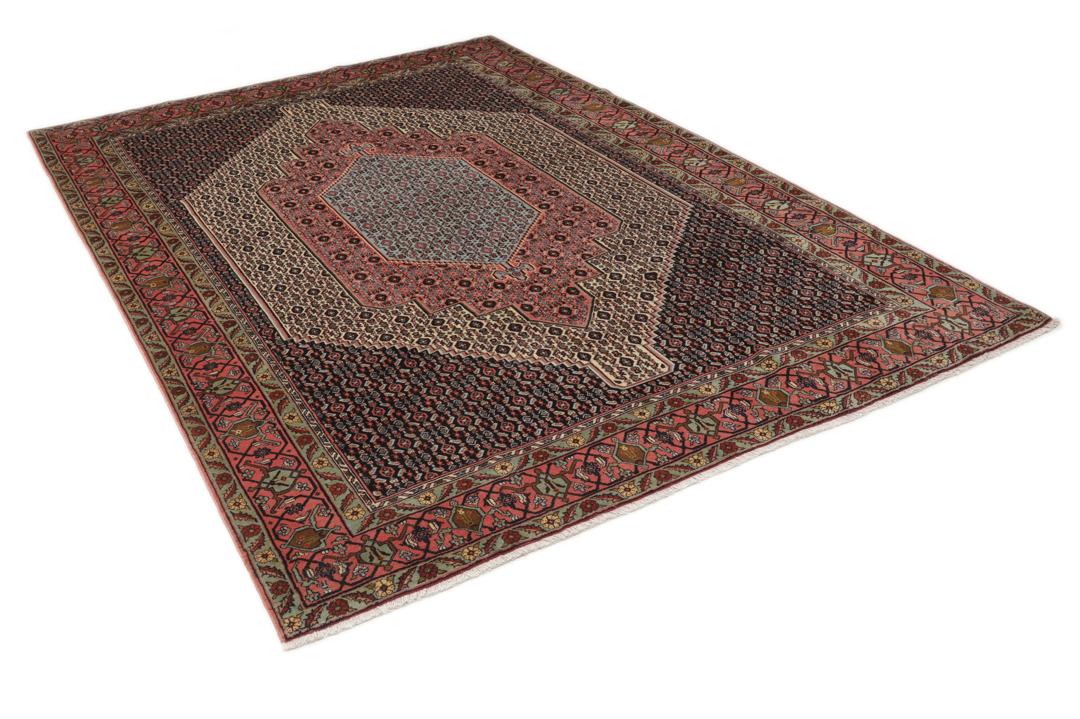
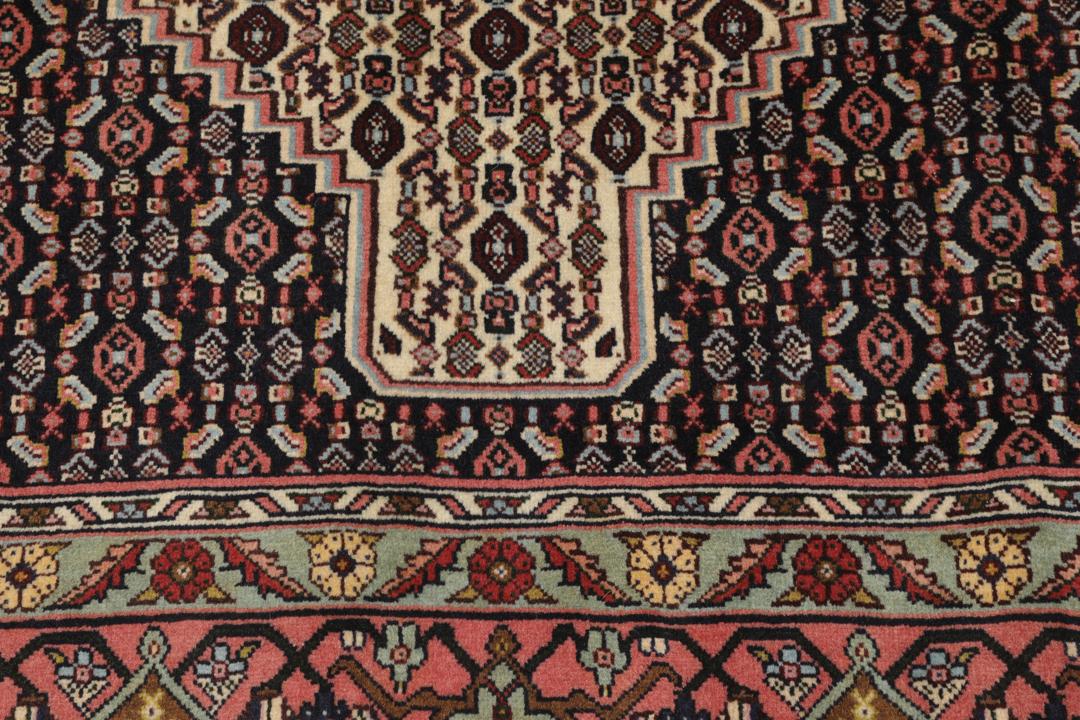
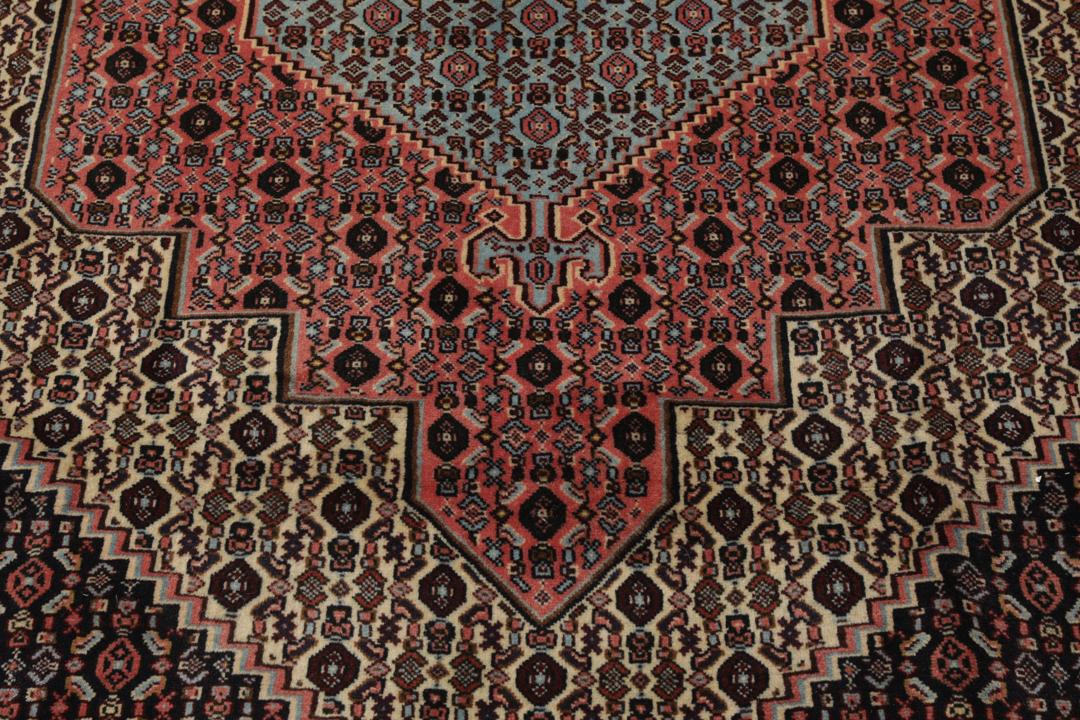
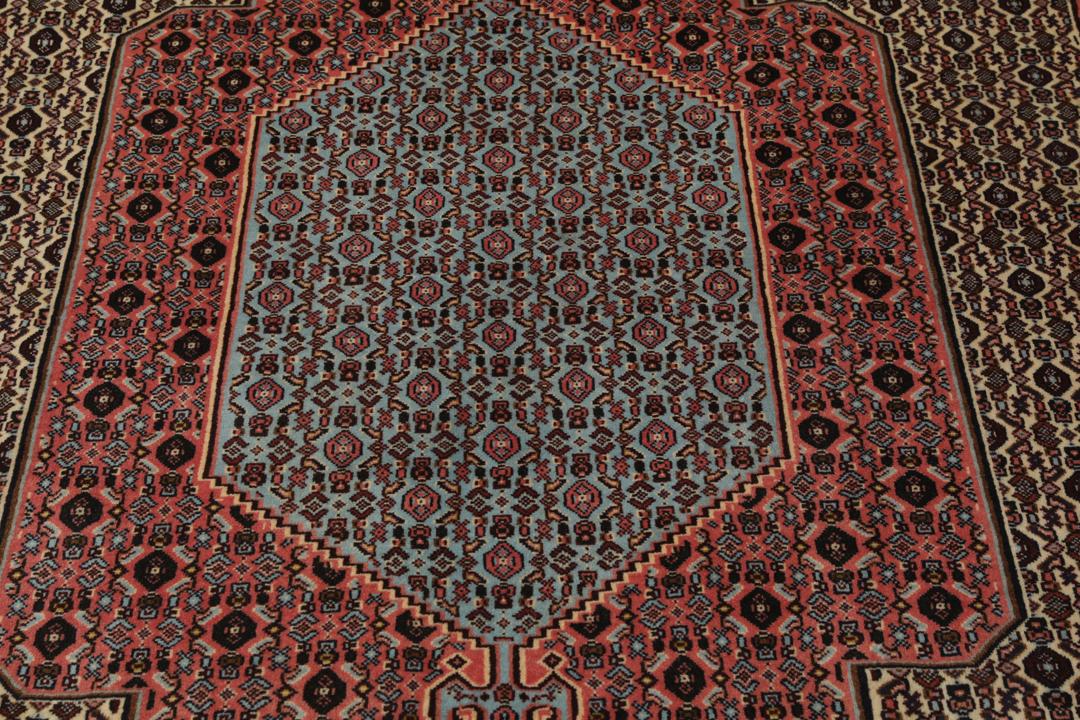
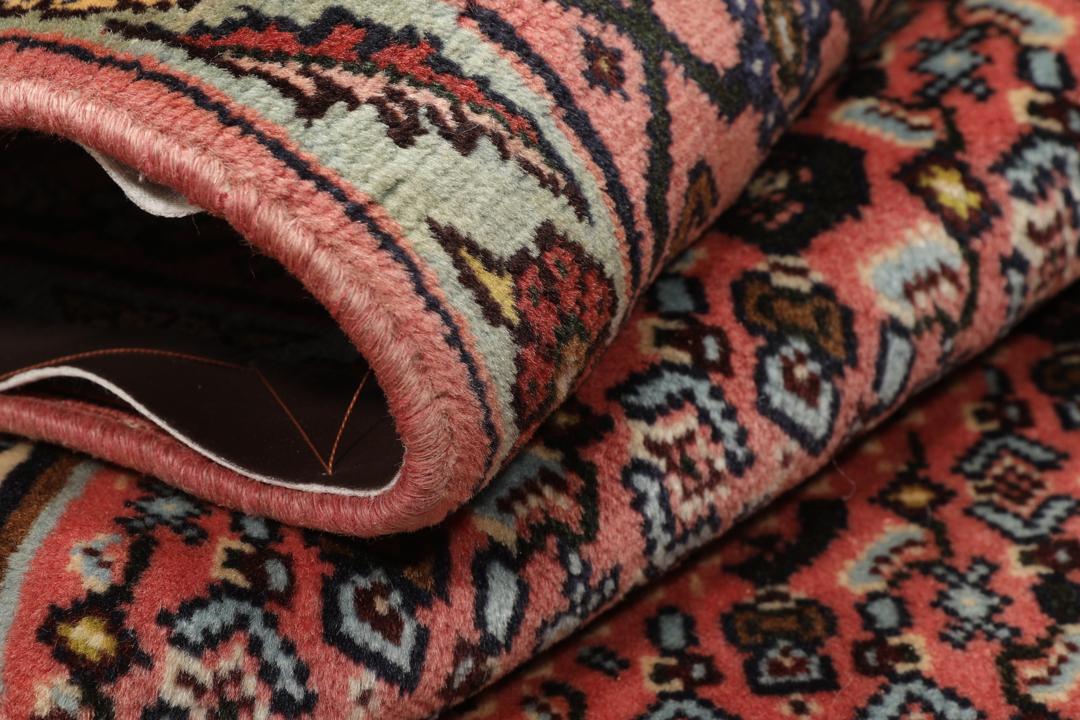
Senneh rugs originate from the mountainous region of the Middle East, specifically around the city of Sanandaj. This area has long been a centre for sophisticated weaving, known for a style that balances intricate, fine-grained patterns with a sense of fluid, artistic expression.
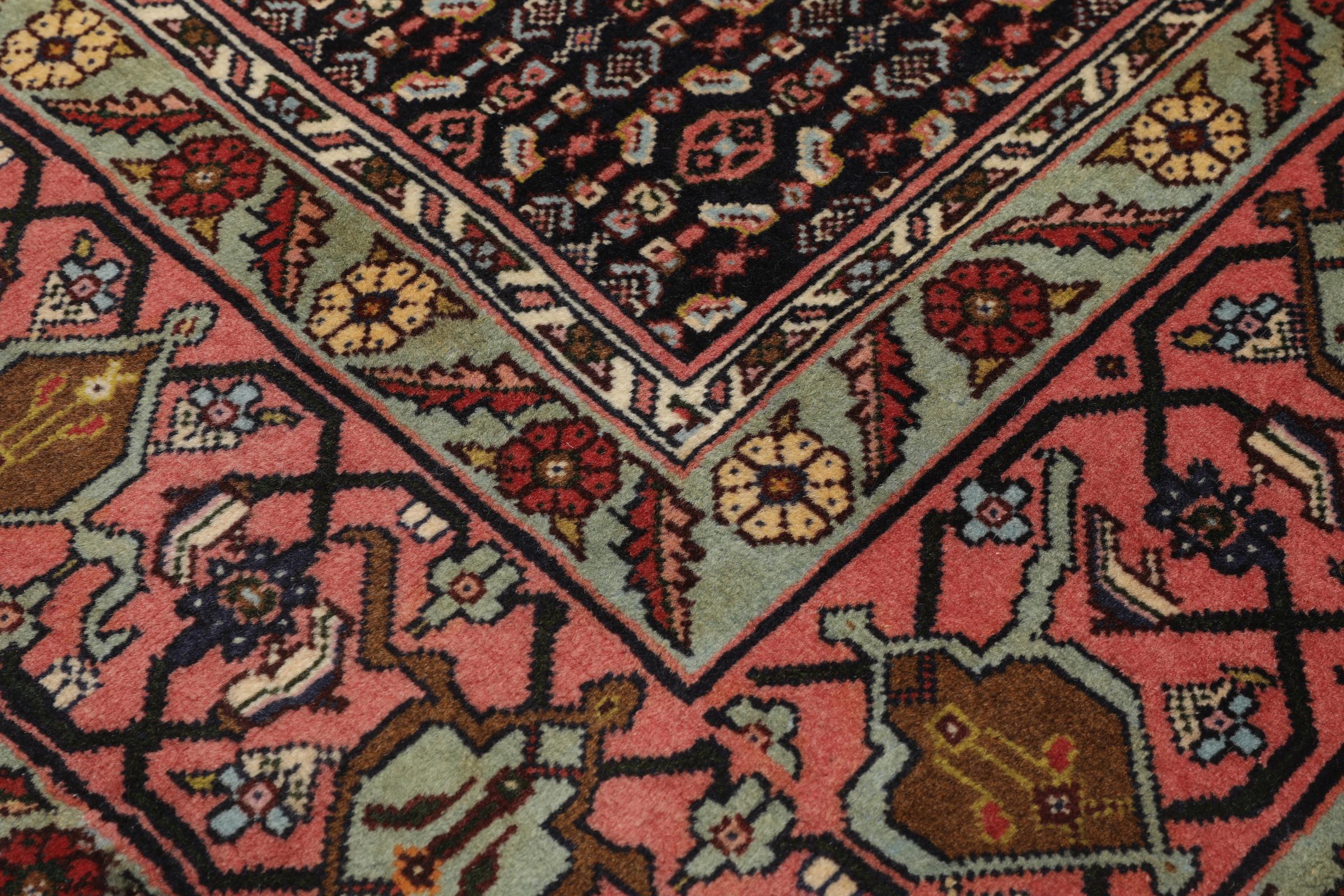
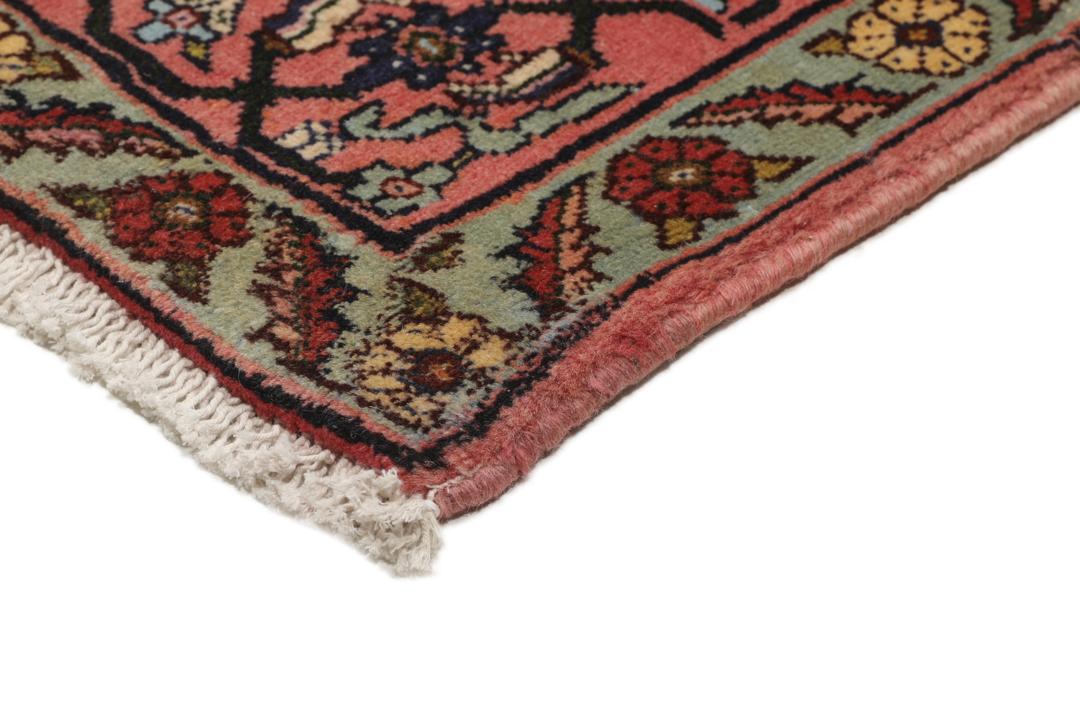
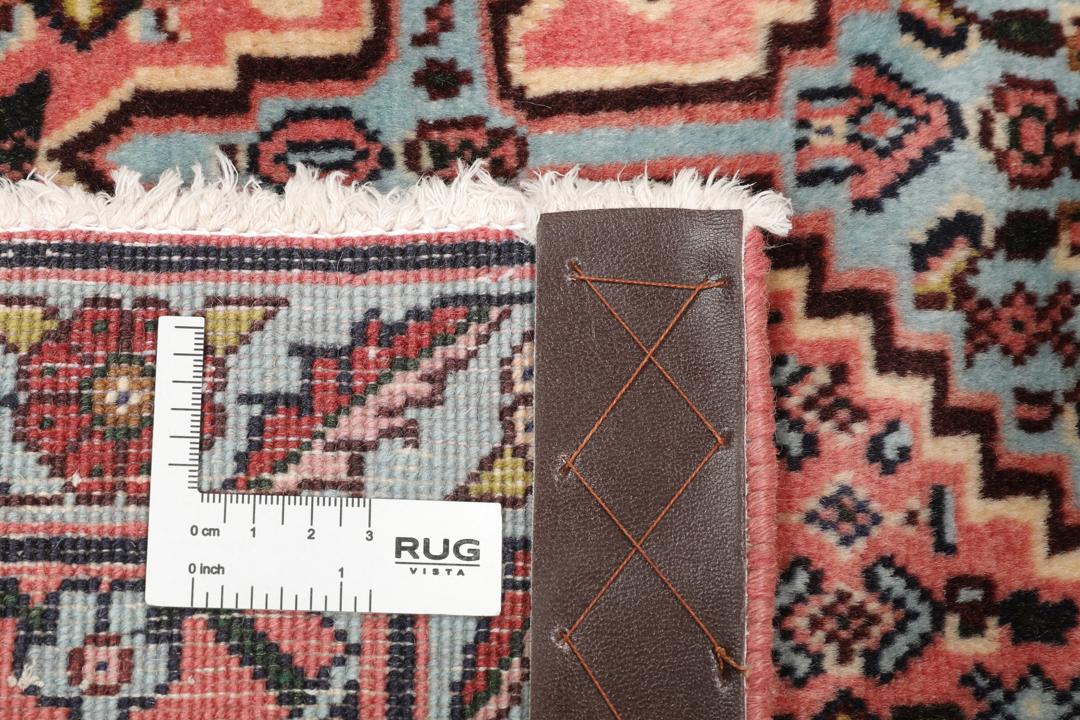
The term Senneh refers to a specific, highly refined weaving technique where the pile is knotted with a single-weft construction. This method allows for a thinner, more flexible rug that can accommodate extremely detailed patterns and delicate floral or geometric motifs, distinguishing these pieces from the coarser styles found elsewhere.
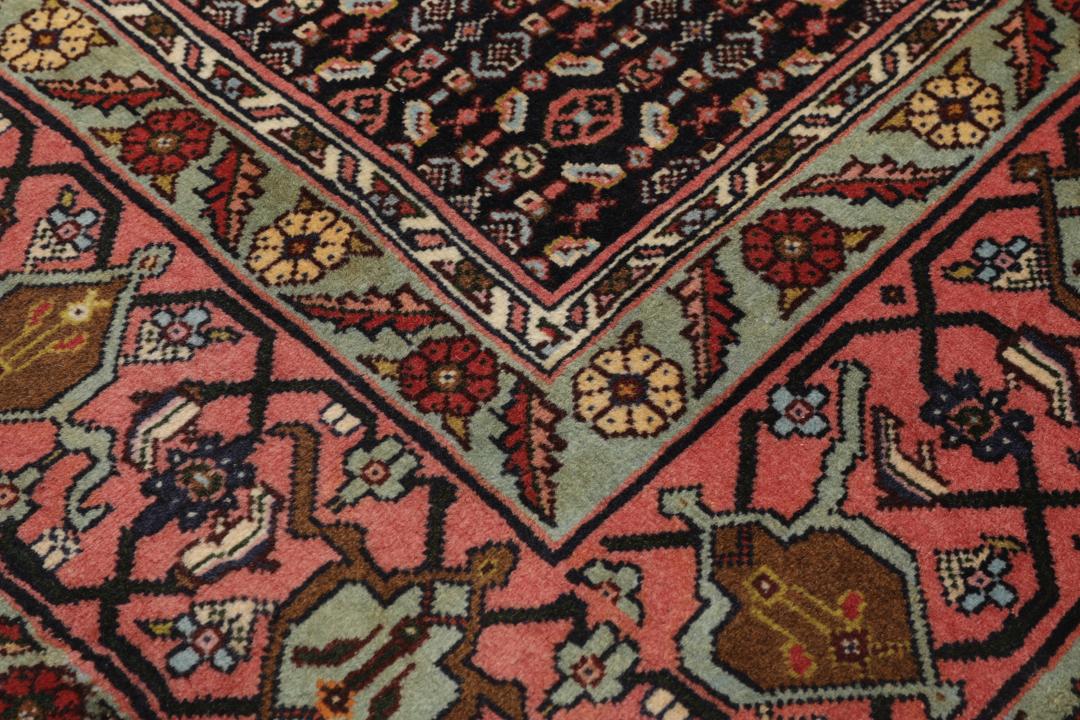
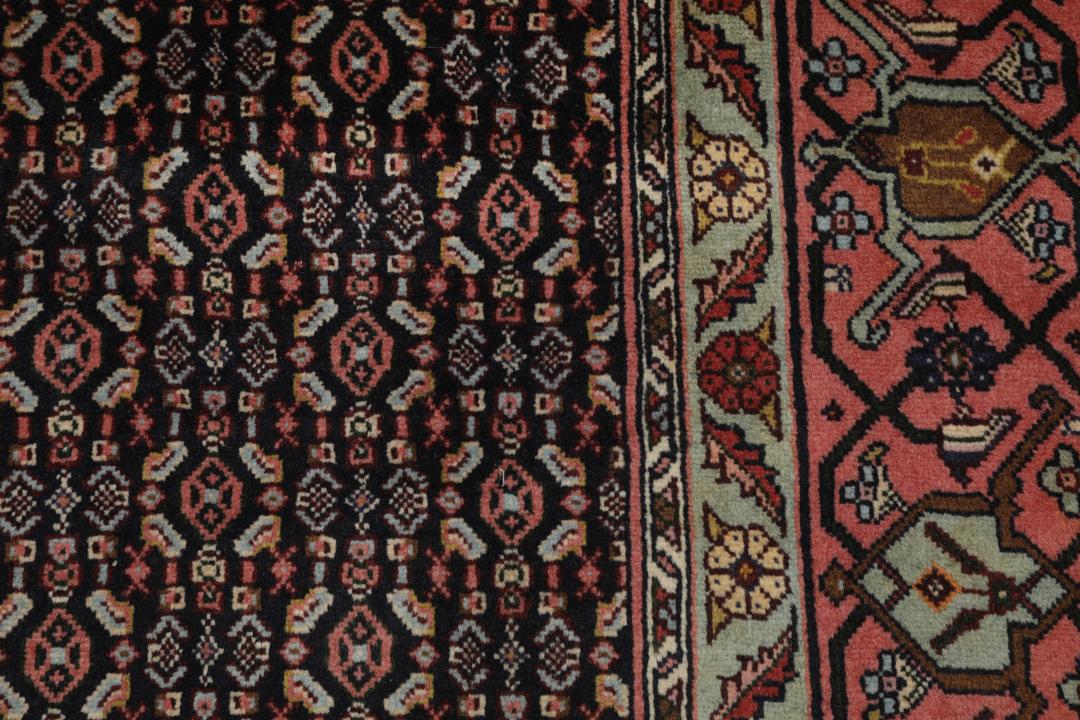
Visually, these rugs are often celebrated for their central medallions and detailed, repetitive field patterns that draw inspiration from local nature and architecture. The borders are frequently as complex as the centre, creating a balanced, harmonious composition that reflects the deep cultural appreciation for symmetry and precision in the region.
Collecting a piece from this tradition is an act of preserving a dying art form. These rugs are valued not just for their aesthetic beauty, but for the legacy of the weavers who developed these complex designs over centuries. Owning one is a testament to an appreciation for skill, heritage, and the enduring quality of human craft.