The tradition of rug weaving in the Middle East is deeply rooted in the cultural fabric of the region, drawing on centuries of nomadic and settled craft practices. Rugs from this area are renowned for their strength, use of high-quality local wool, and the way they reflect the landscapes and stories of the people who create them. These pieces often serve as a bridge between ancient techniques and contemporary living, keeping historic skills alive through every knot.
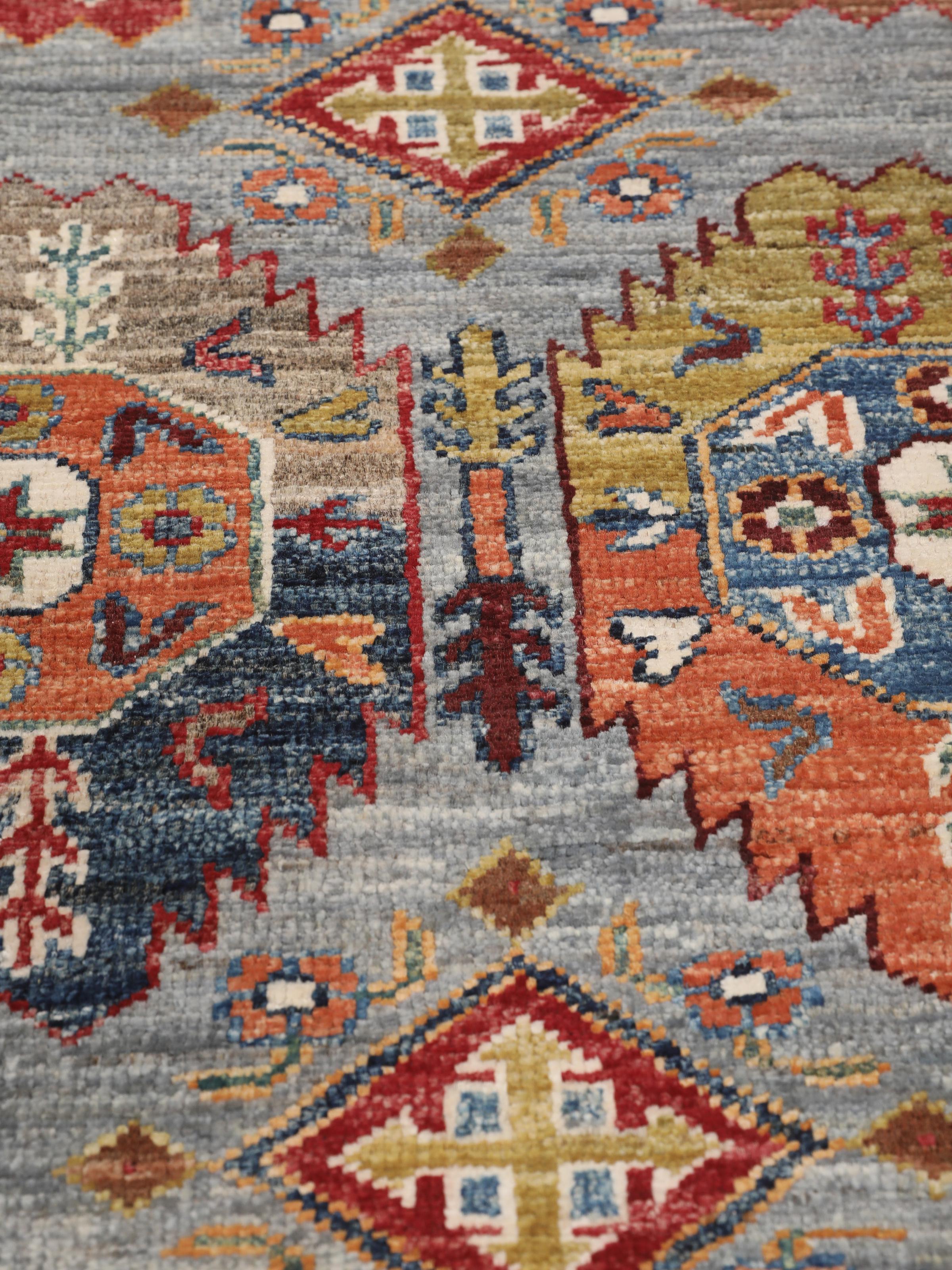
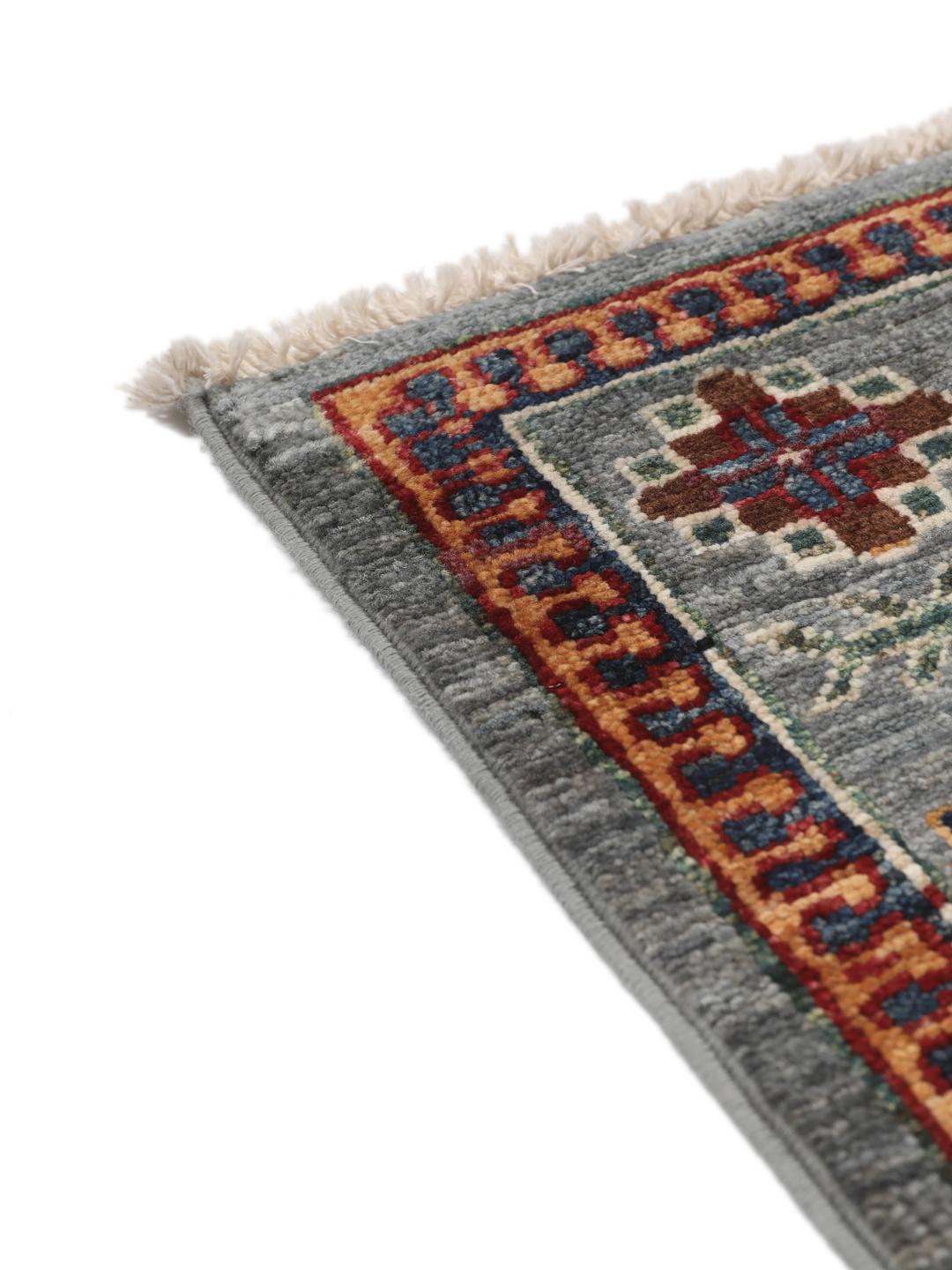
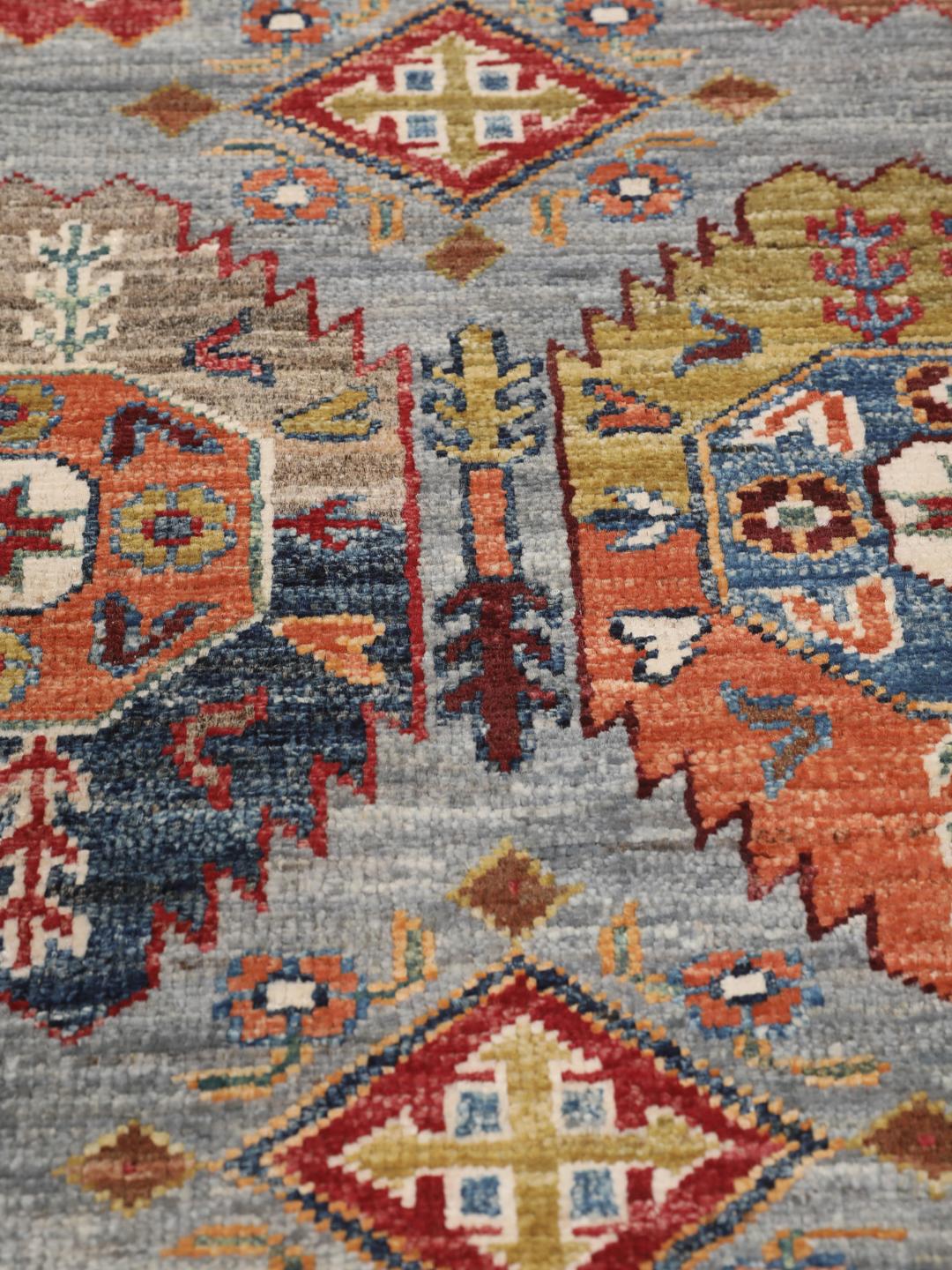
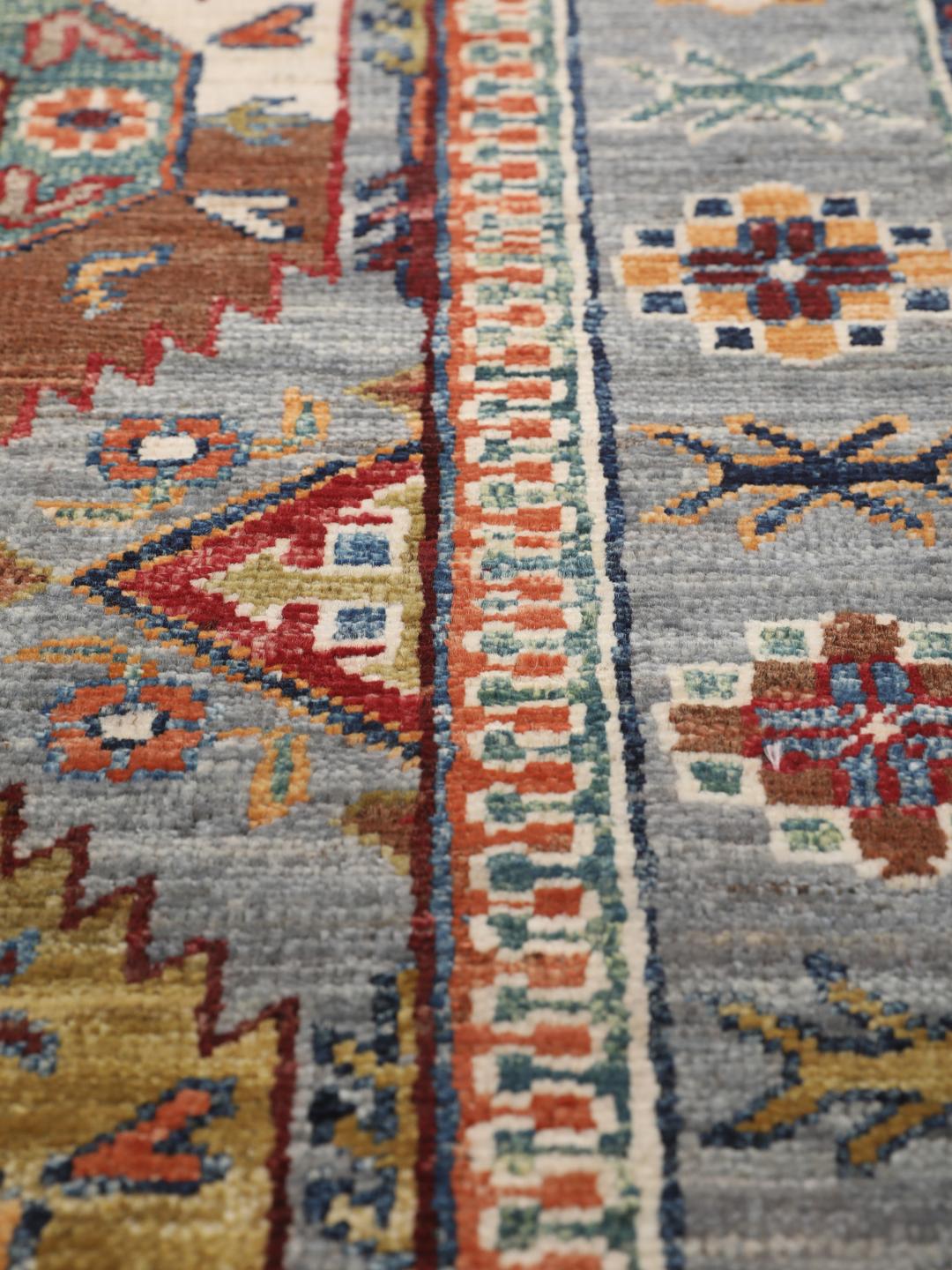
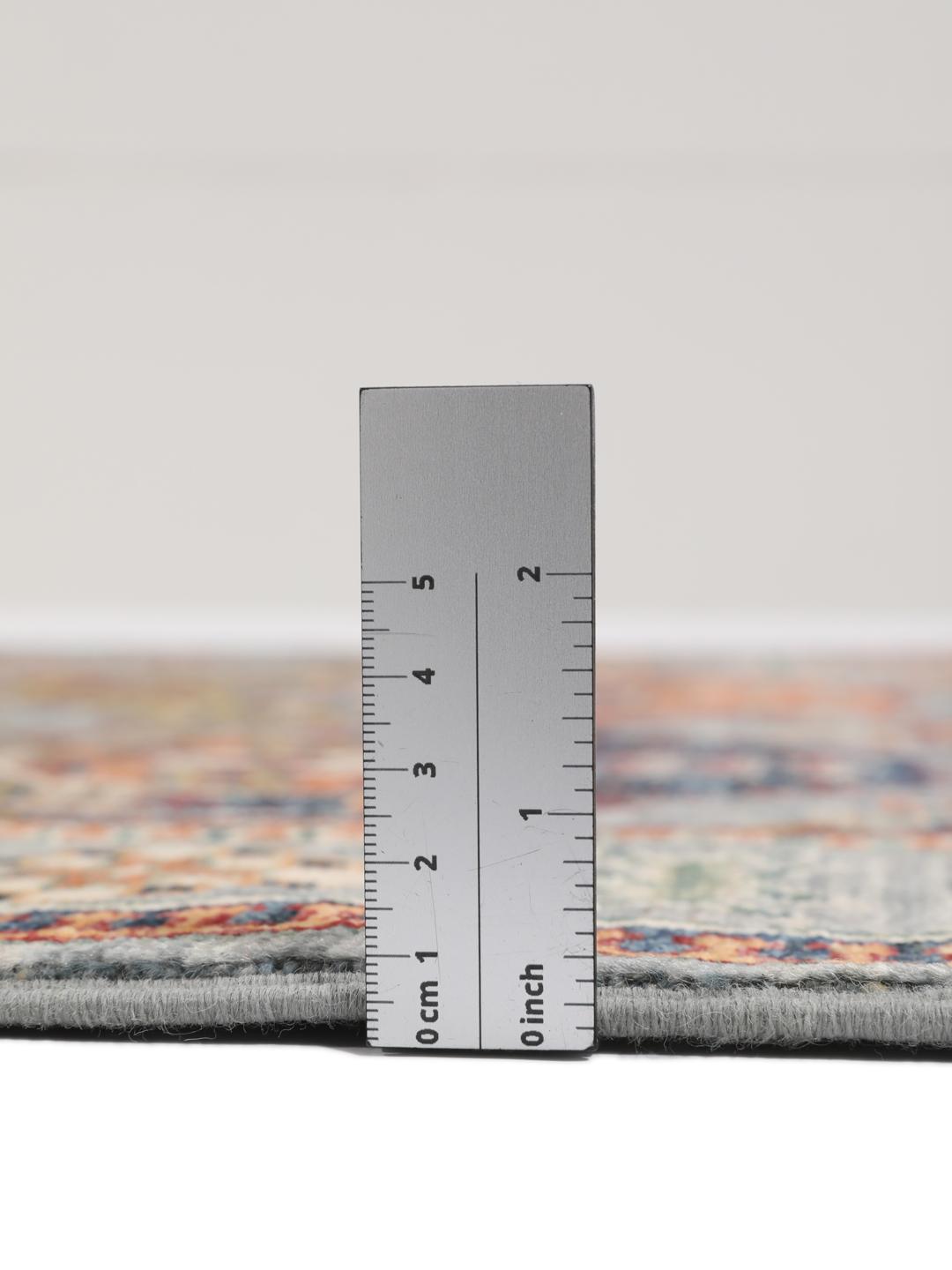
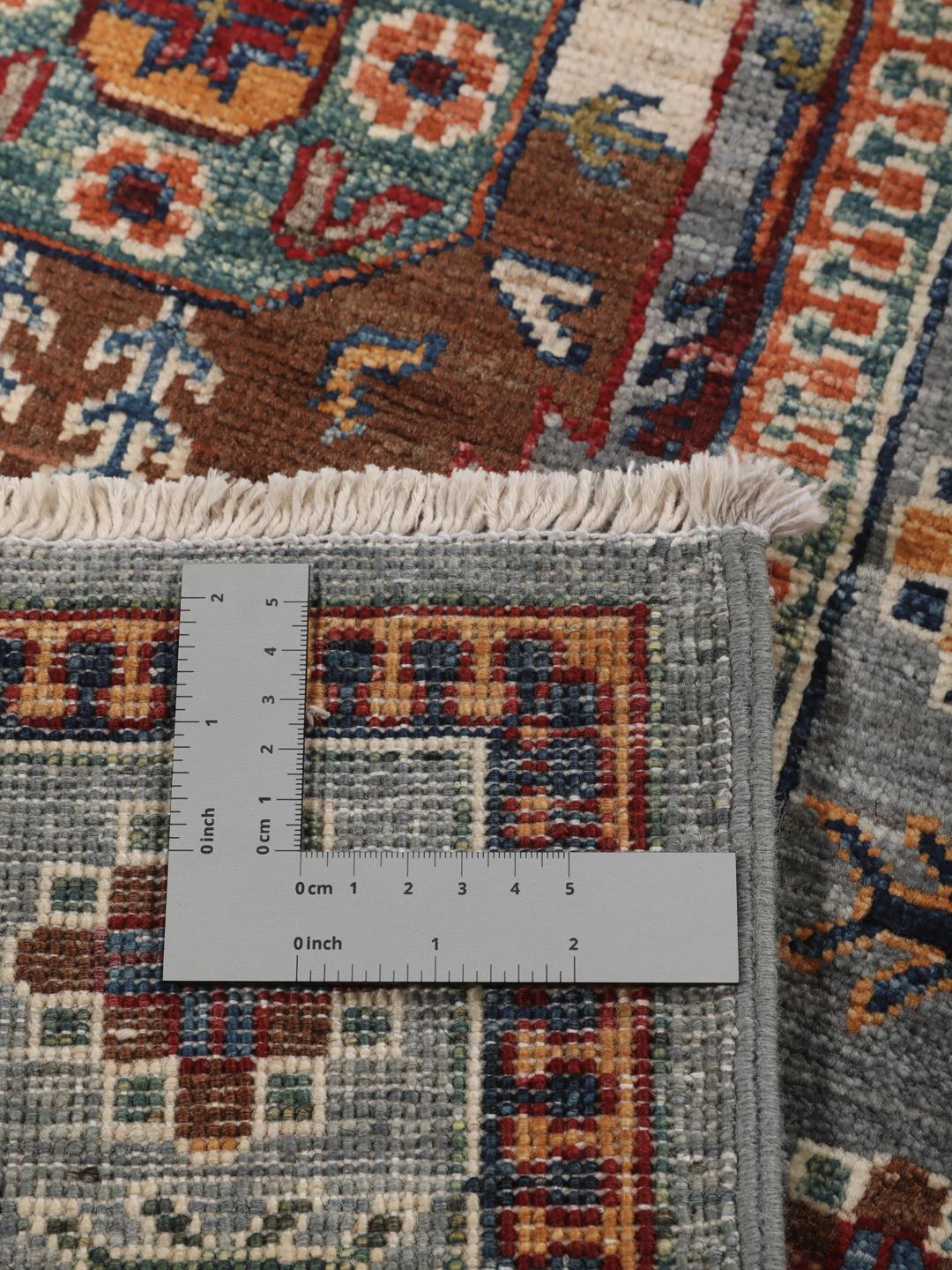
The term hand-knotted refers to the laborious method where each individual knot is tied by hand onto the warp threads. This is the hallmark of a genuine, high-quality rug. Unlike mass-produced alternatives, this method allows for a density and complexity of pattern that remains sharp and vibrant over time. It creates a pile that is not only visually rich but also physically durable, capable of withstanding the rigours of daily life while retaining its soft, inviting feel.
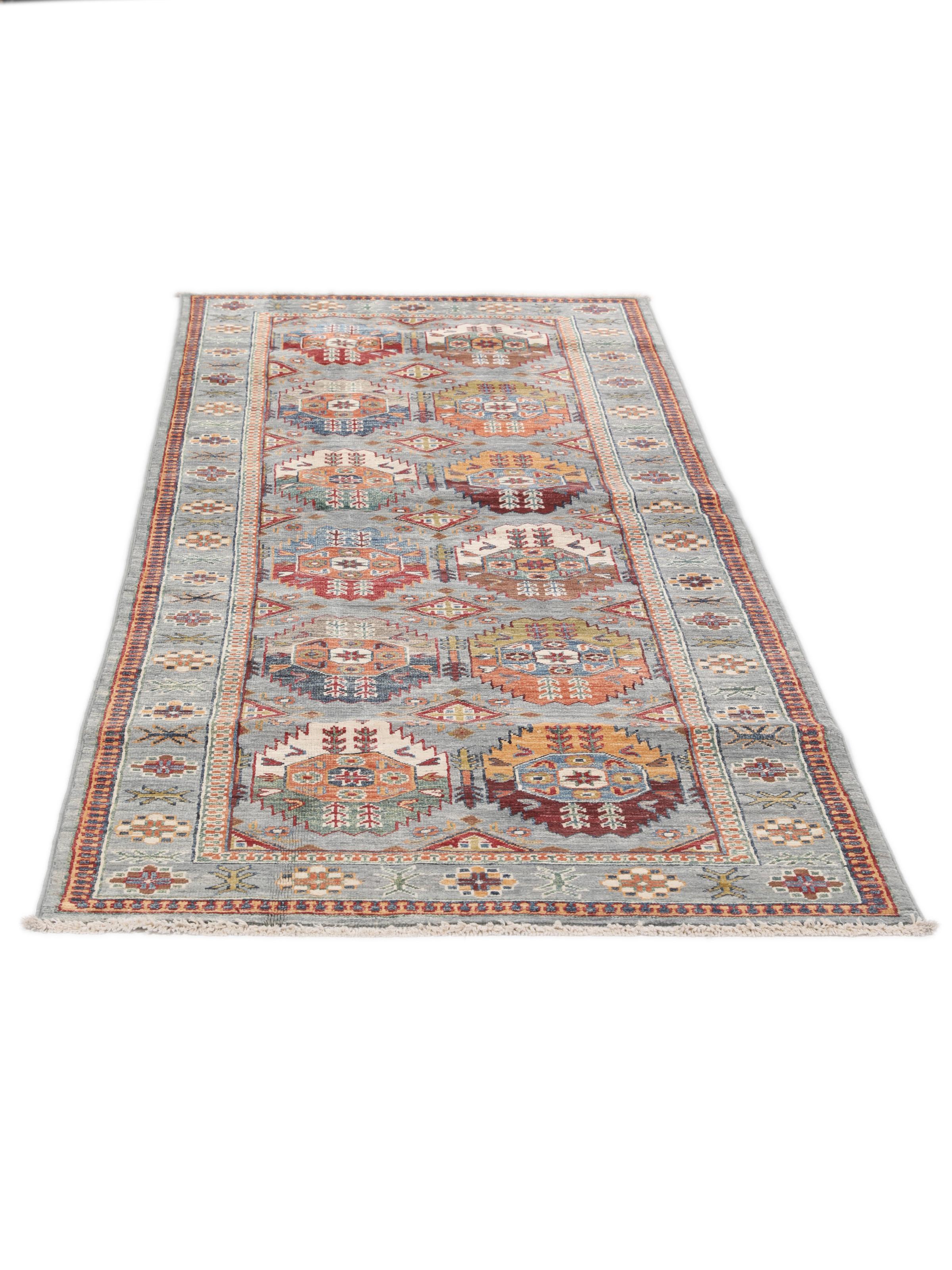
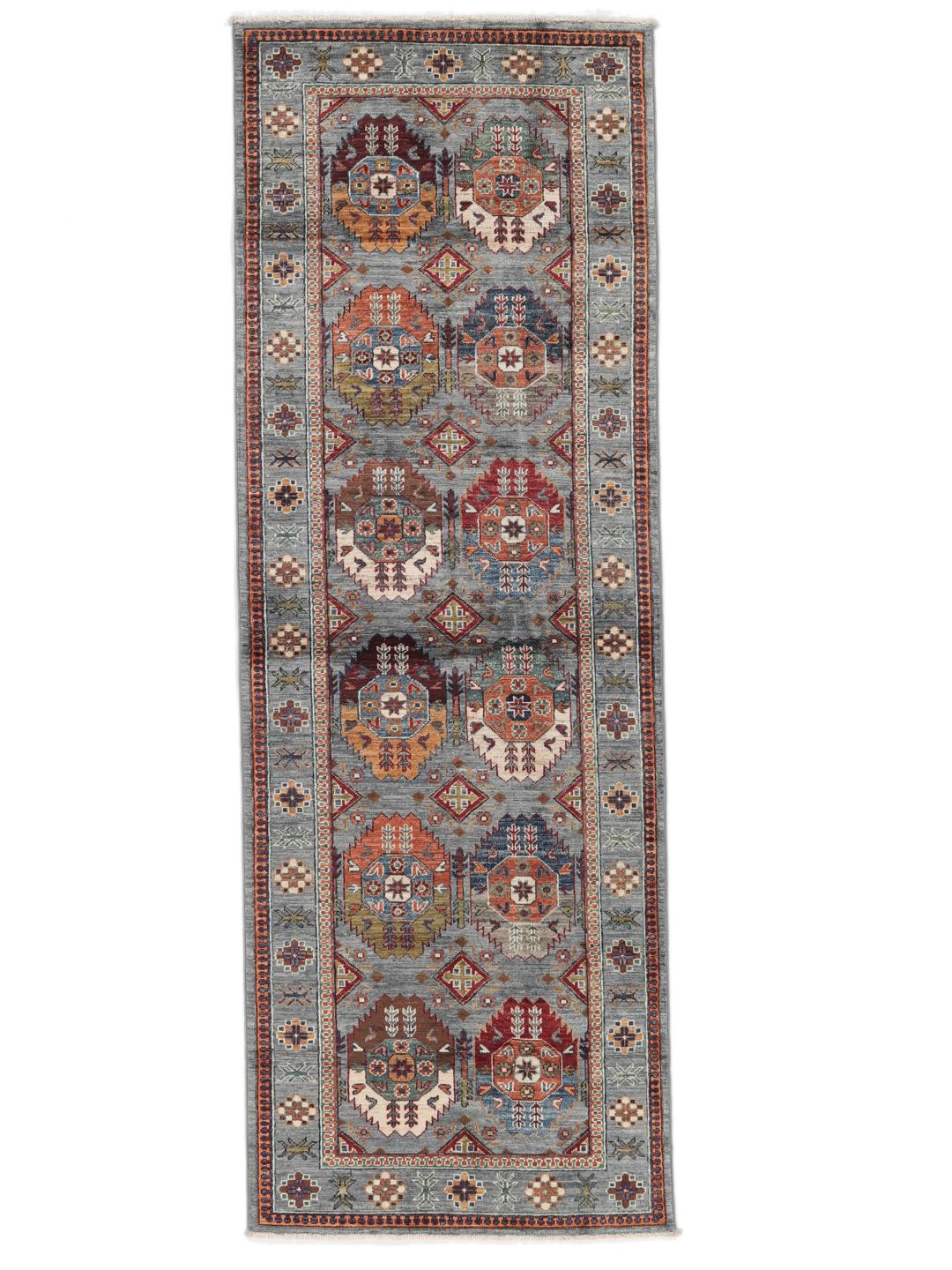
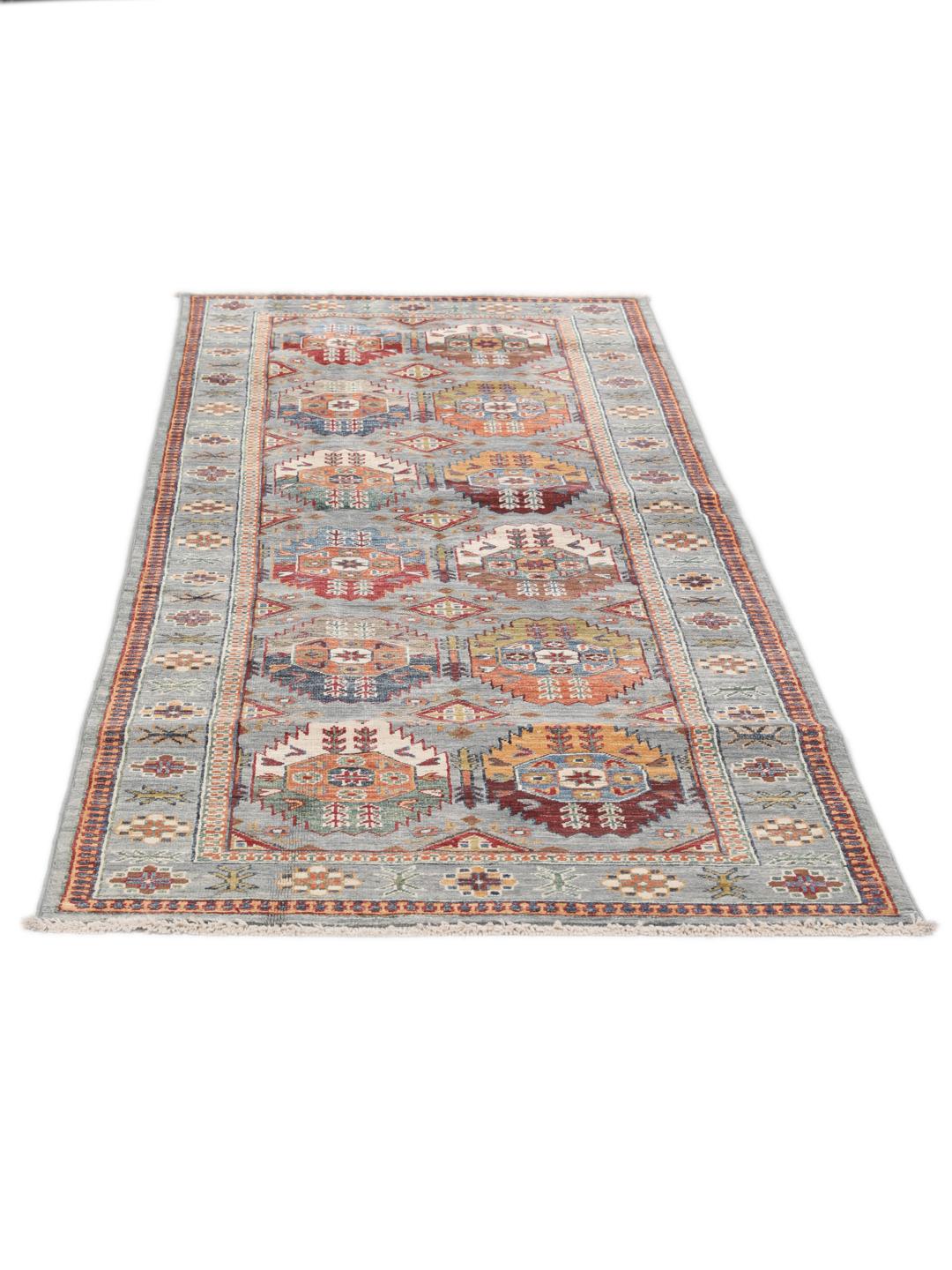
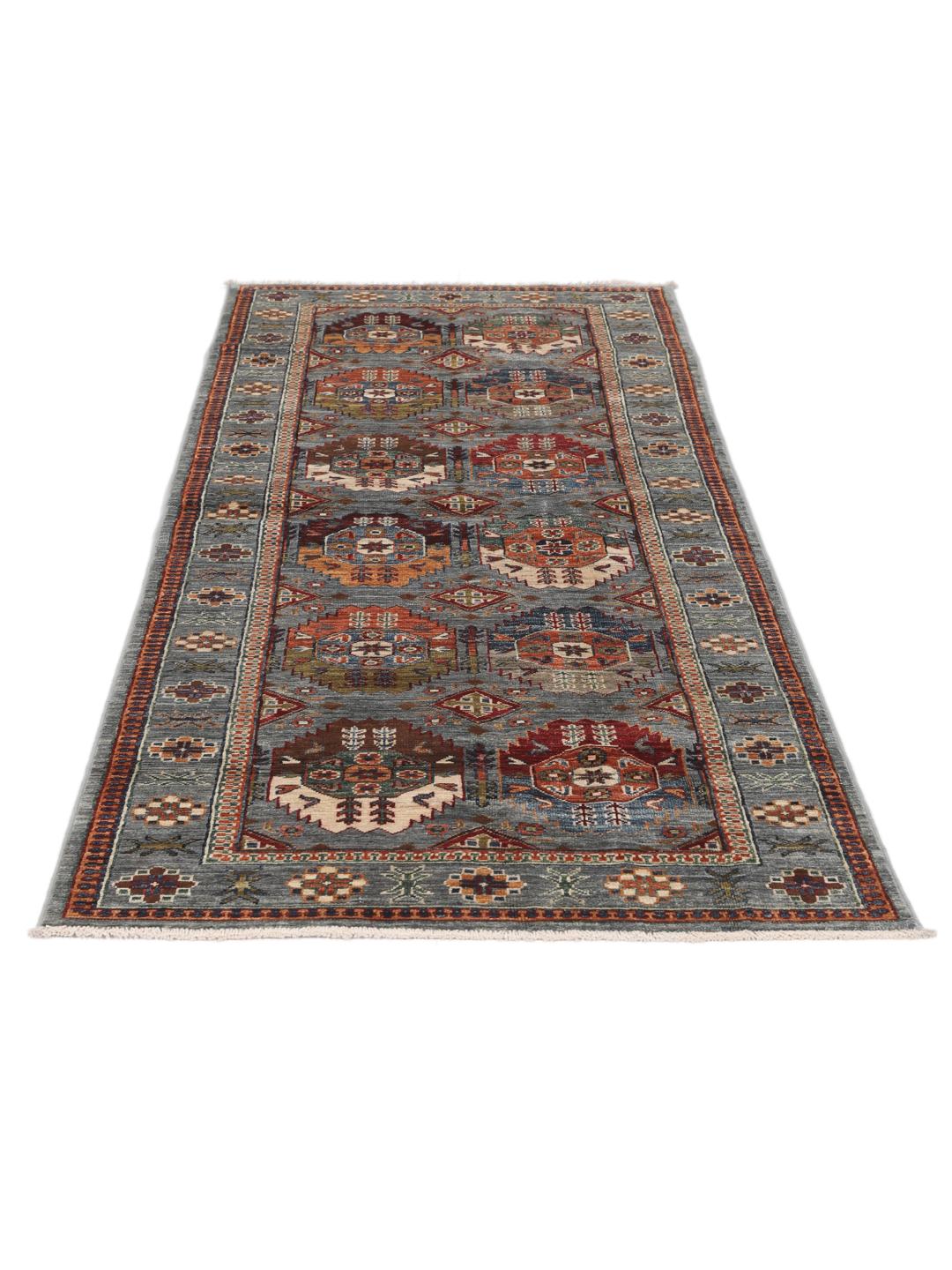
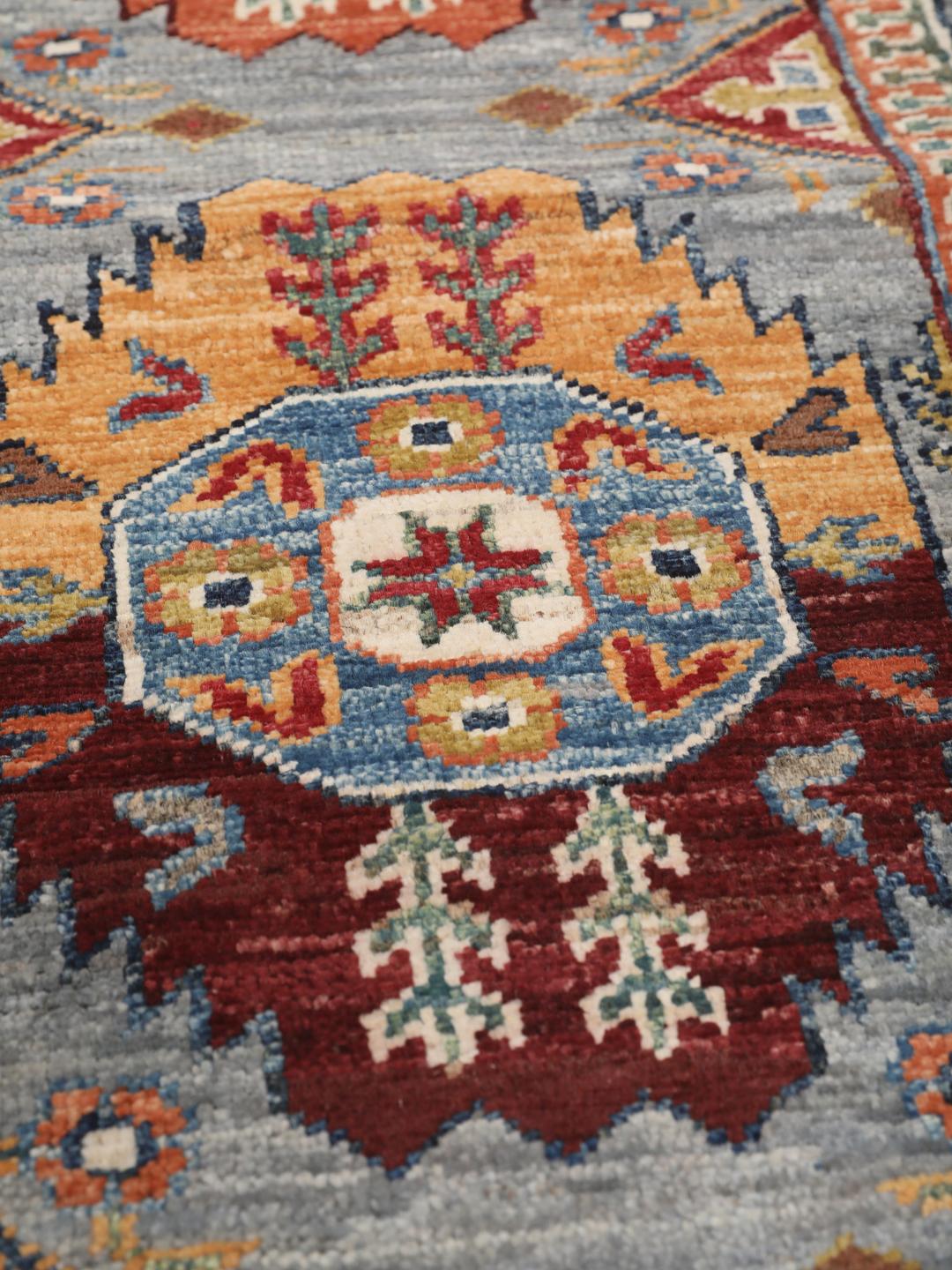
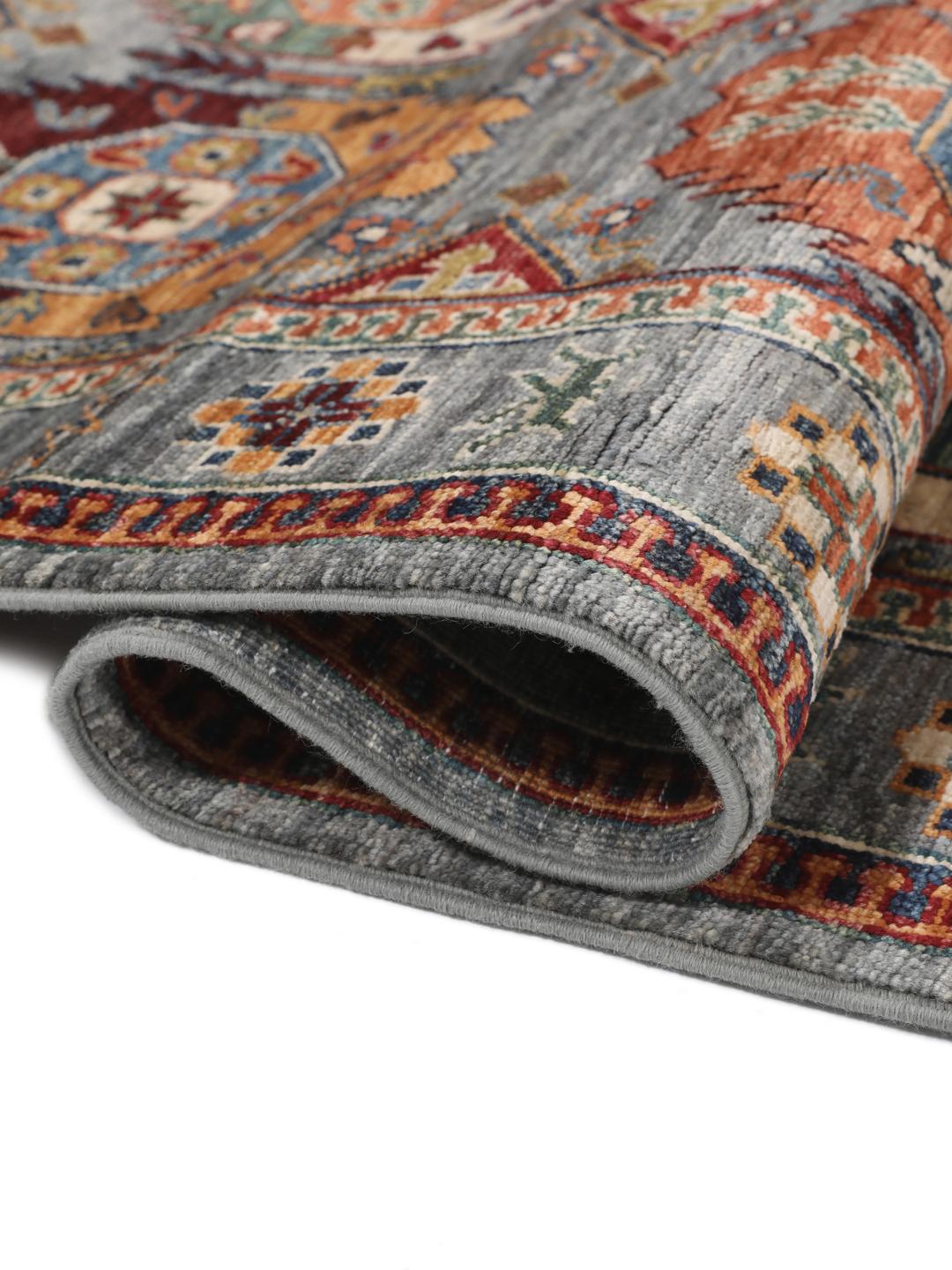
The visual language of this runner is defined by its bold, geometric medallions. These motifs are characteristic of the region, often drawing inspiration from tribal designs that have been passed down through generations. The borders are thoughtfully proportioned, framing the central field and guiding the eye through the repeating patterns. The use of blue as the primary field colour provides a sophisticated backdrop that highlights the secondary tones, creating a harmonious yet striking visual balance.
Owning a runner from the Middle East is an act of appreciation for a craft that has survived and evolved through changing times. These rugs are highly valued by collectors and homeowners alike for their authenticity and the human effort embedded in every centimetre. By bringing this piece into your home, you are not just choosing a floor covering, but a piece of cultural heritage that represents a lifetime of skill and a commitment to maintaining a beautiful, time-honoured tradition.