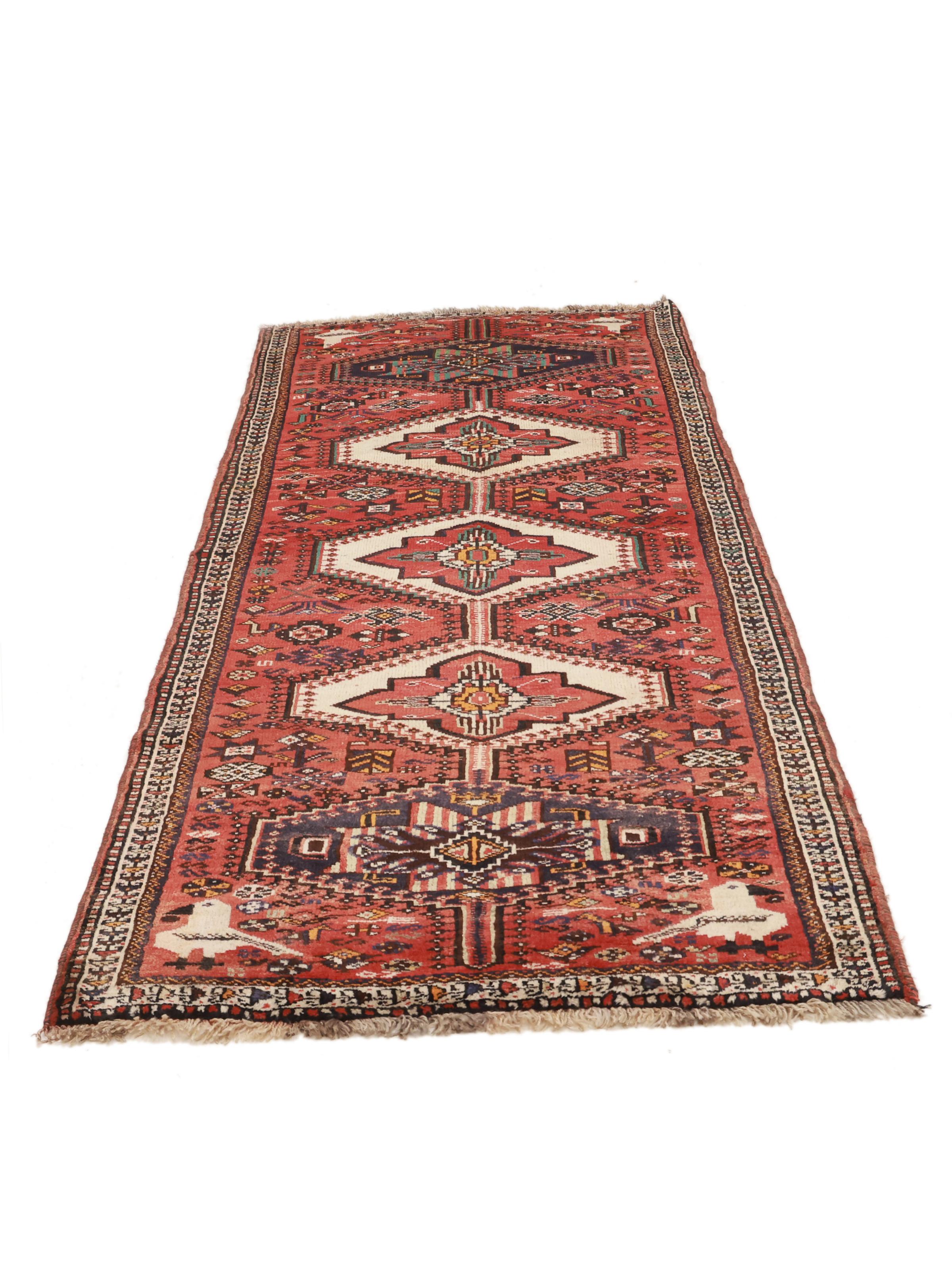
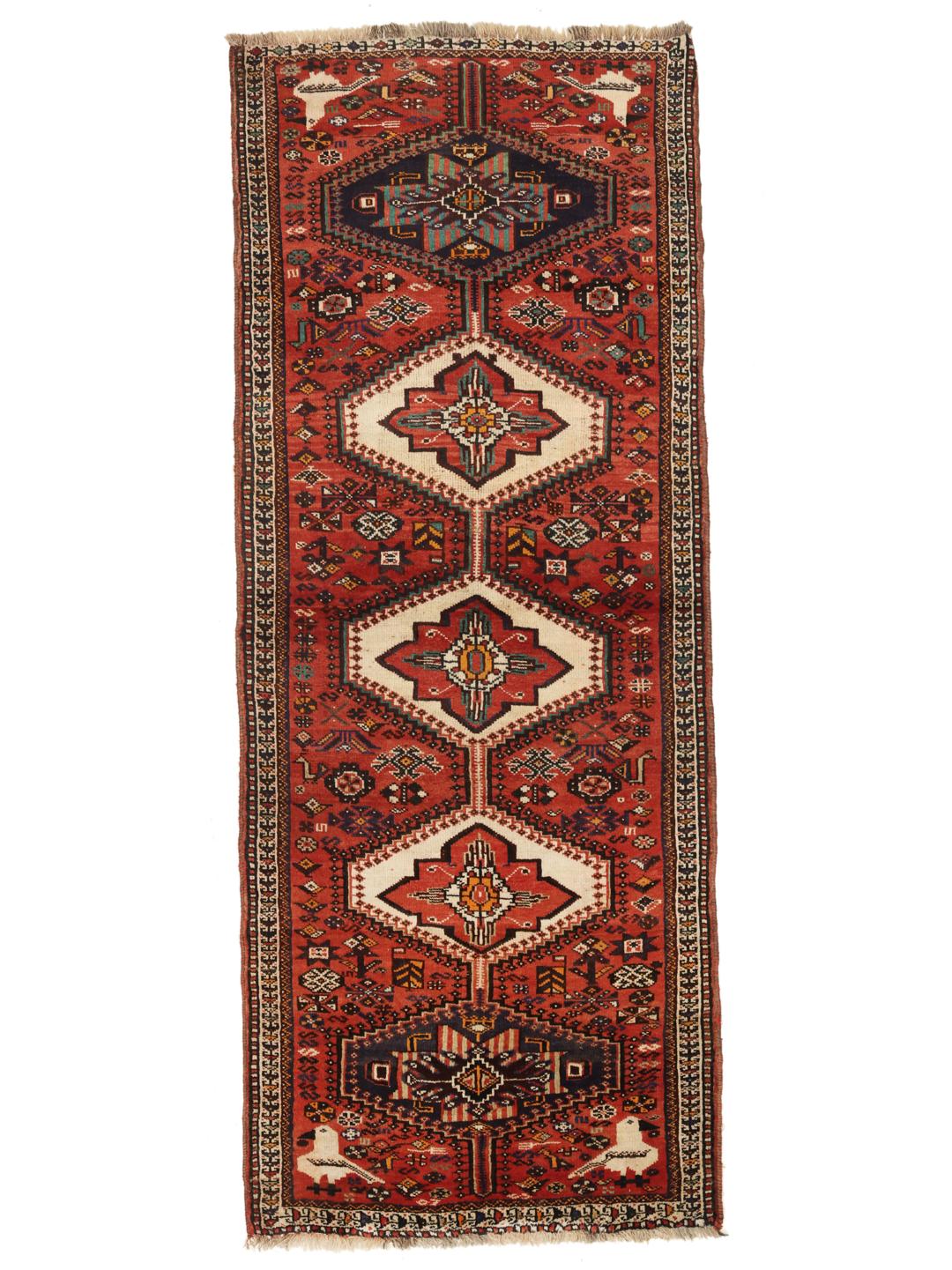
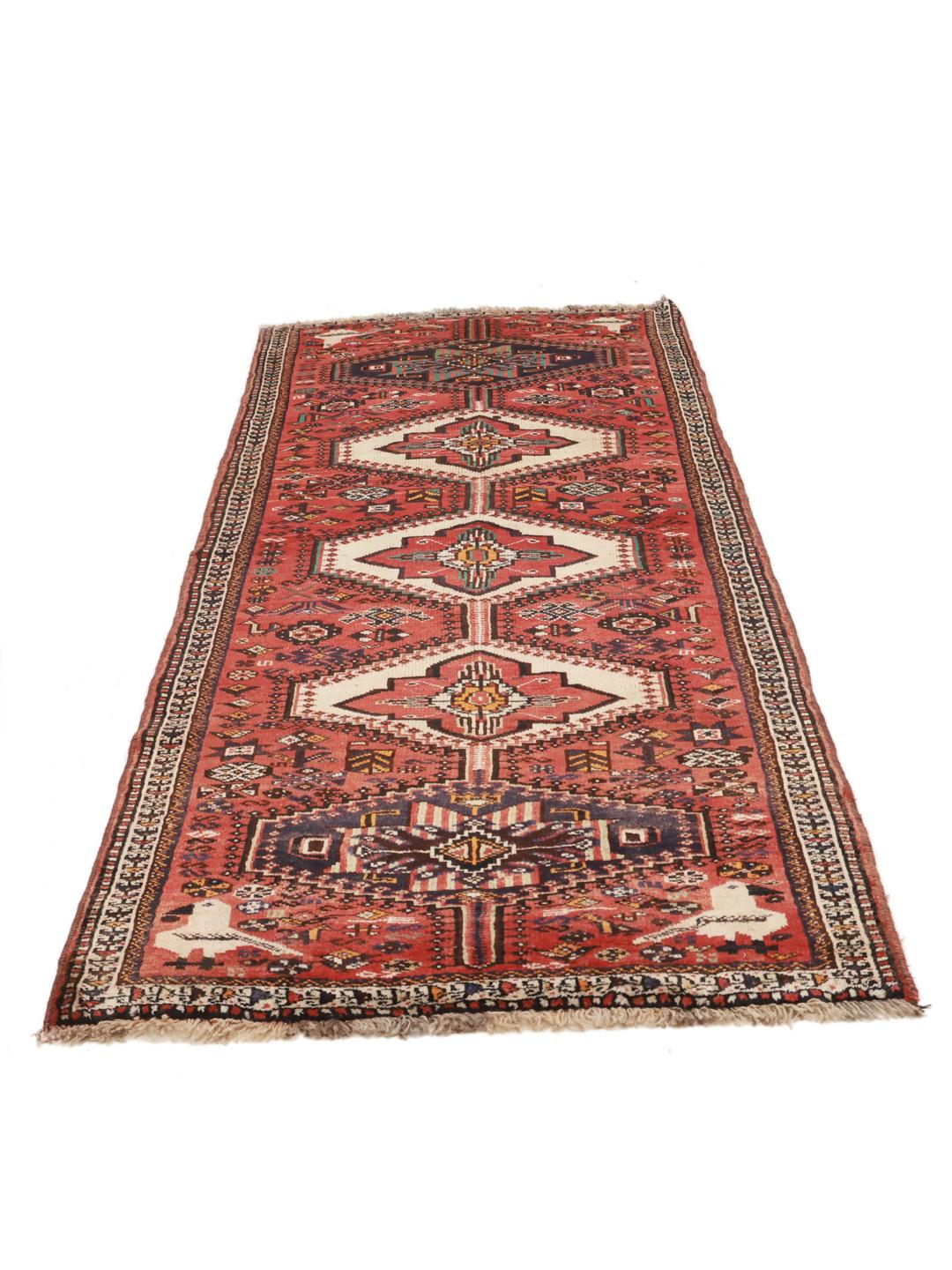
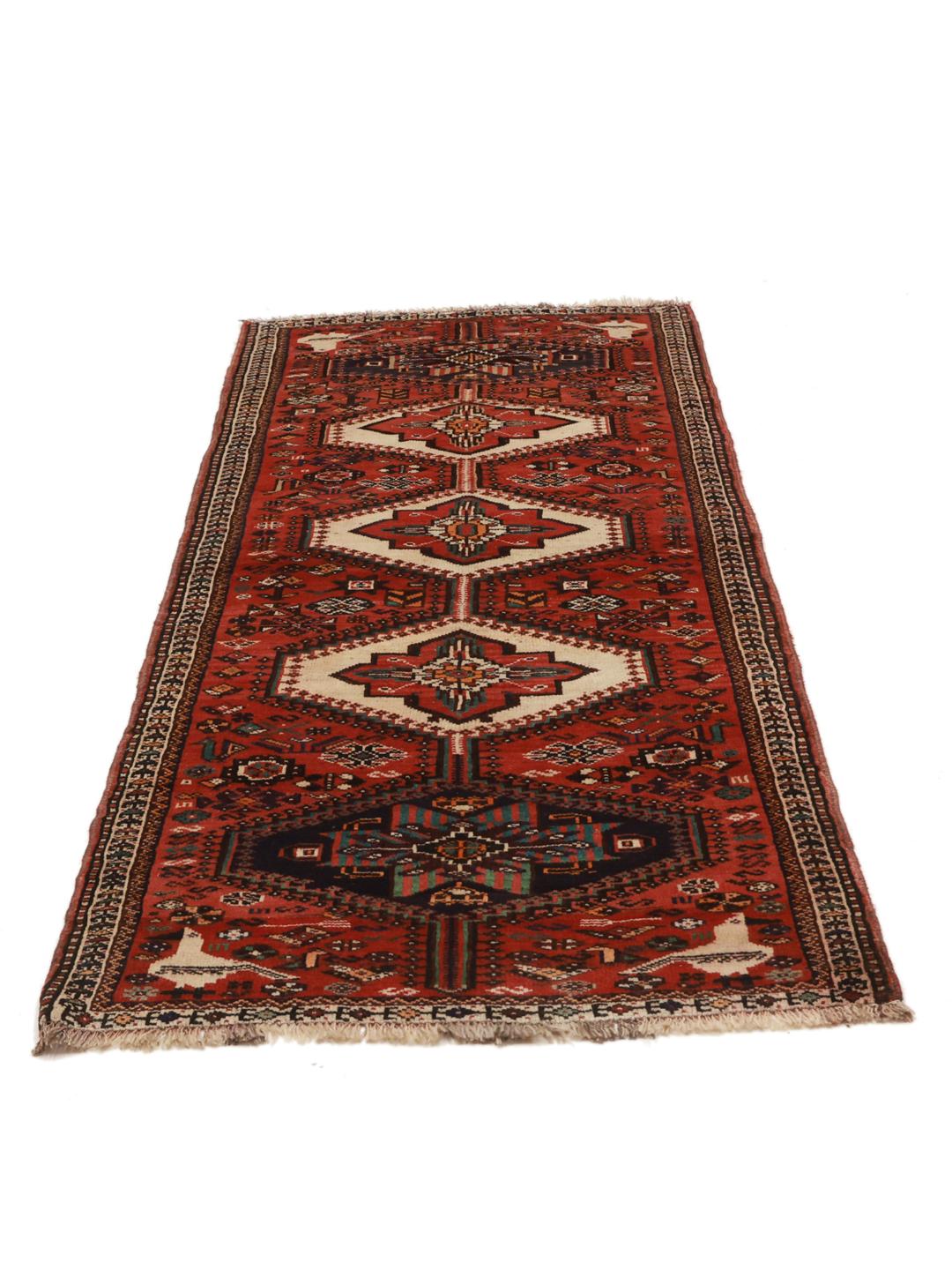
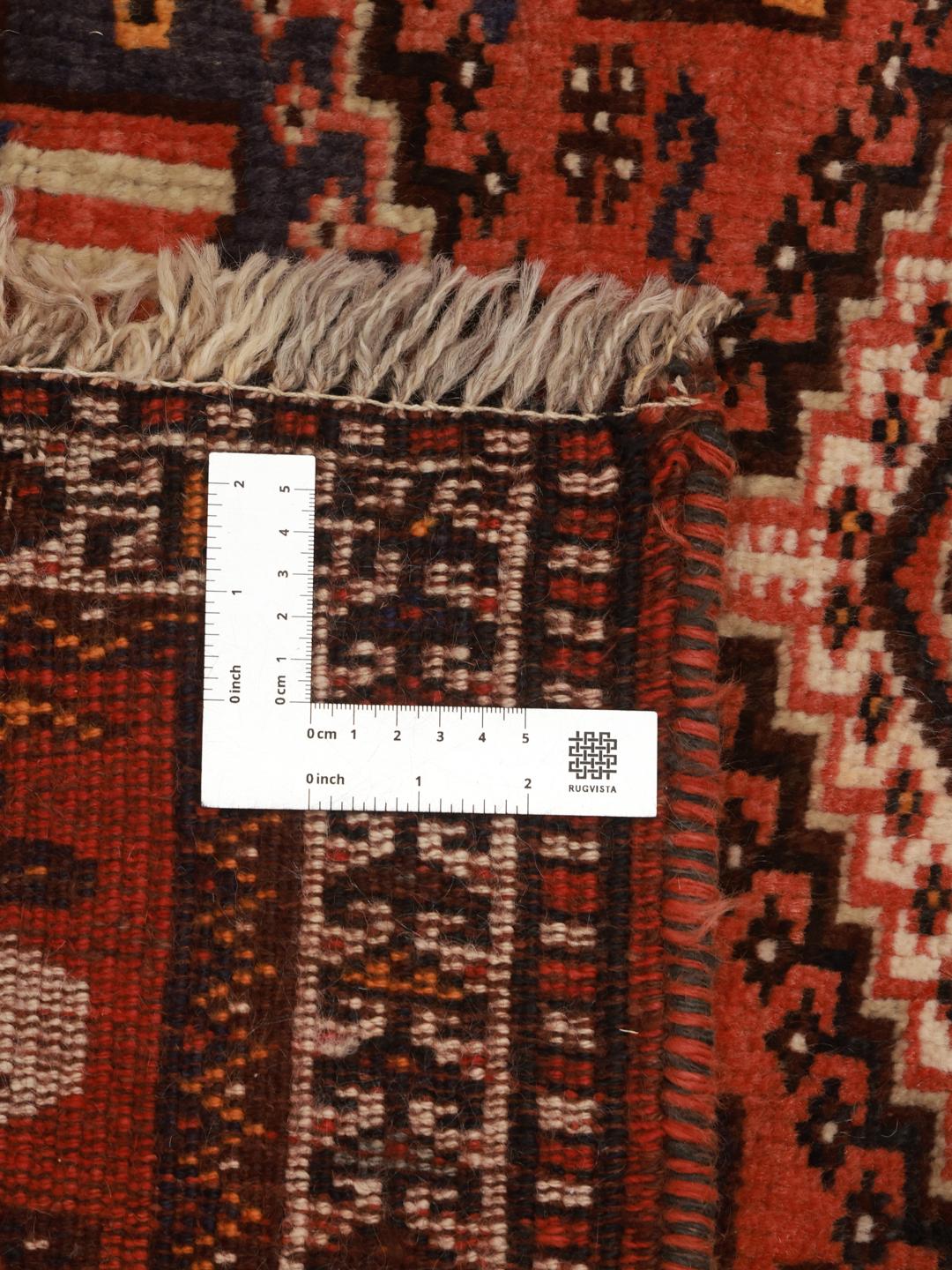
Shiraz rugs originate from the Fars province in the Middle East, a region with a deep-rooted history of nomadic and semi-nomadic weaving. These rugs are traditionally crafted by various tribal groups, including the Qashqai and Khamseh tribes, whose migration patterns across the mountainous landscapes have influenced the diverse and vibrant design motifs found within these textiles.
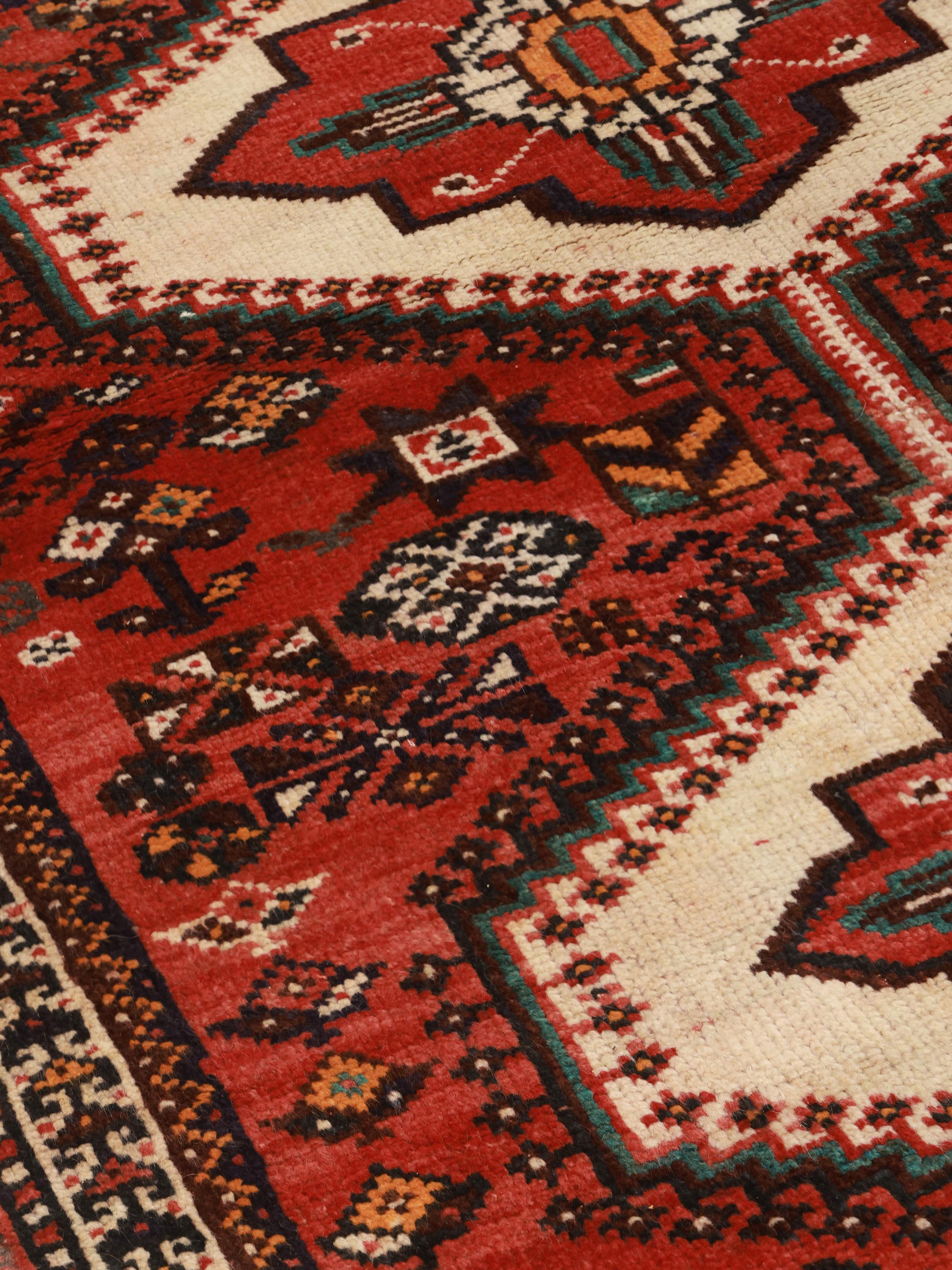
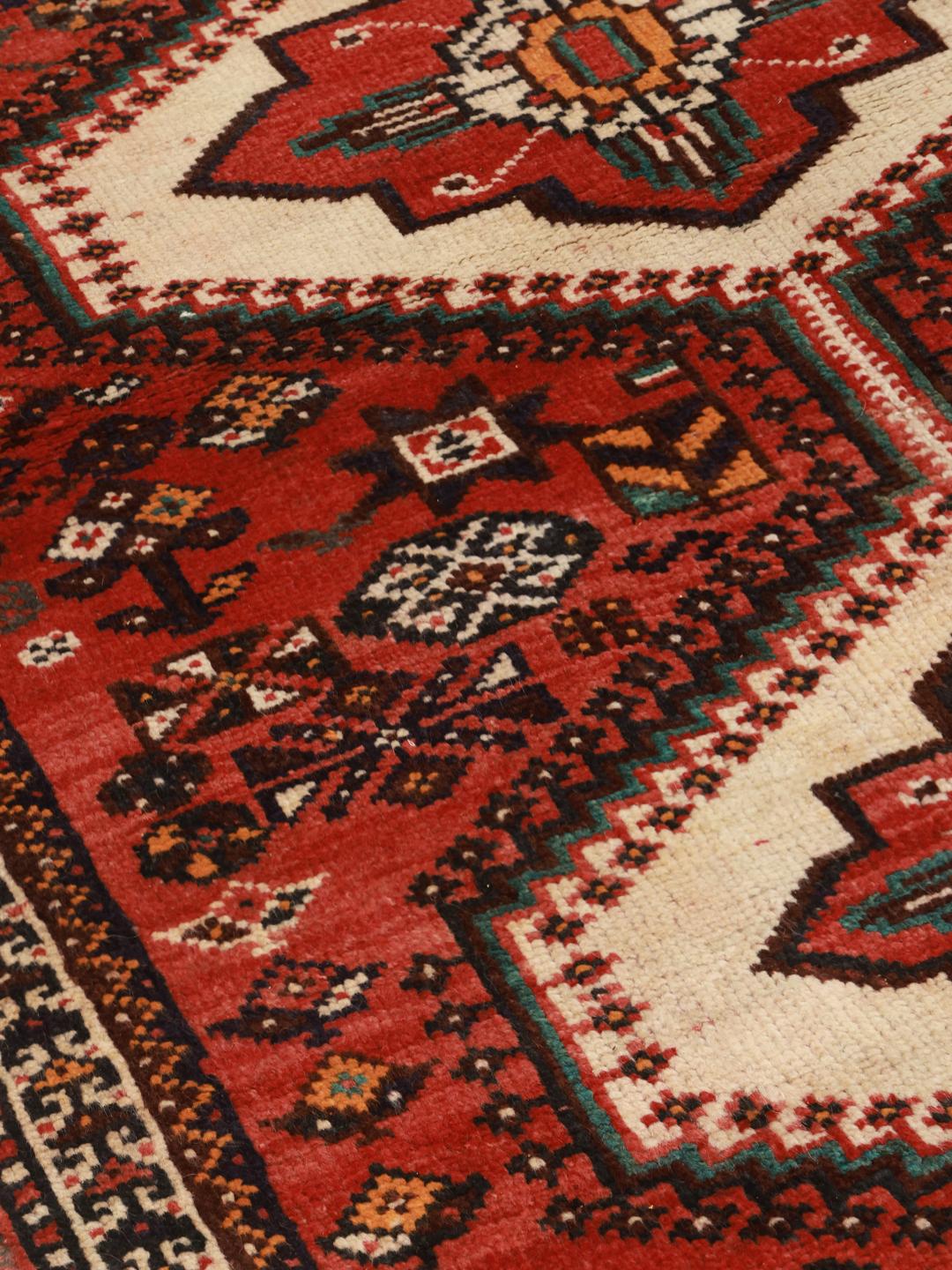
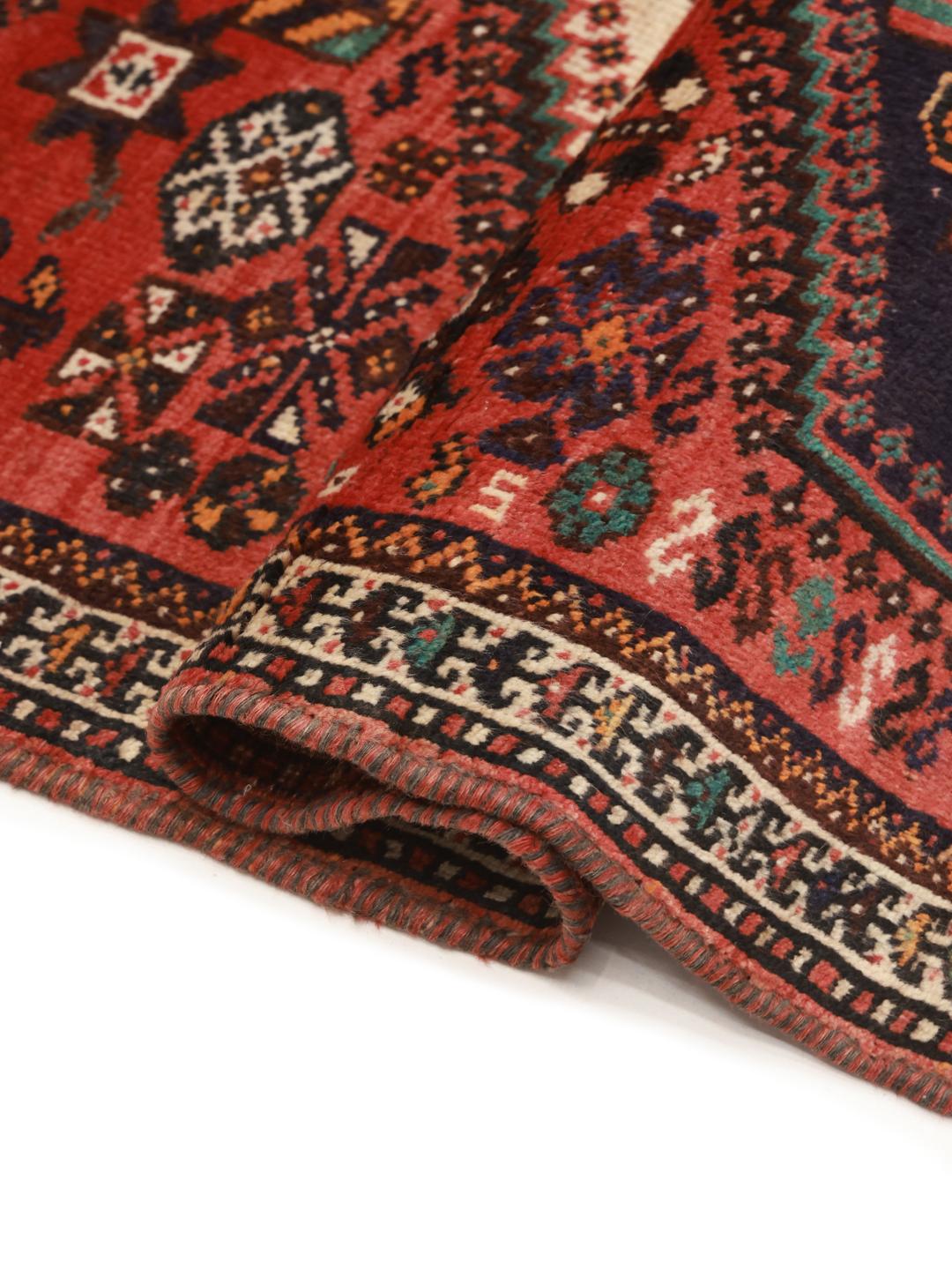
The term 'hand-knotted' refers to a technique where individual yarn segments are tied onto the foundation of the rug, creating a dense, durable pile that is synonymous with high-quality traditional craftsmanship. This labour-intensive method allows for complex, sharp designs and ensures the rug's structural longevity, distinguishing it from simpler weaving styles.
The visual language of a Shiraz rug is deeply symbolic, often featuring geometric medallions, stylised flora, and animal motifs that reflect the weaver's environment and cultural heritage. While red is a classic colour choice for these pieces, the inclusion of blue and cream tones creates a striking contrast that emphasises the precision of the geometric arrangements and the iconic stepped borders.
These rugs are highly sought after by collectors for their authentic tribal character and the unique storytelling embedded in their patterns. Owning a Shiraz rug is an investment in cultural heritage, representing a tangible link to the nomadic traditions of the Middle East and the enduring skill of the artisans who continue to preserve these ancient techniques today.