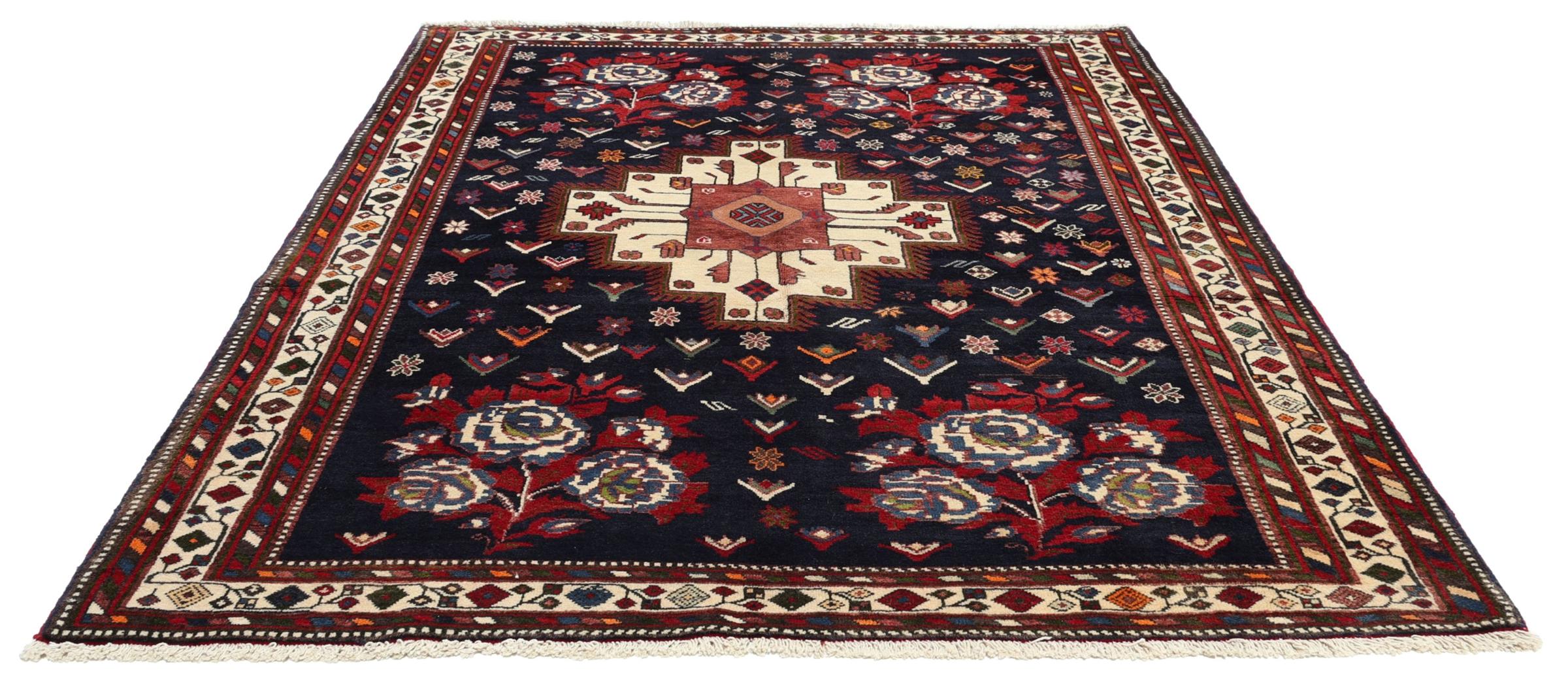
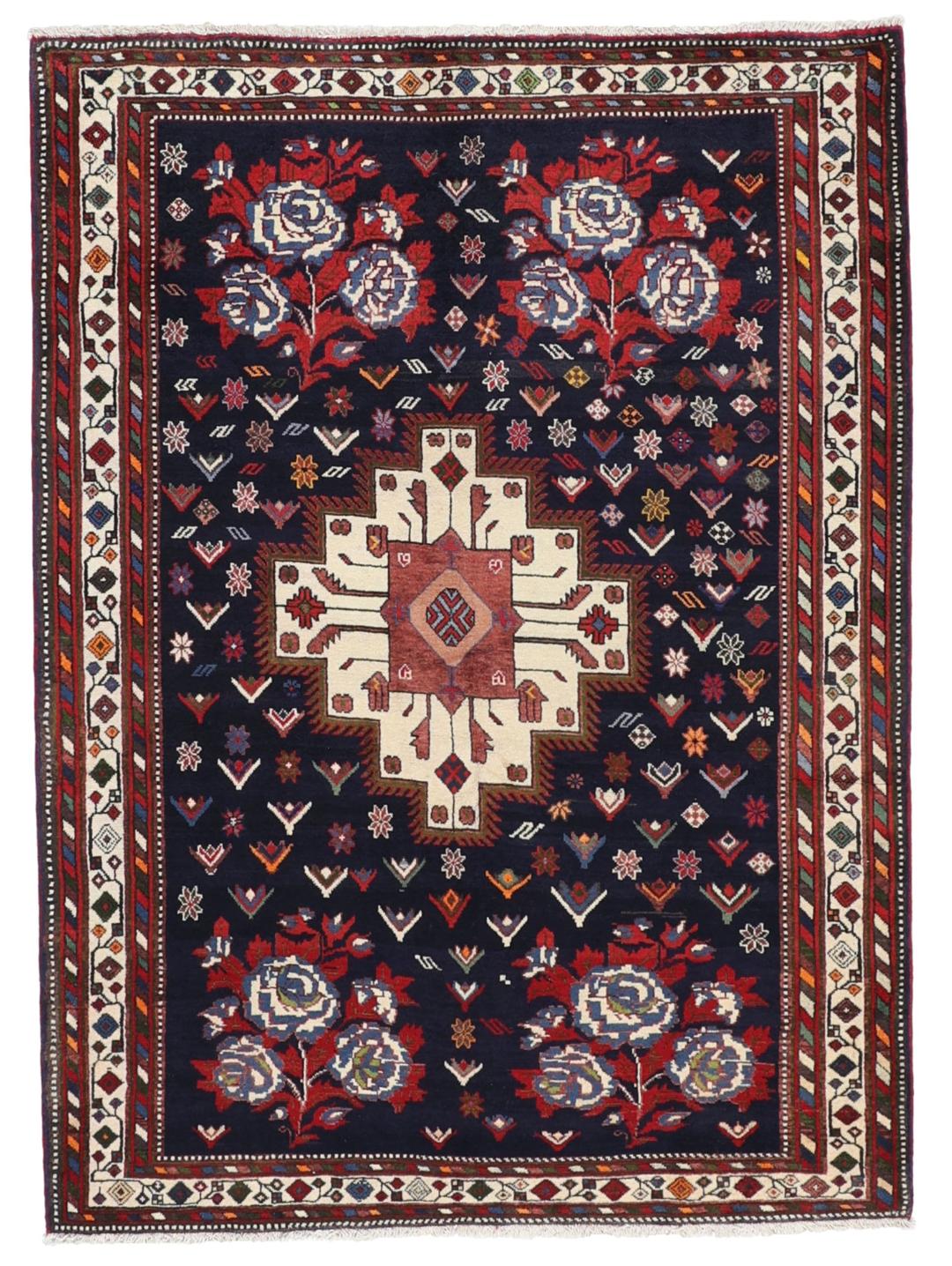
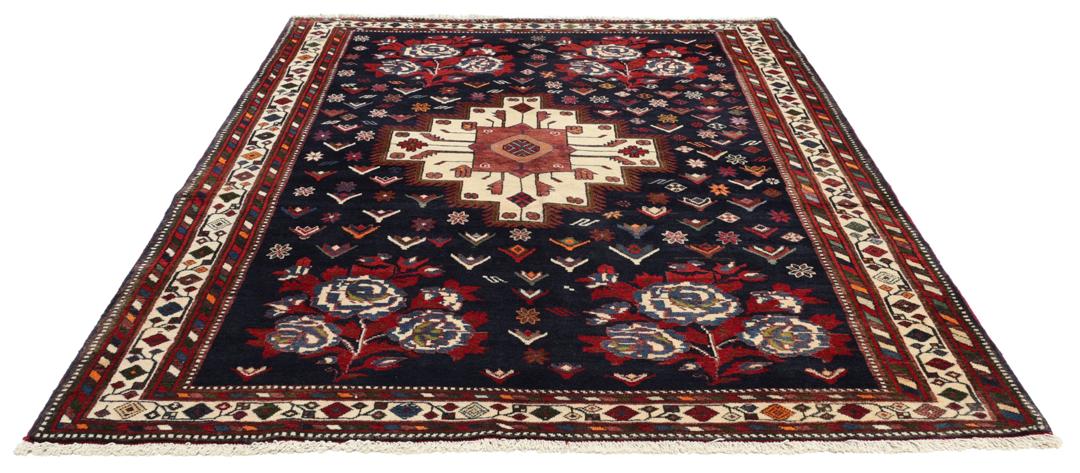
Sirdjan rugs are deeply rooted in the weaving traditions of the Middle East, specifically associated with the nomadic and semi-nomadic tribes of the Kerman province. These rugs are highly regarded for their ability to blend tribal motifs with more formal, structured designs, creating a unique visual language that has evolved over centuries of nomadic migration and cultural exchange.
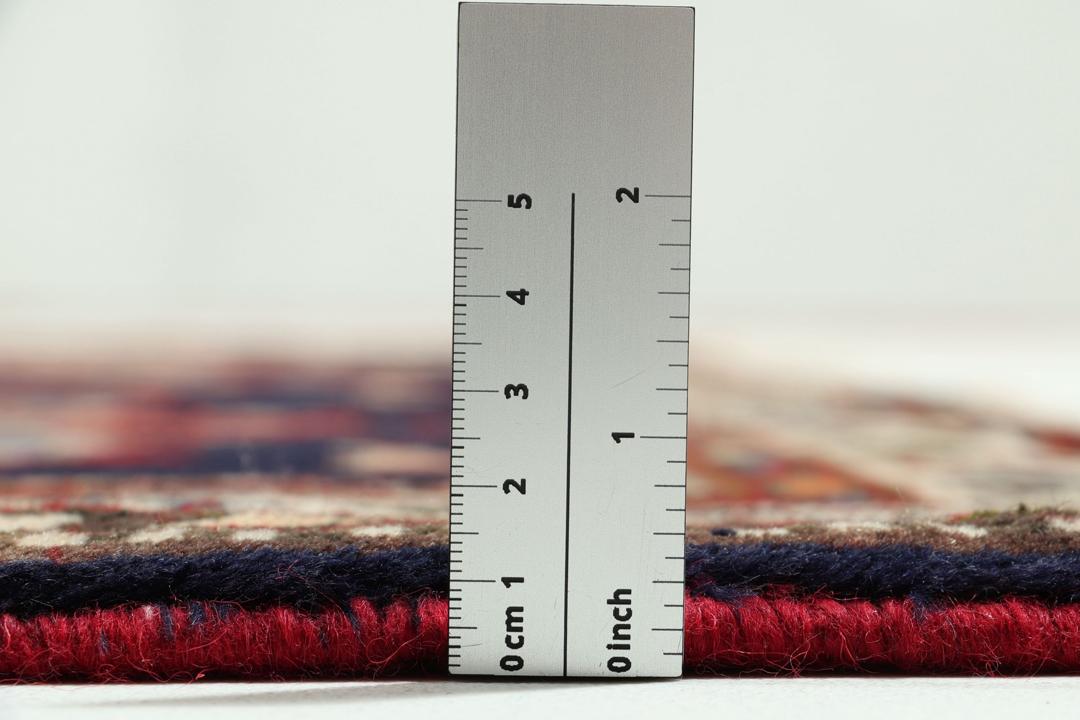
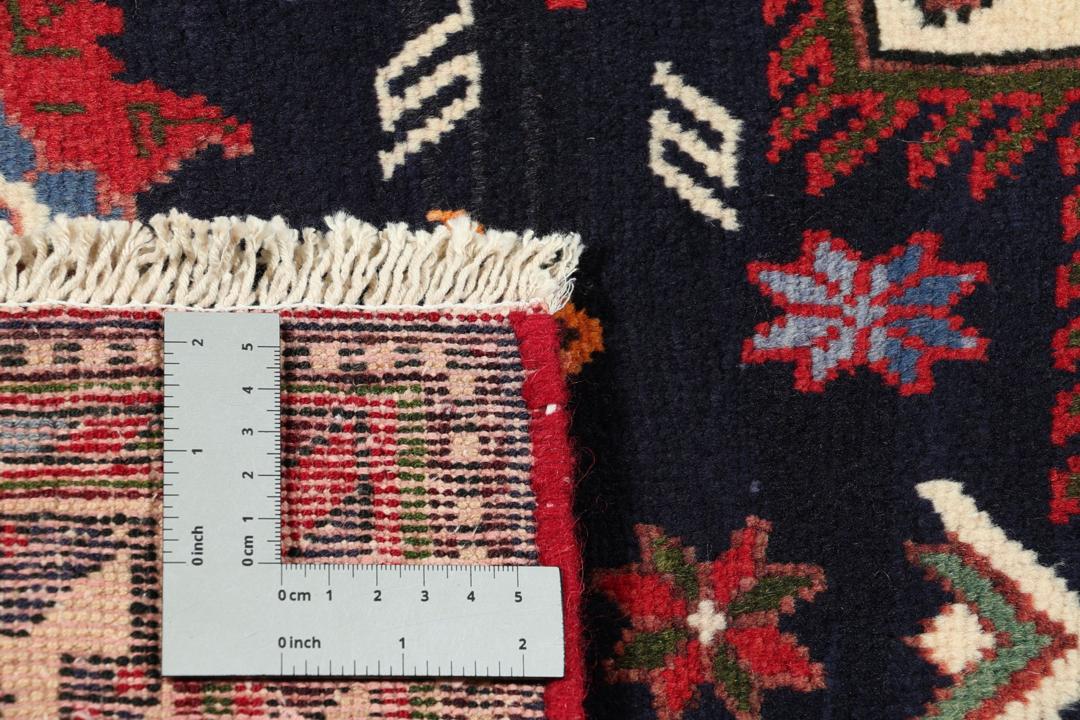
The term Afshar refers to the tribal group responsible for this distinctive style of weaving. These artisans are known for their technical precision, often utilising a double-weft construction that creates a sturdy and resilient foundation. This technical choice is essential for the durability of the rug, ensuring it can withstand the rigours of both nomadic life and modern daily use.
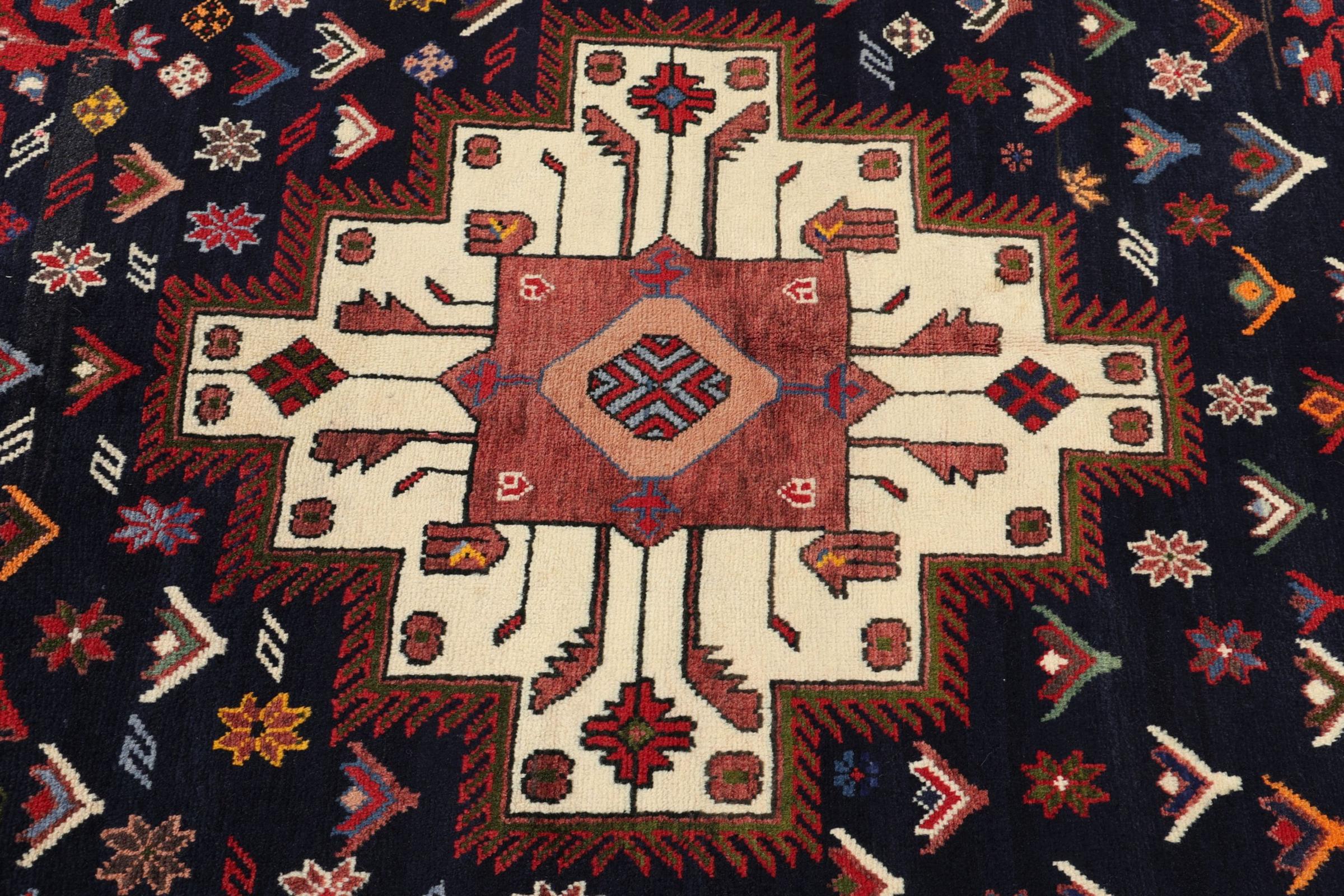
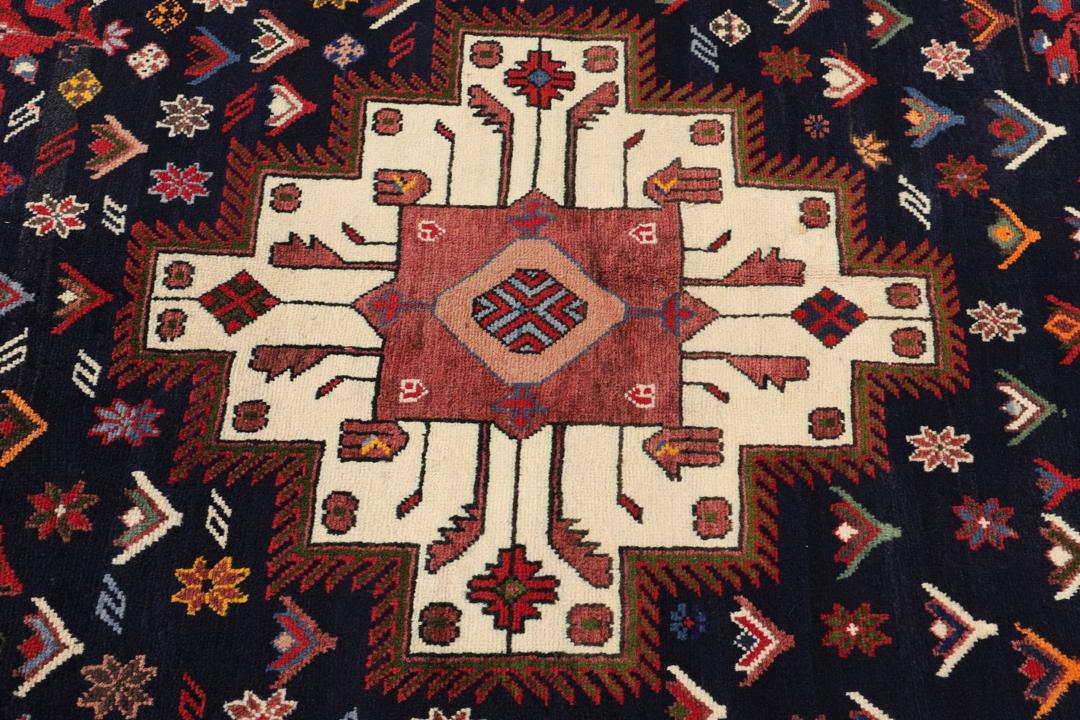
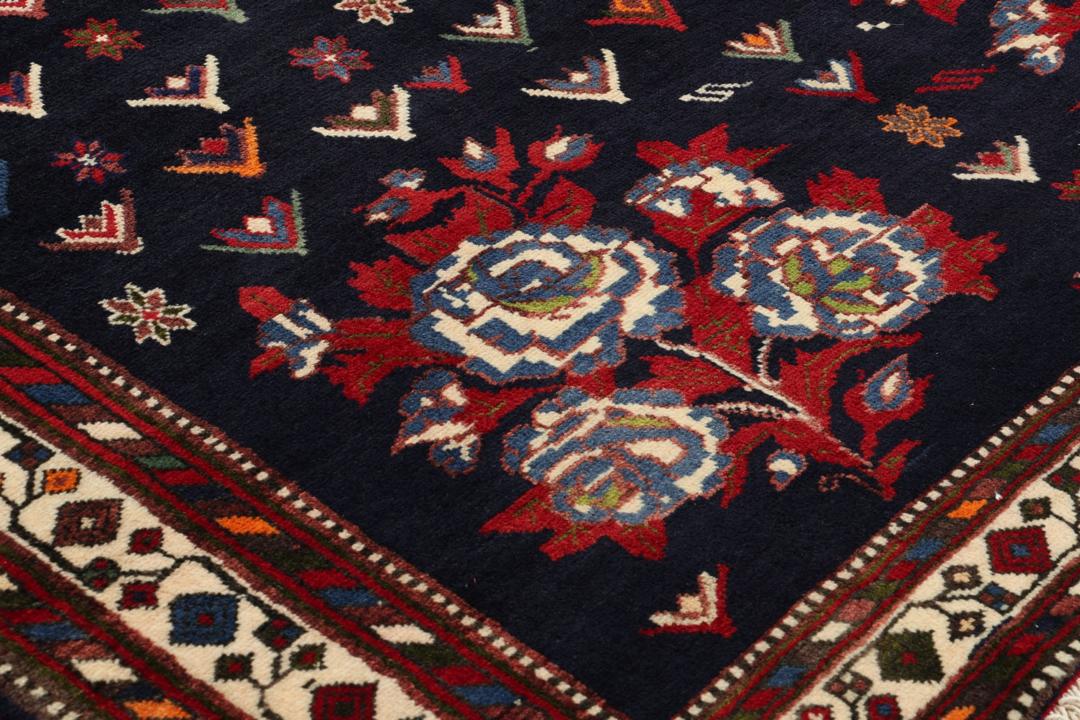
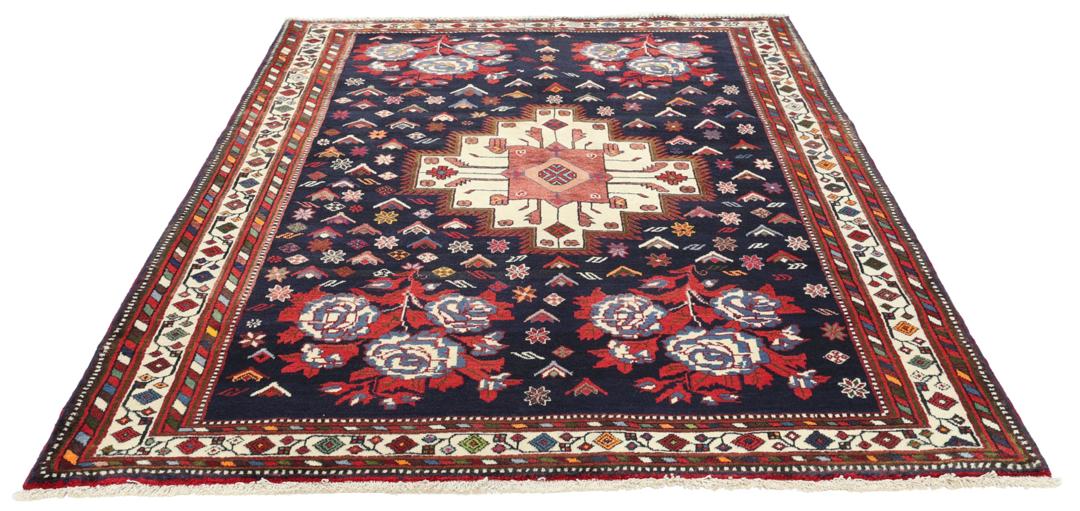
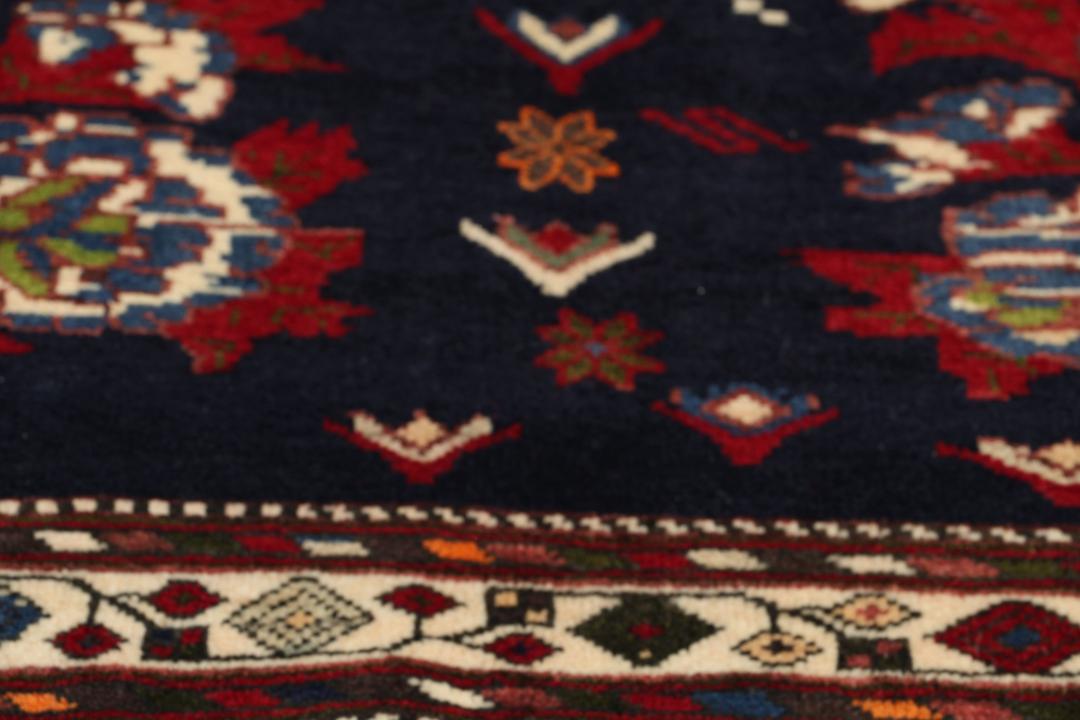
Visually, these rugs are celebrated for their use of bold, geometric interpretations of floral motifs. The central medallion is a hallmark of the design, often surrounded by stylised rose patterns or geometric shapes that tell a story of the weaver's environment and heritage. The deep, rich colour palettes are typically achieved through traditional dyeing techniques that emphasise natural, earthy tones.
Collectors value these pieces not only for their aesthetic beauty but for the cultural history they represent. Owning a Sirdjan rug is an opportunity to connect with a long-standing craft tradition that prizes individual expression within the boundaries of tribal heritage. Each piece is a testament to the skill and cultural identity of the people who created it, making it a meaningful addition to any collection.