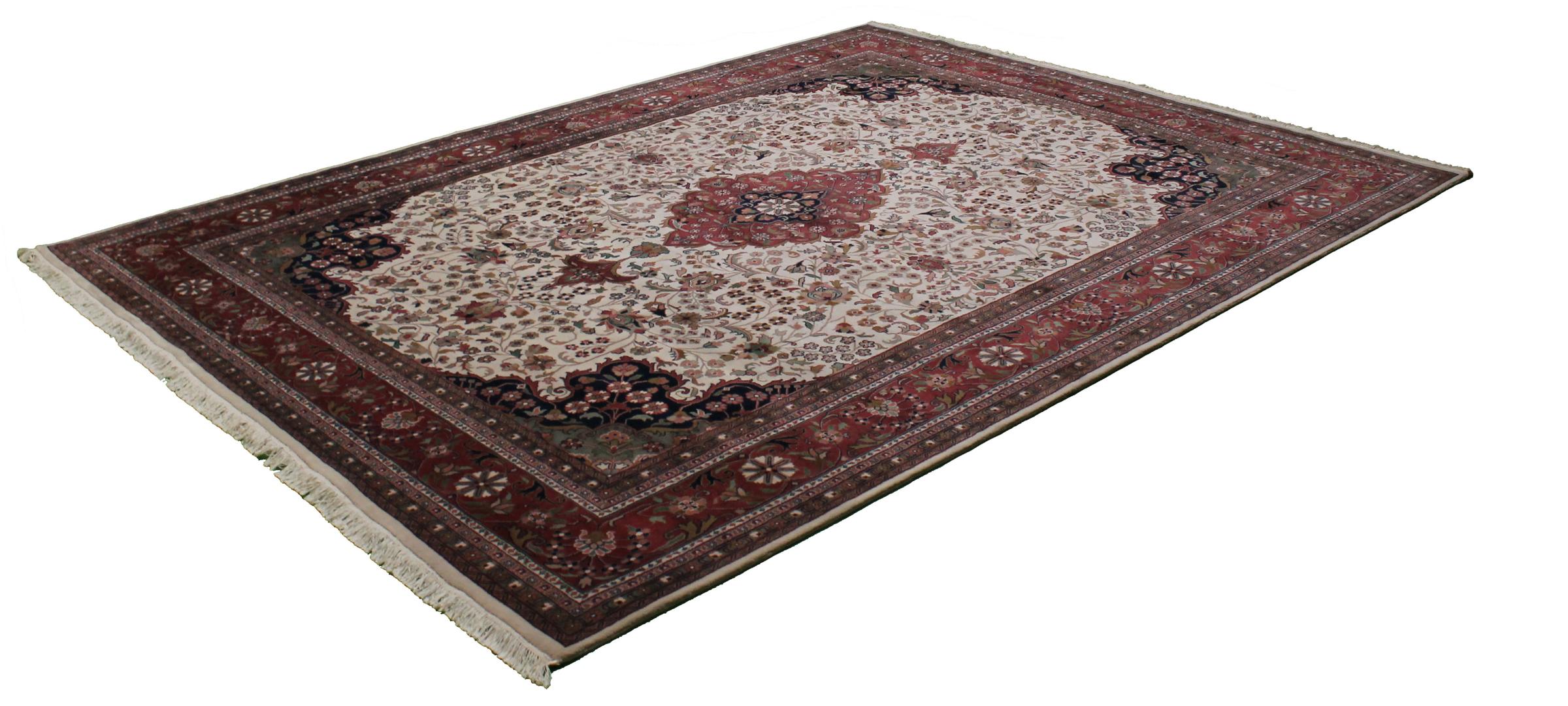
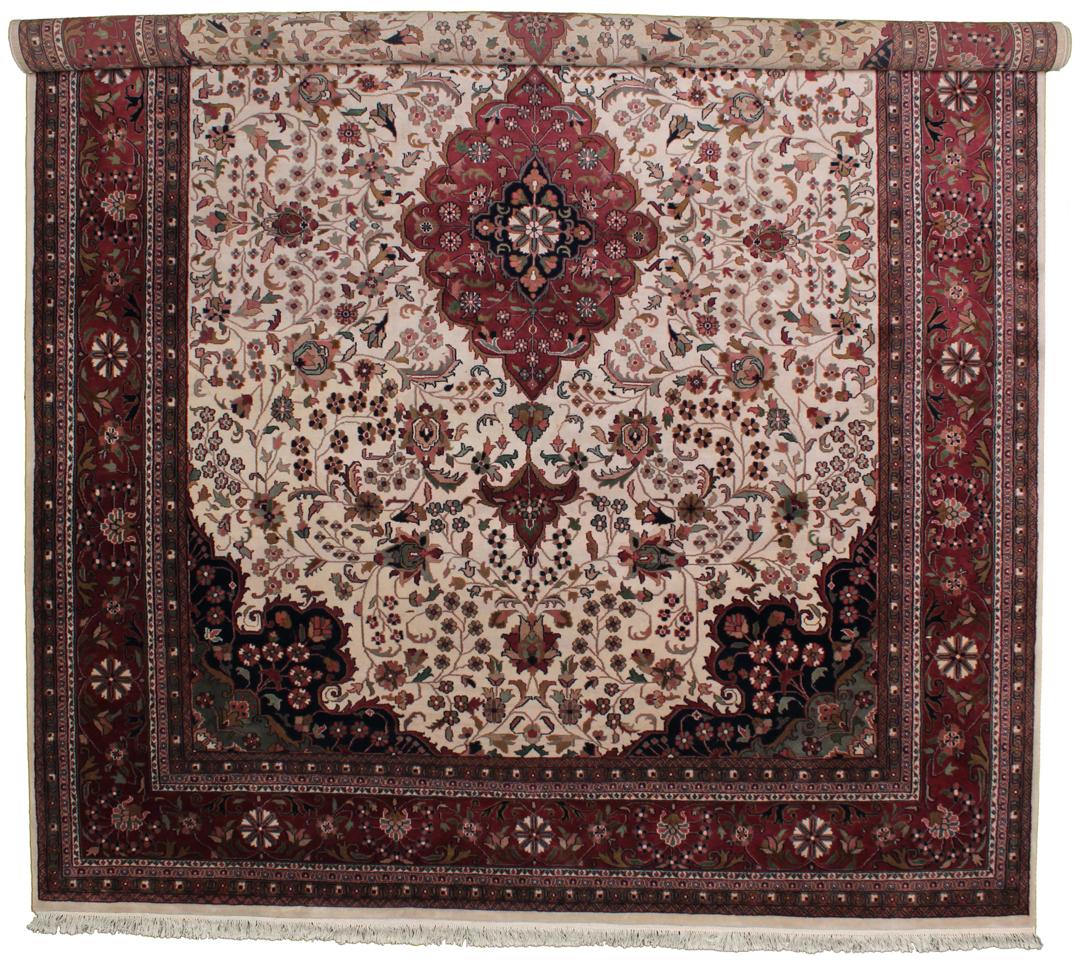
Tabriz rugs are named after the historic city of Tabriz in the Middle East, a centre of art and culture that has been a hub for weaving for centuries. While the tradition originated in this region, the craft has evolved and flourished globally, with Indian artisans now producing some of the most refined examples that honour the original aesthetic and technical standards.
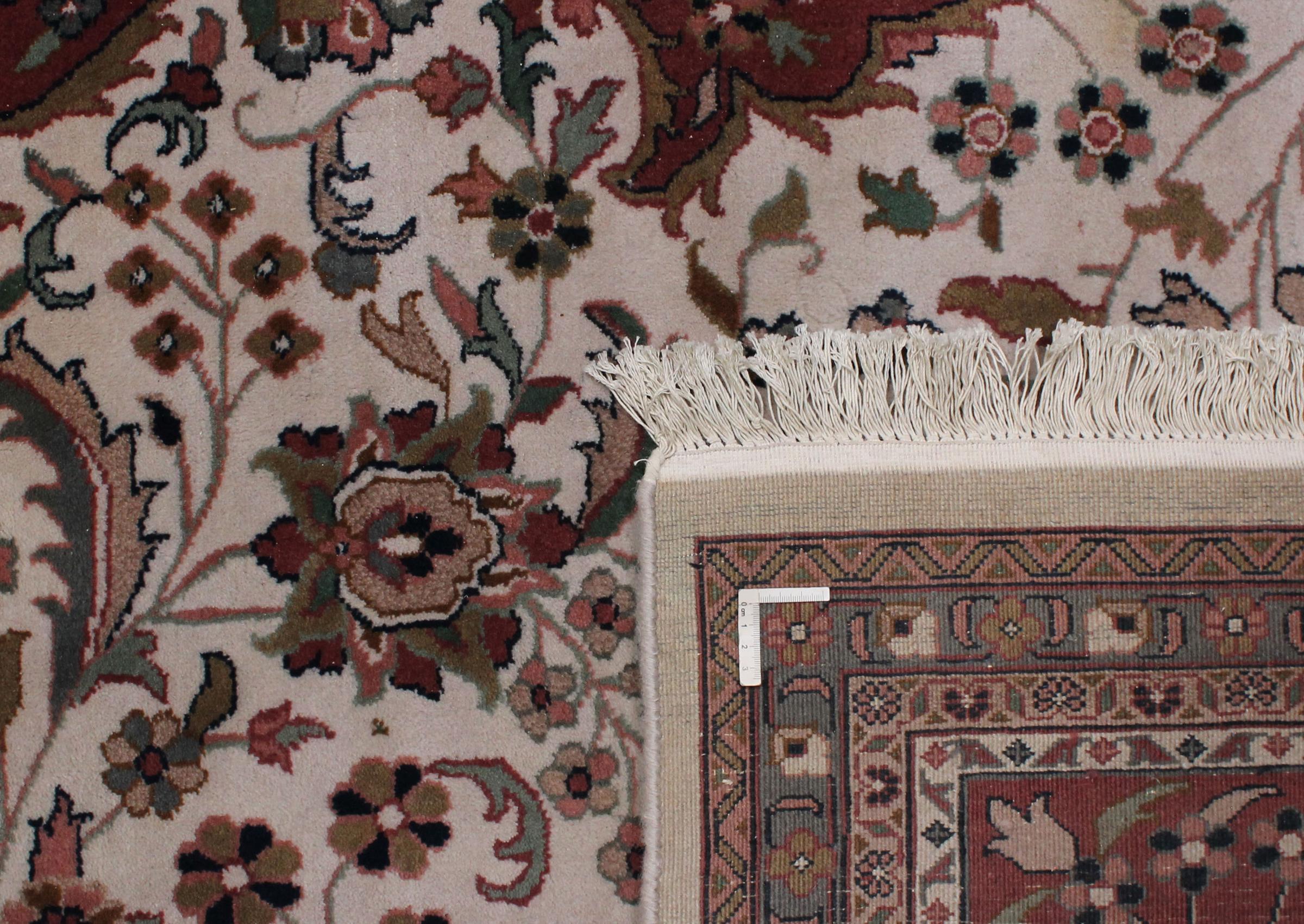
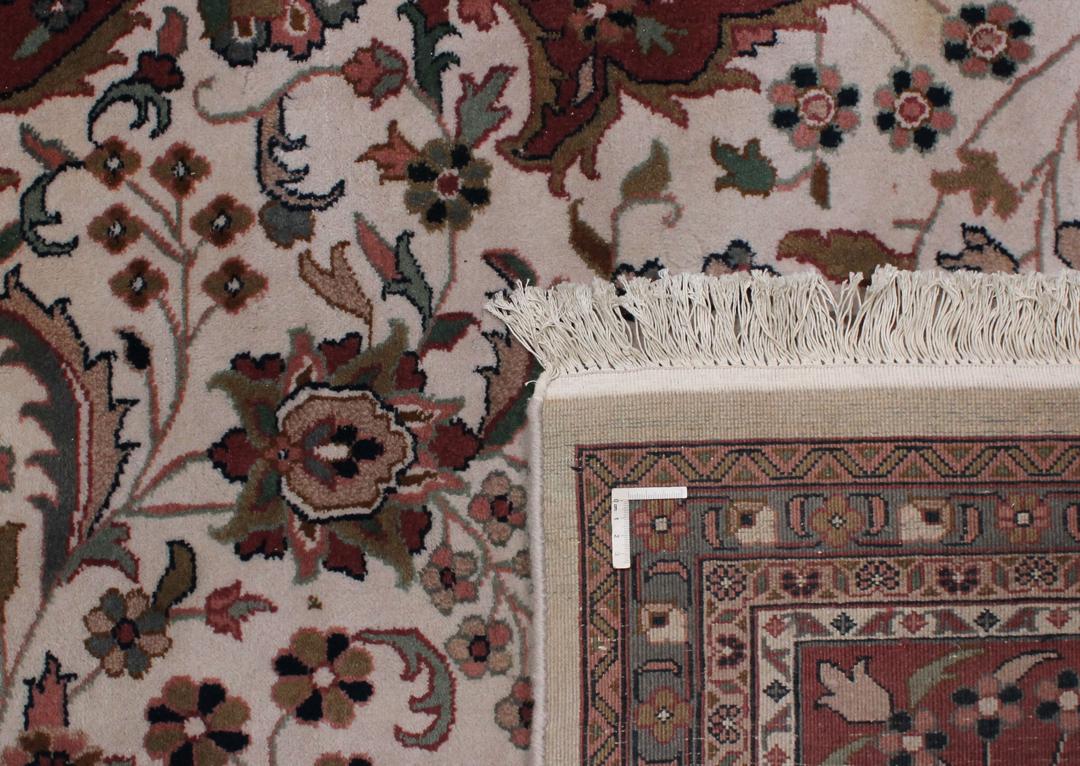
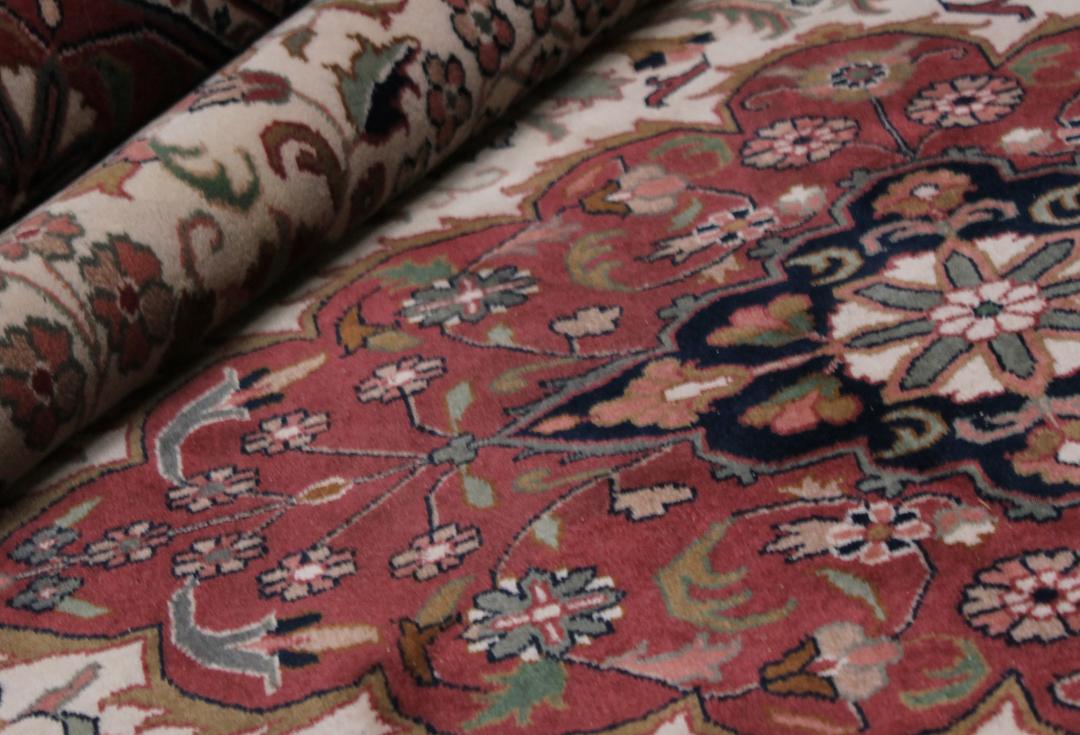
The term Tabriz refers to a specific design tradition characterised by its high technical quality and artistic complexity. These rugs are known for their sophisticated construction, which typically involves a dense, finely knotted pile. This density is essential for creating the fluid, intricate curvilinear patterns that define the style, allowing for smoother lines and more detailed floral work than coarser weaving styles.
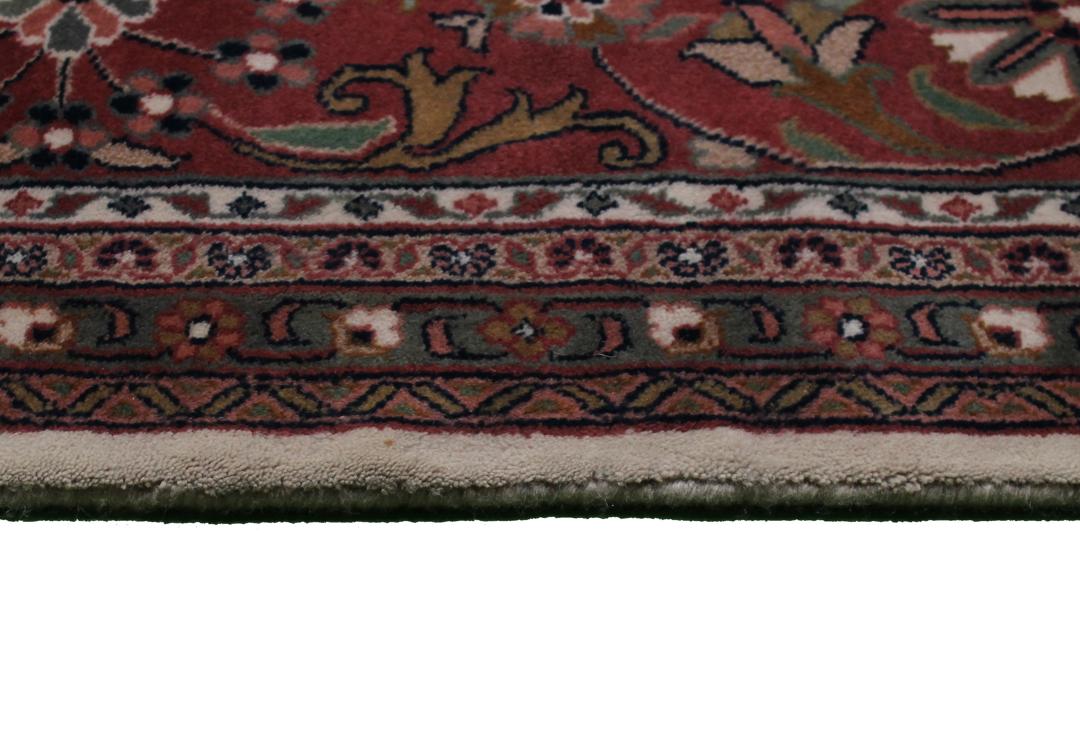
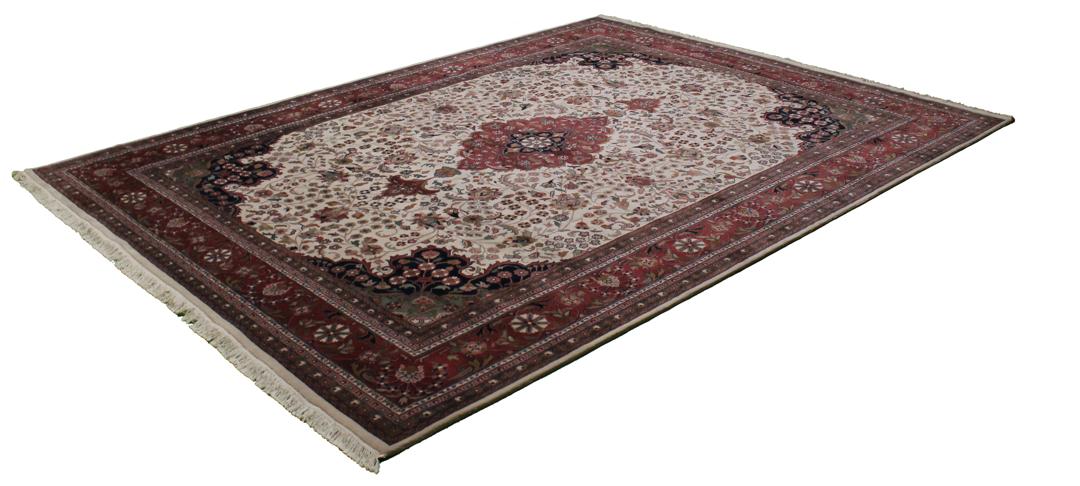
Visually, the Tabriz tradition is famous for its elaborate medallion-and-corner designs, often filled with intricate floral motifs such as vines, palmettes, and scrolling leaves. The borders are usually as ornate as the central field, providing a formal frame that adds to the rug’s balanced, majestic appearance. The use of deep, resonant colours is a hallmark of this tradition, designed to create a sense of warmth and luxury.
Owning a Tabriz rug is a way to connect with a long-standing lineage of craft. These rugs are highly valued by collectors not just for their visual beauty, but for the immense skill required to execute such complex designs by hand. By bringing a piece like this into your home, you are continuing a tradition that celebrates the marriage of artistic vision and enduring, artisanal quality.