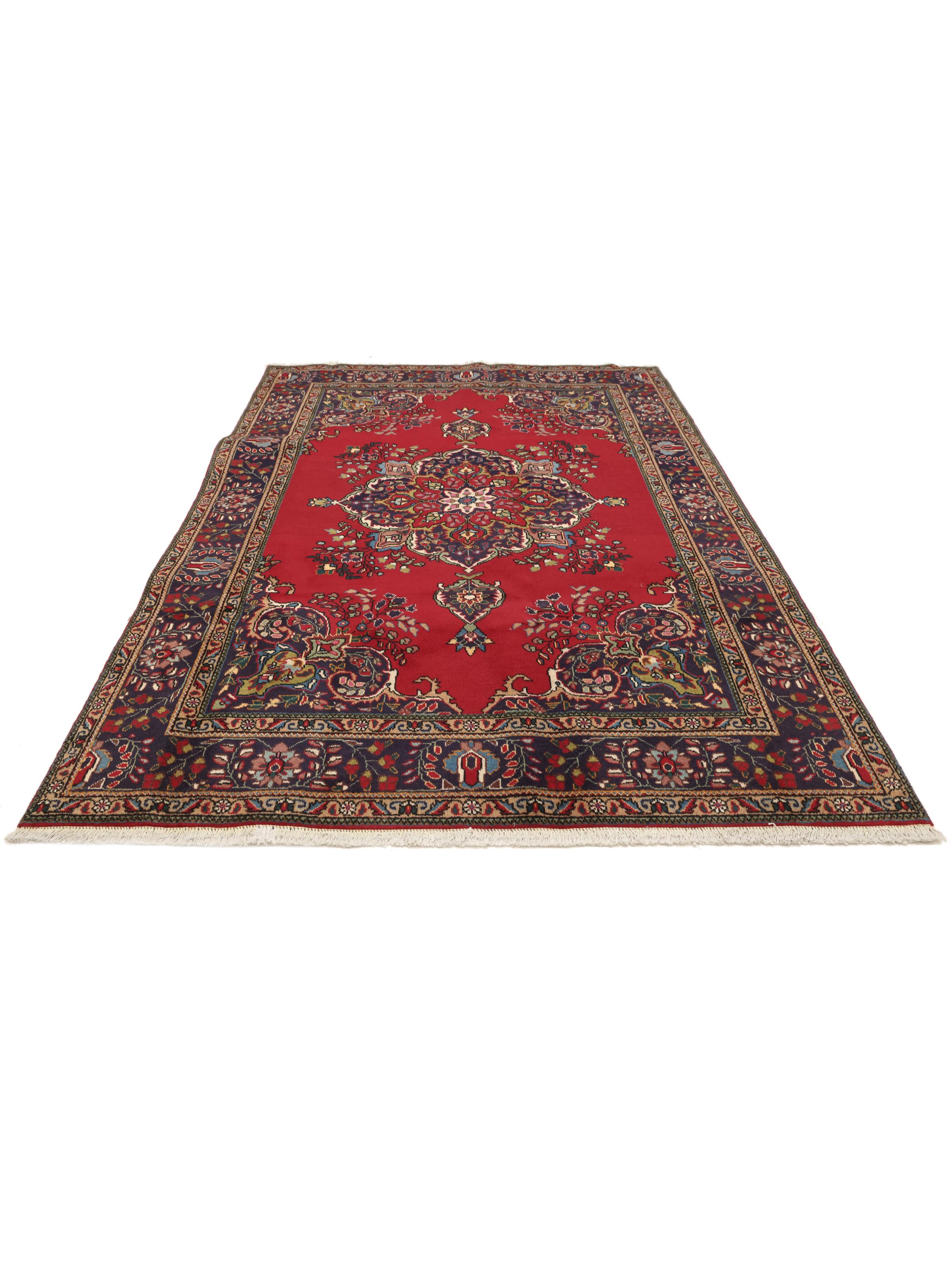
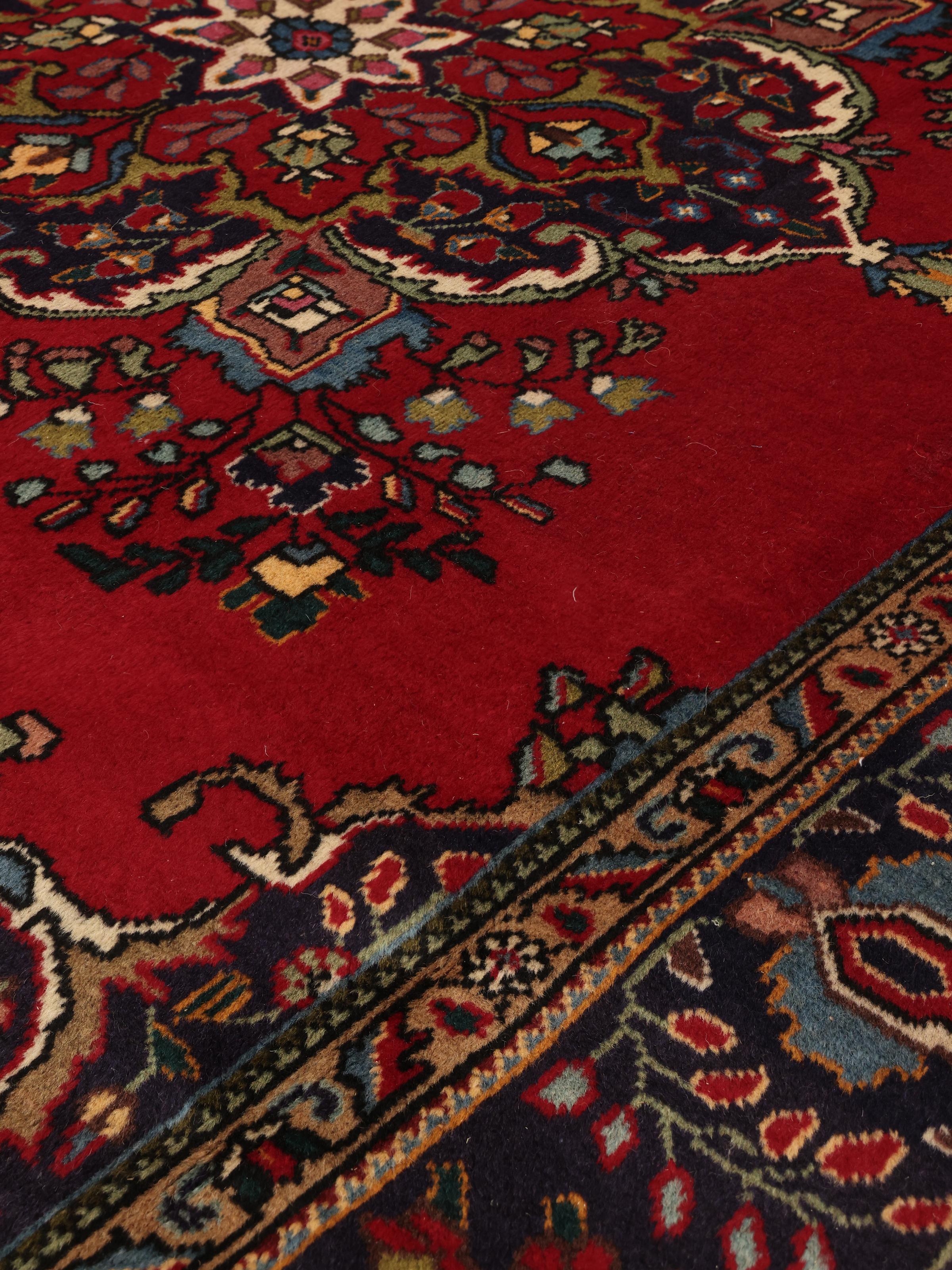
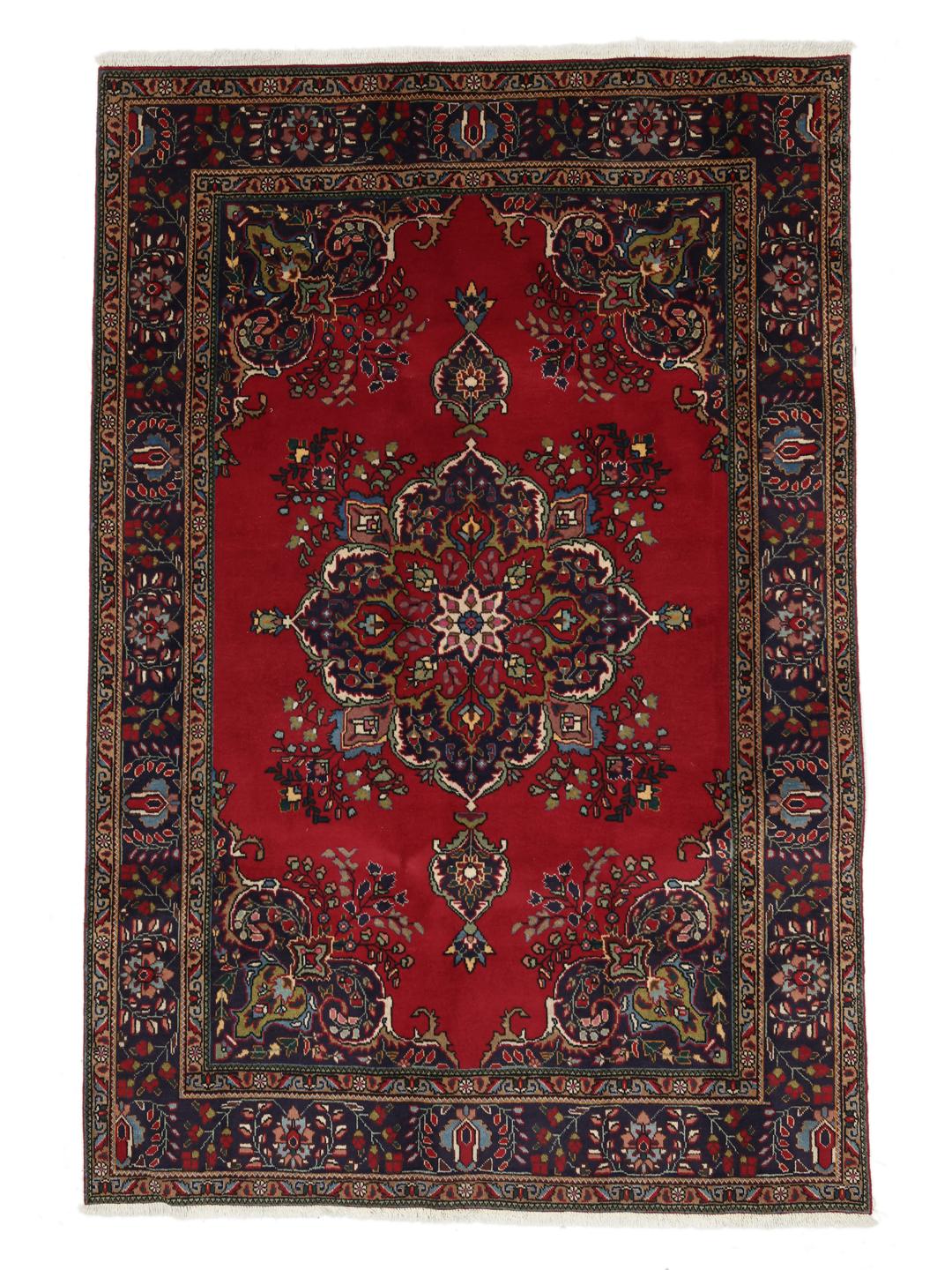
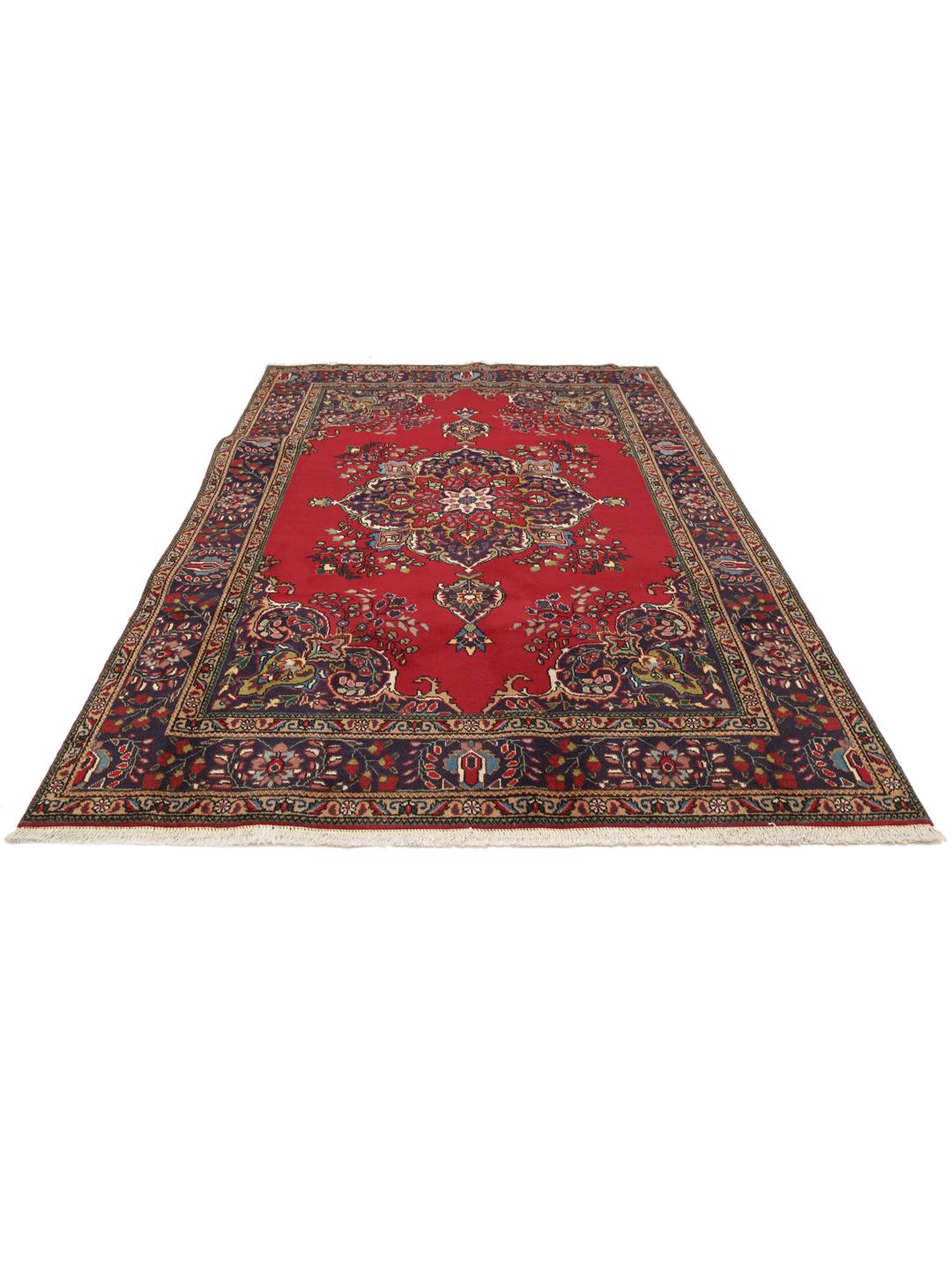
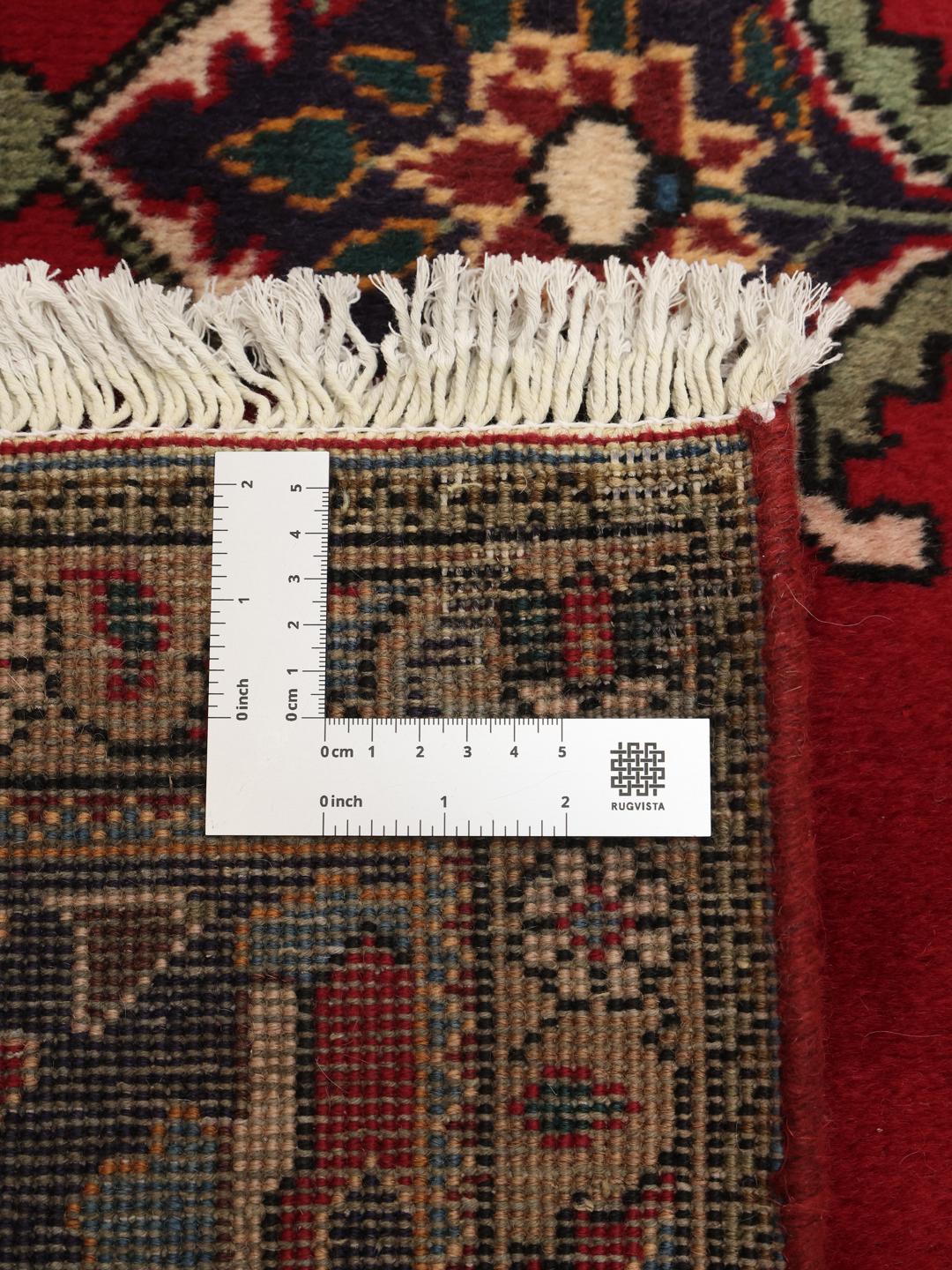
Tabriz rugs originate from one of the oldest rug-weaving centres in the Middle East, located in the historic city of Tabriz. This region has been a hub of artistic innovation for centuries, serving as a crossroads for trade and culture along ancient routes. The craft traditions here are deeply rooted in a history of royal patronage, which pushed weavers to achieve higher standards of precision and artistry.
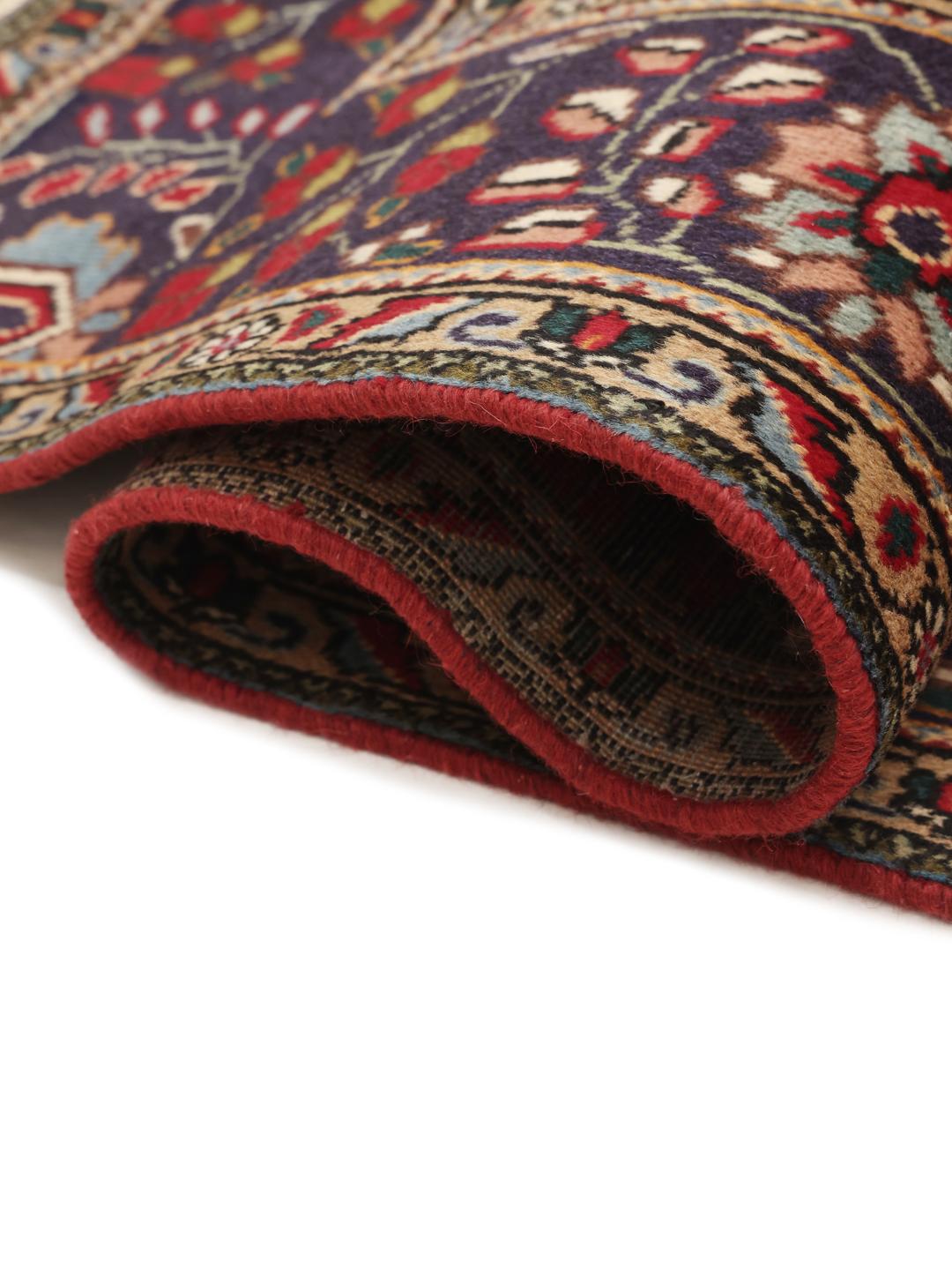
The term Tabriz refers not just to a location, but to a specific, high-level tradition of weaving that emphasises structural excellence. These rugs are known for their sturdy foundation and the remarkable clarity of their designs. By utilising traditional techniques, weavers are able to produce intricate patterns that remain consistent across the entire field, a hallmark of the high-quality standards associated with this region.
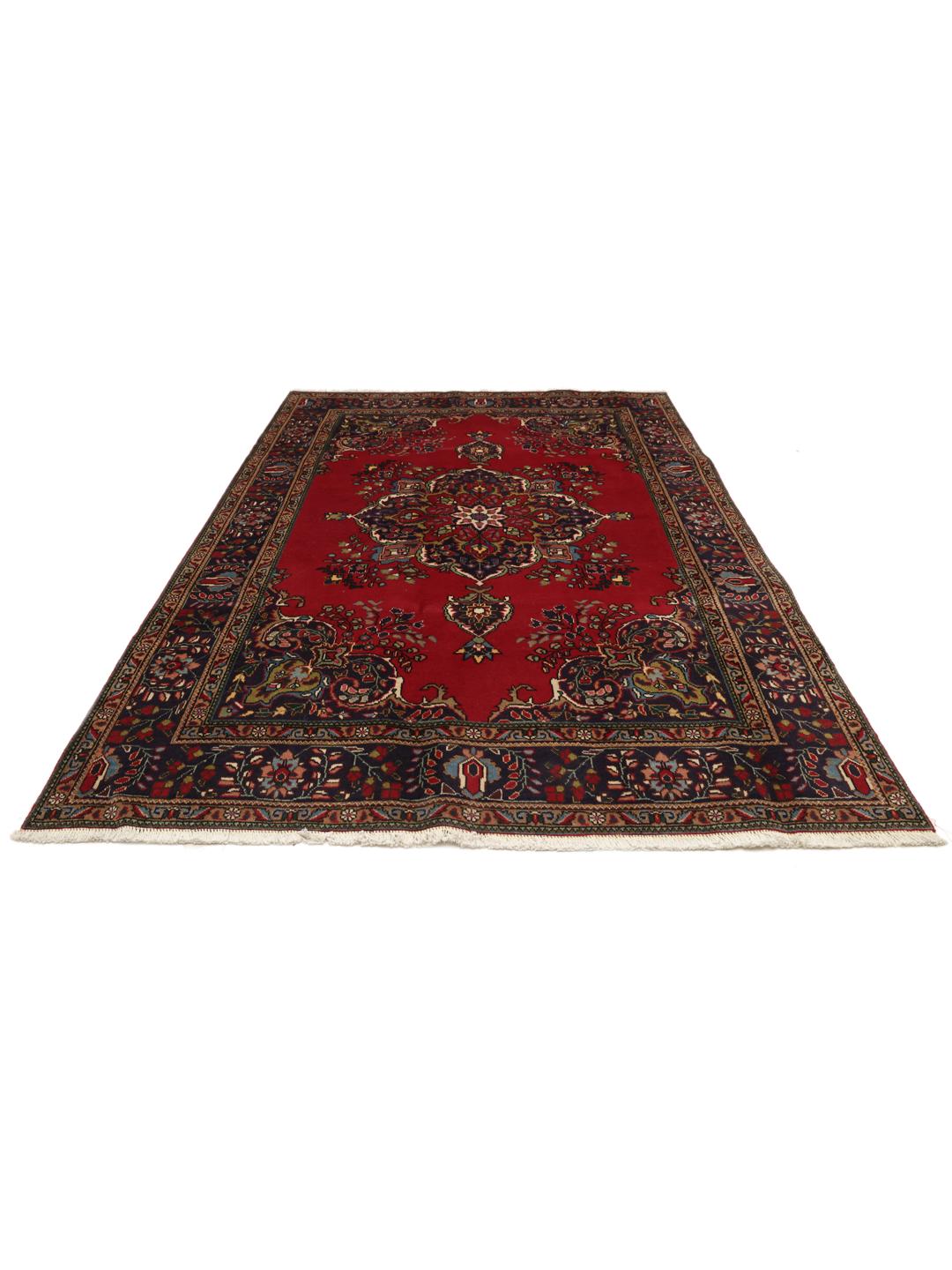
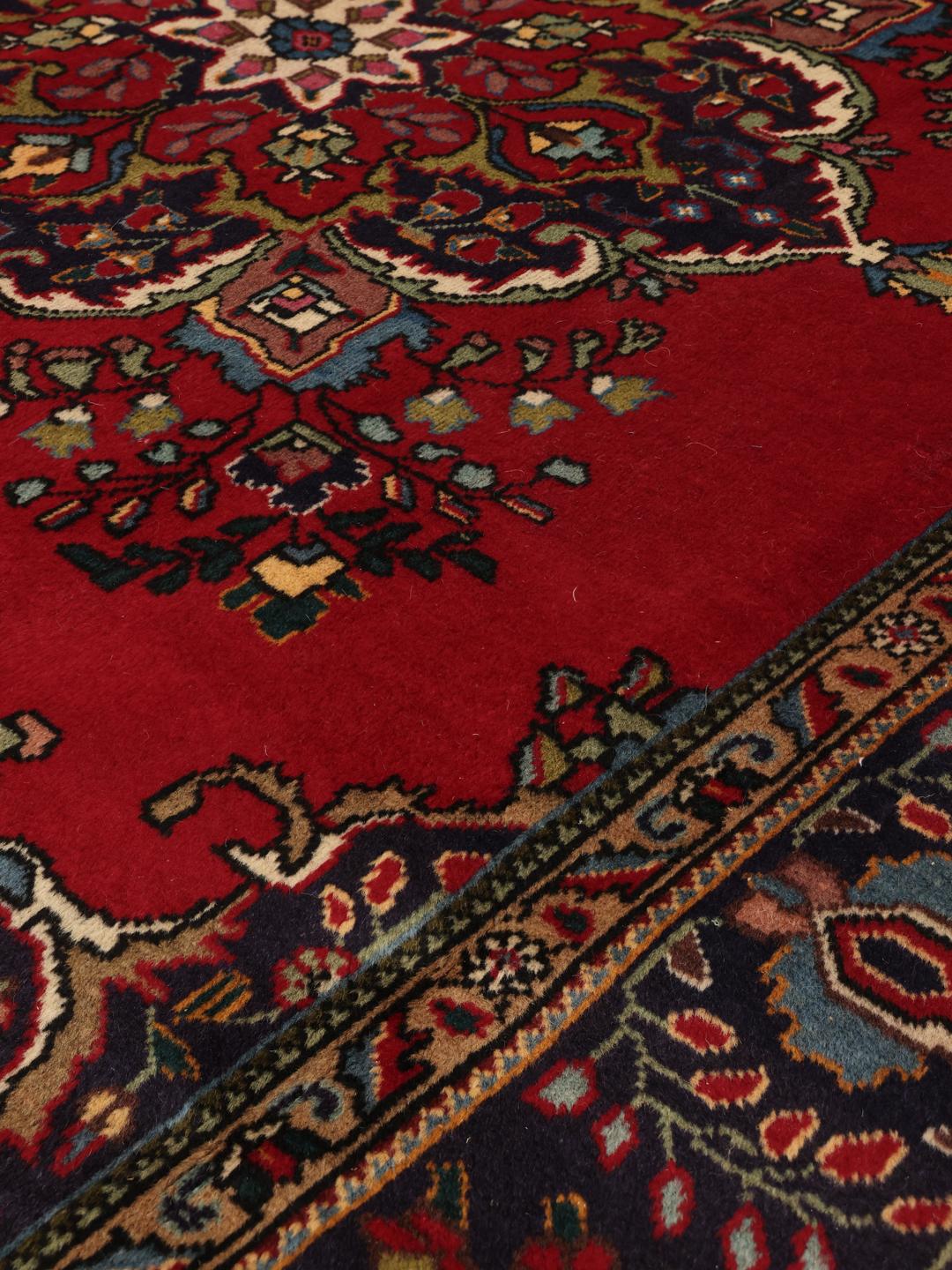
Design-wise, Tabriz rugs are celebrated for their sophisticated use of space. They frequently feature a prominent central medallion, a motif that draws the eye and anchors the composition, surrounded by dense floral and foliate scrolls. The borders are typically elaborate, framing the central field with repeating geometric or botanical patterns that showcase the weaver's mastery of symmetry and balance.
Collectors value these rugs for their endurance and the cultural heritage they represent. Owning a piece from this tradition is an investment in a legacy of human skill that has been refined over generations. Beyond their functional purpose, these rugs are seen as cultural artefacts that carry the history of their makers, making them prized additions to any home that values depth, history, and lasting quality.