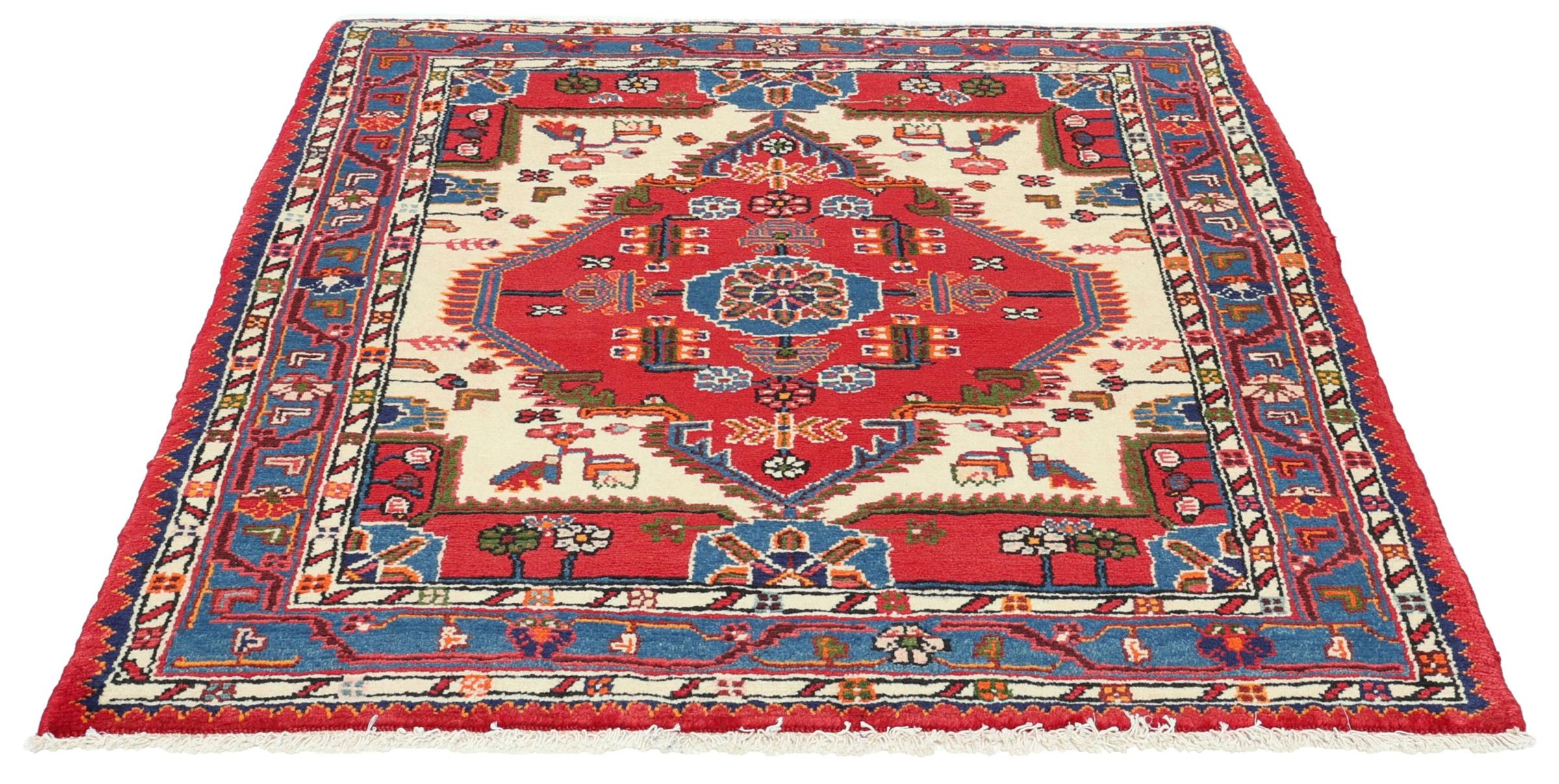
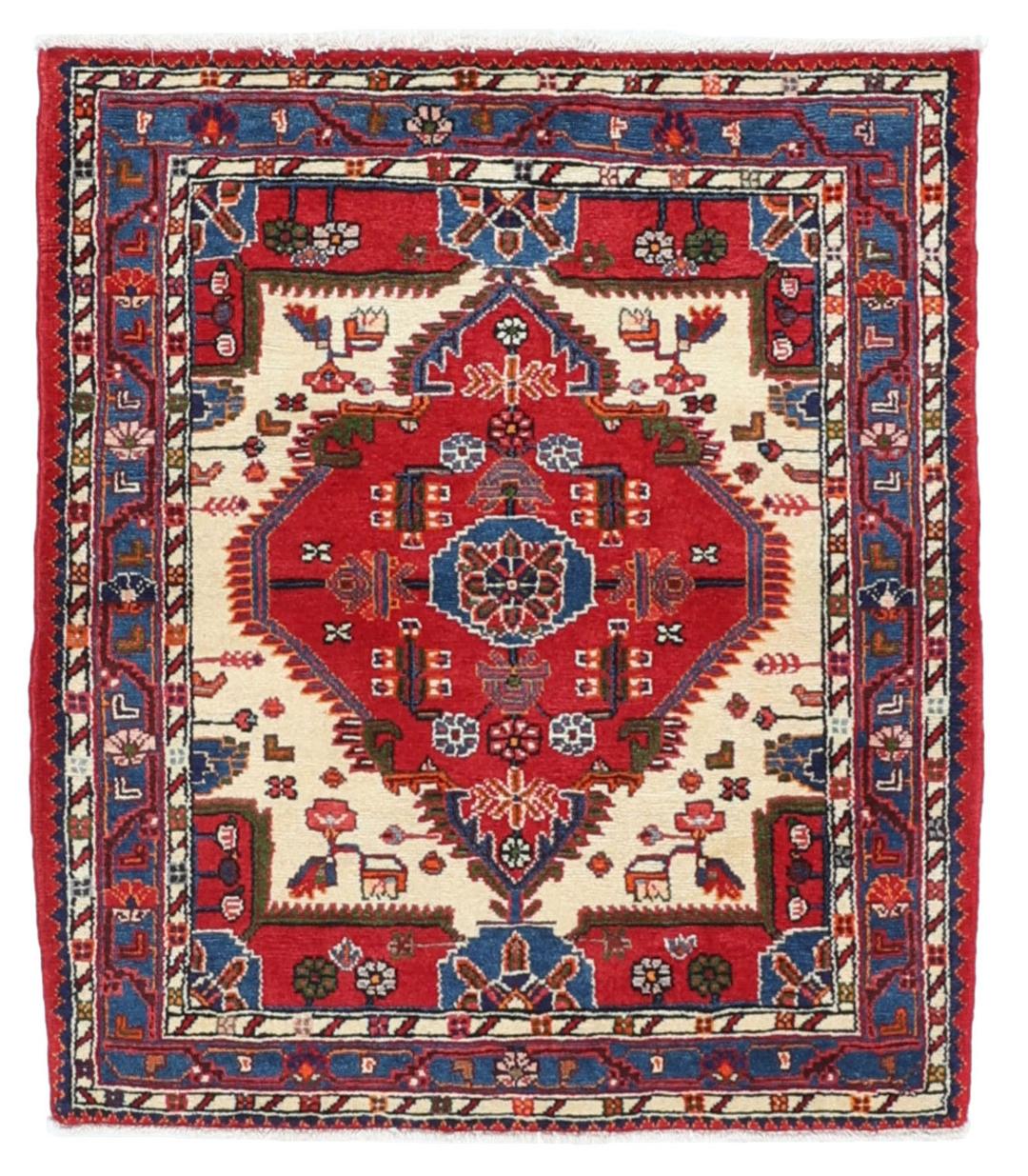
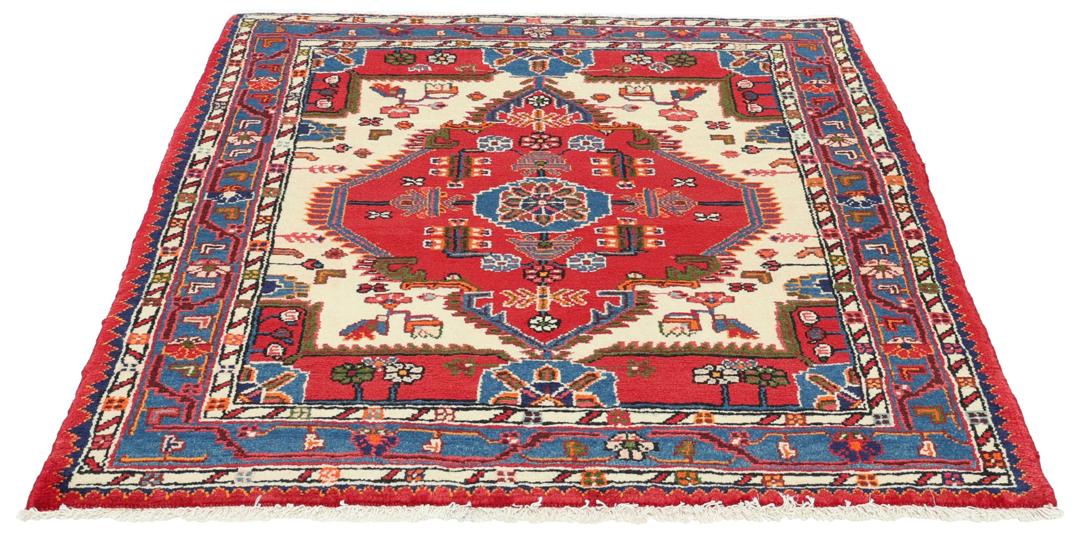
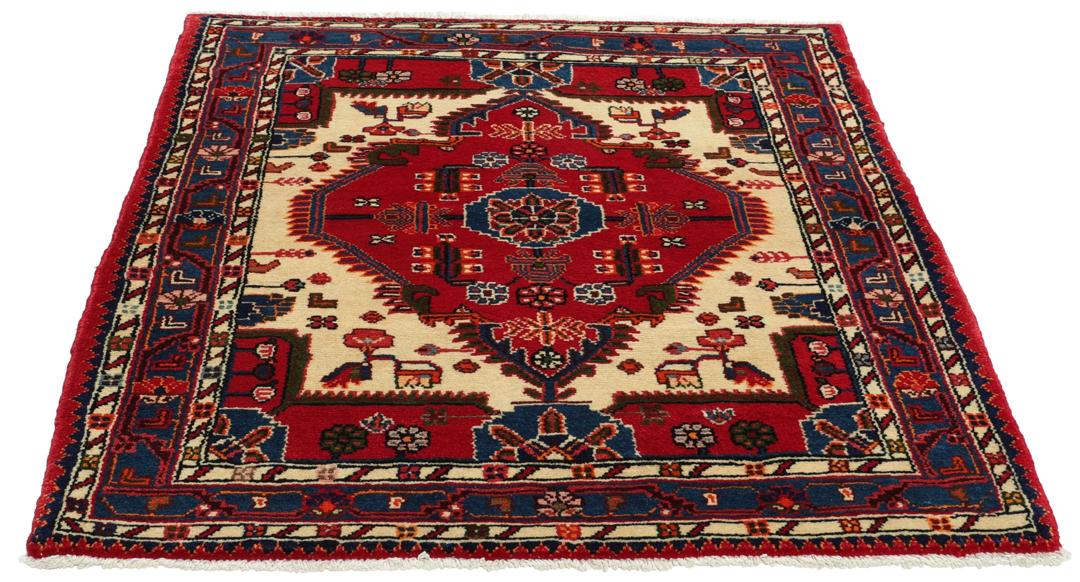
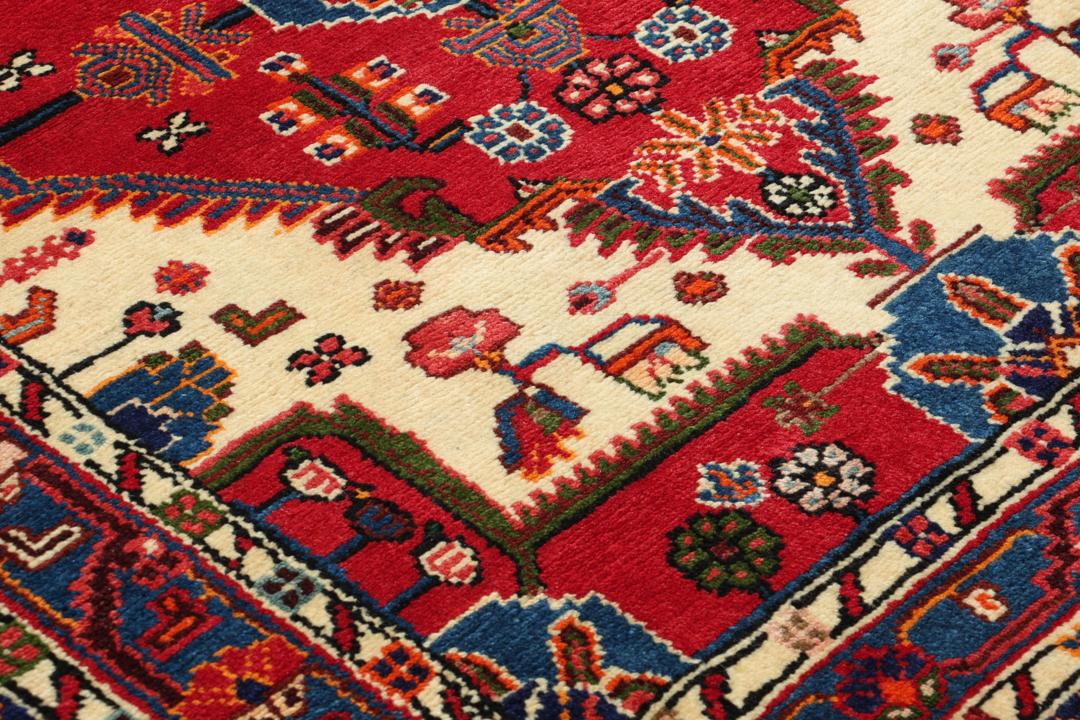
The Toiserkan rug originates from the Hamadan region of the Middle East, a historic area renowned for its deep-rooted weaving heritage. These rugs are named after the town of Toiserkan, which lies in the foothills of the Alvand Mountains. Historically, the region has been a hub for nomadic and village weavers who developed distinct styles that reflect their local environment, culture, and social traditions.
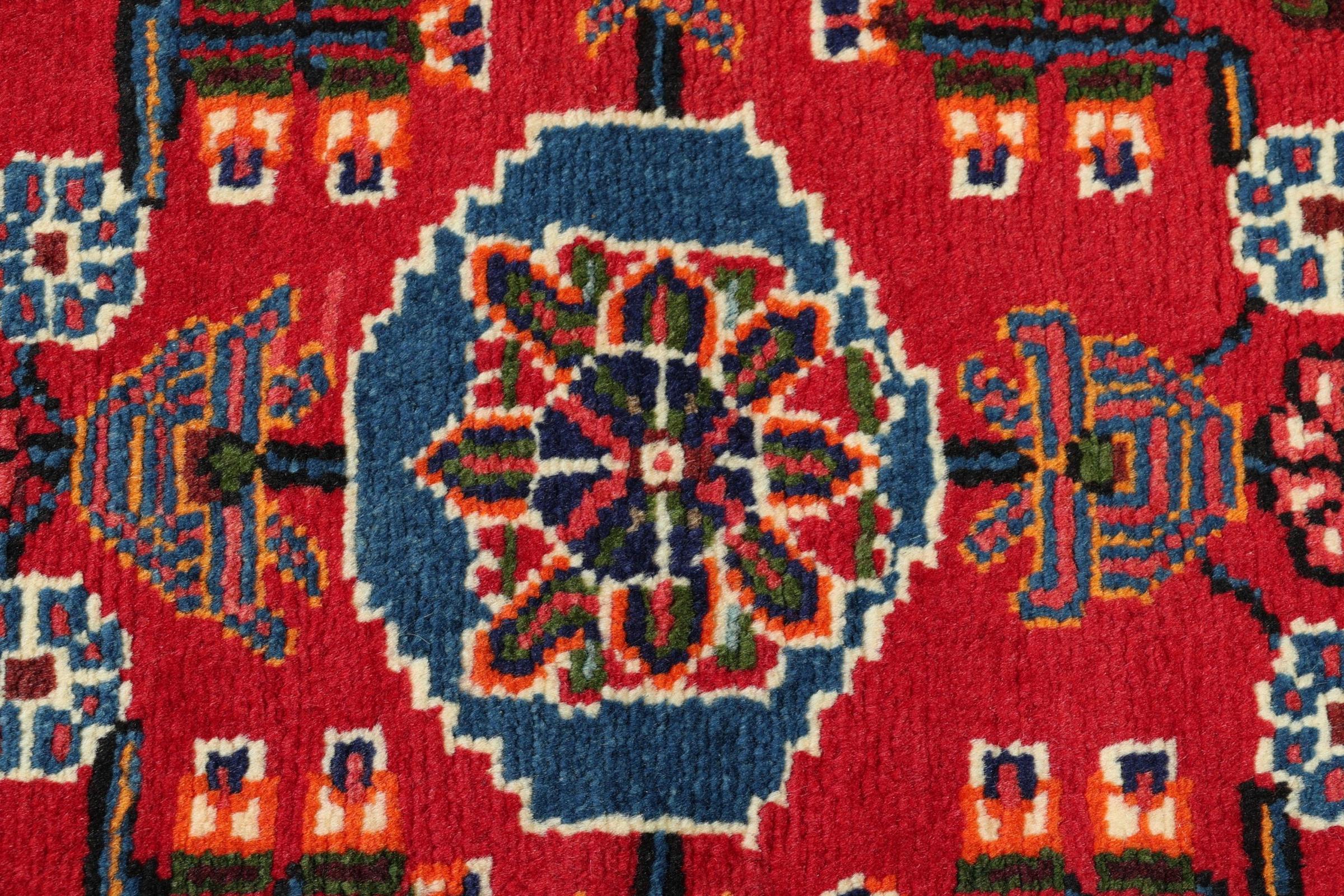
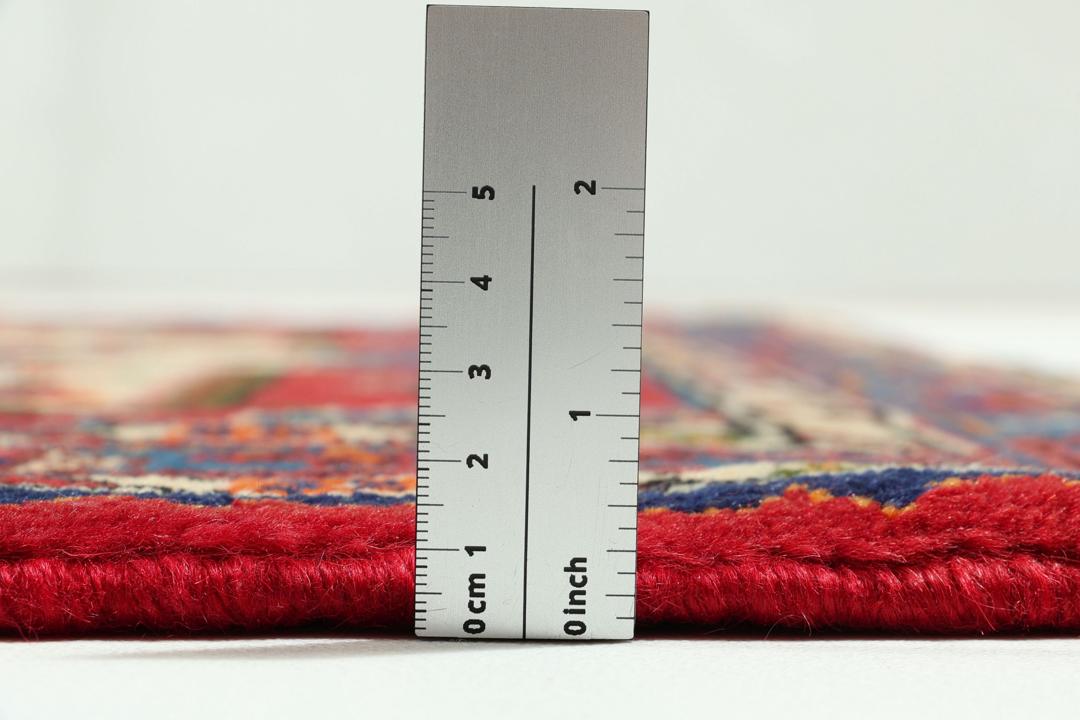
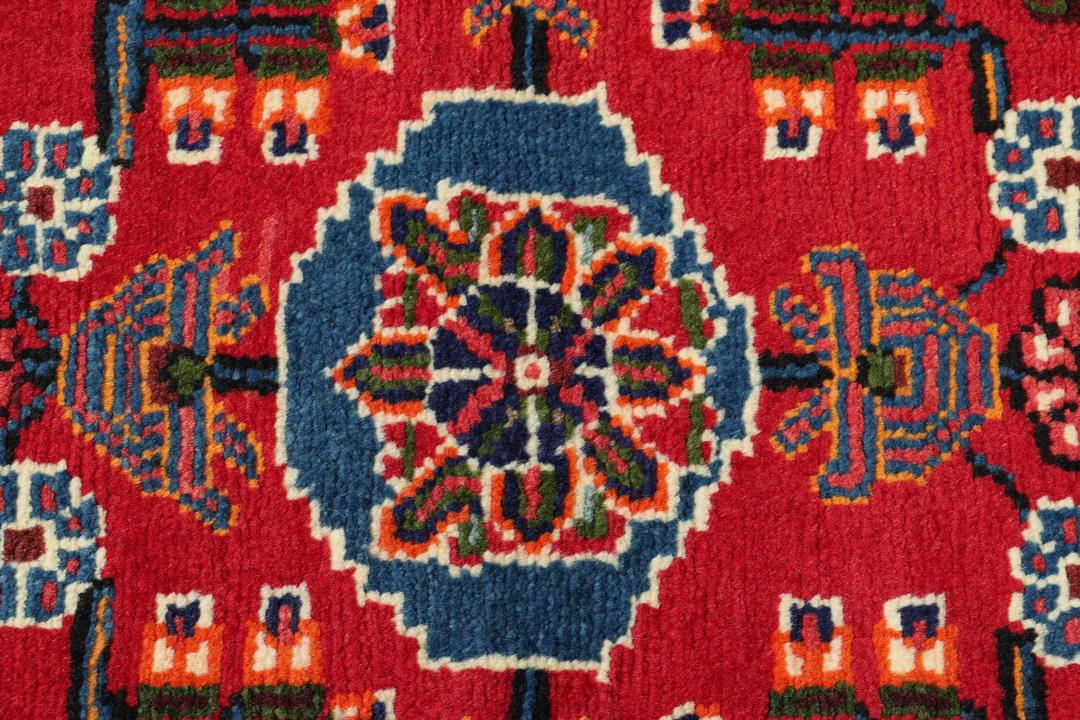
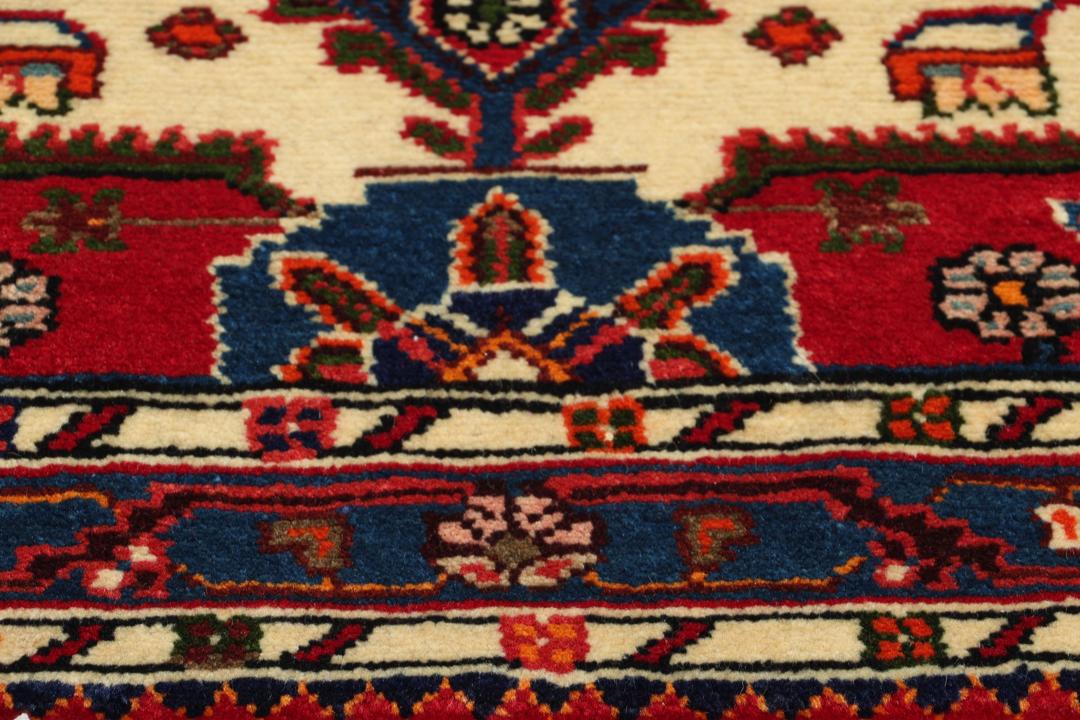
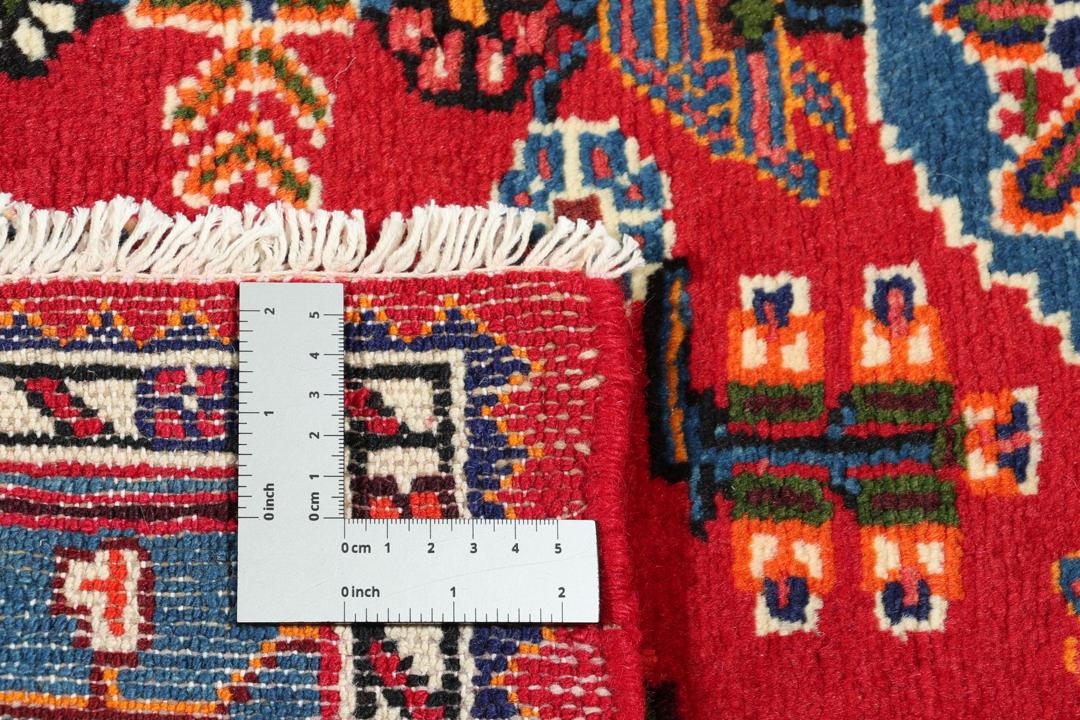
In the world of rug craft, the term 'hand-knotted' refers to the traditional method of creating the pile by looping yarn around individual warp threads. This is the most demanding and durable way to construct a rug, and it results in a finished product that is significantly more robust than machine-made alternatives. The quality of the wool used is central to the rug's longevity, as natural fibres are inherently resistant to wear while retaining their soft, plush feel.
Design-wise, Toiserkan rugs often feature a central medallion surrounded by stylised floral or geometric motifs. These patterns are not merely decorative; they are often symbolic, drawing on centuries of regional folklore. The use of a vibrant red field, as seen in this piece, is a hallmark of the style, often complemented by bold contrasts in blue and cream. The geometric precision of these motifs serves as a testament to the weaver's skill and their ability to translate complex cultural designs into reality.
Collectors value these rugs because they represent an authentic connection to a centuries-old craft. Unlike industrial textiles, these pieces hold cultural weight and demonstrate a level of human dedication that is rare in the modern world. To own a Toiserkan rug is to act as a guardian of a specific artistic tradition, ensuring that these skills and stories continue to be appreciated in contemporary homes.