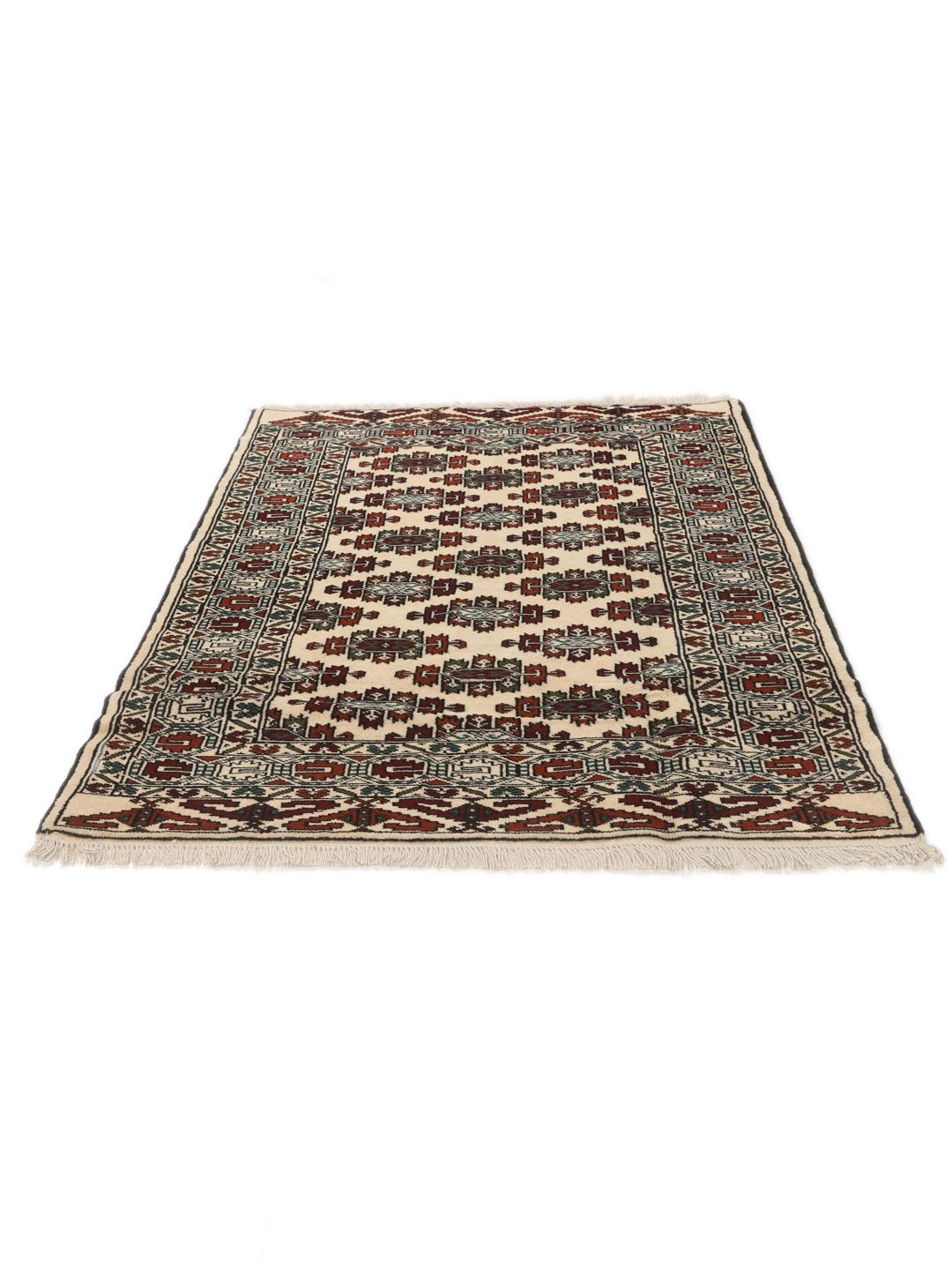
The Turkaman rug tradition originates from the nomadic tribes of Central Asia, whose weaving practices have been passed down through generations. These rugs are renowned for their distinctive and formal design language, which has evolved over centuries. While these traditions are deeply rooted in the history of the Middle East, they have become cherished globally for their cultural significance and aesthetic depth.
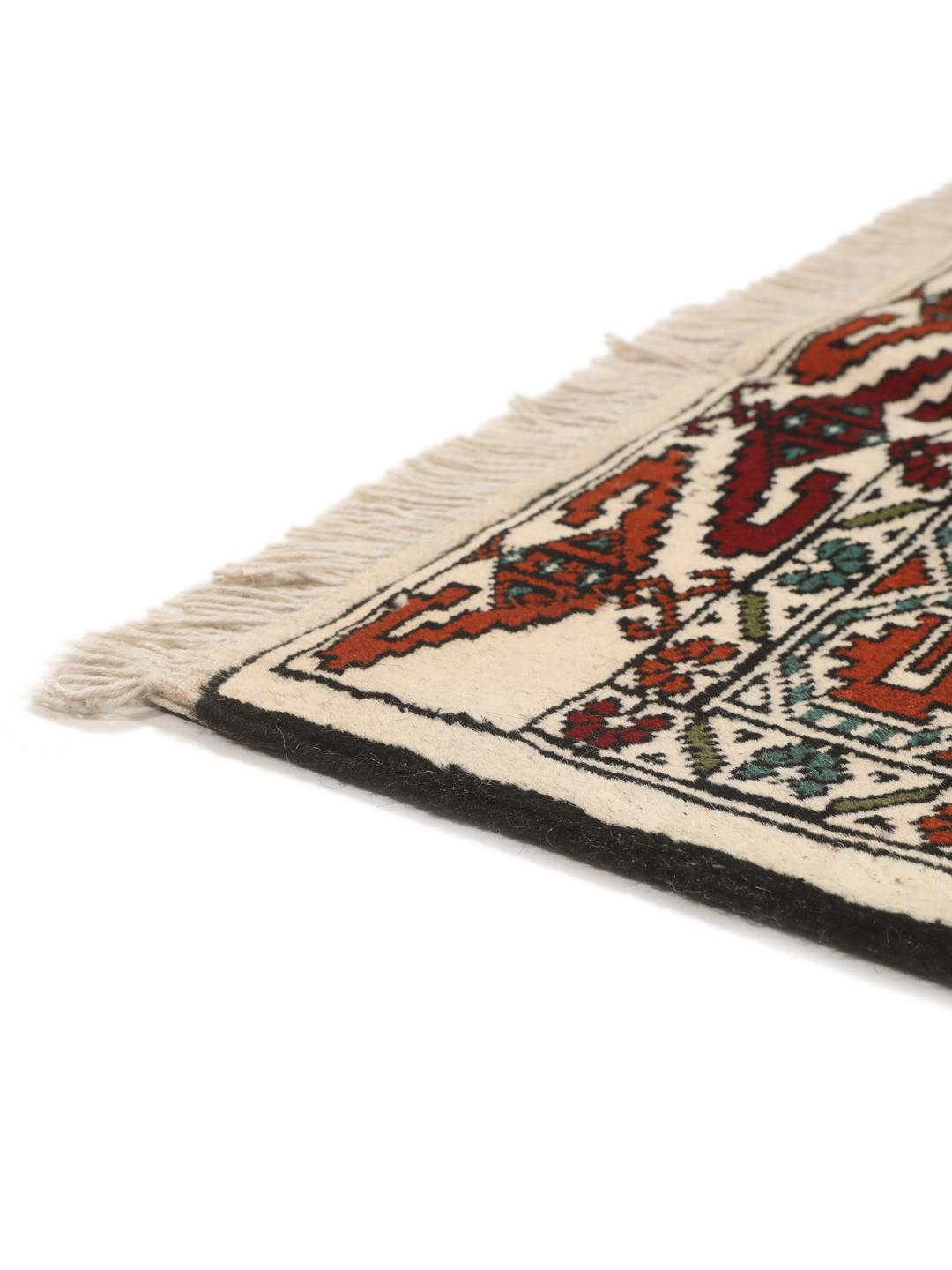
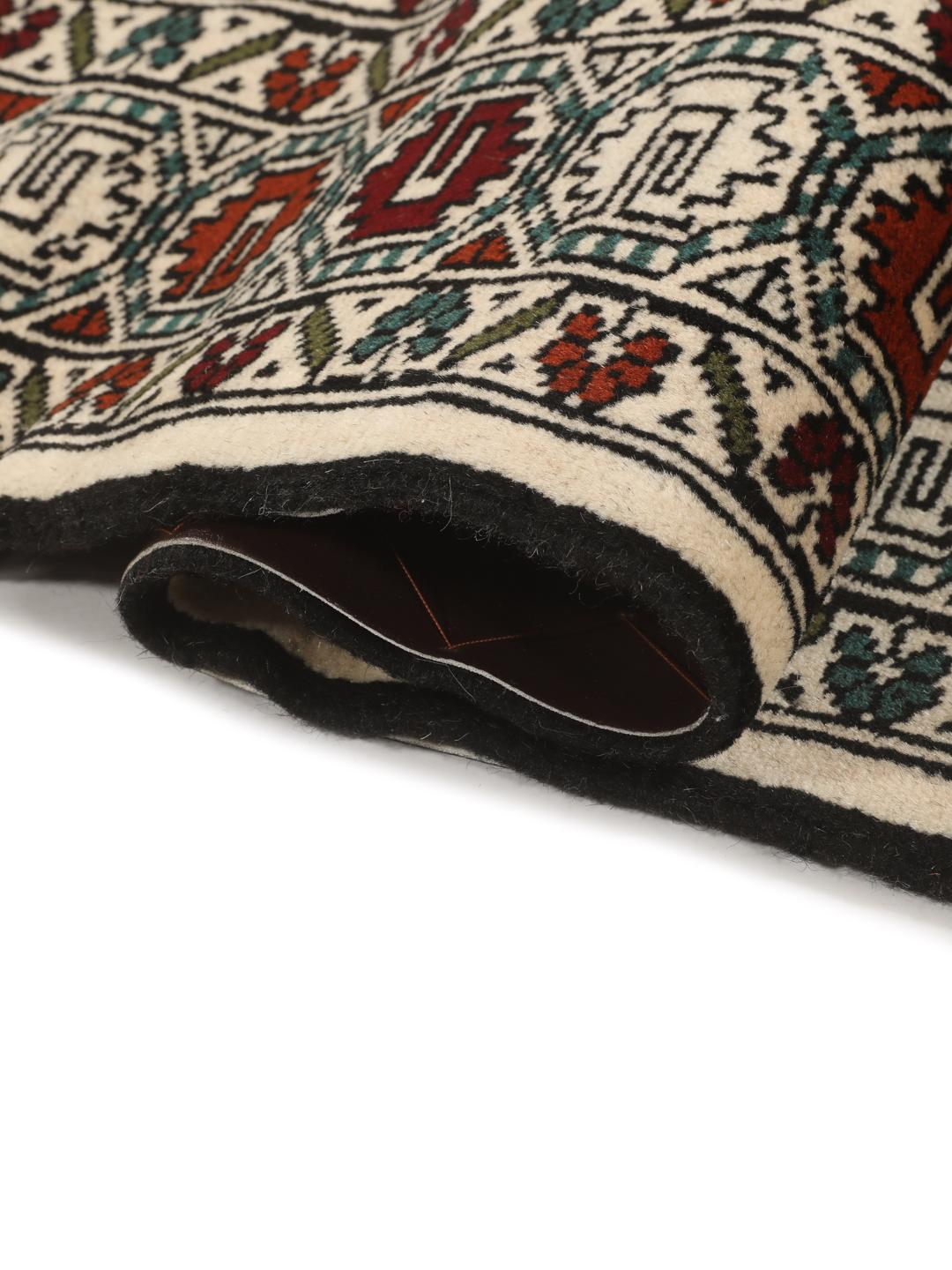
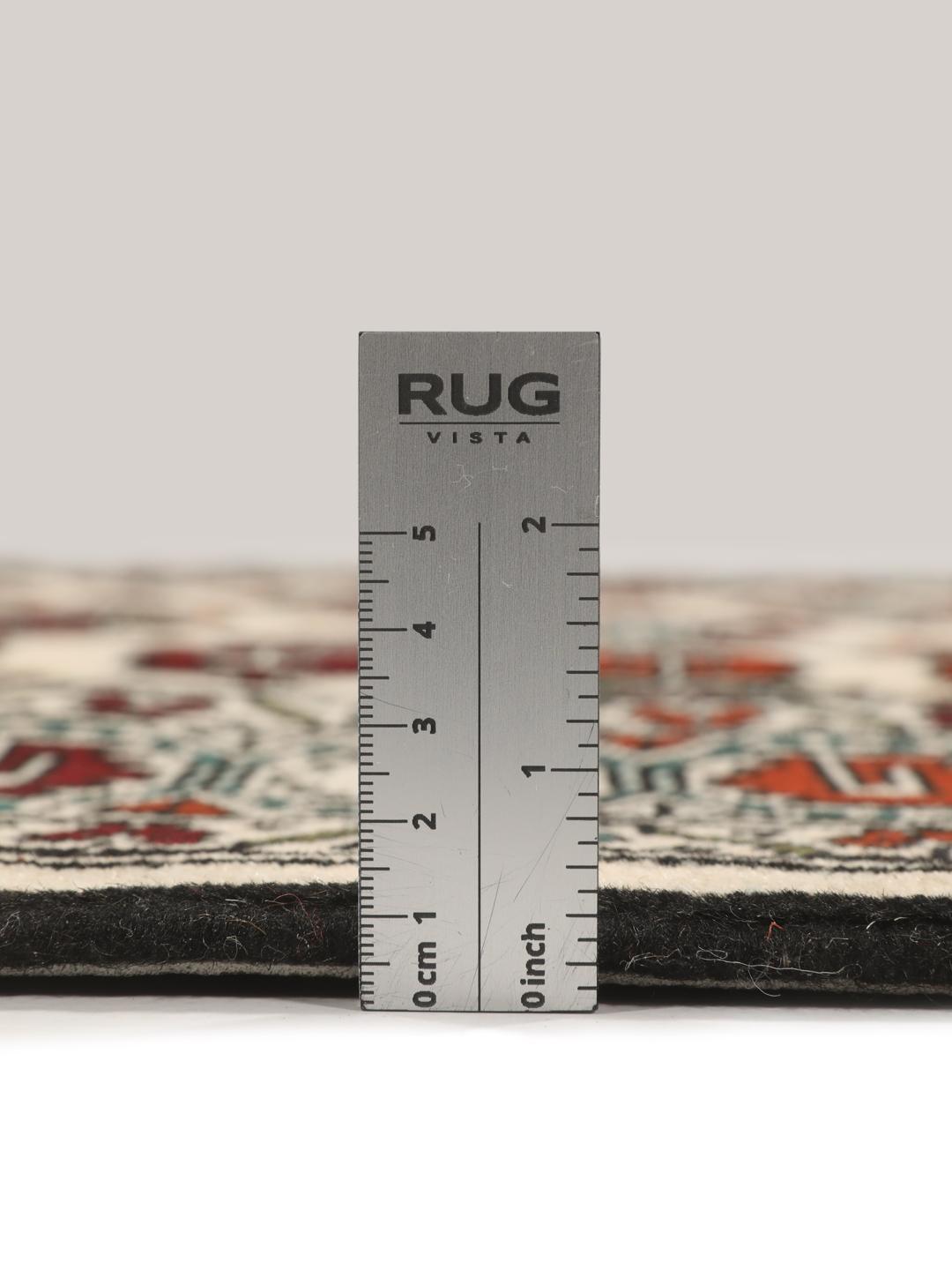
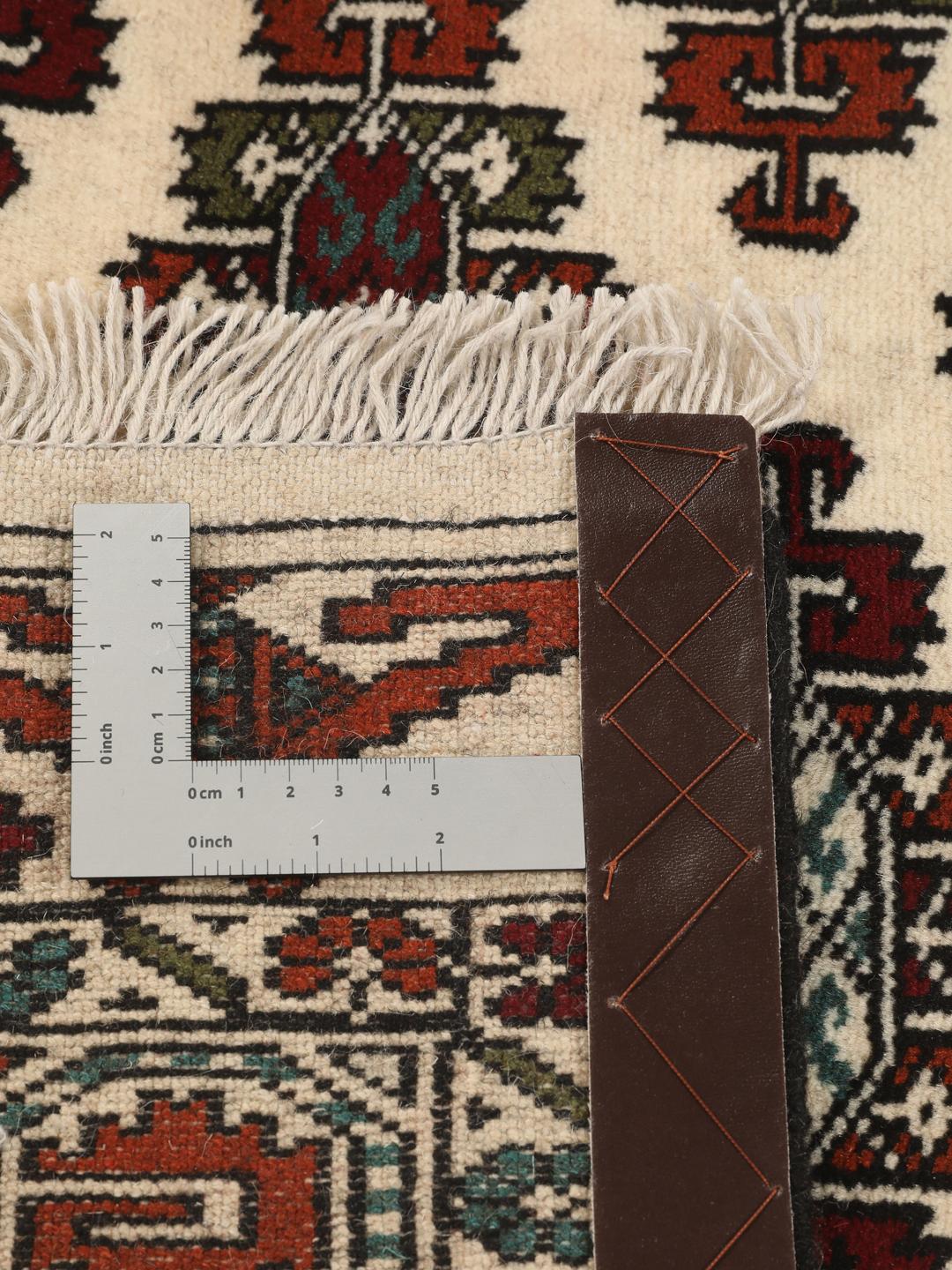
The term Turkaman refers to both the people and the specific style of weaving that emphasises dense, durable construction. The use of wool is a hallmark of this tradition, selected for its natural resilience and ability to take up rich, deep colours. This material choice is essential for creating the long-lasting, lustrous pile that defines the character of these rugs, providing both warmth and a luxurious touch.
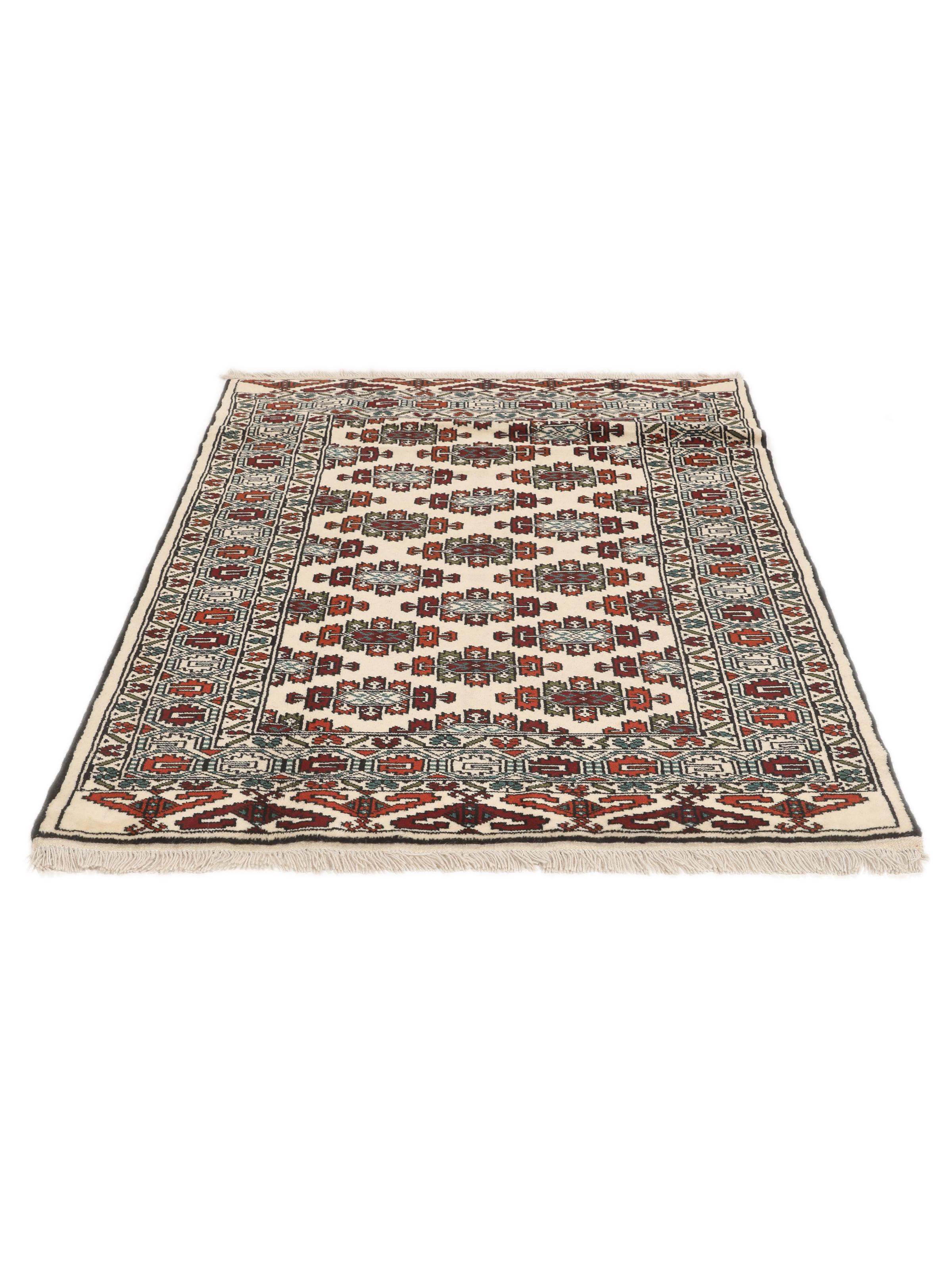
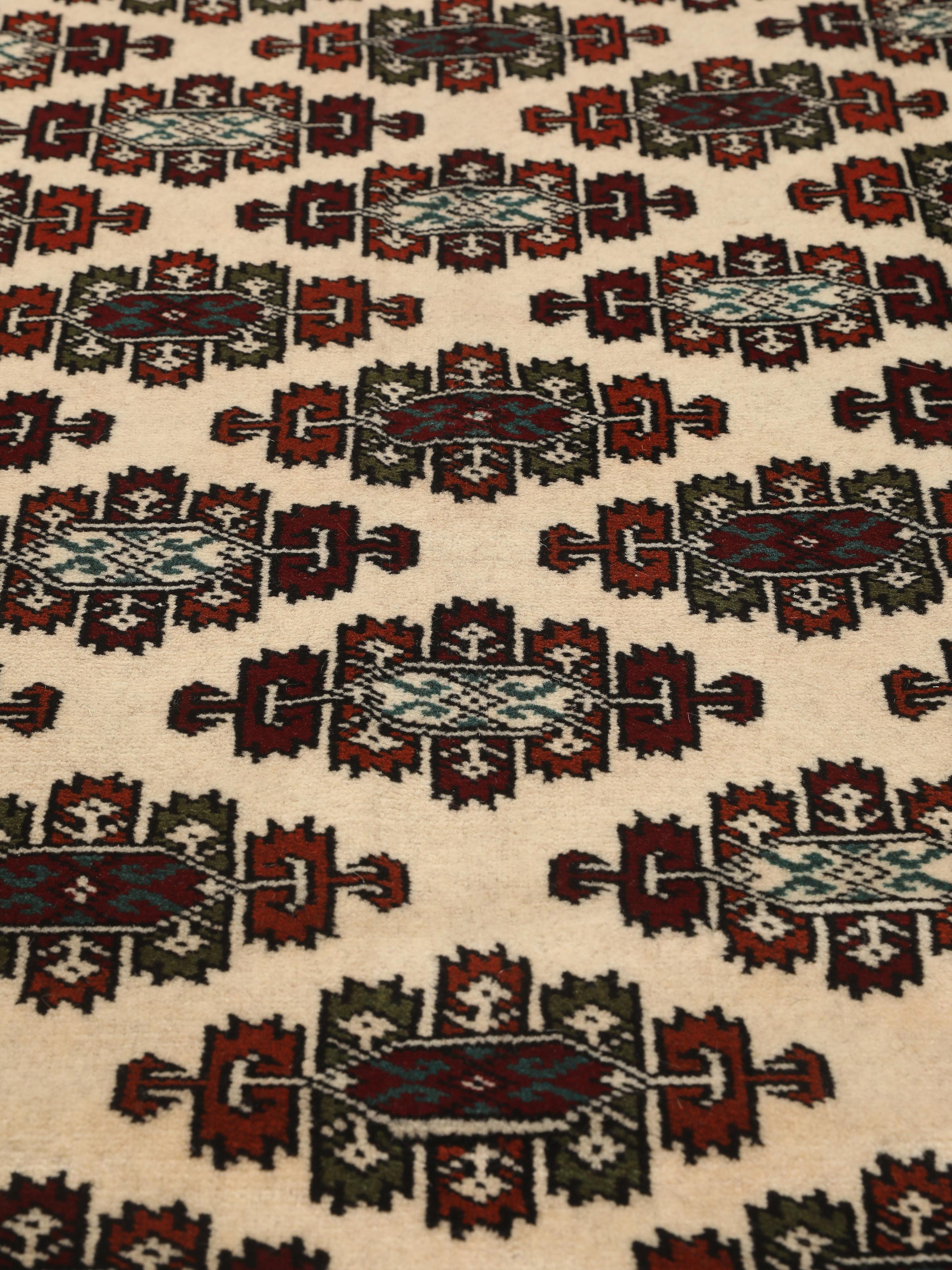
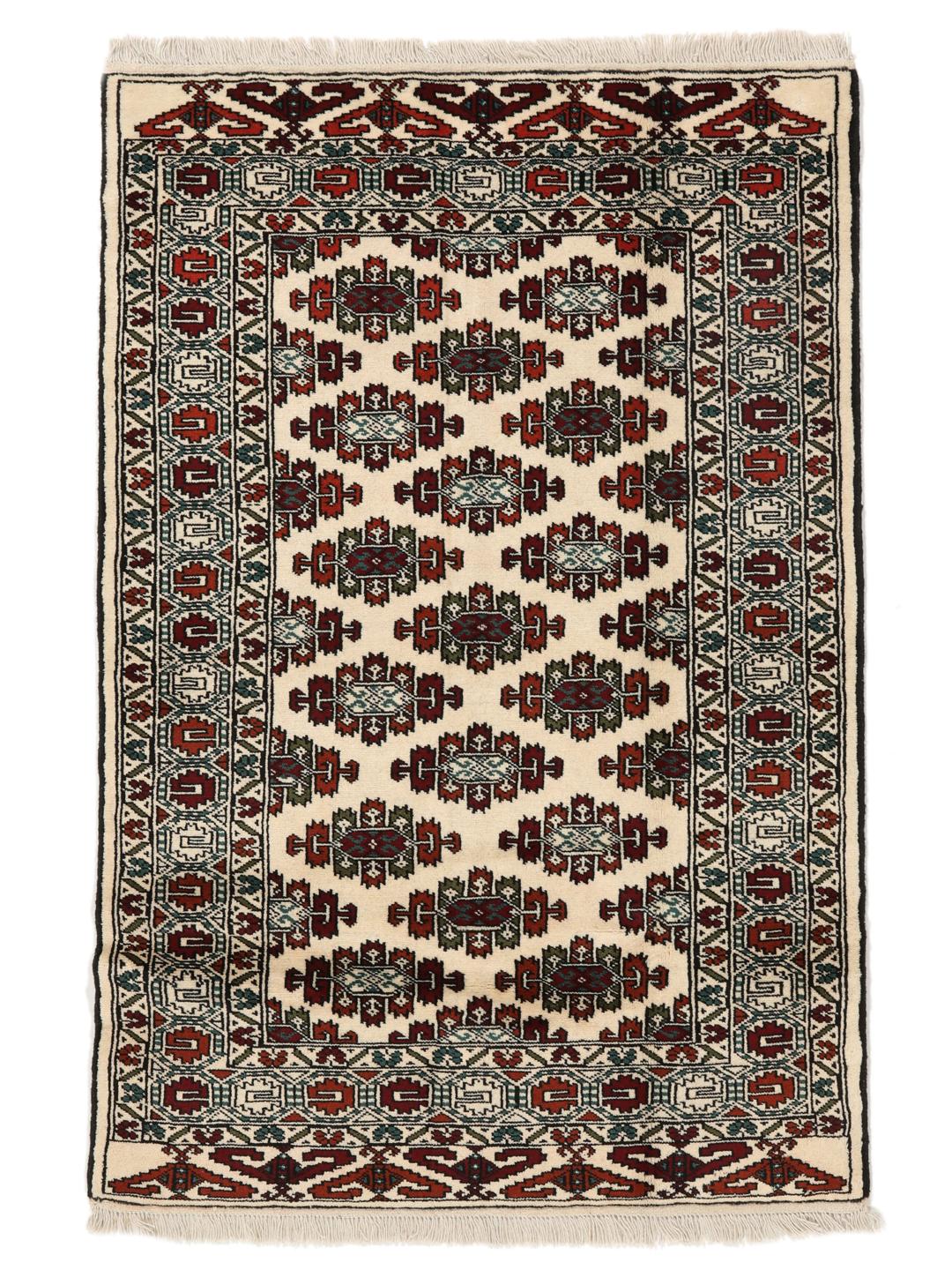
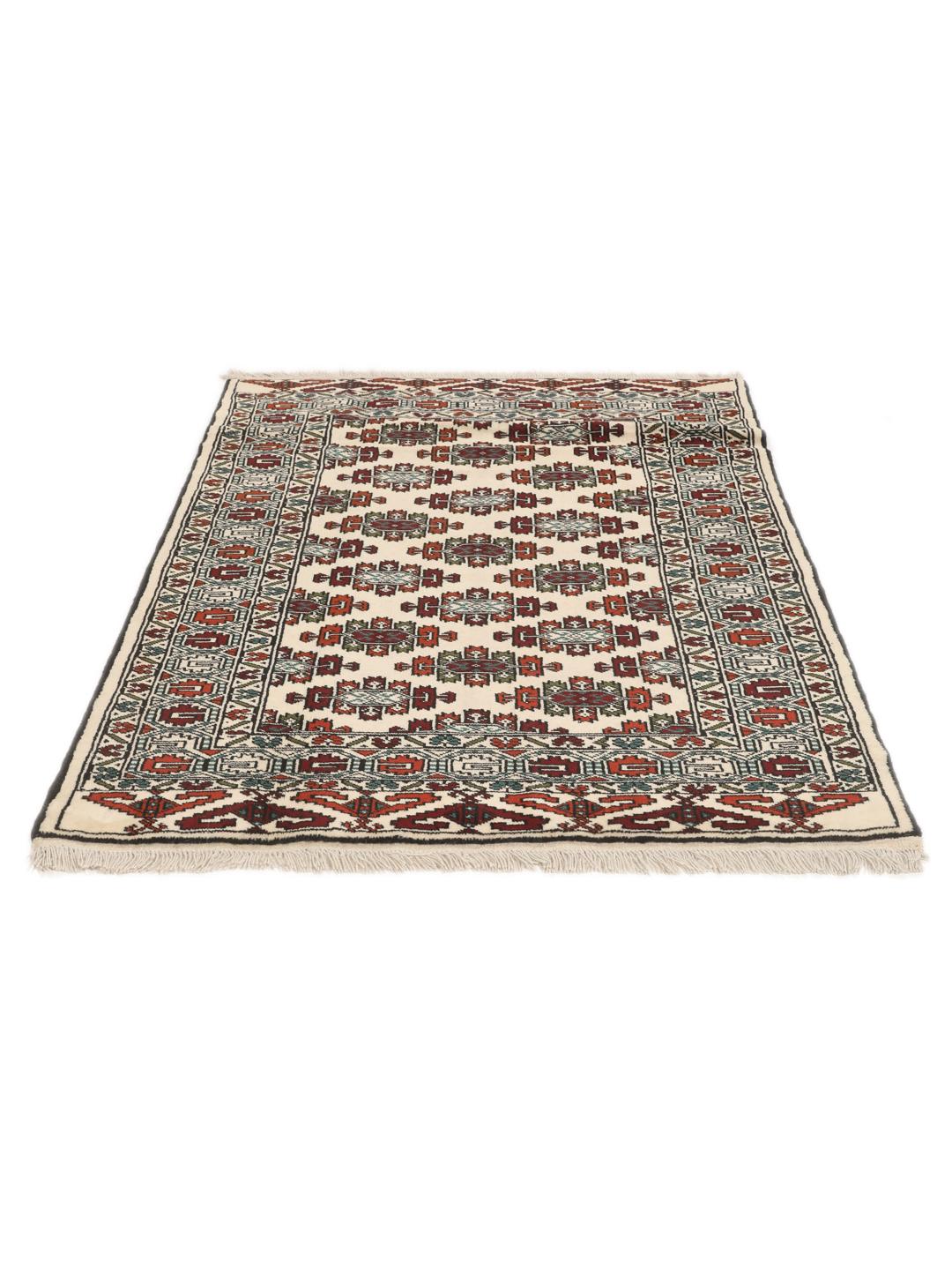
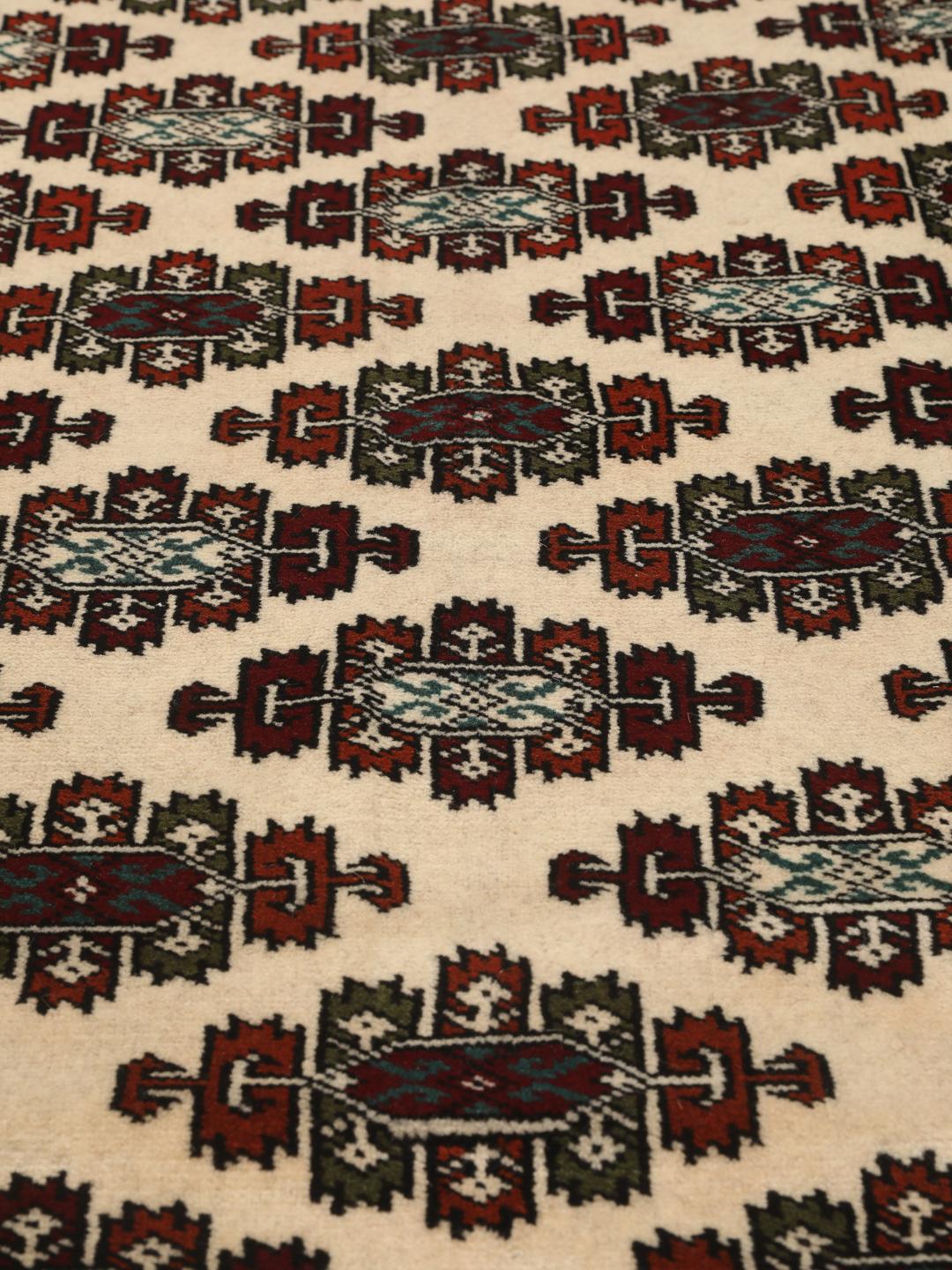
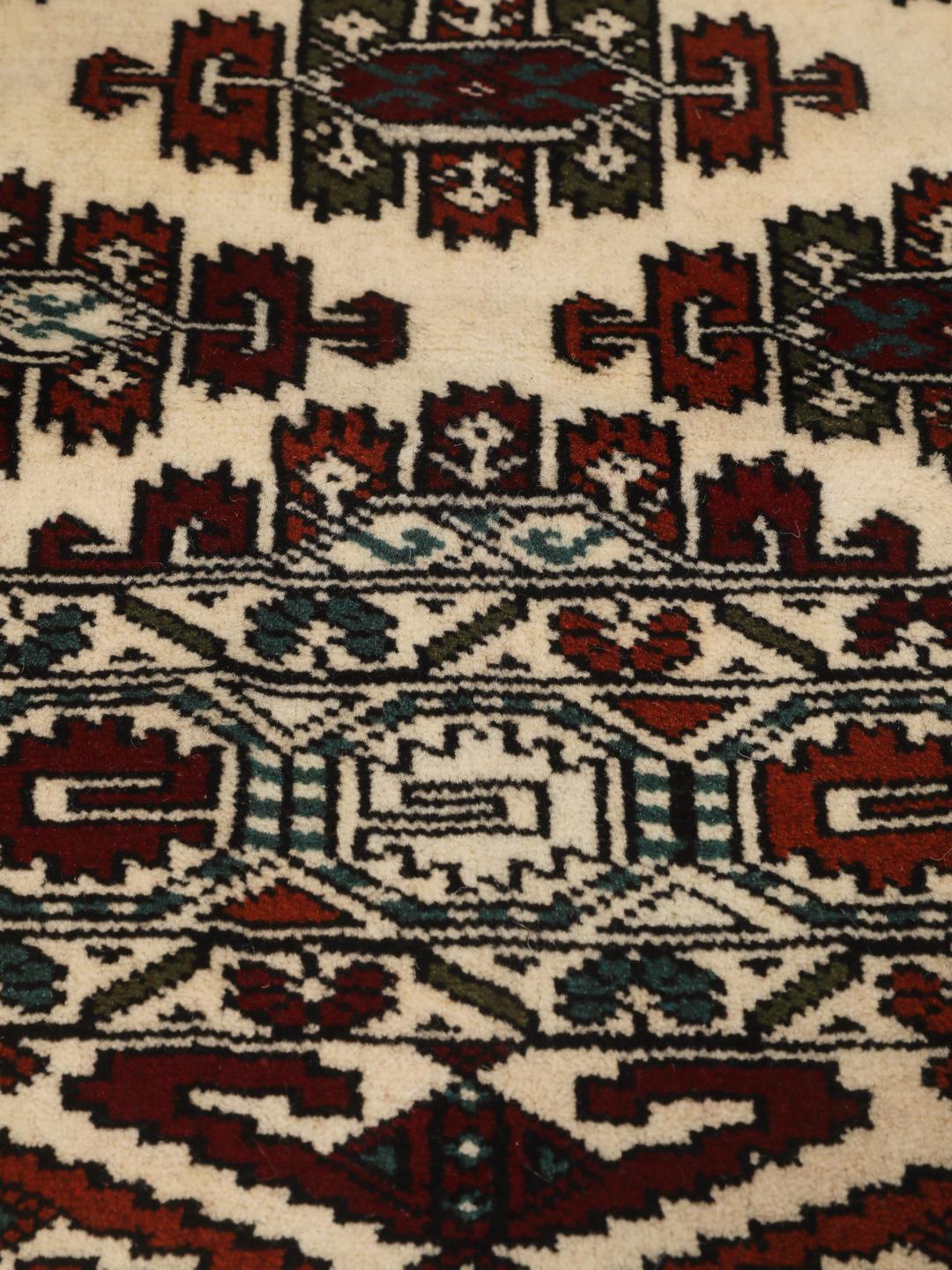
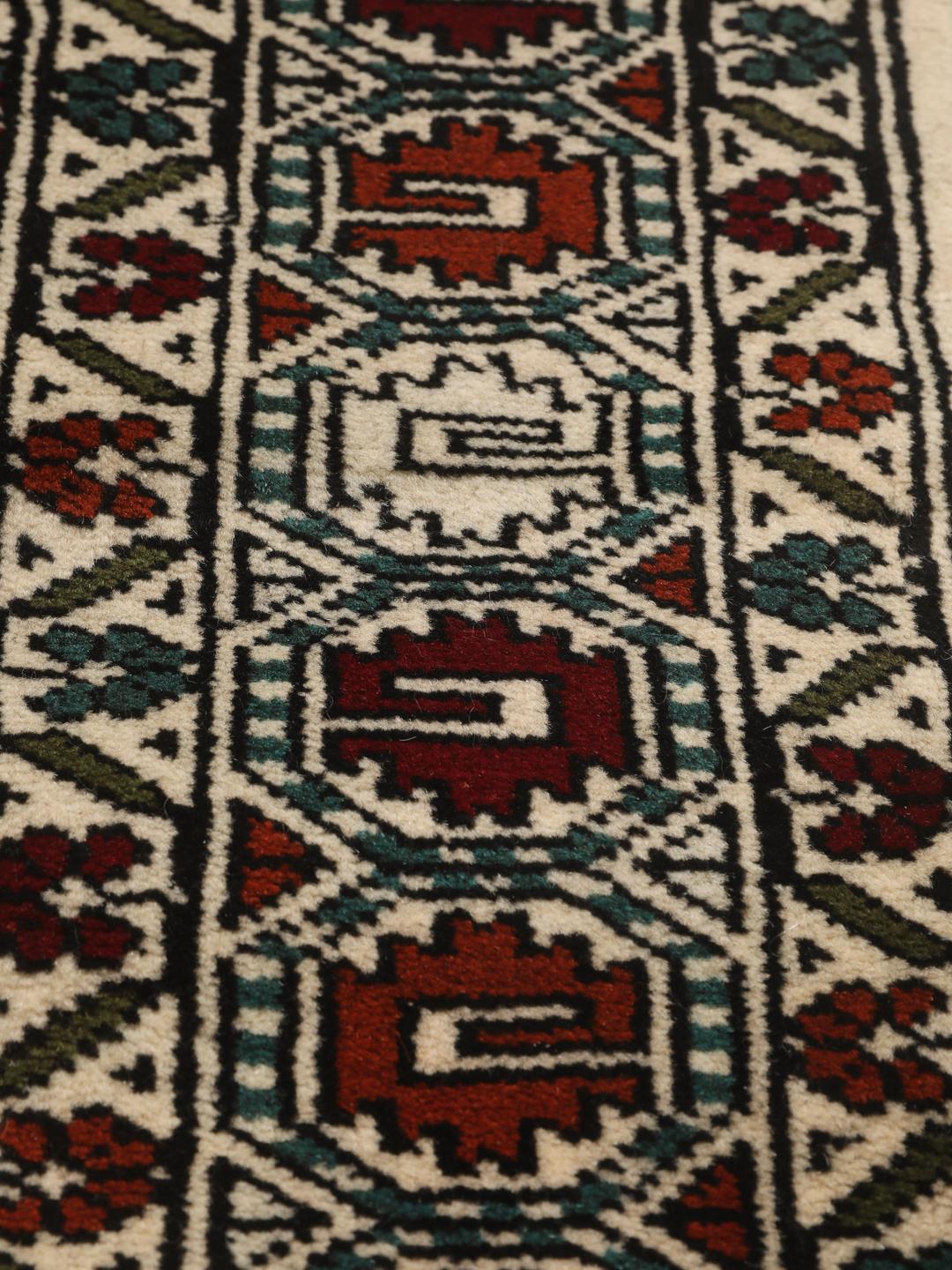
Signature design elements of Turkaman rugs typically include repeating geometric medallions known as guls. These motifs are often arranged in a structured grid, enclosed by elaborate, multi-layered borders that demonstrate the weaver's technical proficiency. The colour schemes are traditionally centred around deep, earthy tones, with cream or beige fields often used to provide a striking contrast that makes the intricate patterns stand out.
Collecting a Turkaman rug is a way to honour a rich heritage of craftsmanship. These pieces are valued not only for their beauty but also for the incredible skill required to execute such precise, repetitive patterns by hand. Owning one is a commitment to quality and a way to connect your home to a long-standing tradition of artistic expression and nomadic history.