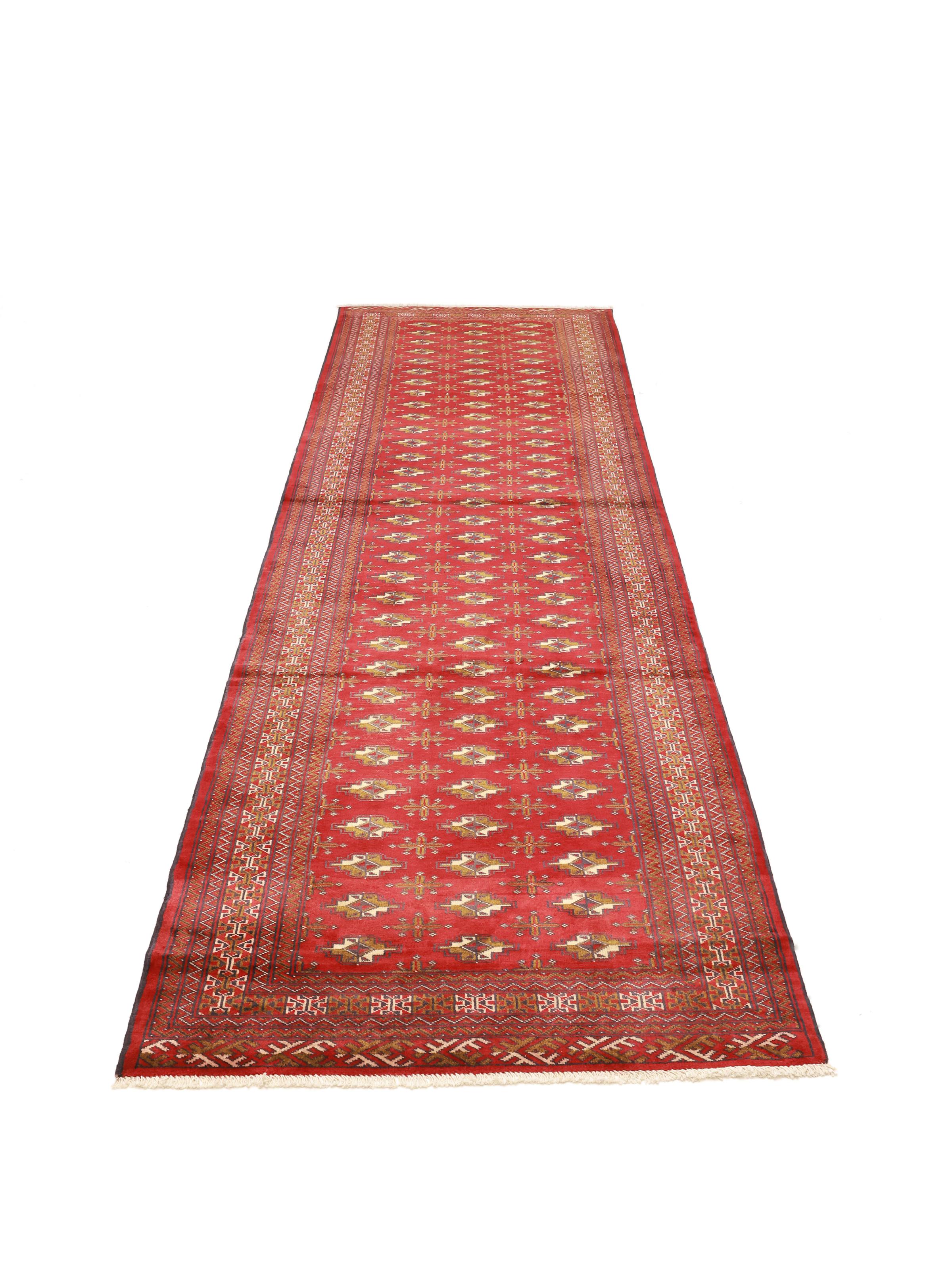
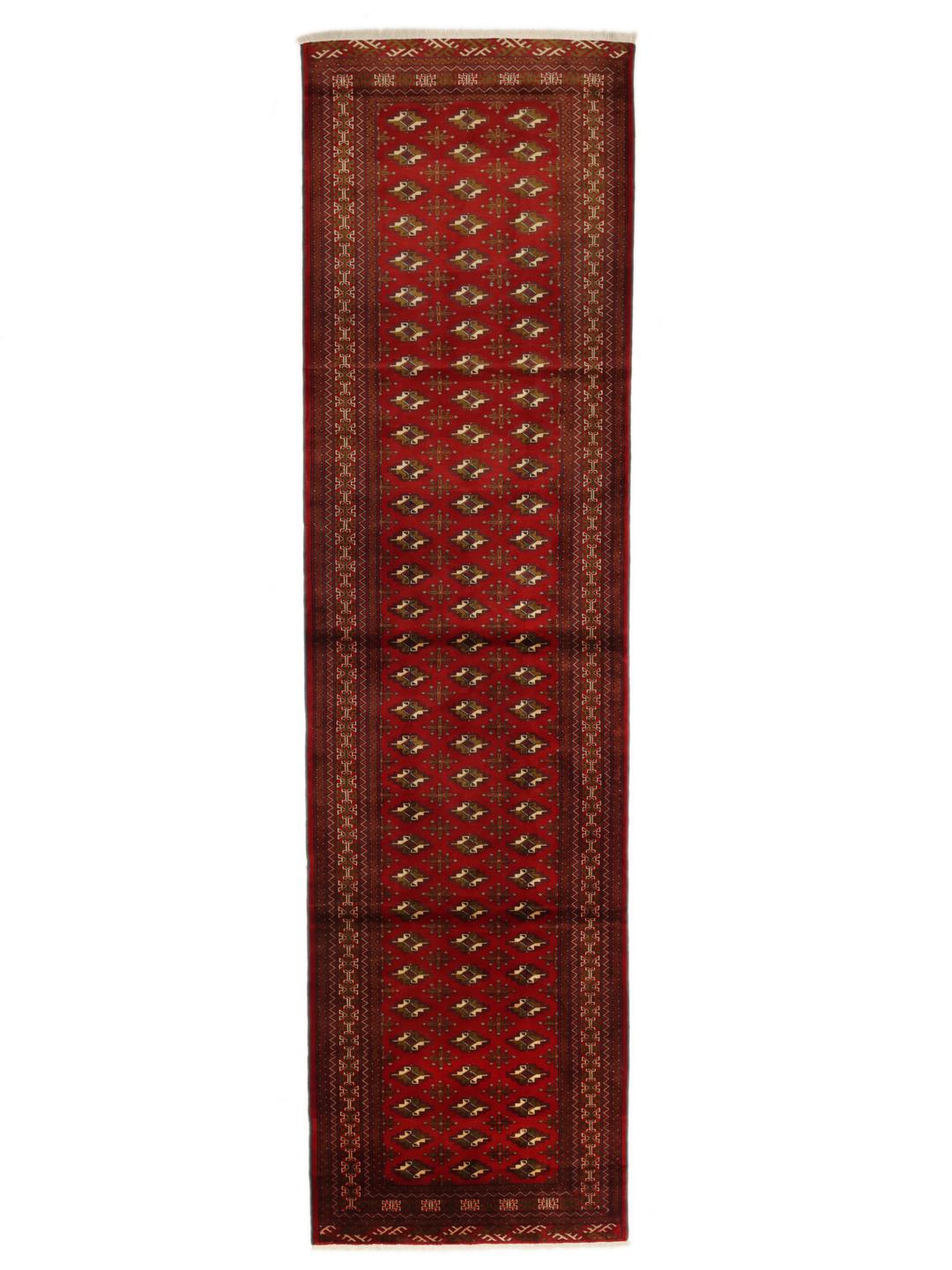
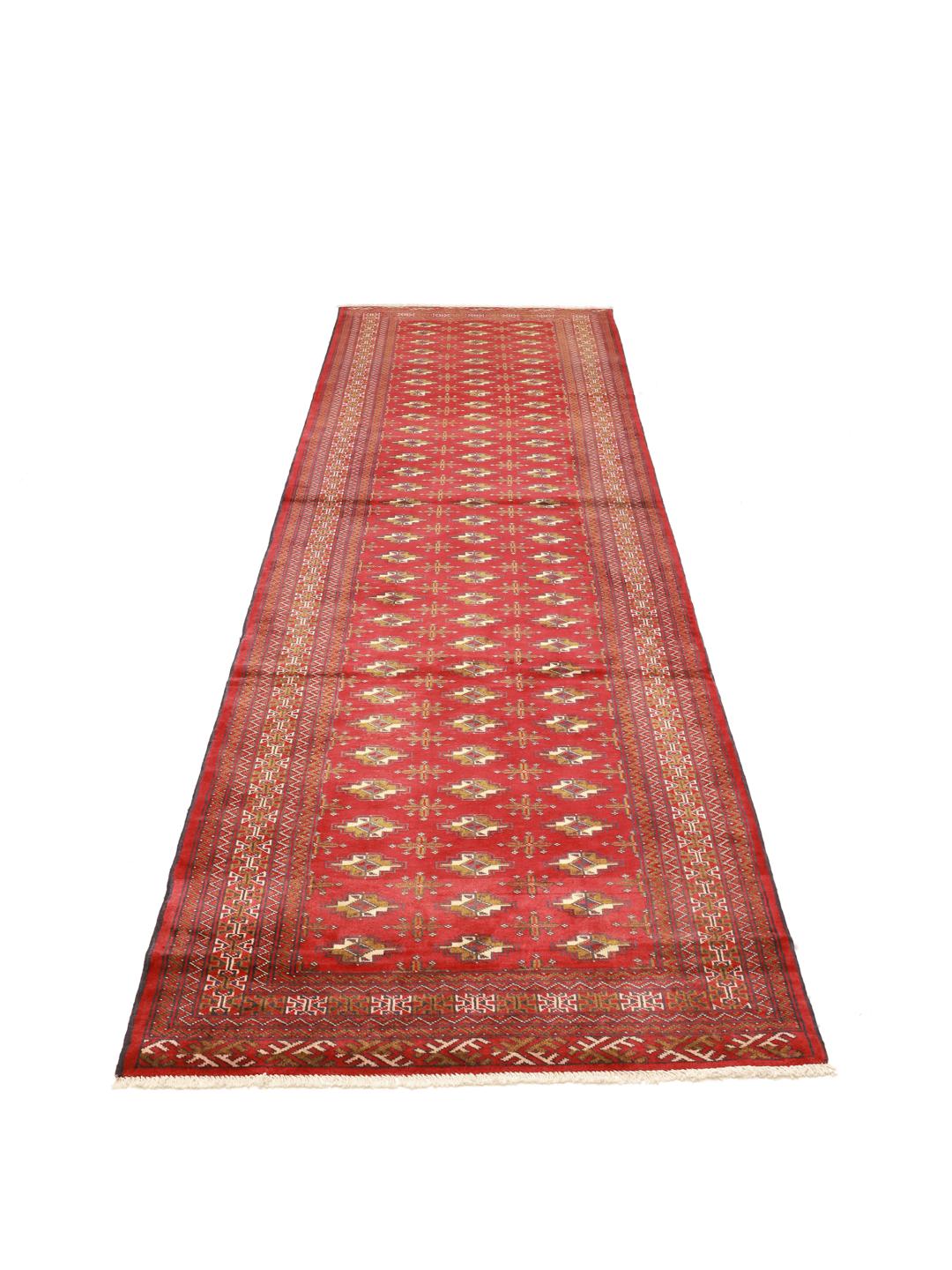
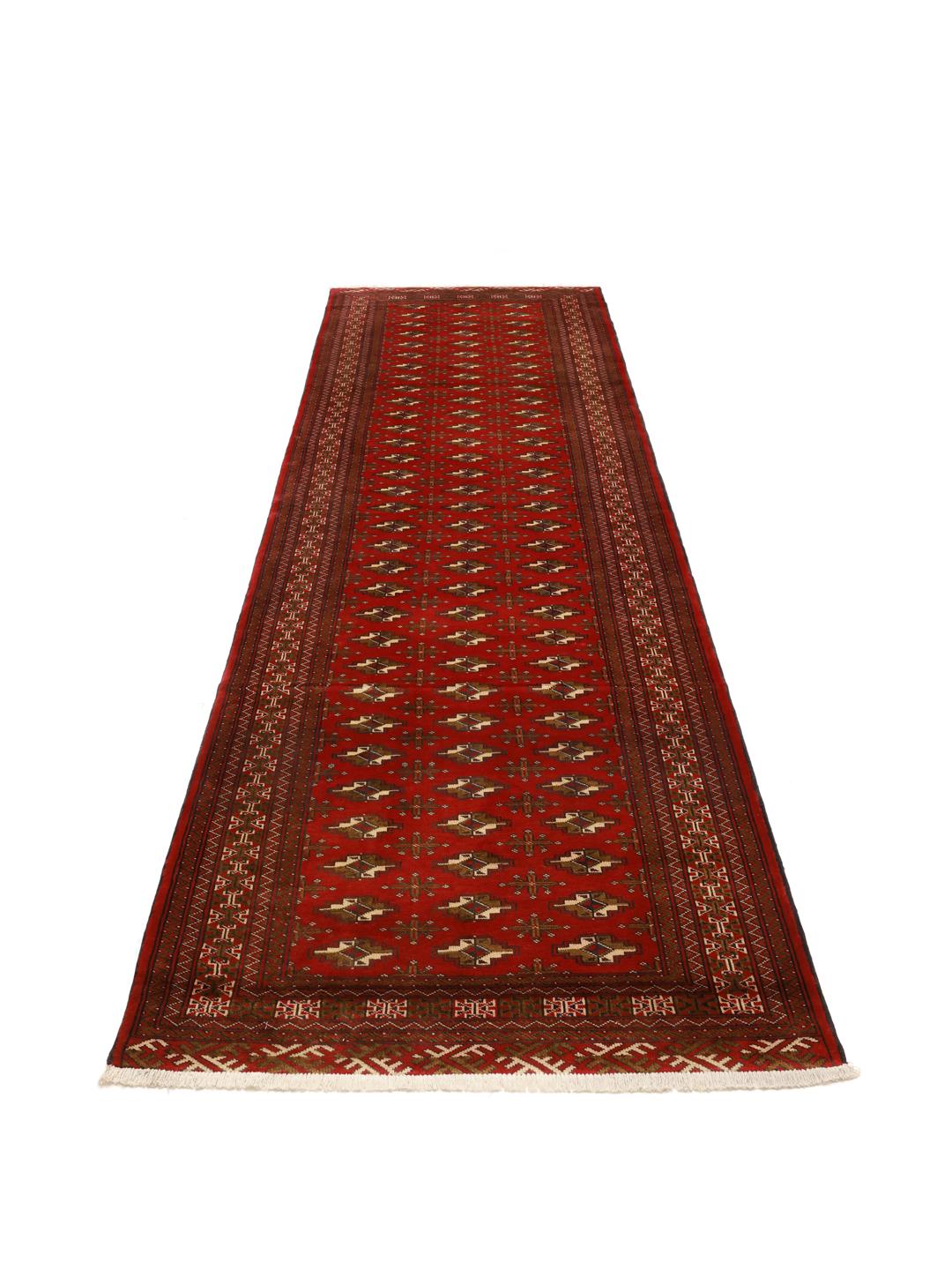
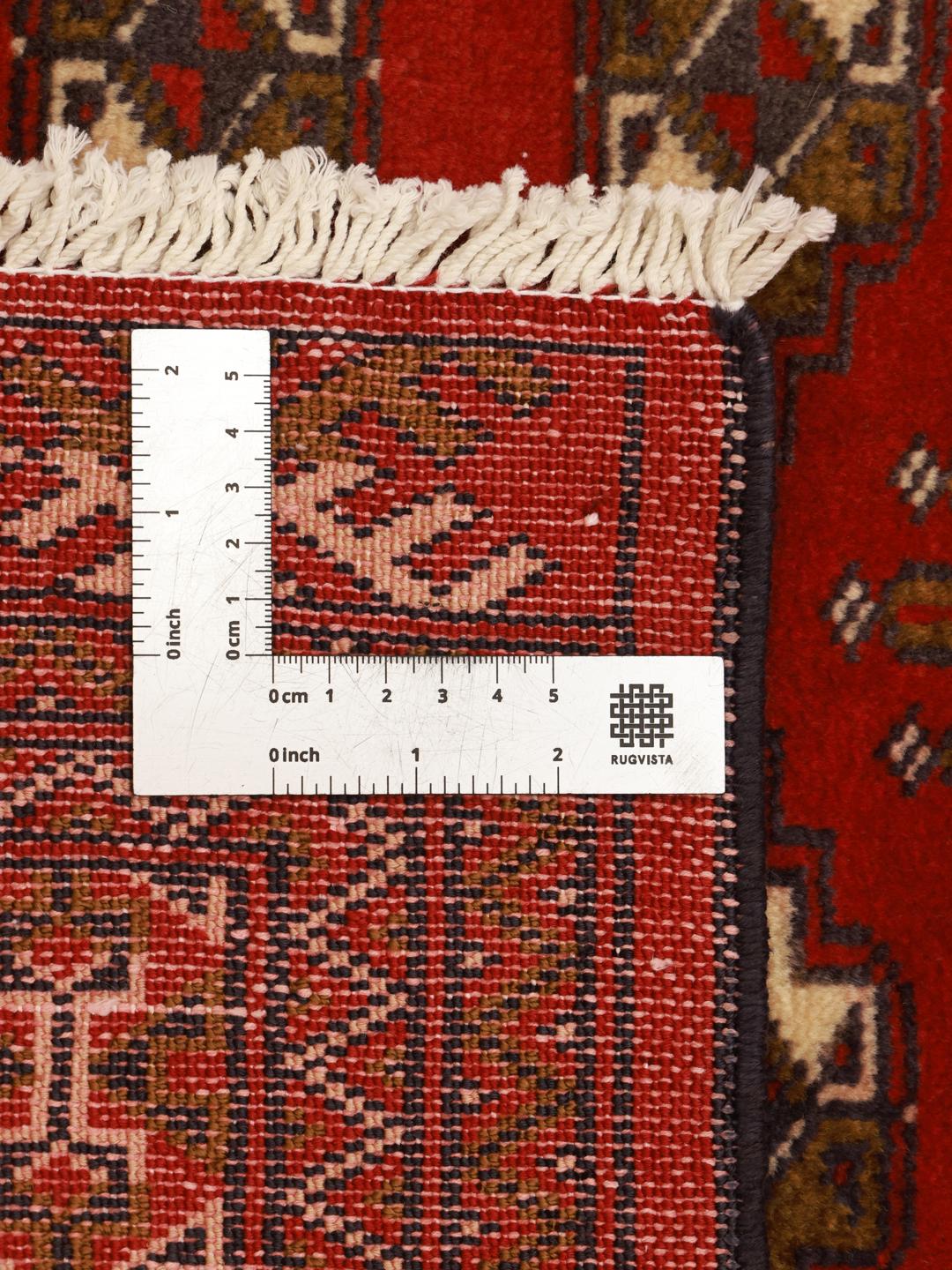
Turkaman rugs originate from the nomadic tribes of Central Asia, a region with a deep-rooted history of weaving that spans centuries. While the style is deeply connected to its tribal roots, it has evolved over time, with many of the finest examples now being produced by skilled weavers in the Middle East who have carried these traditional patterns and techniques across generations.
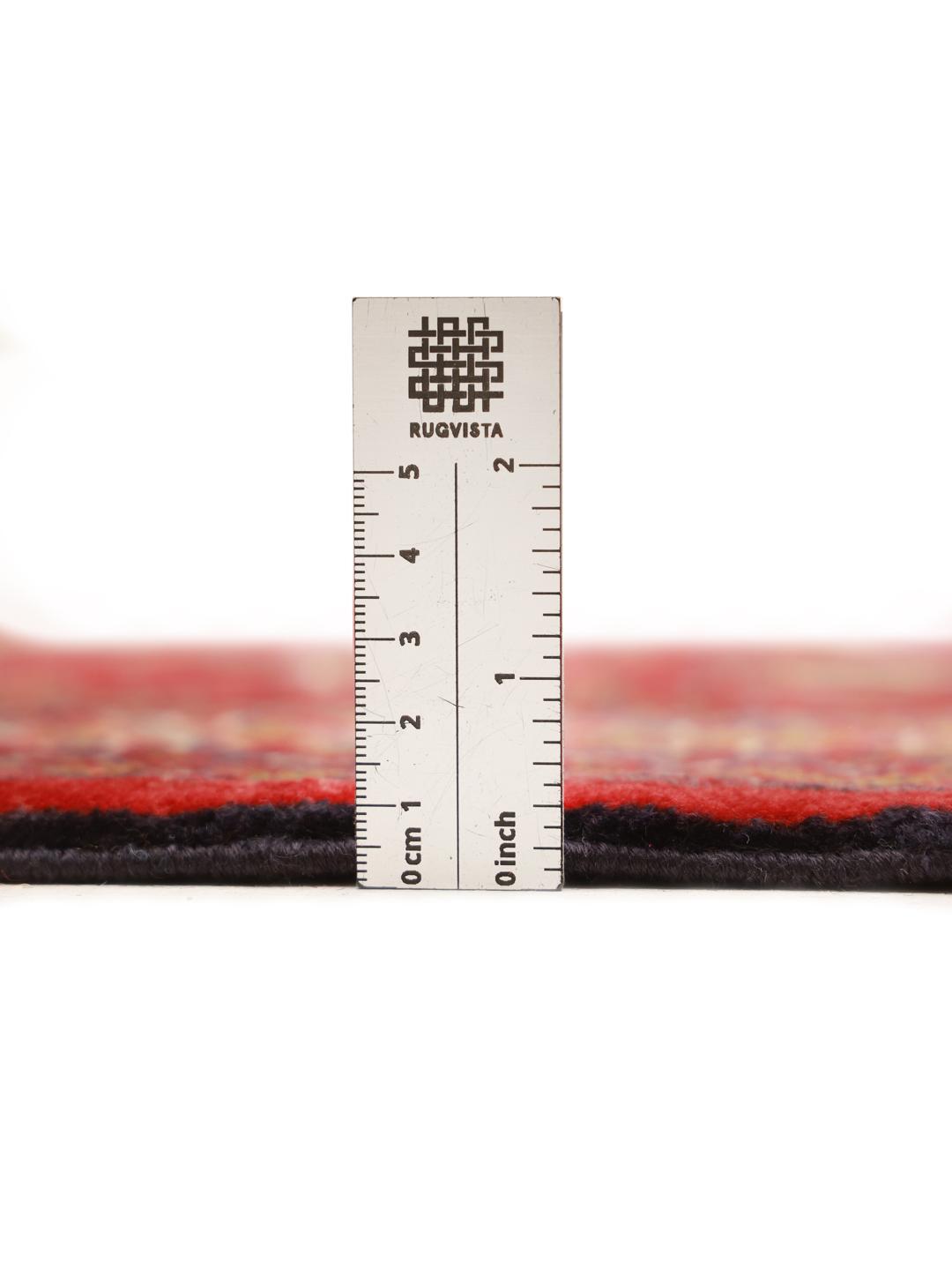
The term Turkaman refers to the specific tribal aesthetic that defines these rugs. Their construction is focused on creating a dense, durable pile that was originally designed to withstand the rigours of nomadic life. Today, this translates into a rug that is exceptionally long-lasting and resilient, making it a practical choice for modern homes.
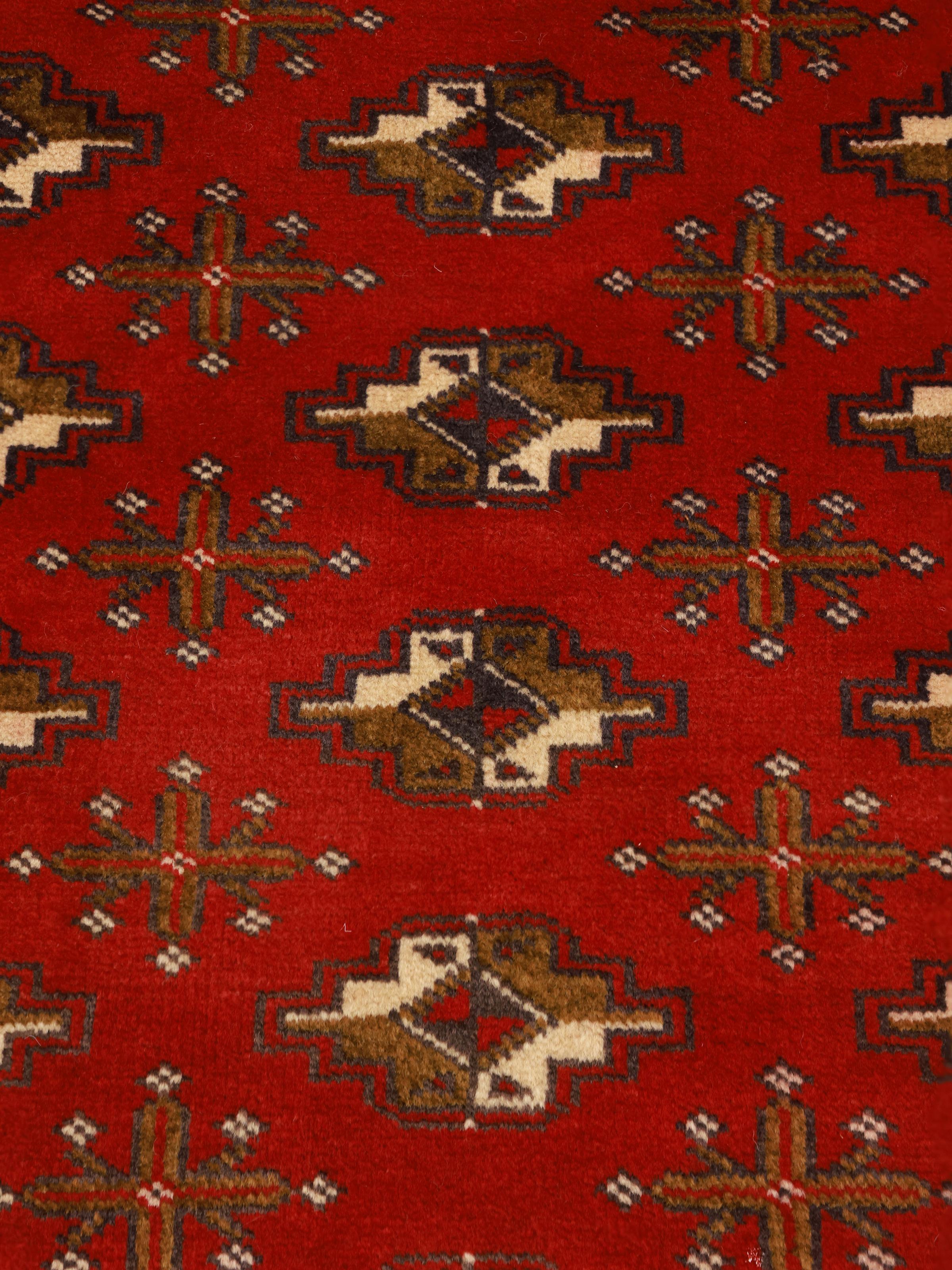
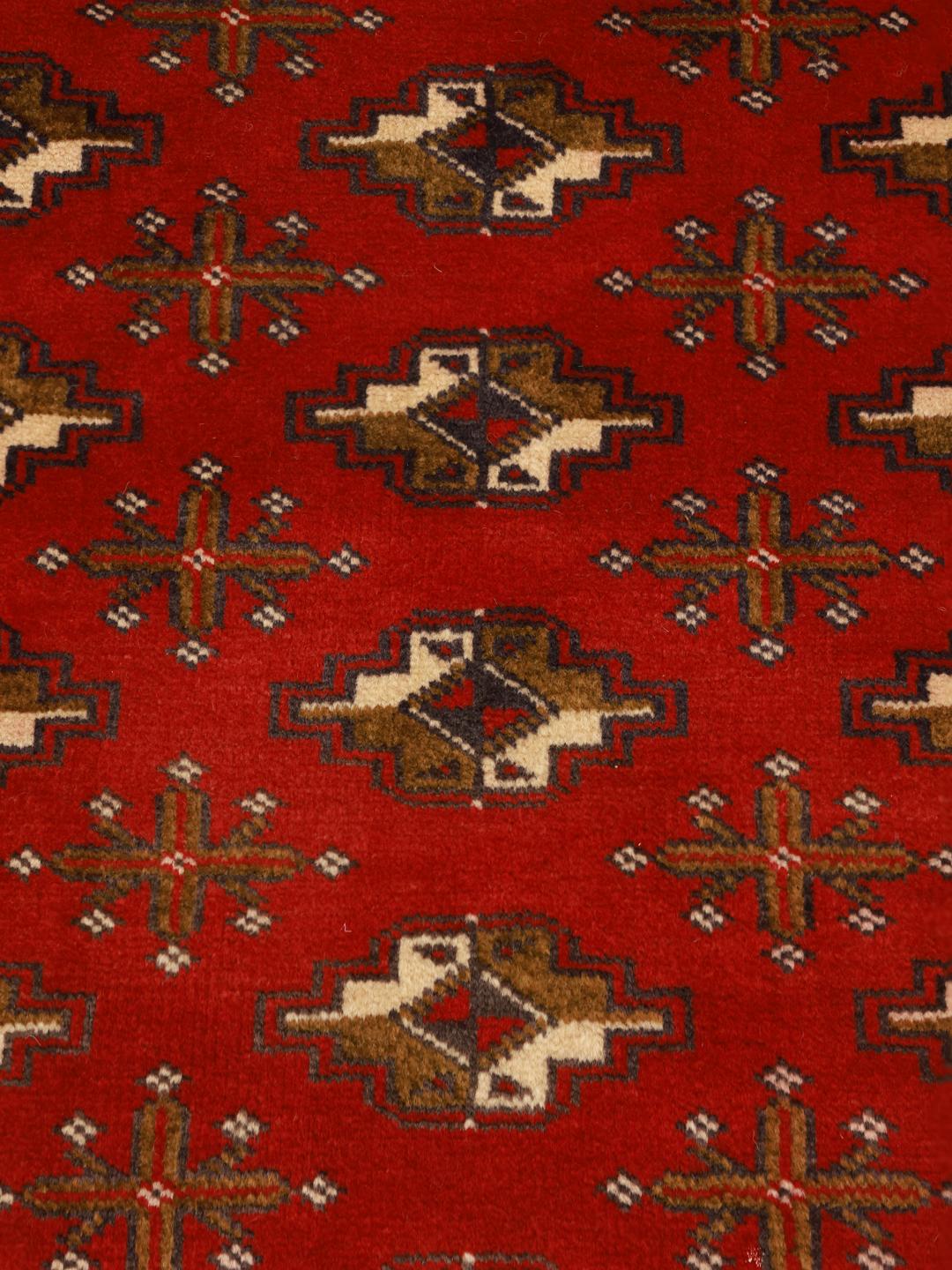
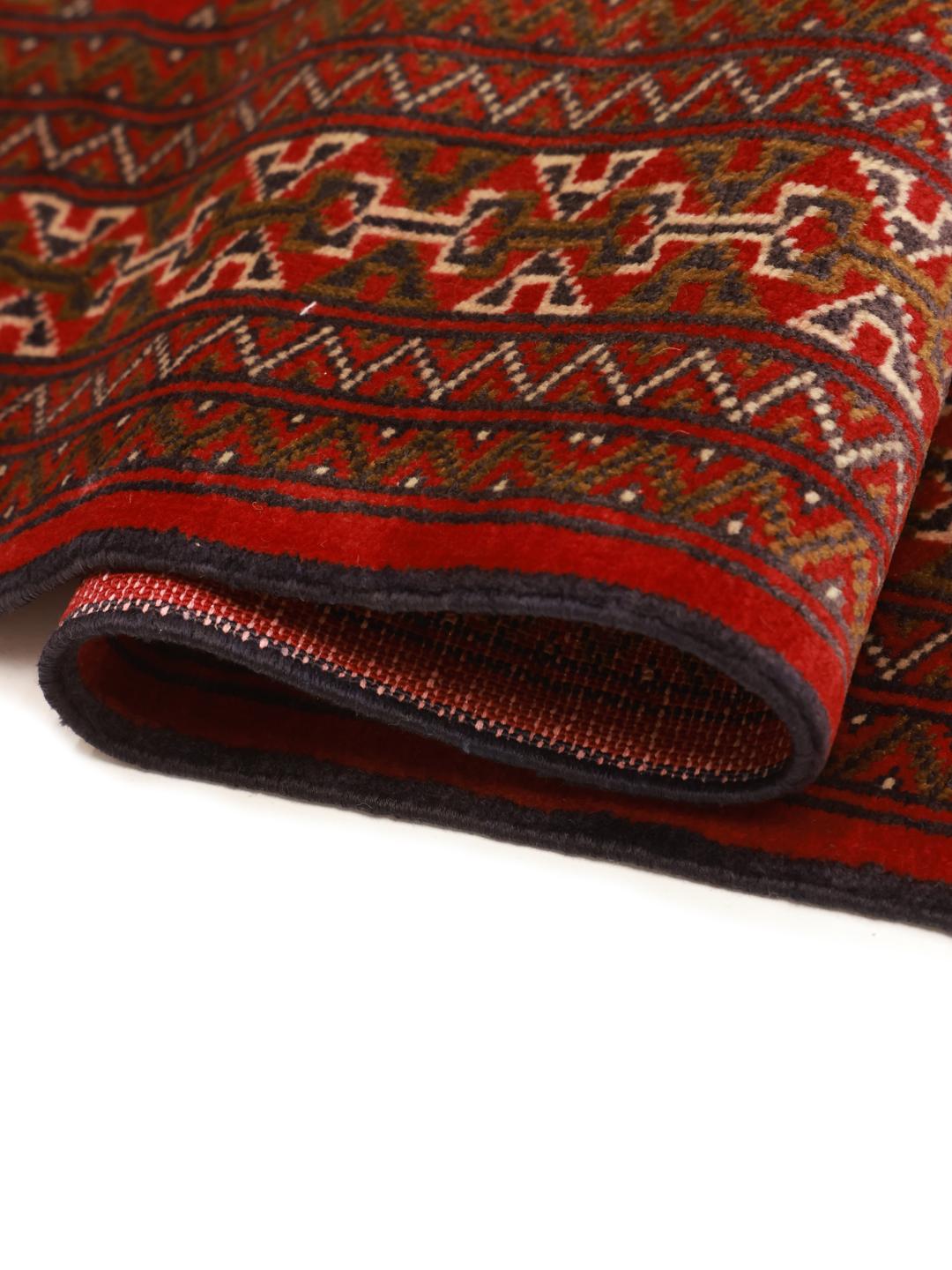
Visually, these rugs are defined by their use of repeating geometric motifs, most notably the gul, which is an octagonal emblem often arranged in rows. The field is typically dominated by rich, earthy shades of red, which provide a sense of warmth and continuity. The borders are usually intricate and formal, framing the central pattern with precision and balance.
Collecting a Turkaman rug is an investment in cultural heritage. These pieces are valued not only for their beauty but for the skill required to maintain the consistency of the pattern throughout the weaving process. Owning one means connecting your home to a long lineage of craft, ensuring that your space is filled with items that have real history and substance.