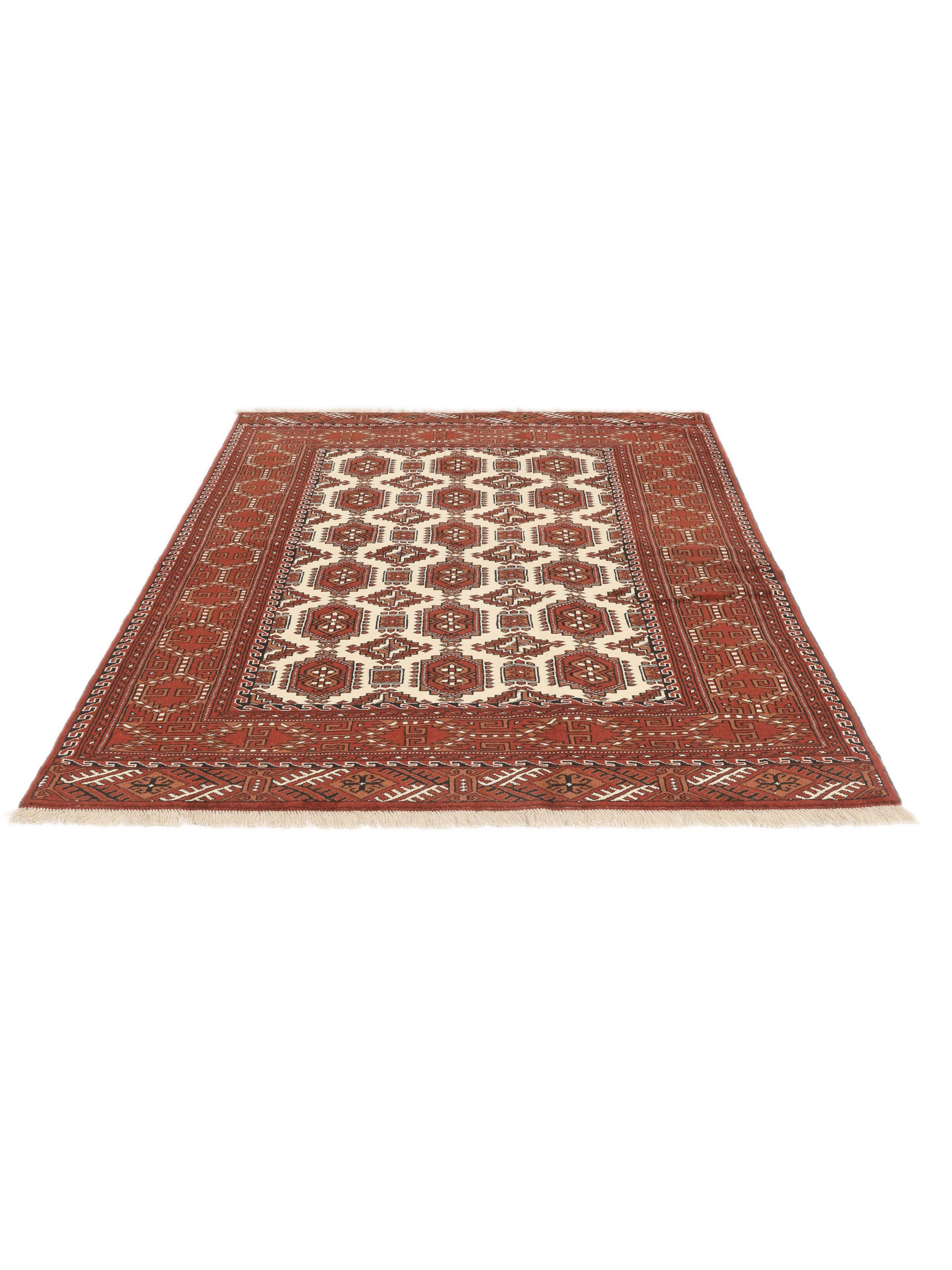
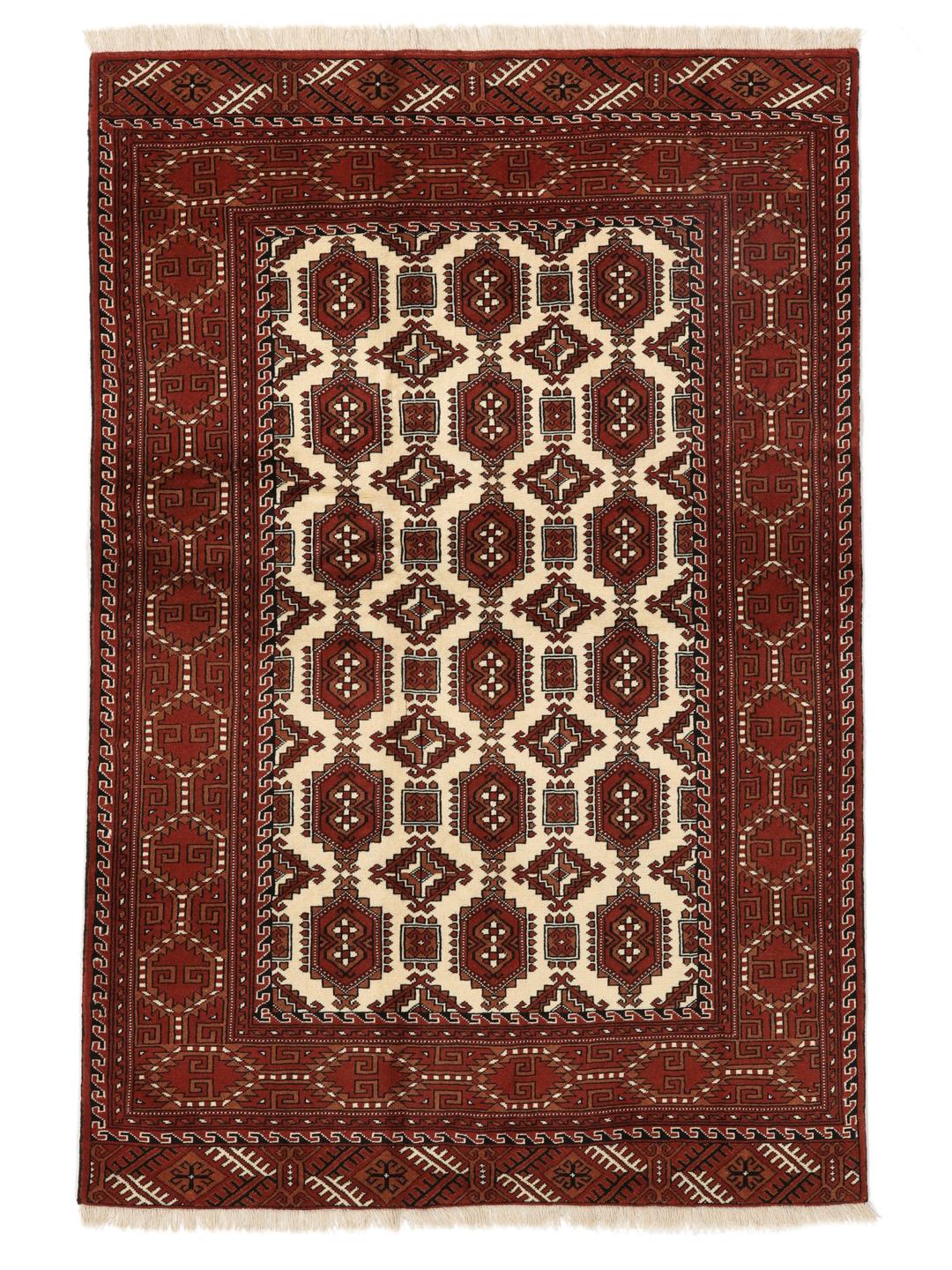
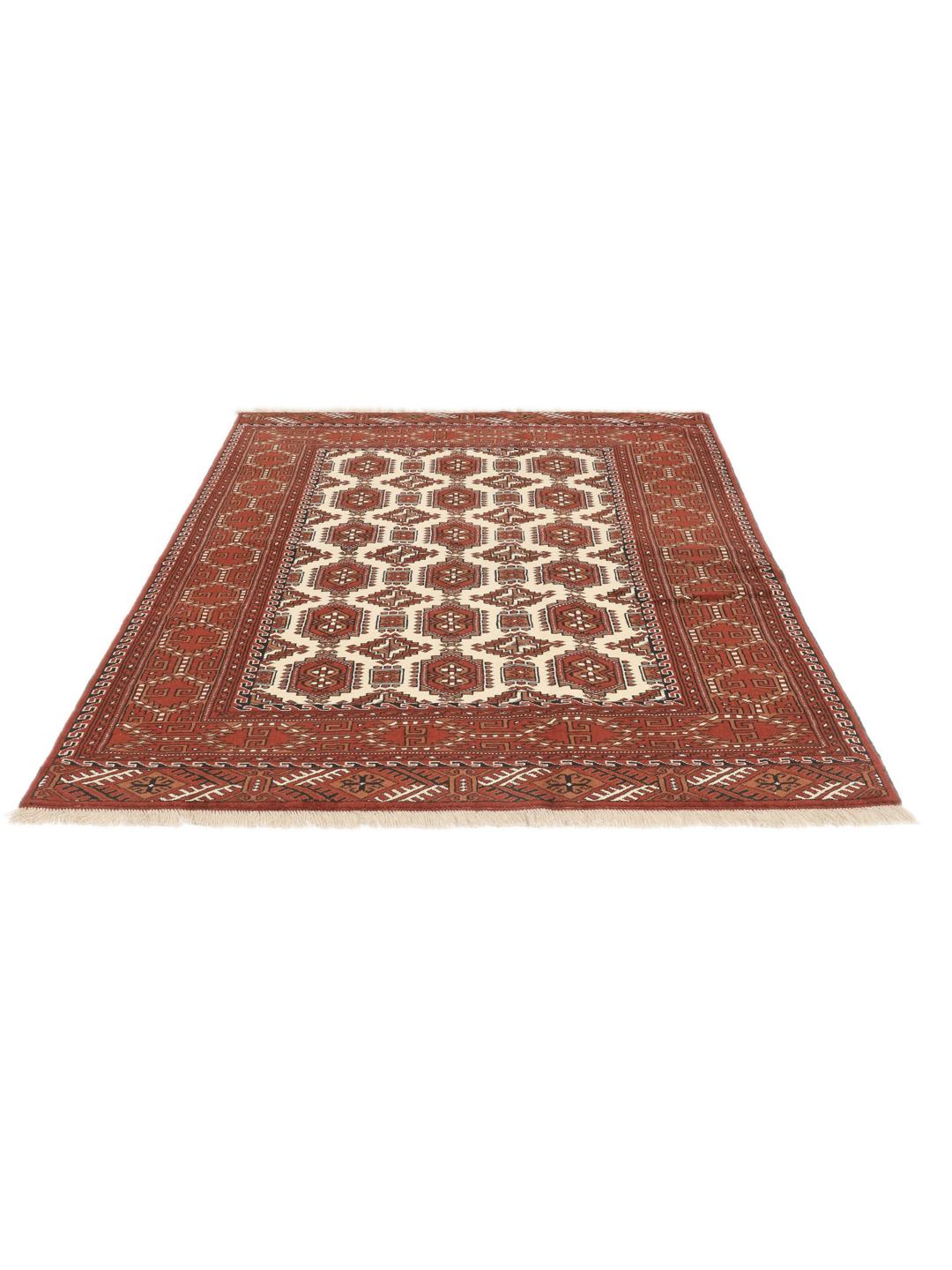
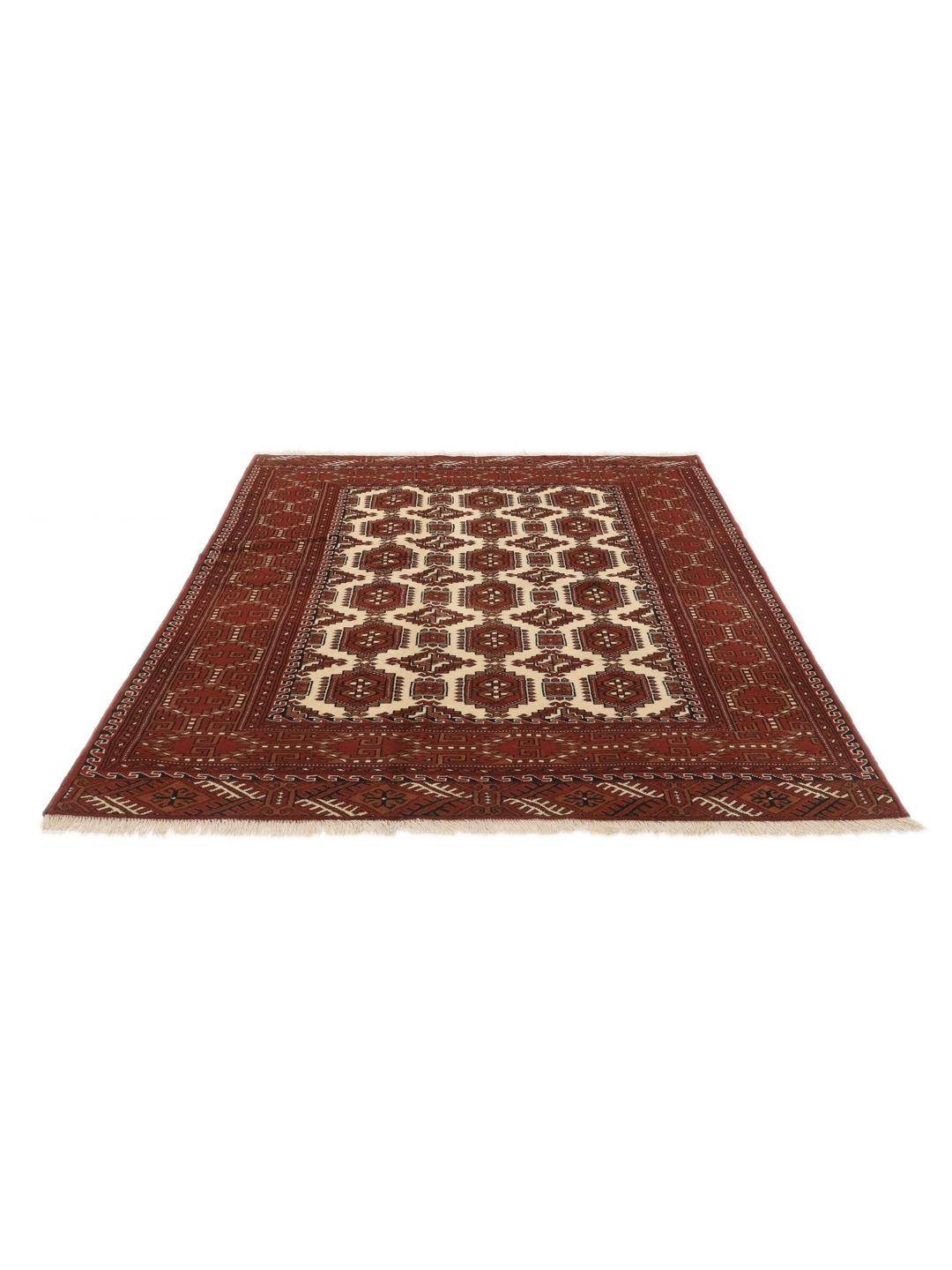
The Turkaman rug tradition finds its roots in the nomadic tribes of Central Asia, whose weaving practices have evolved over centuries. These rugs are renowned for their deep, earthy tones and precise, repeating geometric motifs. Today, this rich legacy is preserved by master weavers across the Middle East, who continue to honour the techniques passed down through generations of their ancestors.
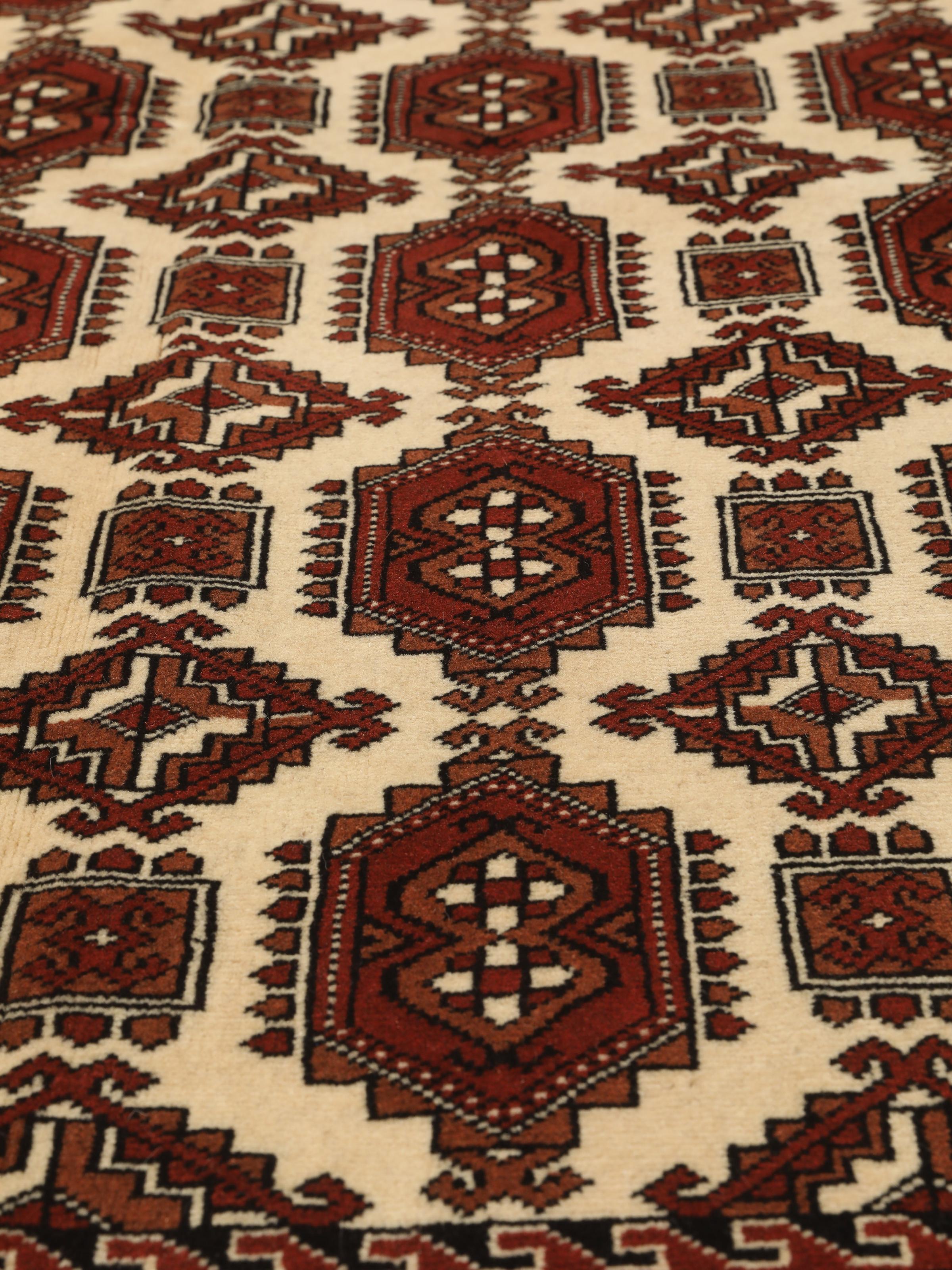
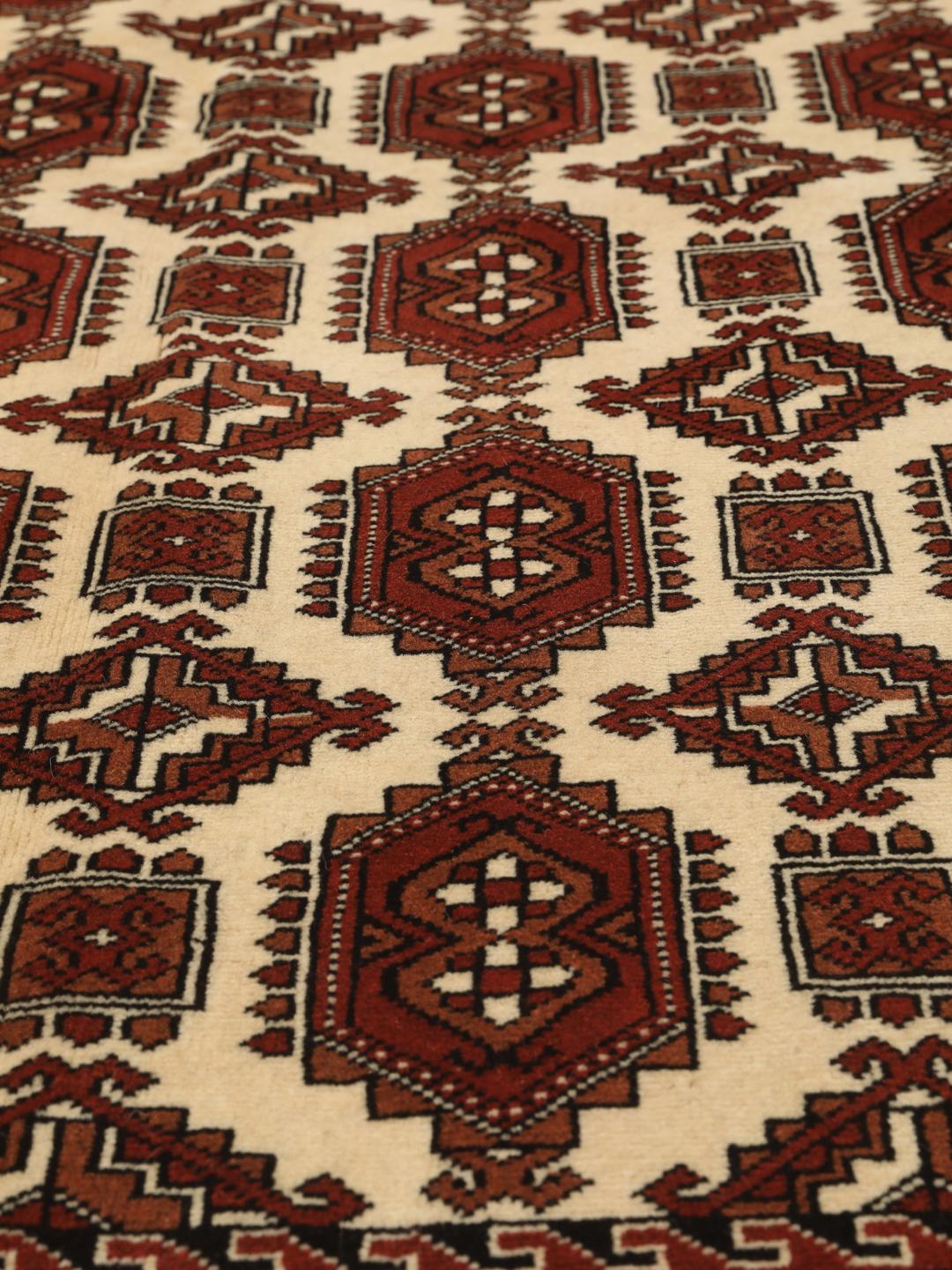
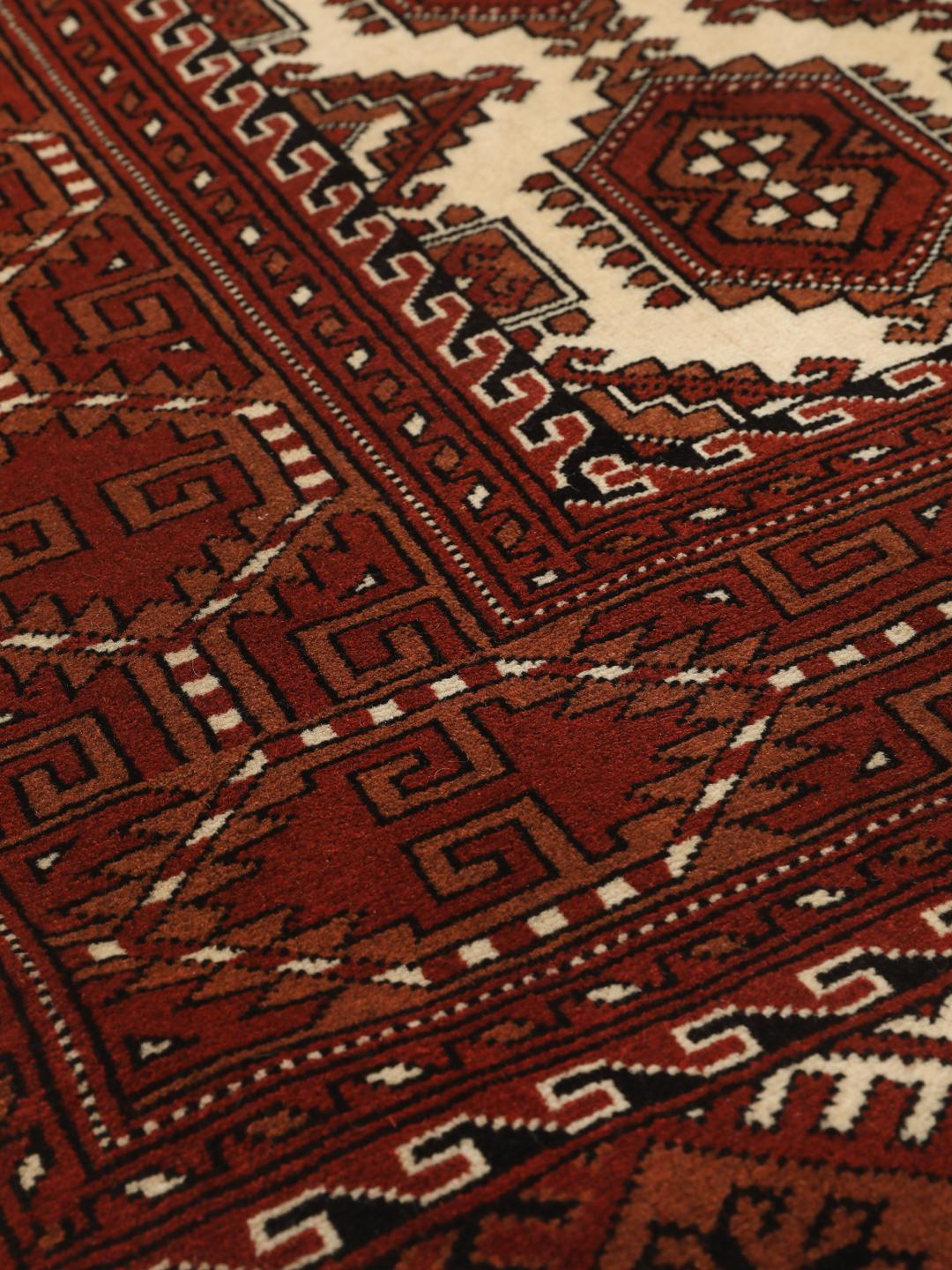
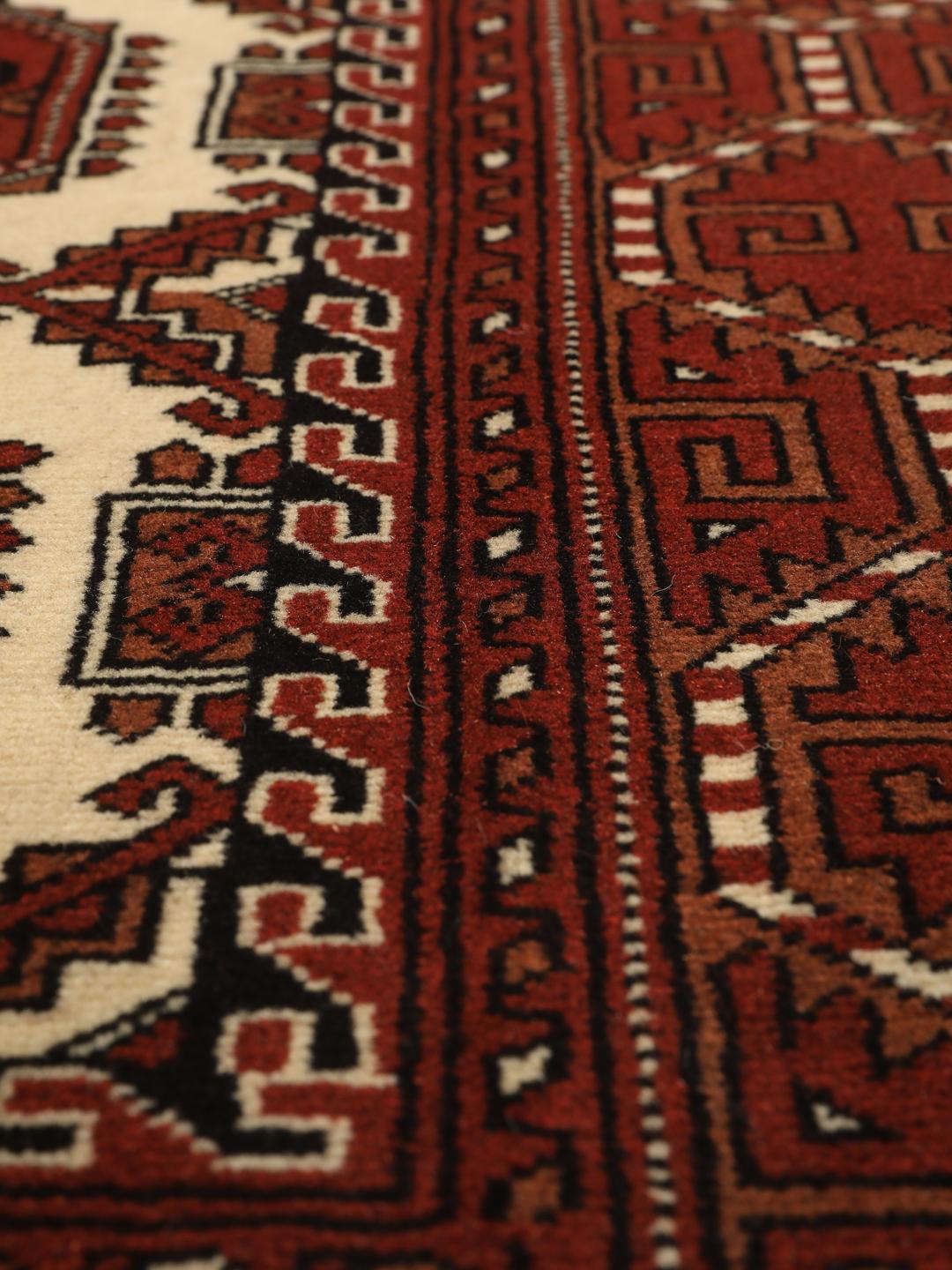
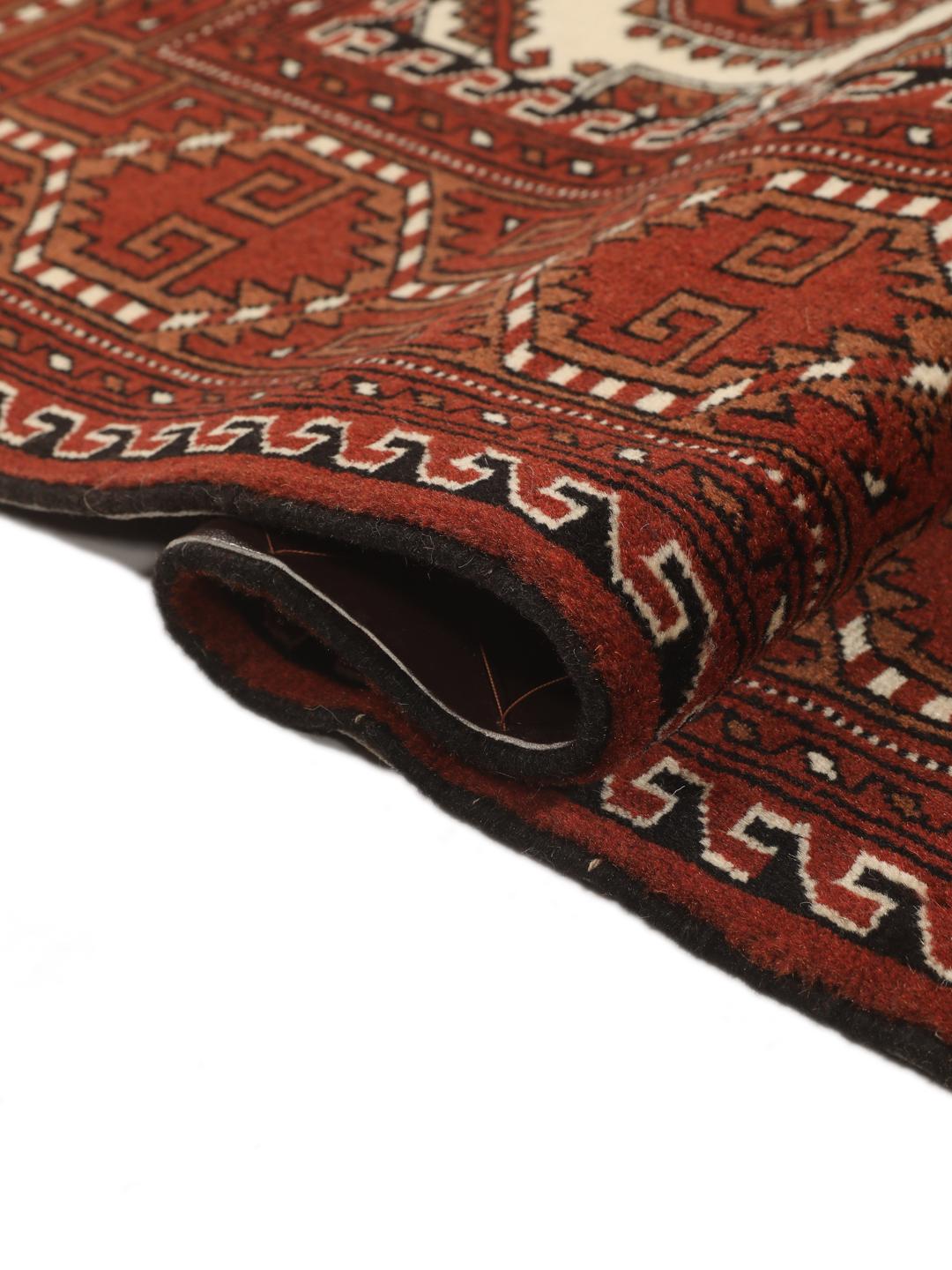
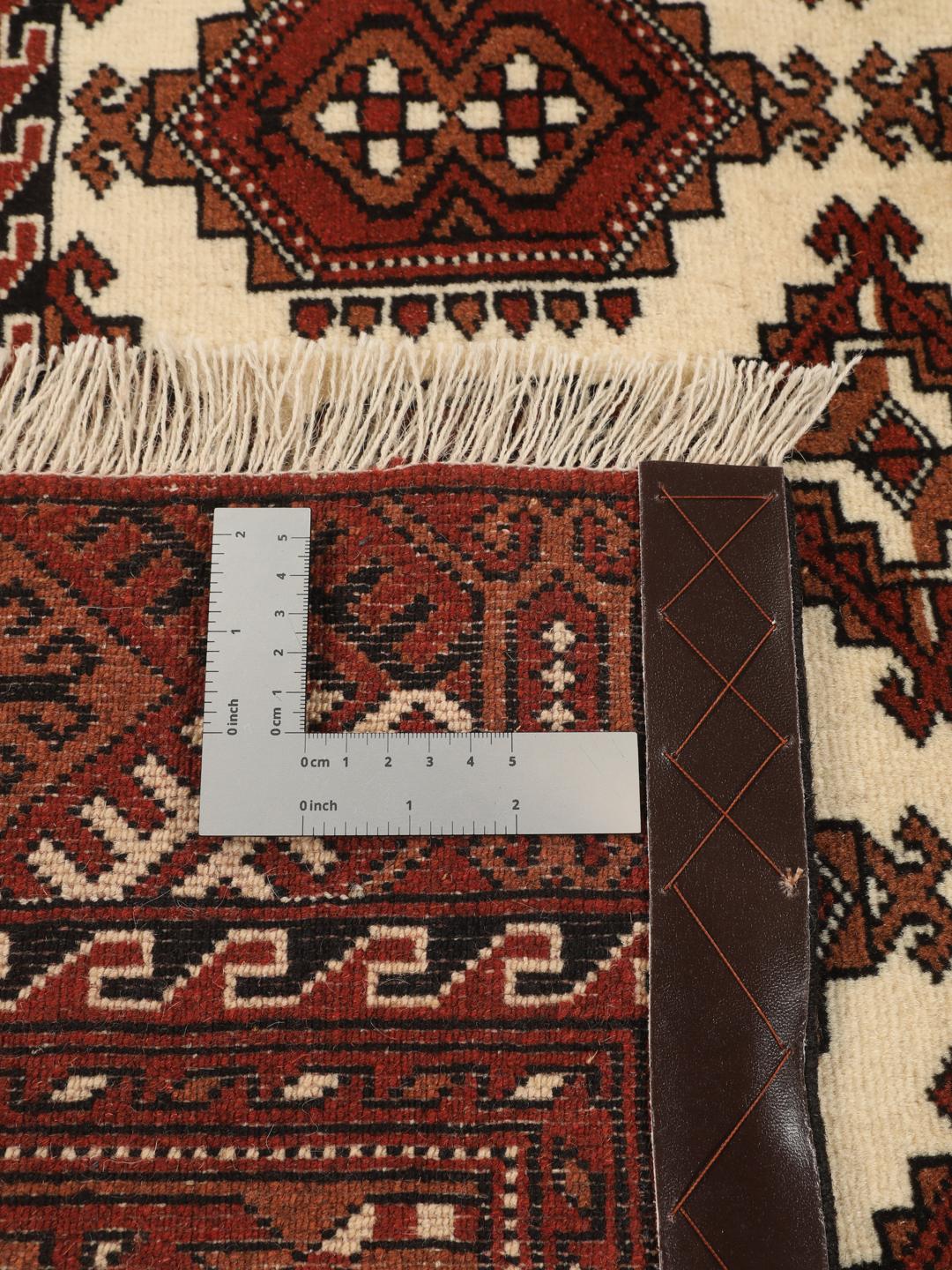
The defining characteristic of these rugs is the use of the gul—a stylised, repeating medallion that represents a tribal emblem. These motifs are often arranged in a rigorous grid, creating a sense of balance and harmony. The borders typically feature complex geometric patterns that frame the field, showcasing the weaver's ability to maintain perfect symmetry across the entire surface of the rug.
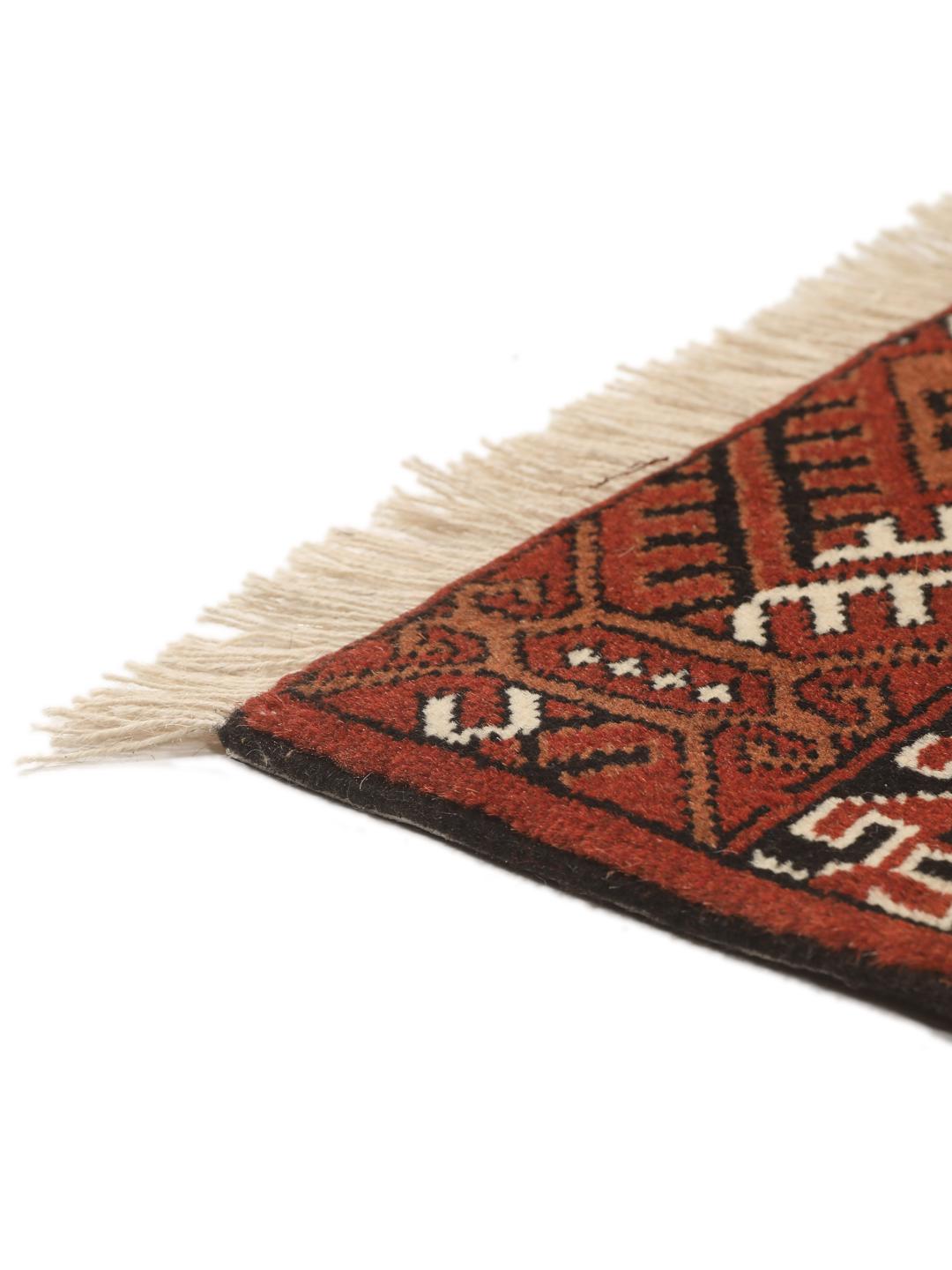
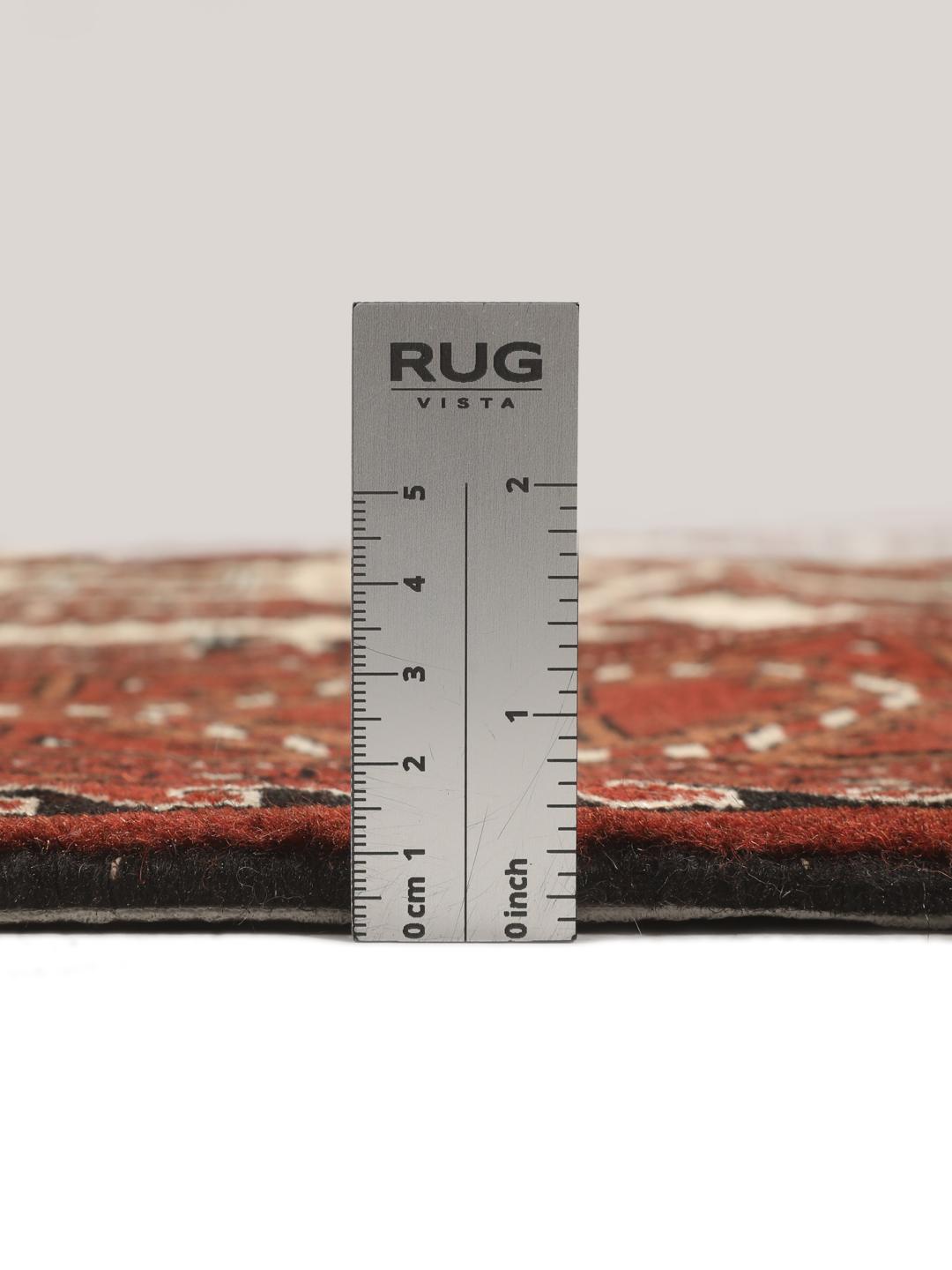
Technical excellence is at the heart of this tradition. The use of high-quality wool, combined with a dense, hand-knotted construction, ensures that these pieces are as durable as they are beautiful. The tight knotting allows for the intricate, sharp-edged patterns that are the hallmark of the Turkaman style, creating a visual depth that shifts and plays with the light in the room.
For collectors and homeowners alike, these rugs are valued not just for their aesthetic appeal, but for their cultural significance. Owning a piece from this tradition is an investment in a living craft that connects the modern home to ancient nomadic artistry. Each rug is a narrative of heritage, skill, and enduring quality that stands the test of time.