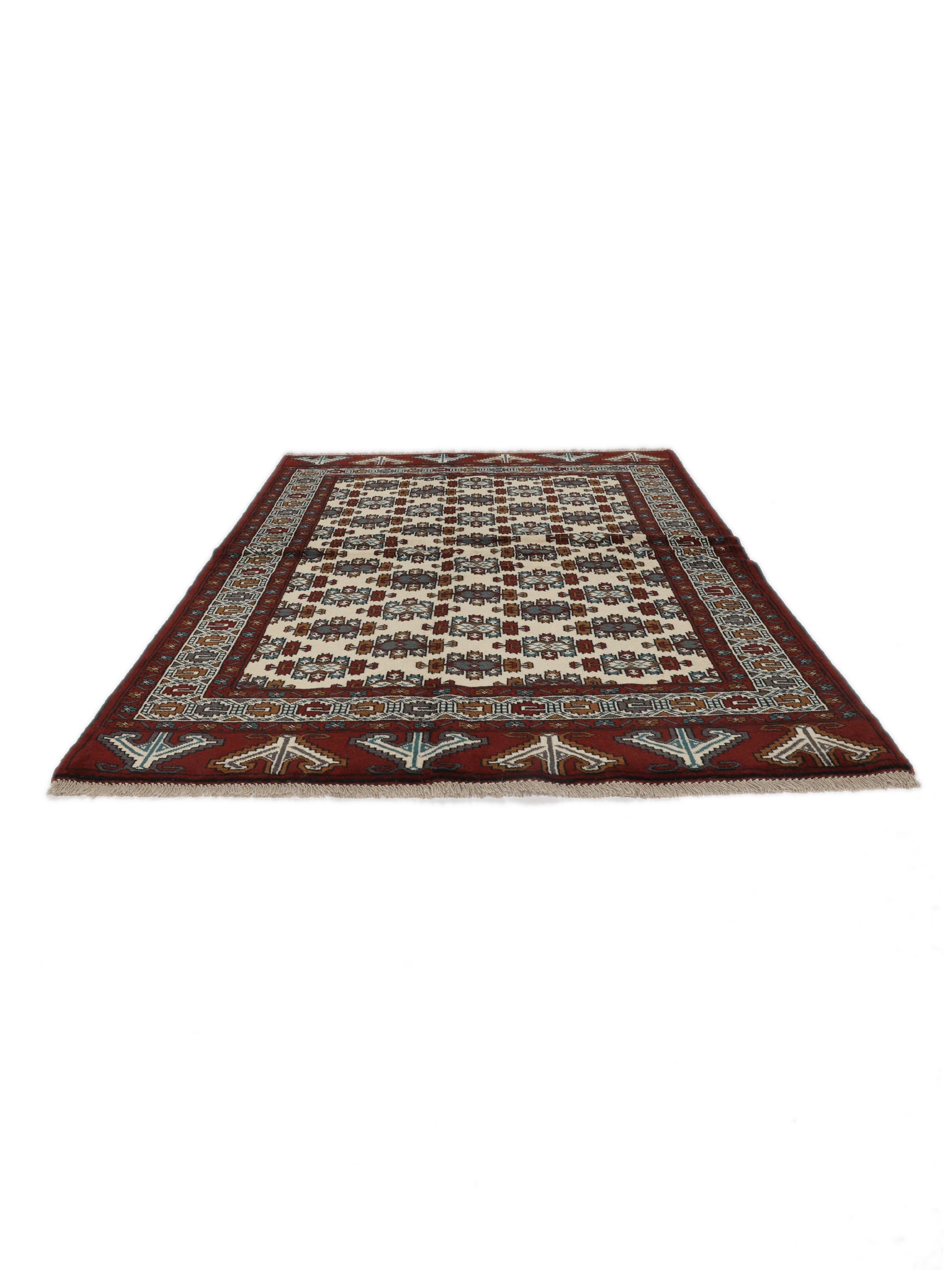
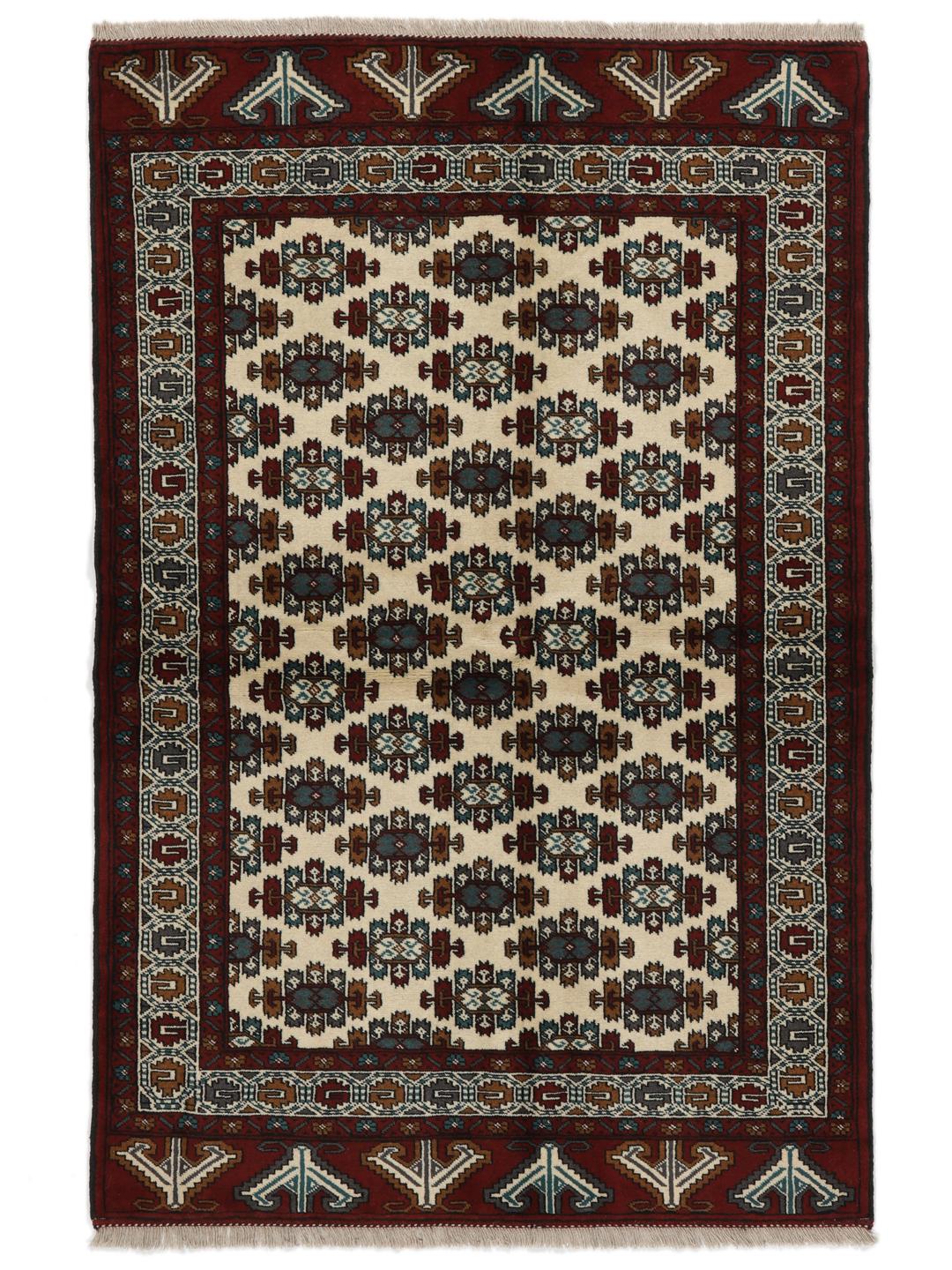
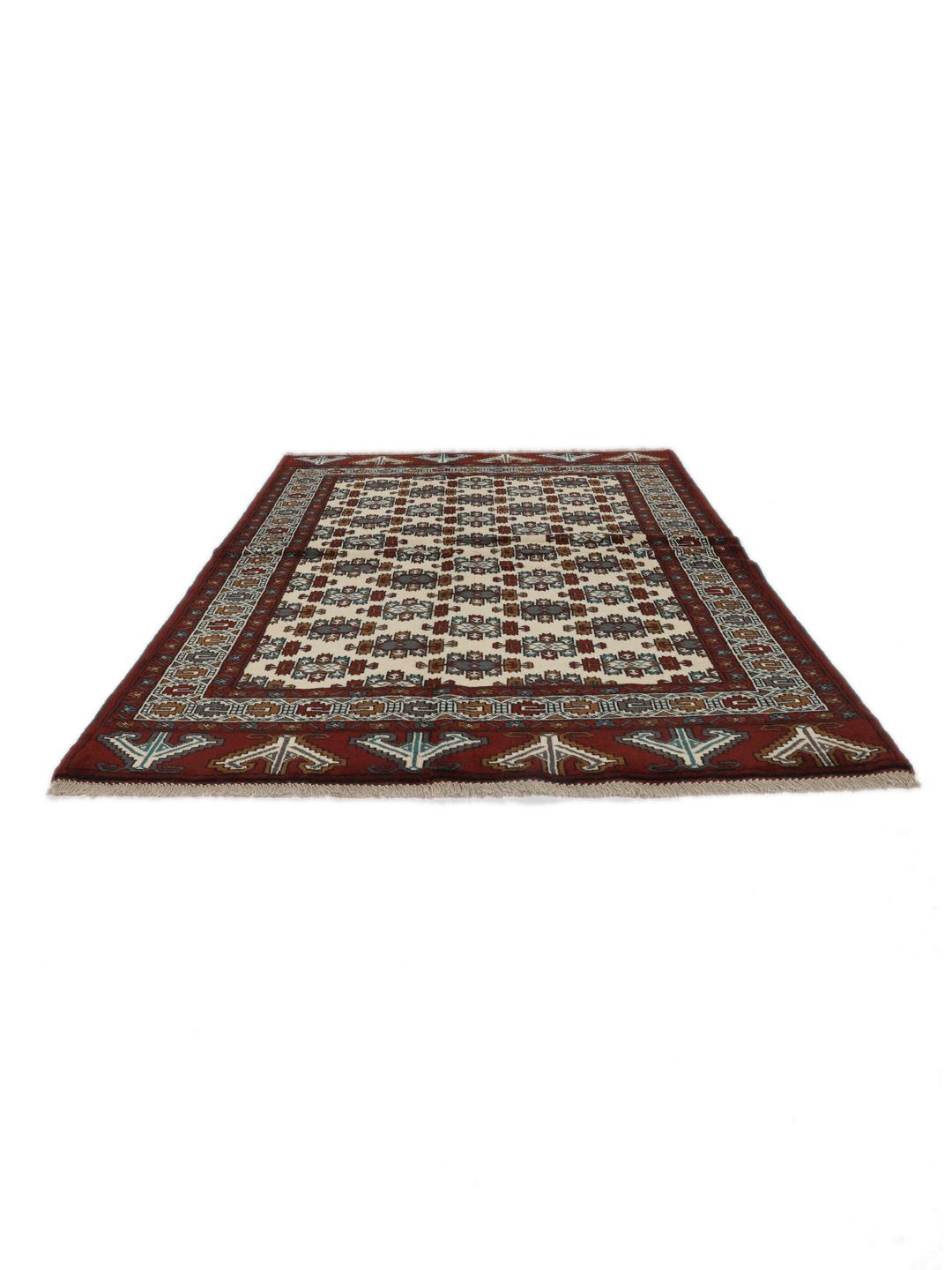
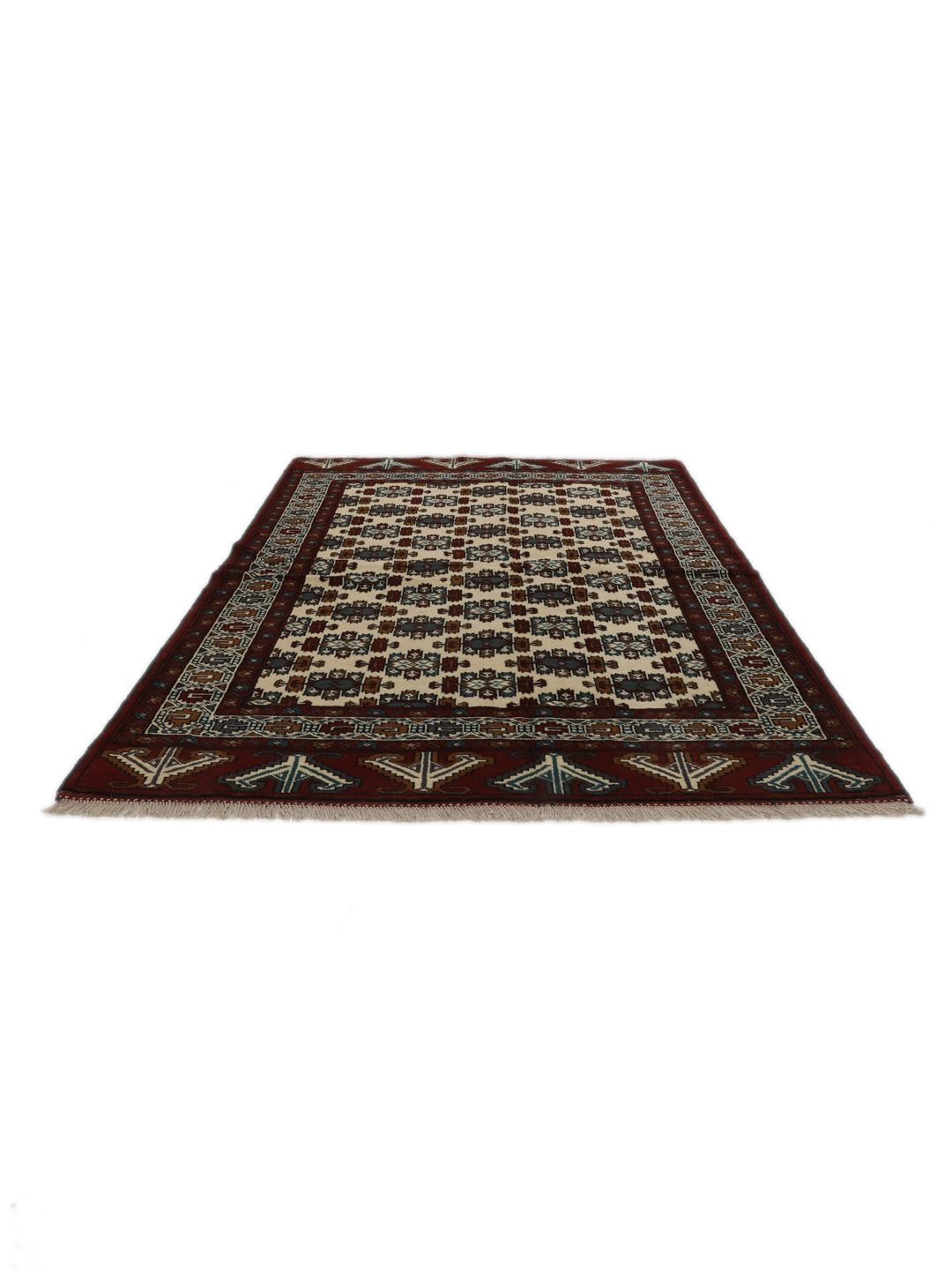
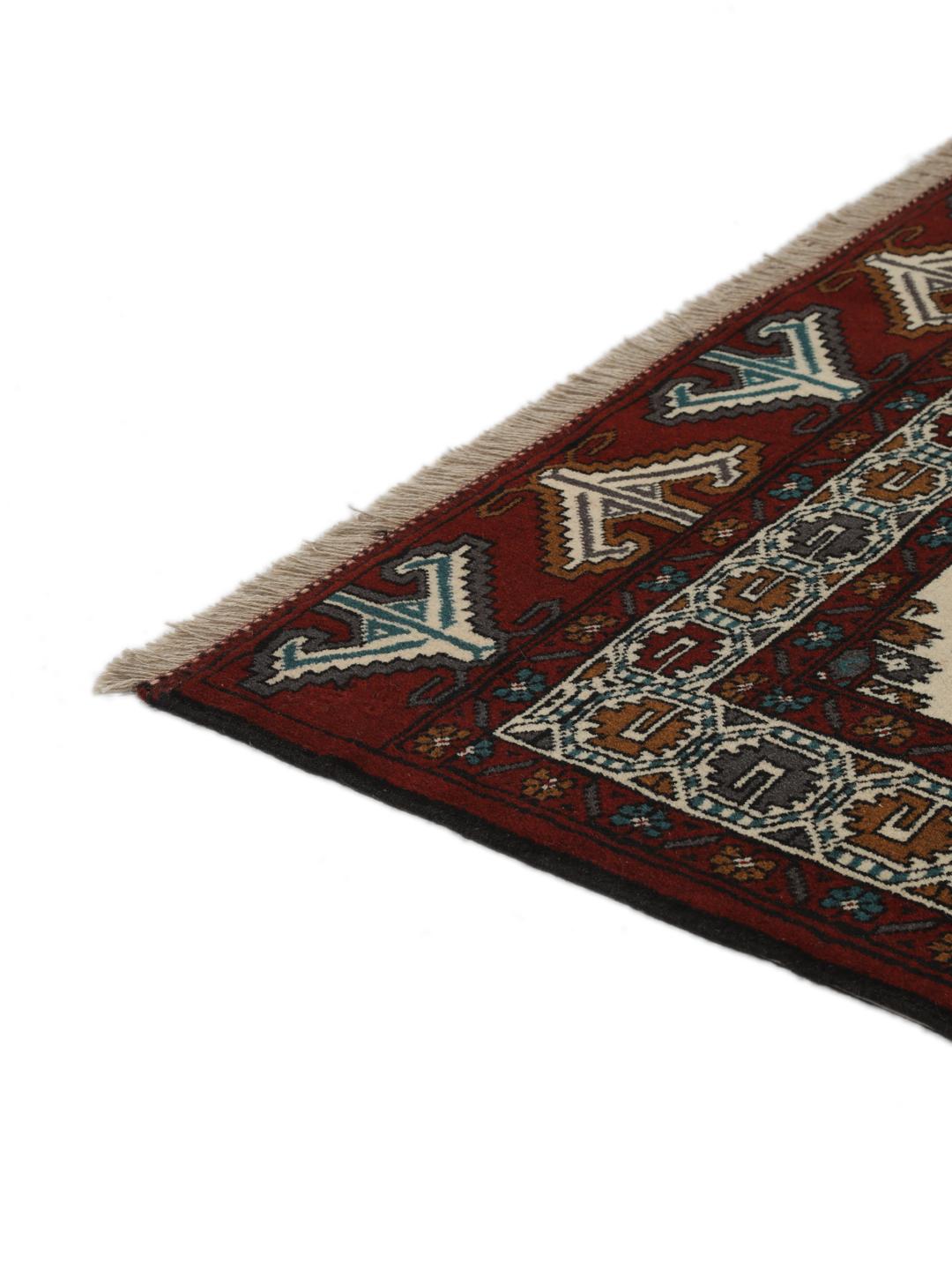
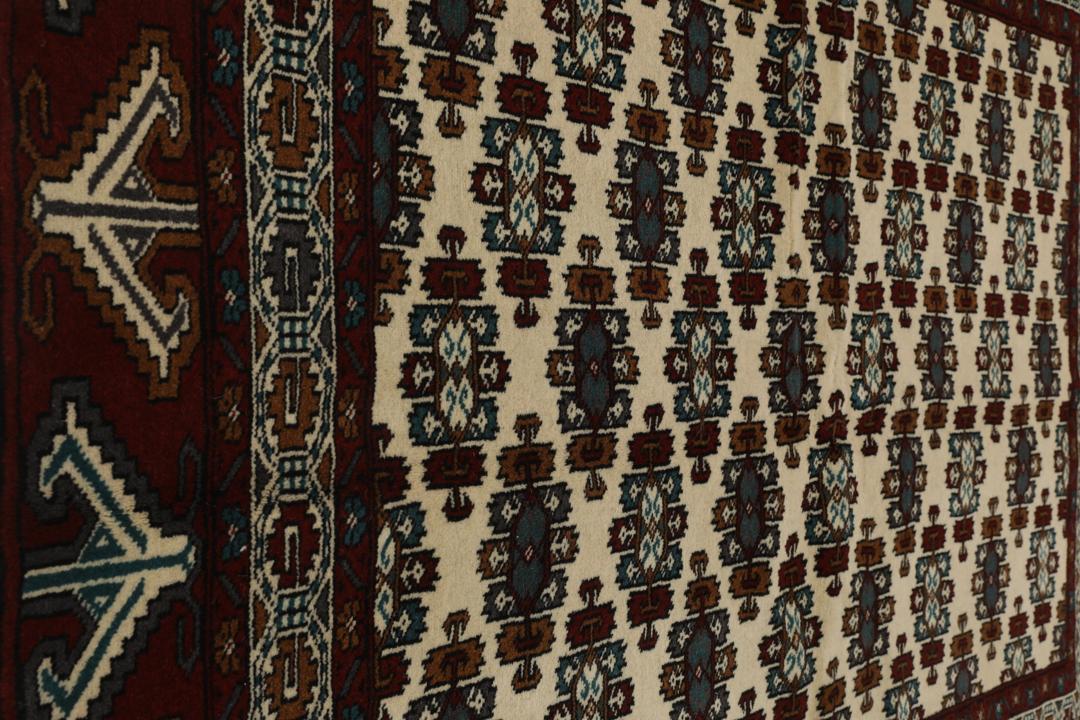
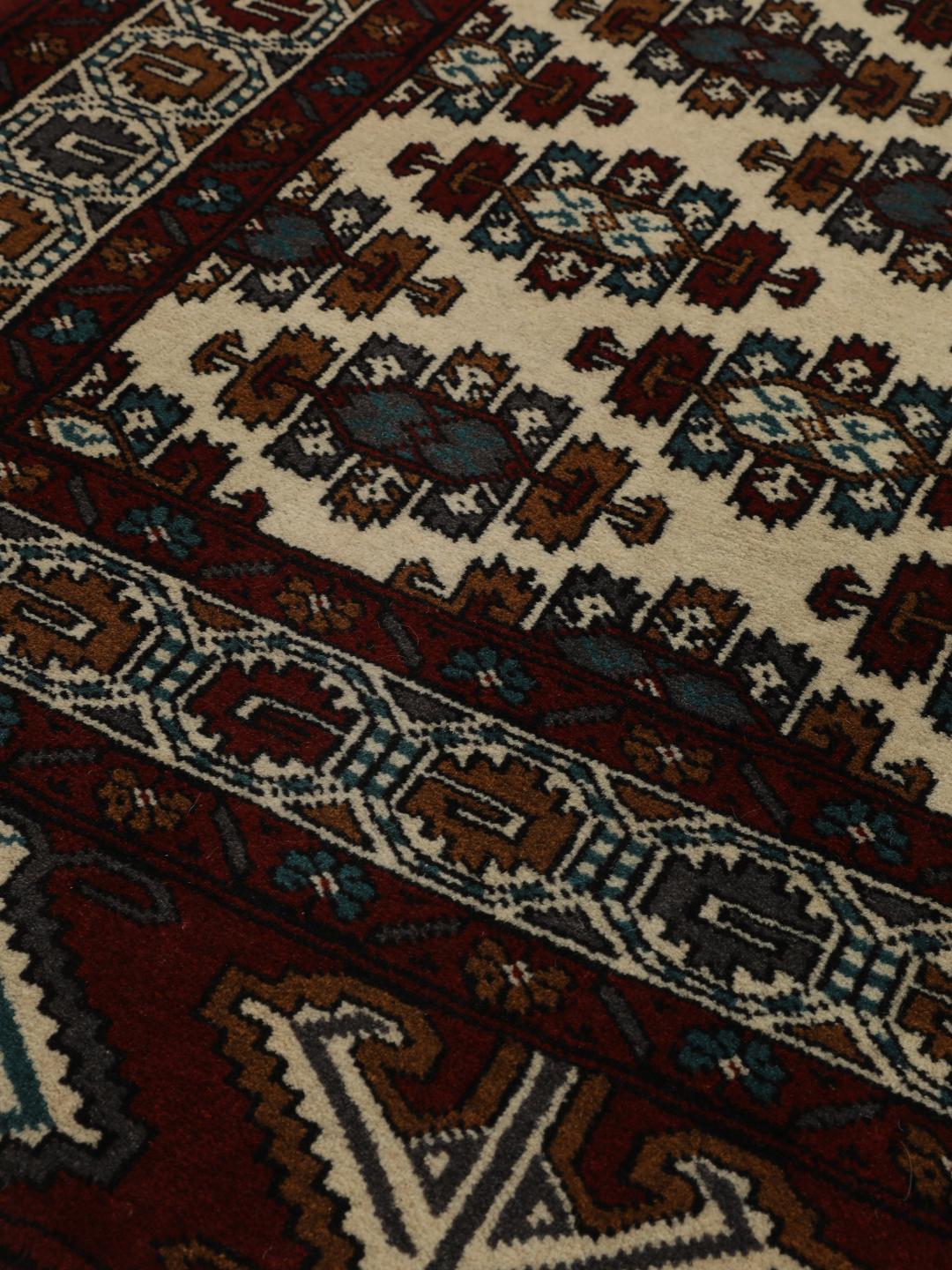
The Turkaman rug tradition finds its roots in the nomadic tribes of Central Asia, specifically among the Turkmen people. Over centuries, these weavers developed a highly distinctive visual language that travelled across the Middle East, adapting to new environments while maintaining the strict geometric discipline that defines the style.
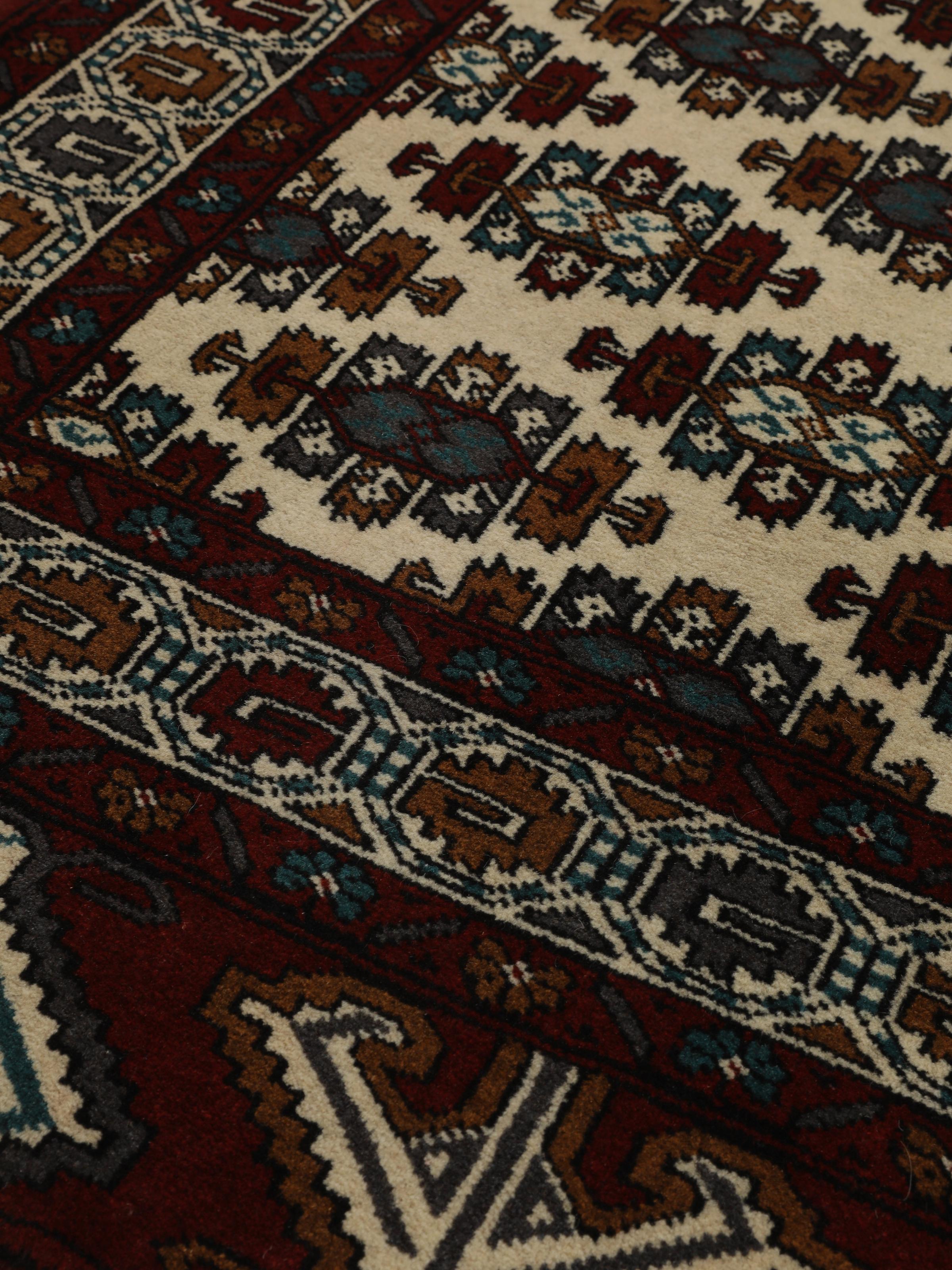
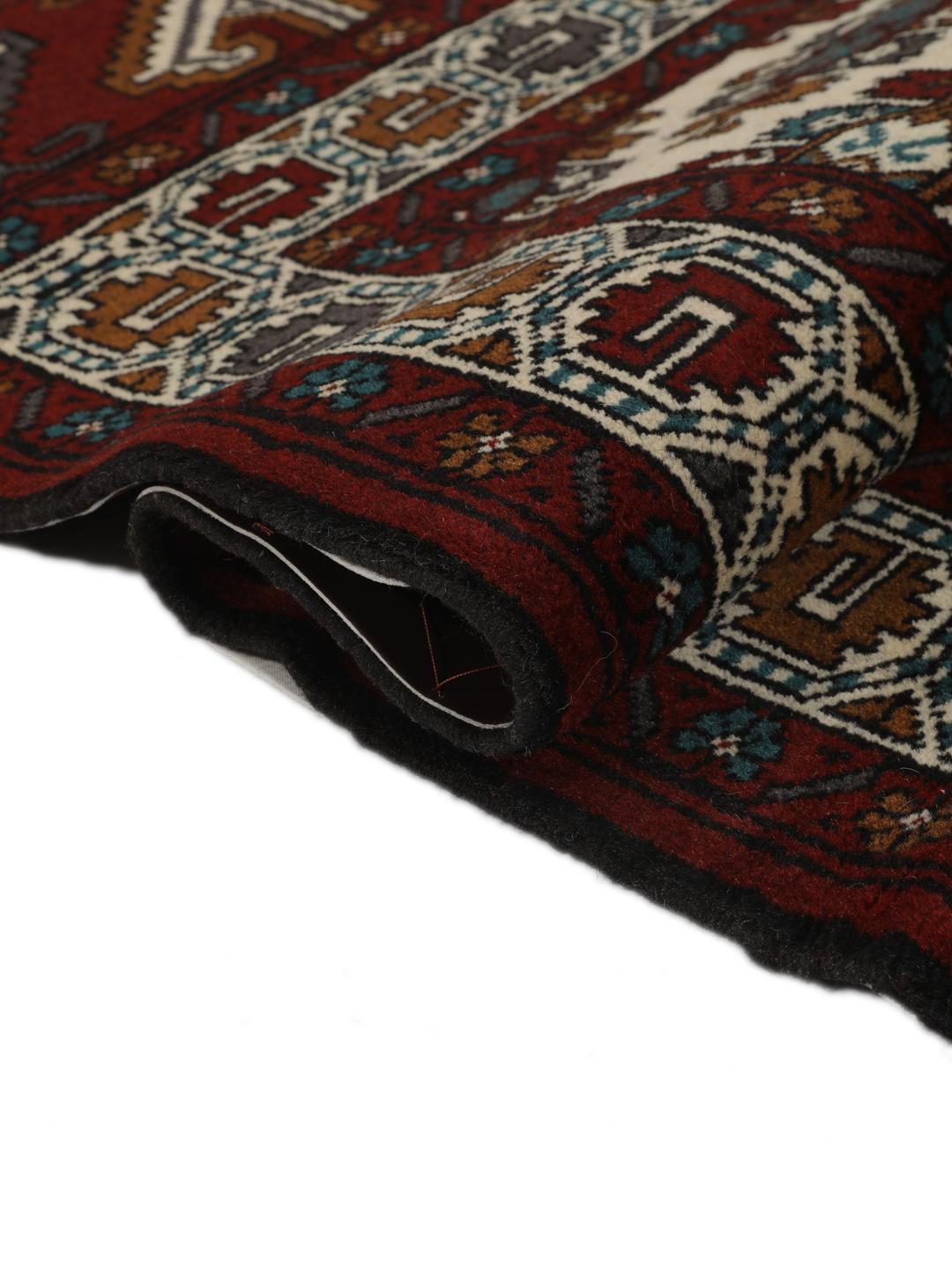
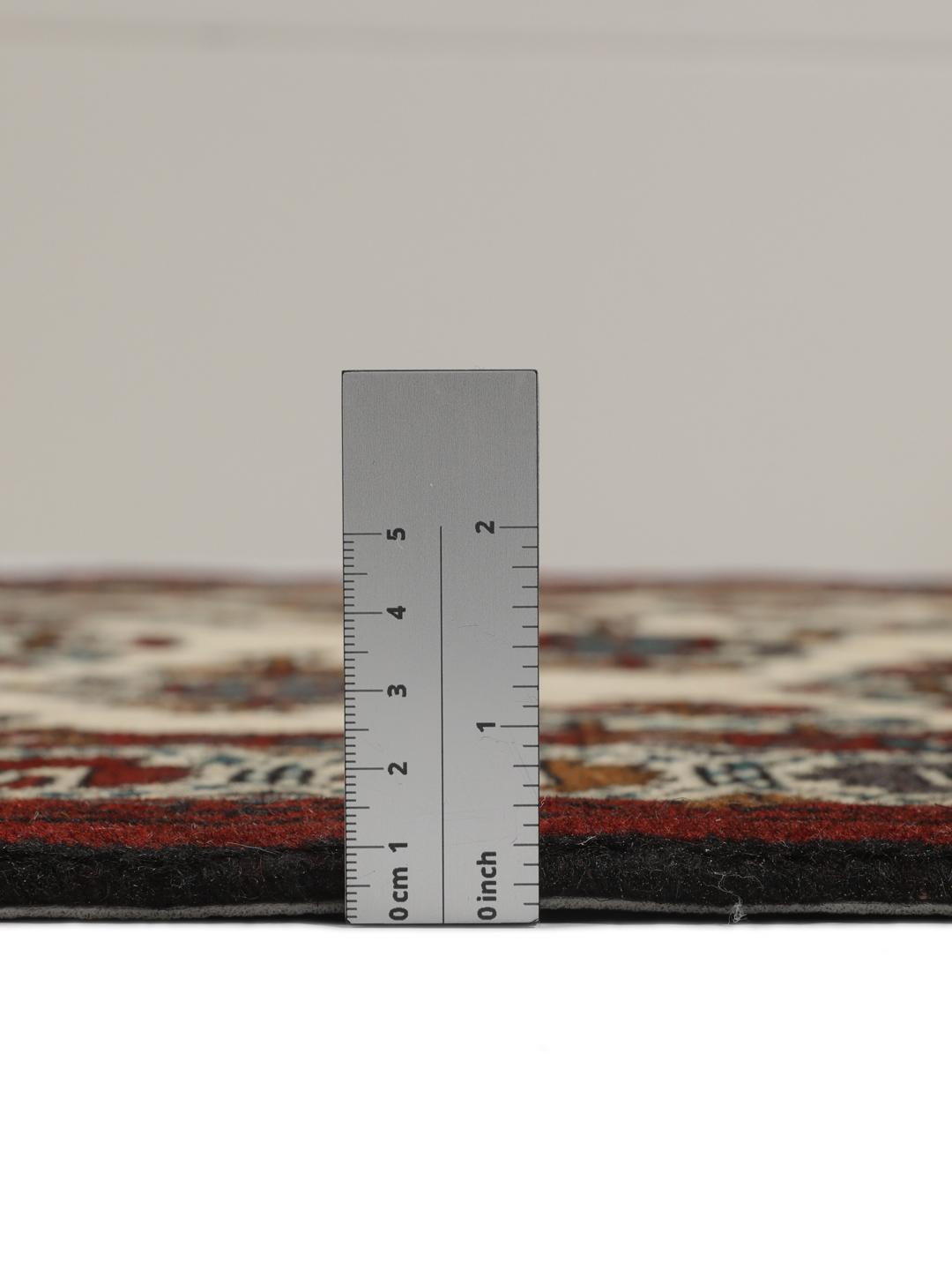
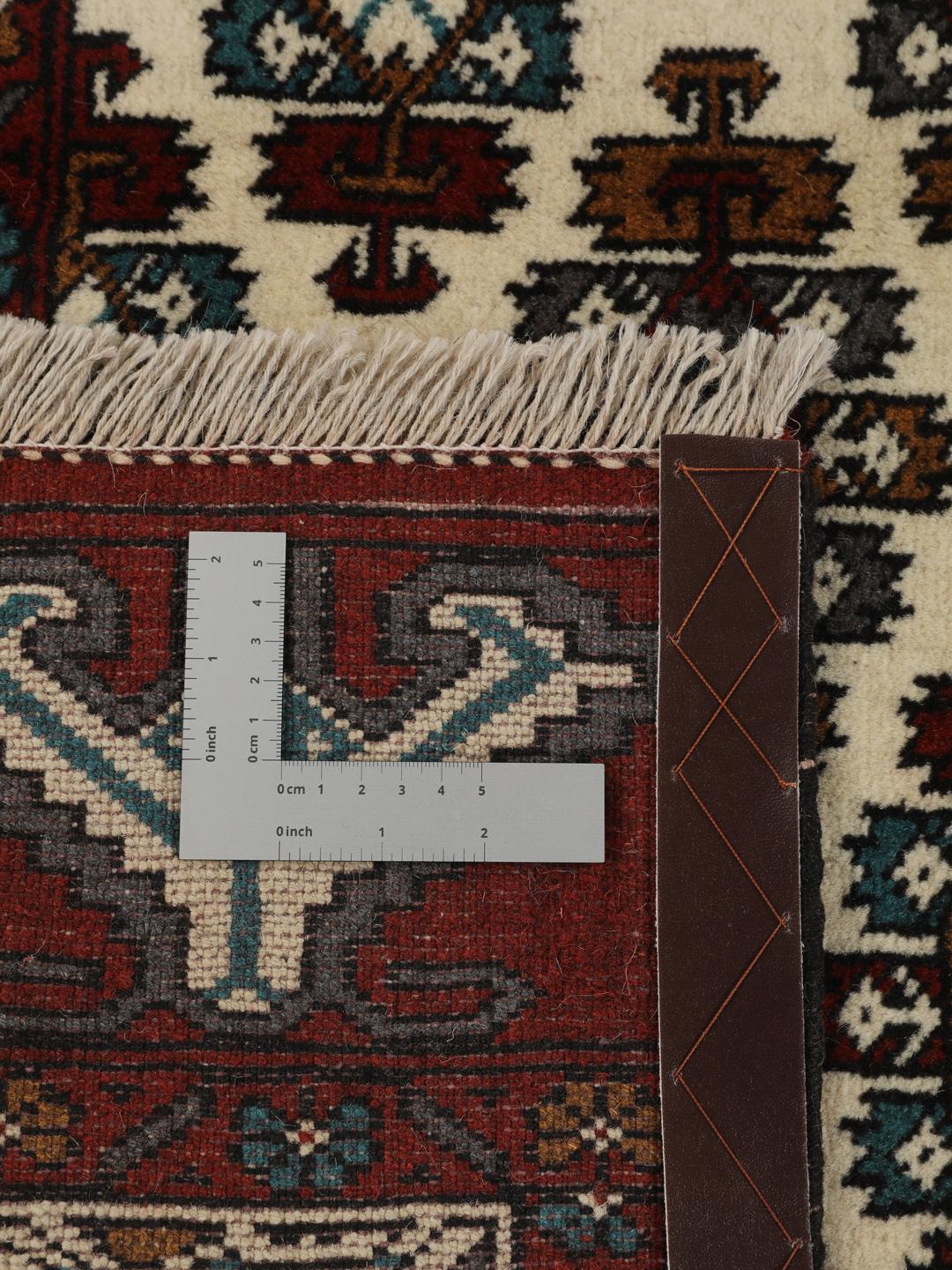
Technically, these rugs are celebrated for their use of high-quality wool, often featuring a foundation of cotton to ensure stability and structure. The term Turkaman refers to these specific tribal designs, which prioritise repeating motifs and a disciplined use of space, resulting in a balanced, rhythmic appearance that is instantly recognisable to collectors.
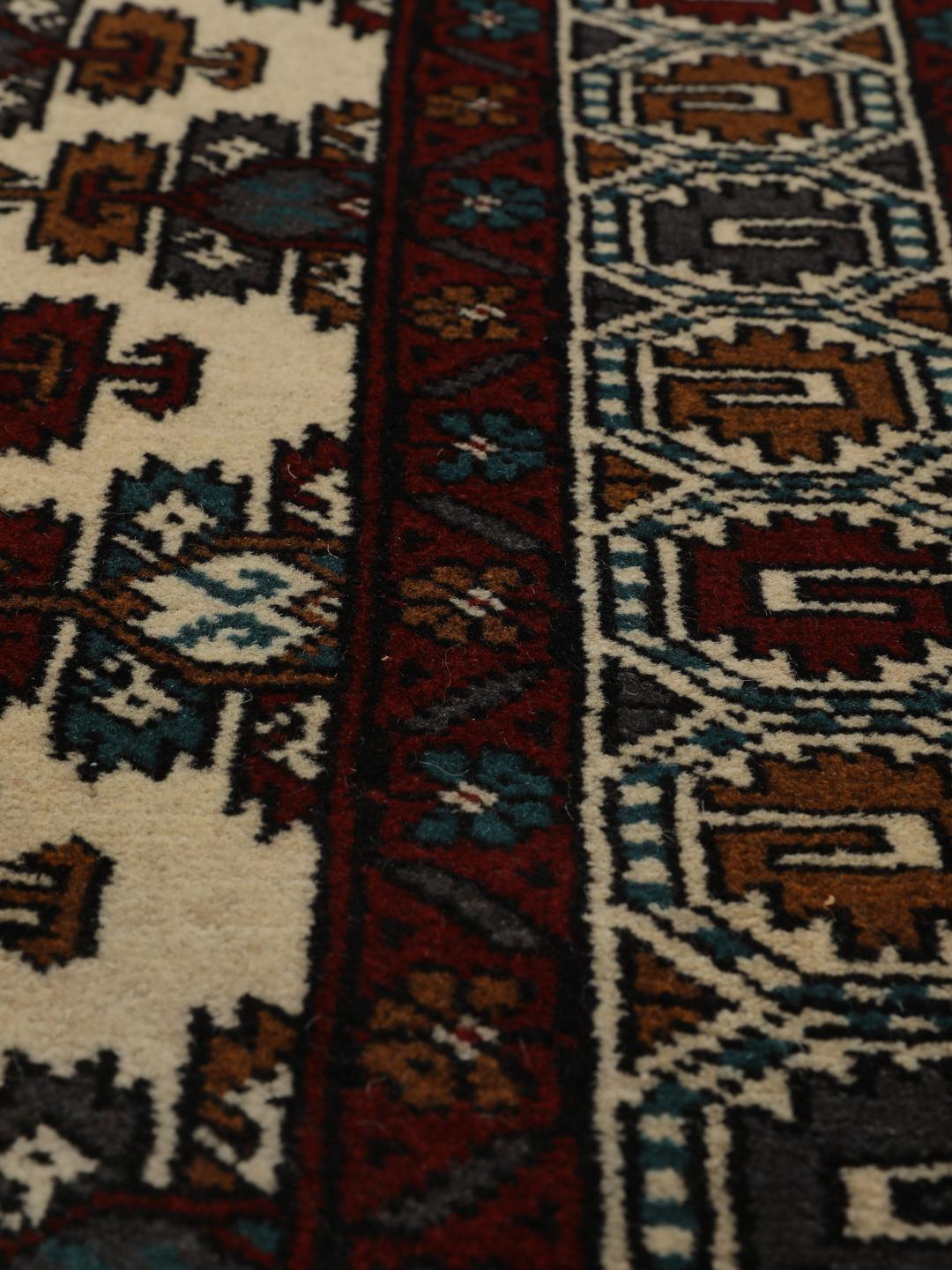
The signature design element of the Turkaman is the 'gul'—a repeating, octagonal medallion that often represents the specific clan or tribe of the weaver. These guls are typically arranged in orderly, repetitive rows across the field, framed by complex, decorative borders that often feature latch-hook or serrated motifs, adding layers of visual depth to the overall composition.
Owning a Turkaman rug is an investment in cultural heritage. These pieces are highly valued by collectors for their consistency, the depth of their symbolic patterns, and the remarkable skill required to produce them. By bringing one into your home, you are continuing a tradition of craft that spans generations and represents a deep connection to the history of nomadic art.