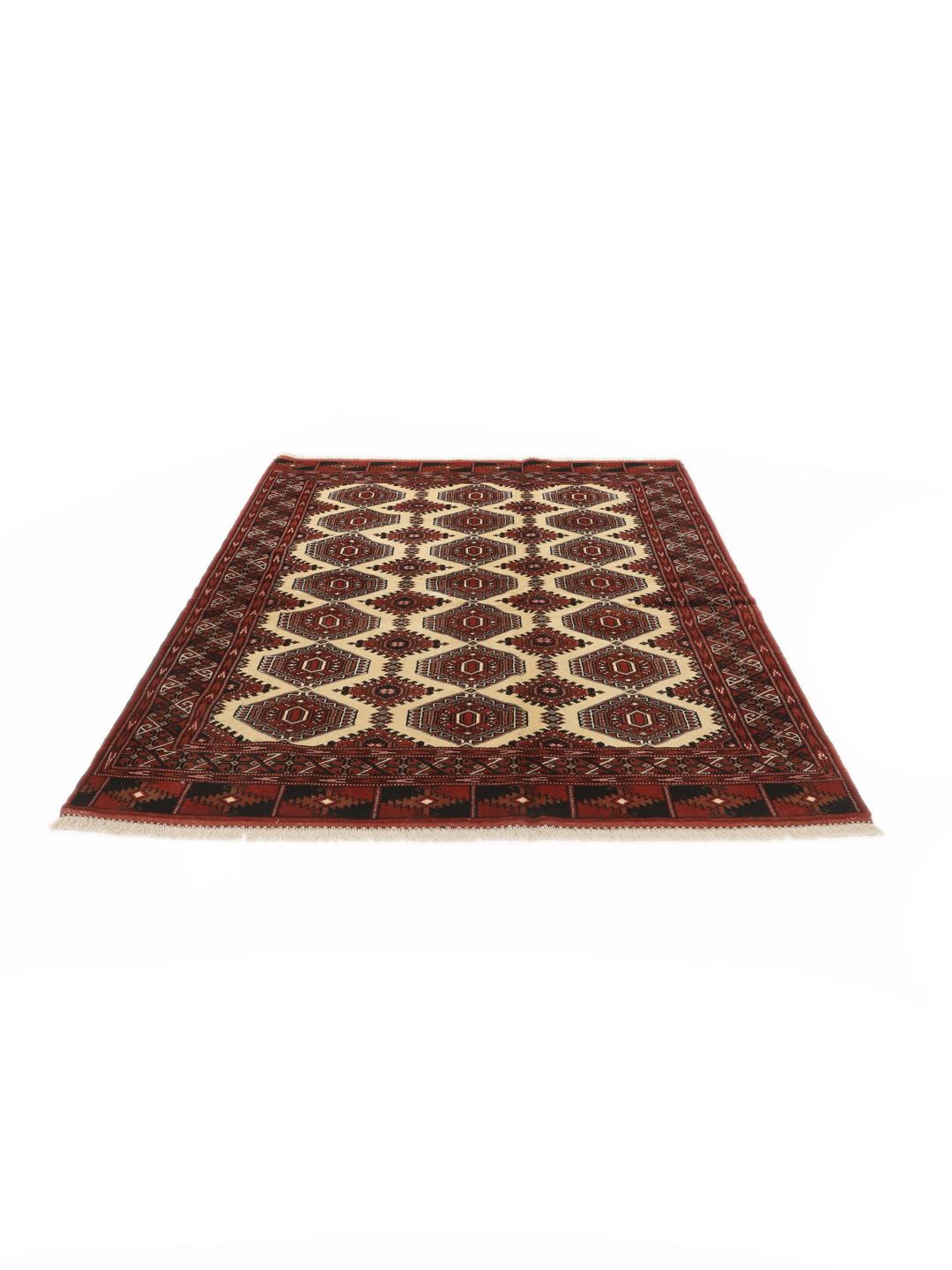
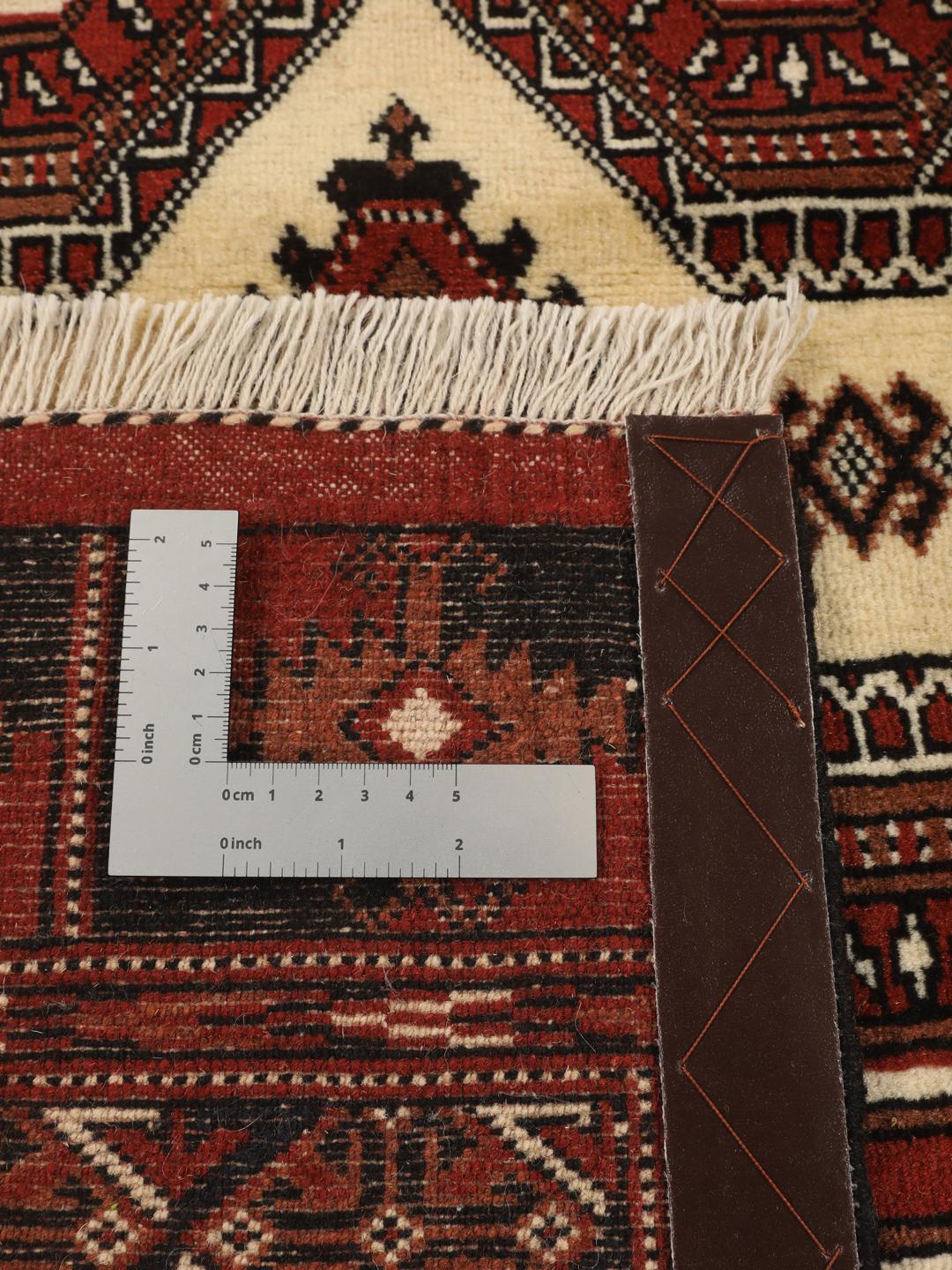
Turkaman rugs originate from the nomadic tribes of Central Asia, a region with a storied history of weaving that stretches back centuries. These rugs were traditionally created to serve both functional and decorative purposes in the nomadic lifestyle, often used as floor coverings, tent decorations, or saddlebags. Over time, these designs migrated and evolved as trade routes connected remote tribal centres with broader markets, refining the aesthetic while preserving the soul of the craft.
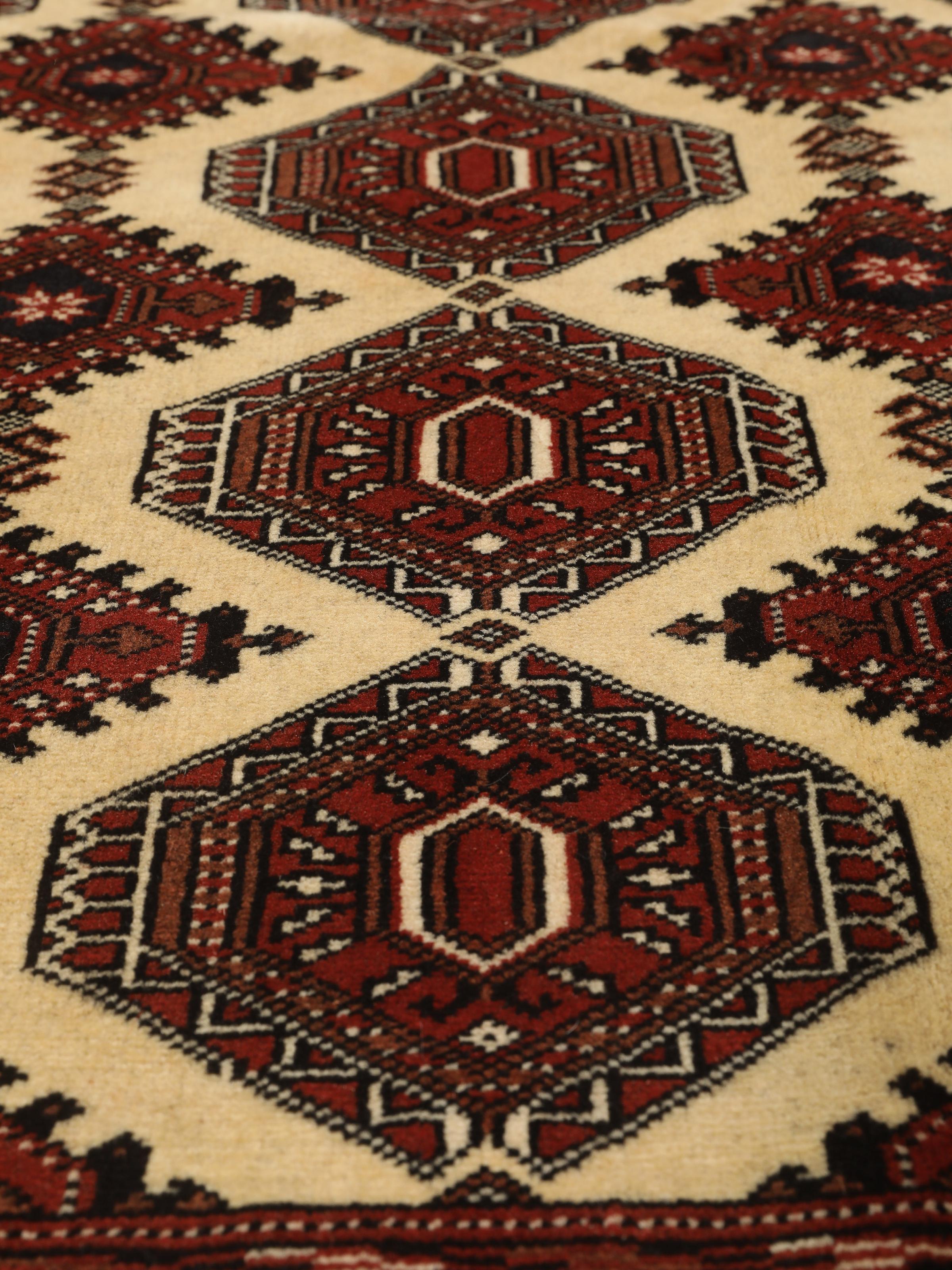
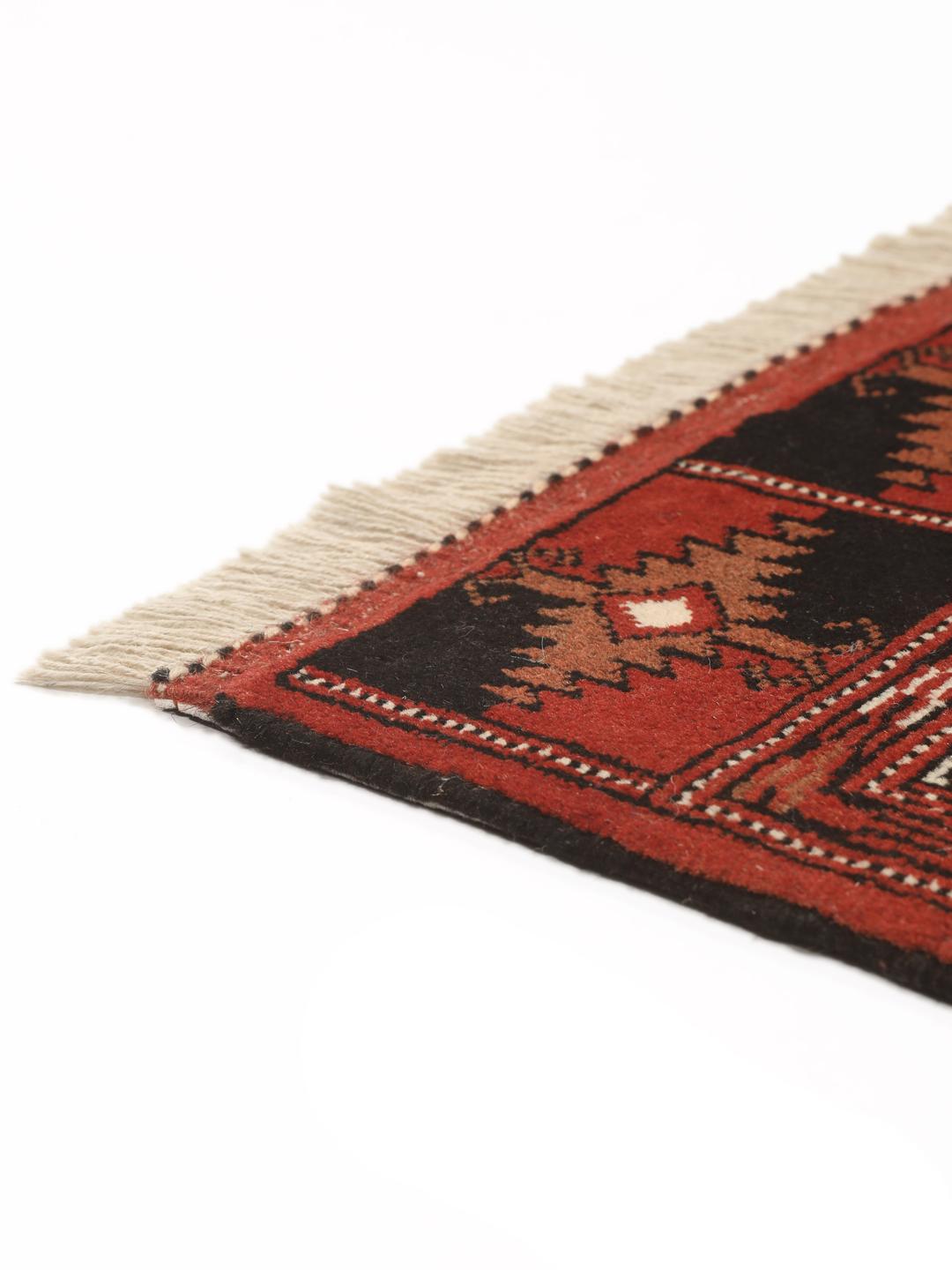
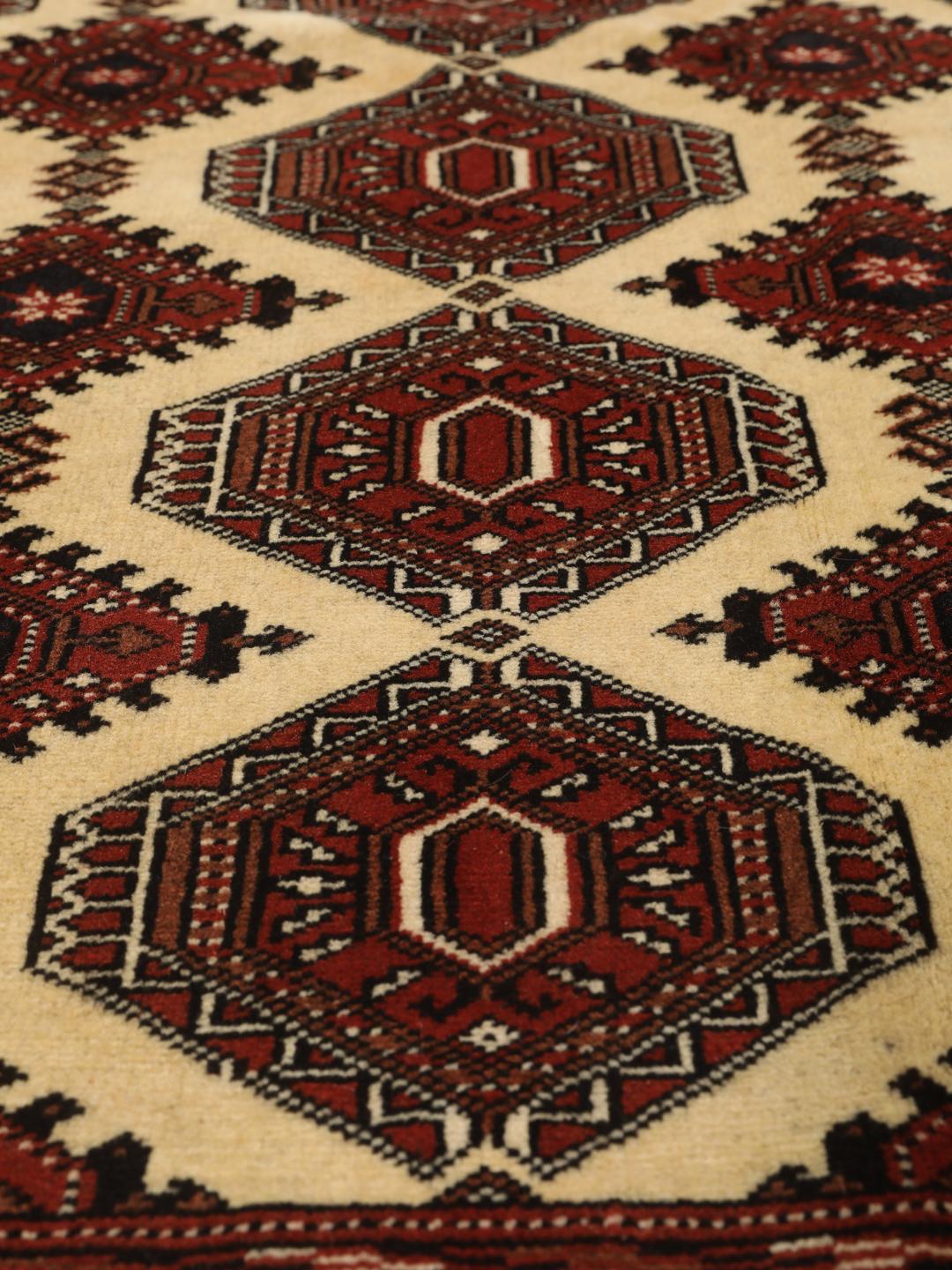
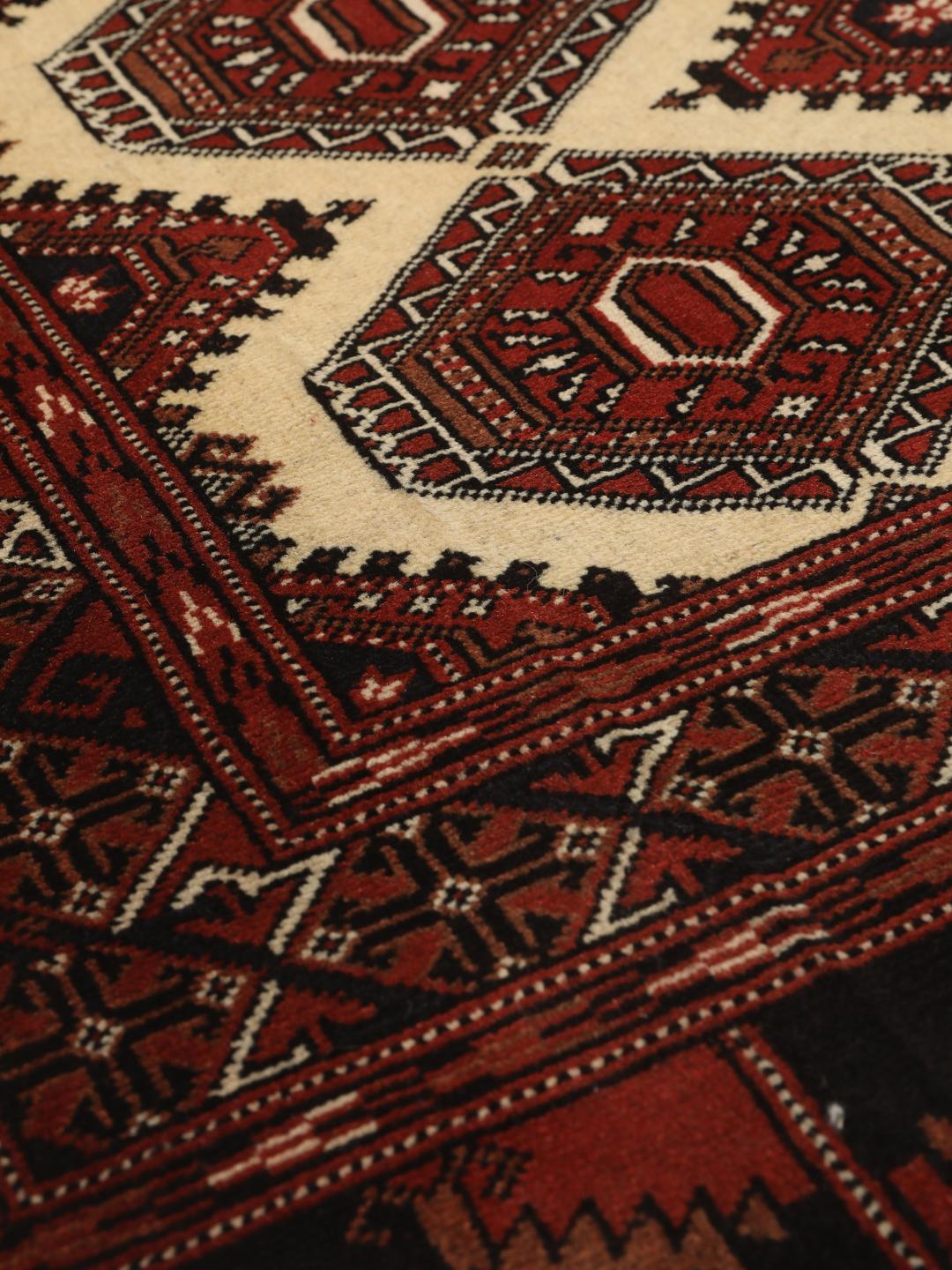
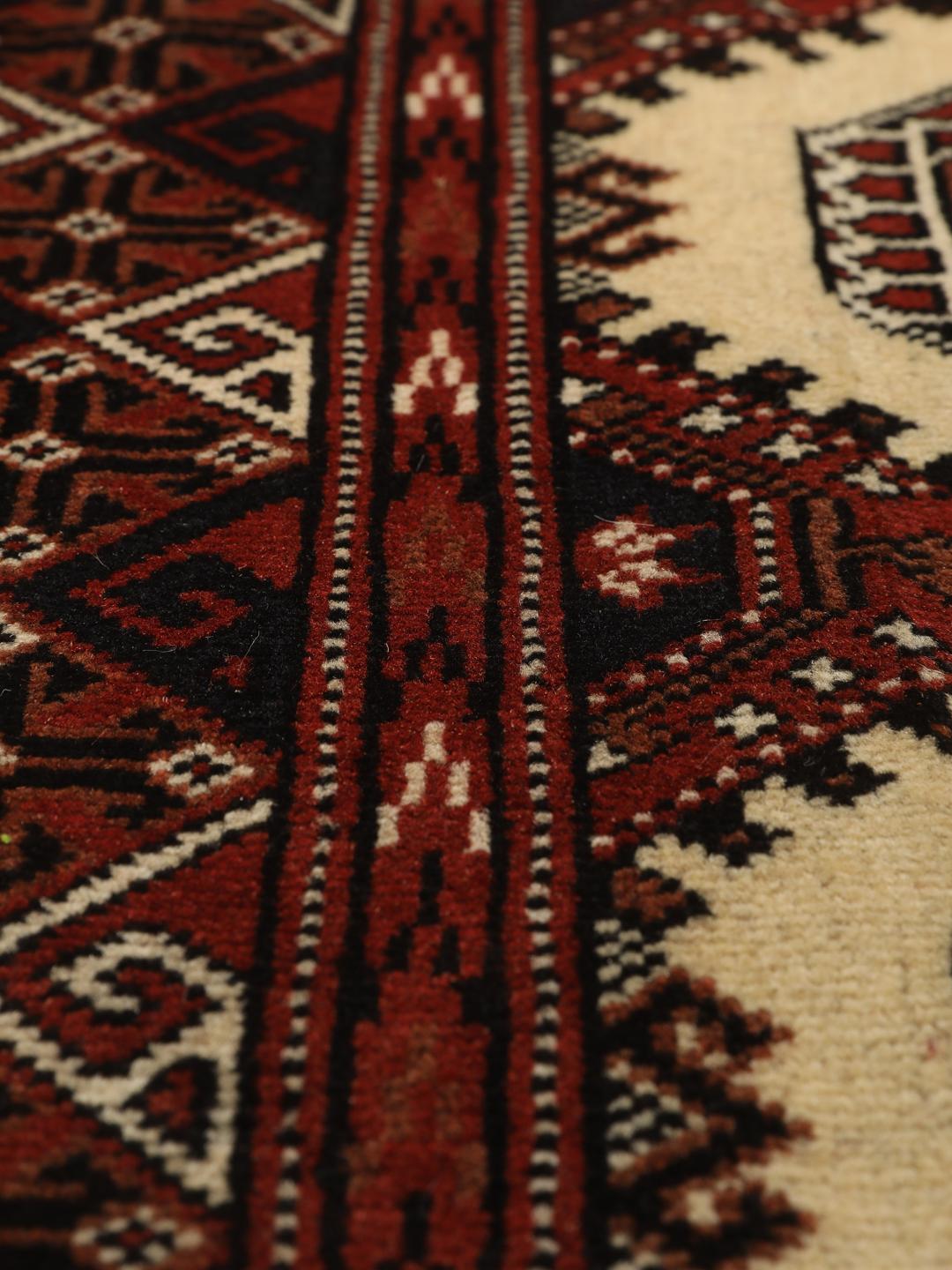
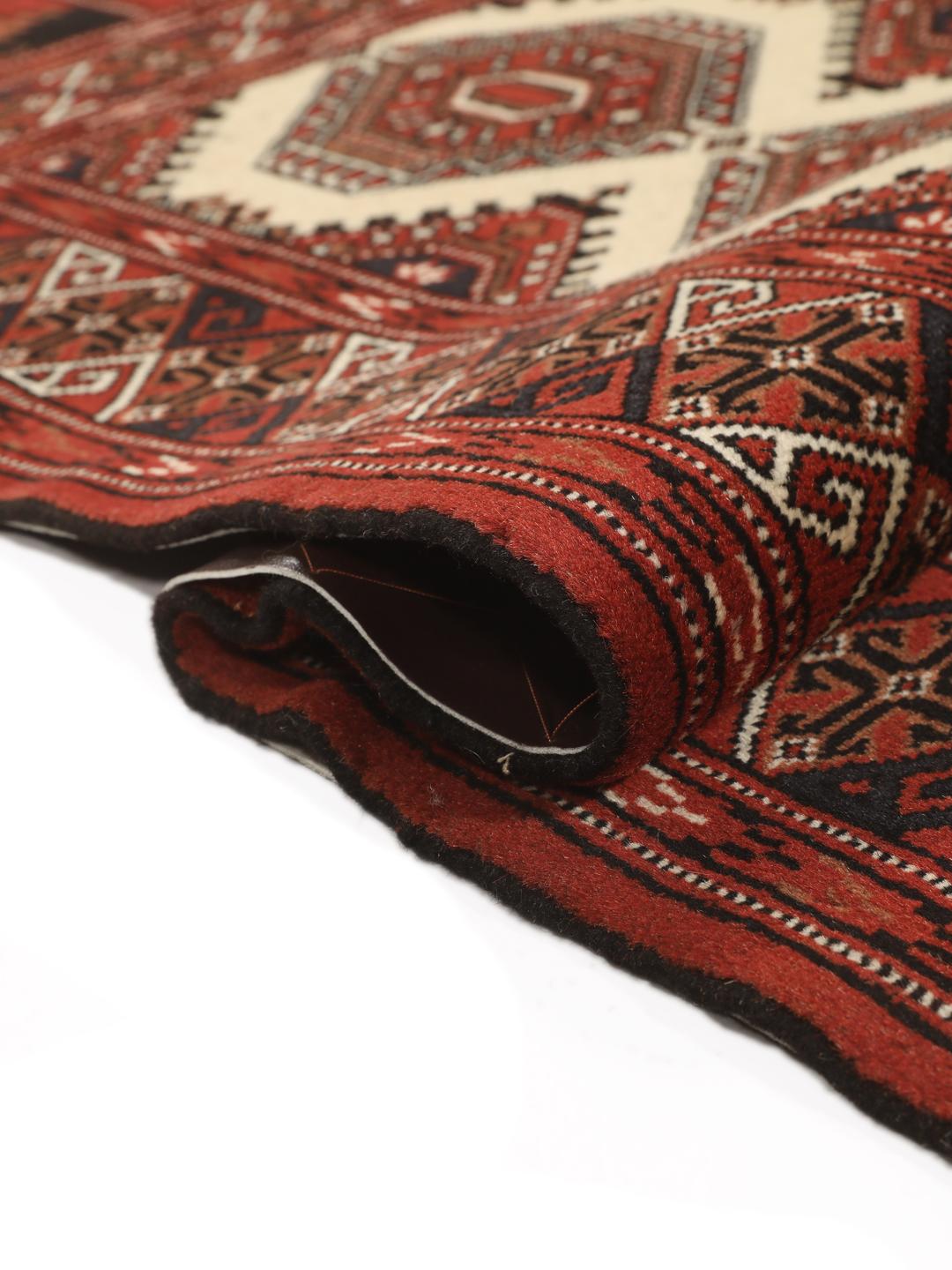
The term Turkaman refers to a specific design tradition characterised by its disciplined use of repeating motifs and a highly controlled, sophisticated layout. The construction involves a precise technique where the pile is secured to the foundation, resulting in a firm and durable surface that is prized for its longevity. This technical mastery is what allows the complex, small-scale geometric patterns to remain crisp and clearly defined, even after decades of use.
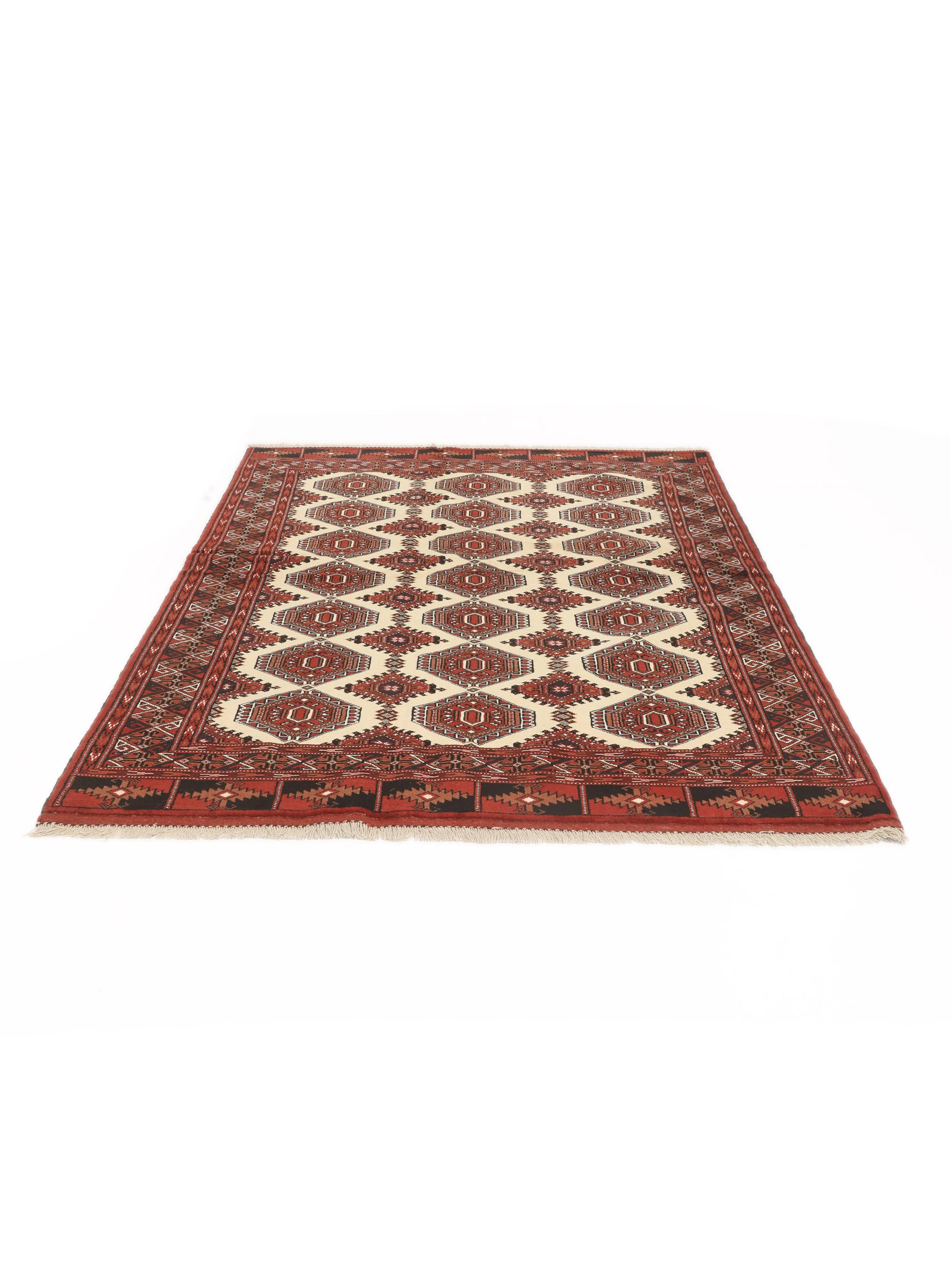
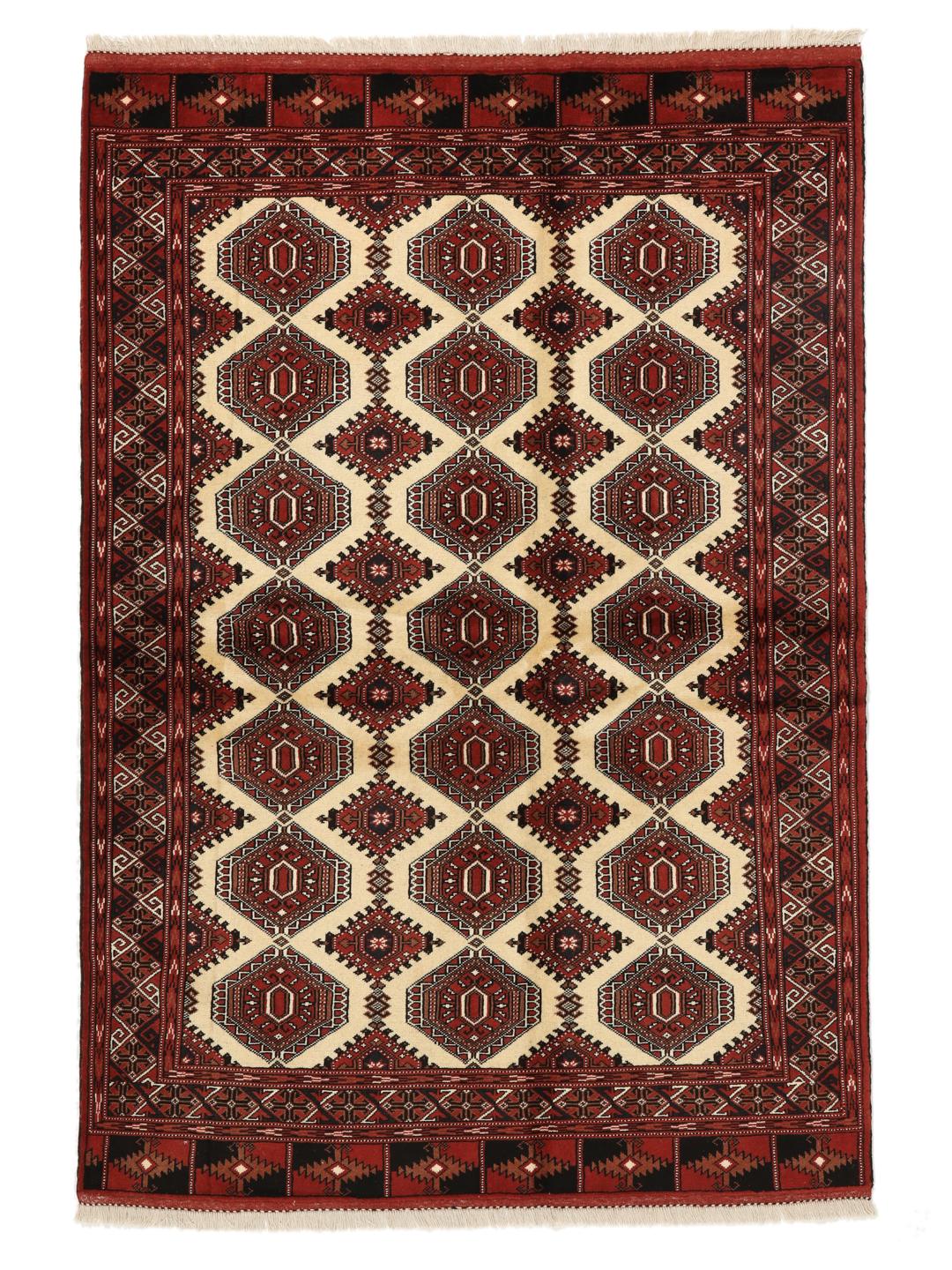
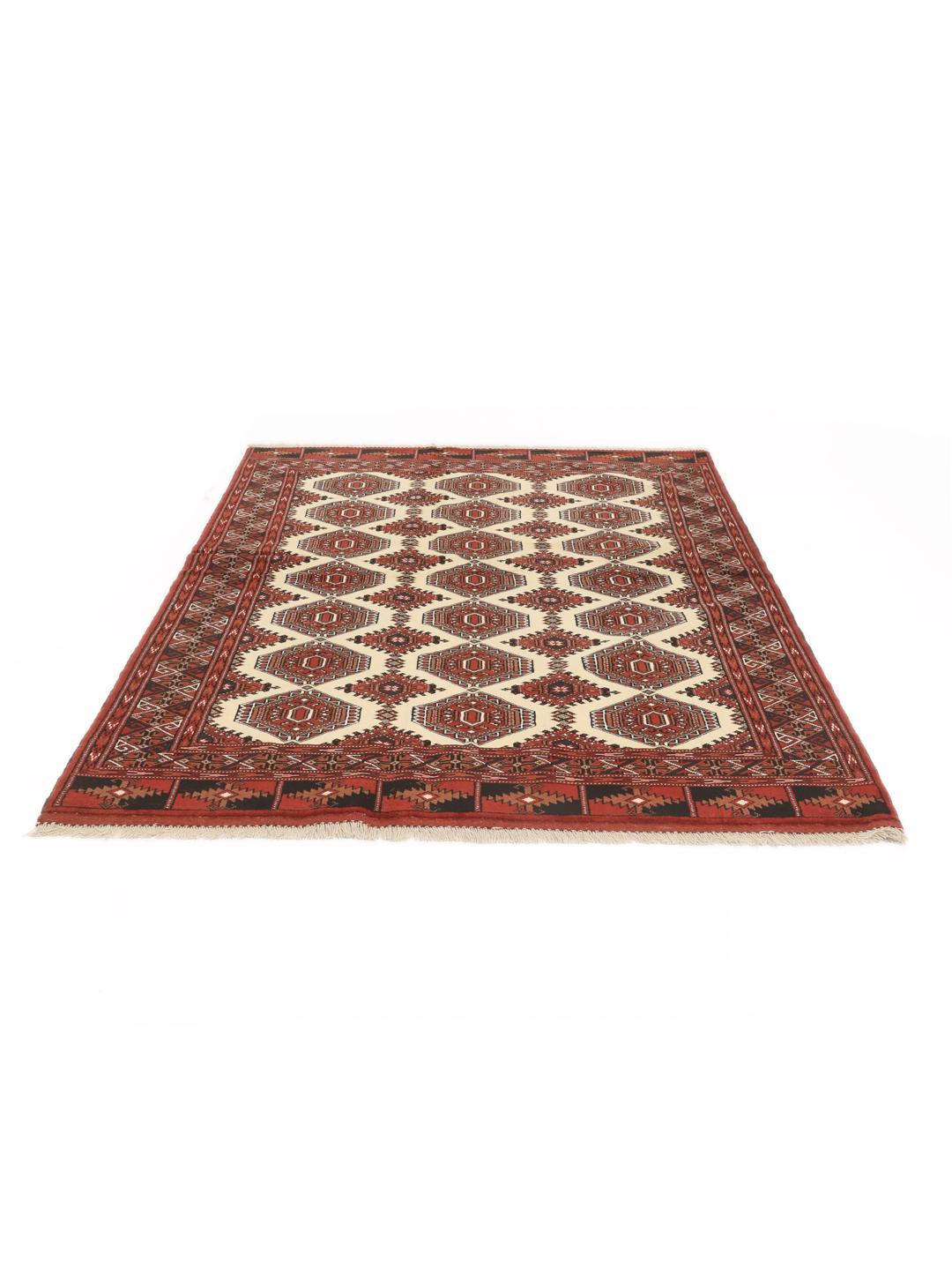
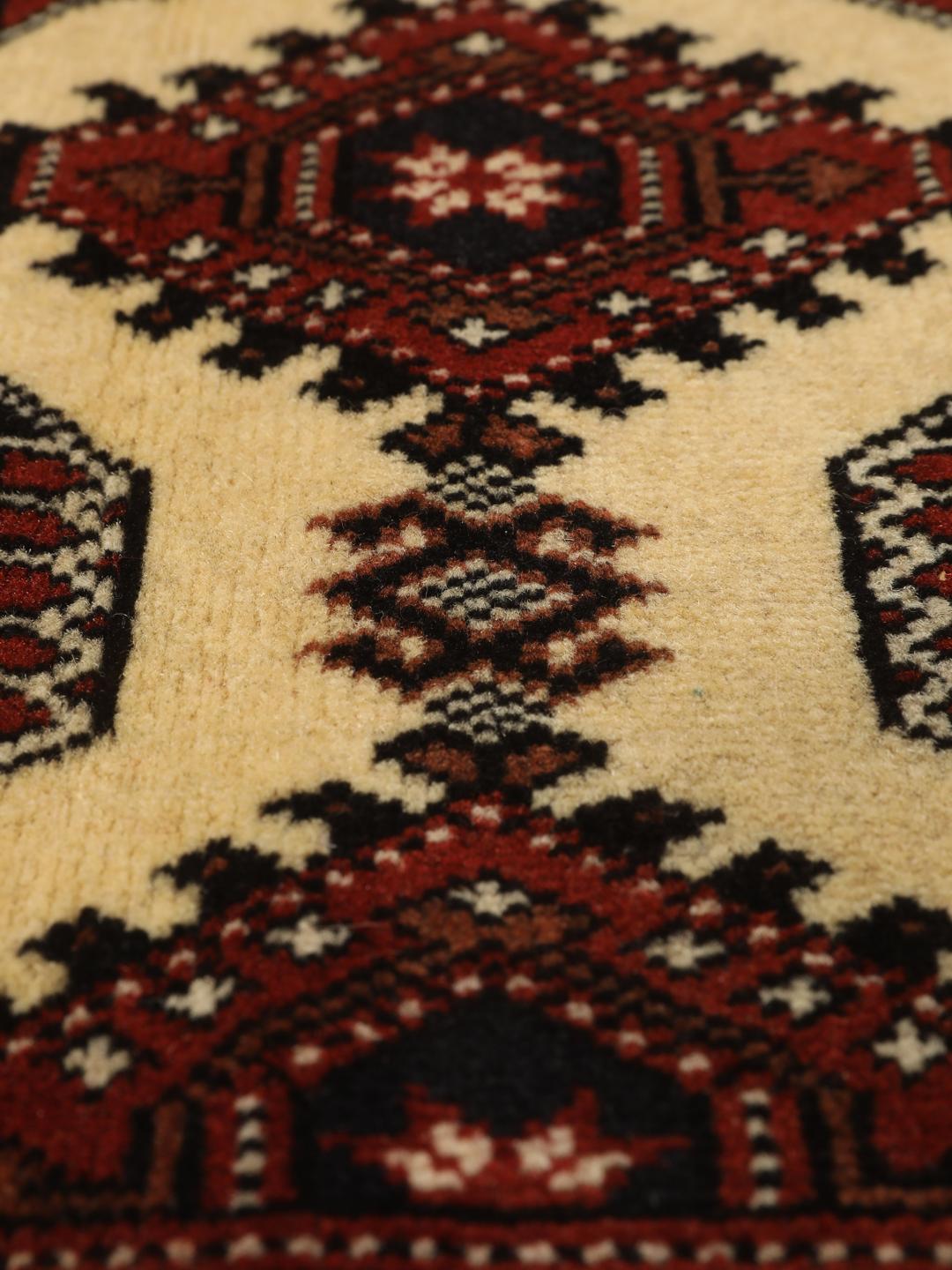
Signature elements of this tradition include the iconic gul motif, which appears as octagonal or diamond-shaped medallions across the field. These guls are often arranged in orderly rows, reflecting the tribal lineage and cultural identity of the weavers. The deep, earthy red tones, frequently accented by contrasting ivory or dark details, are a hallmark of the style, creating a harmonious and balanced look that has remained popular for generations.
Owning a Turkaman rug is an investment in cultural heritage and skilled artistry. Collectors and homeowners value these pieces for their ability to bridge the gap between ancient tradition and modern living, offering a sense of permanence in a fast-paced world. By choosing a hand-knotted piece, you are supporting a legacy of human creativity and ensuring that these time-honoured techniques continue to flourish in the contemporary home.