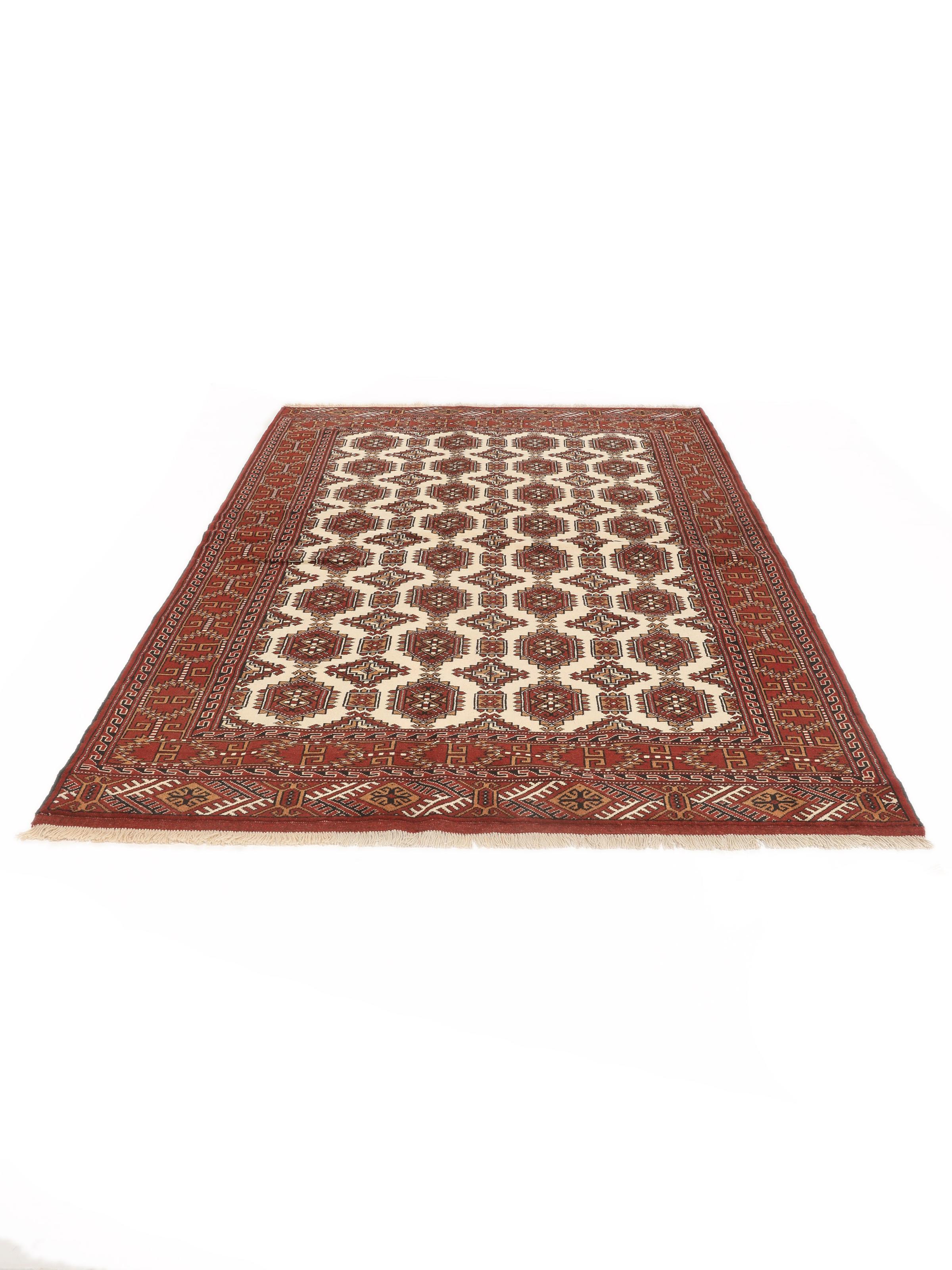
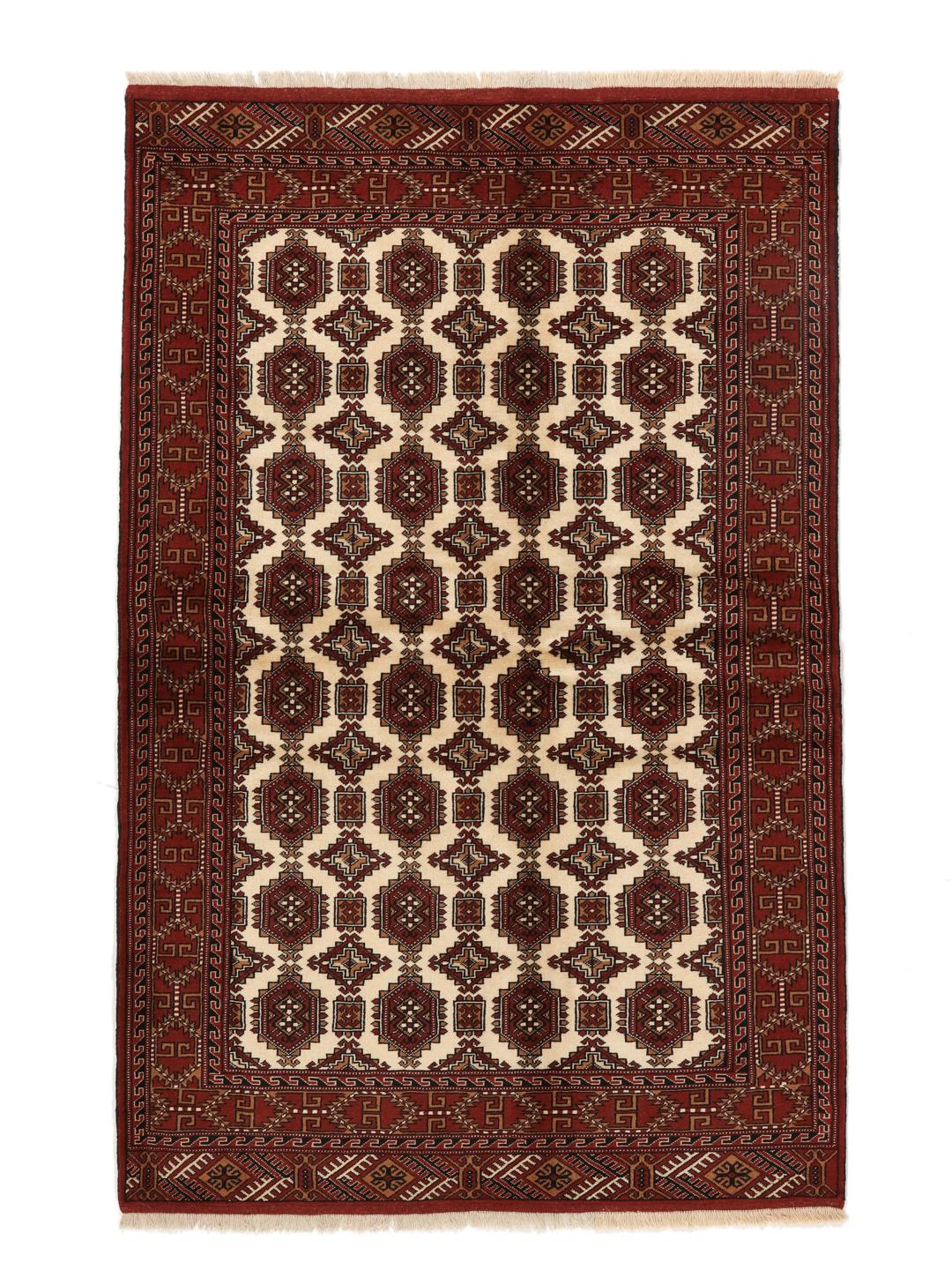
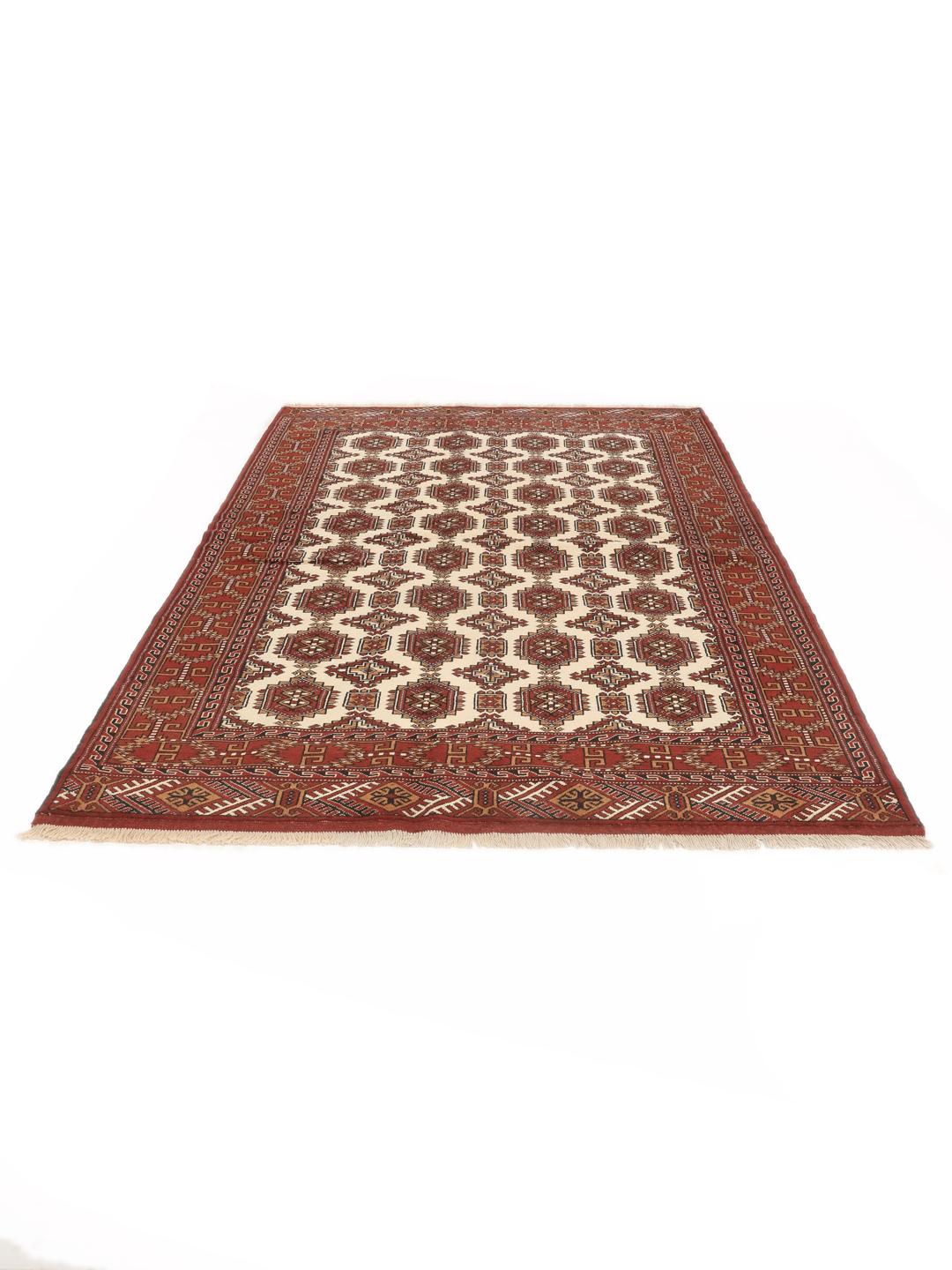
Turkaman rugs originate from the nomadic tribes of Central Asia, a region with a long and storied history of textile weaving. While the style takes its name from the Turkmen tribes, the tradition has evolved over centuries, spreading across the Middle East where master weavers have refined these techniques and patterns to create the pieces we admire today.
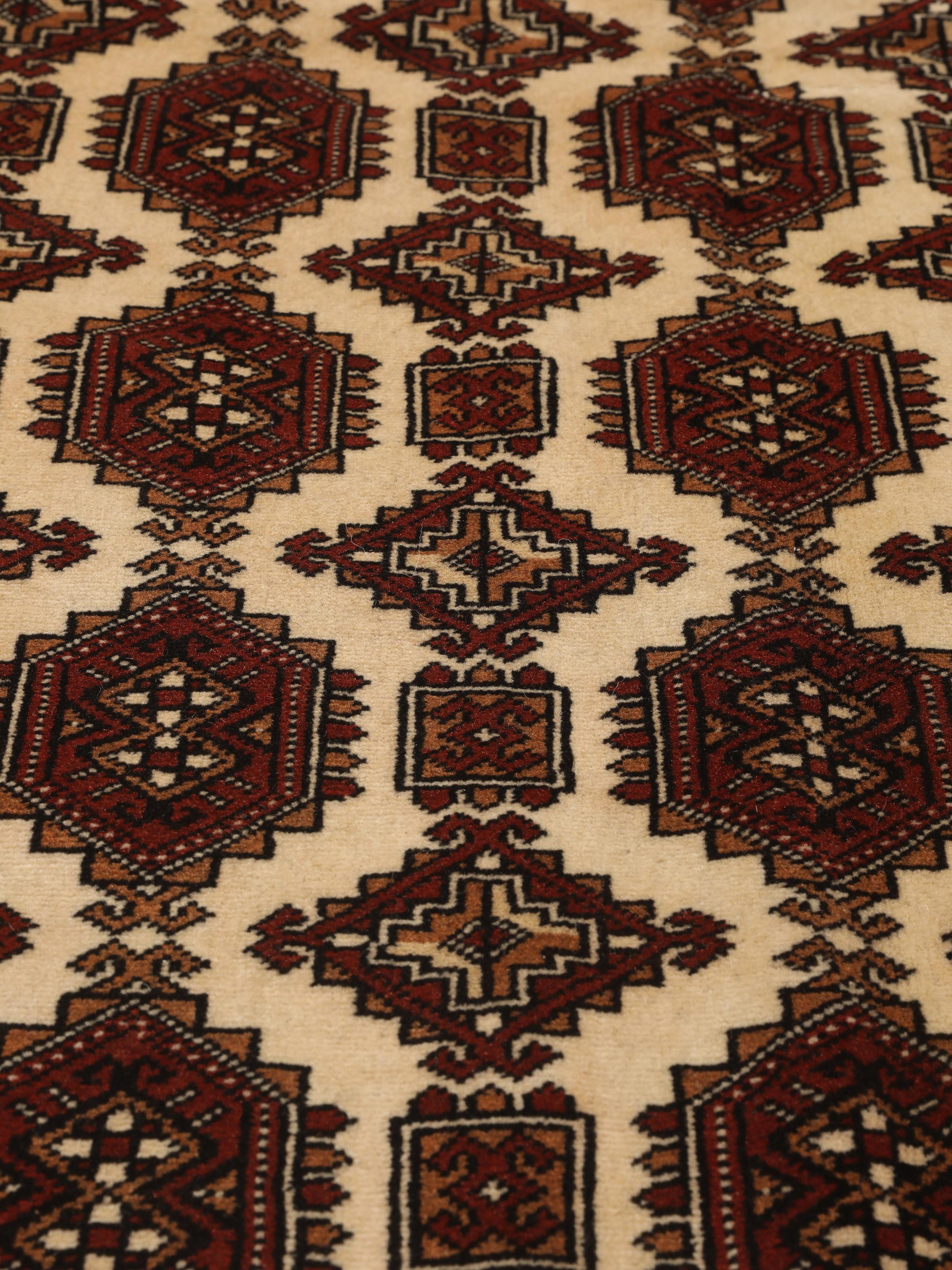
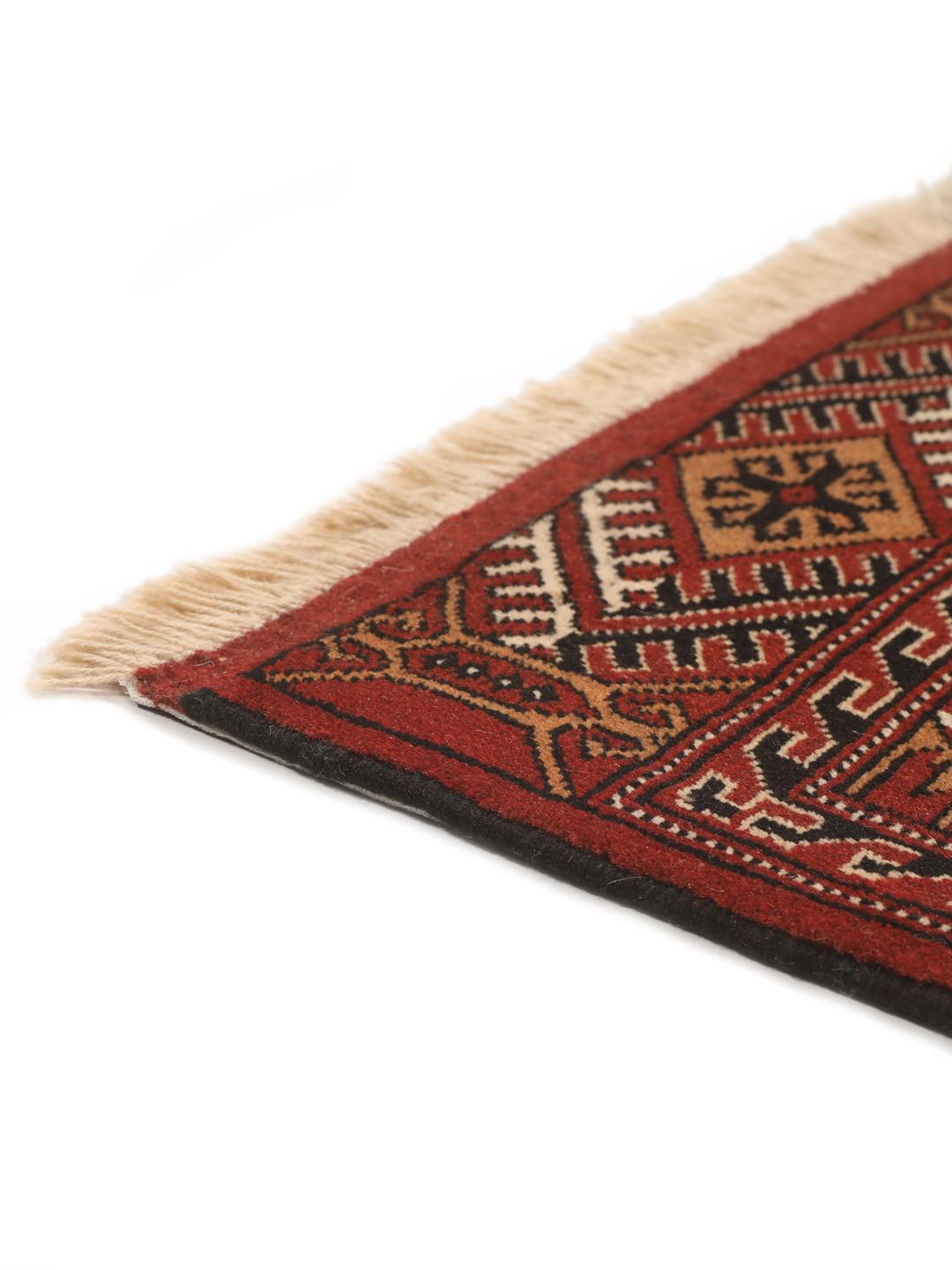
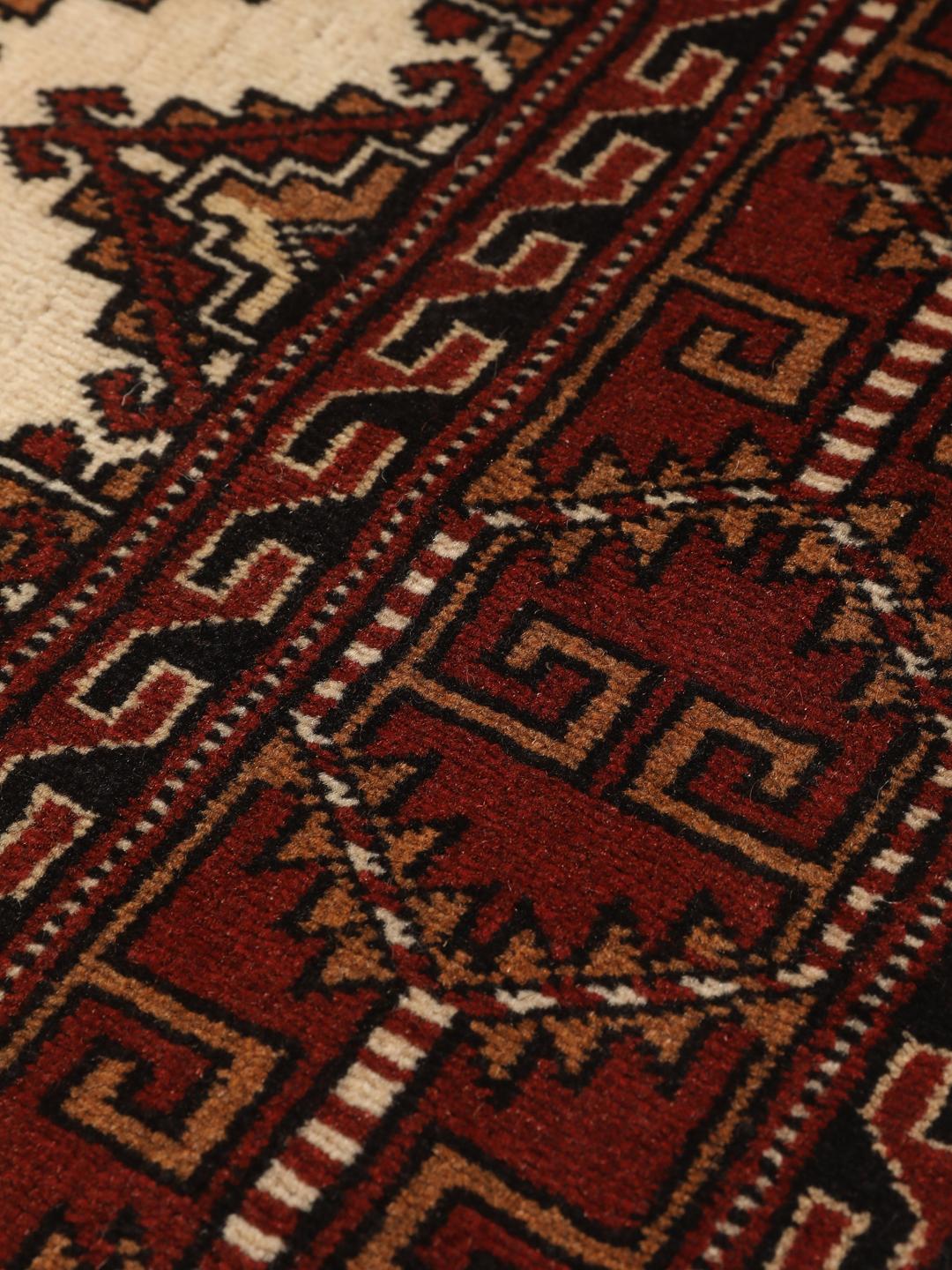
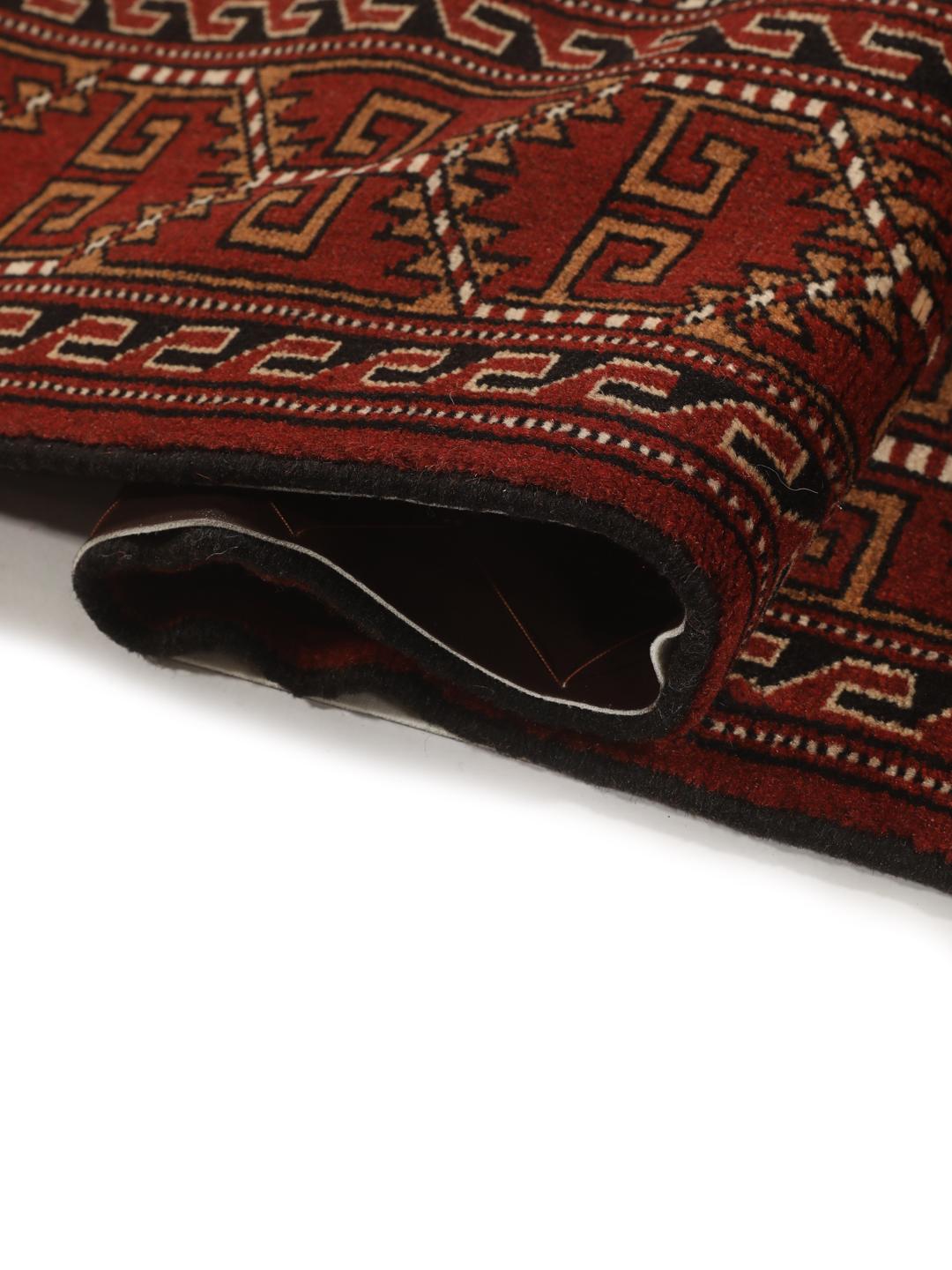
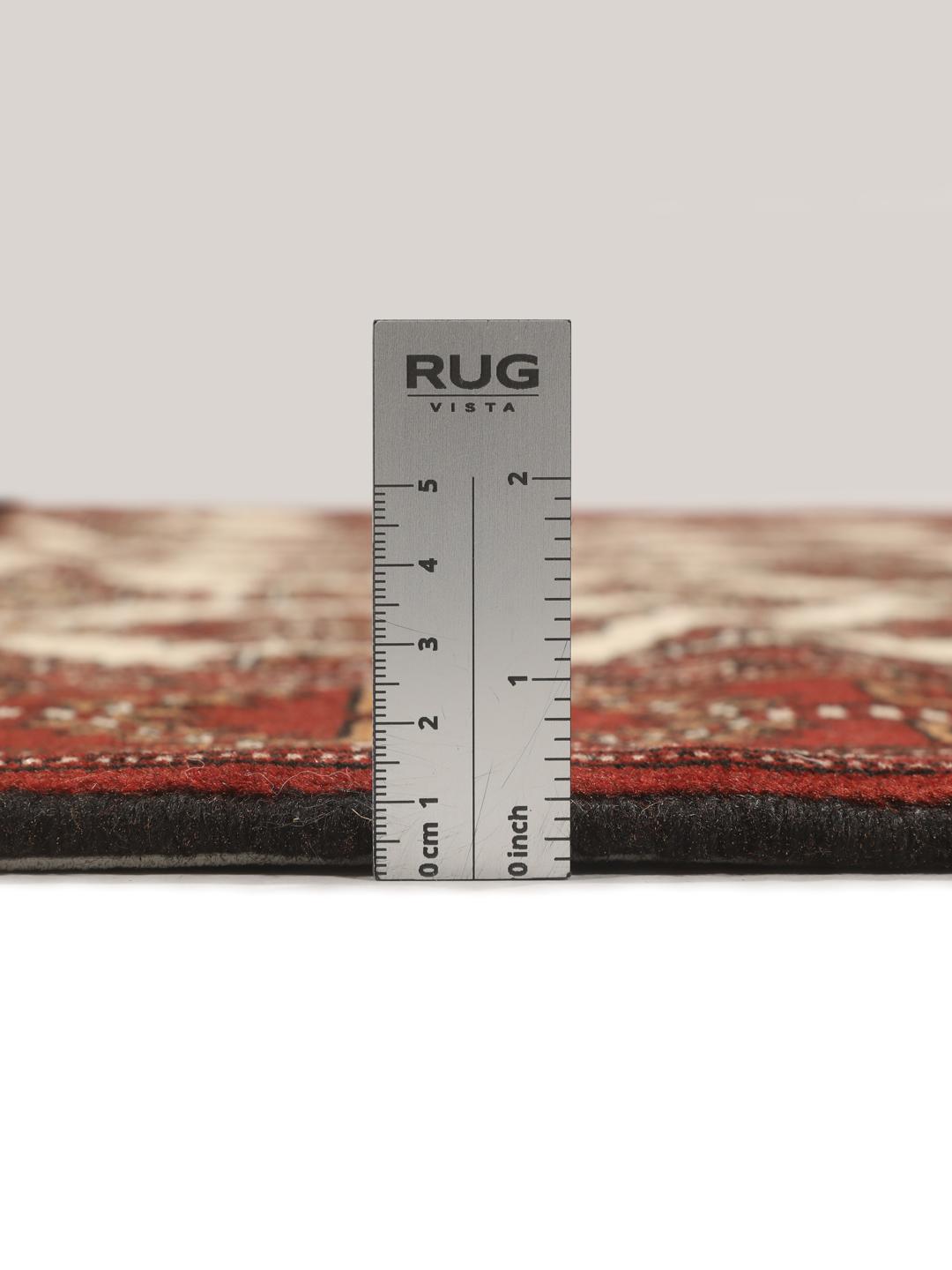
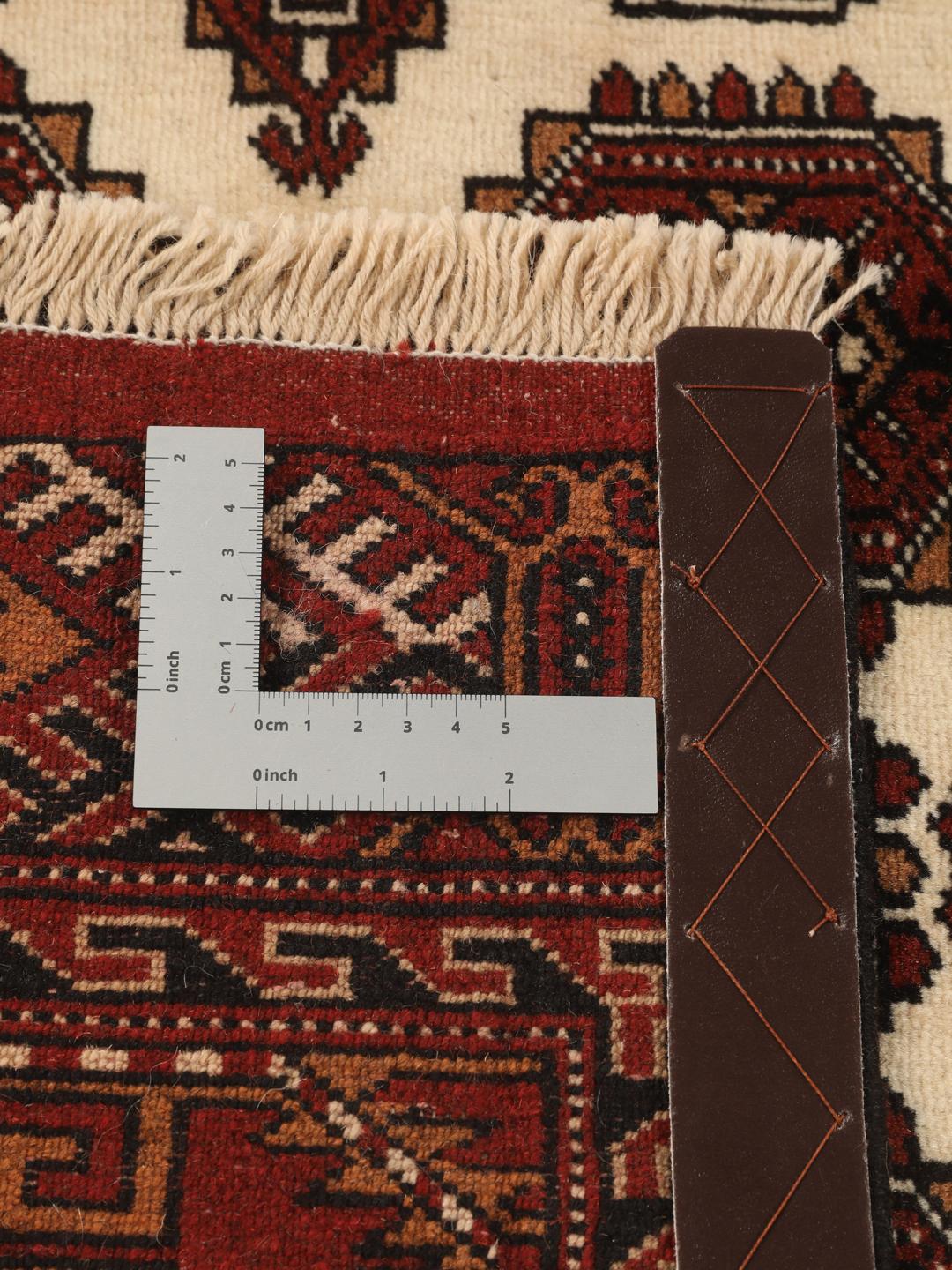
The quality of a Turkaman rug is rooted in its construction. These rugs are typically hand-knotted using Wool, which is valued for its natural resilience and lustre. The use of dense knotting techniques ensures that the pile remains firm and upright, which not only enhances the visual depth of the colours but also significantly extends the life of the rug, making it a durable choice for high-traffic areas.
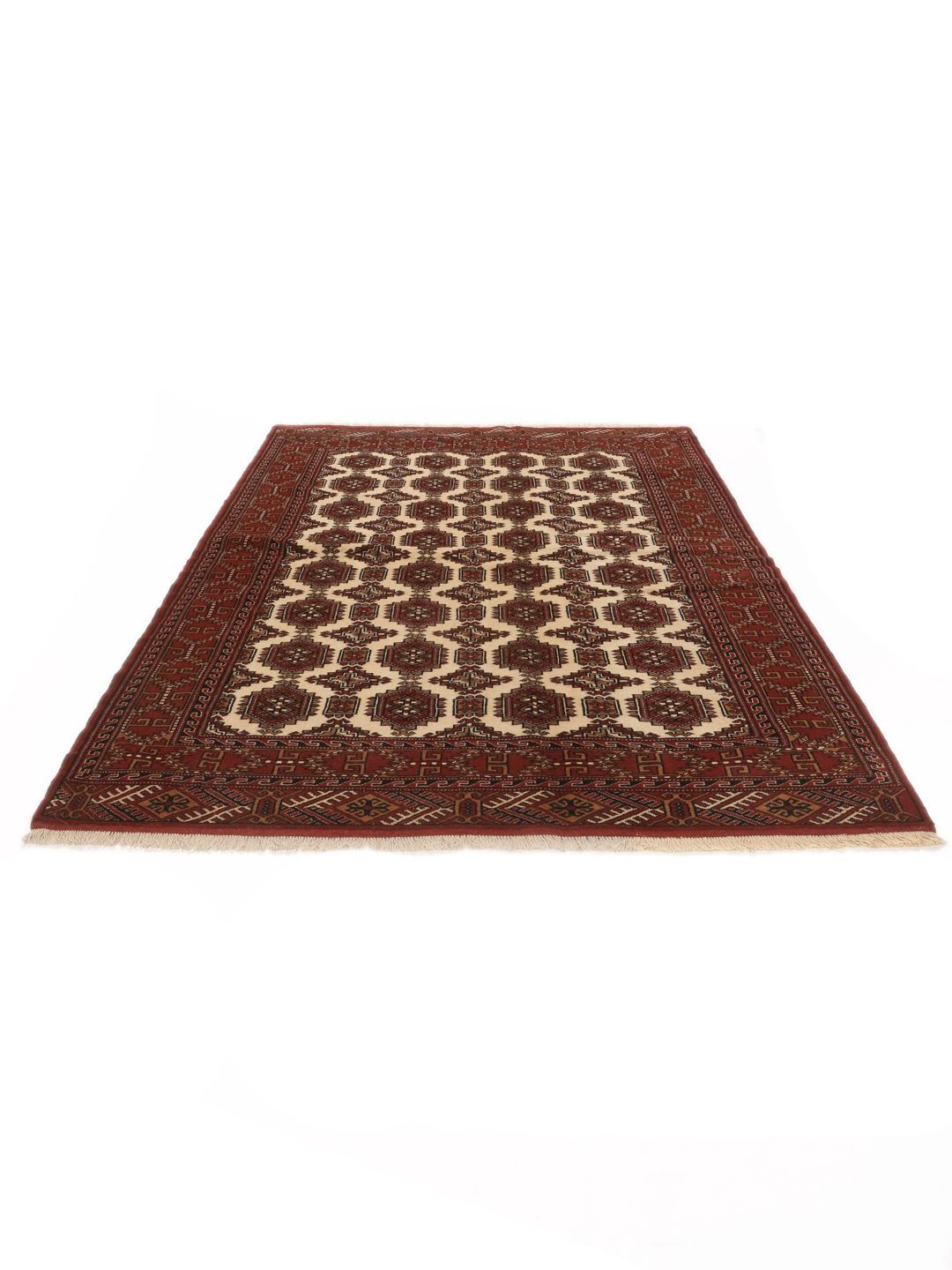
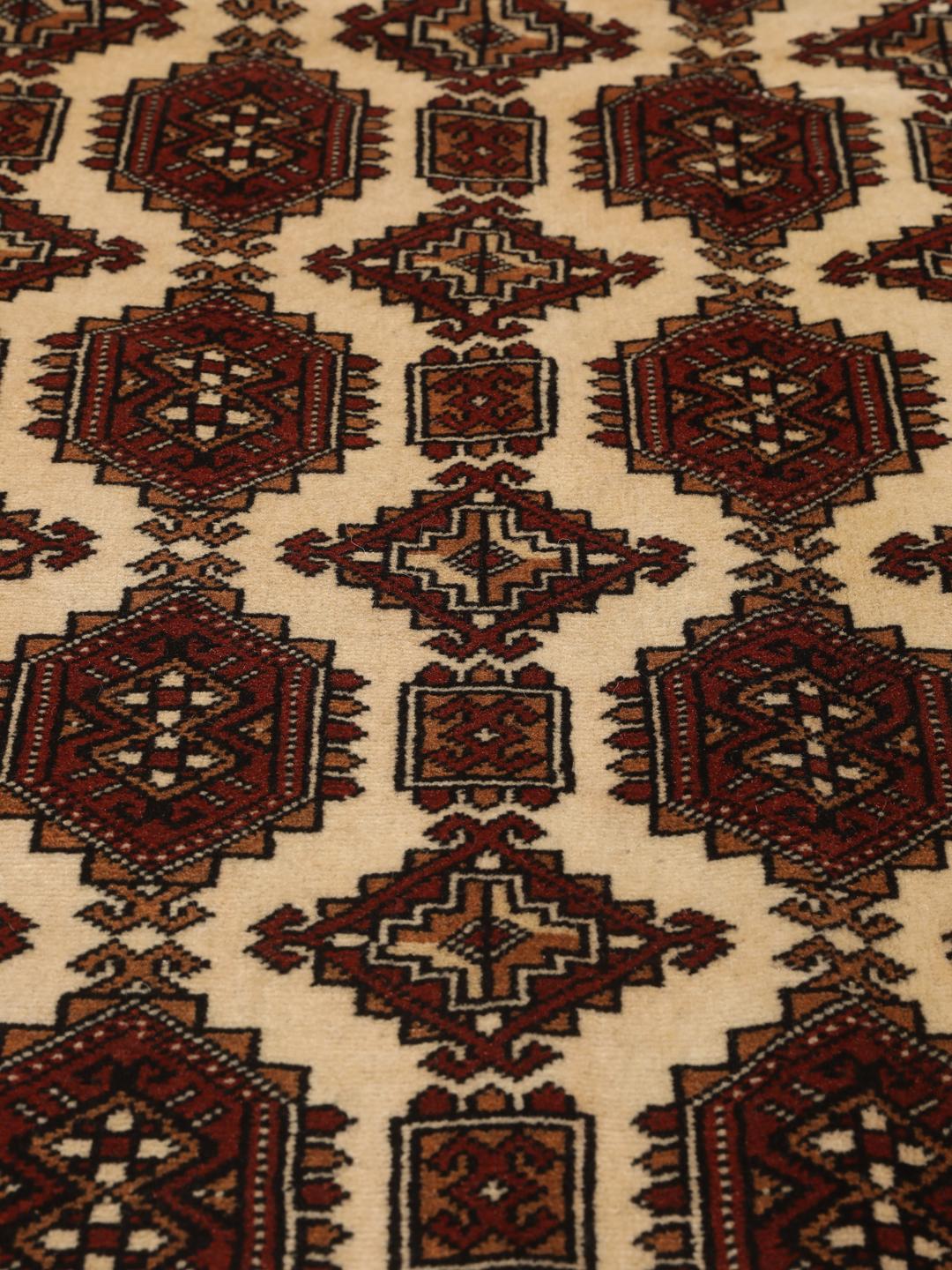
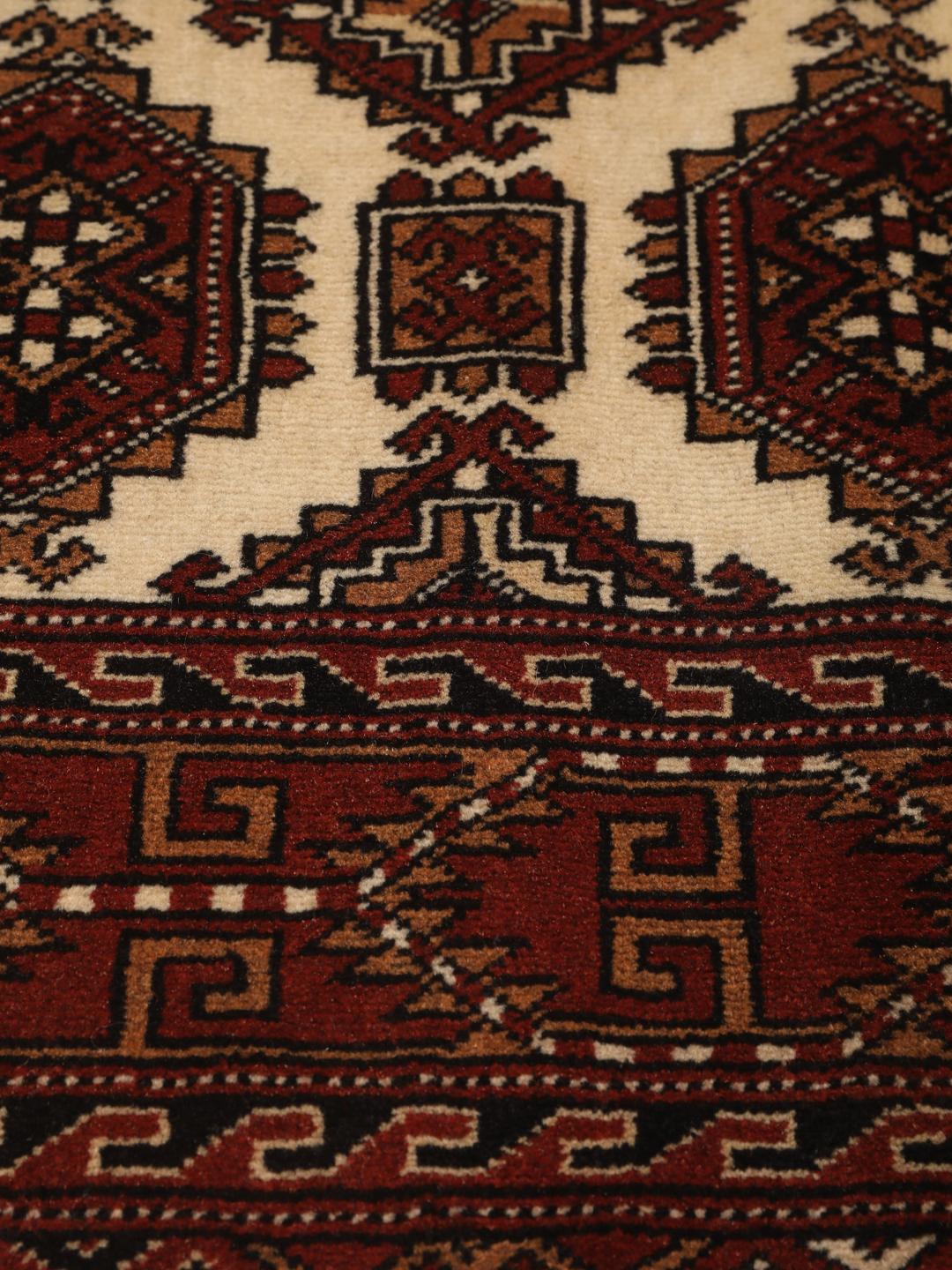
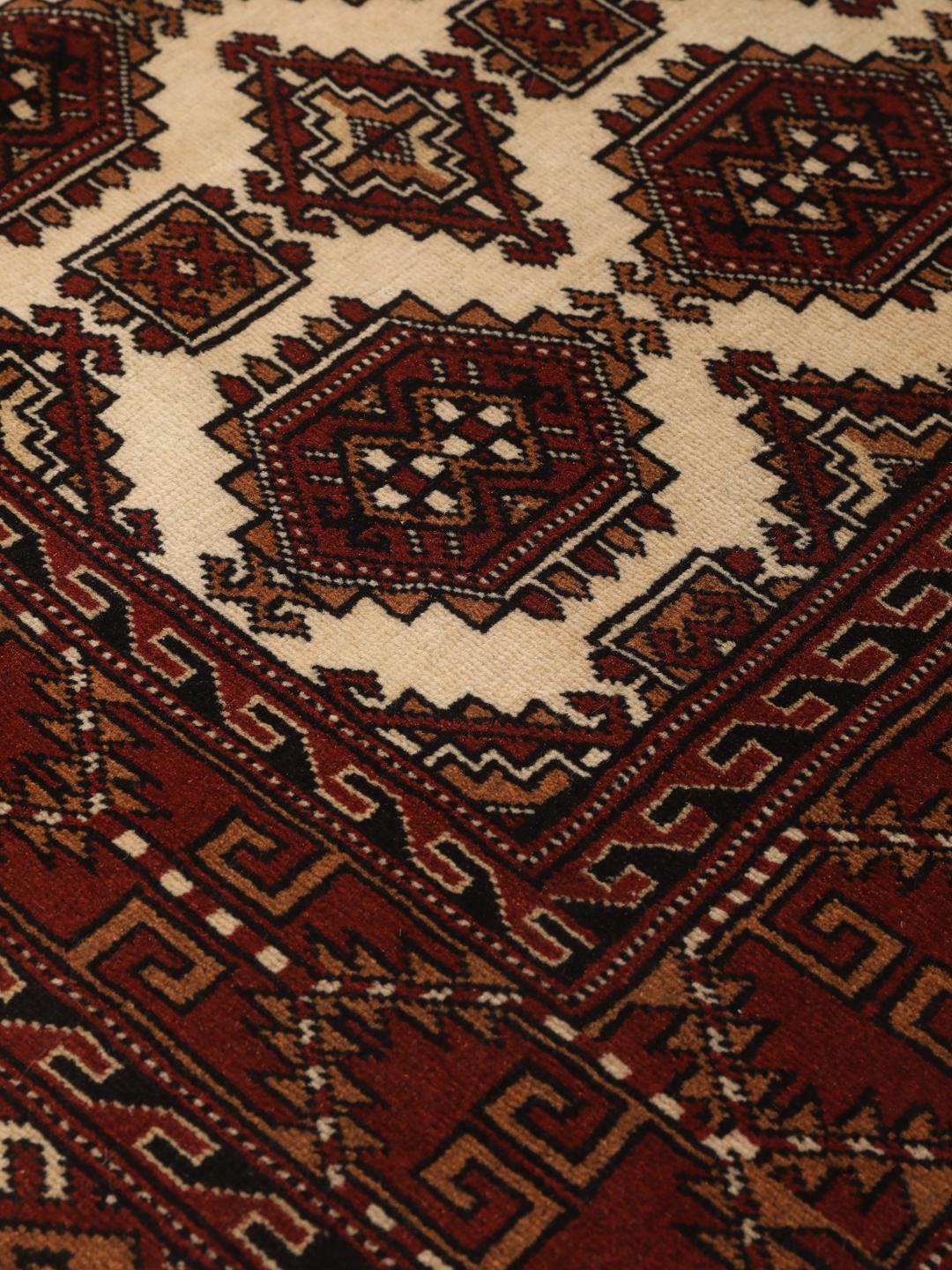
Signature design elements of the Turkaman tradition include the iconic repeating gul motifs, which are stylized, octagonal medallions that represent different tribal lineages. These are often framed by intricate, geometric borders that provide a sense of structure and formality. The colour palettes are traditionally dominated by deep, earthy reds, which serve as a backdrop for these repeating patterns, creating a cohesive and rhythmic visual experience.
Owning a Turkaman rug is about more than just decoration; it is about preserving a piece of cultural history. These rugs are highly sought after by collectors who appreciate the skill required to maintain such complex, traditional designs. By bringing one into your home, you are connecting to a lineage of makers who have perfected their craft over centuries, resulting in a piece that holds its value and character for generations.