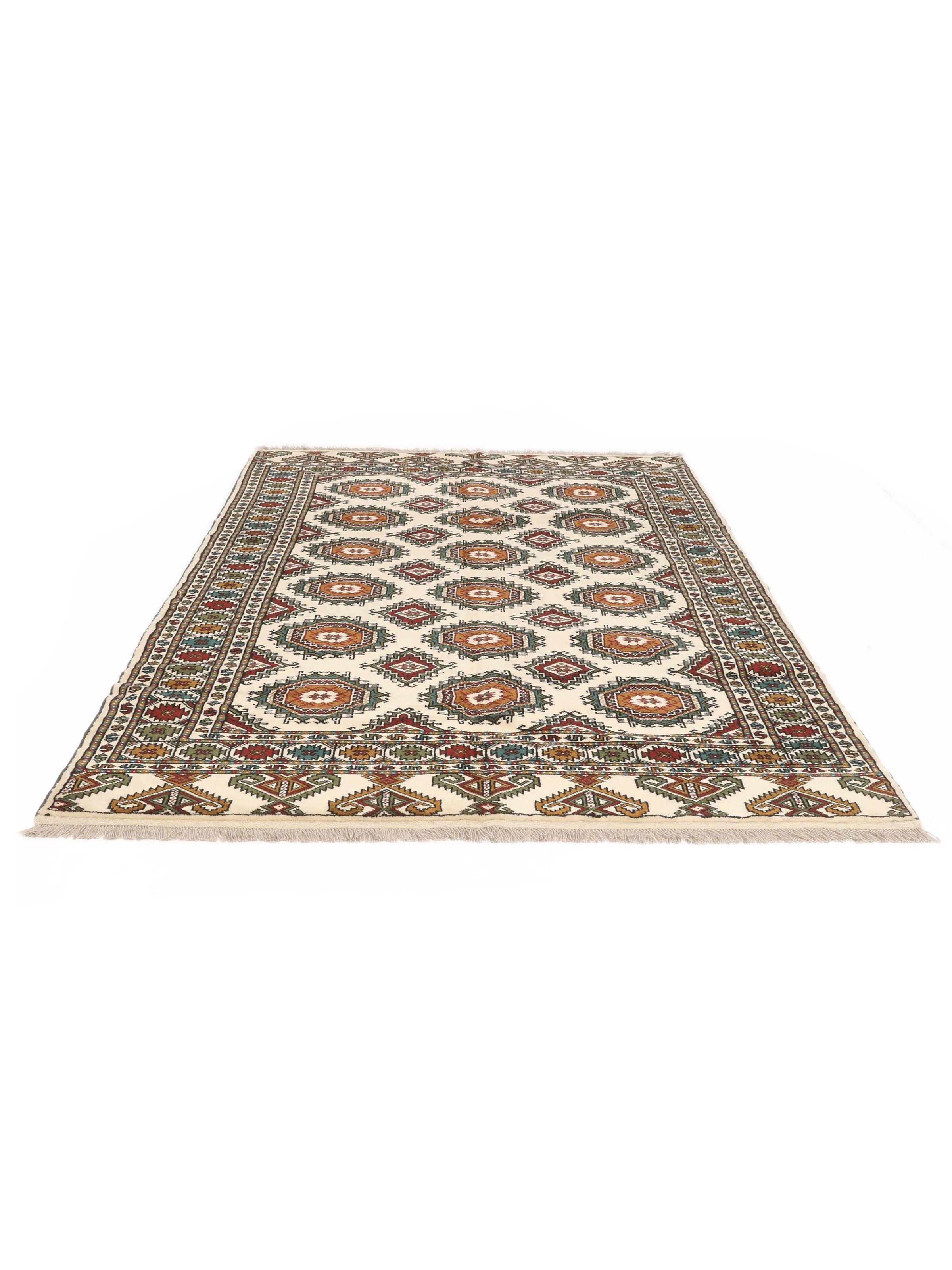
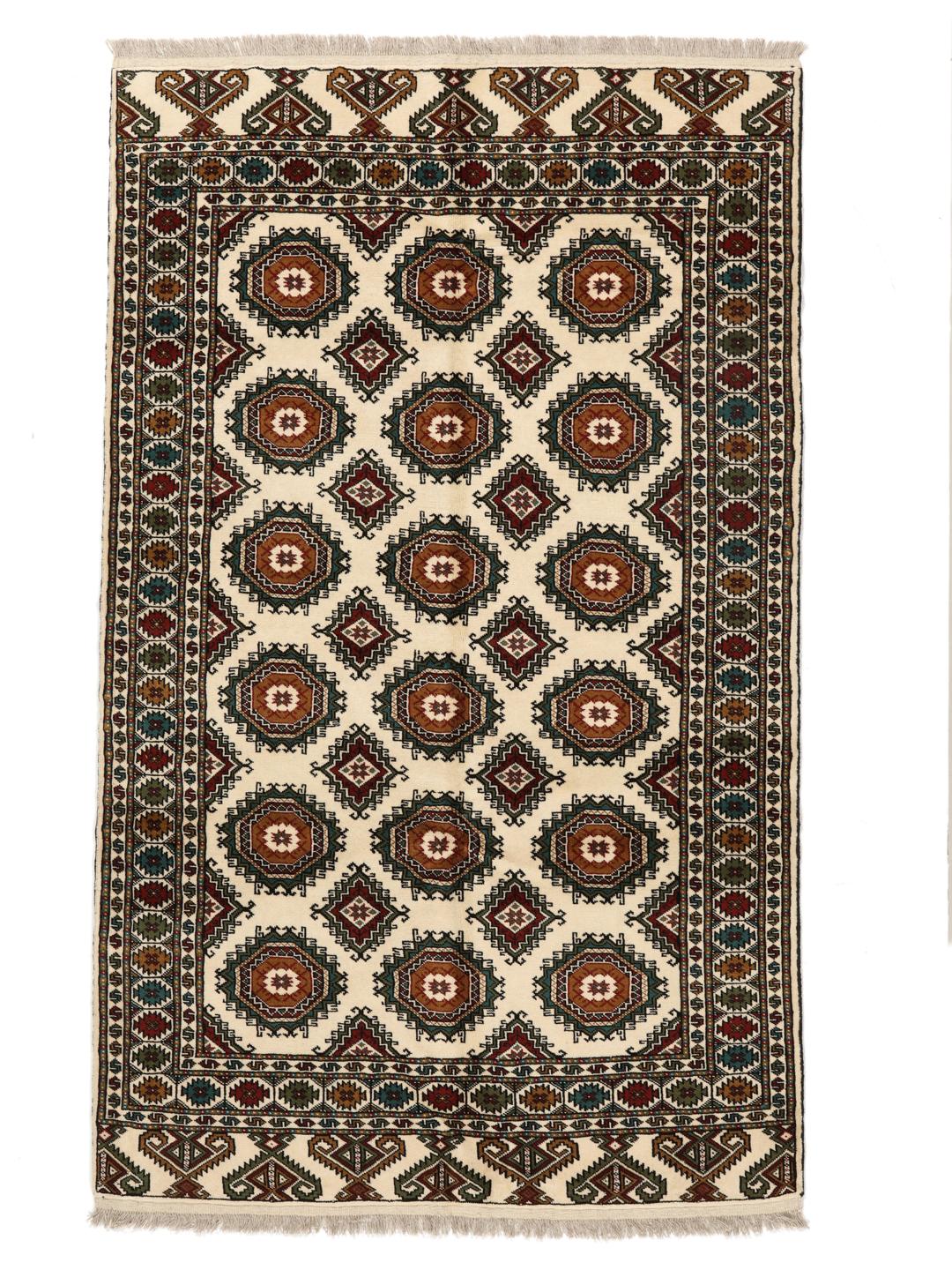
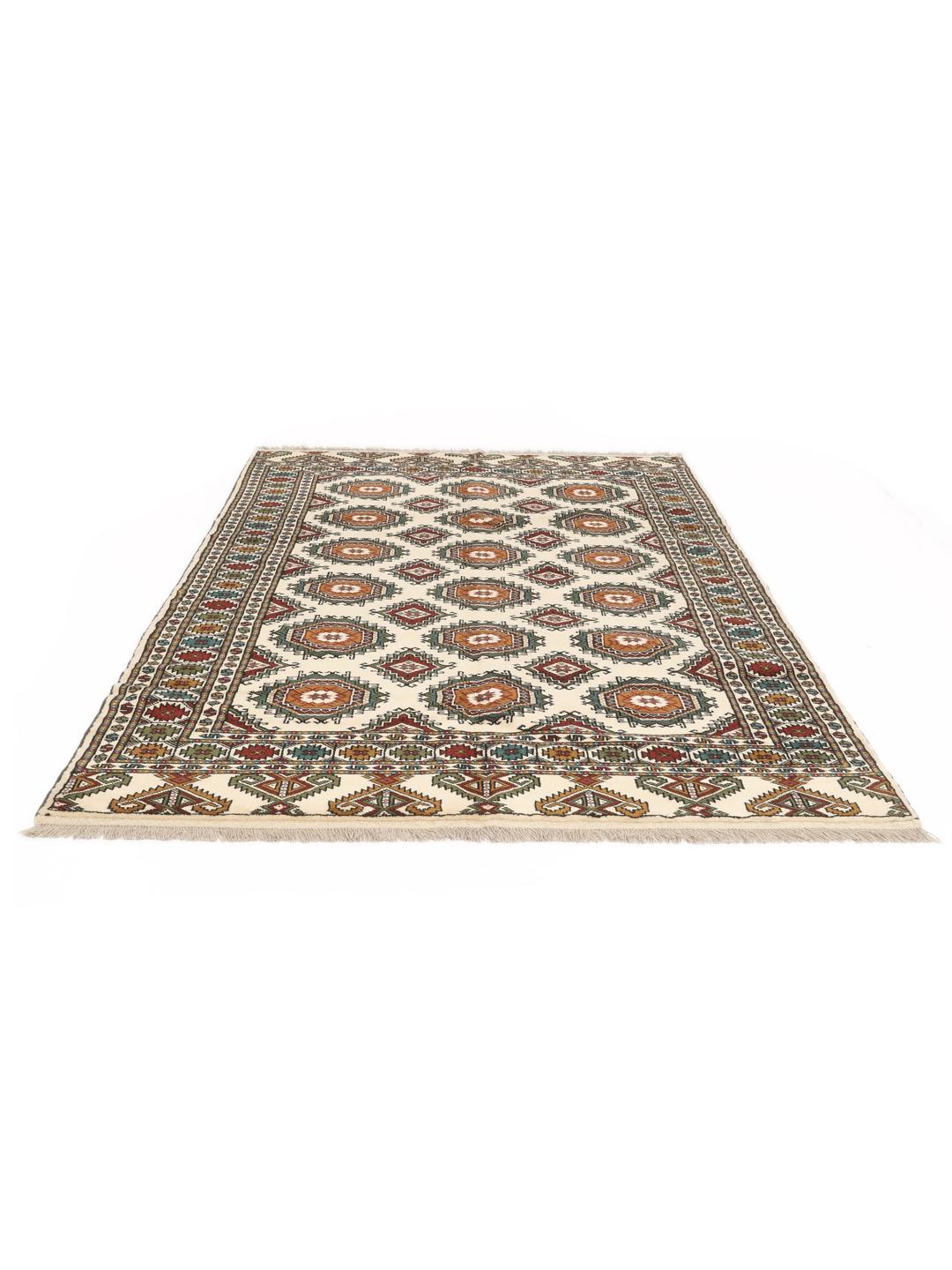
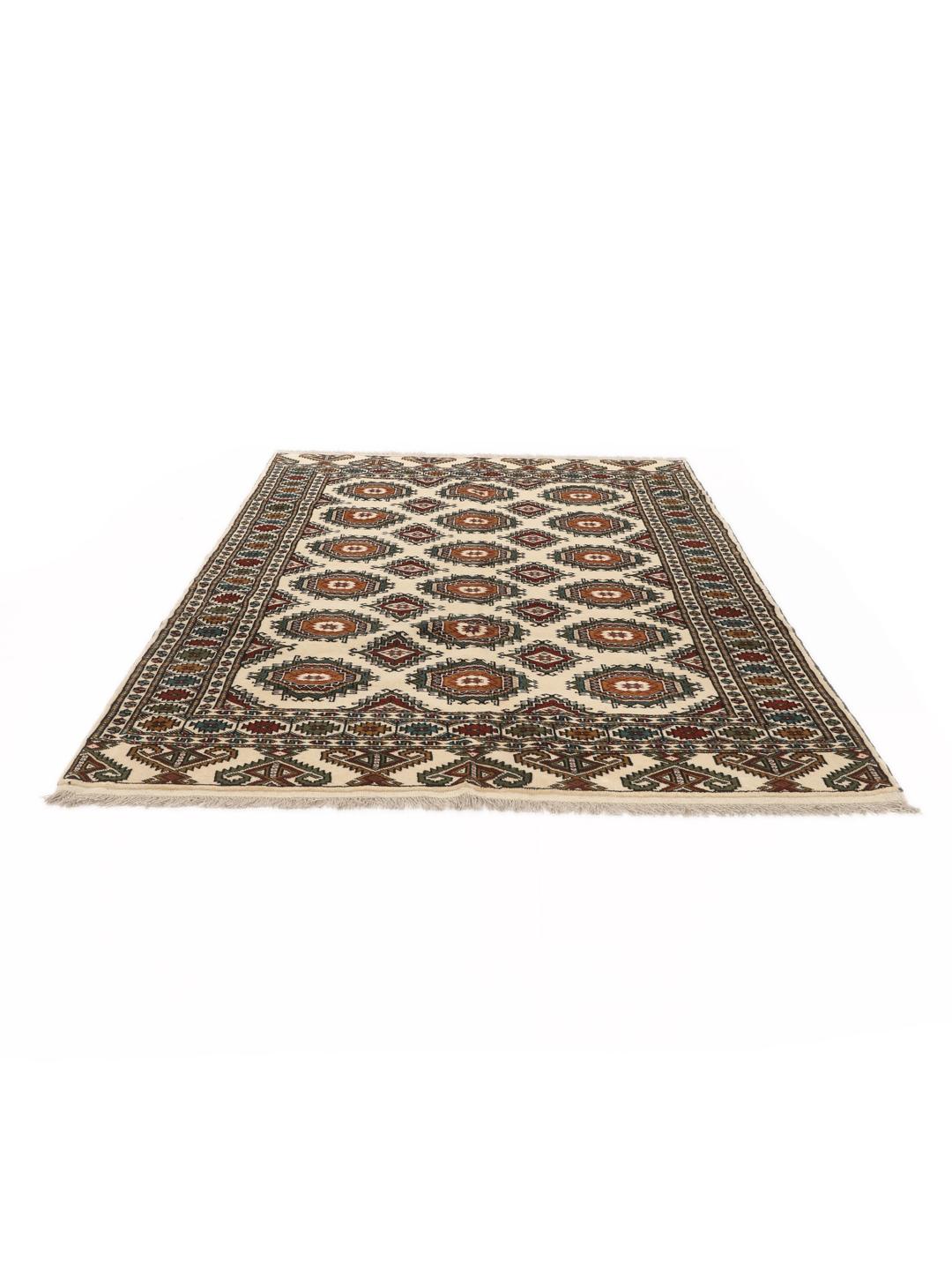
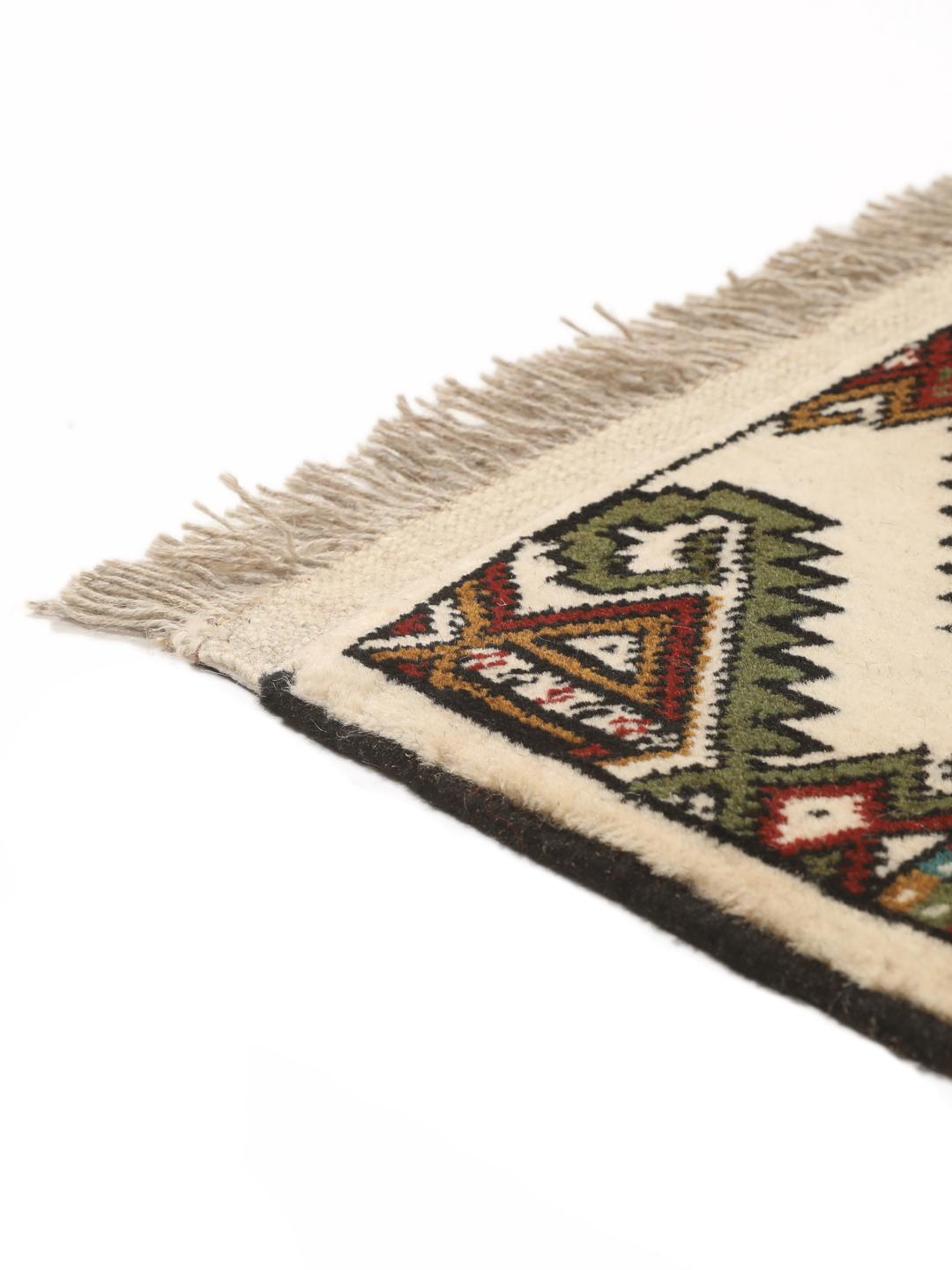
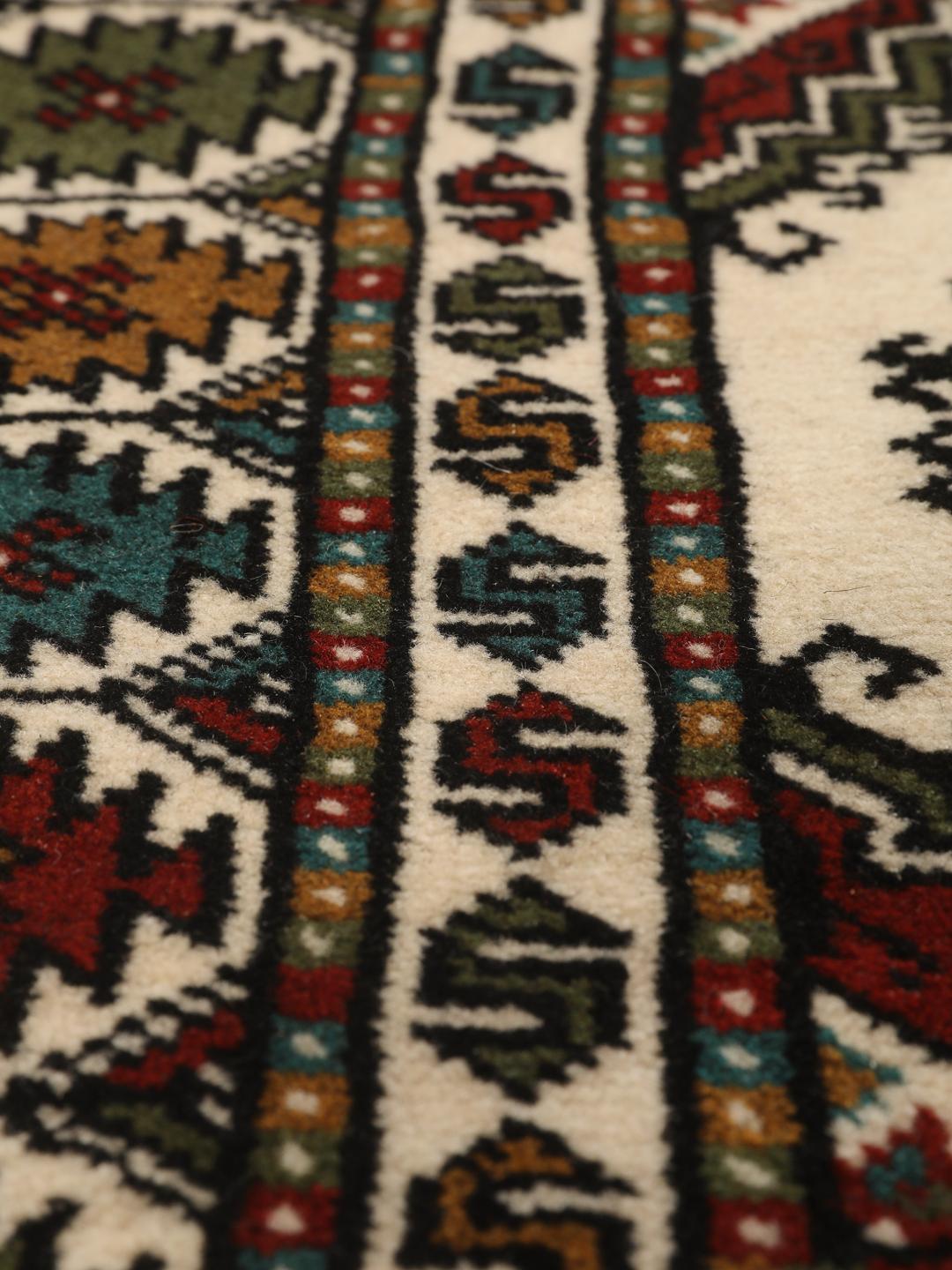
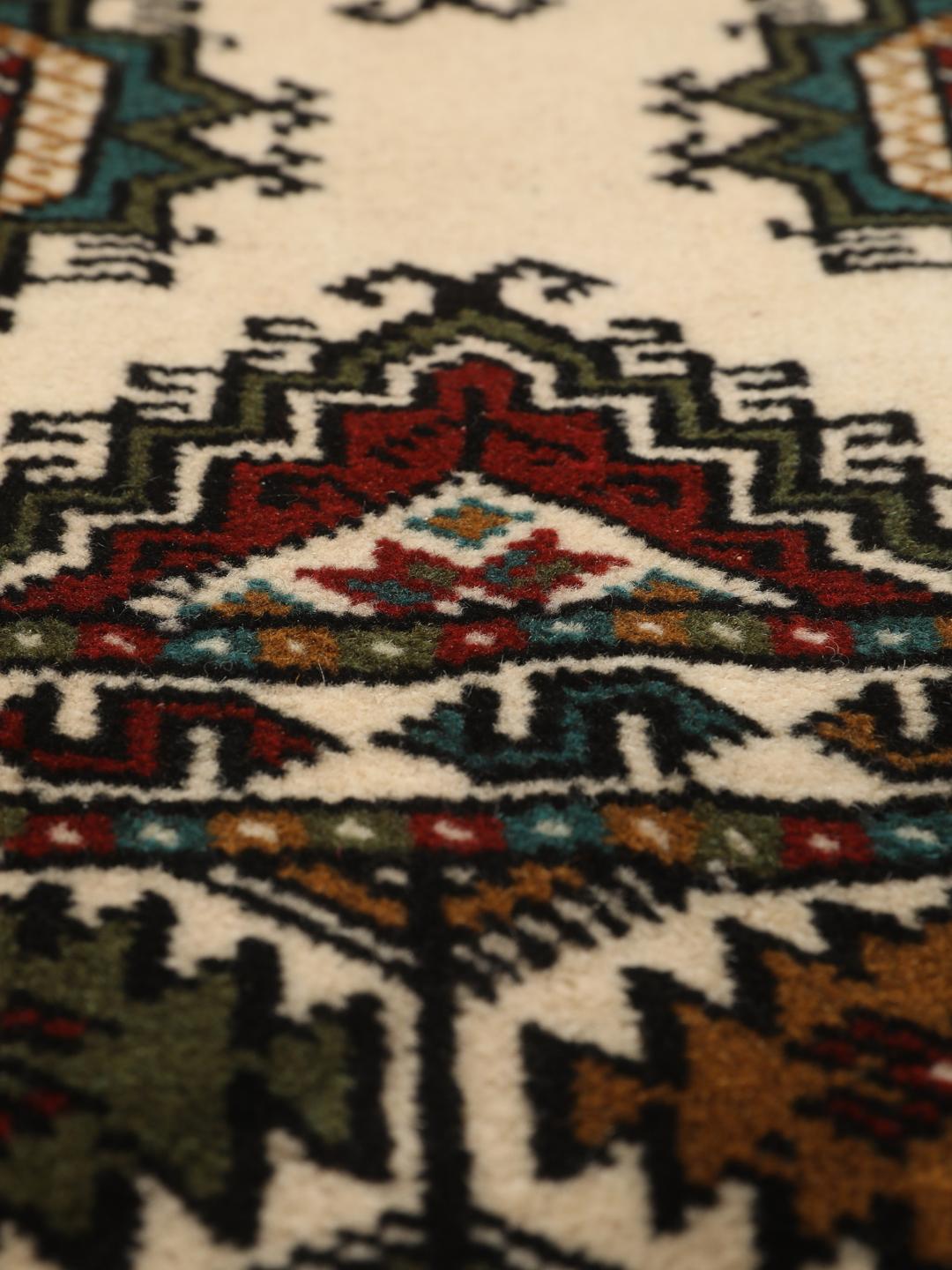
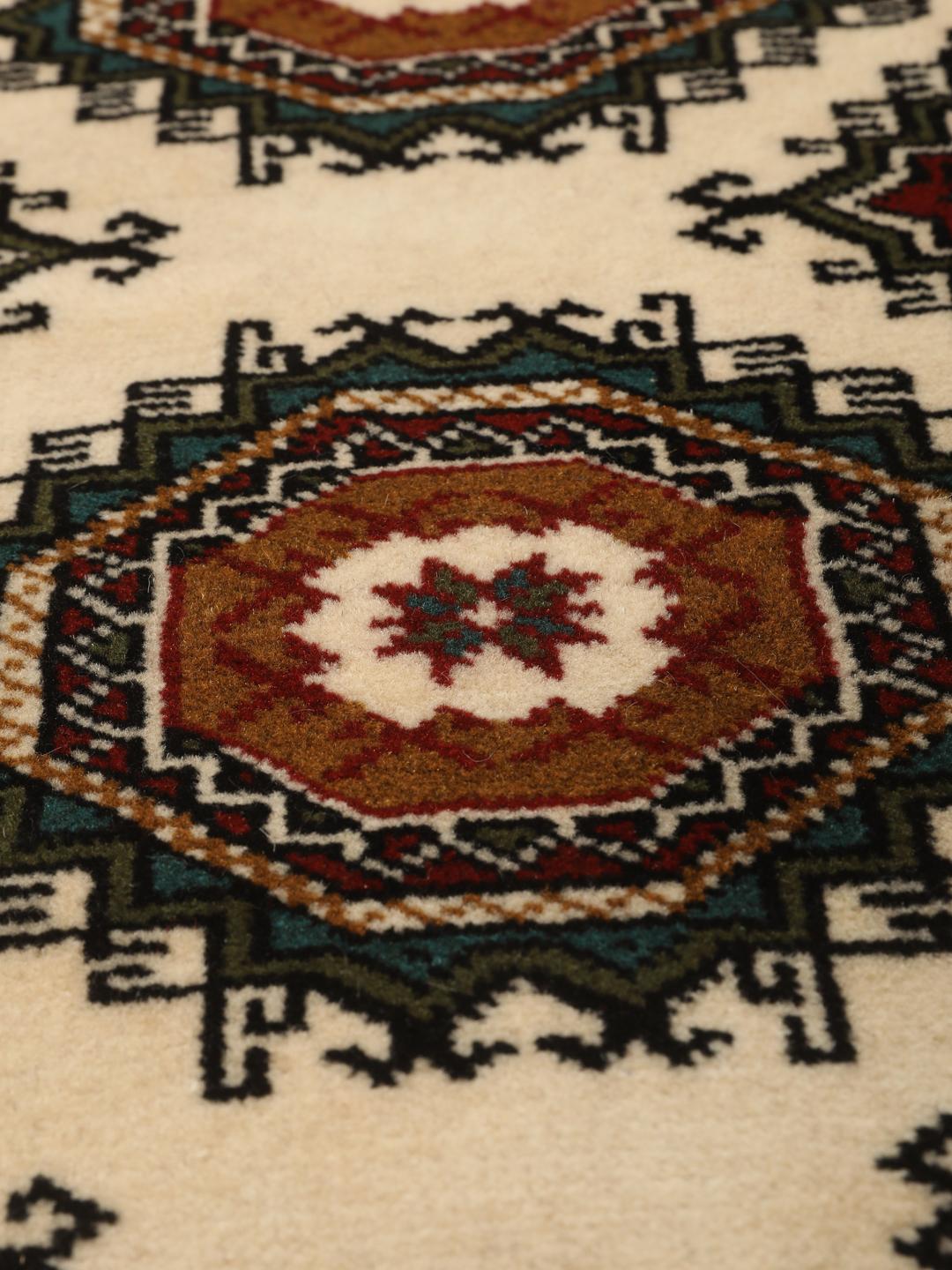
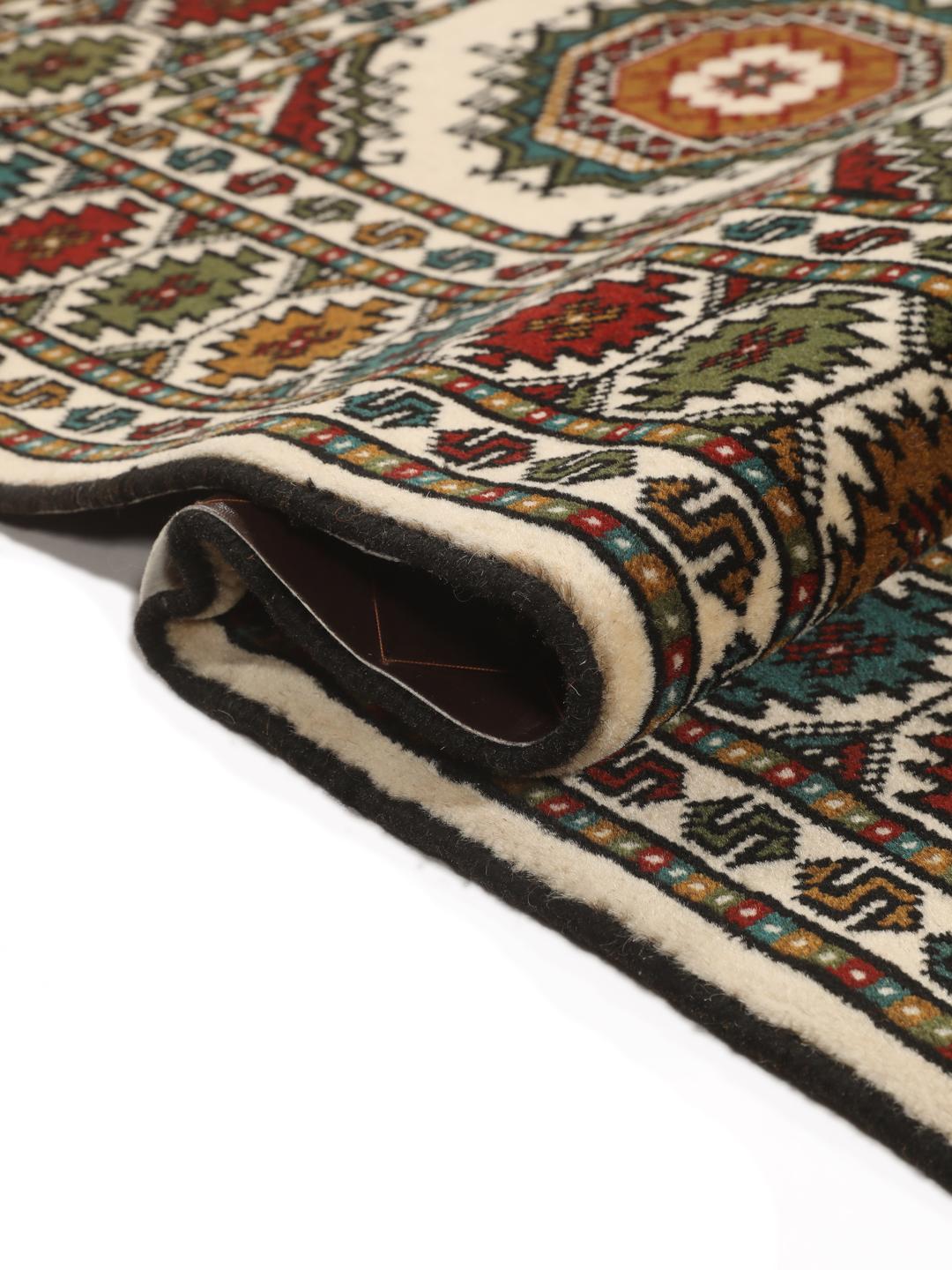
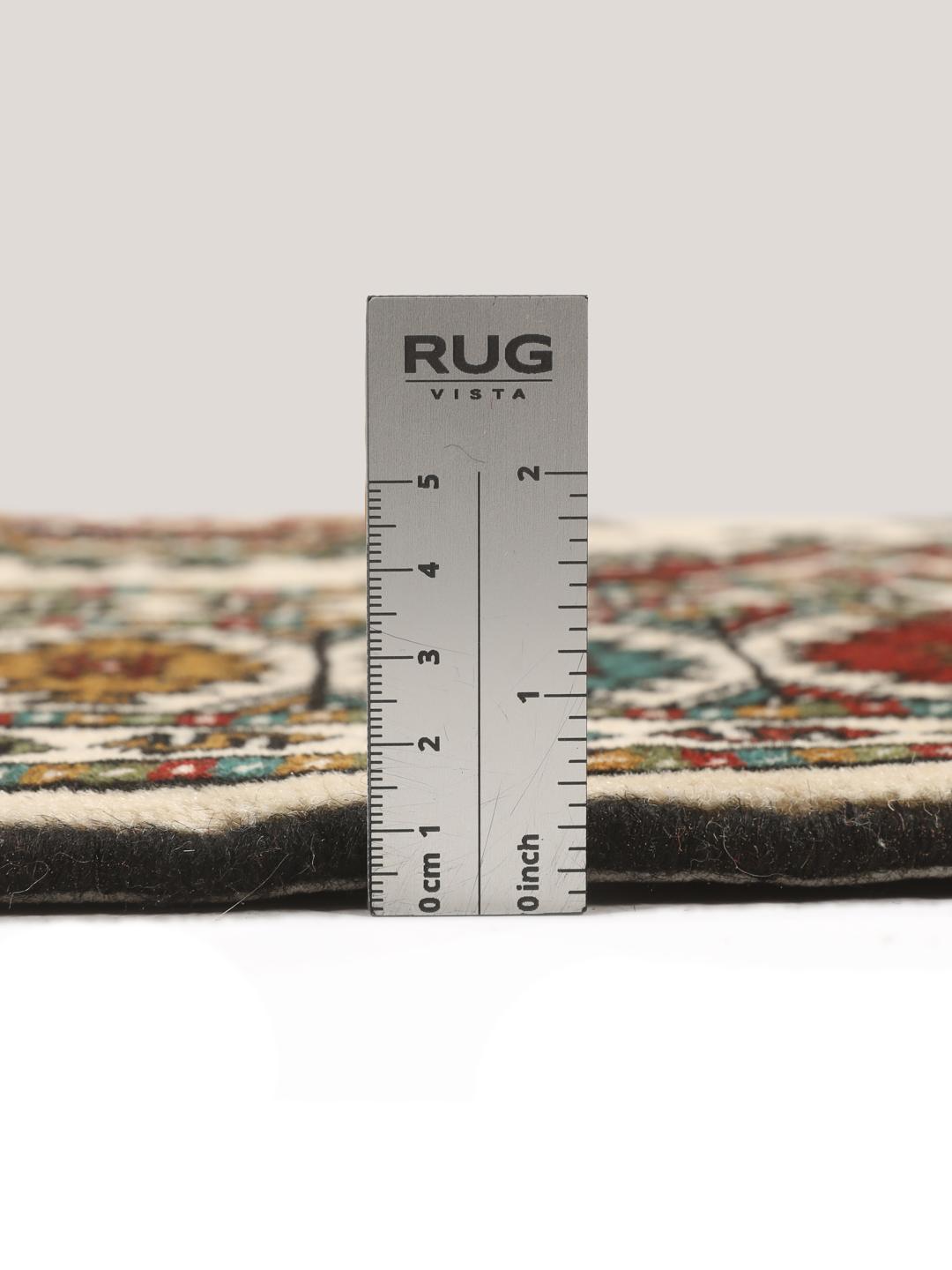
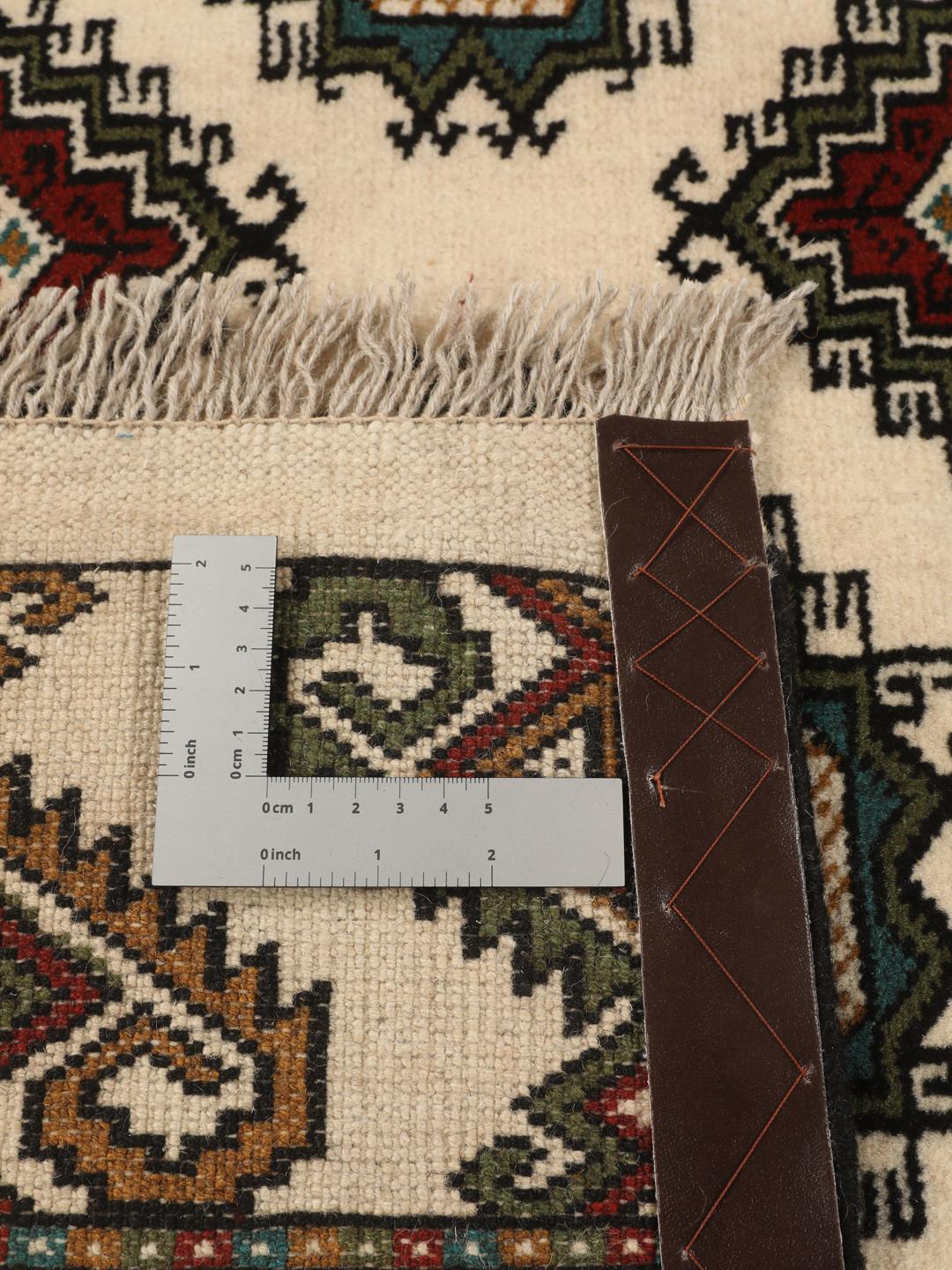
Turkaman rugs originate from the nomadic tribes of Central Asia, where weaving was a fundamental part of daily life and cultural expression. Over centuries, these traditions migrated and evolved across the Middle East, eventually becoming some of the most recognised and respected rug styles in the world. The designs are deeply rooted in the identity of the tribes that produced them, serving as both functional floor coverings and symbols of heritage.
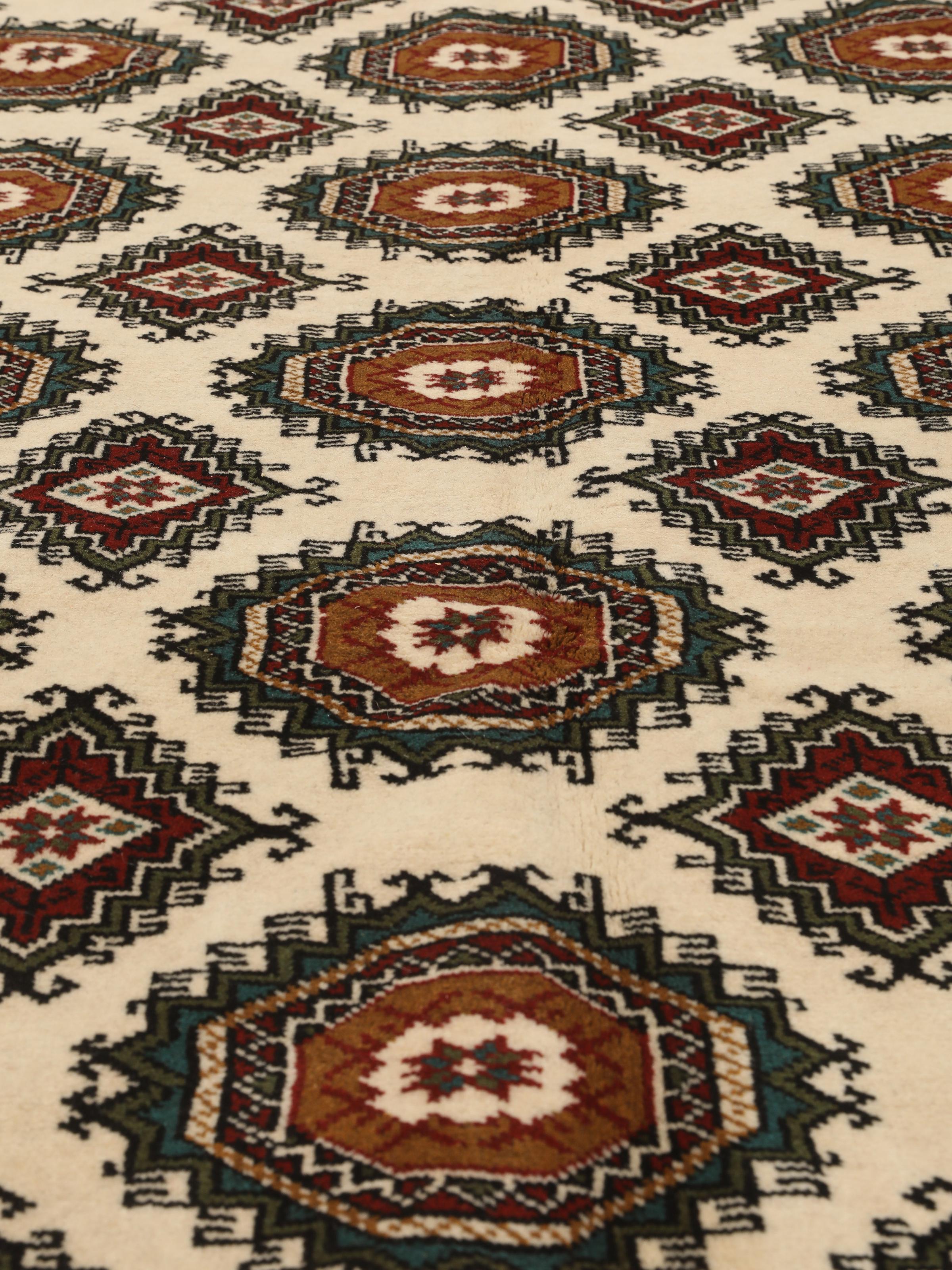
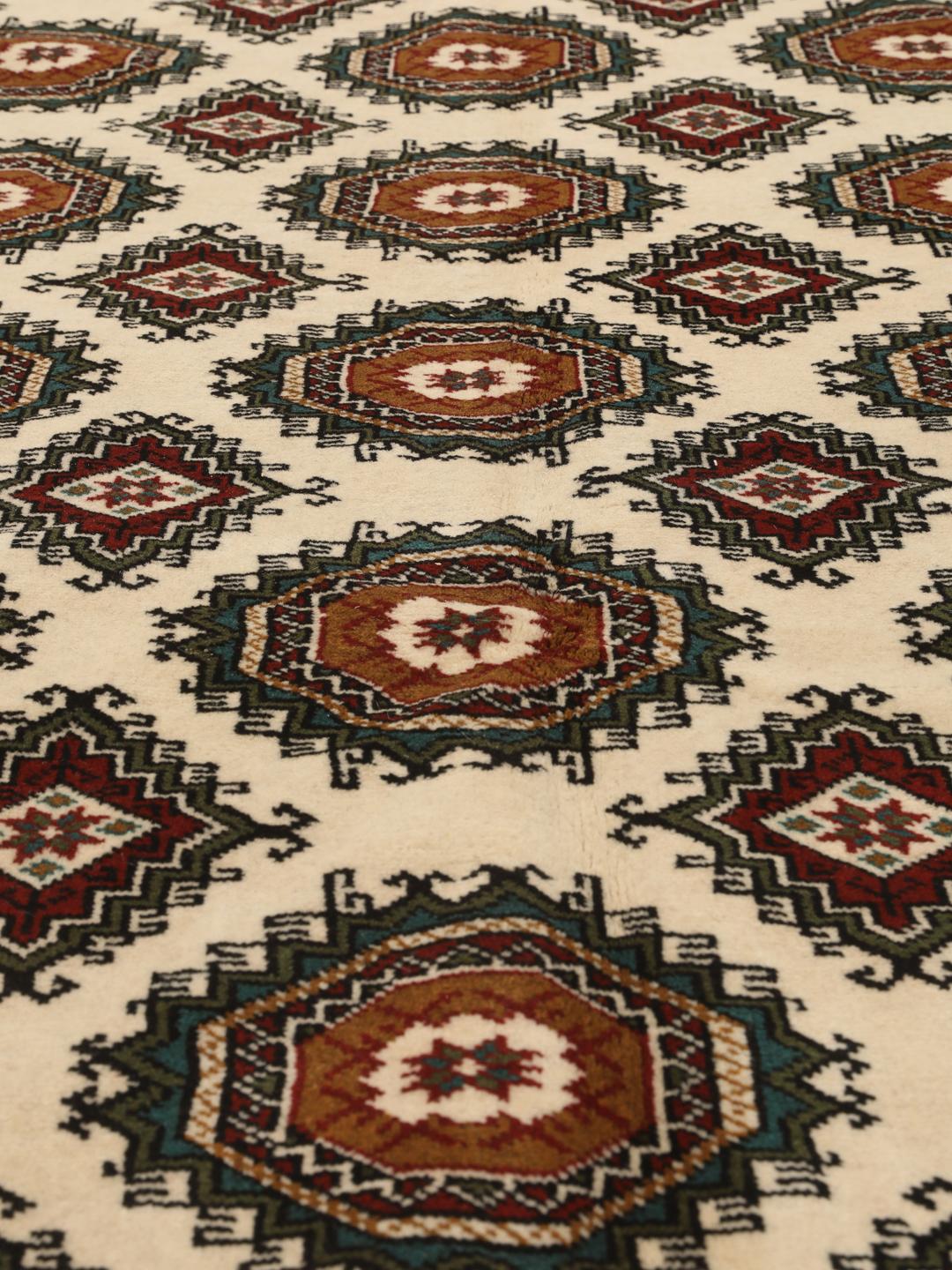
The term Turkaman refers to a specific group of designs that rely on a refined, symmetrical structure. These rugs are typically crafted with a dense knotting technique that allows for intricate, long-lasting patterns. This density is not just for show; it is a technical necessity that provides the rugs with their legendary durability, ensuring they can withstand the rigours of nomadic life and remain intact for generations.
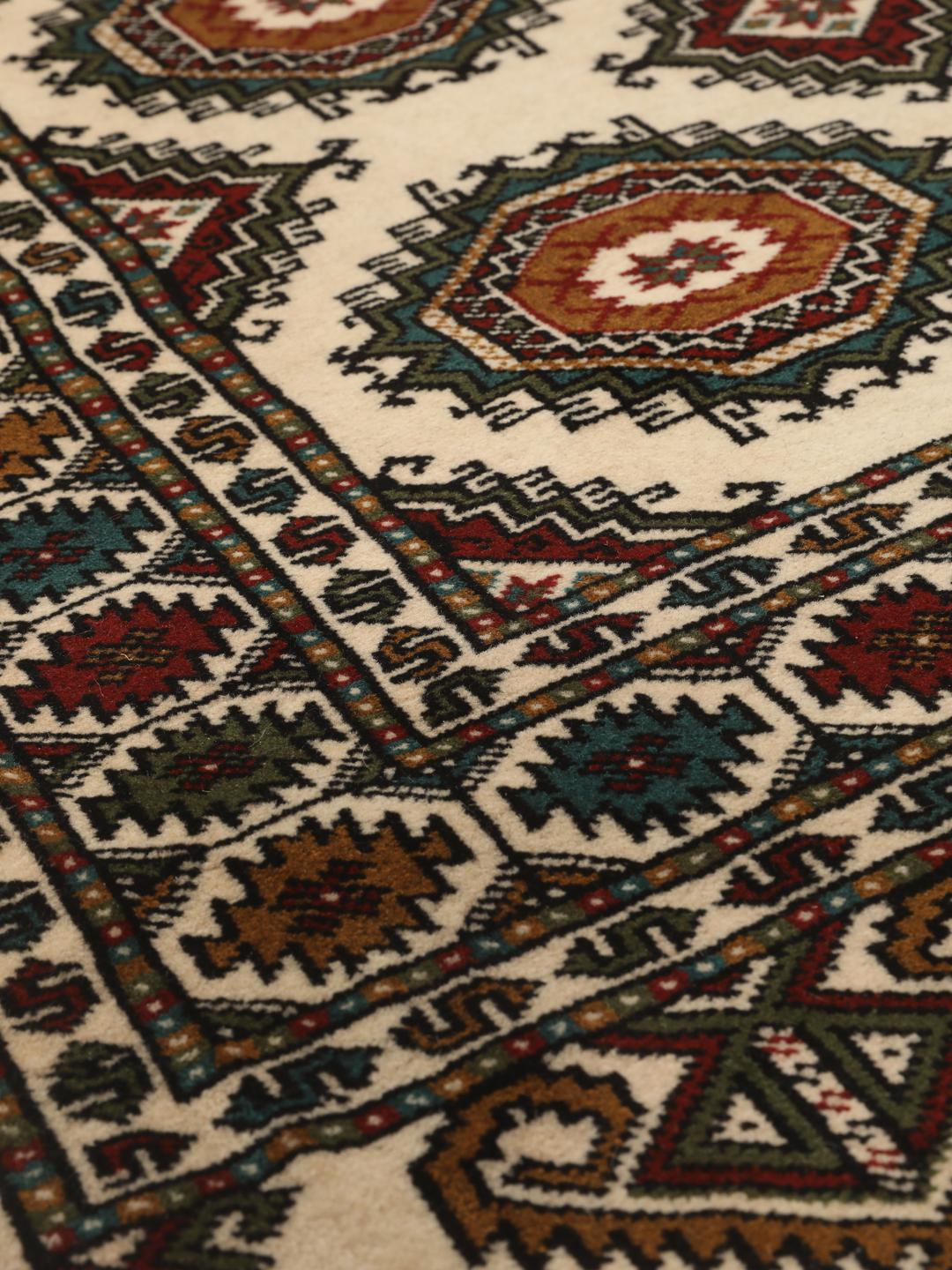
Signature elements of these rugs include the gul, a repeating medallion motif that often resembles an elephant foot or an octagonal star. These motifs are typically set against a rich, saturated field, often in shades of deep red. The borders are usually composed of smaller, geometric patterns that frame the field, providing a sense of order and completion to the design. Each rug is a distinct interpretation of these traditional symbols, reflecting the personal touch of the weaver.
These rugs are highly valued by collectors because they represent a living history of skill and patience. To own a piece from this tradition is to participate in an ancient craft that prioritises quality and artistic integrity above all else. They are considered pieces of lasting value, not only for their visual beauty but for the cultural weight they carry, making them a meaningful addition to any thoughtful home.