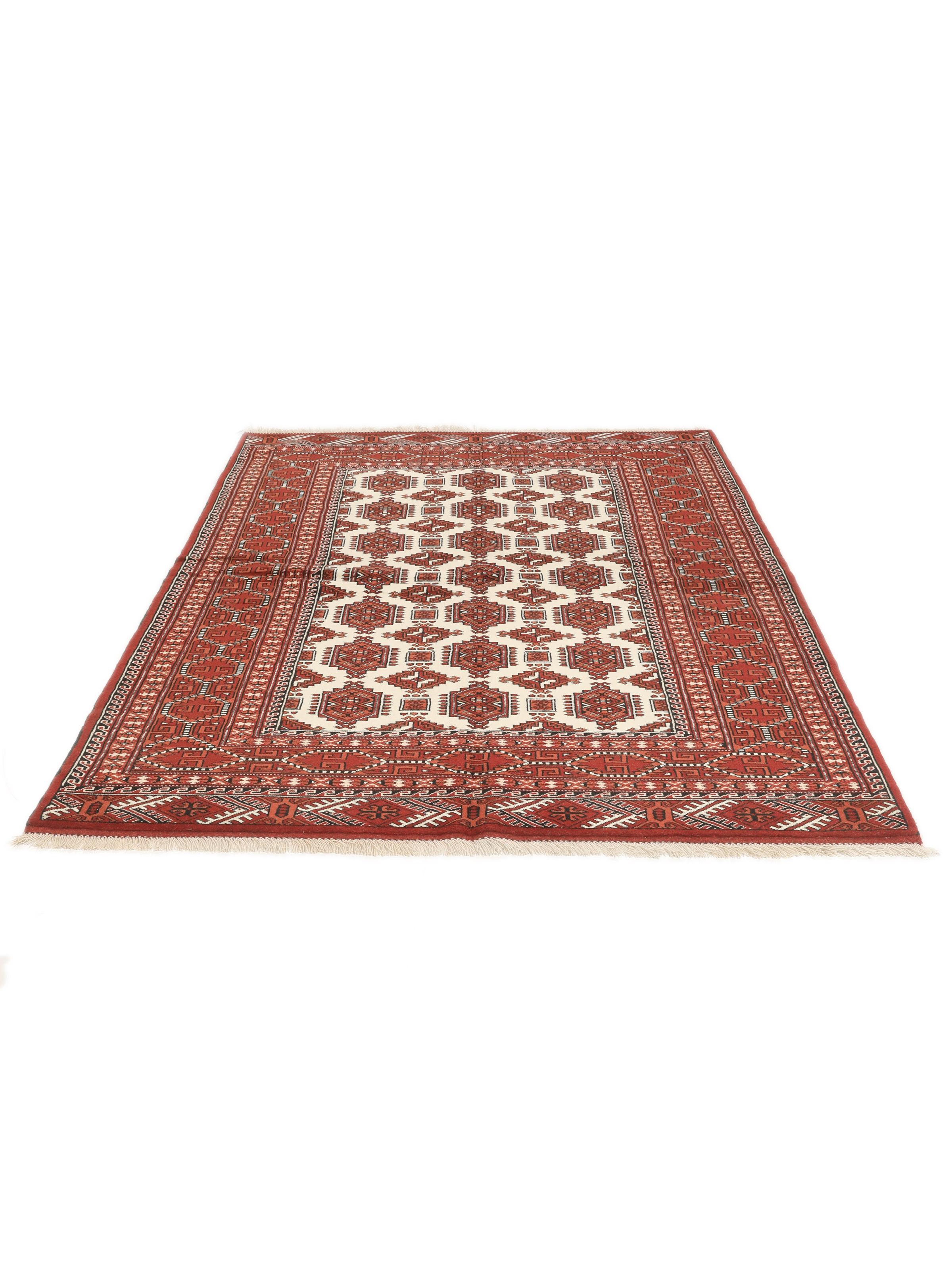
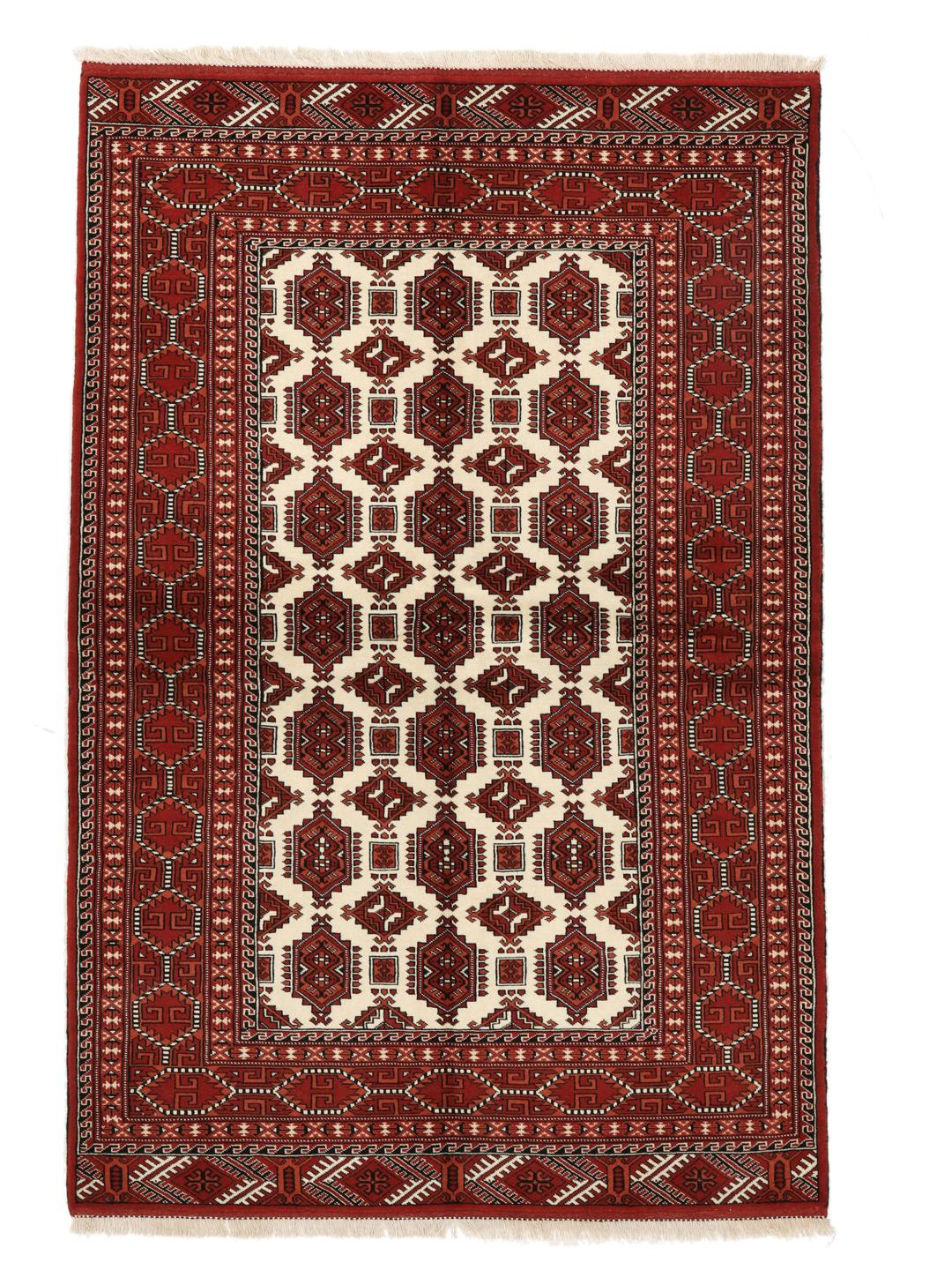
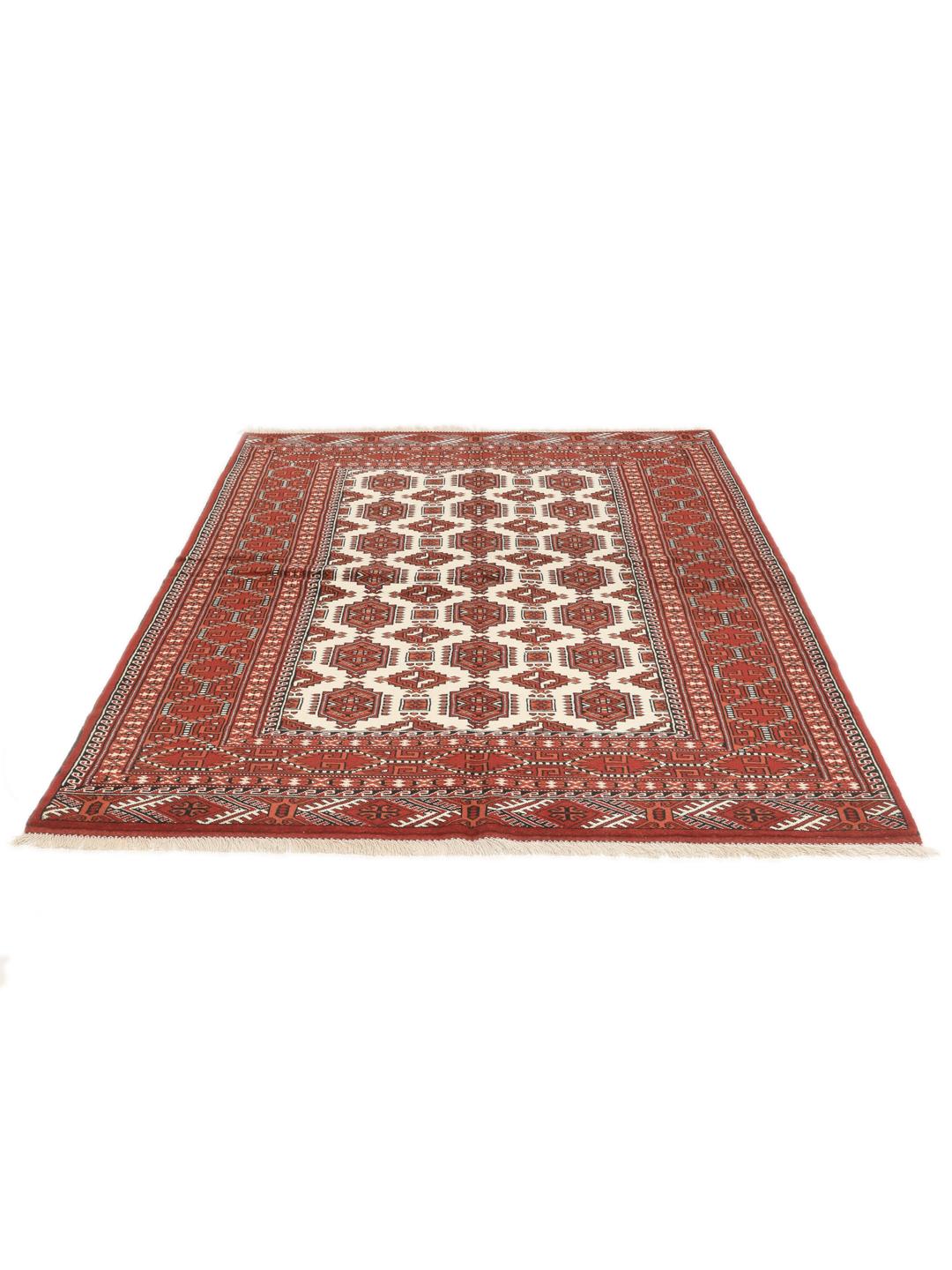
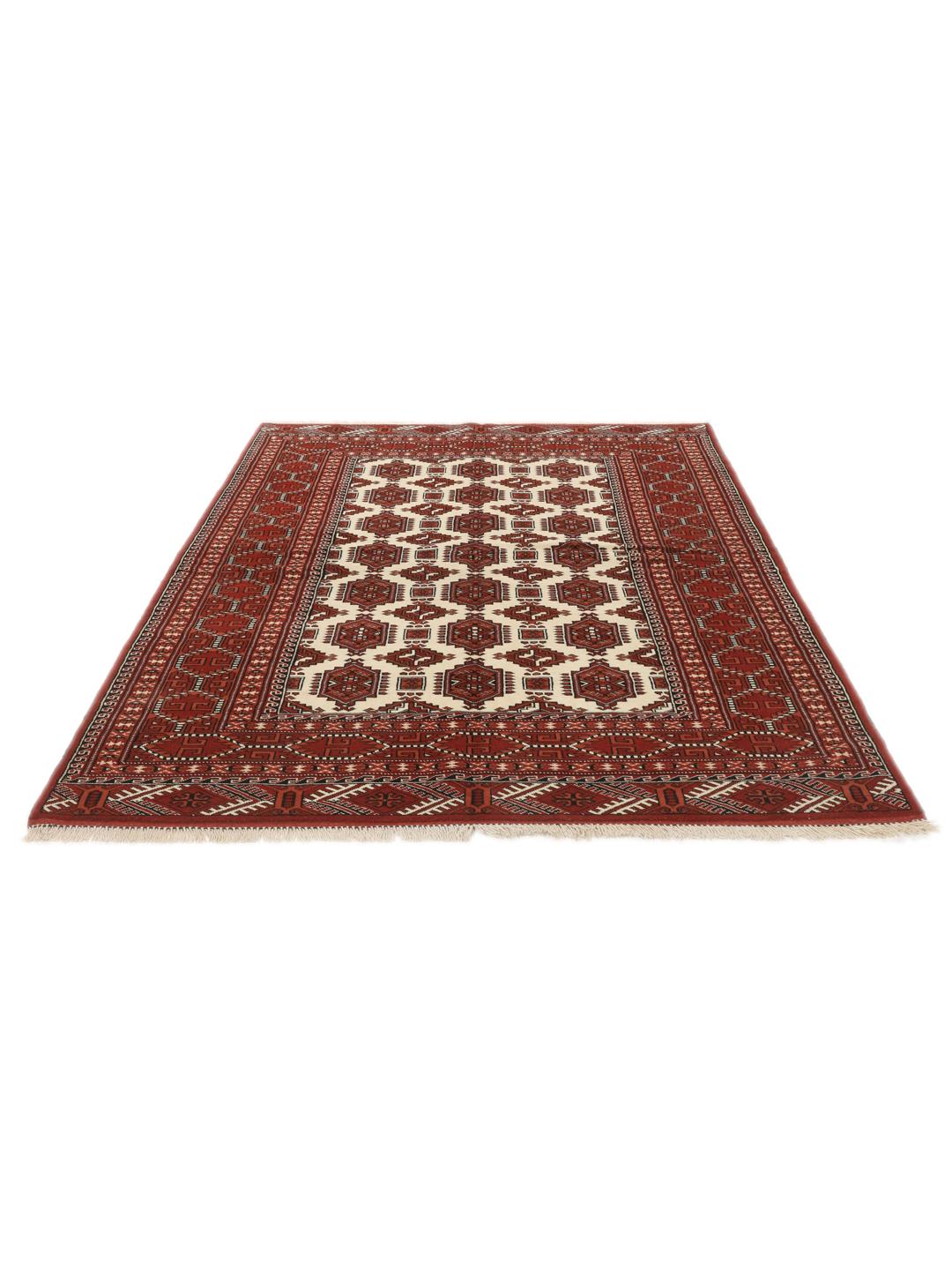
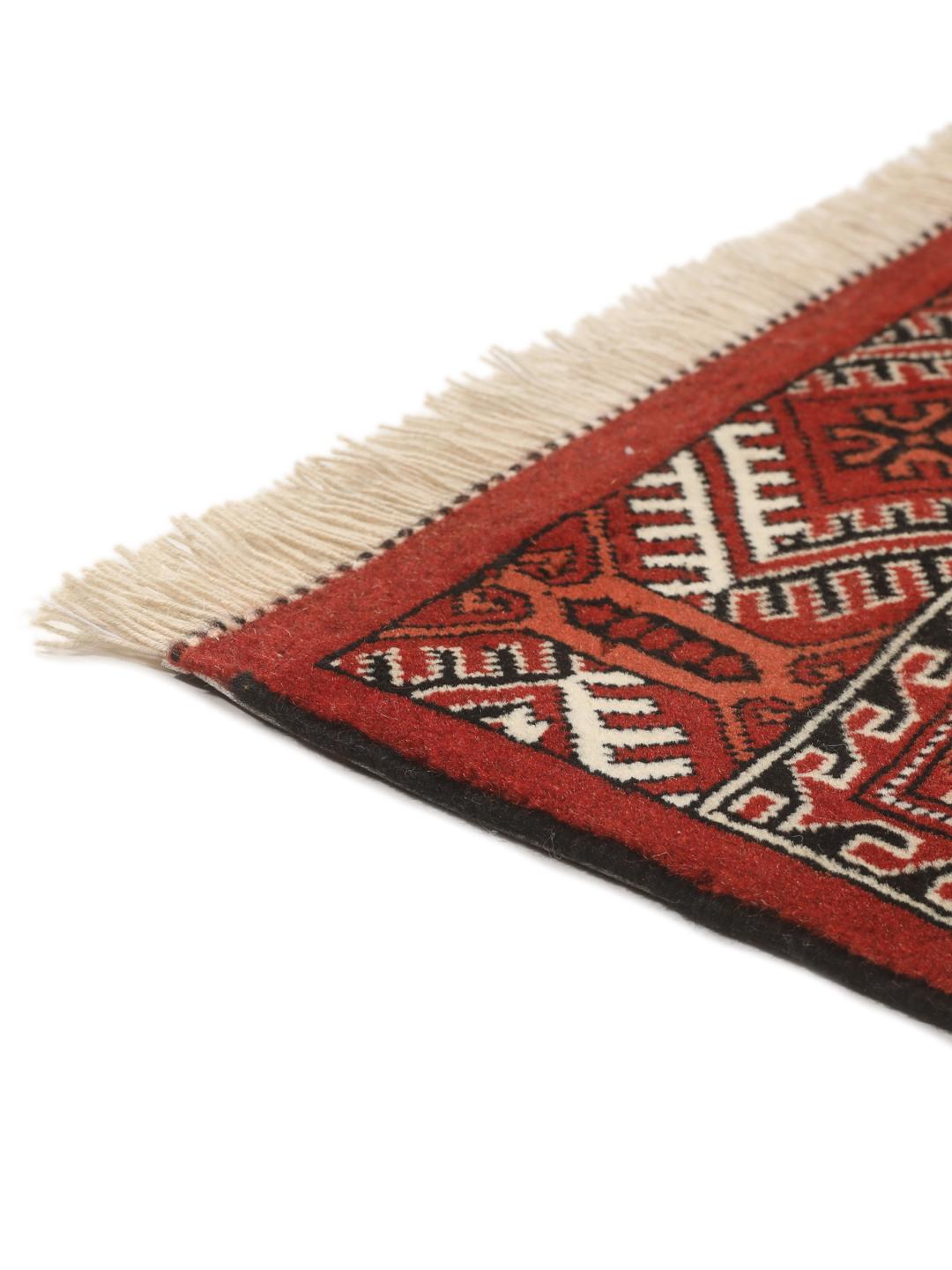
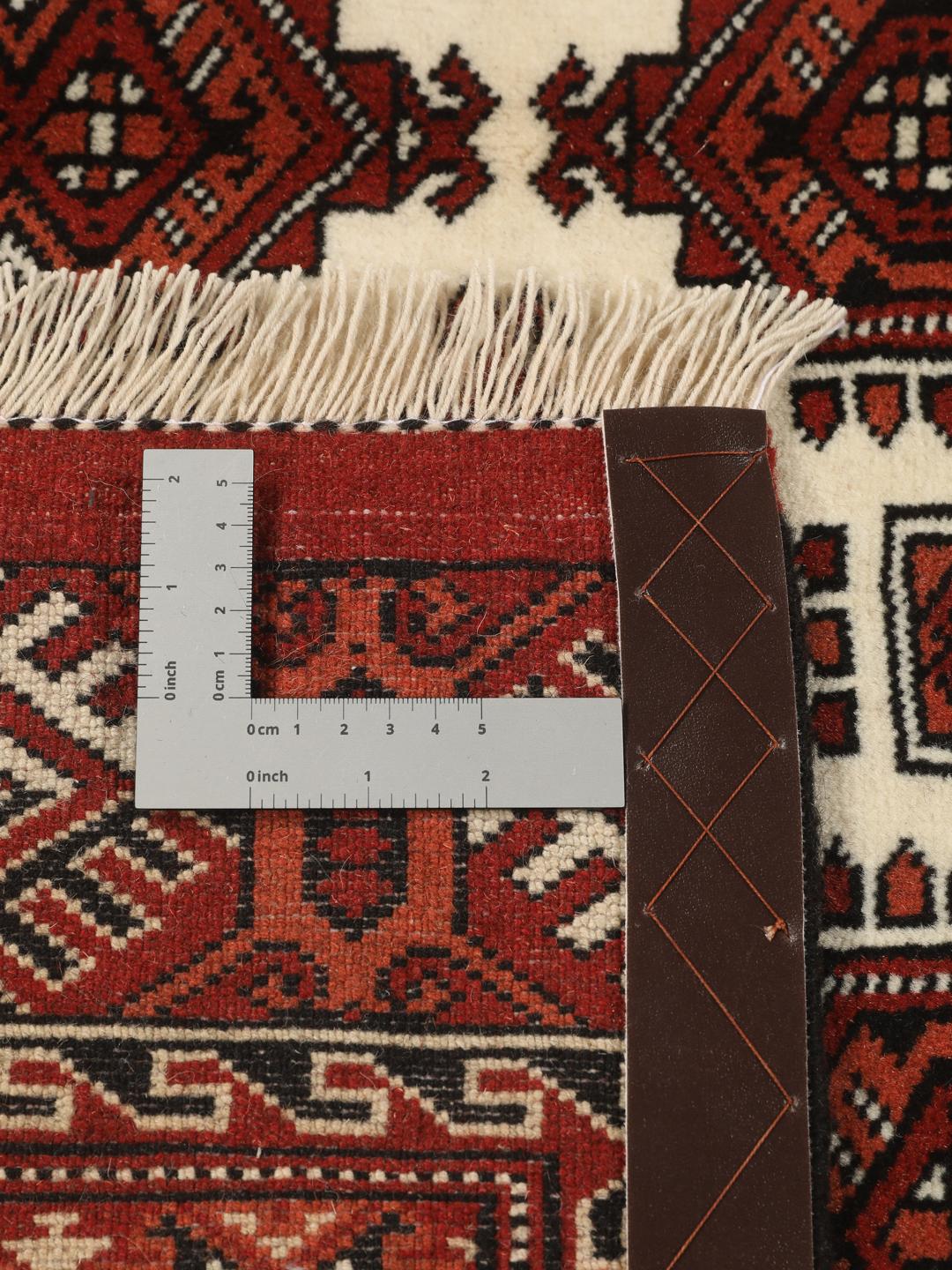
The Turkaman rug tradition stems from the nomadic tribes of the Central Asian steppes, whose weaving heritage is deeply rooted in the history of the Silk Road. These rugs were historically created by tribal groups for practical use in tents, serving as floor coverings, bags, and wall hangings, which necessitated a construction that was both portable and incredibly durable.
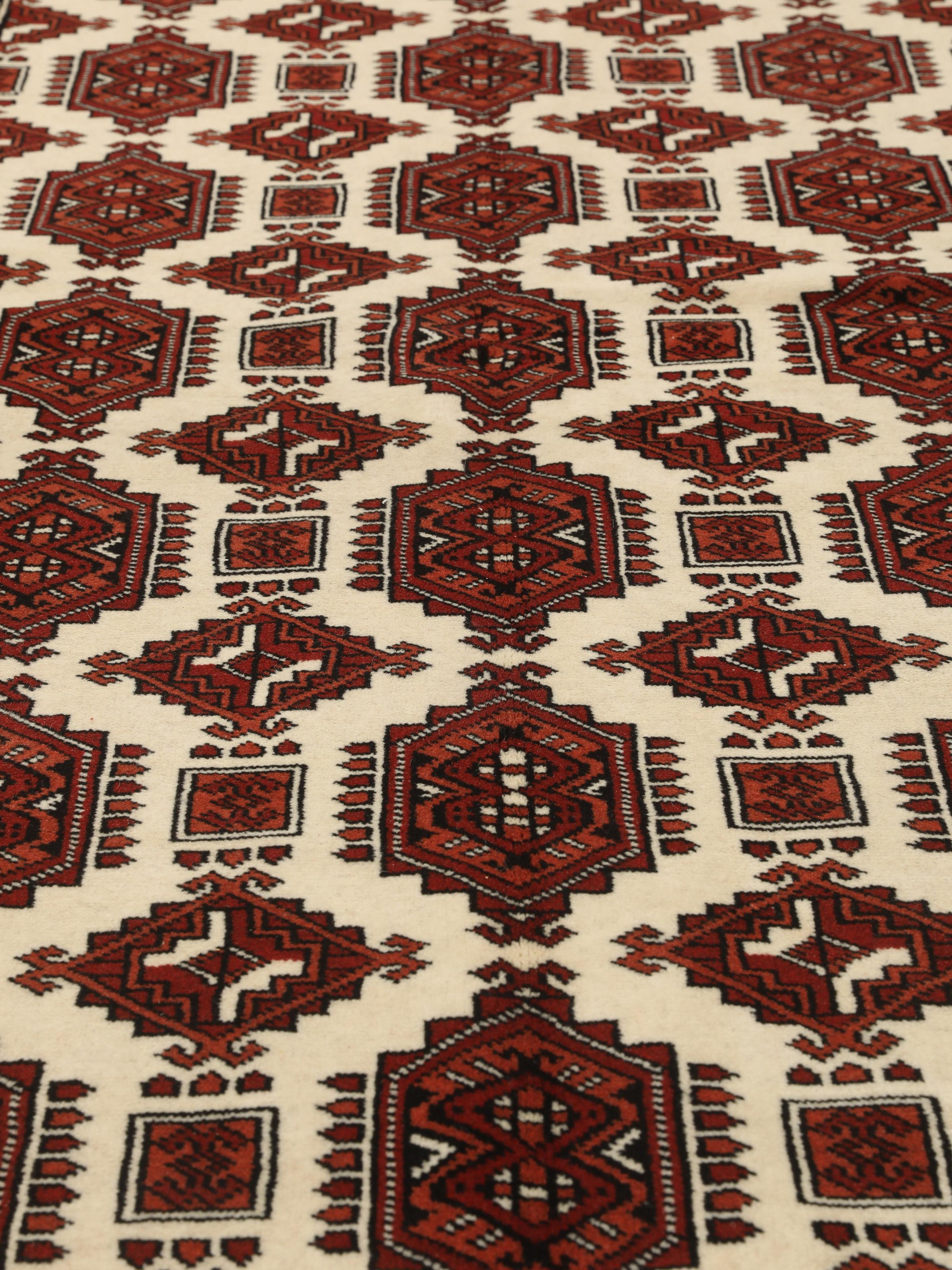
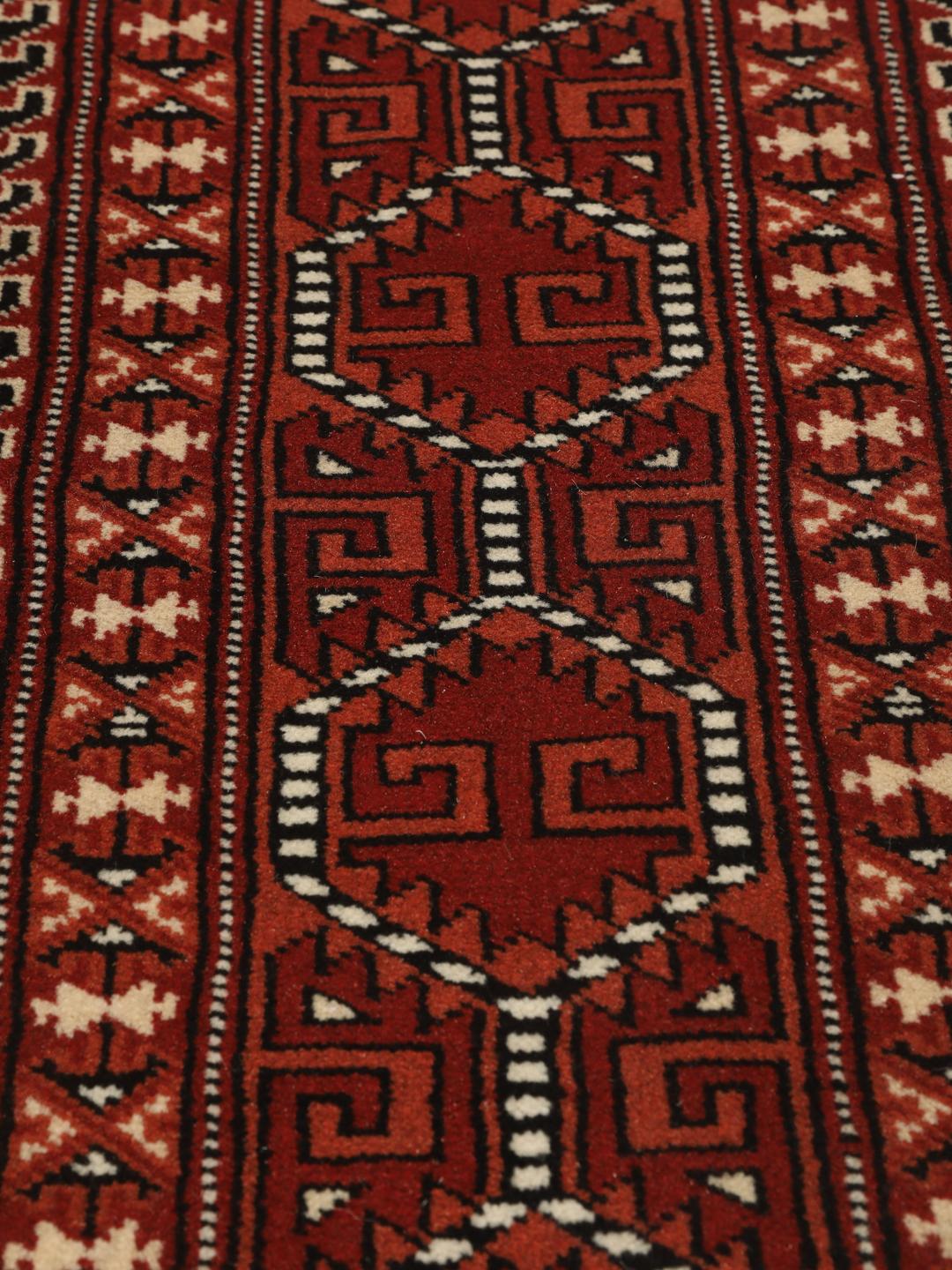
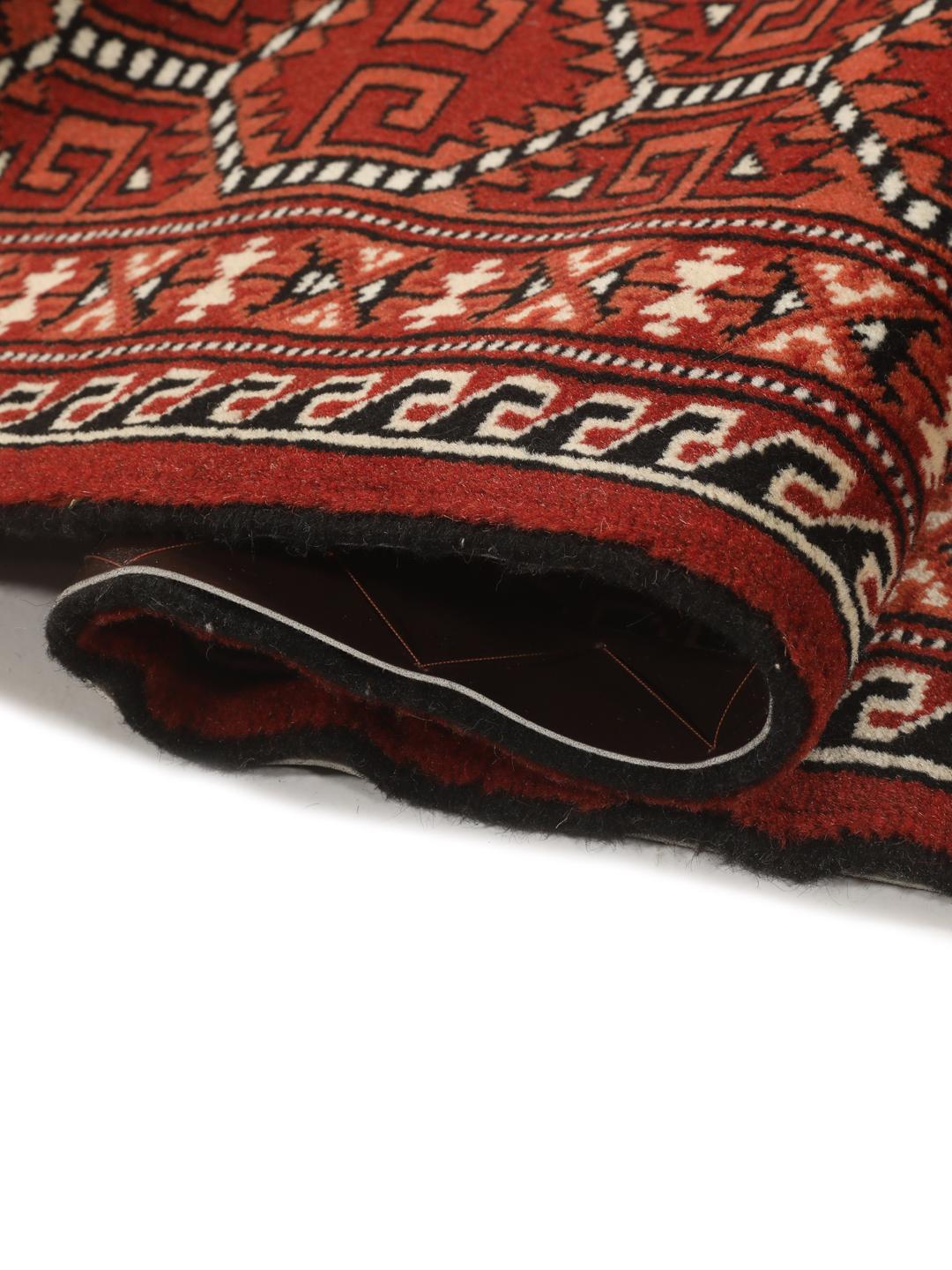
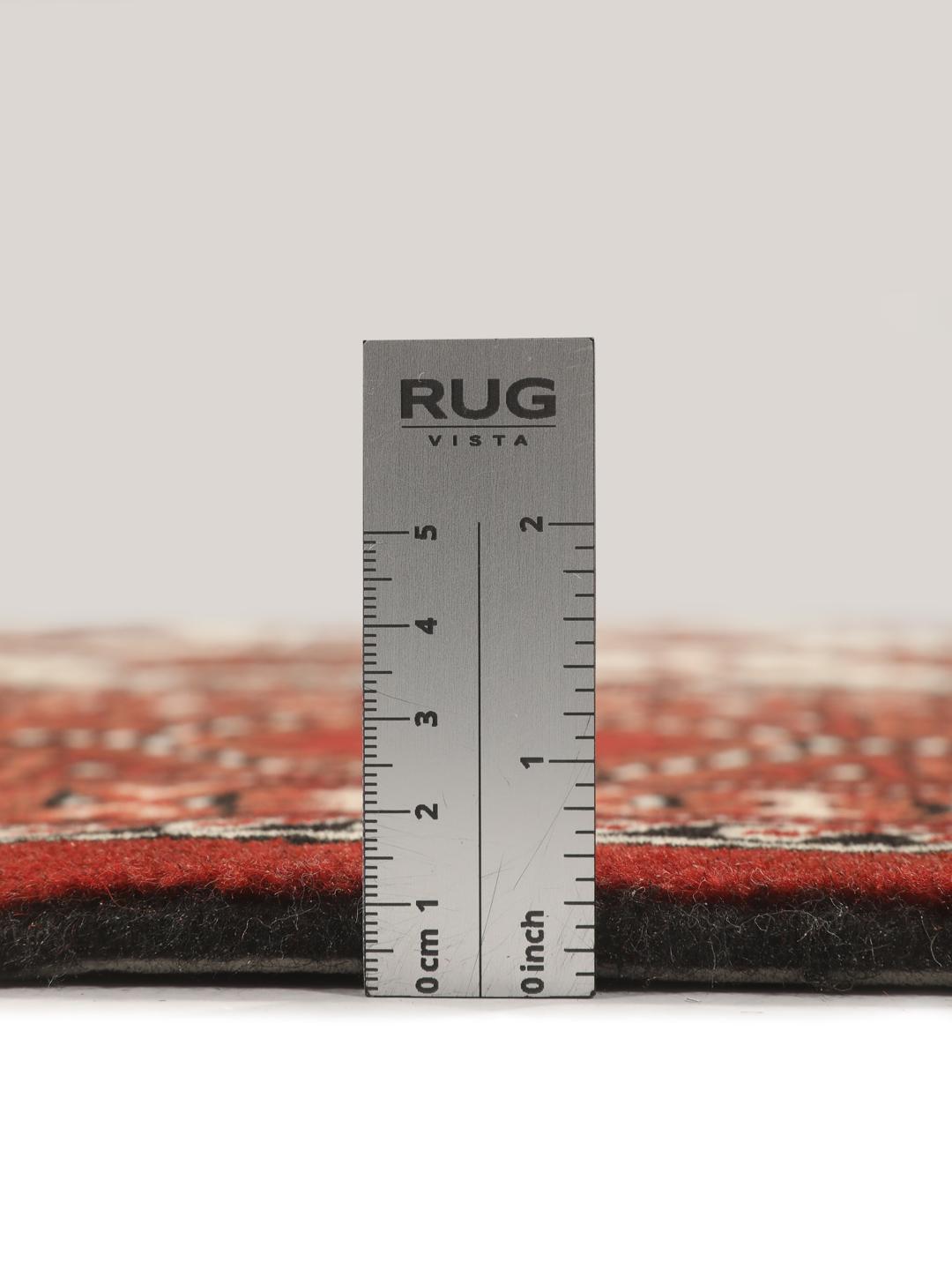
Technically, the Turkaman tradition is defined by its use of rich, deep colours and repeating patterns. The term itself refers to these distinct tribal styles, which are characterised by a tight, dense knotting technique. This creates a firm, resilient pile that is known for its ability to withstand heavy foot traffic while maintaining a lustrous appearance over time.
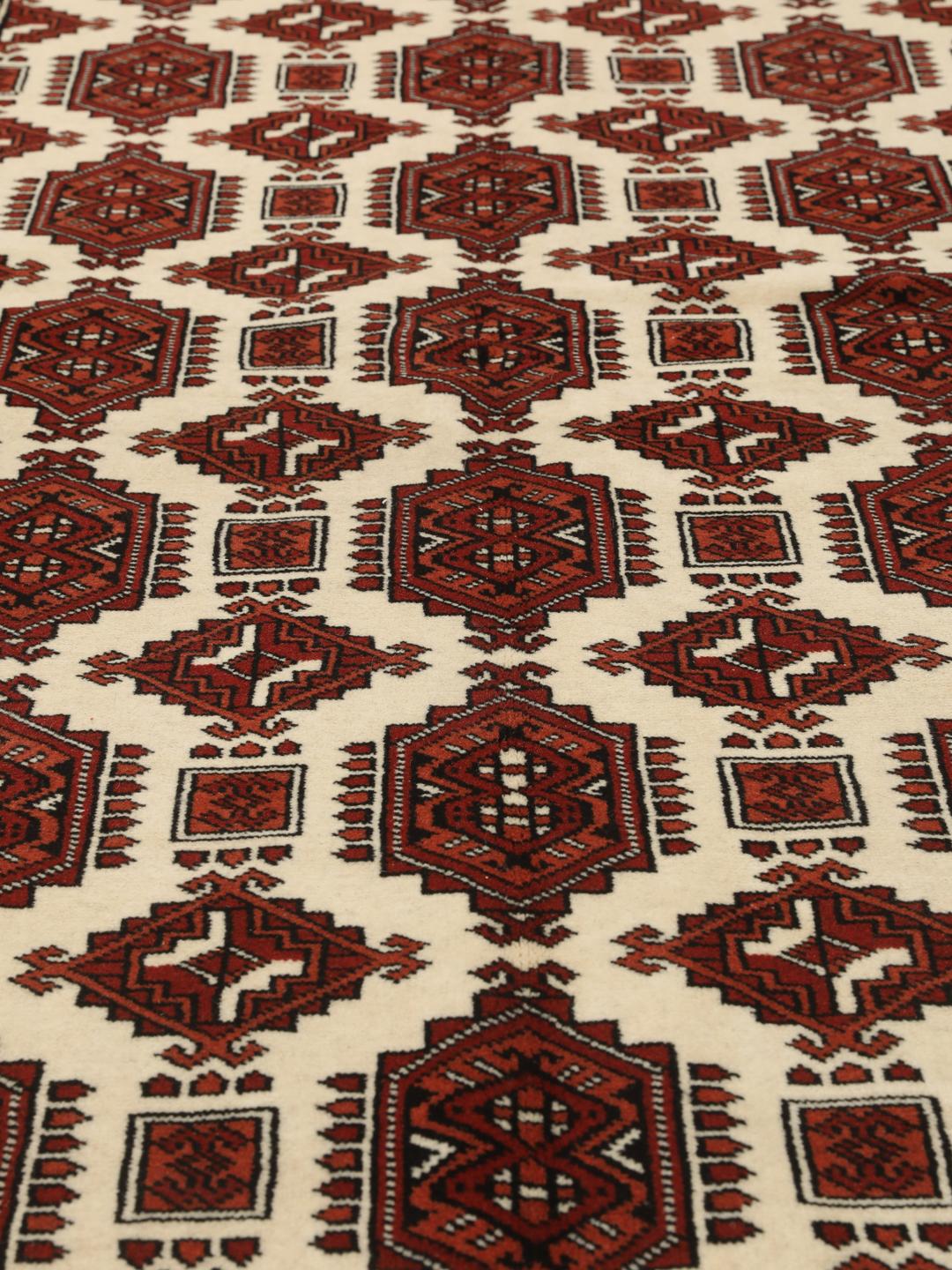
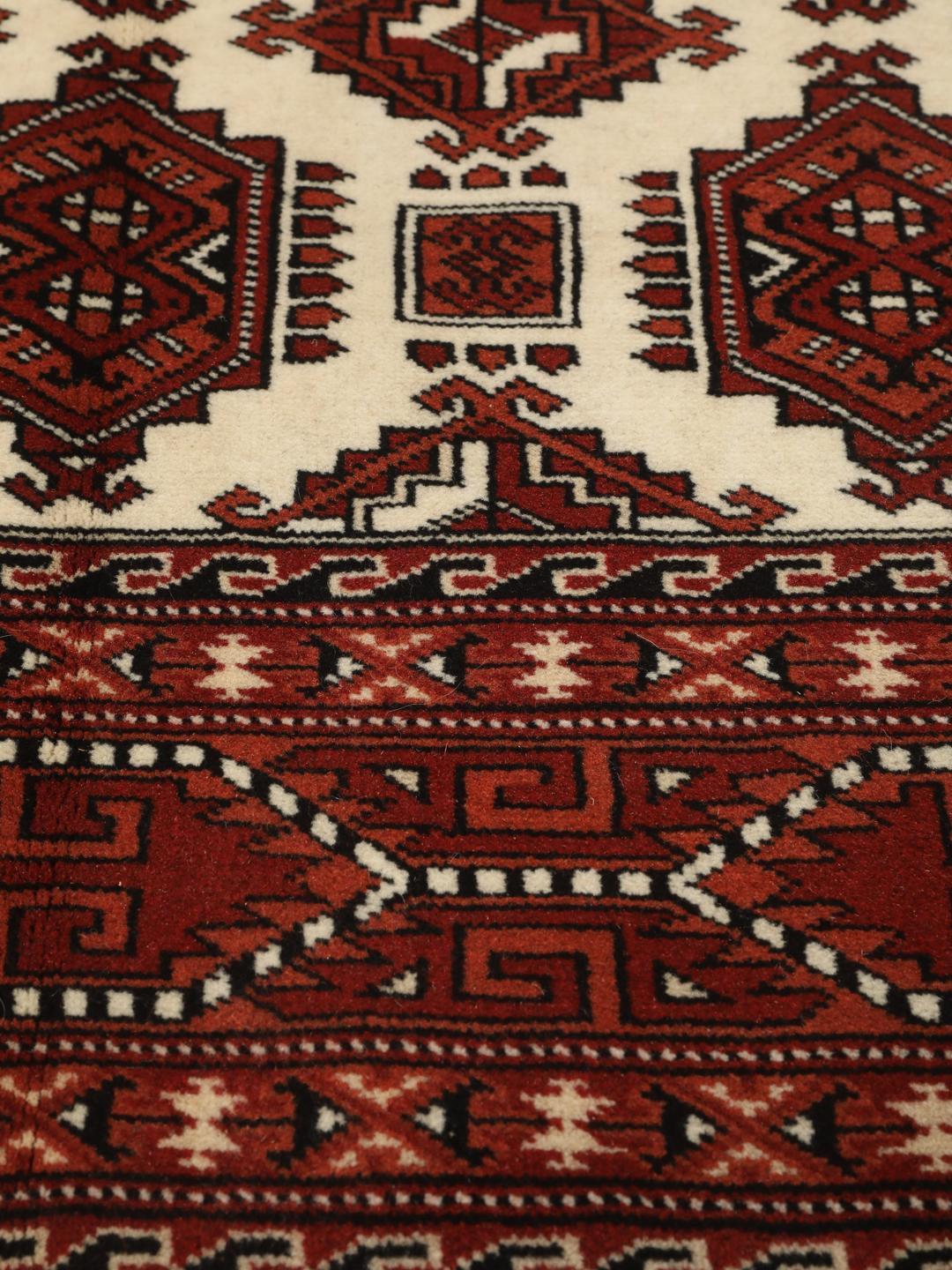
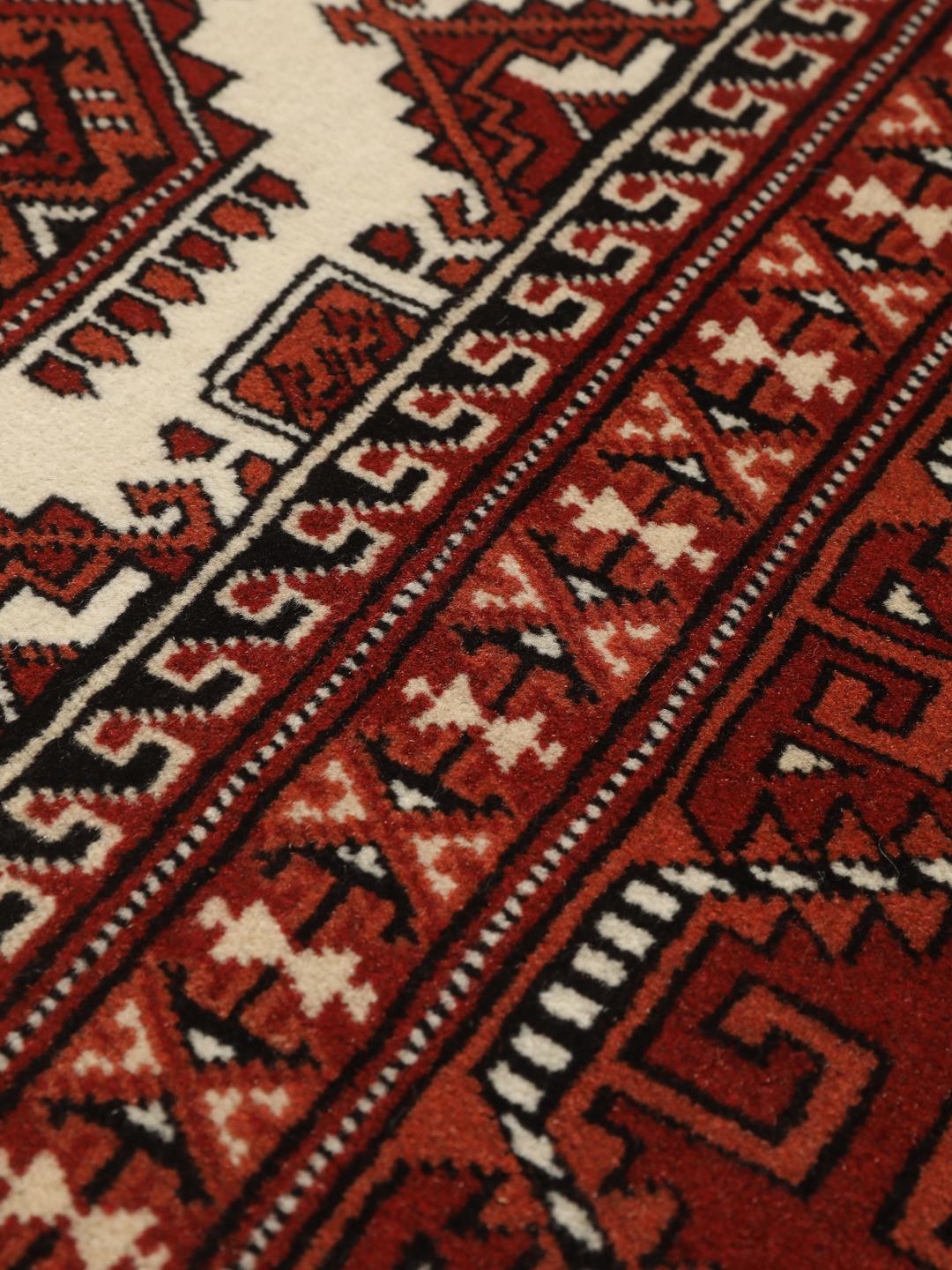
The design language of these rugs is dominated by the 'gul' motif, a repeating, octagonal emblem that represents the tribal lineage of the weaver. These medallions are often arranged in a structured grid, surrounded by complex, multi-layered borders that feature geometric, latch-hook, and diamond shapes, all rendered with sharp, deliberate precision.
Owning a Turkaman rug is an opportunity to connect with a centuries-old craft that has been preserved and refined across generations. These pieces are highly valued by collectors for their consistency in quality and their ability to bring a sense of grounded, cultural heritage to modern interiors, making them more than just floor coverings, but rather objects of lasting value.