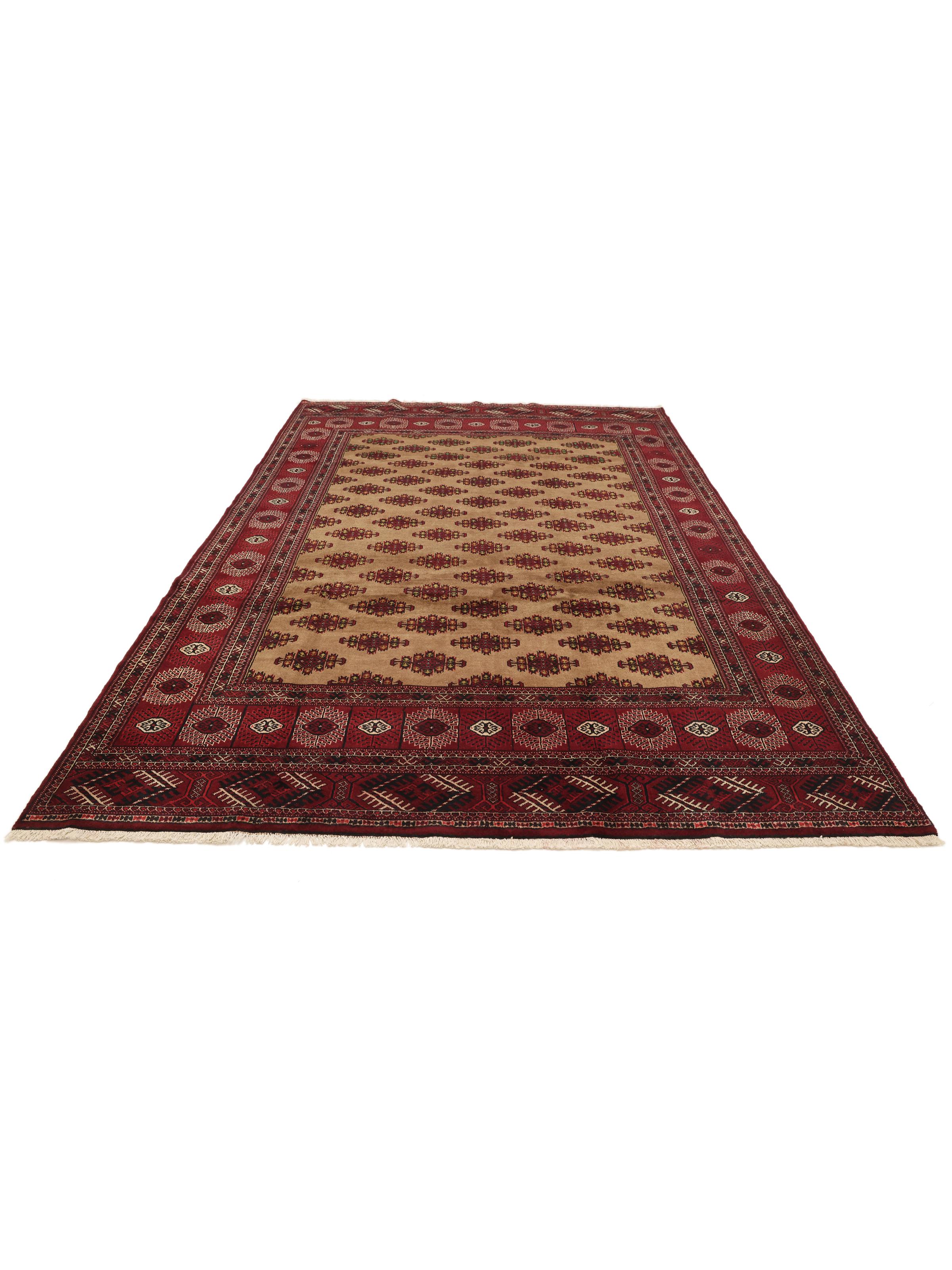
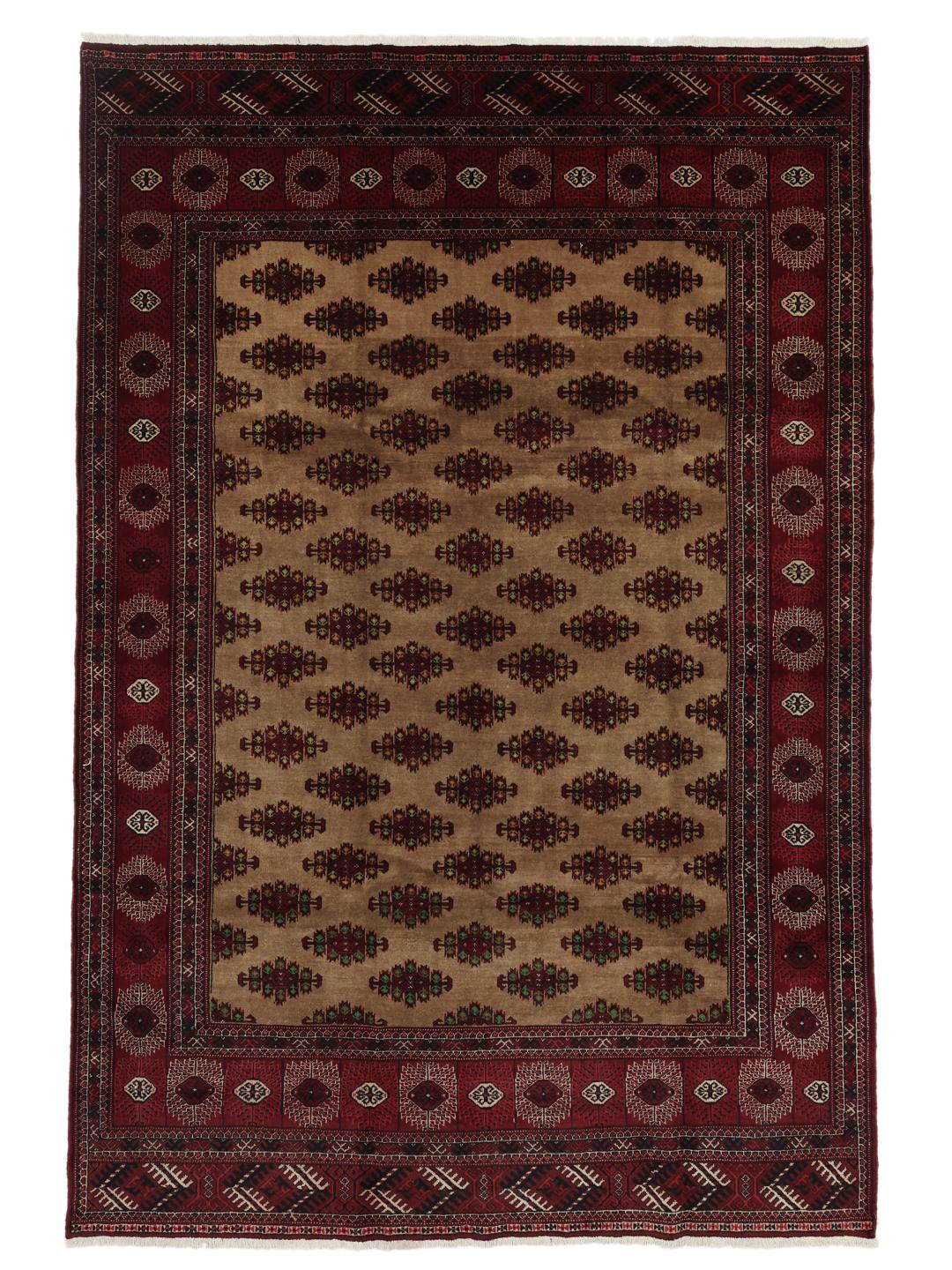
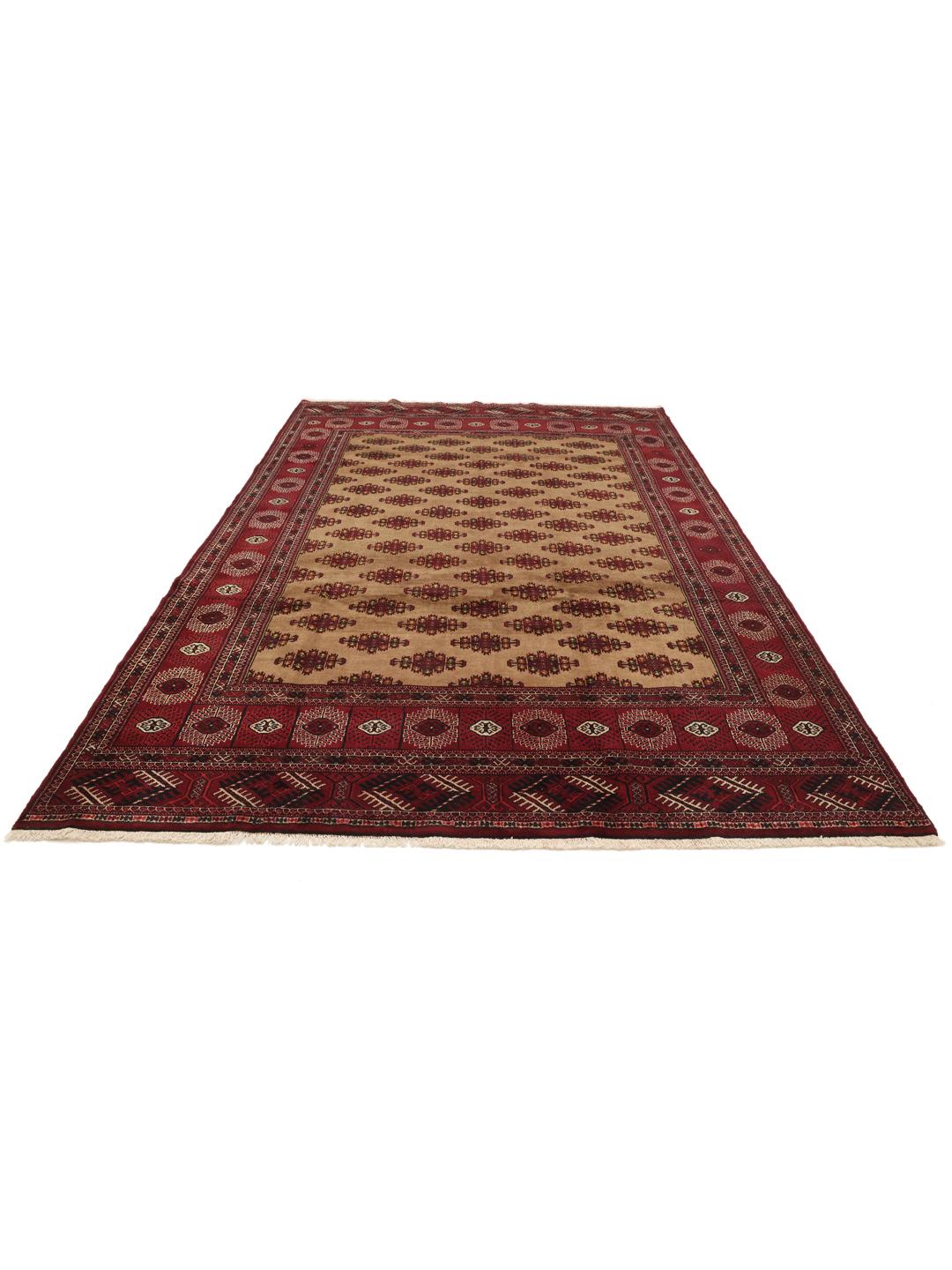
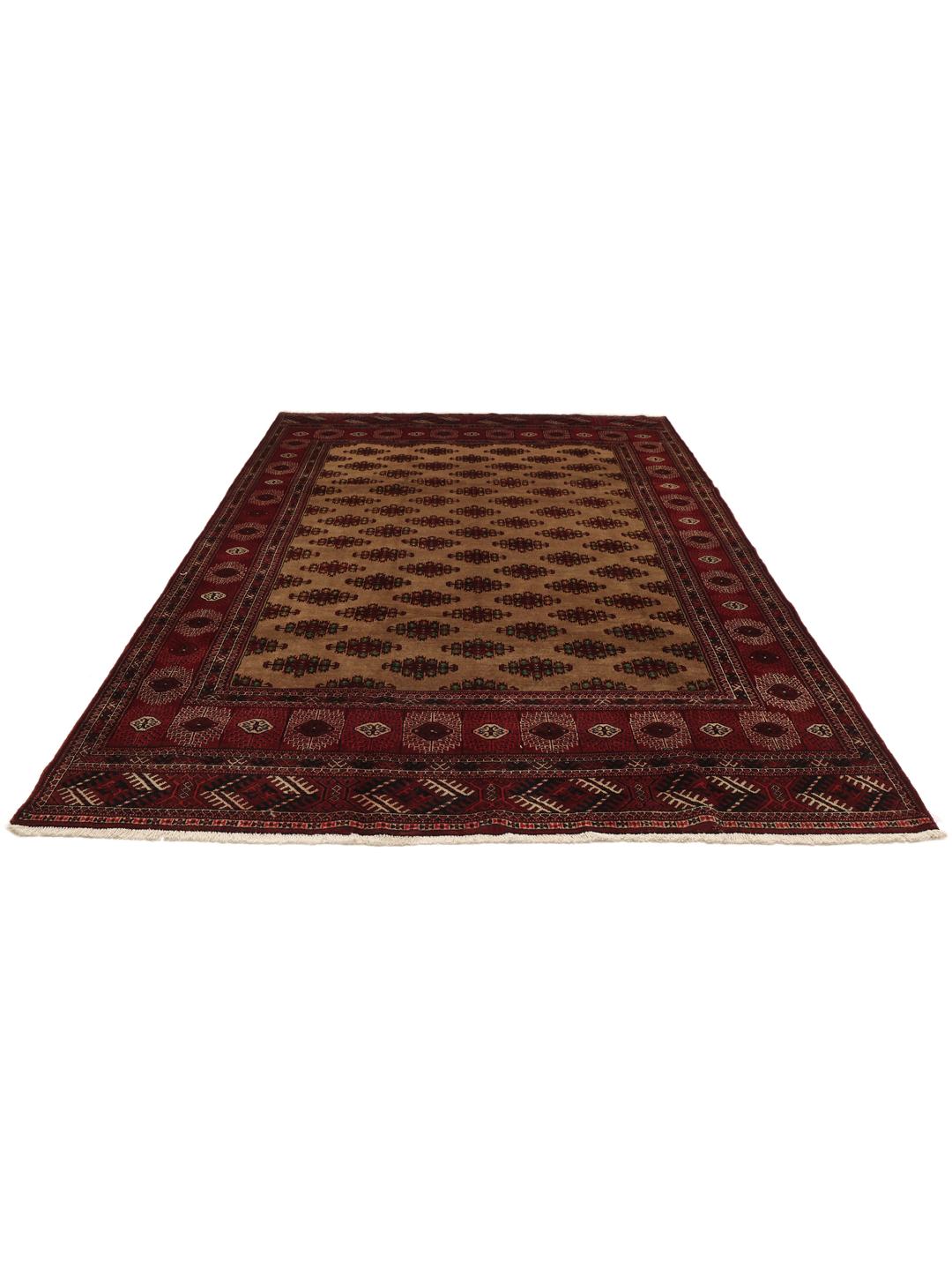
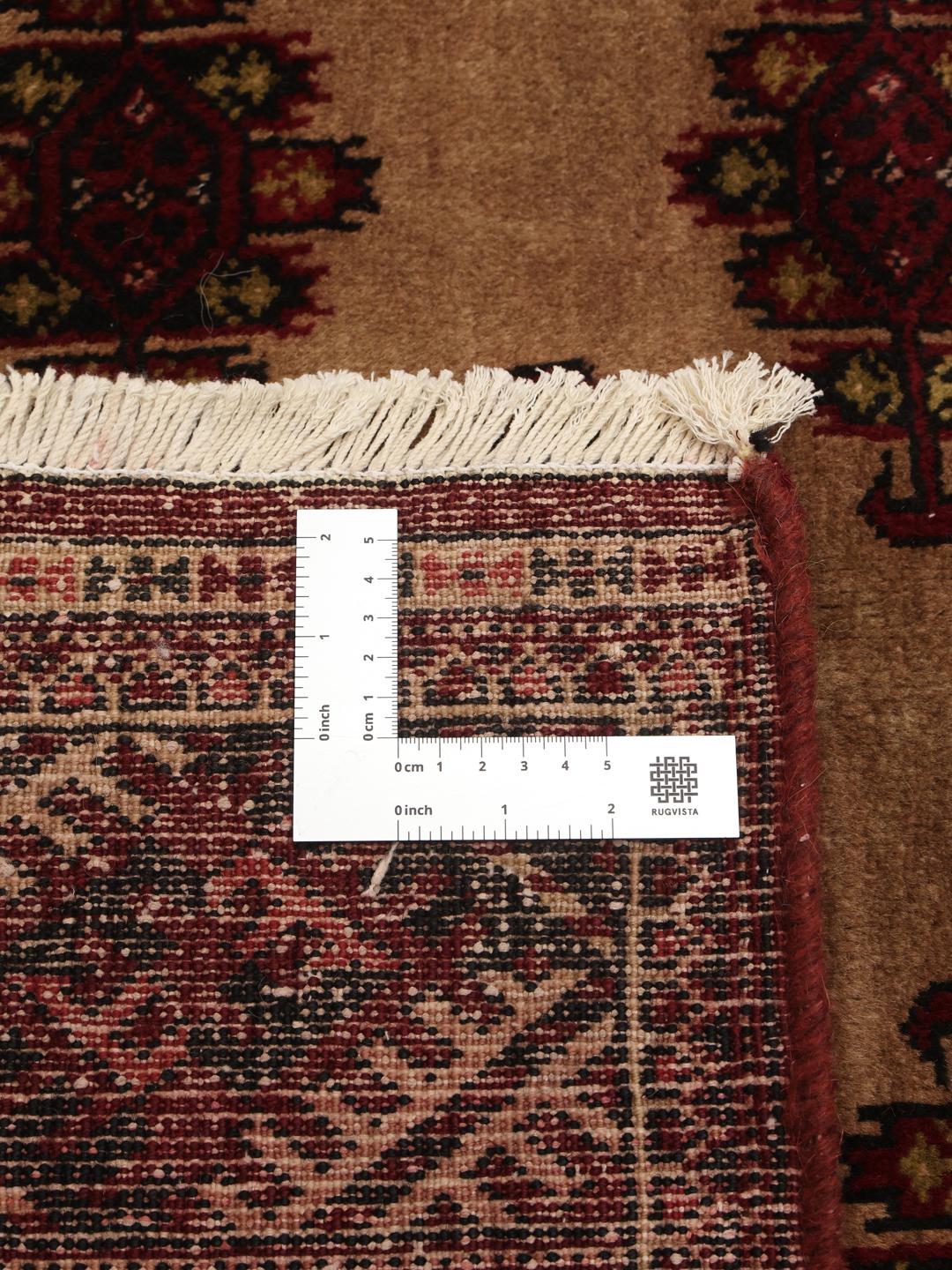
The Turkaman rug tradition finds its roots in the nomadic tribes of Central Asia, specifically among the Turkmen people who migrated across the region. Over centuries, these tribal designs evolved and were refined in workshops across the Middle East, transforming from practical, portable floor coverings into some of the most sought-after examples of textile art.
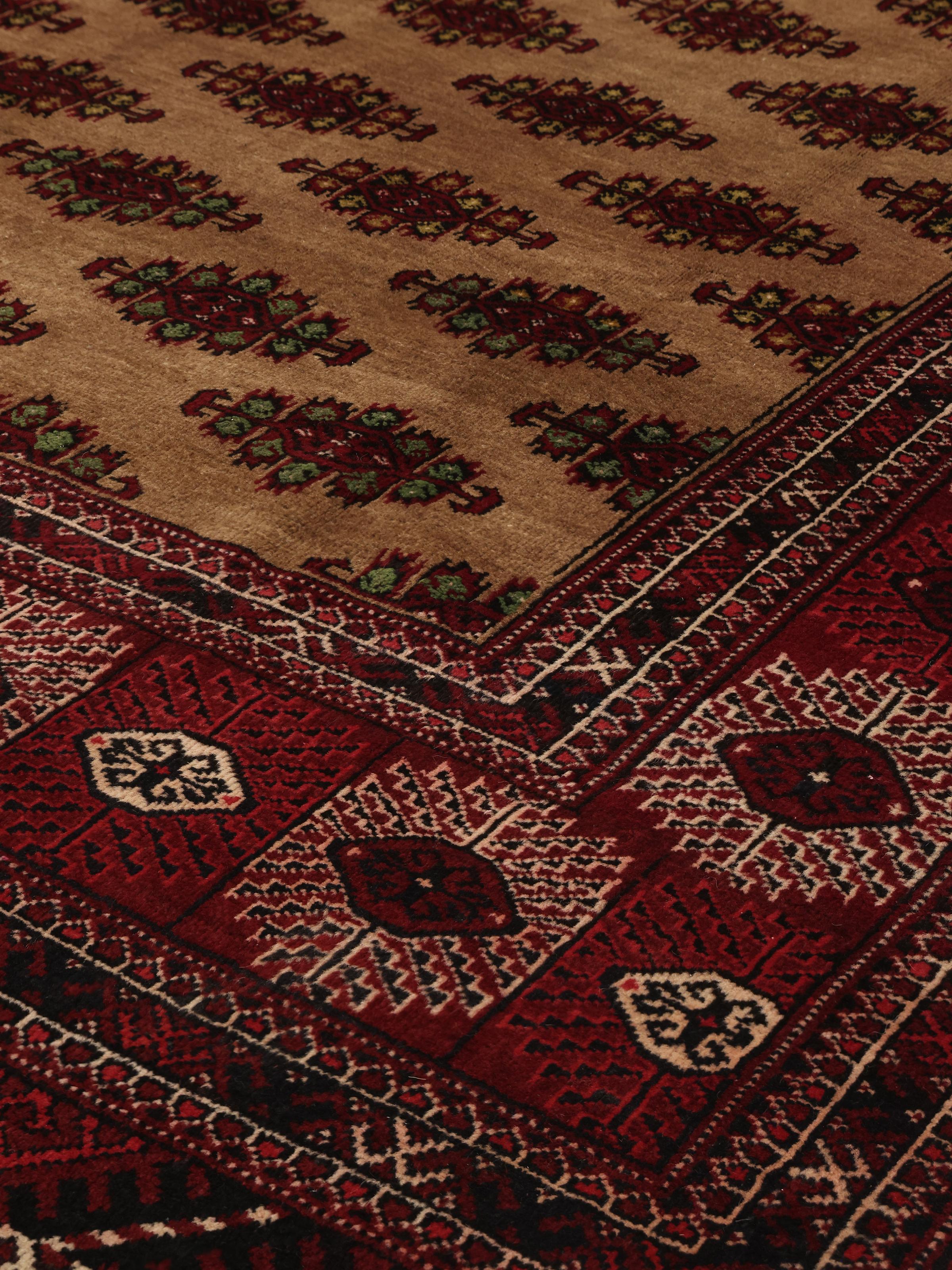
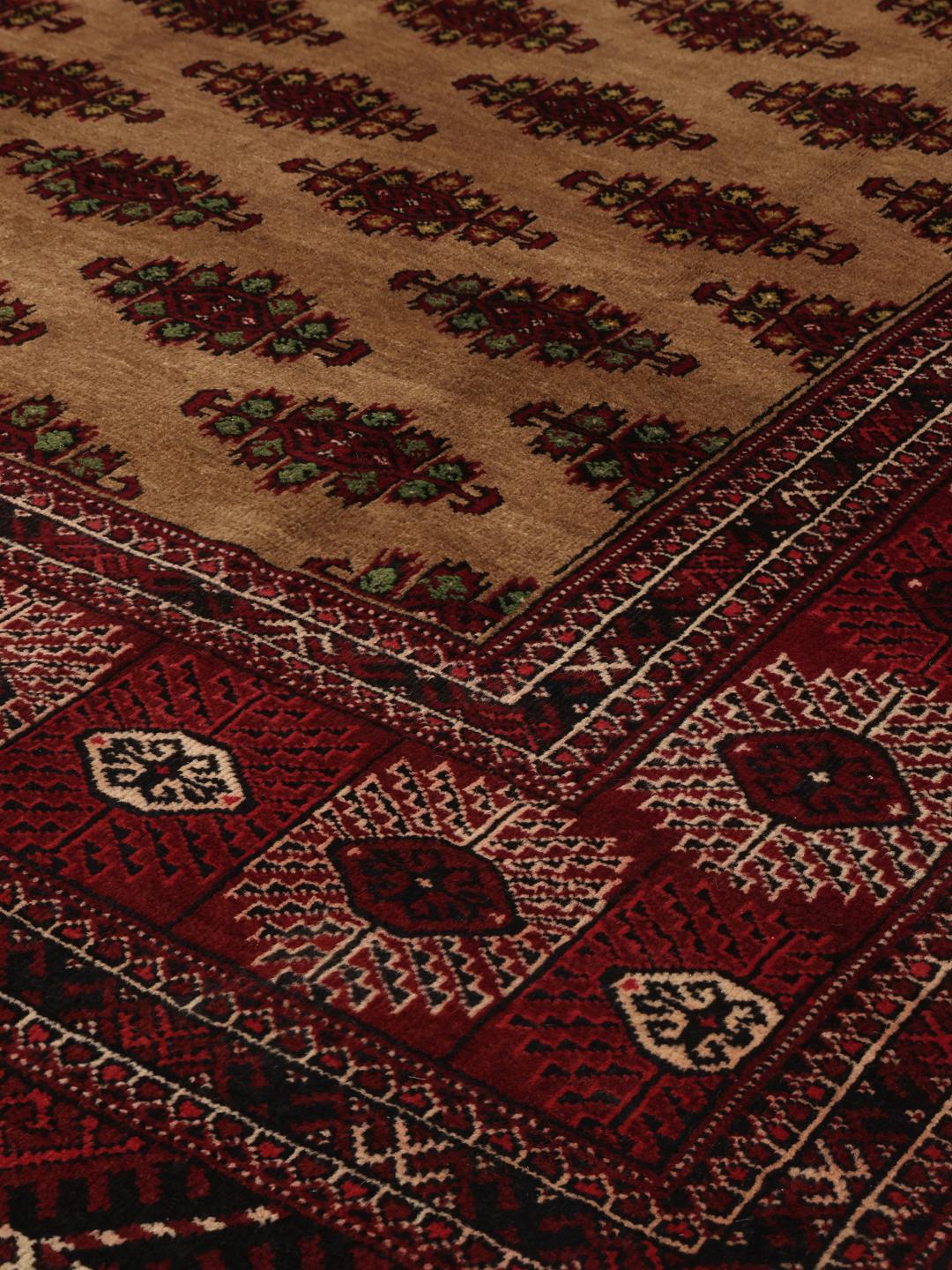
The hallmark of these rugs is the use of the 'gul', a repeating medallion motif that often takes on an octagonal or elephant-foot shape. These symbols were historically significant to the tribes, representing their identity, history, and social structure. The repetition of these guls across the field creates a sense of rhythmic harmony that is a defining feature of the Turkaman aesthetic.
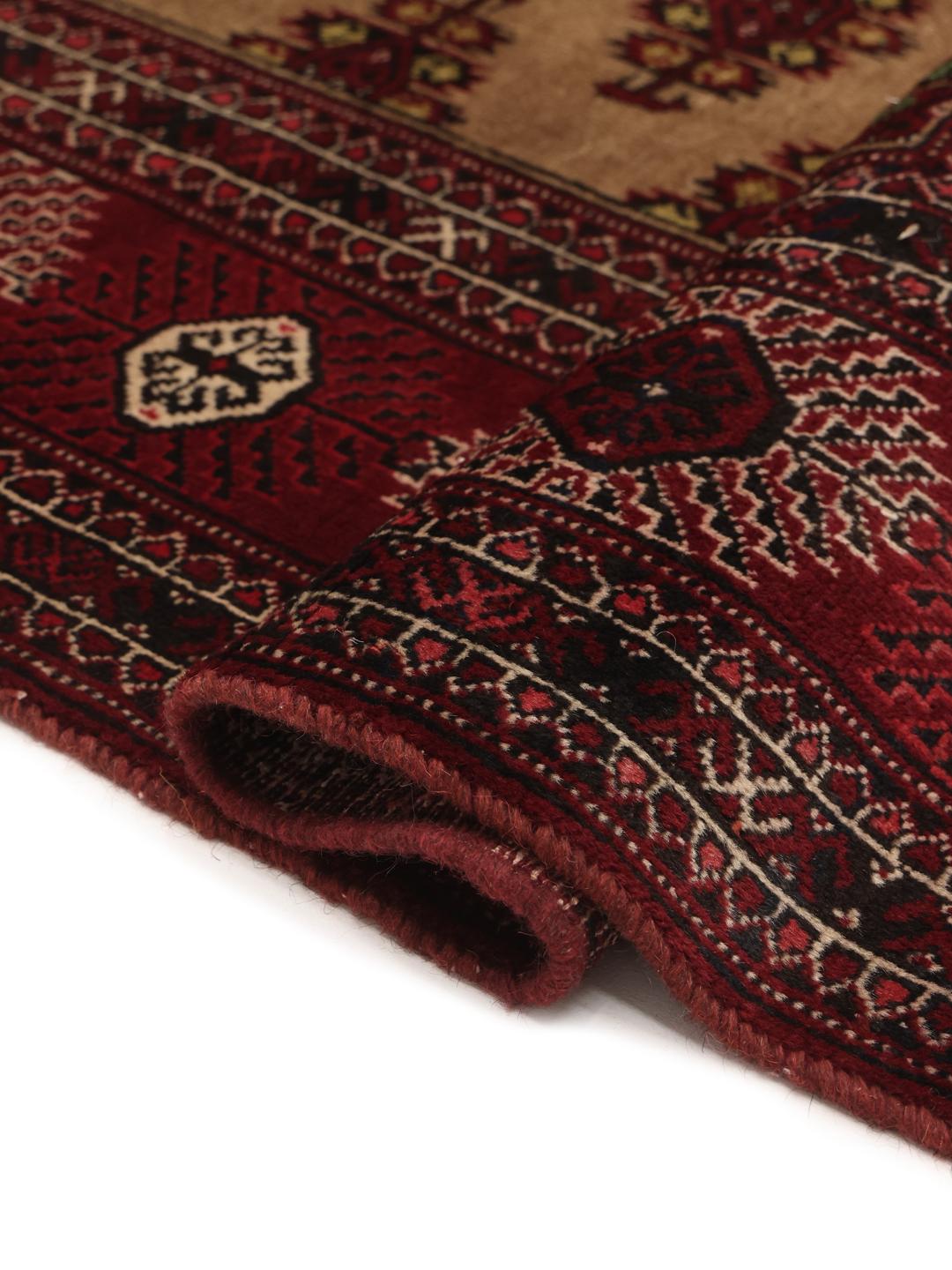
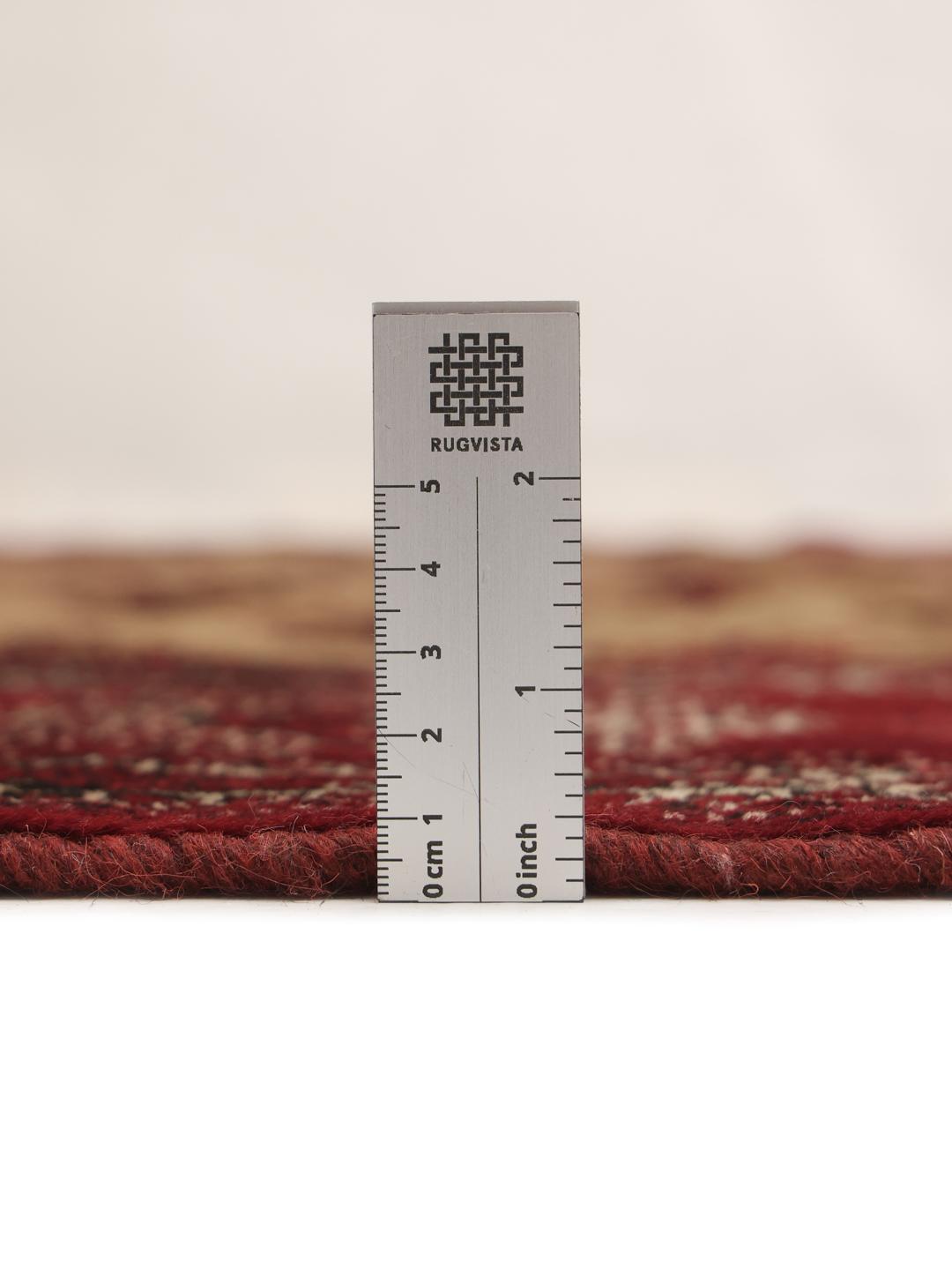
A key element of their enduring quality is the use of robust wool, which is often tightly knotted to create a firm, low-profile, and extremely durable pile. This construction was essential for the nomadic lifestyle, where rugs needed to withstand heavy foot traffic and the harsh conditions of desert life. Today, this tradition translates into a rug that is incredibly hard-wearing and resistant to wear.
Collecting a piece from this tradition is an act of preserving a rich cultural history. These rugs are valued not only for their striking visual language and deep, warm tones but also for the incredible level of skill required to produce them. Owning one is a testament to an appreciation for heritage, craftsmanship, and the lasting beauty of traditional art.