Turkaman rugs originate from the nomadic tribes of Central Asia, a region with a deep-rooted history of textile weaving that spans centuries. Over time, these weaving traditions migrated across the Middle East, evolving into the distinct styles we recognise today. These rugs are highly regarded for their cultural significance and the way they preserve ancient design languages that have been passed down through generations of skilled artisans.
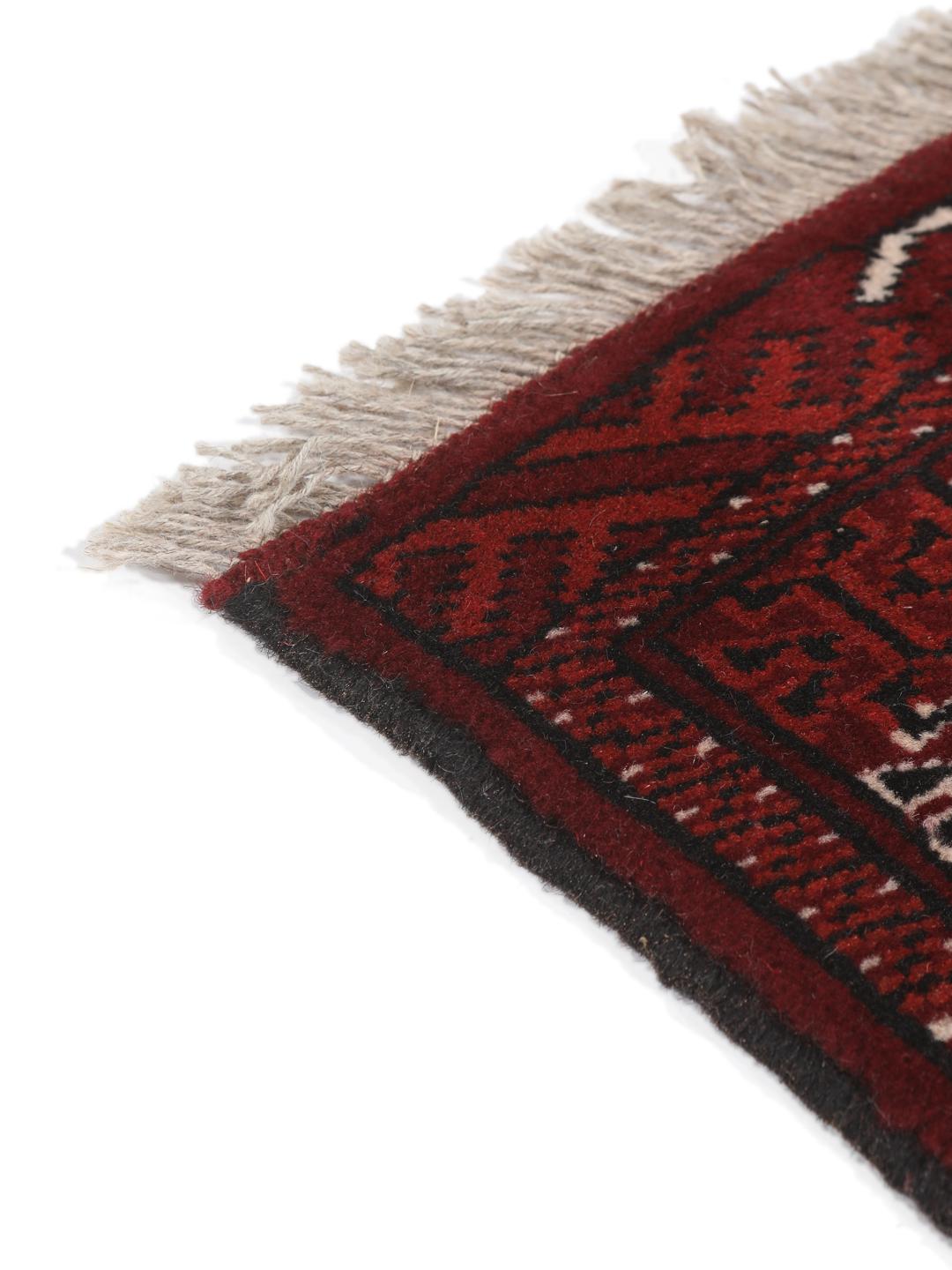
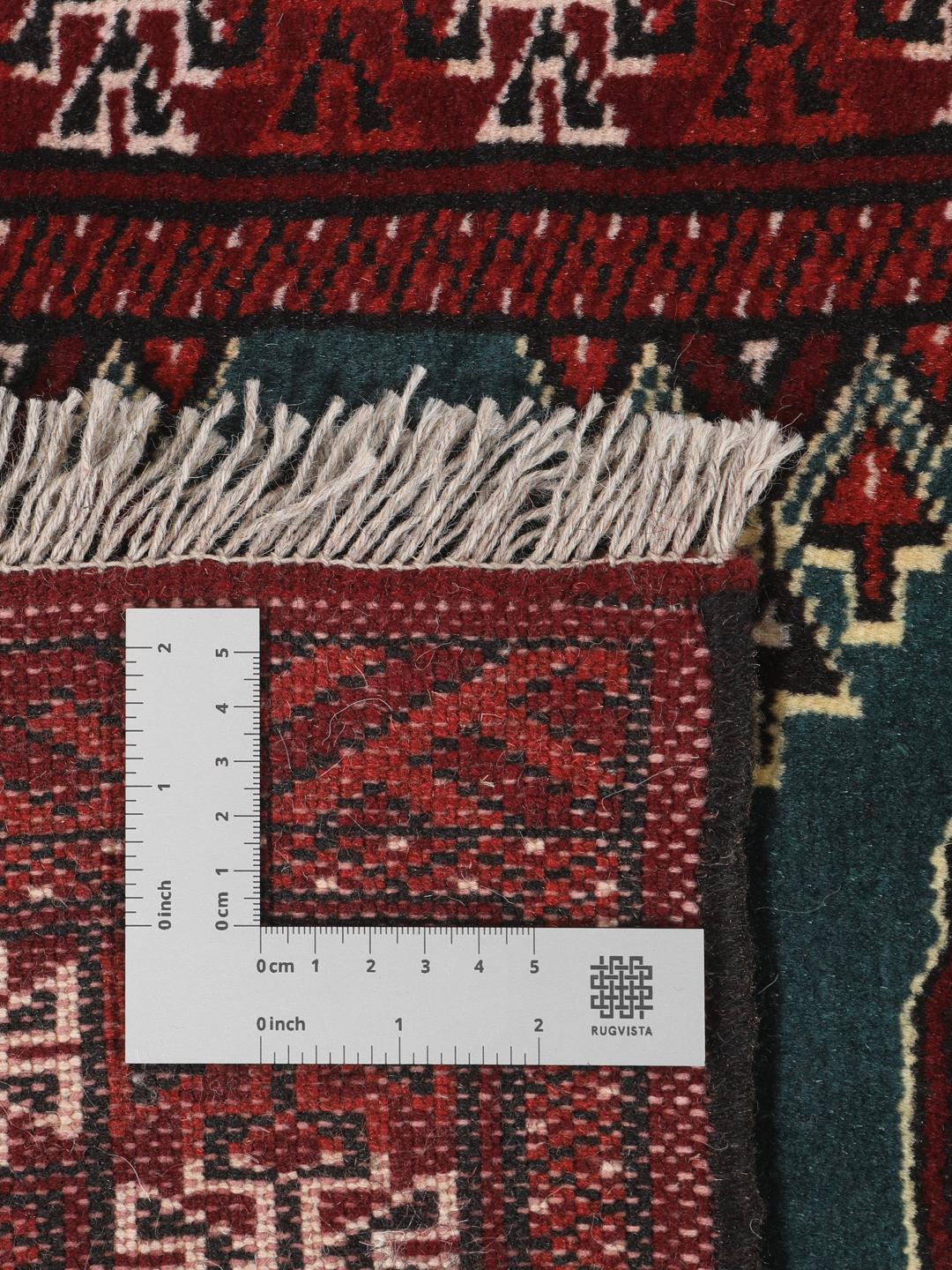
The term Turkaman refers to both the tribal origin and the specific weaving techniques used to create these pieces. These rugs are typically known for their dense, resilient construction, which is achieved through careful, manual knotting. This technique is not just about aesthetics, but about creating a durable, functional textile that serves as both a floor covering and a reflection of tribal identity.
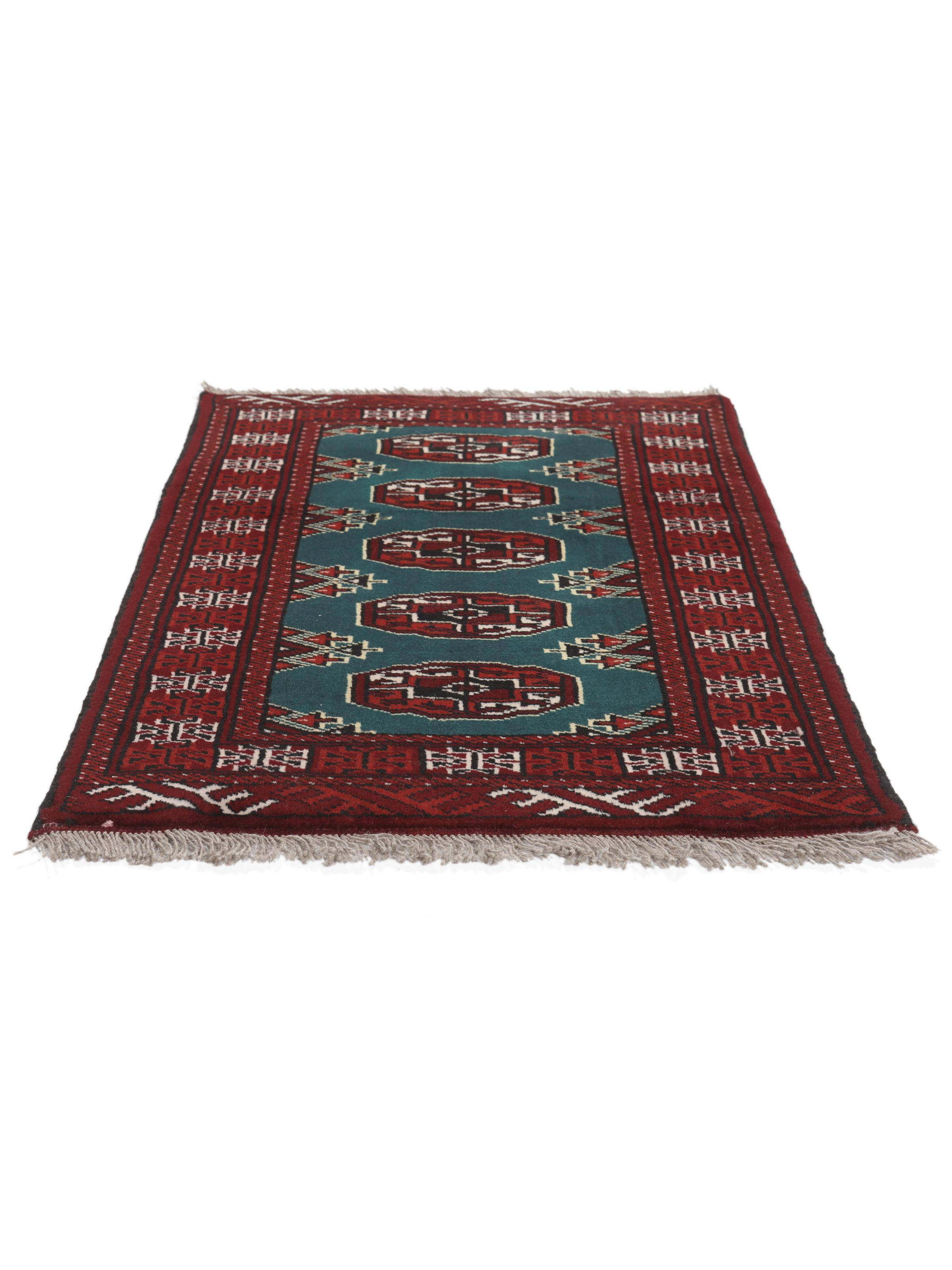
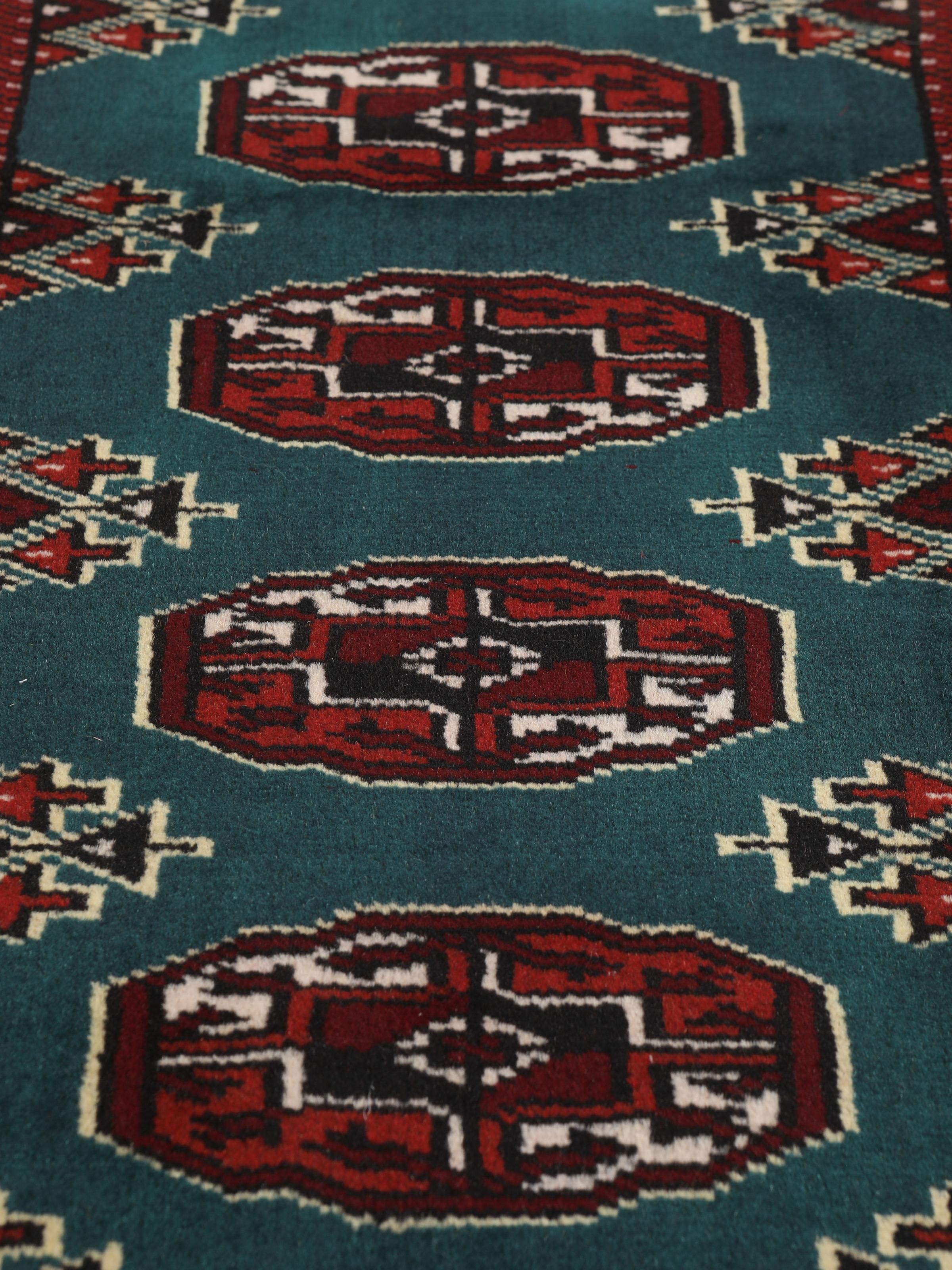
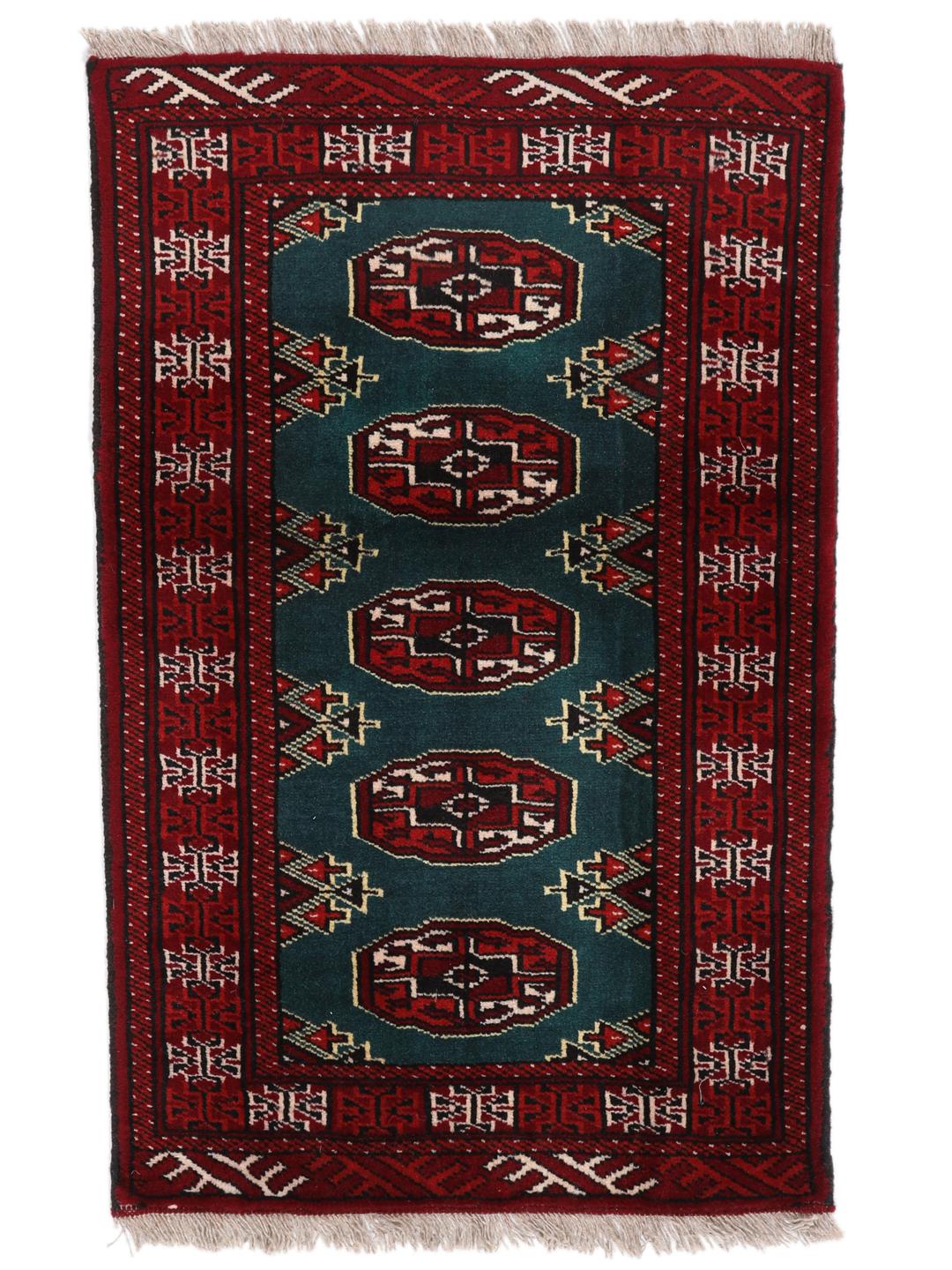
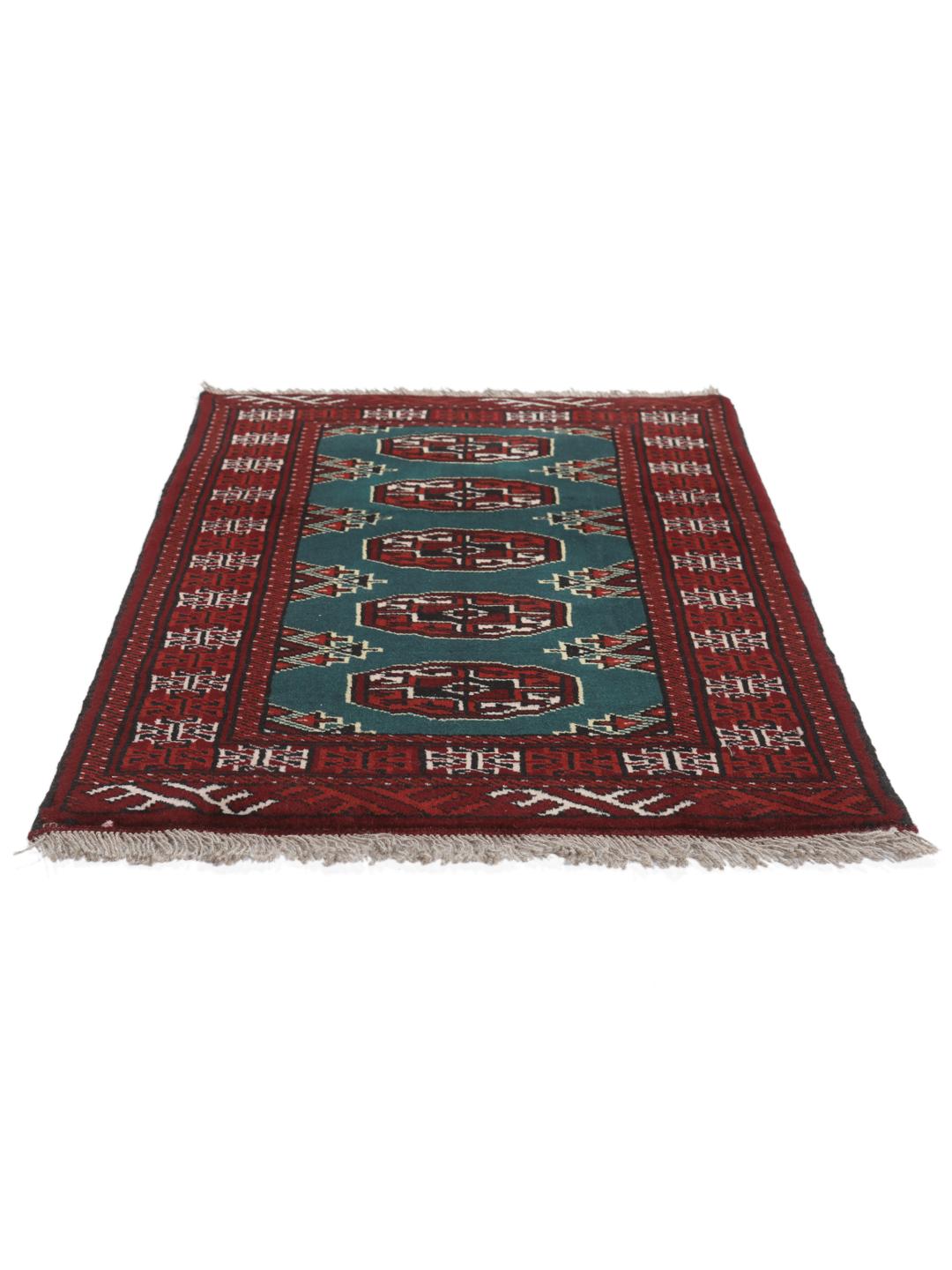
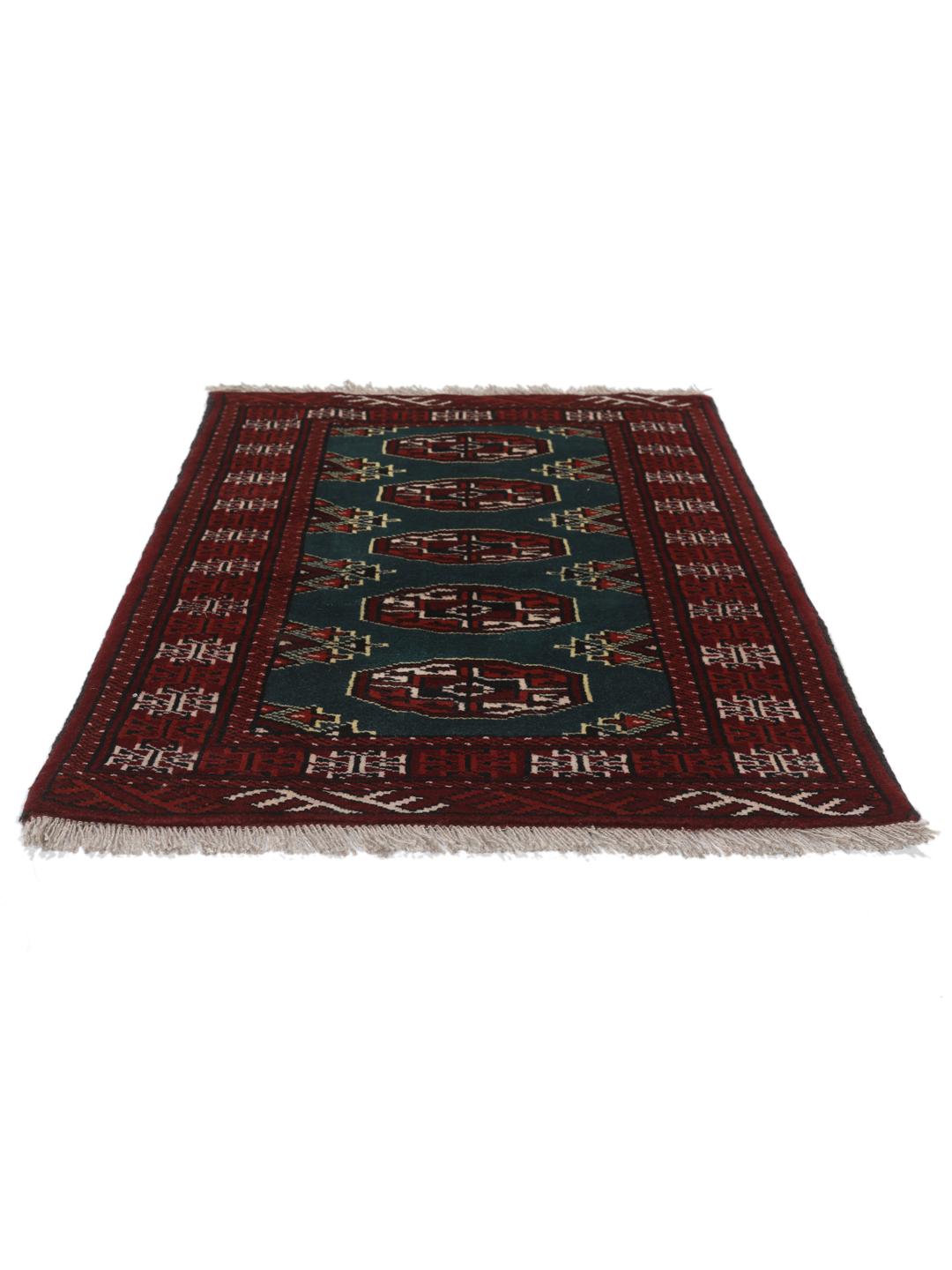
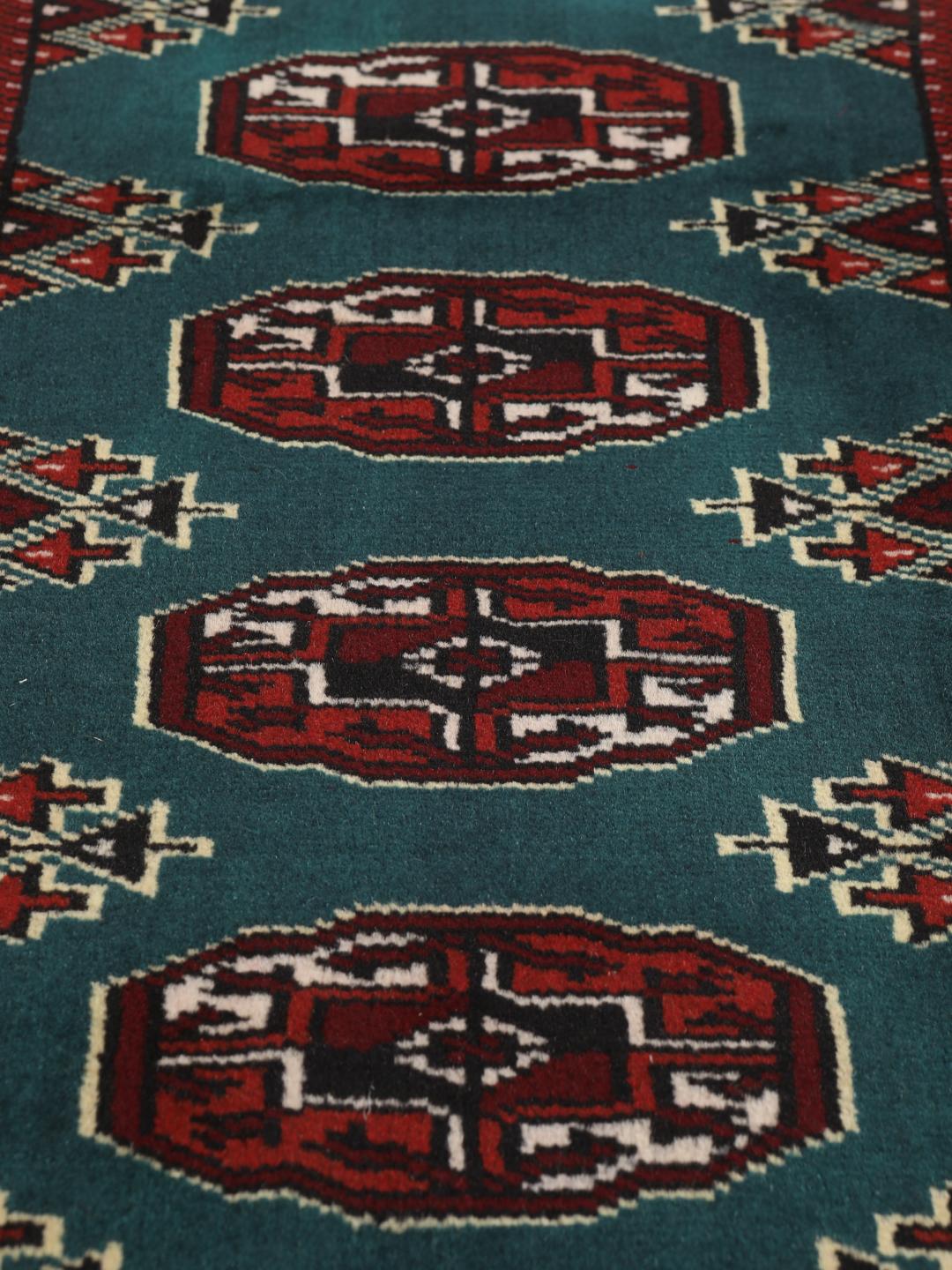
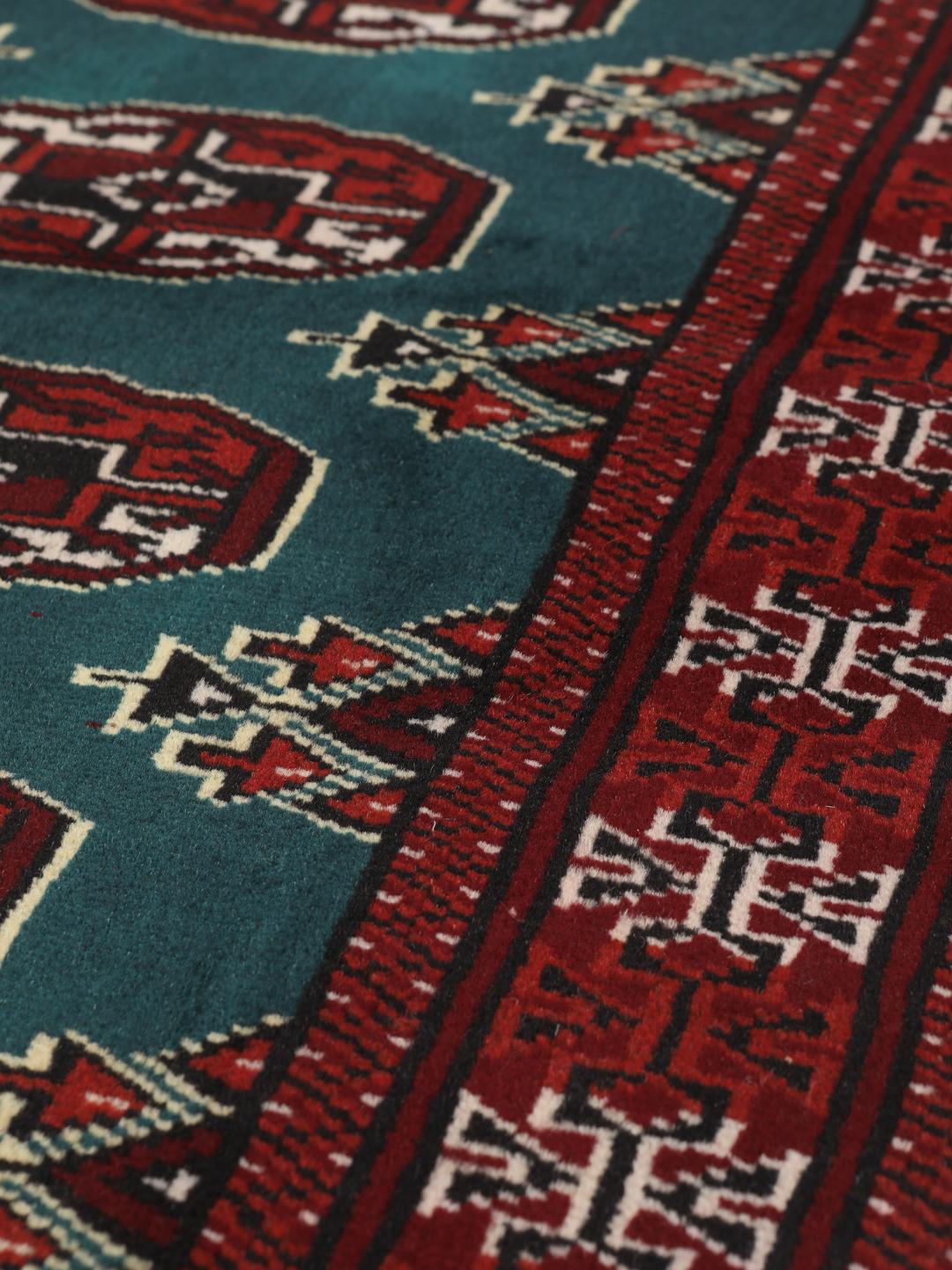
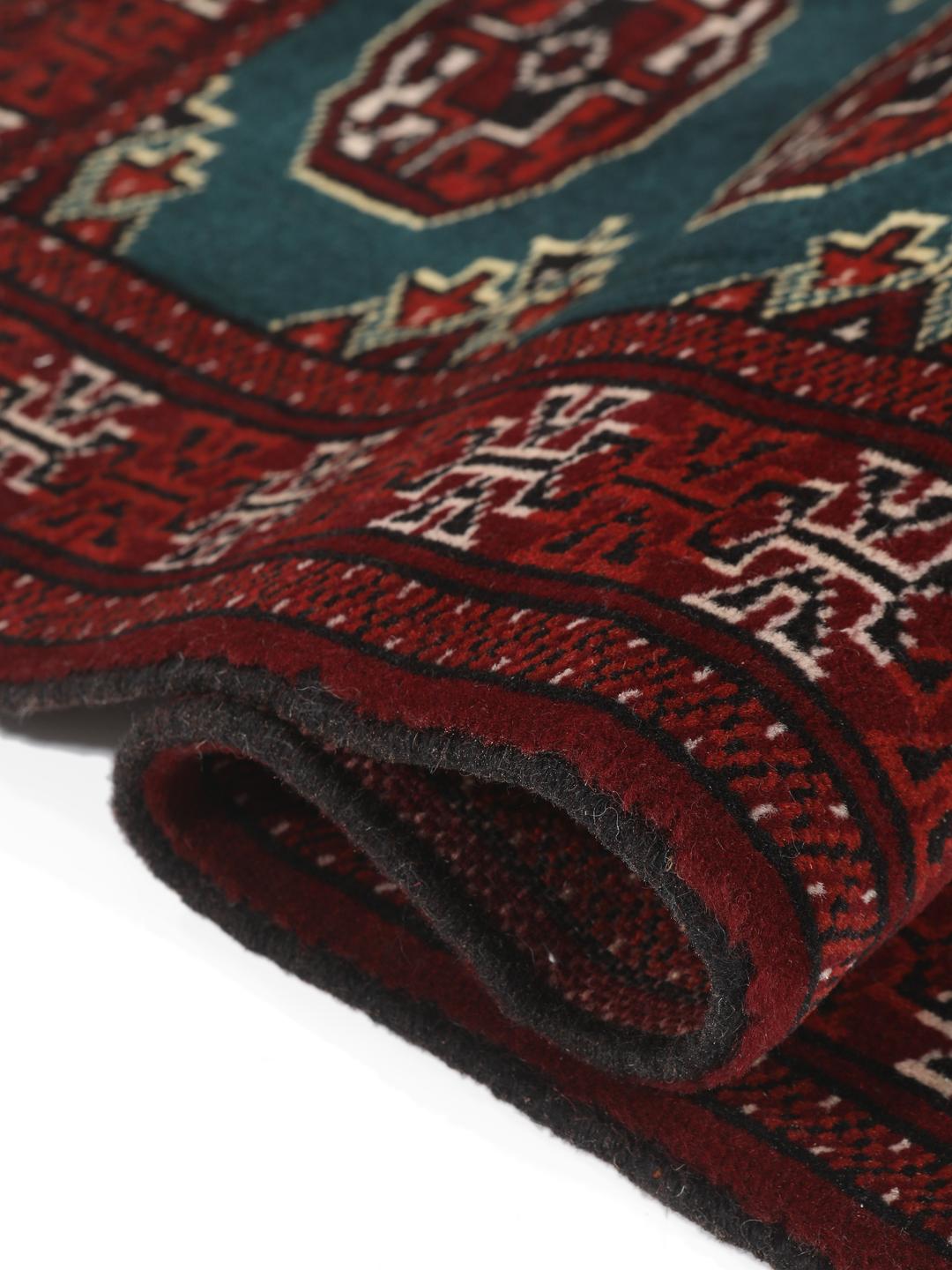
Signature design elements of these rugs often include the repetition of geometric medallions known as guls. These motifs are typically arranged in rows, enclosed by elaborate, ornate borders that frame the field. While deep red is a classic colour foundation for this tradition, the inclusion of contrasting tones like dark teal adds a unique visual interest that makes this specific rug a standout example of the craft.
Owning a Turkaman rug is an investment in heritage and skill. These pieces are collected not just for their beauty, but for the story they tell about the communities that created them. By bringing one into your home, you are supporting a tradition that values patience, precision, and the preservation of craft over the rapid pace of modern manufacturing.