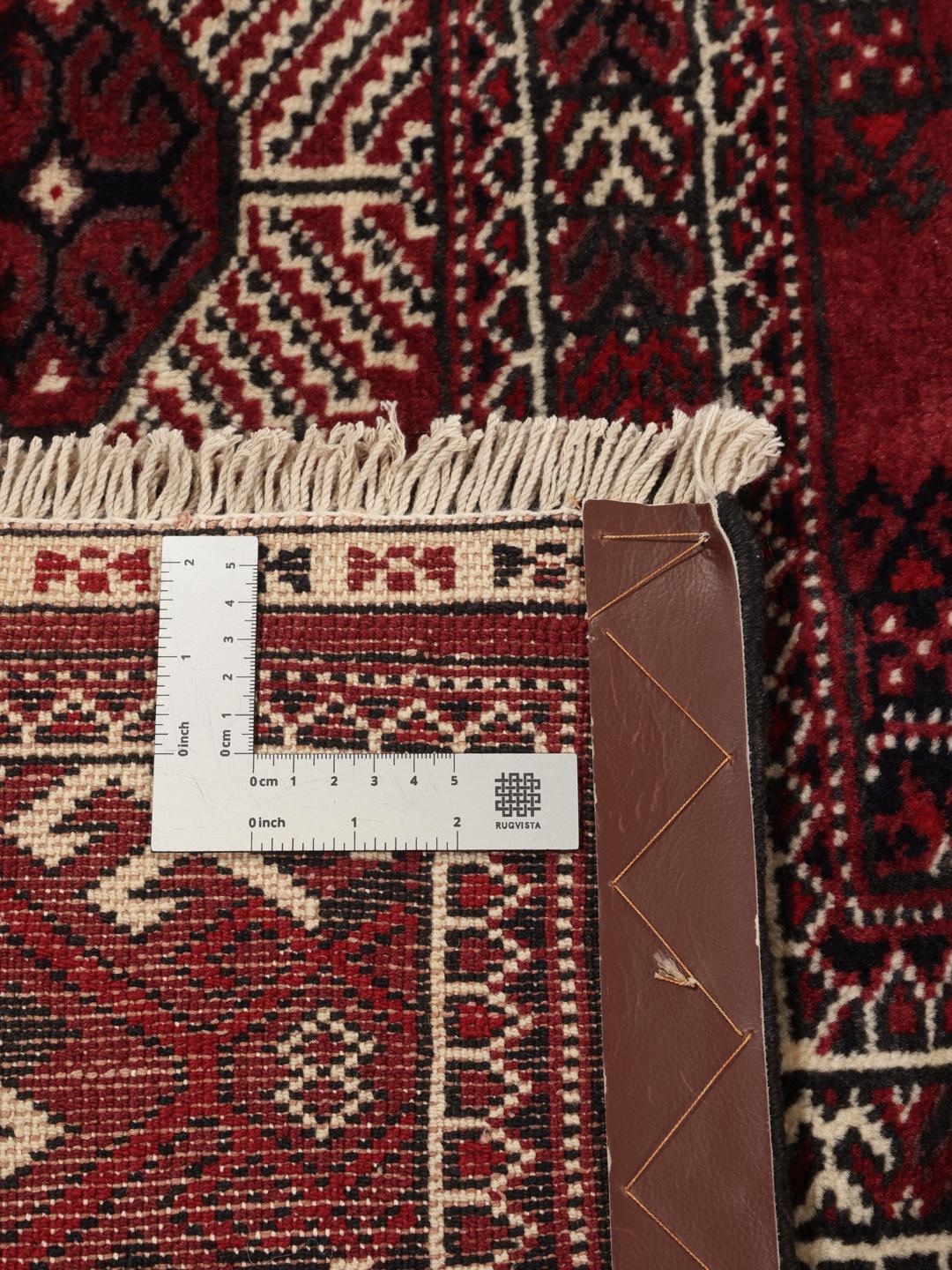
Turkman rugs originate from the nomadic tribes of Central Asia, a region with a long and storied history of textile artistry. While the tradition began with migratory peoples who wove portable items for their daily needs, the style eventually spread across the Middle East, becoming synonymous with the sophisticated aesthetic of the region.
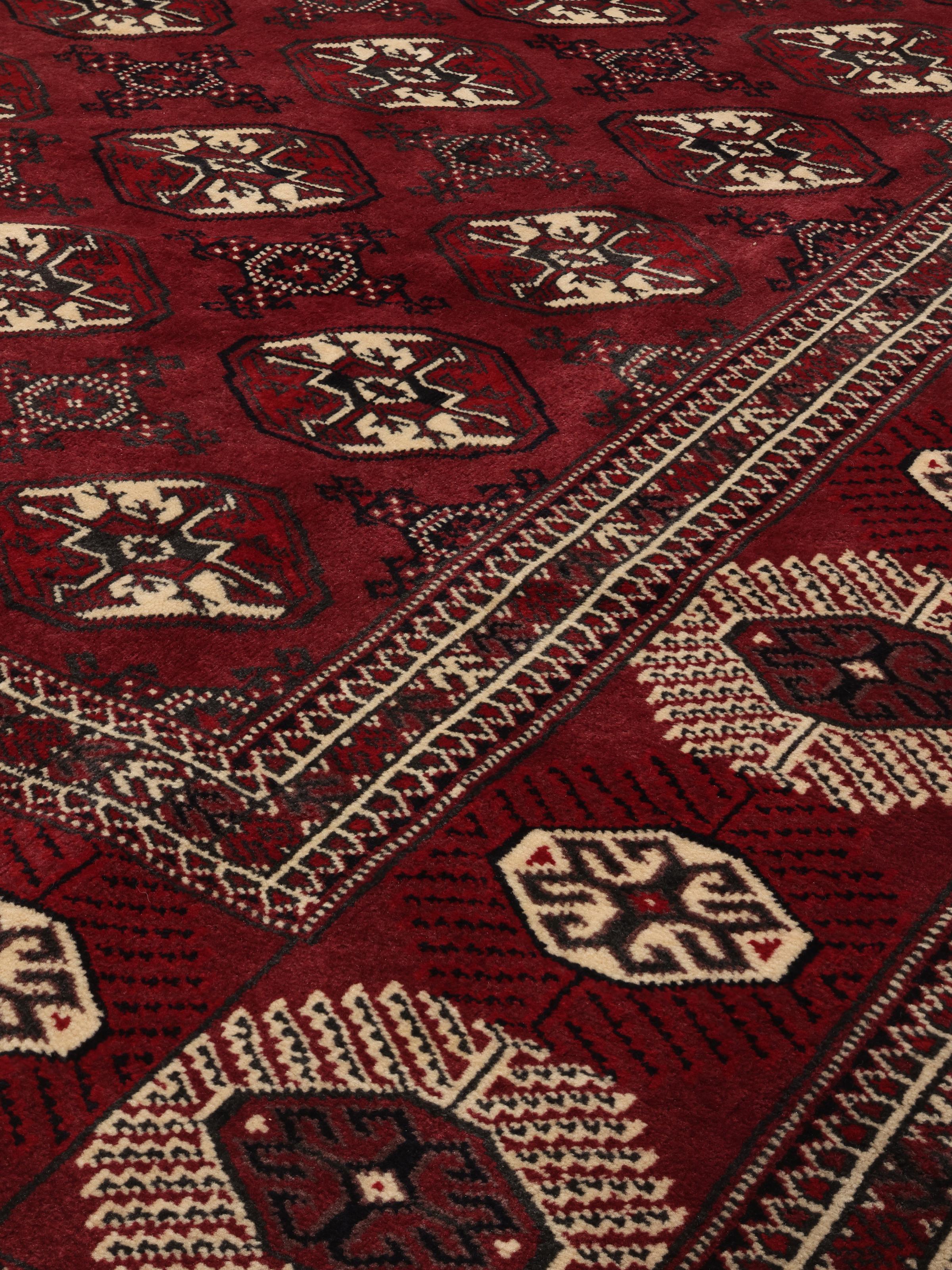
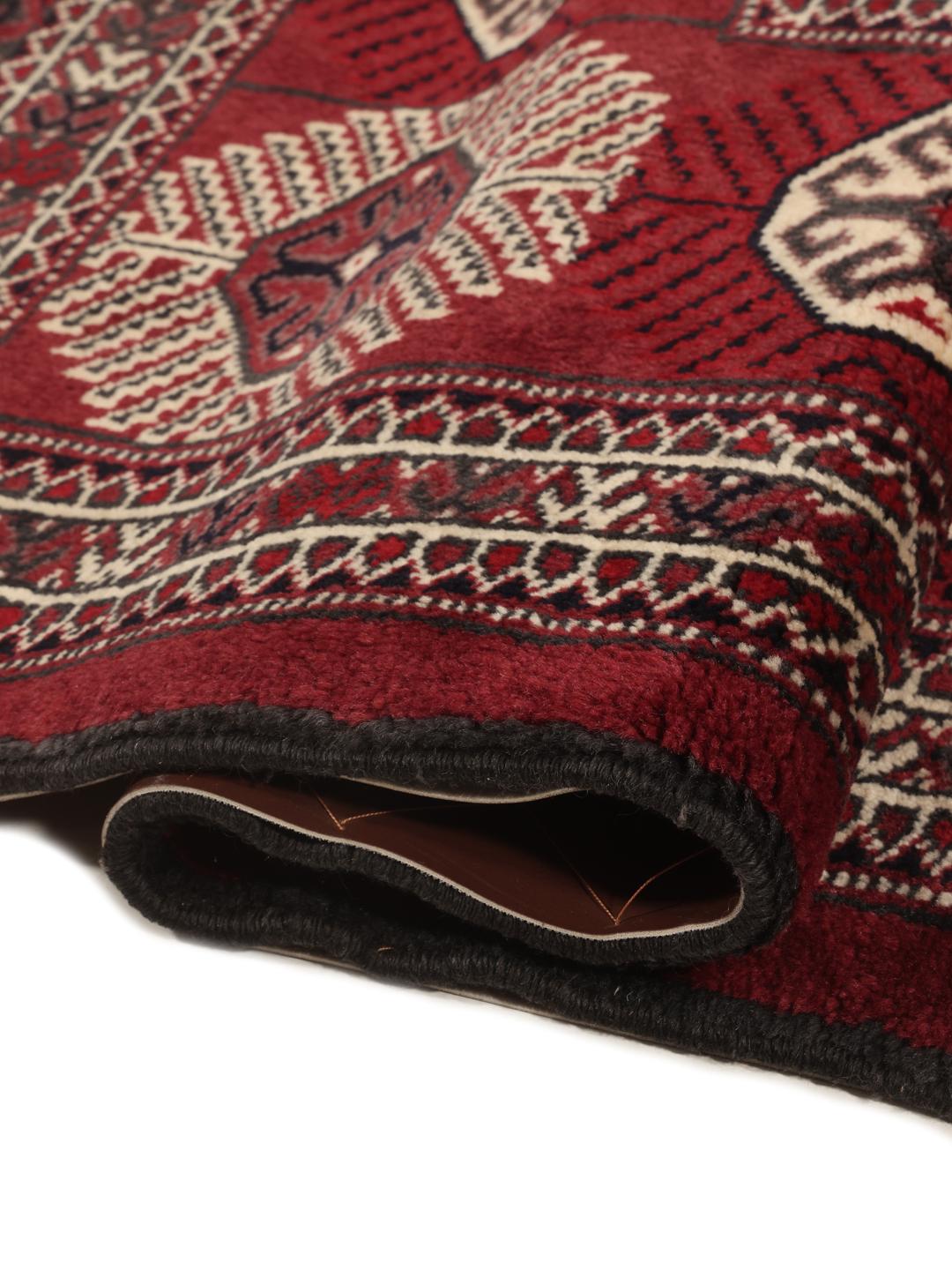
The term Turkman refers not only to a geographical origin but to a specific design language that prioritises durability and symmetry. The techniques used in these rugs, such as the use of high-quality Wool, are chosen to ensure the pile remains lustrous and resilient, reflecting a craft that values both beauty and long-term utility.
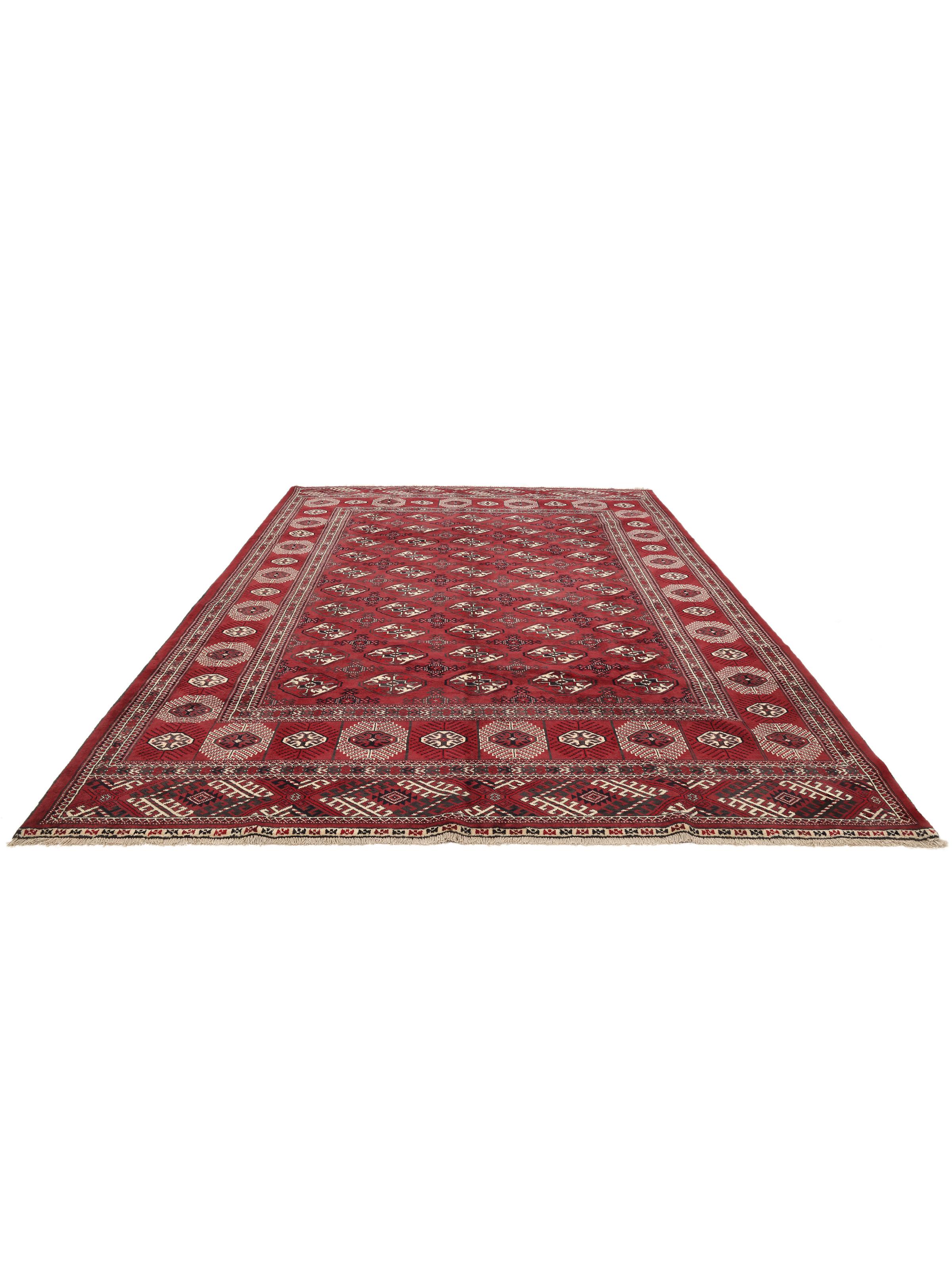
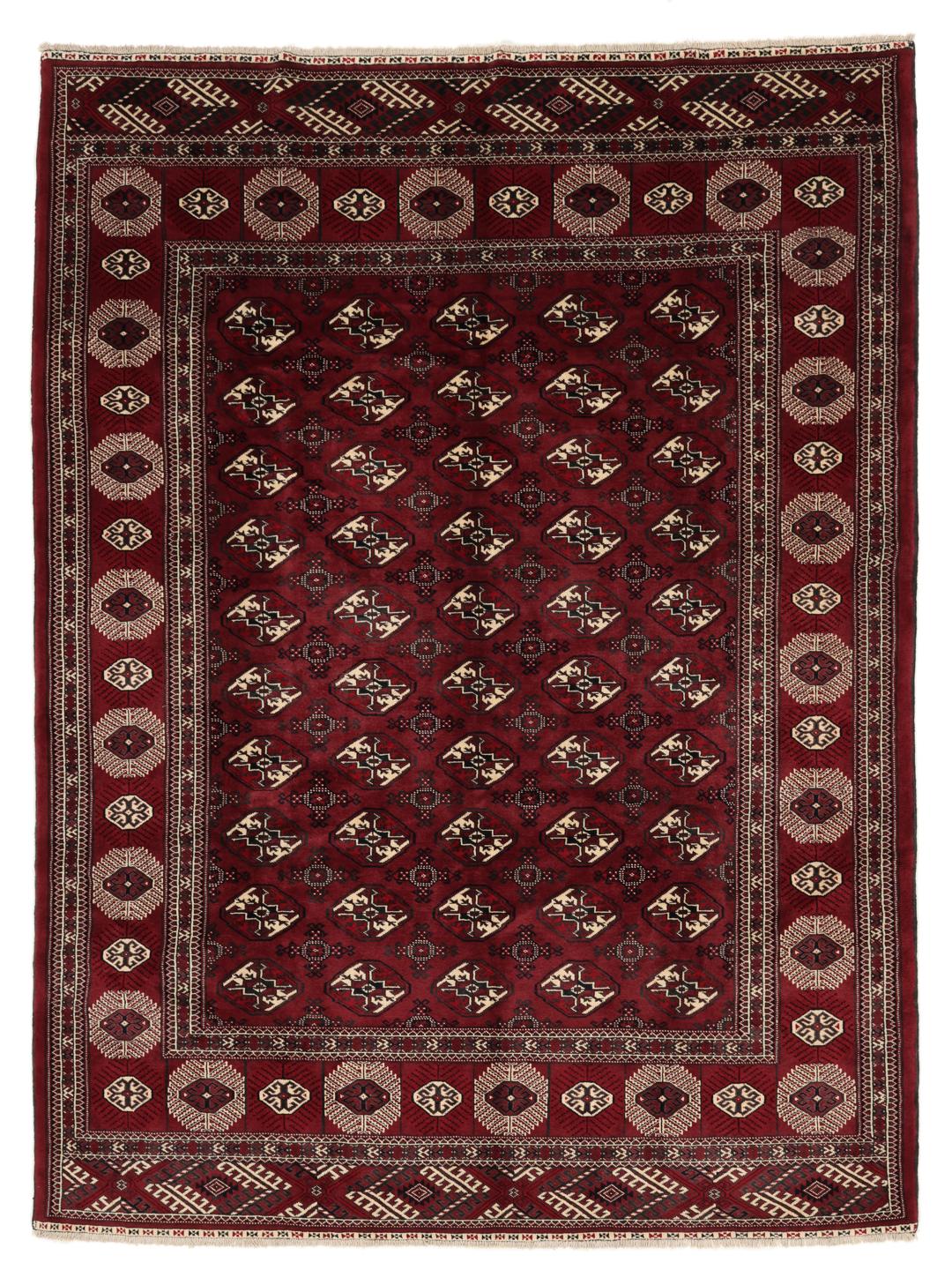
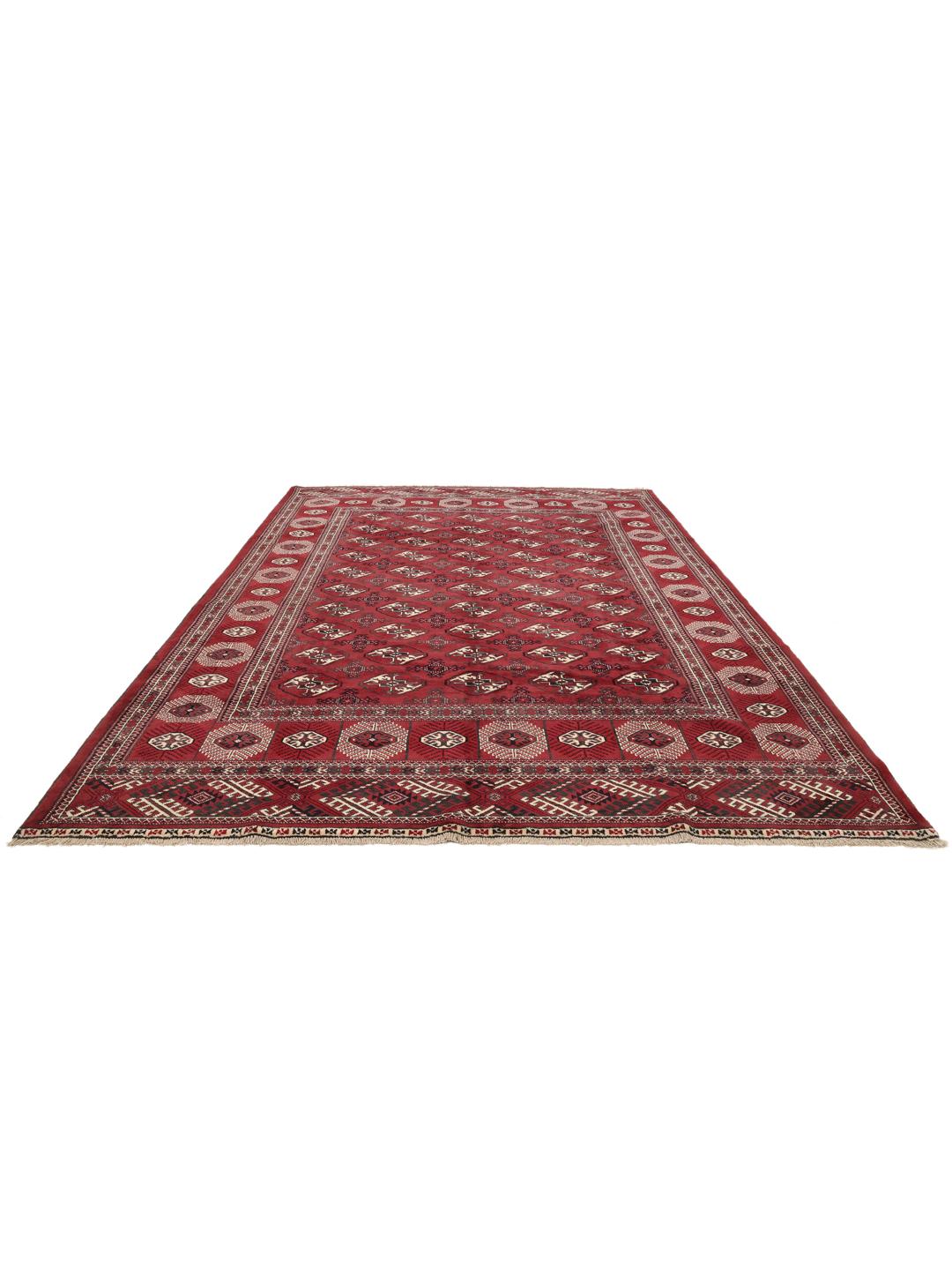
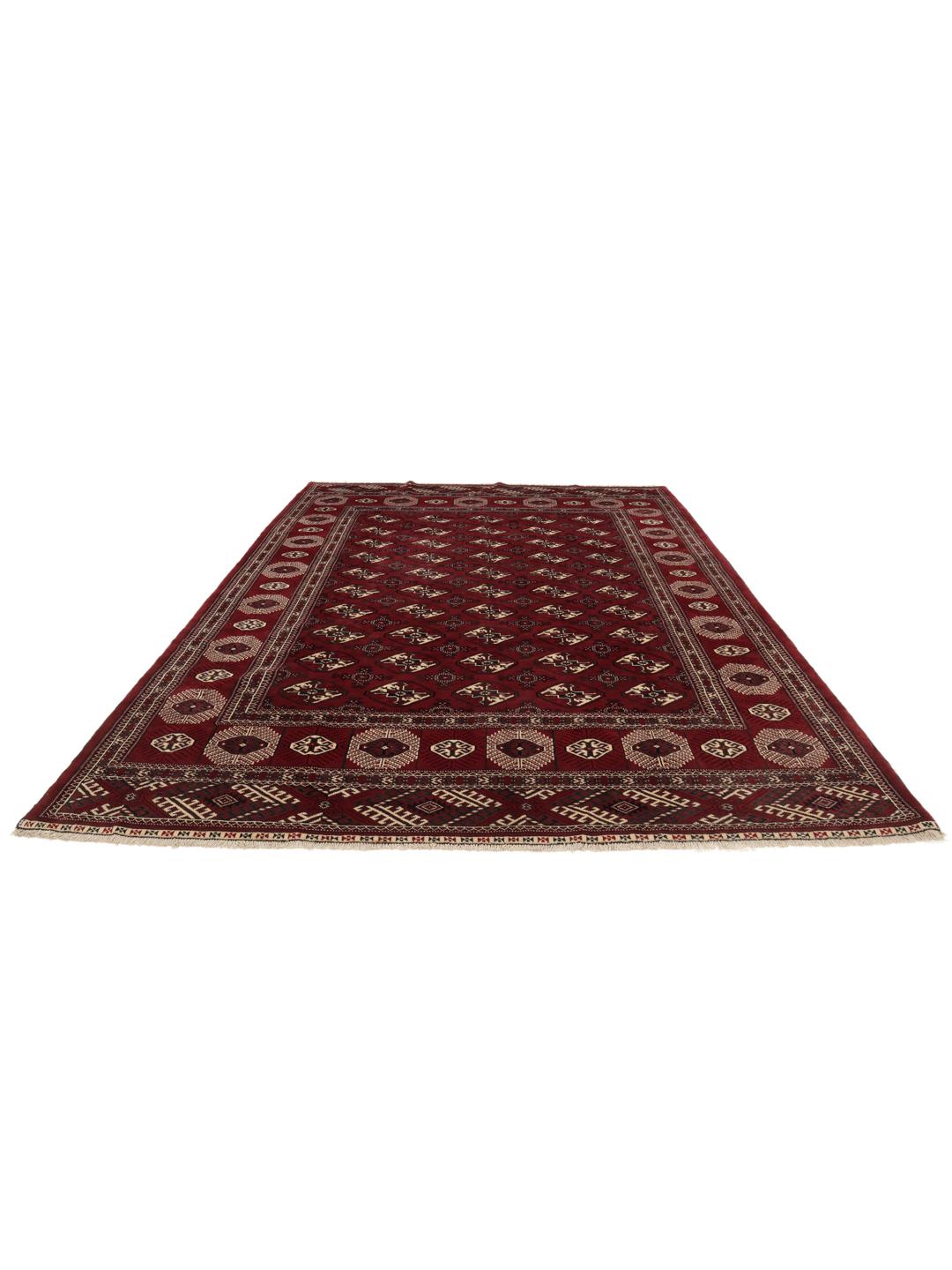
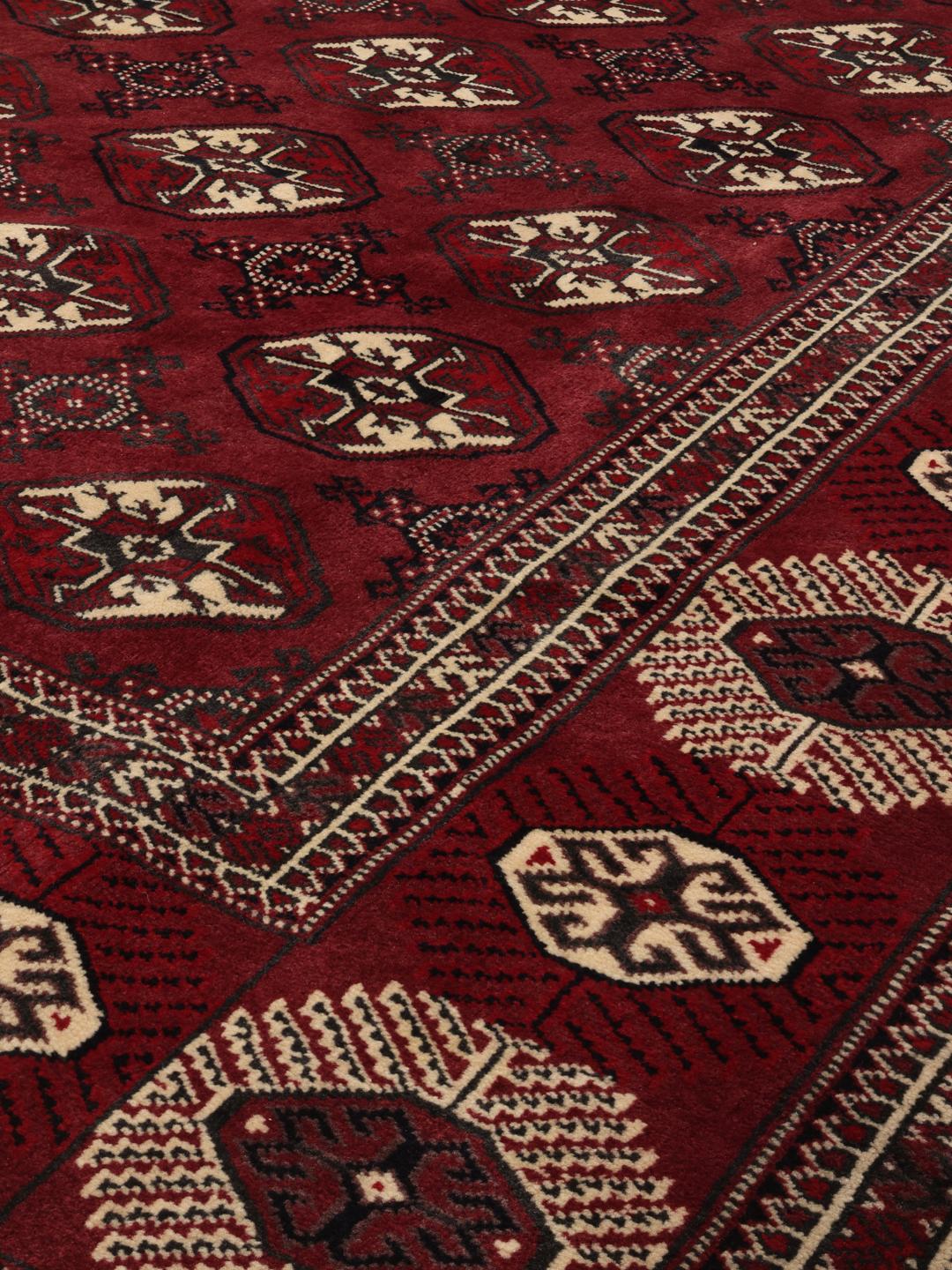
Signature design elements of the Turkman tradition often include repeating gul motifs, which are stylized, octagonal medallions arranged in grid-like rows across the field. These patterns are typically framed by elaborate, multi-layered borders that demonstrate the weaver's attention to symmetry and balance, often utilising deep, rich palettes of red and dark accents.
These rugs are highly prized by collectors for their cultural weight and the undeniable skill required to produce them. Owning a piece from this tradition means connecting with a legacy of human craftsmanship, where every motif and colour choice has been passed down through generations to create a lasting work of art for the home.