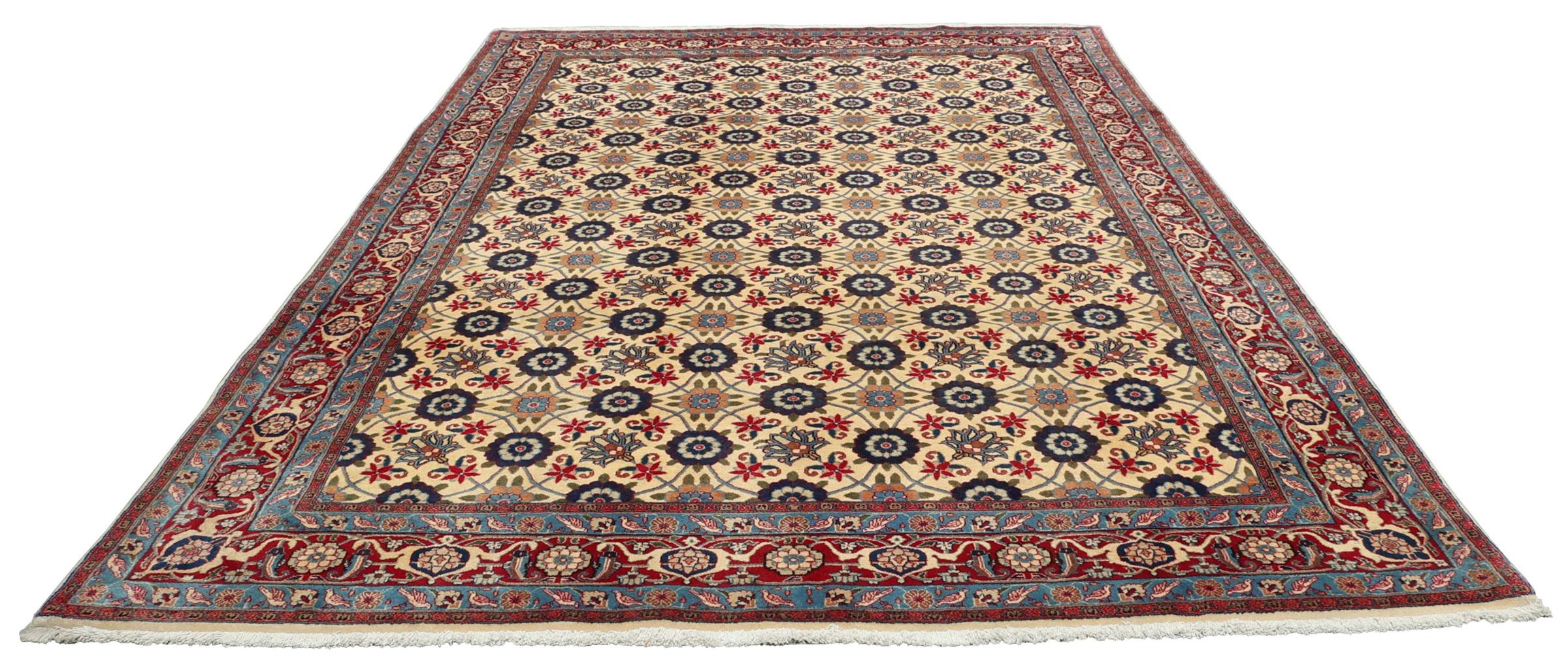
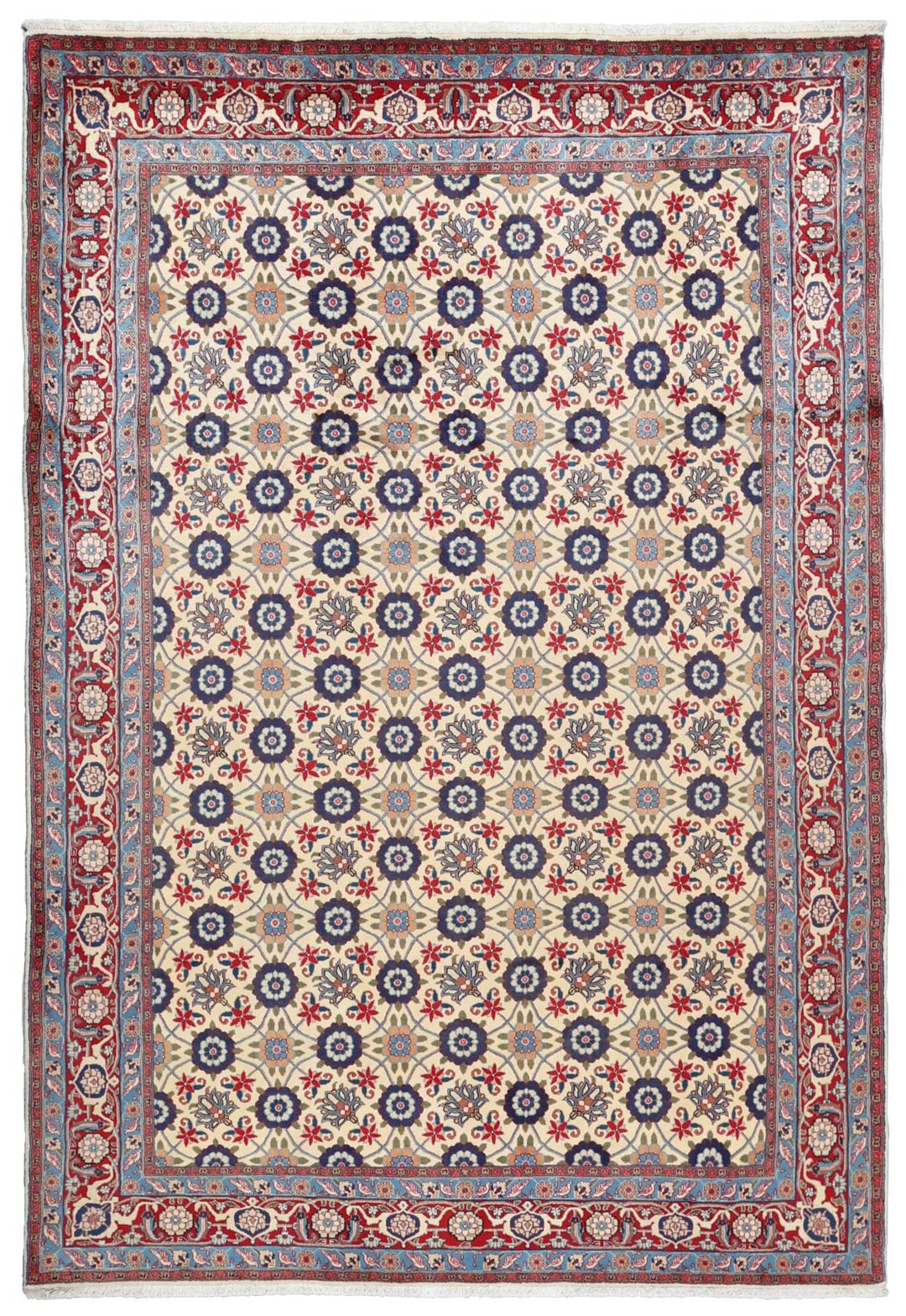
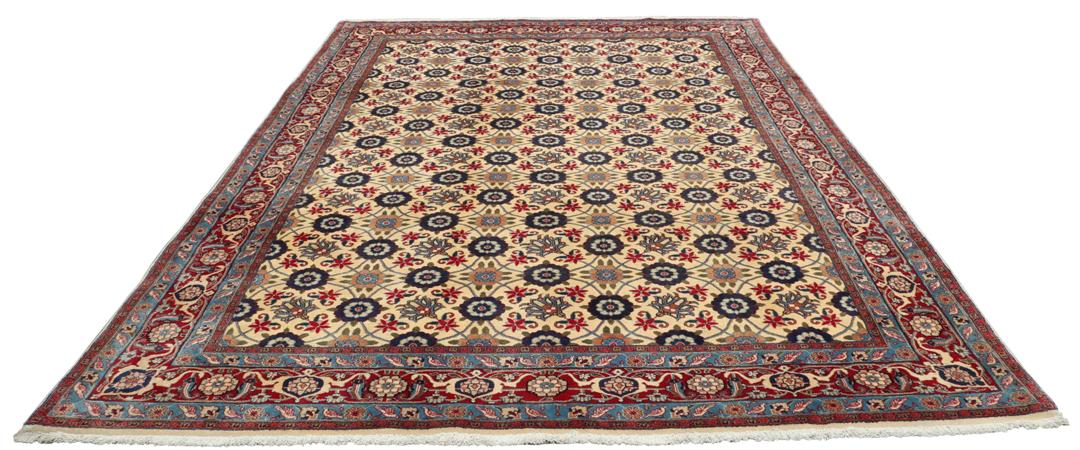
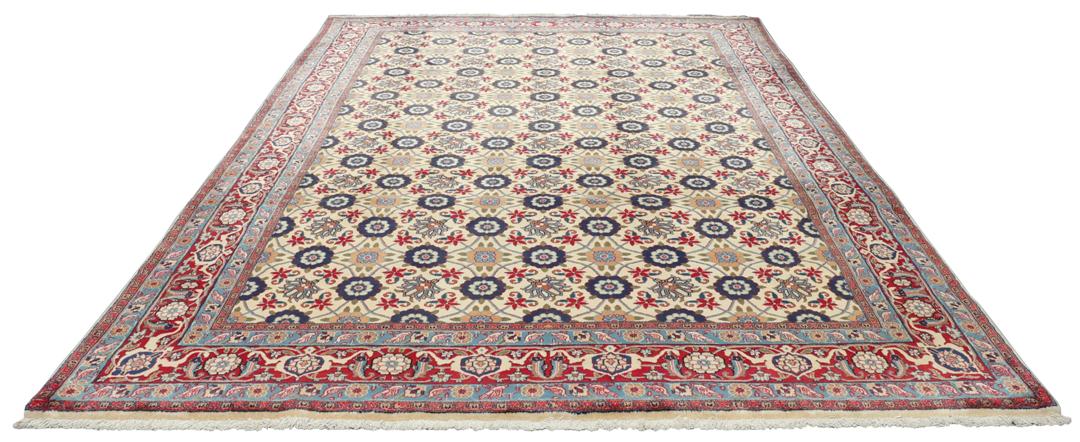
The Varamin rug belongs to a storied tradition of weaving in the Middle East, named after the historic region south of Tehran. This area has long been recognised for its distinctive style, which often features repeating patterns and a sophisticated interplay of colours that reflect the rich cultural heritage of its origin. These rugs are highly regarded for their ability to blend traditional design with a refined, rhythmic aesthetic.
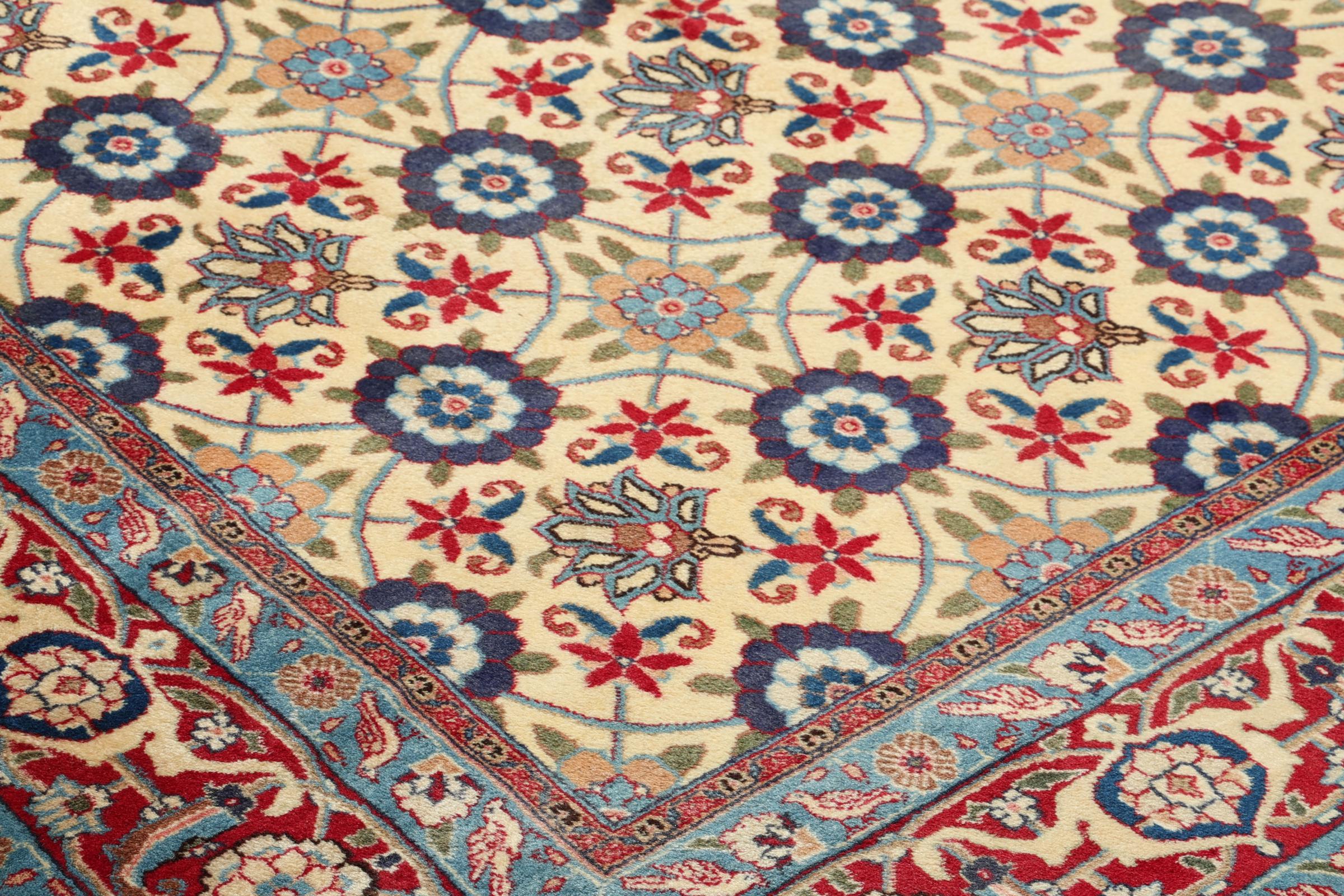
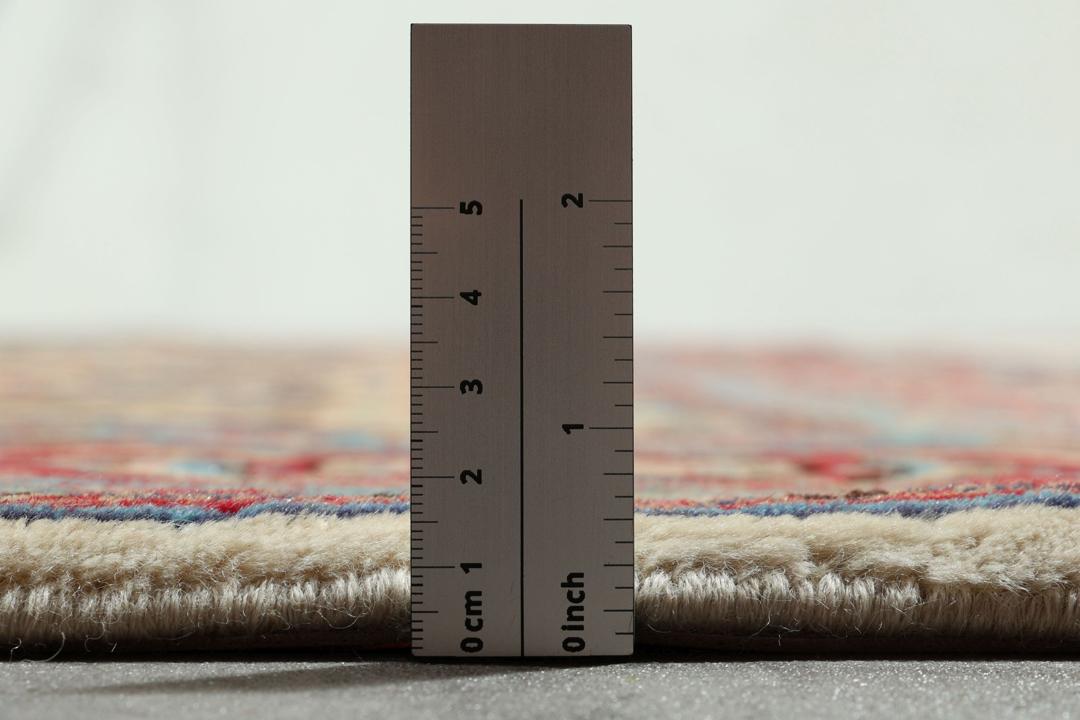
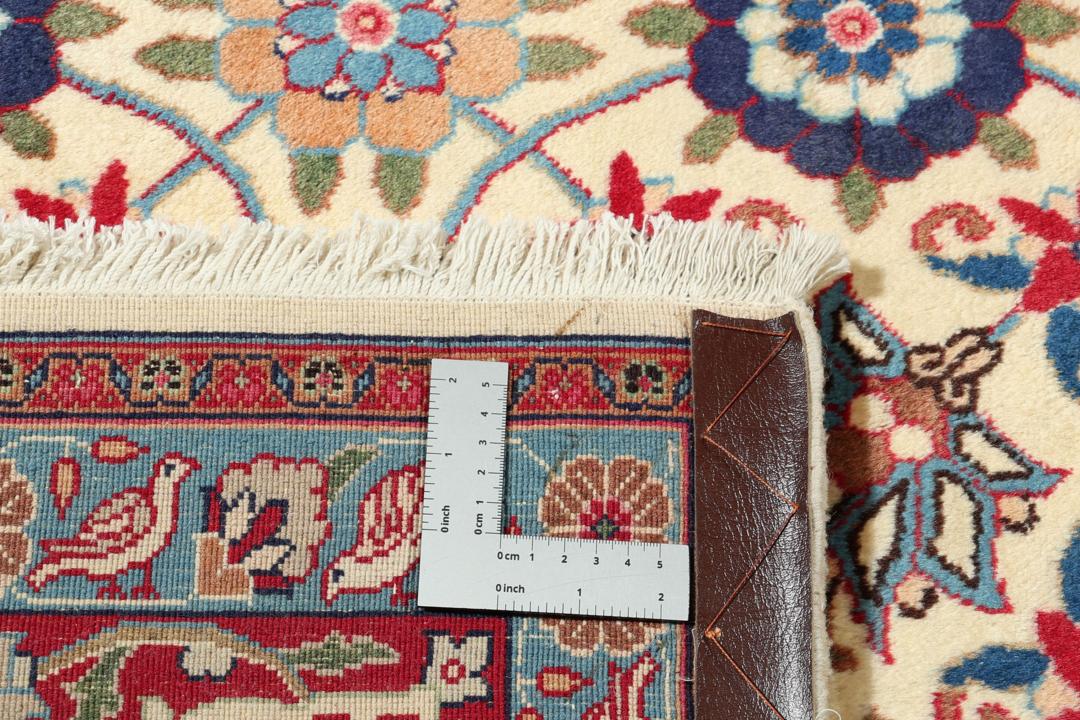
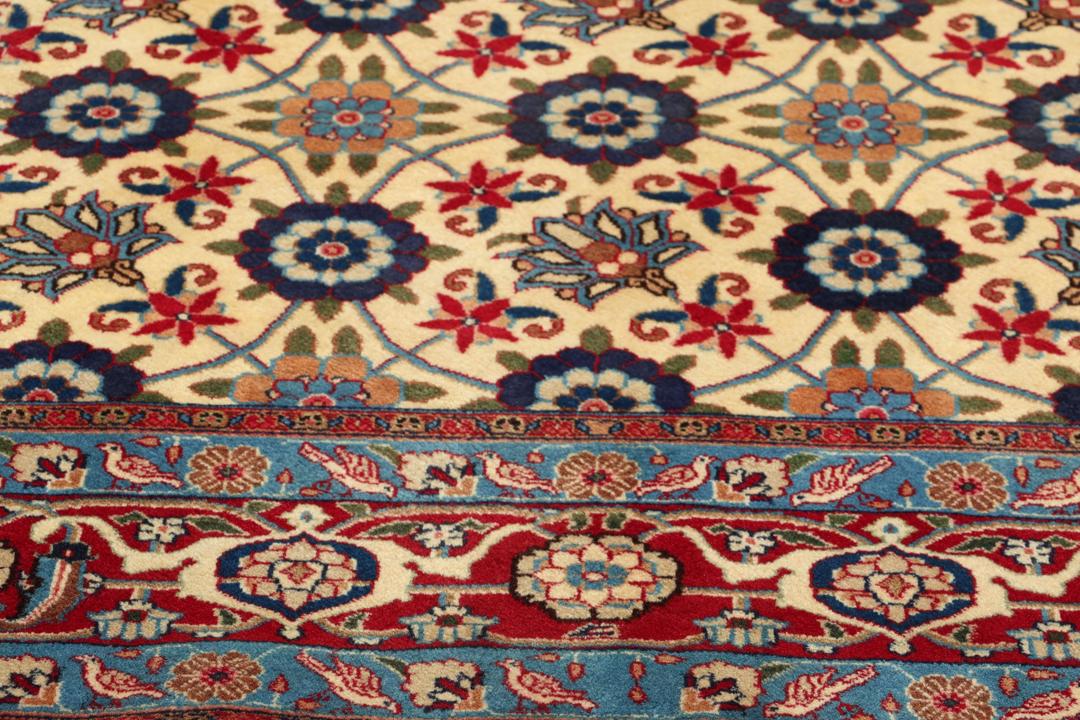
When we refer to the quality of such pieces, we look at the precision of the construction. The term hand-knotted refers to the technique where each yarn is tied individually onto the warp foundation. This method is the gold standard of rug making, as it creates a sturdy pile that is significantly more durable and capable of holding complex details than any other technique. It is this depth of craft that makes these pieces so resilient.
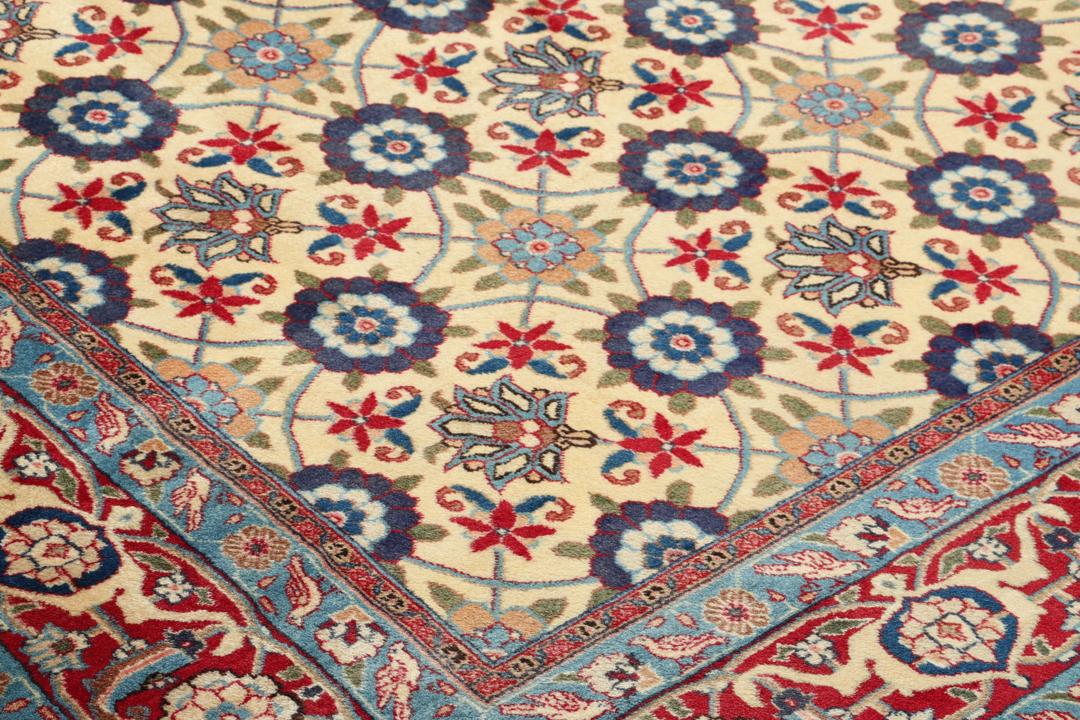
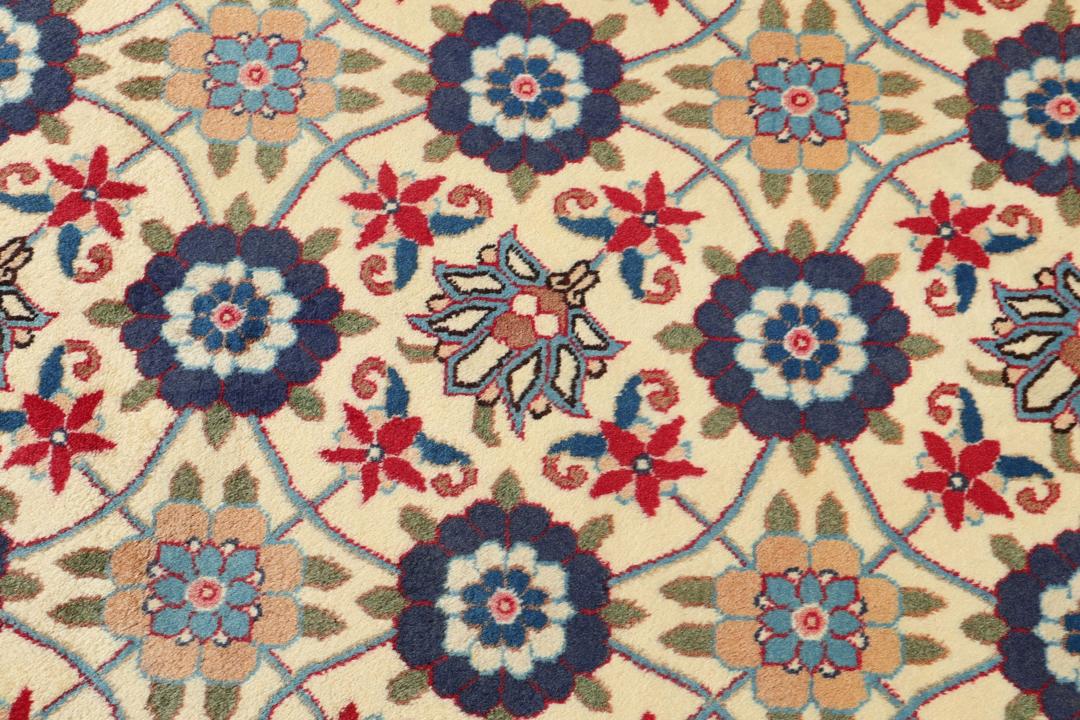
The design of this rug is characteristic of its tradition, typically showcasing an all-over pattern of floral motifs or stylised blossoms. The use of a repeating, harmonious design often creates an effect of infinite expansion across the field, framed by elaborate borders that ground the visual experience. While traditional palettes often favour bold, earthy tones, the unique balance of colours in this piece highlights the artistry of the weaver in interpreting classic motifs.
Collecting a rug from this tradition is an investment in human skill and regional history. These pieces are not merely floor coverings; they are carriers of a craft that has been passed down through generations. By choosing a piece like this, you are preserving a legacy of artistry, ensuring that the skill and dedication of the artisans continue to be celebrated and enjoyed in a modern home context.