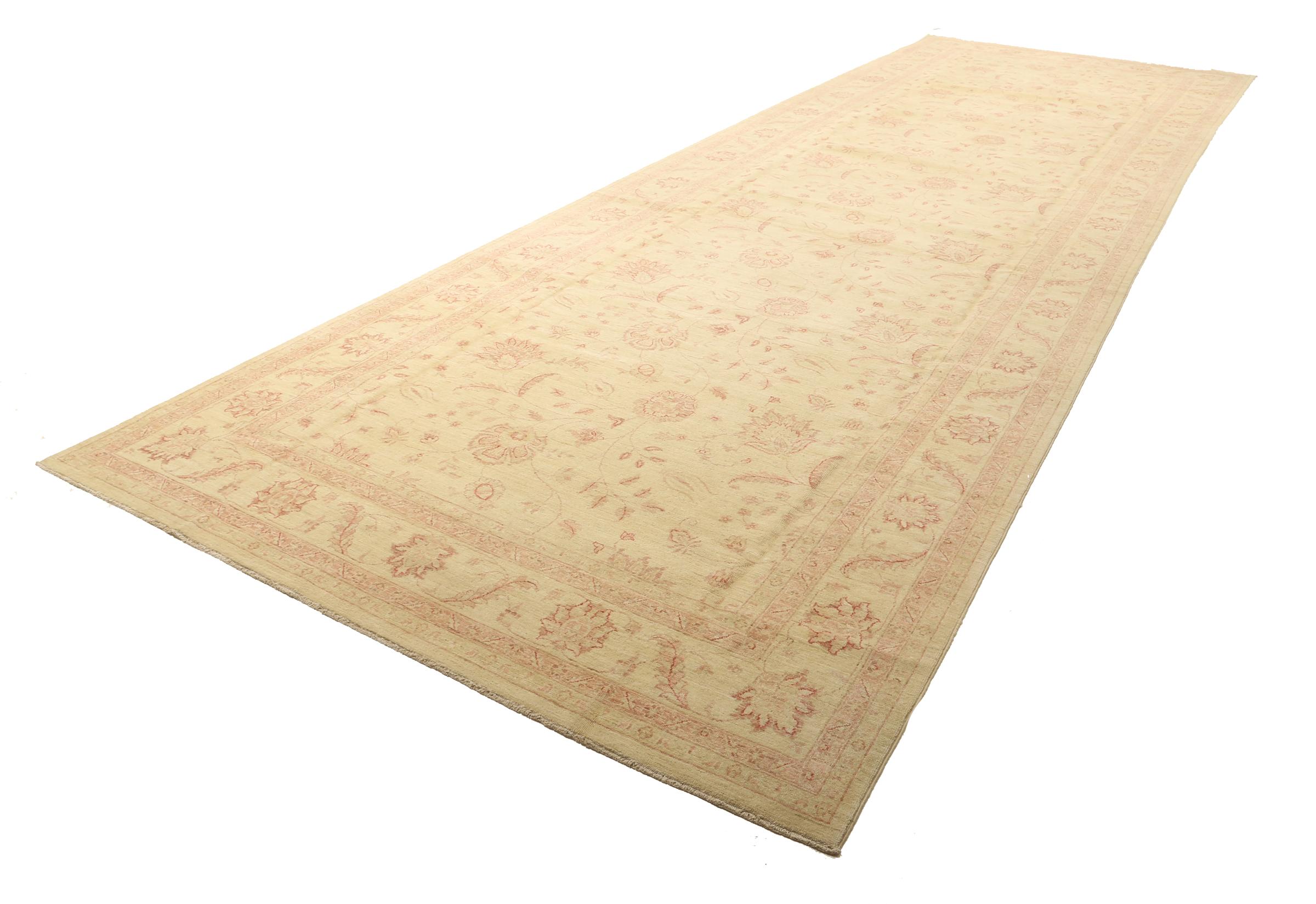
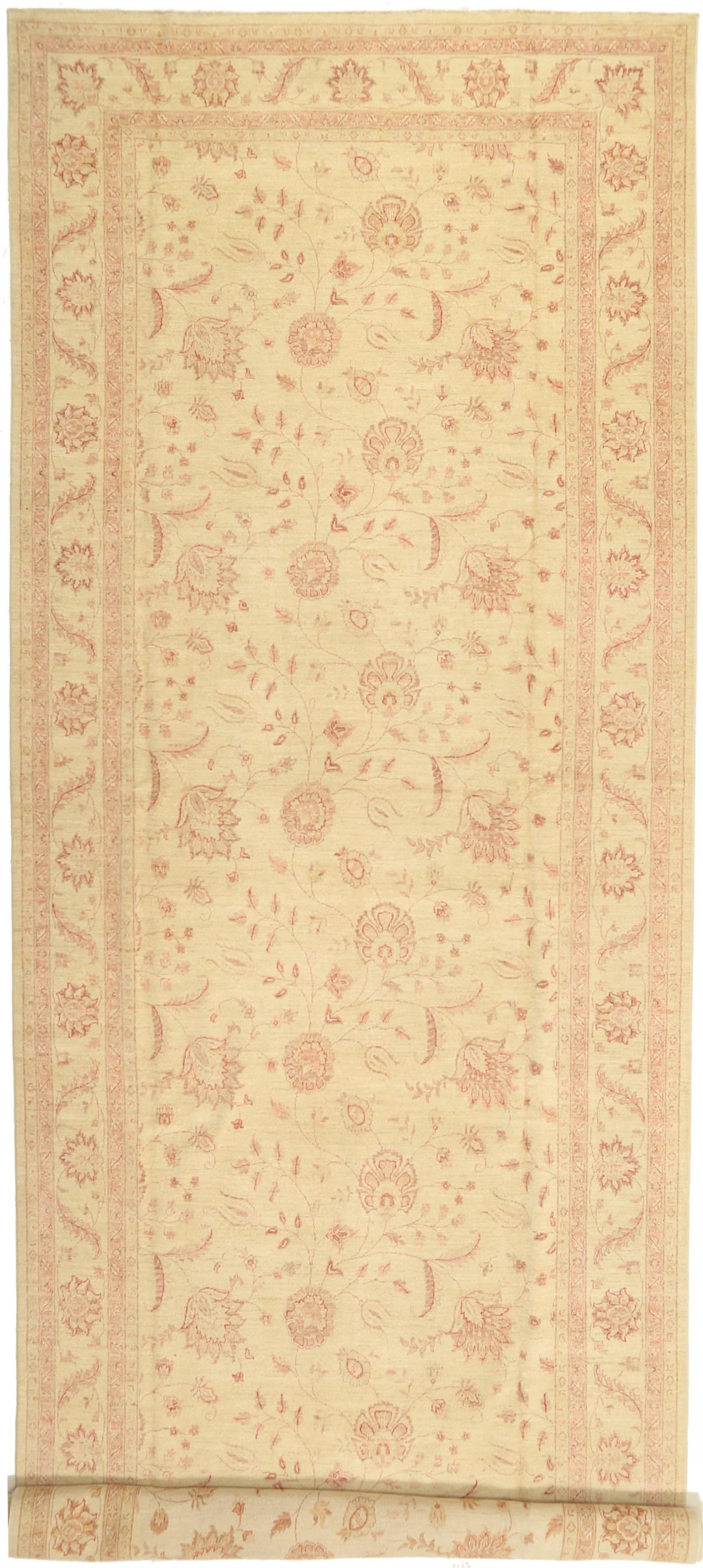
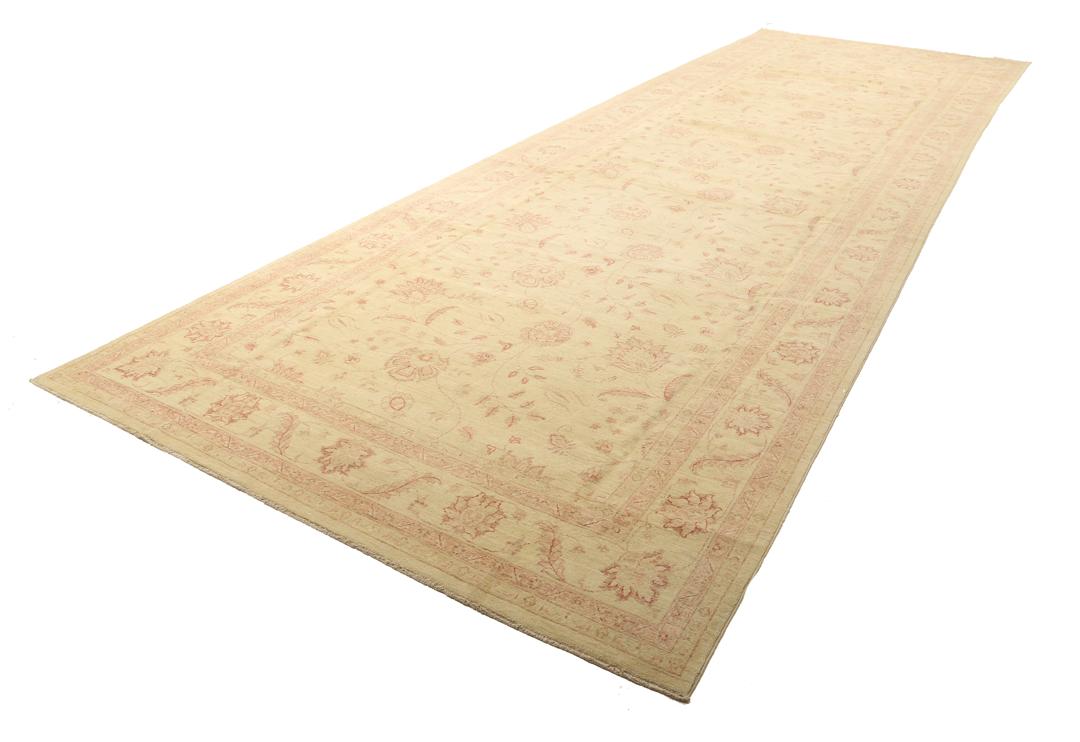
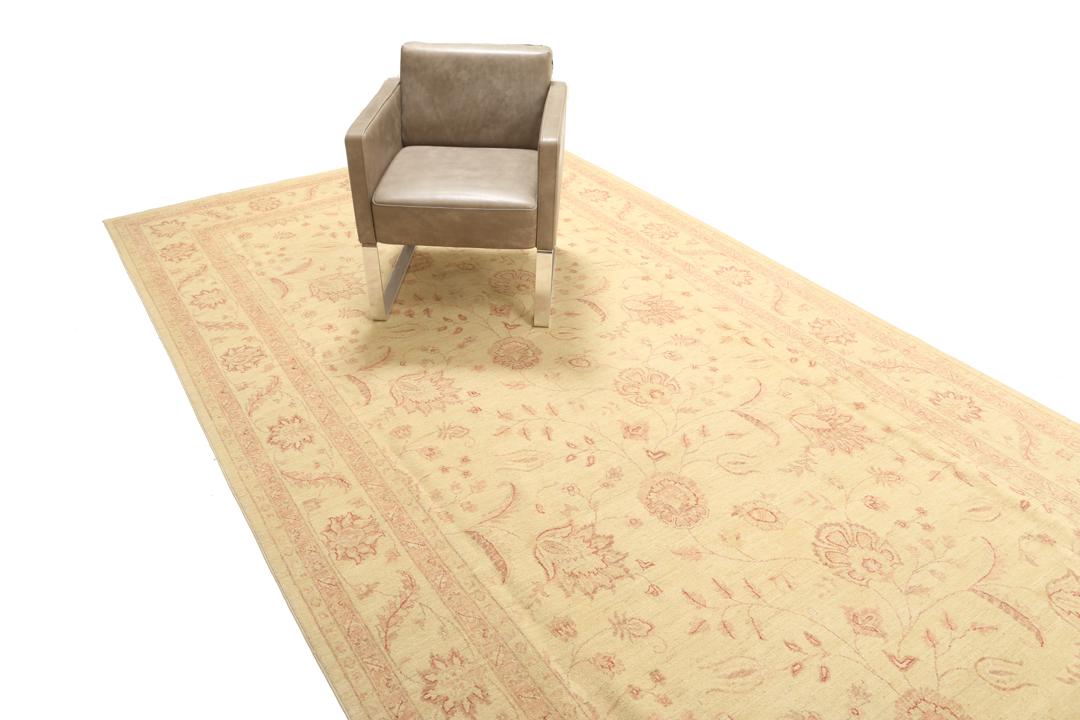
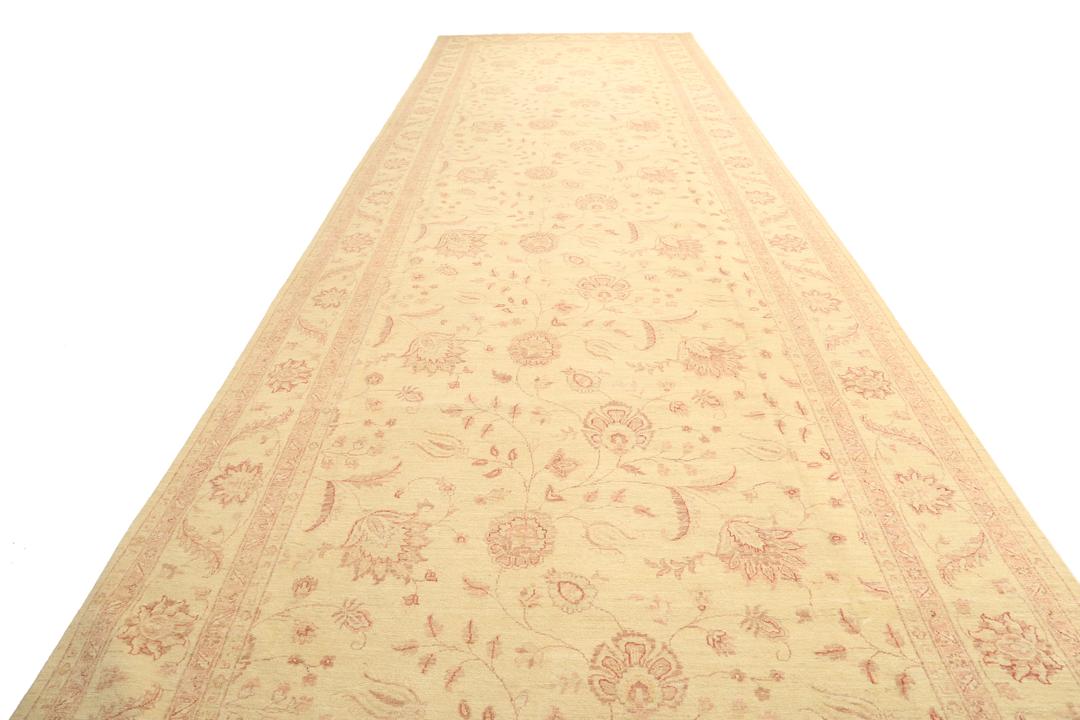
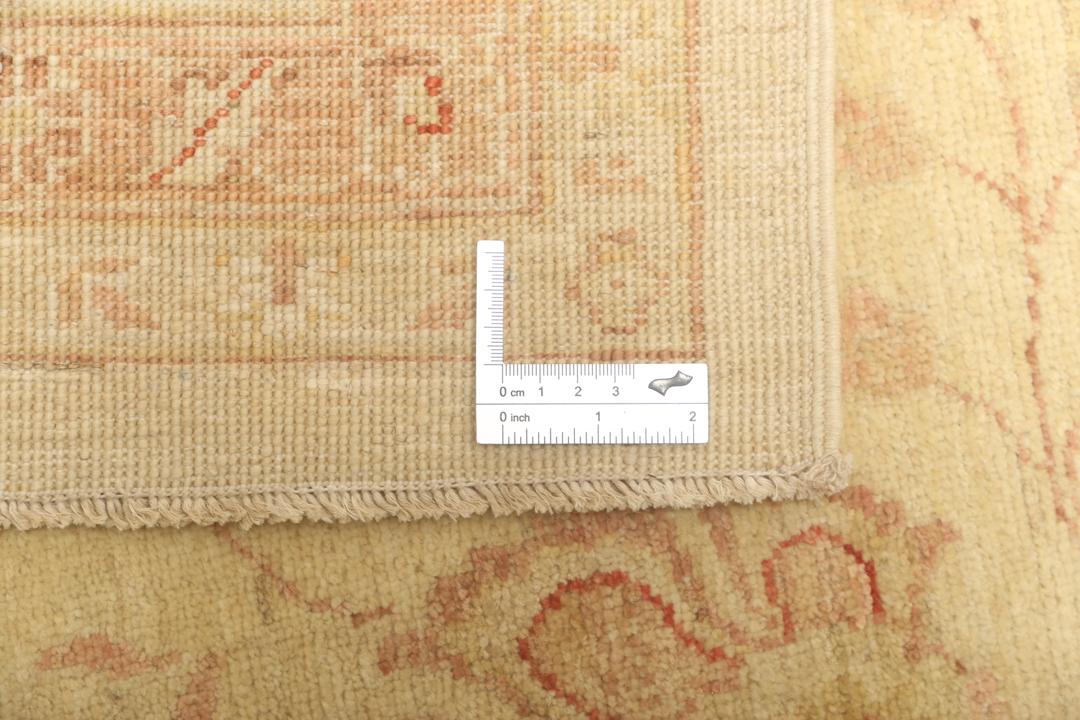
The Ziegler style traces its roots to the late 19th century, born from a collaboration between European design firms and Middle Eastern weavers. The goal was to create rugs that captured the elegance of classical eastern designs but with a more restrained colour palette and an open, airy composition that appealed to Western interiors of the time. This fusion of influences has since become a distinct and celebrated tradition in the region.
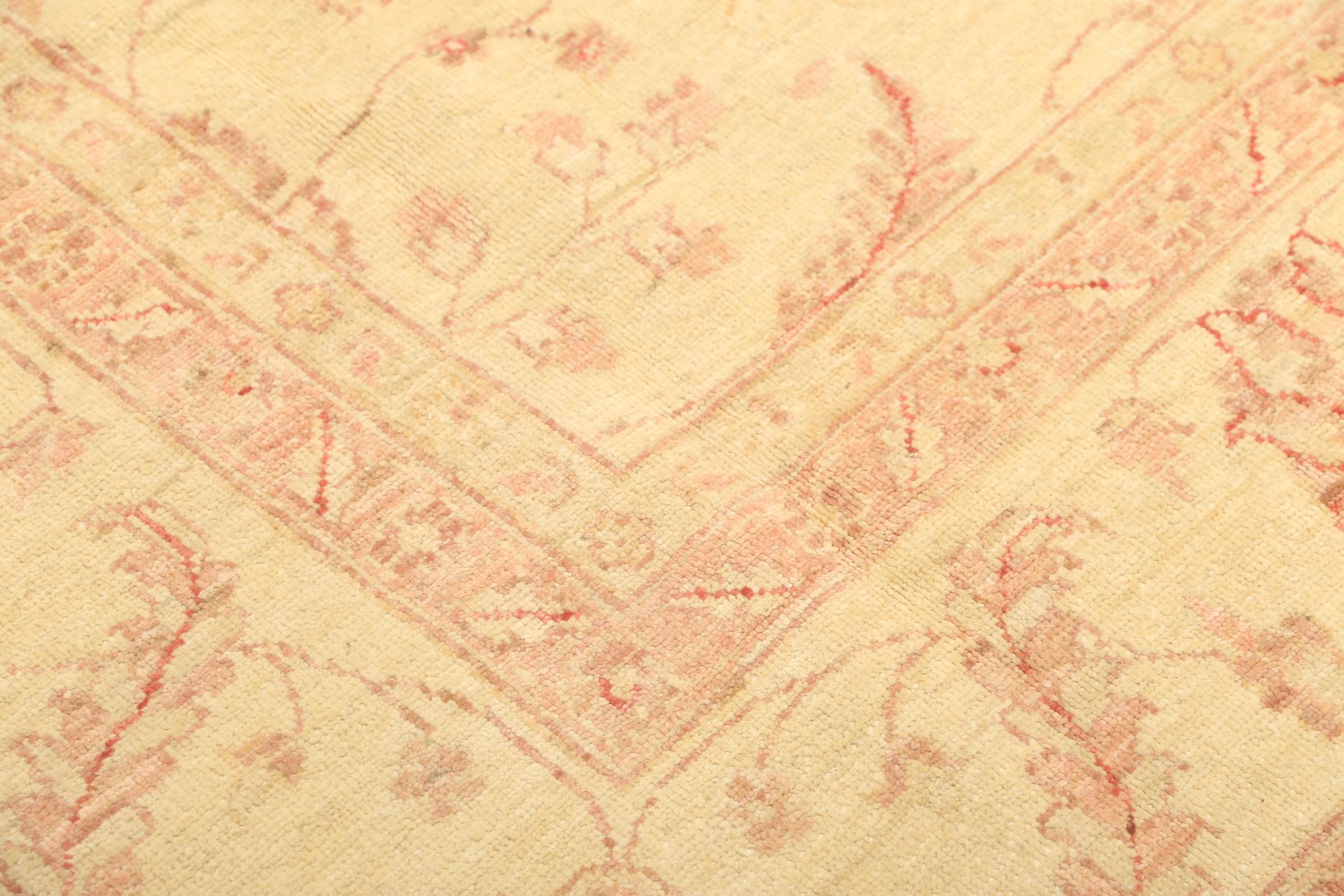
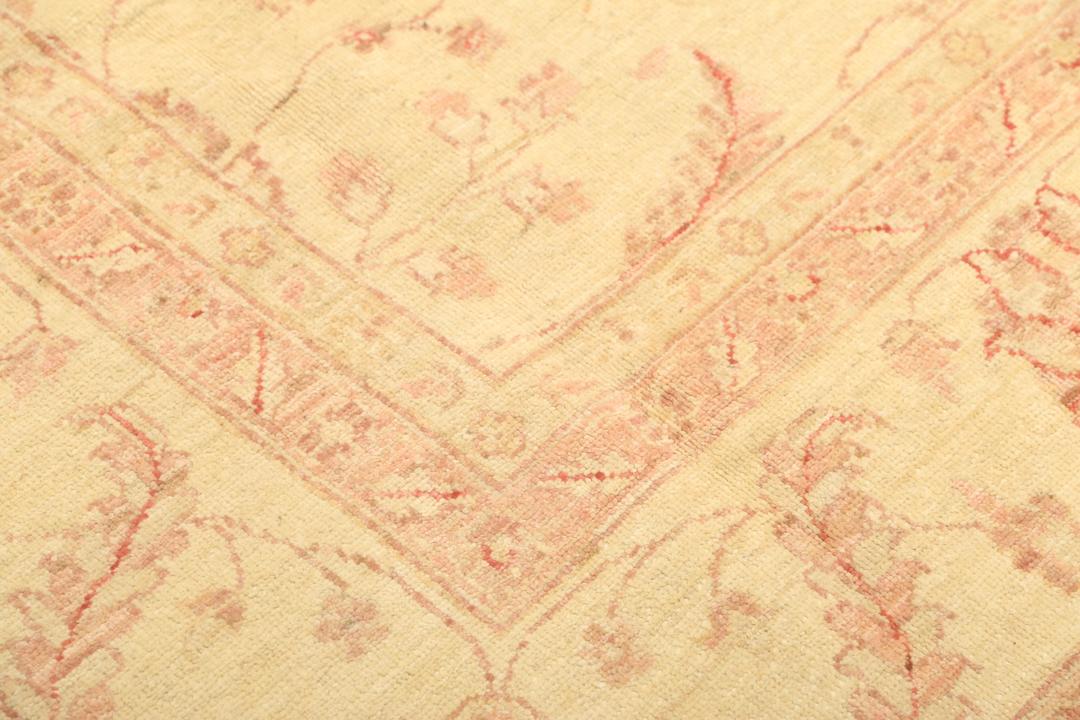
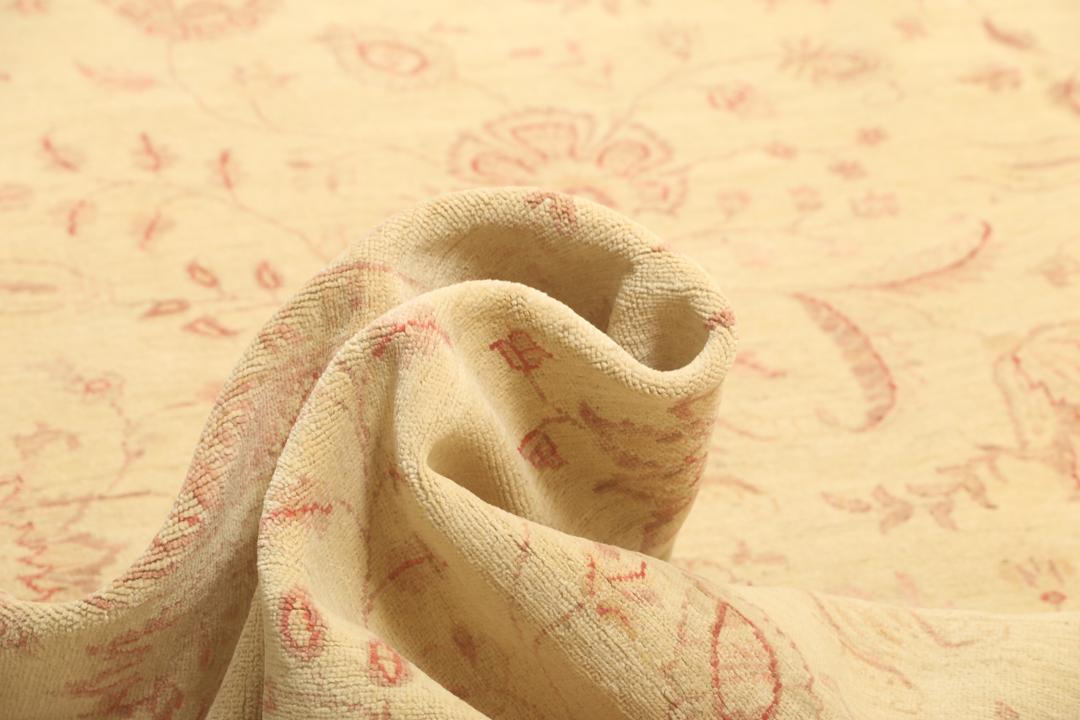
These rugs are defined by their use of high-quality wool, which is often hand-spun to retain natural variations in colour and texture. The 'Fine' designation refers to the density and quality of the weave, where the number of knots per square metre is optimised to allow for intricate, flowing designs while maintaining the durability required for a functional floor covering. This balance of artistry and utility is a hallmark of the tradition.
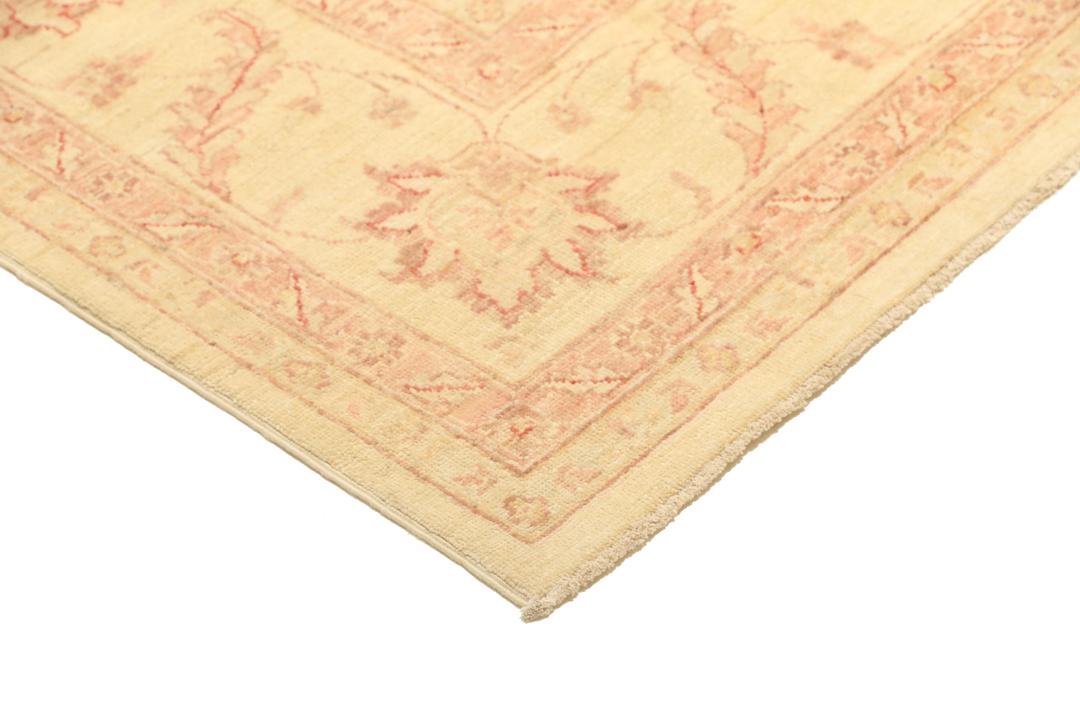
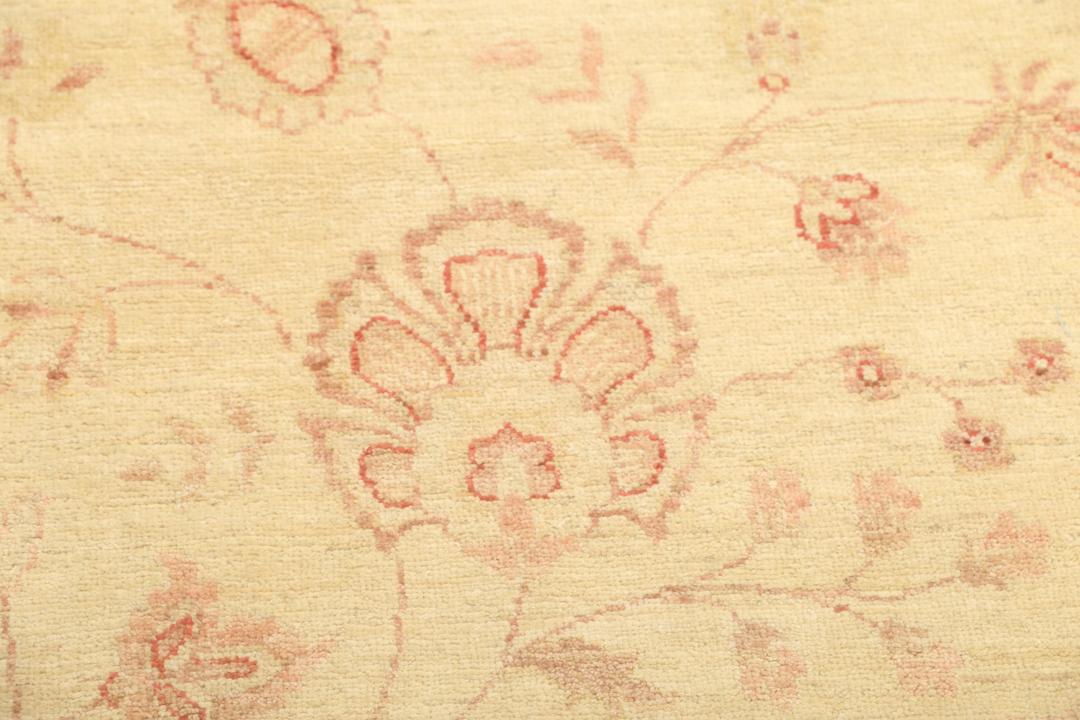
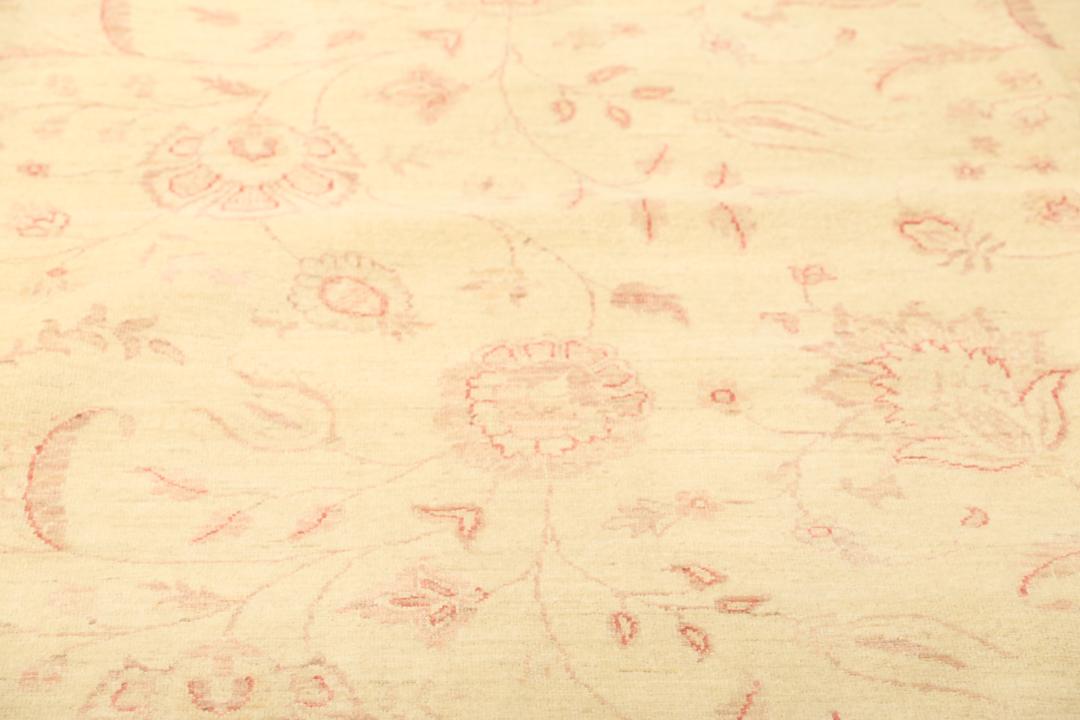
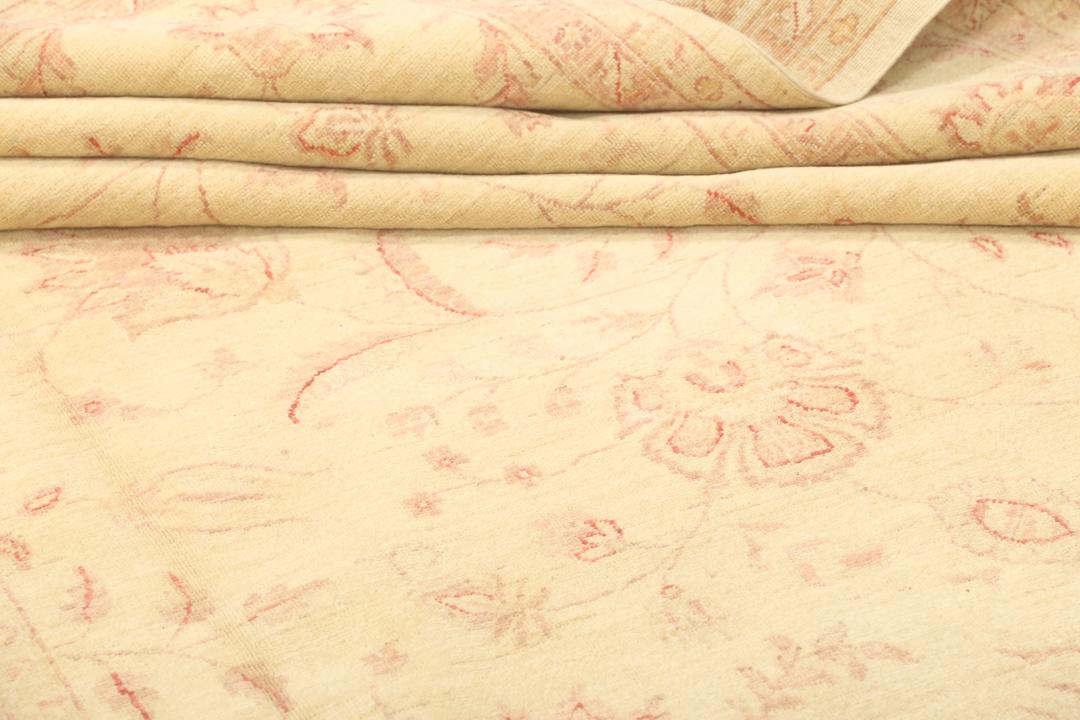
Visually, these pieces are known for their large-scale floral patterns, often featuring stylised palmettes, vines, and leaves that appear to wander across the field. Unlike more rigid geometric styles, the Ziegler design language is fluid and organic, often utilising softer, muted tones that make the rugs versatile in modern homes. The borders are typically well-proportioned, providing a clear frame that anchors the sprawling motifs of the central field.
Owning a piece from this tradition is an investment in a storied craft that bridges cultures and generations. Because each rug is created by hand using techniques passed down over centuries, they possess a unique character that mass-produced items cannot replicate. They are valued by collectors and homeowners alike for their ability to bring a sense of grounded history and quiet sophistication to any room.