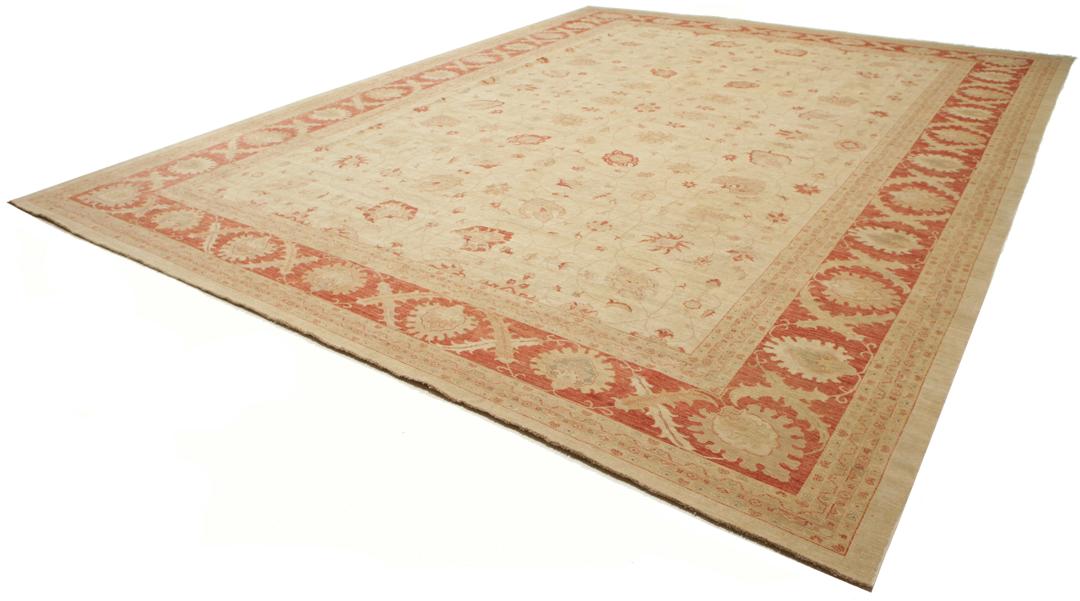
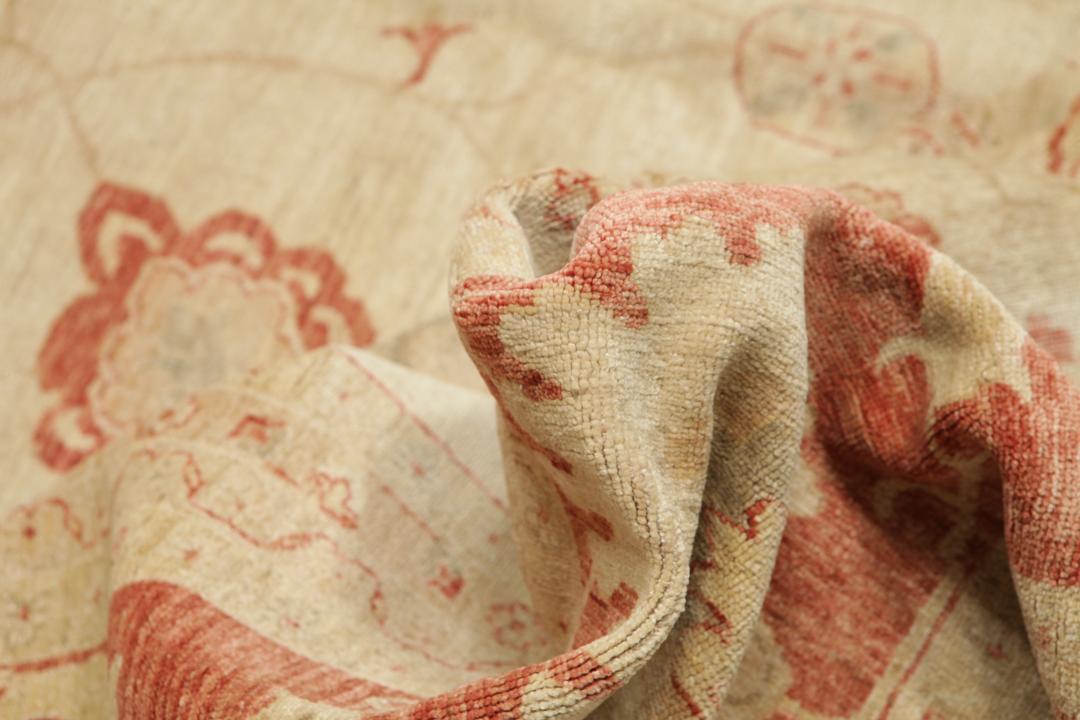
The Ziegler rug tradition emerged in the late 19th century, born from a collaboration between the Swiss firm Ziegler & Co. and the weaving centres of the Middle East. Originally, the goal was to create rugs that appealed to Western tastes by simplifying traditional, complex patterns and utilising softer, more muted colour palettes. This evolution transformed the way these rugs were viewed, moving them from highly stylized regional pieces to versatile home furnishings that complemented contemporary décor.
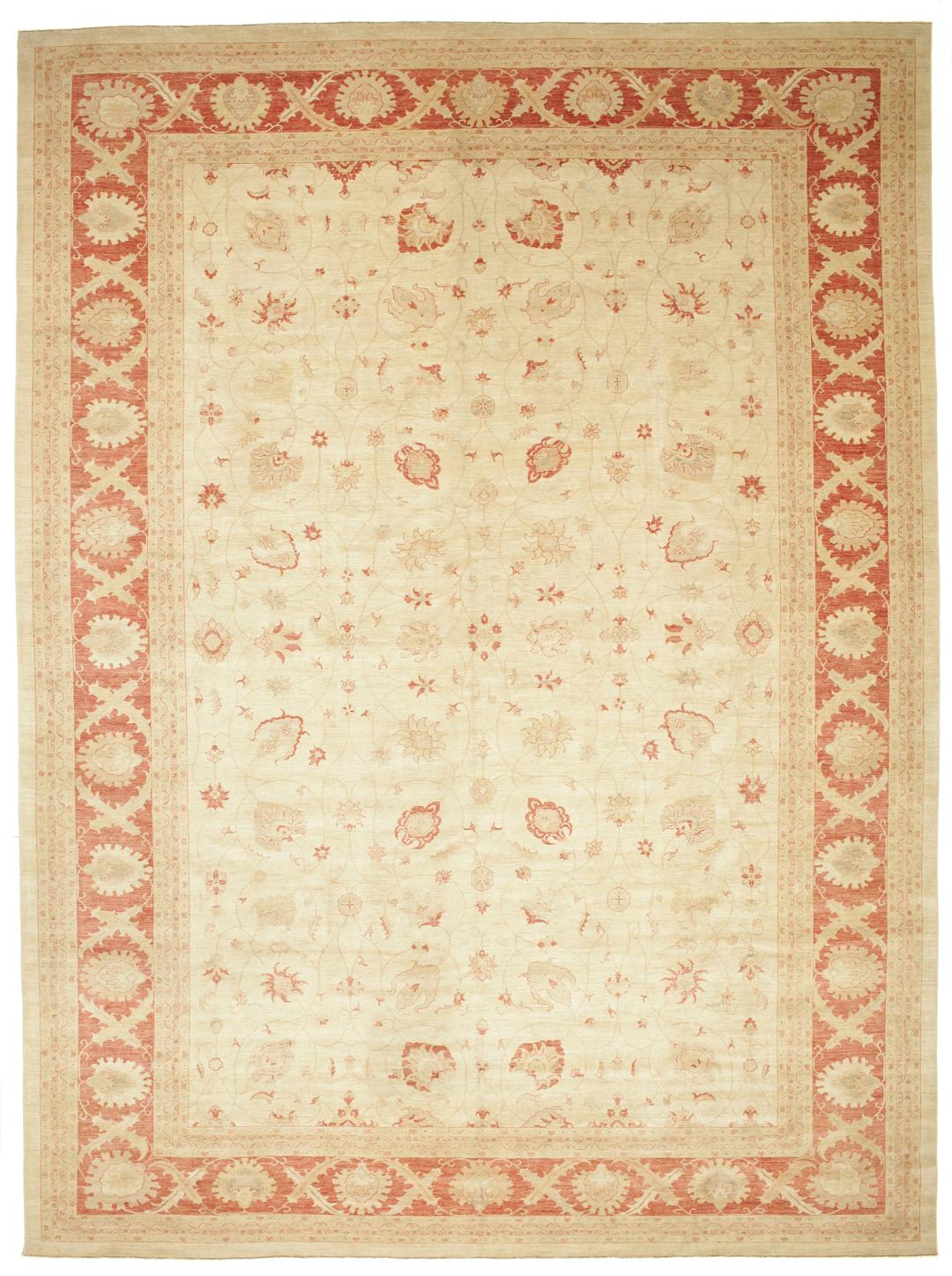
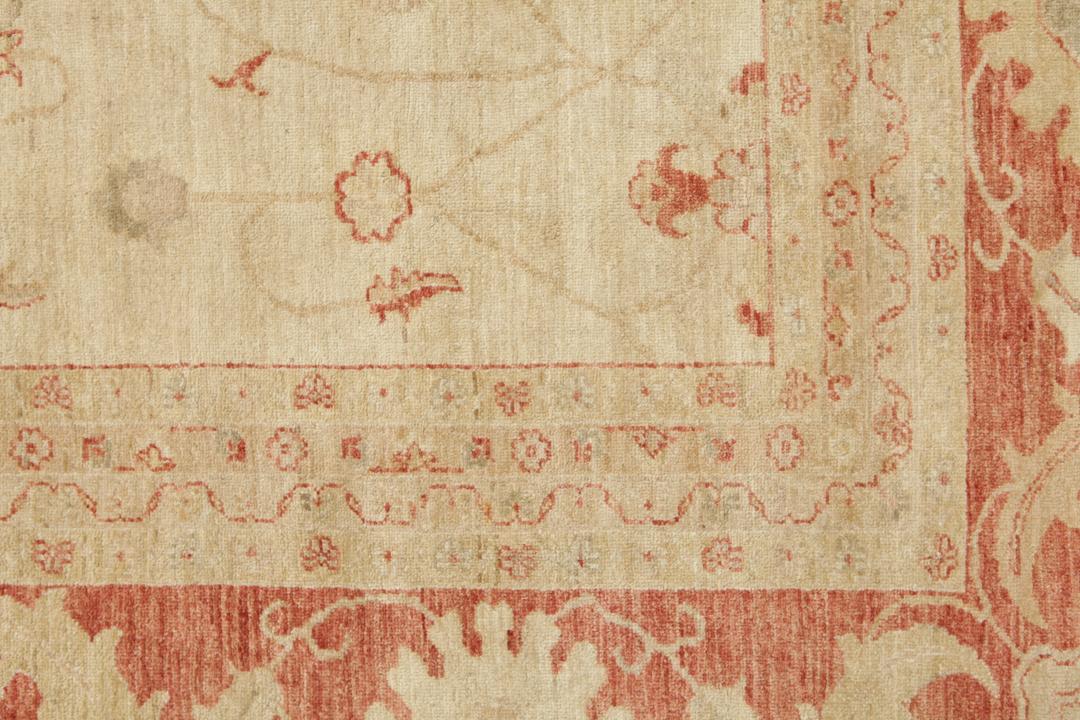
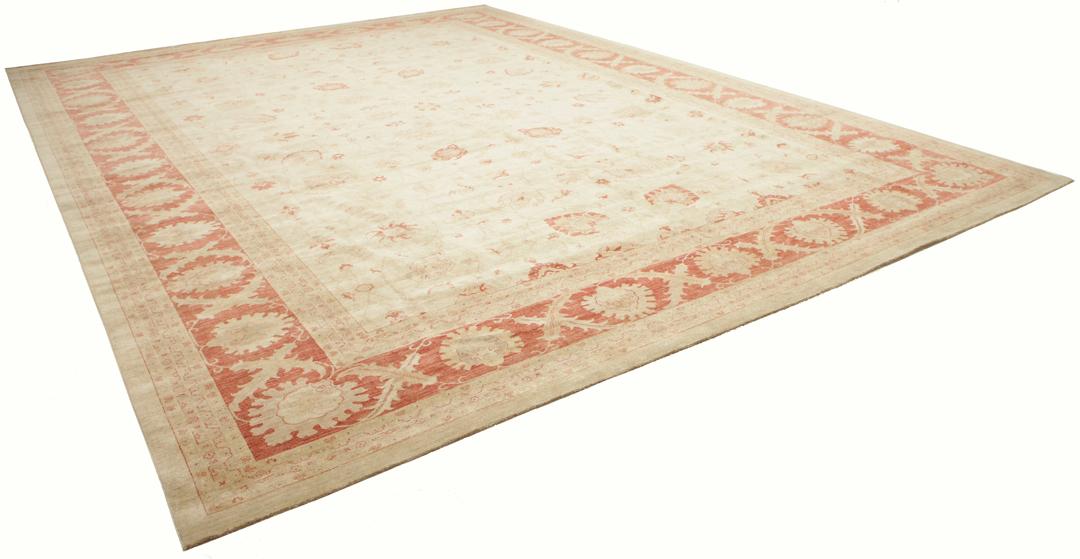
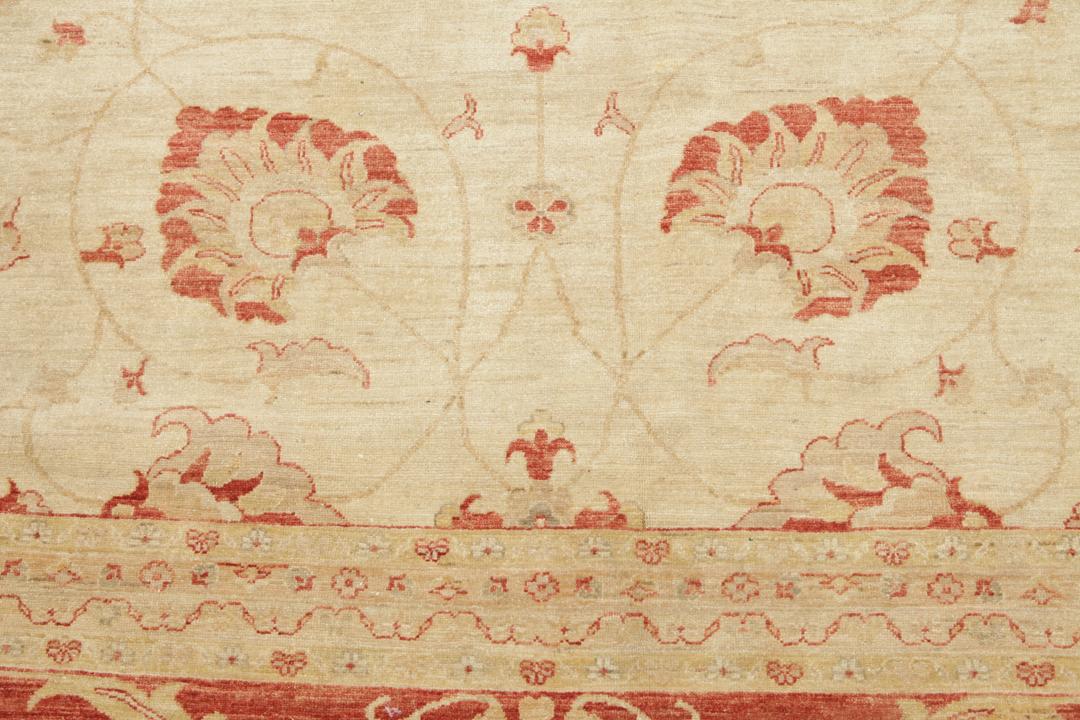
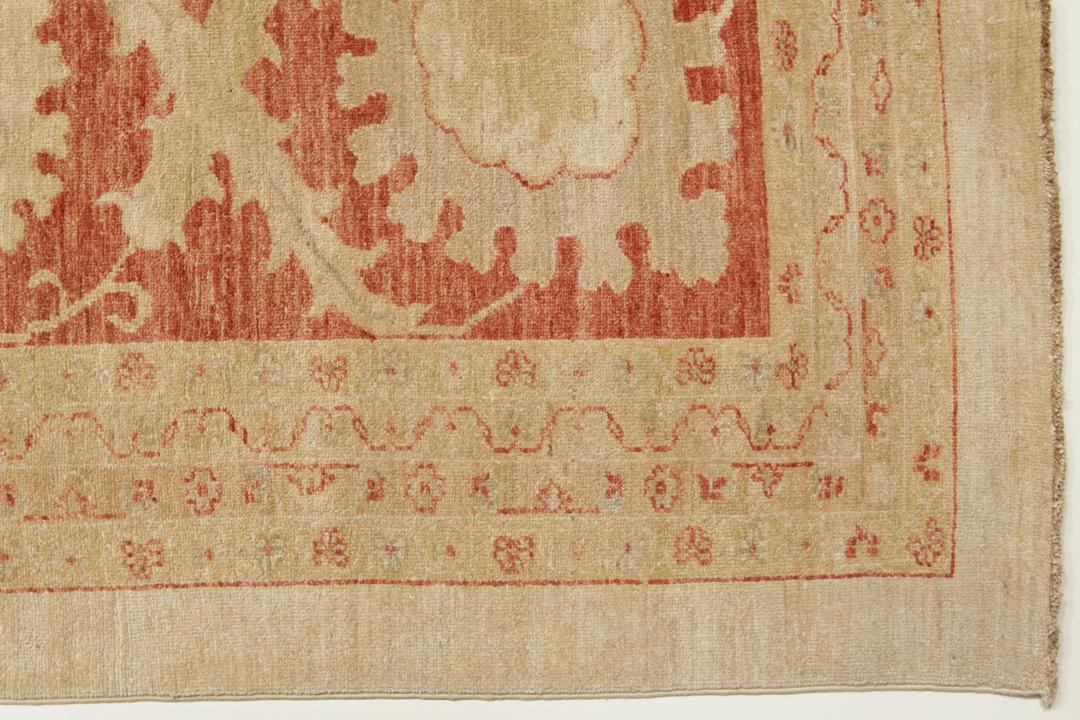
The name Ziegler has since become synonymous with a specific aesthetic that prioritizes open fields and elegant, large-scale floral motifs. This style is often referred to as the 'Chobi' style in modern production, where 'chobi' means wood in Farsi, referencing the natural, vegetable-based dyes traditionally used to achieve the beautiful, earthy tones. The focus is on creating a harmonious balance between the border and the central field, often resulting in a look that feels both classic and surprisingly fresh.
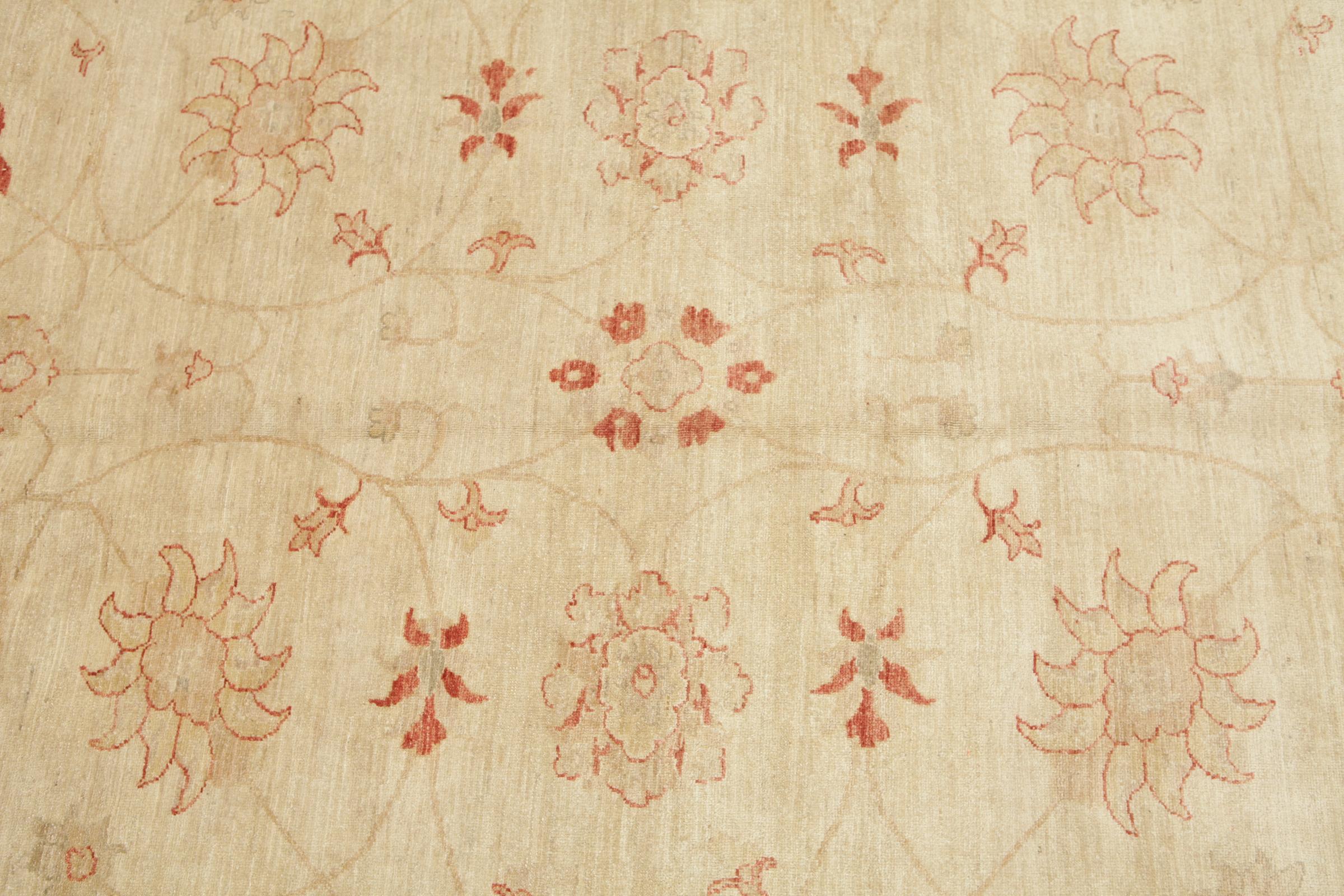
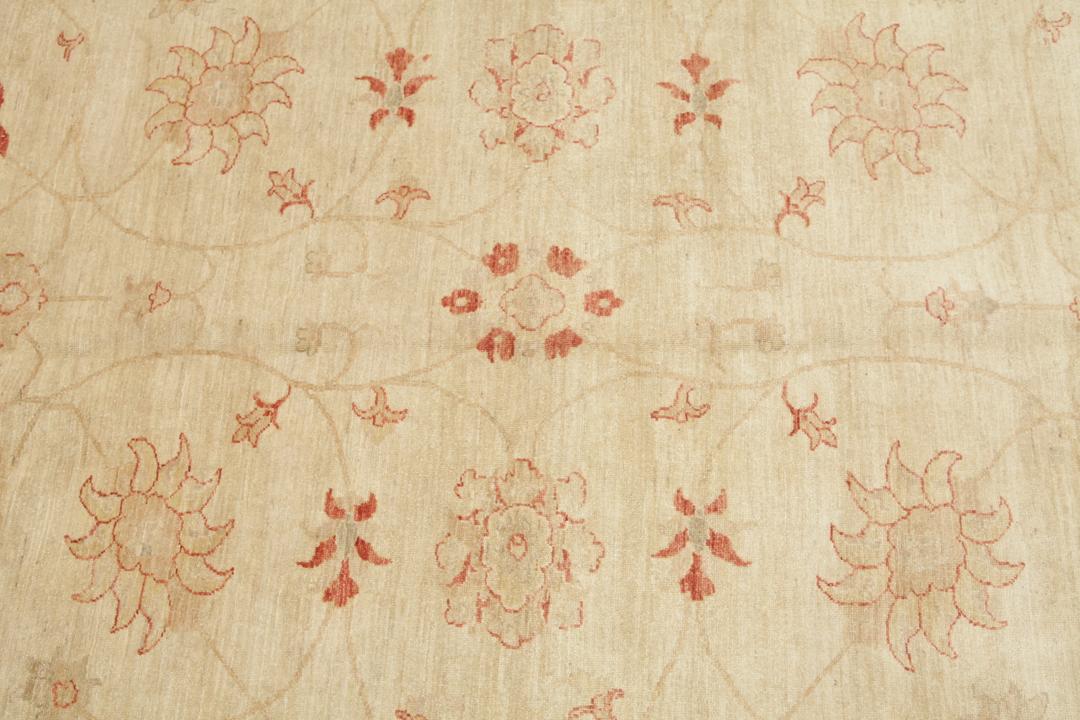
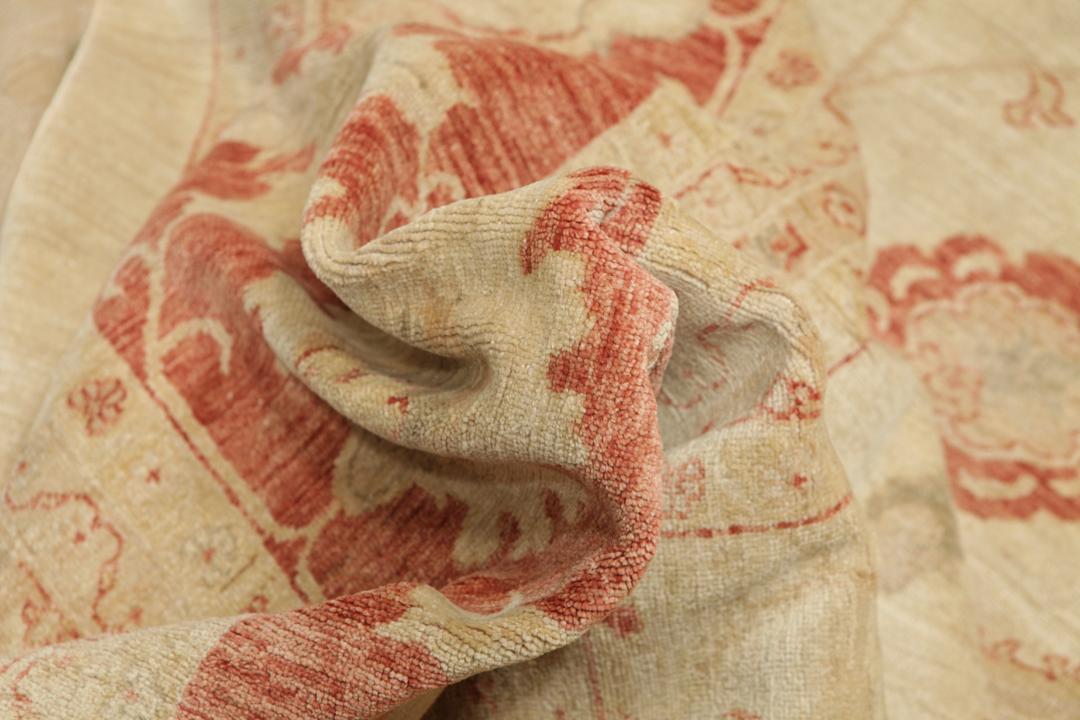
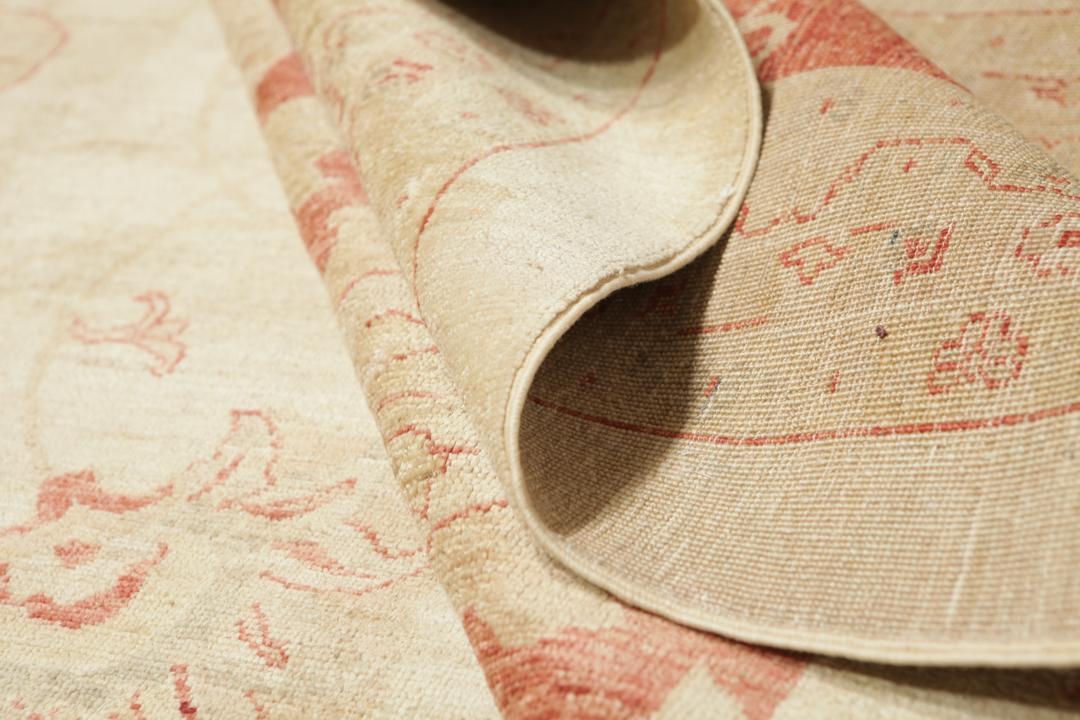
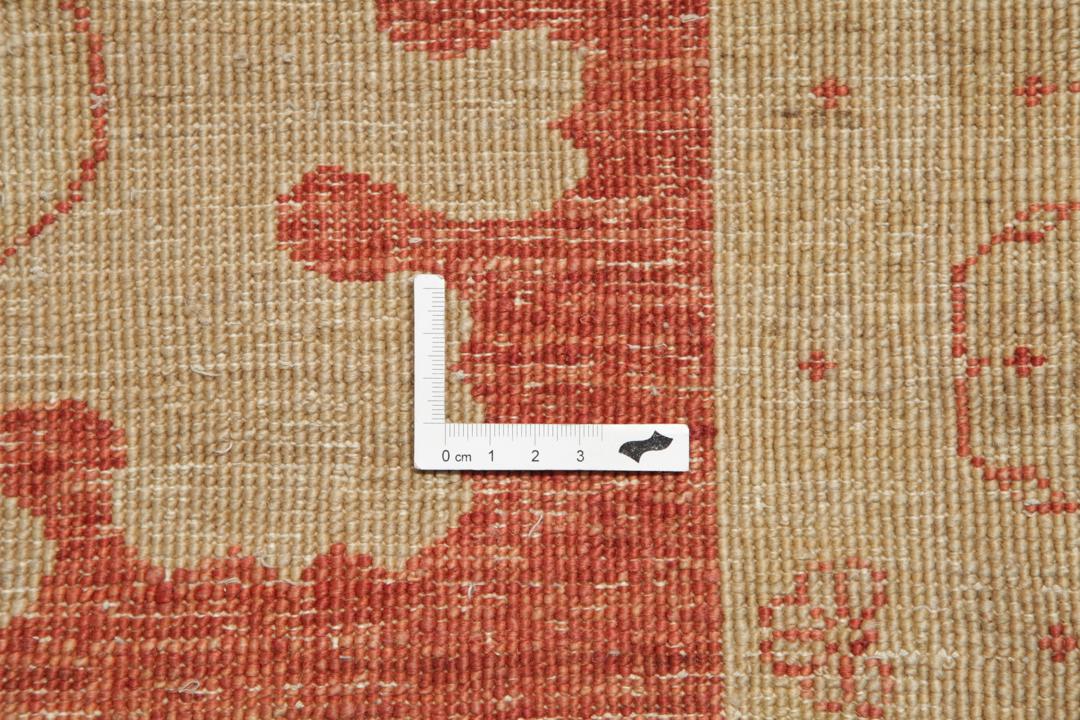
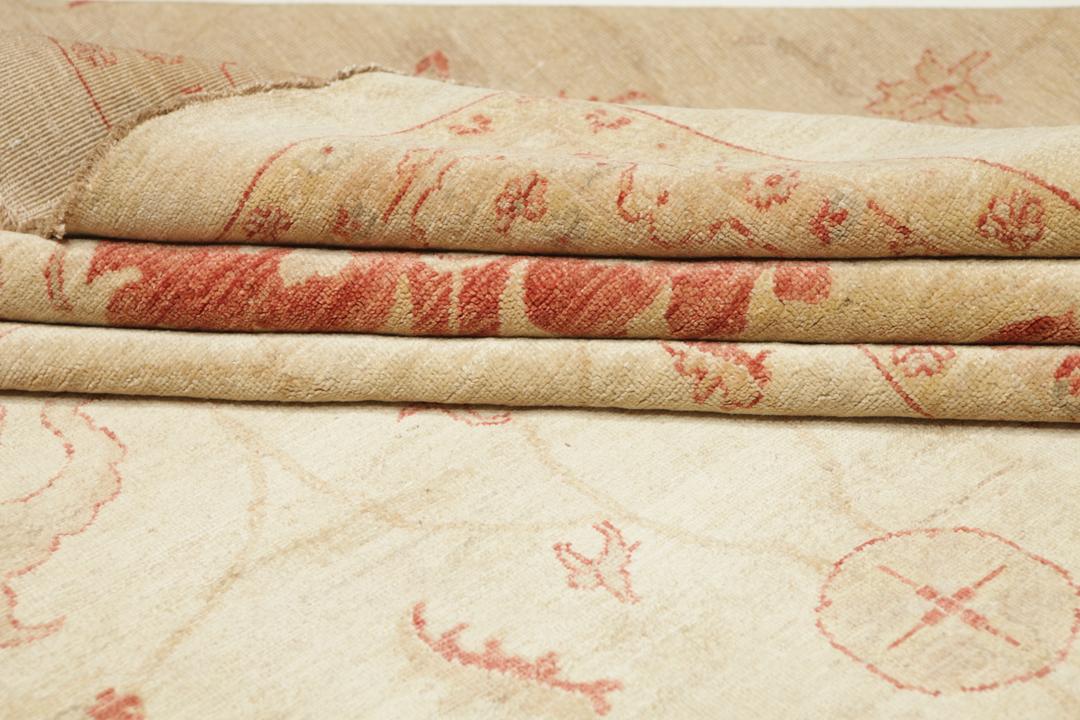
Signature elements of this tradition include the use of large, graceful palmettes and sweeping vine scrolls. Unlike the densely packed geometric designs seen in other regional traditions, the Ziegler aesthetic relies on negative space to give the patterns room to breathe. This design choice highlights the quality of the wool and the precision of the knotting, as there is nowhere for imperfections to hide in such an open, airy composition.
Today, these rugs are highly sought after by collectors and interior designers alike for their ability to bridge the gap between historical craft and modern living. Owning a piece from this tradition is an act of preserving a legacy of cross-cultural artistic exchange. Each rug serves as a reminder of the skill required to weave such expansive designs by hand, making them not just floor coverings, but storied objects that bring cultural depth to any home.