The Ziegler style originated in the late 19th century as a collaborative effort between the Swiss firm Ziegler & Co. and master weavers in the Middle East. The goal was to create rugs that appealed to Western tastes, focusing on softer, more muted colour palettes and large-scale, open floral designs that differed from the more cluttered patterns of the time. Today, the tradition is vibrantly carried forward by master weavers in Afghanistan, who continue to refine these classic aesthetics.
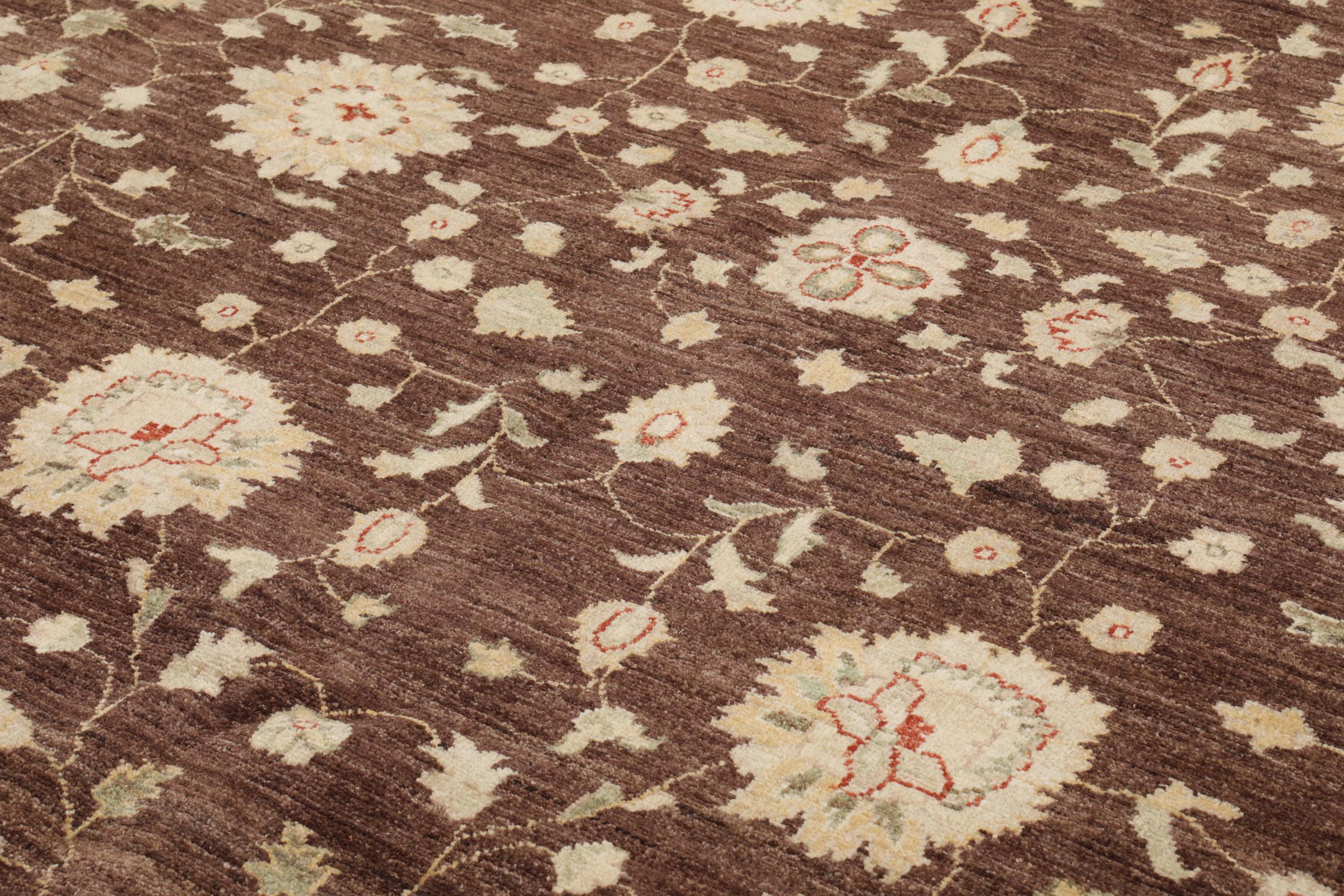
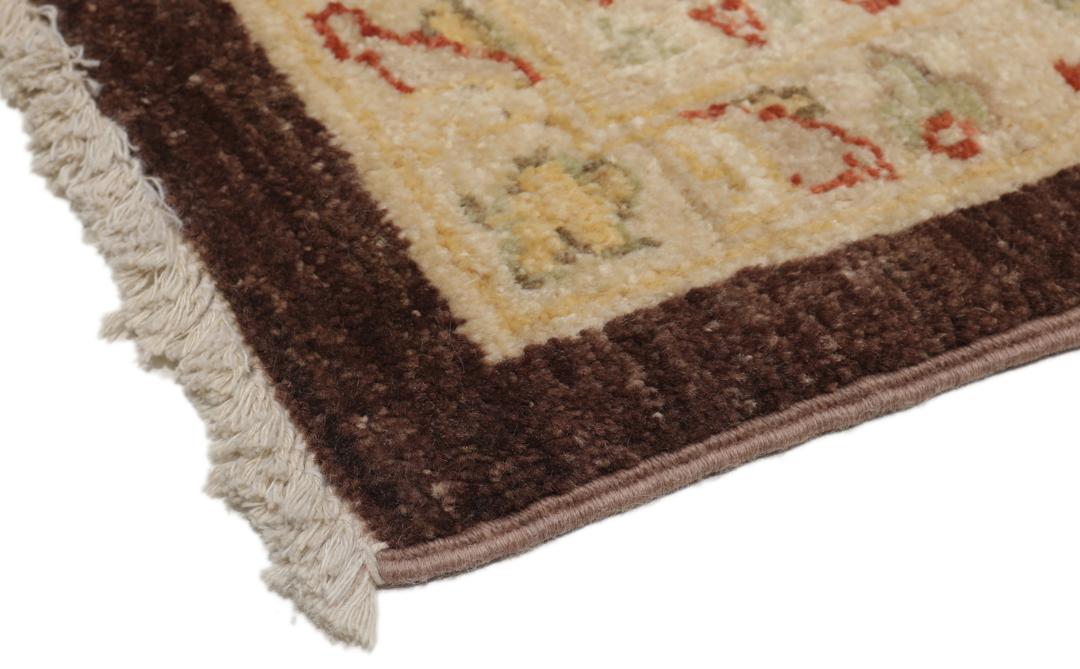
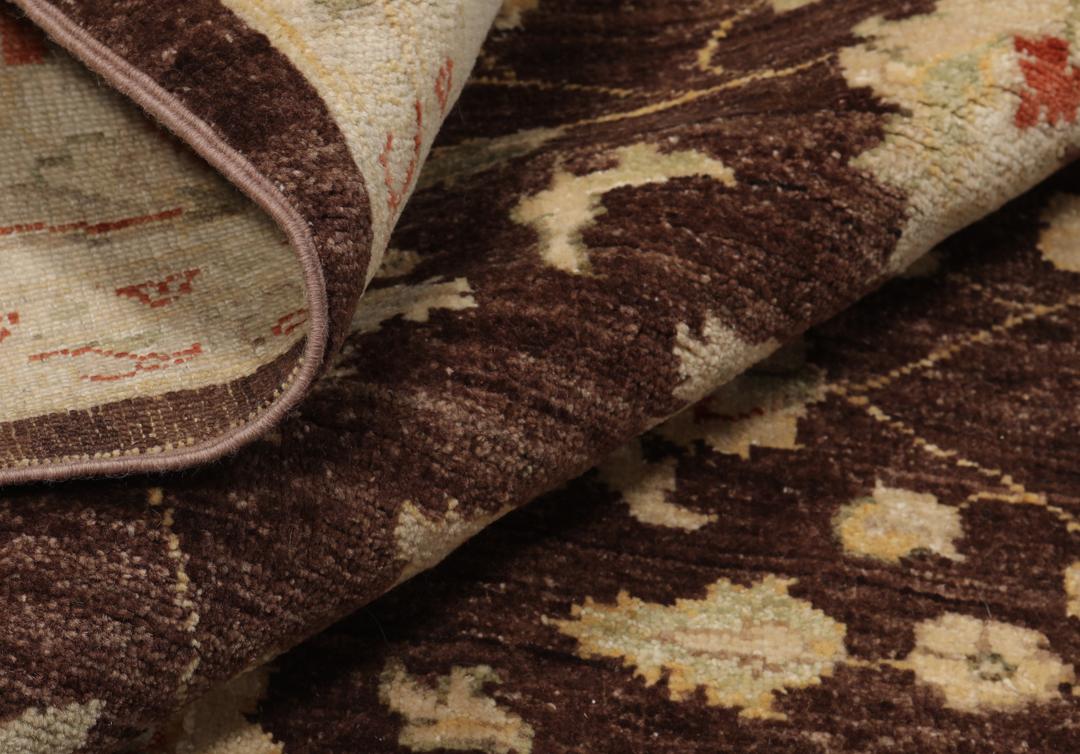
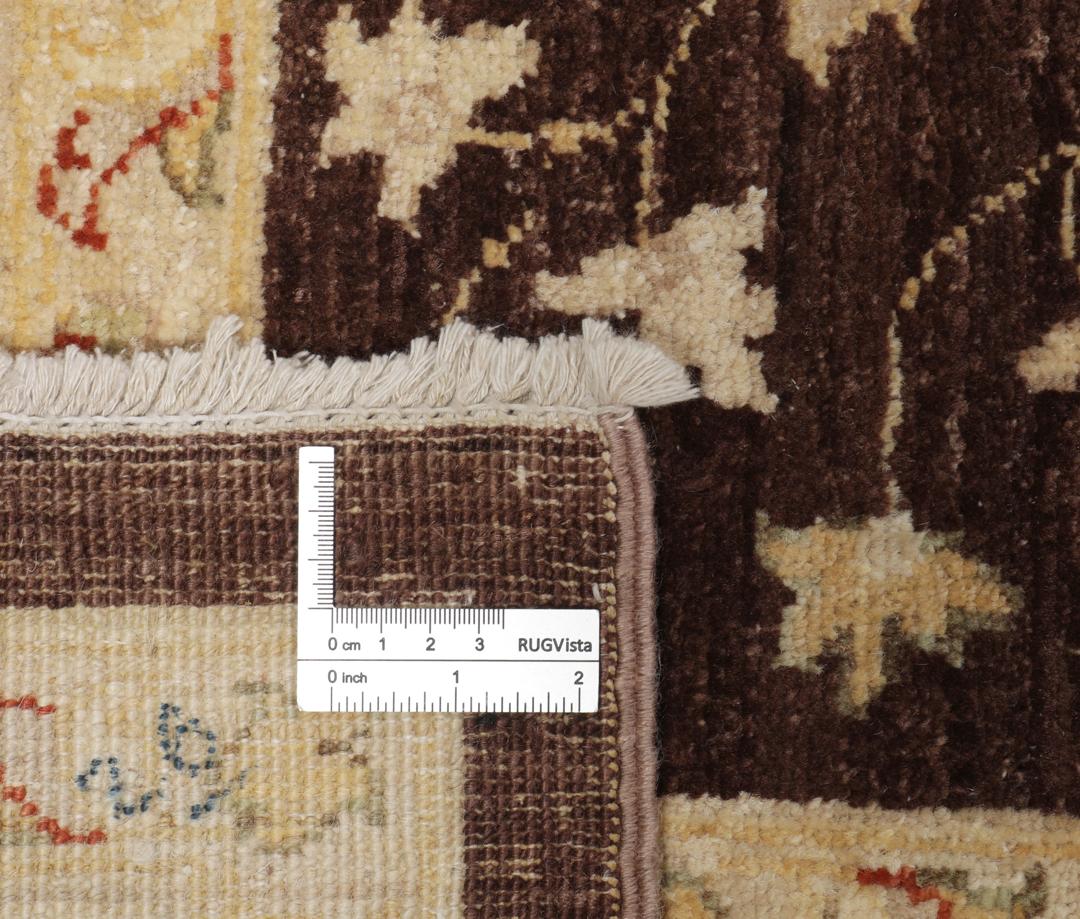
A key aspect of this tradition is the use of high-quality wool, often hand-spun to create a natural, slightly irregular texture that absorbs dyes beautifully. This process results in the gentle, antique-like finish that the style is famous for. When we speak of high-quality construction, we are referring to the intentional way the wool is knotted onto the foundation to create a pile that is both soft to the touch and remarkably resilient against wear.
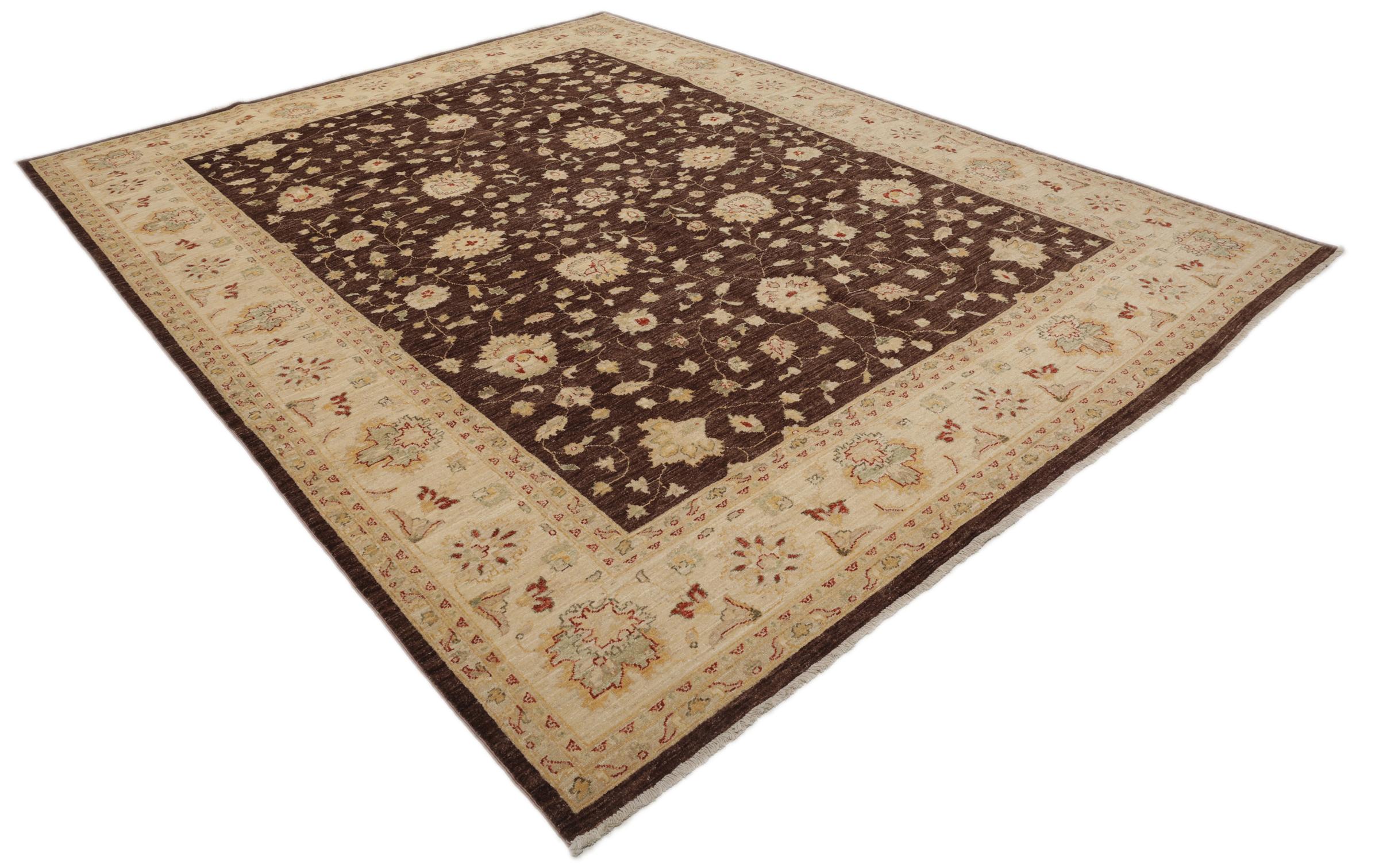
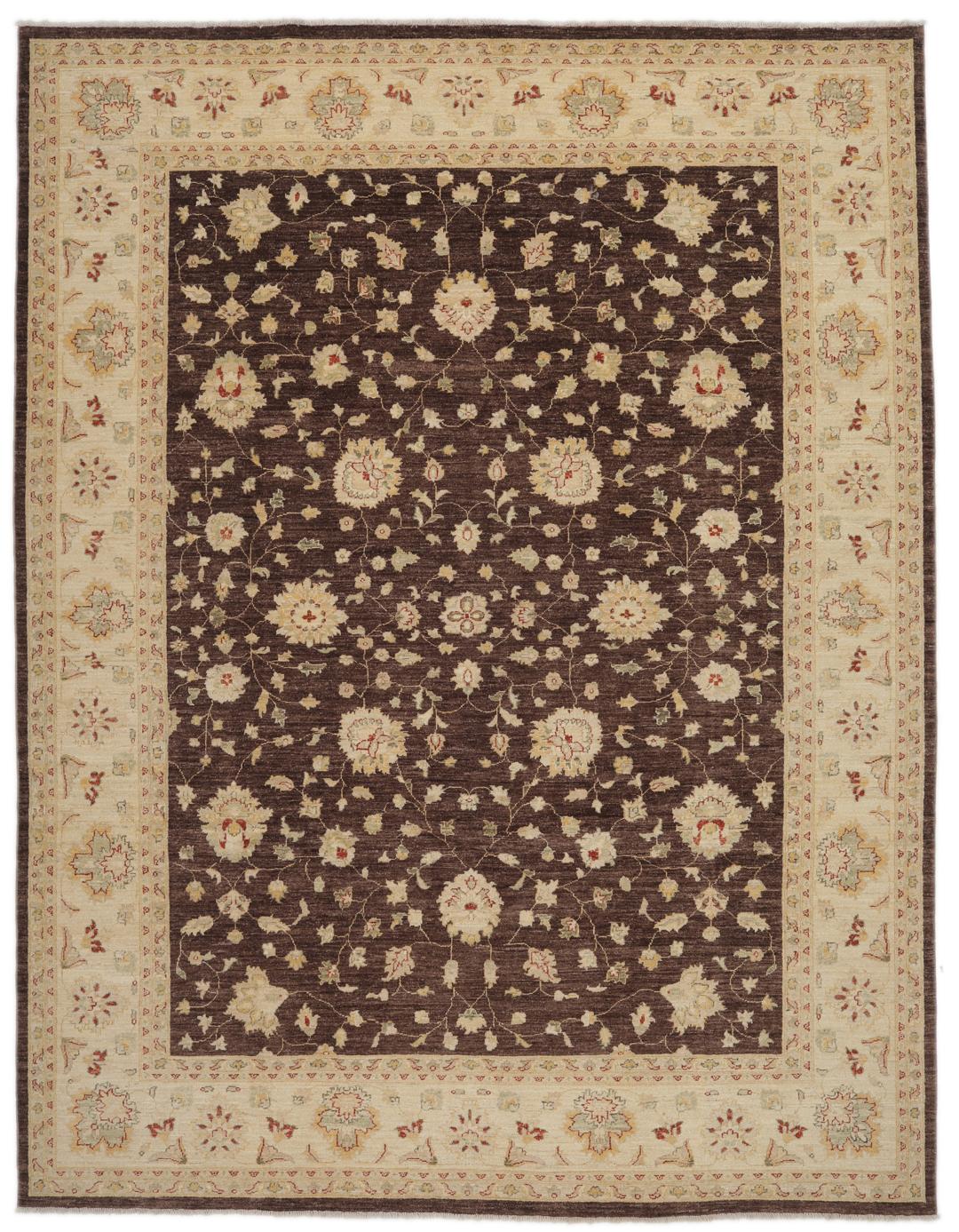
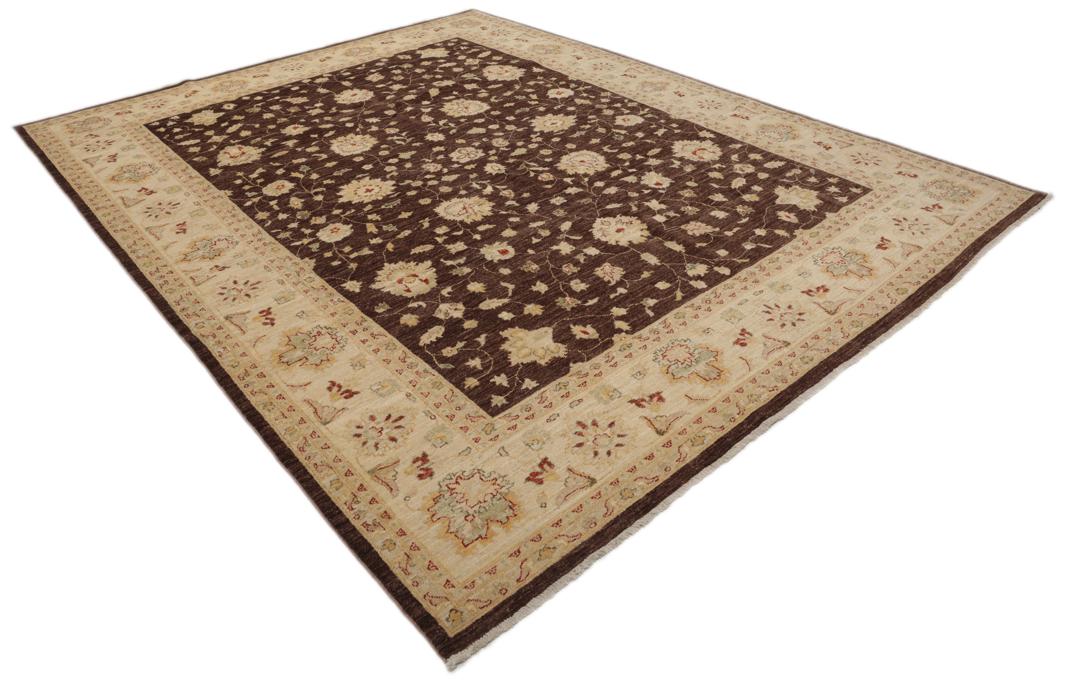
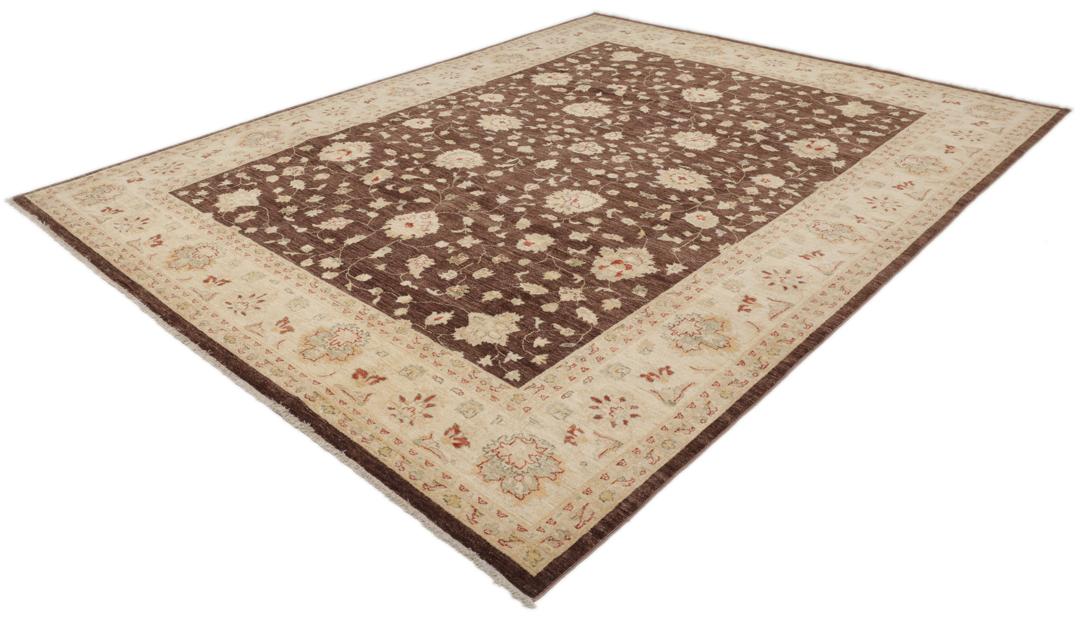
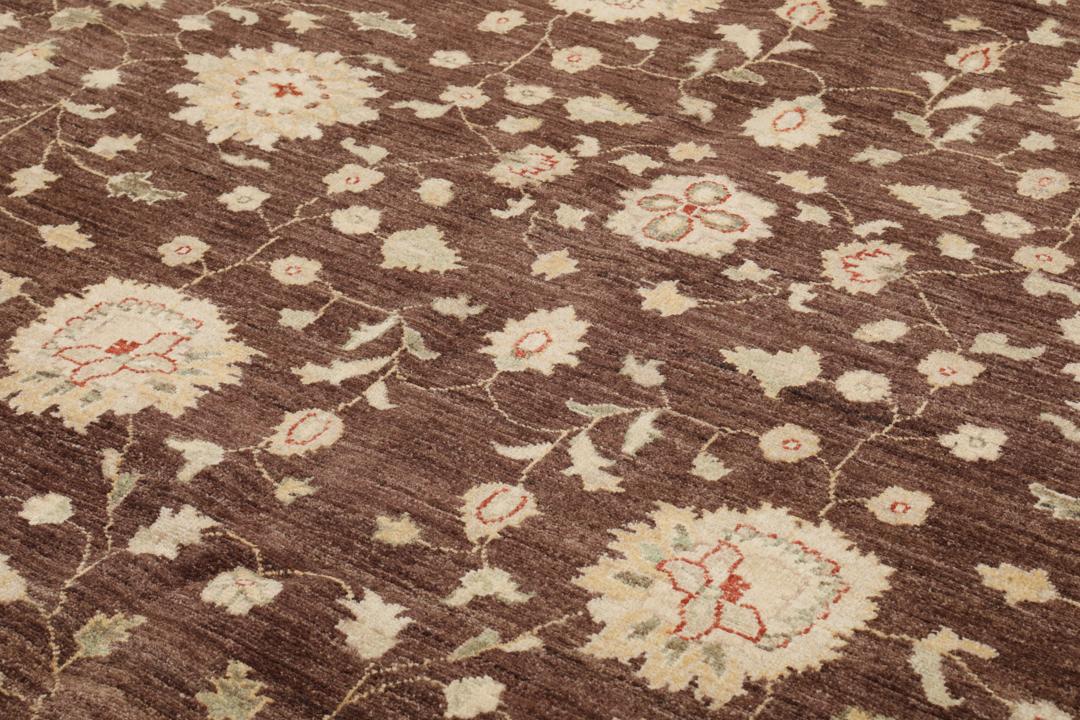
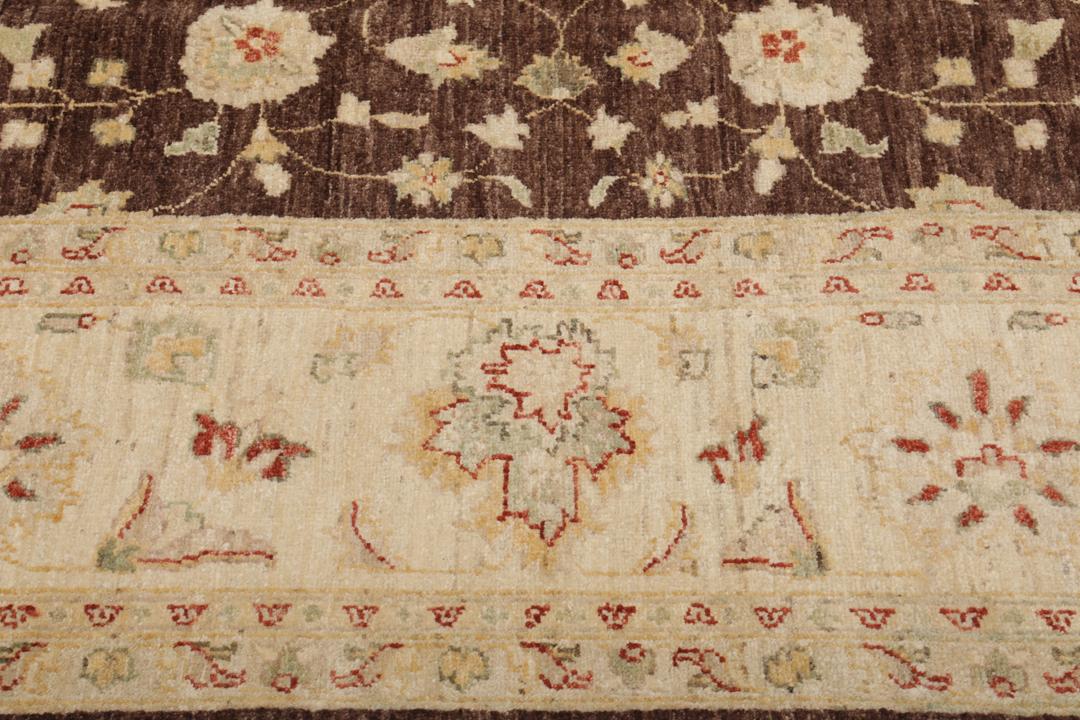
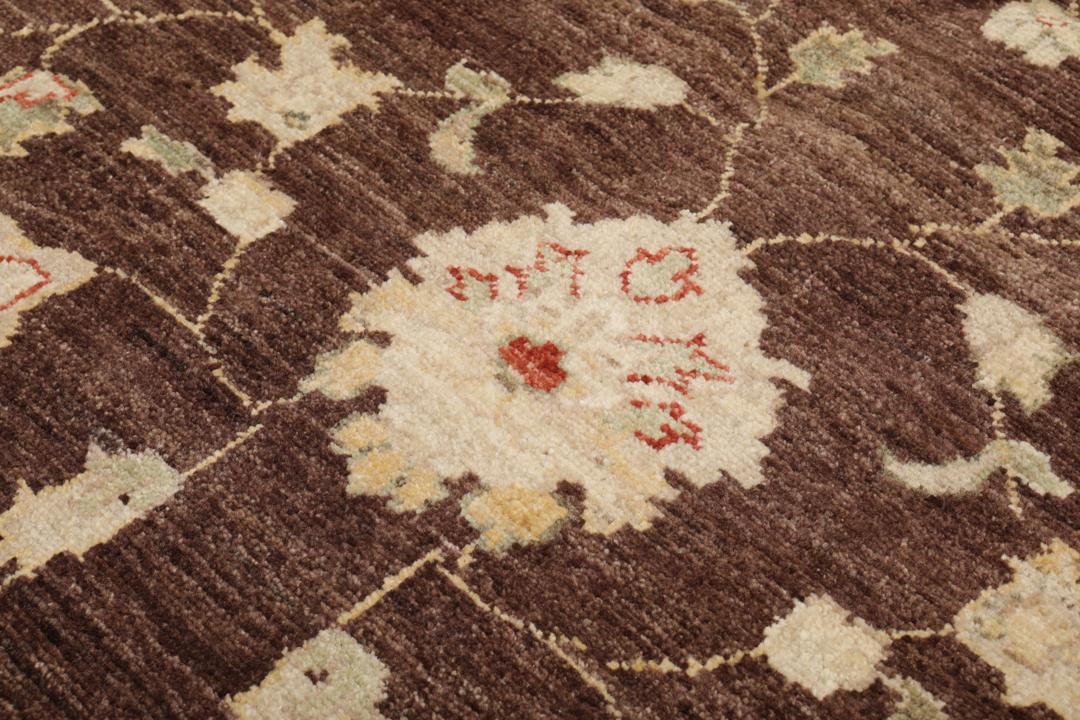
The design language of a Ziegler is defined by its balance. The field is typically adorned with large, elegant palmettes and sweeping vine scrolls that create a sense of movement. The border is often wide and formal, mirroring the colours found in the central field to create a cohesive frame. This particular piece captures that balance perfectly, with its dark, earthy tones providing a sophisticated backdrop for the lighter, intricate floral elements.
These rugs are highly valued by collectors and homeowners alike because they represent a bridge between the past and the present. Owning one is an investment in cultural heritage, as the techniques used have been passed down through generations. It is this combination of historical design, dedicated craft, and the enduring nature of the materials that makes a Ziegler rug a cherished heirloom.