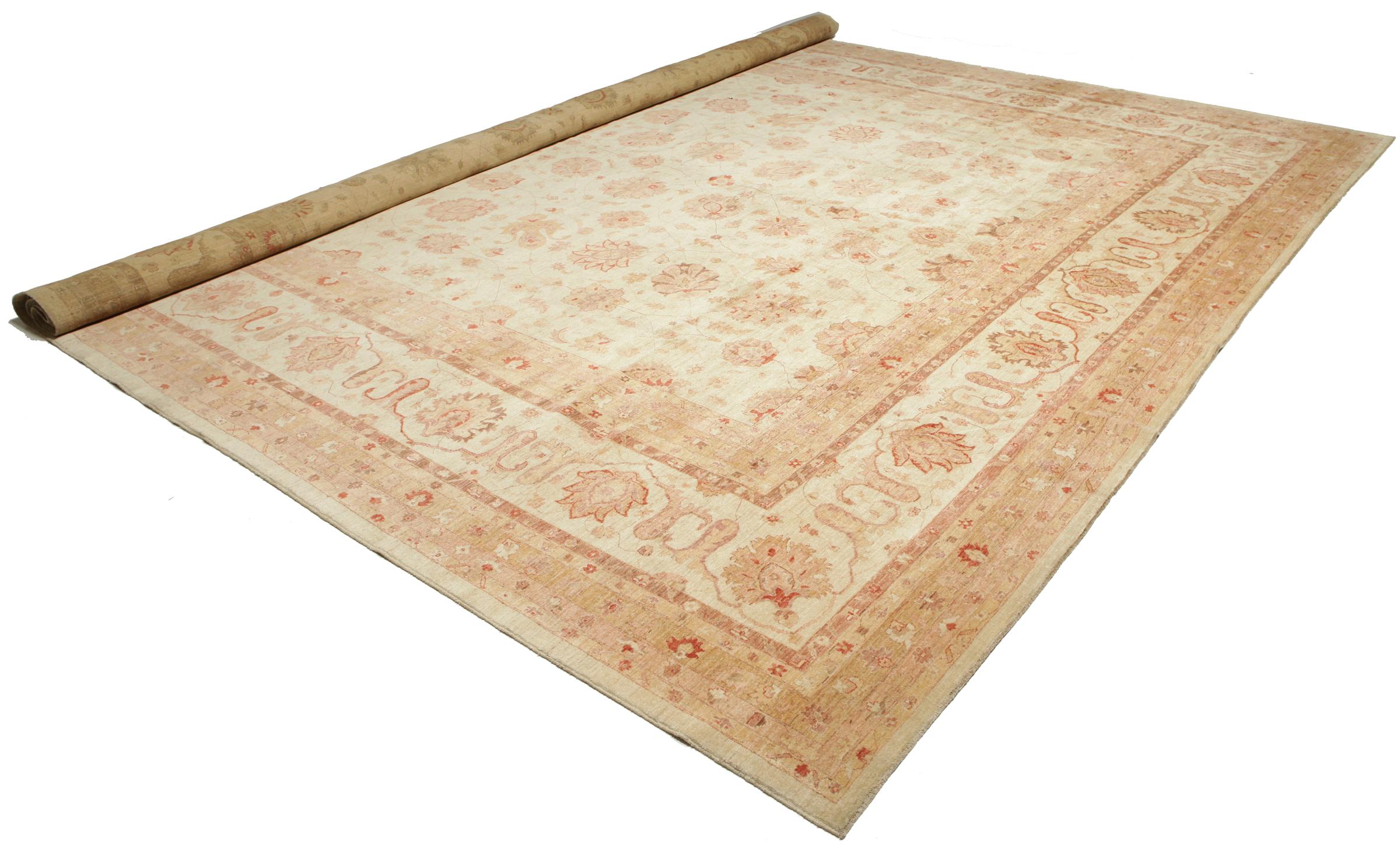
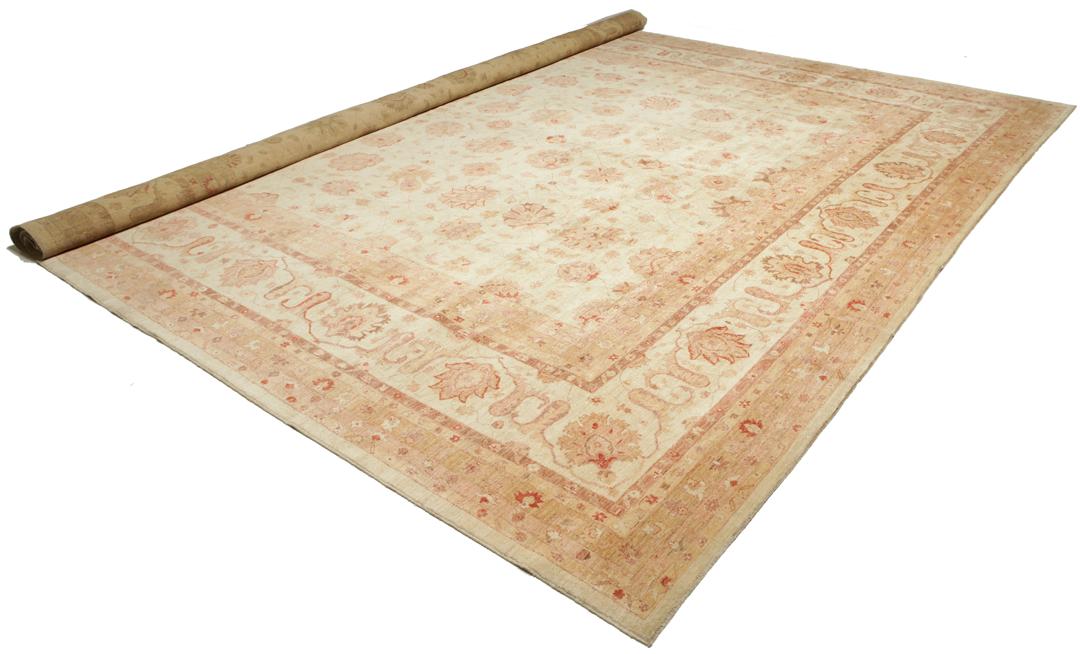
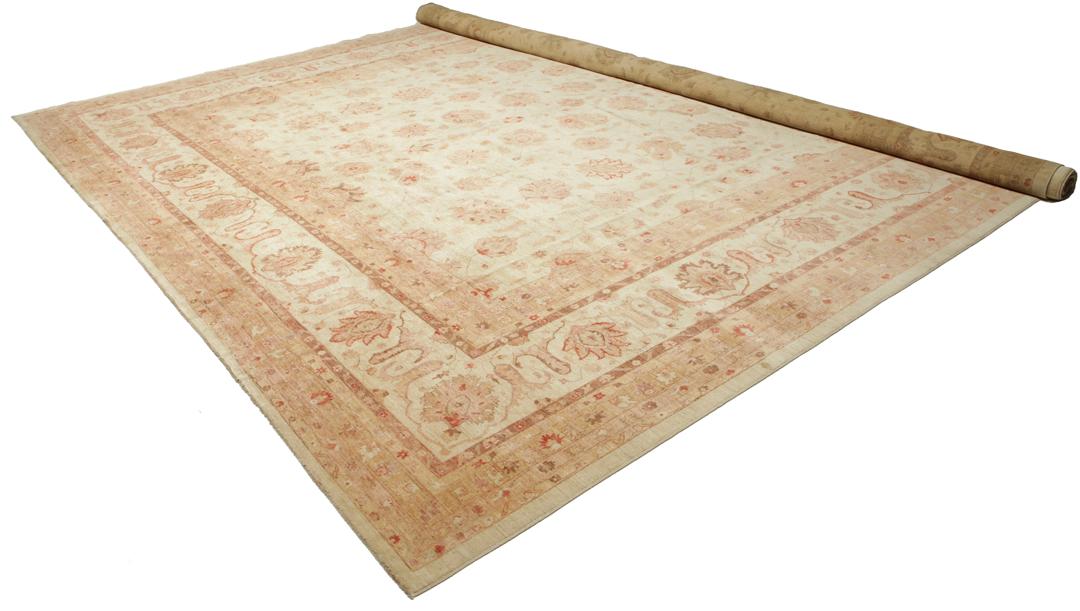
The Ziegler tradition is deeply rooted in the history of rug weaving in the Middle East, having evolved from a desire to bring the charm of antique carpets to a wider audience. In the late 19th century, the Swiss firm Ziegler & Co. established workshops in the region to produce rugs that combined traditional, intricate designs with a softer, more muted colour palette. These rugs became famous for their ability to blend seamlessly into western interiors, a legacy that continues today in the finest workshops of Pakistan.
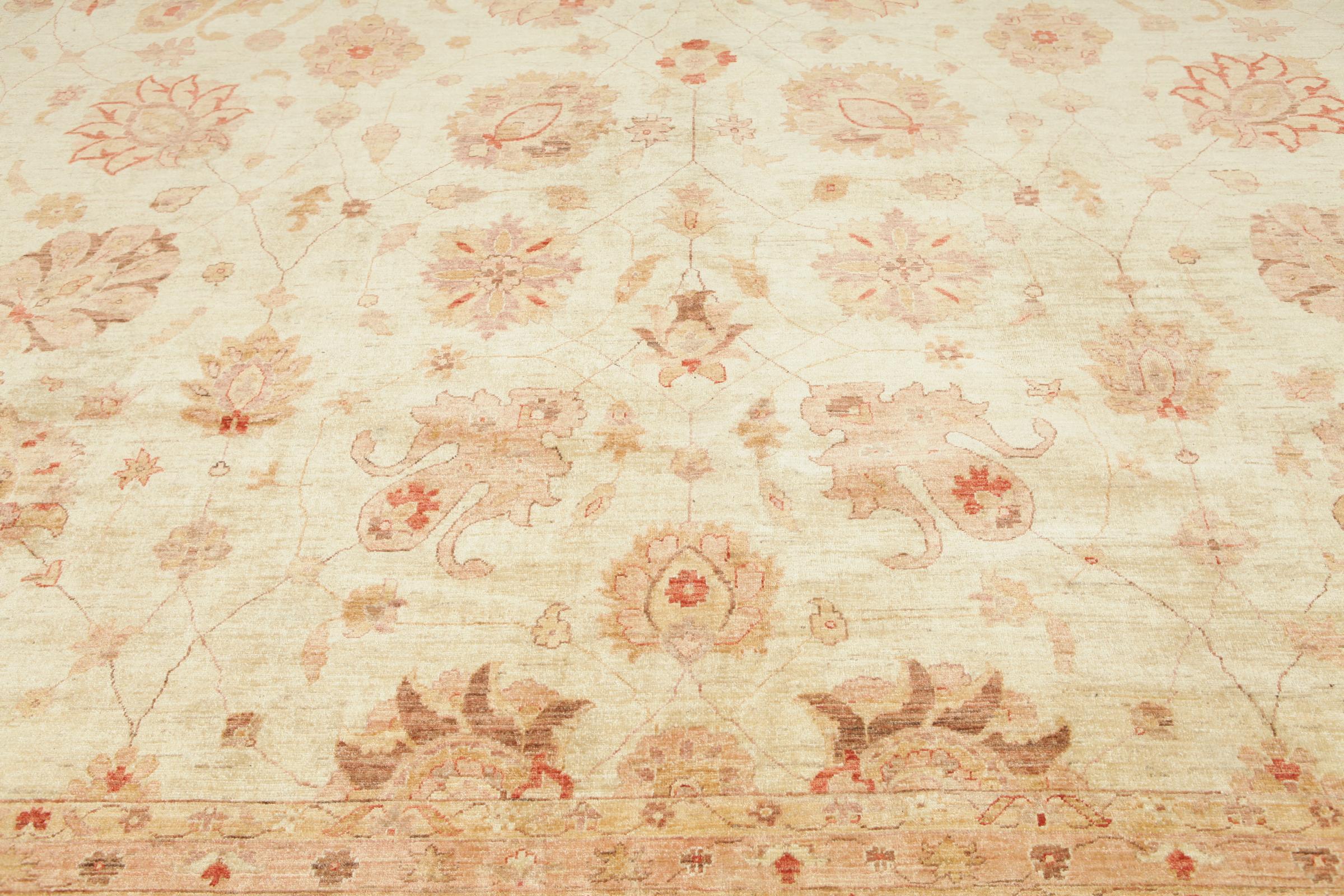
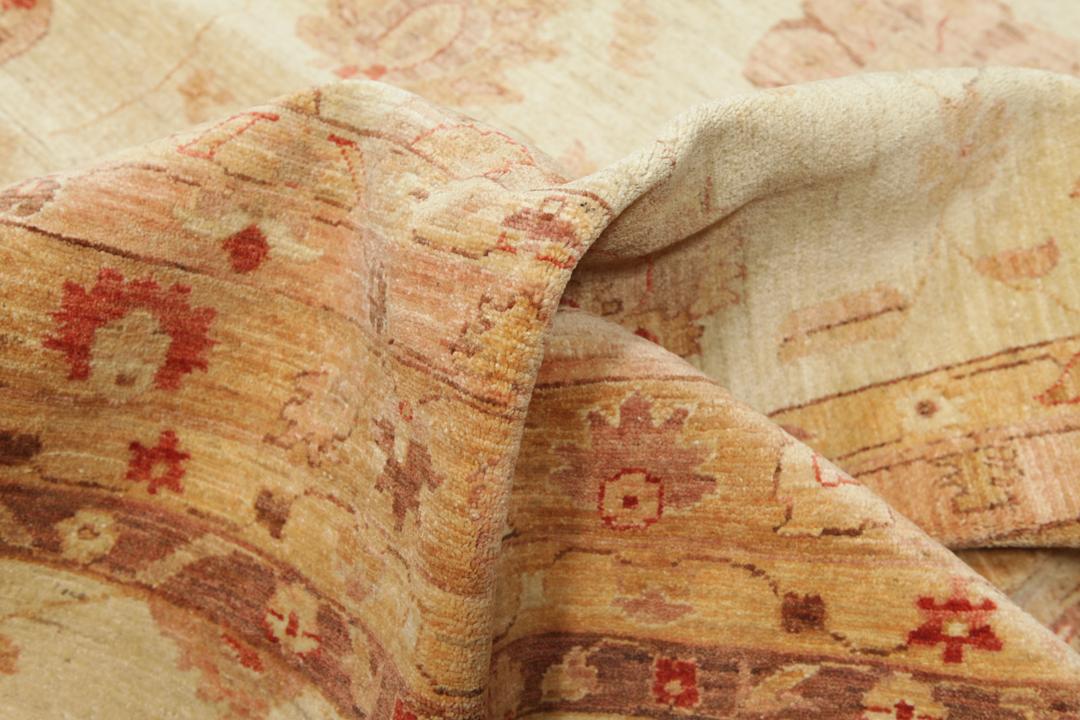
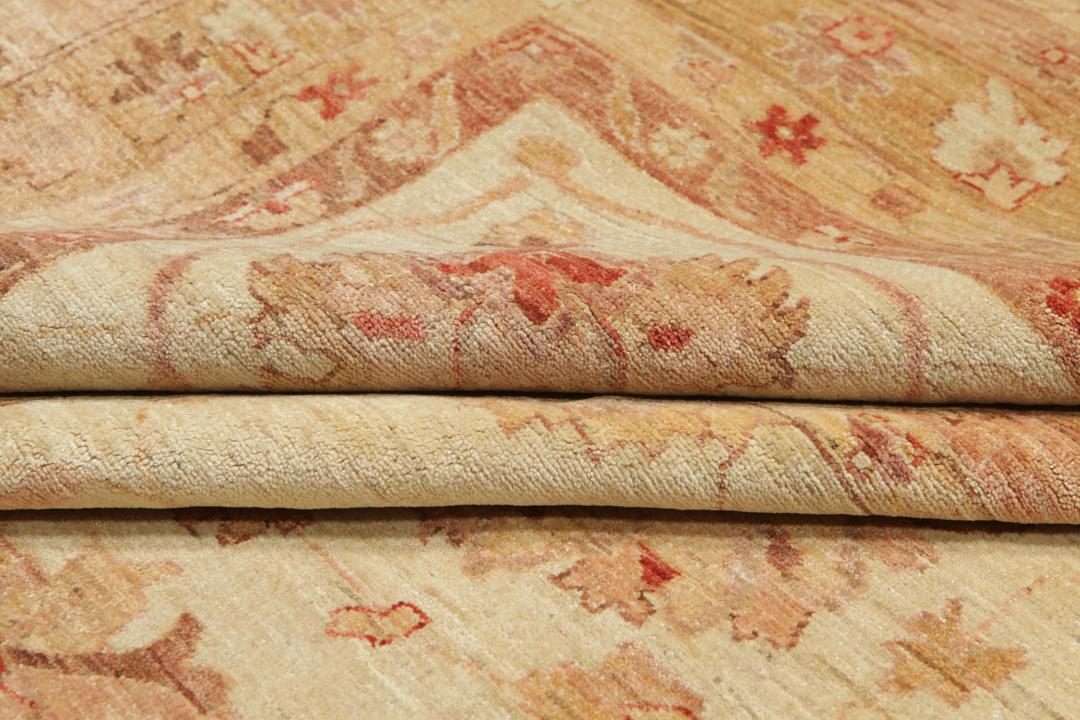
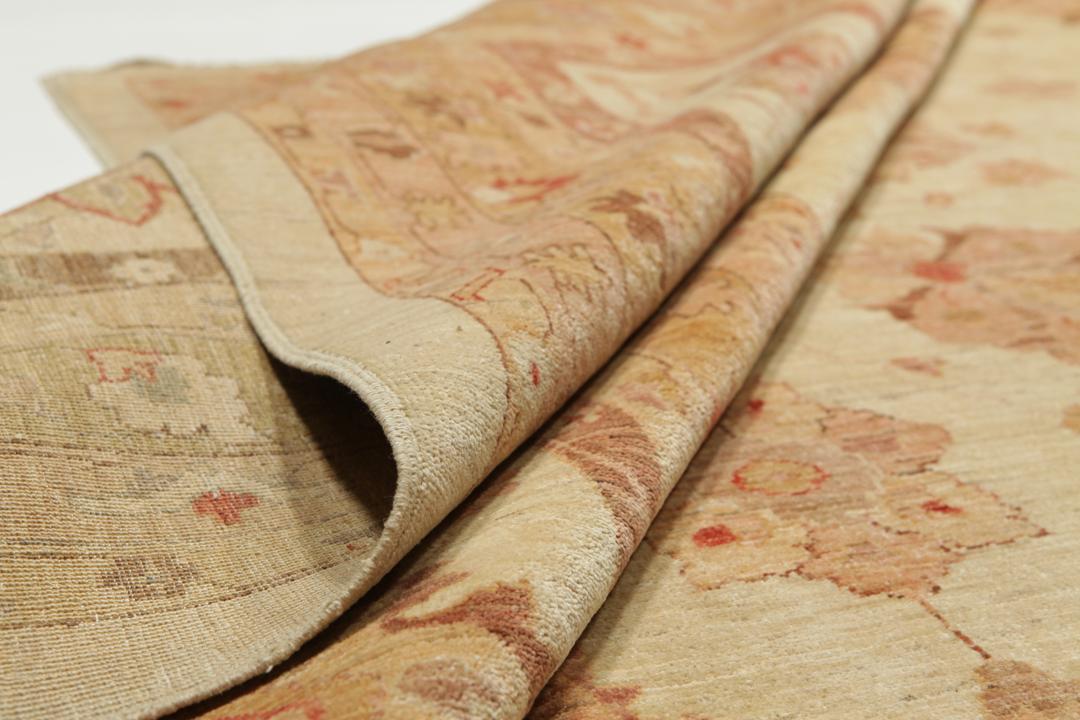
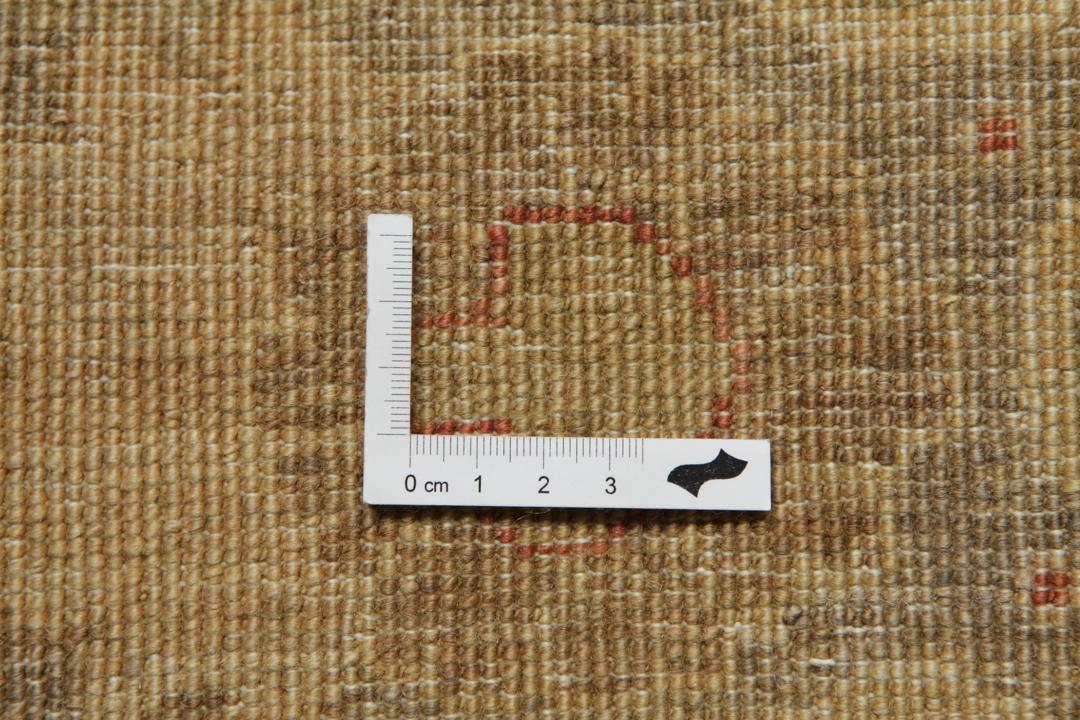
The term Ziegler often refers to a specific style of construction that emphasises a slightly more open field and simplified, large-scale floral motifs. This style is achieved through a careful selection of Wool and a refined knotting technique that gives the pile a soft, lustrous sheen. By prioritising these elements, the tradition creates a balance between the intricate, historical patterns of the past and a more approachable, modern aesthetic.
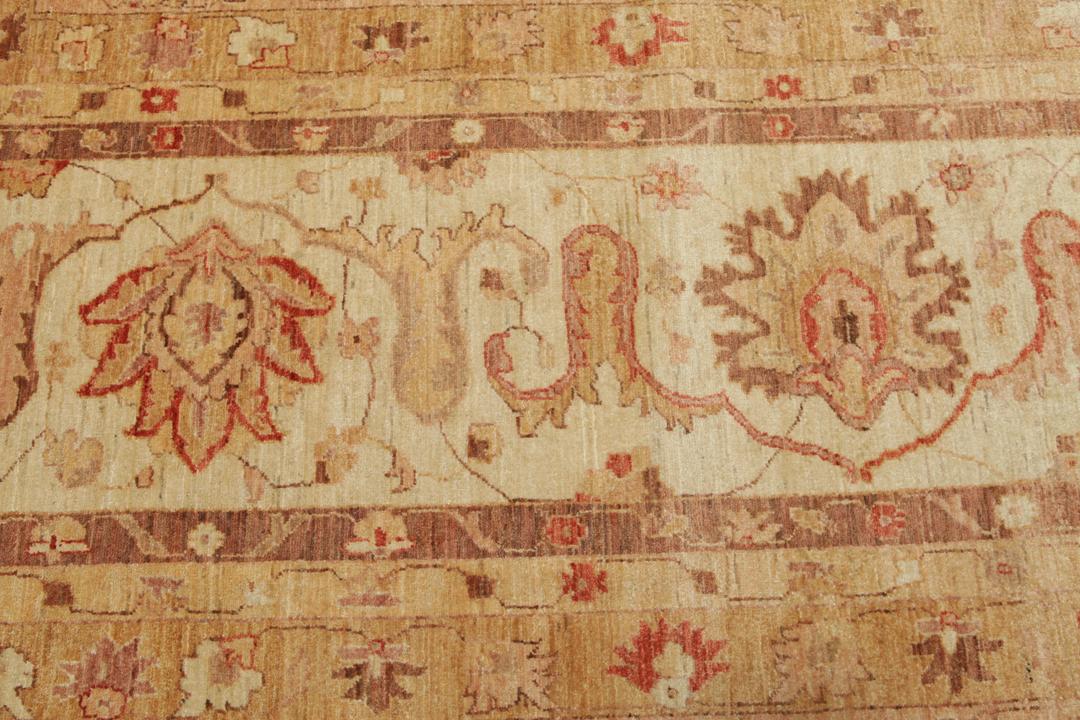
Visual language in these rugs is defined by their signature decorative borders and scrolling floral vines, often referred to as 'palmettes' or 'Shah Abbas' motifs. These elements are typically arranged in a balanced, rhythmic fashion that draws the eye across the field. While traditional rugs from this region often feature bold, saturated primary colours, the Ziegler style is celebrated for its use of softer, vegetable-dyed hues that create a gentle, lived-in appearance.
Owning a Ziegler rug is an invitation into a long-standing culture of skill and dedication. These pieces are highly valued by collectors not only for their beauty but for the mastery of the weaving tradition they represent. When you acquire a rug from this heritage, you are not just purchasing a floor covering, but a piece of history that embodies the patience and artistic vision of generations of weavers.