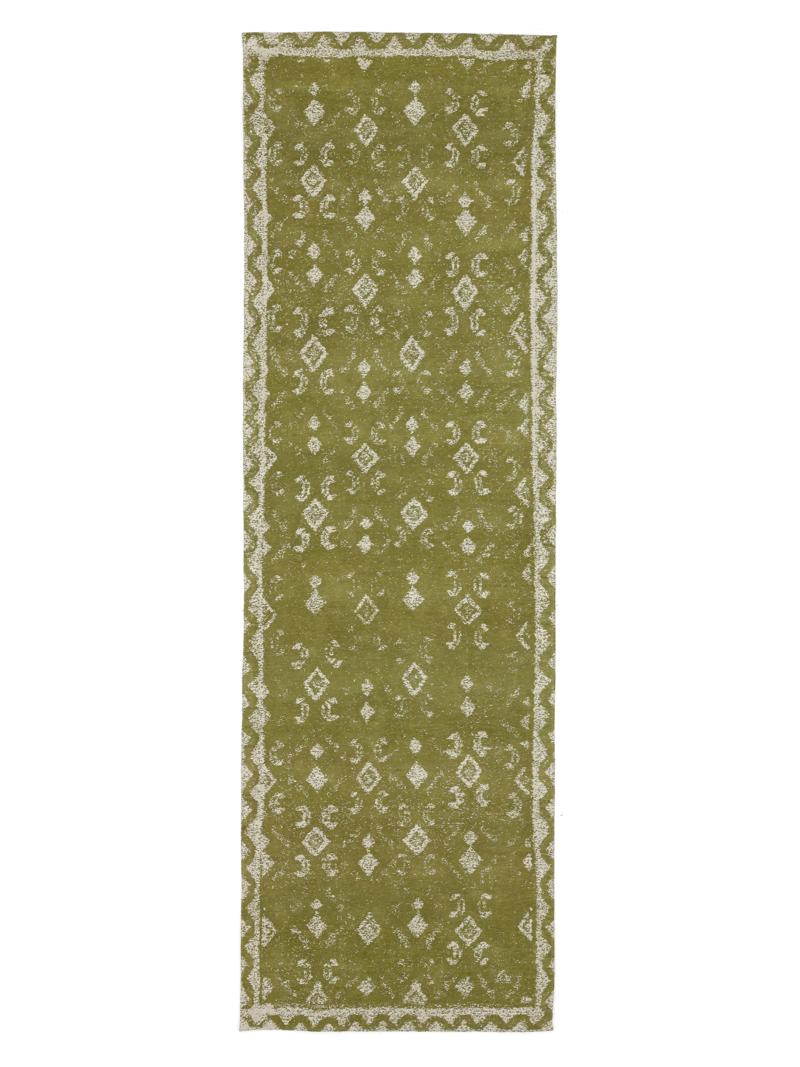
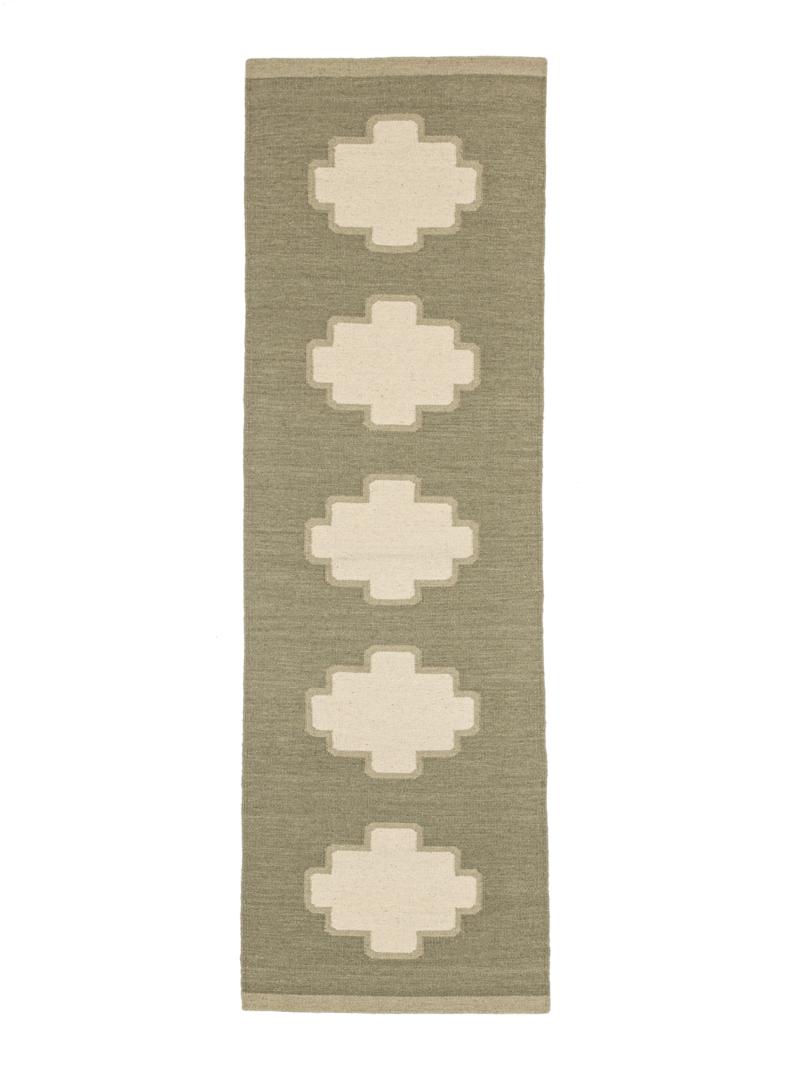
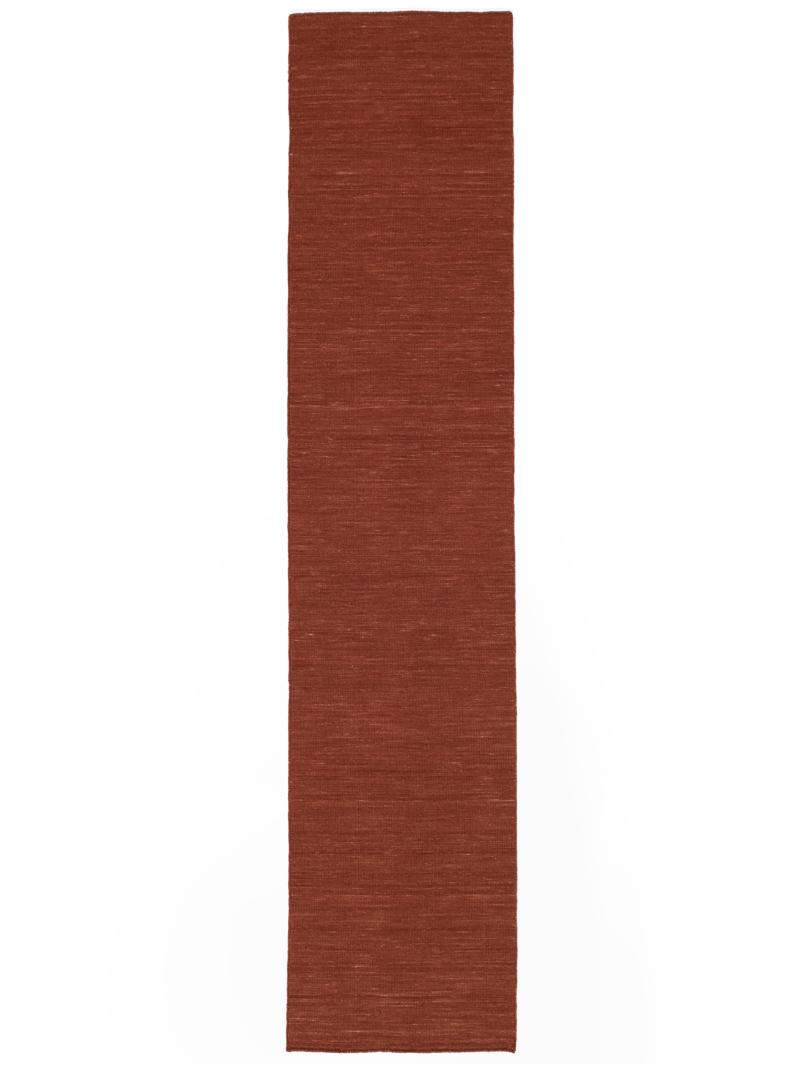
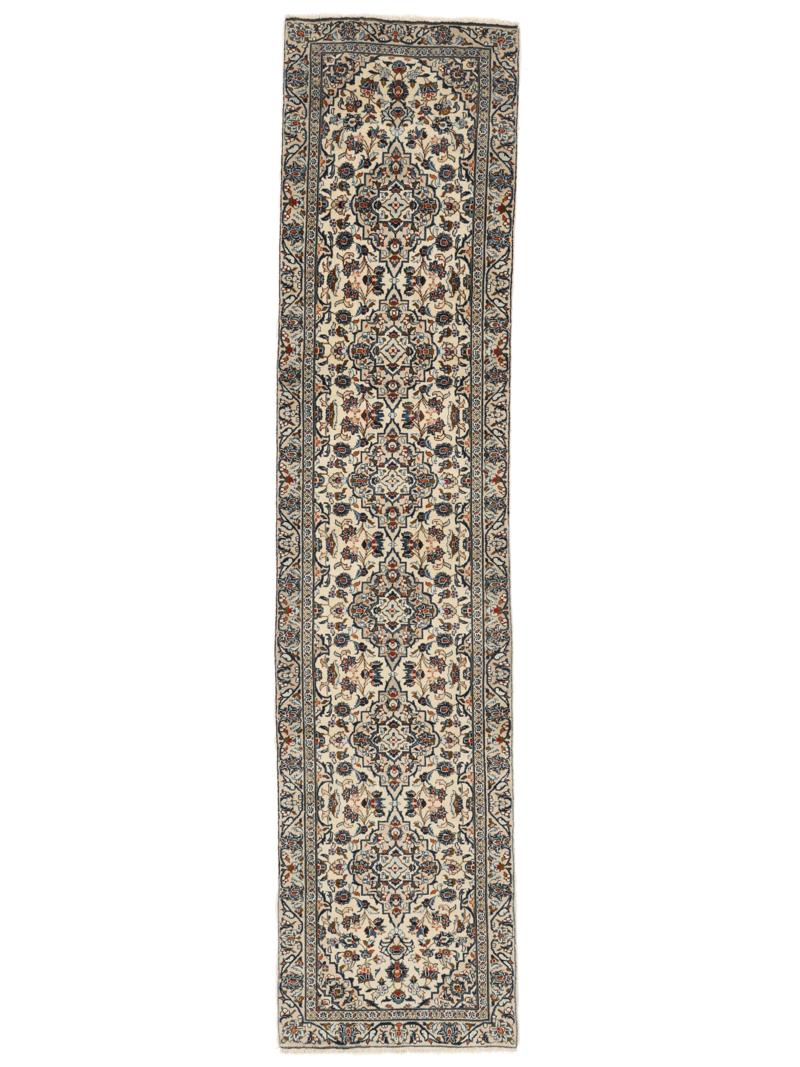
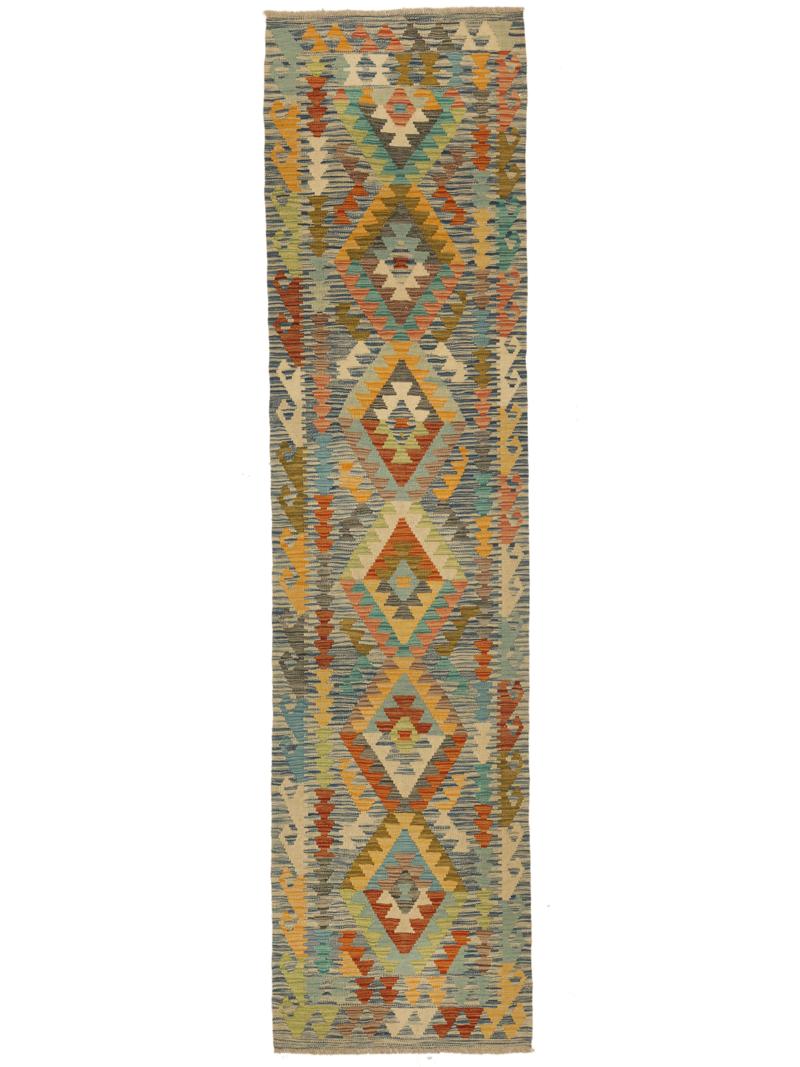
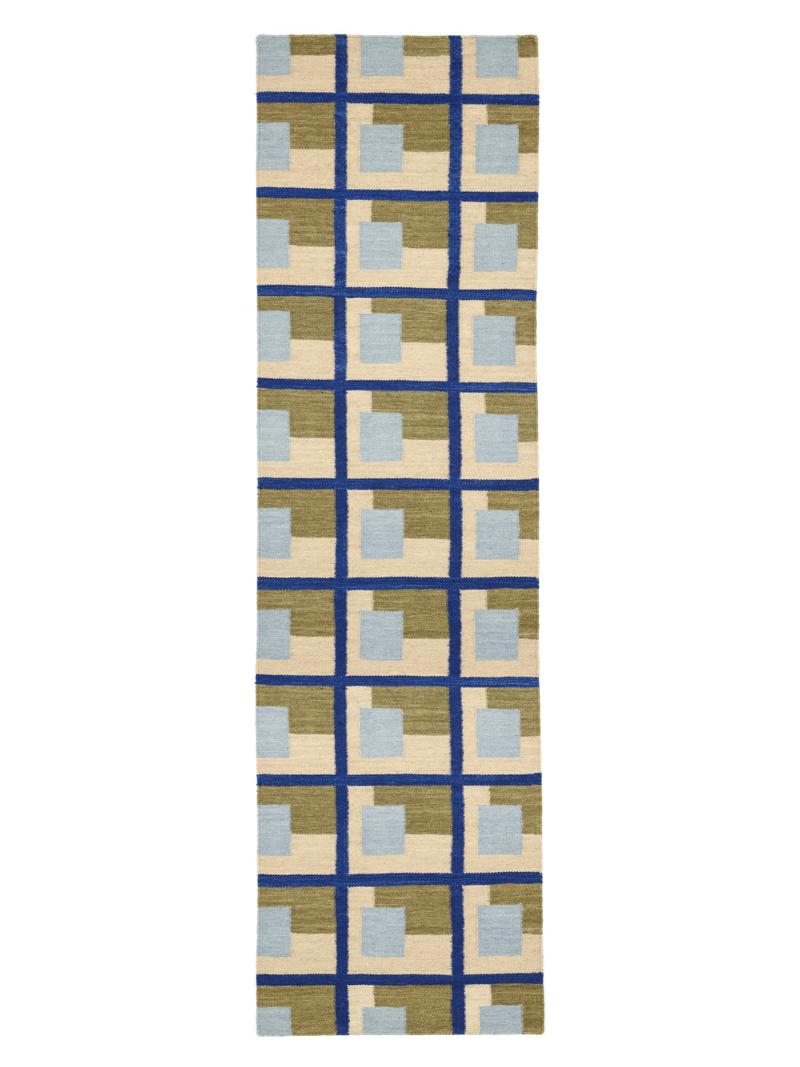
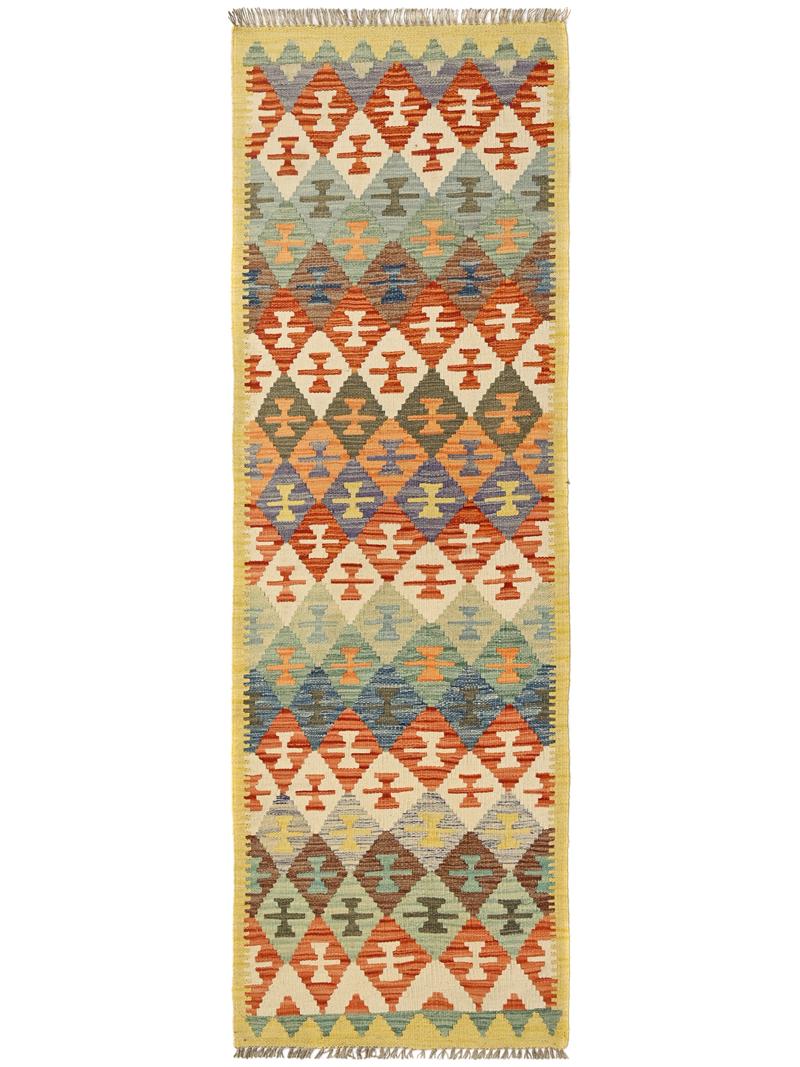
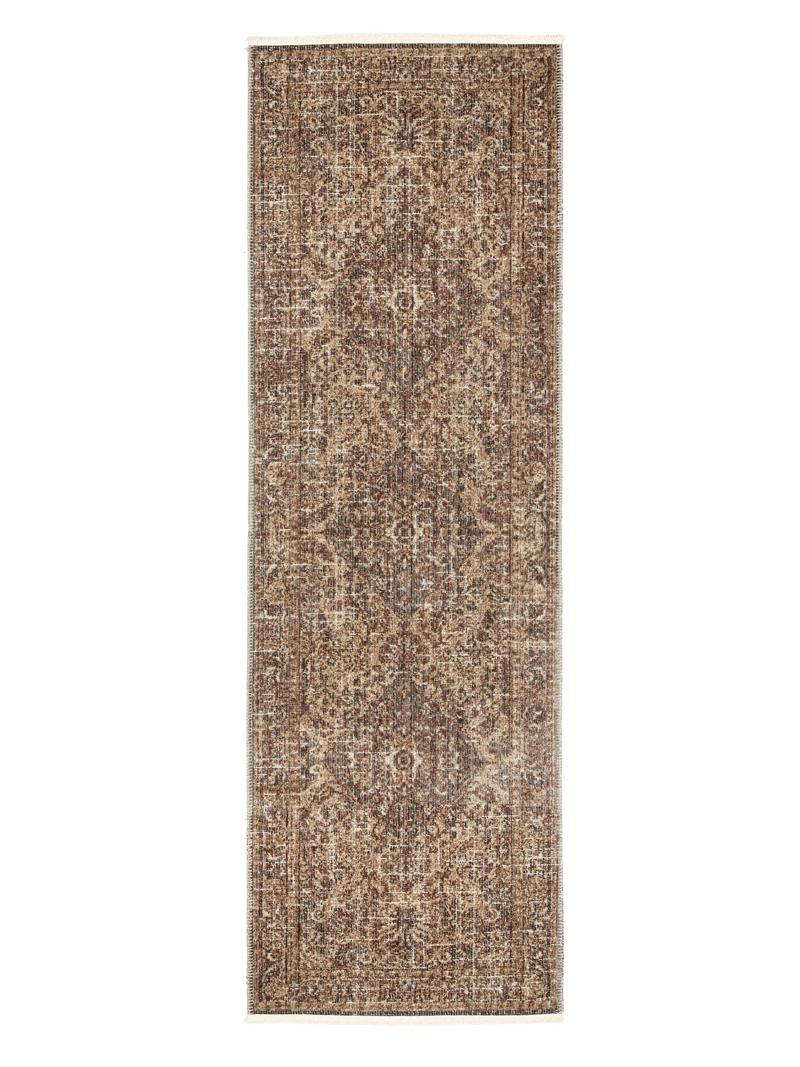
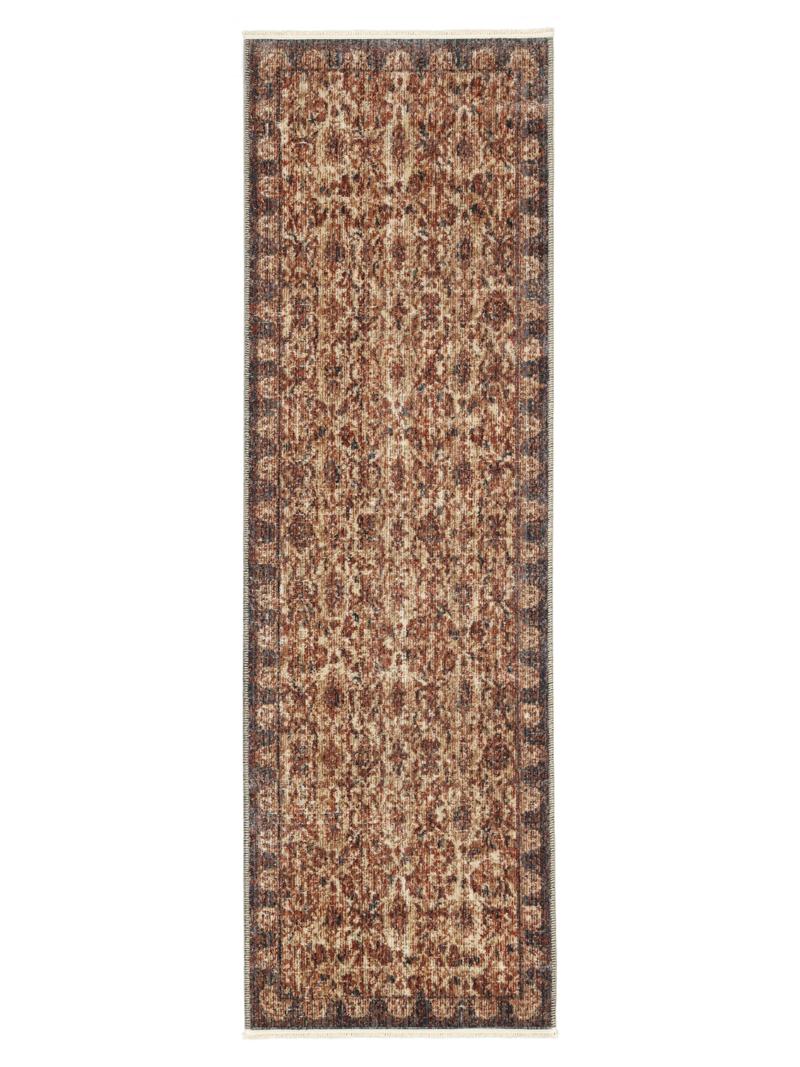
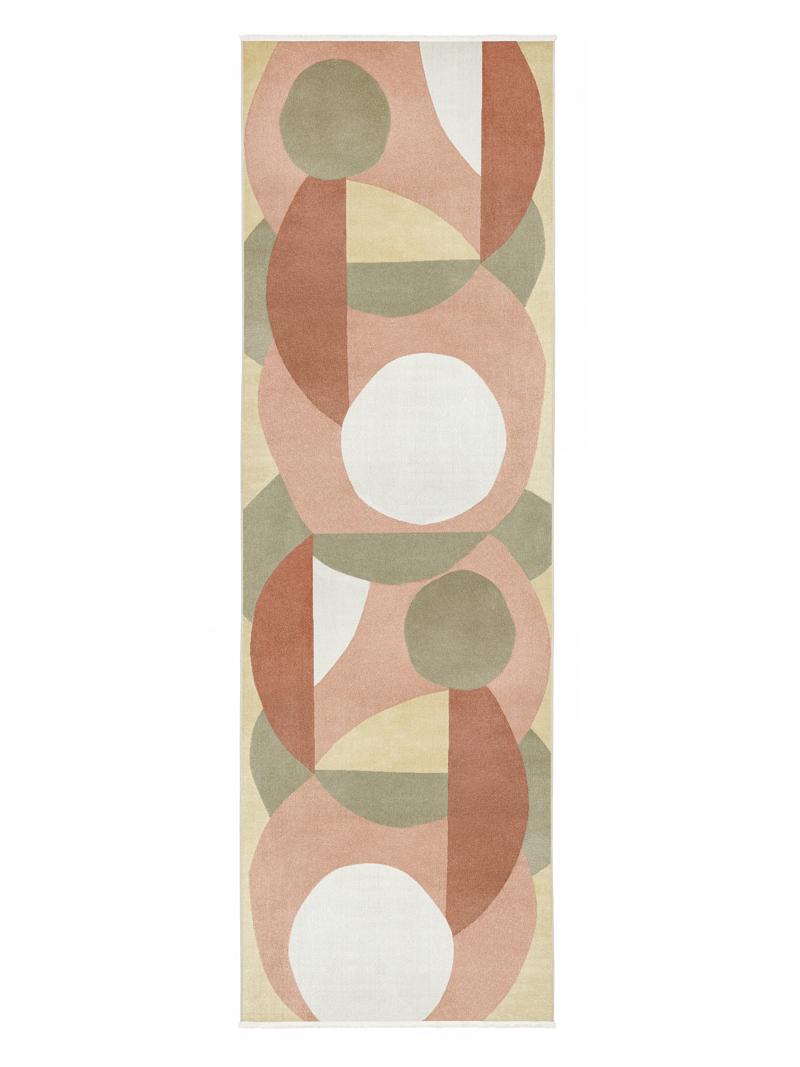
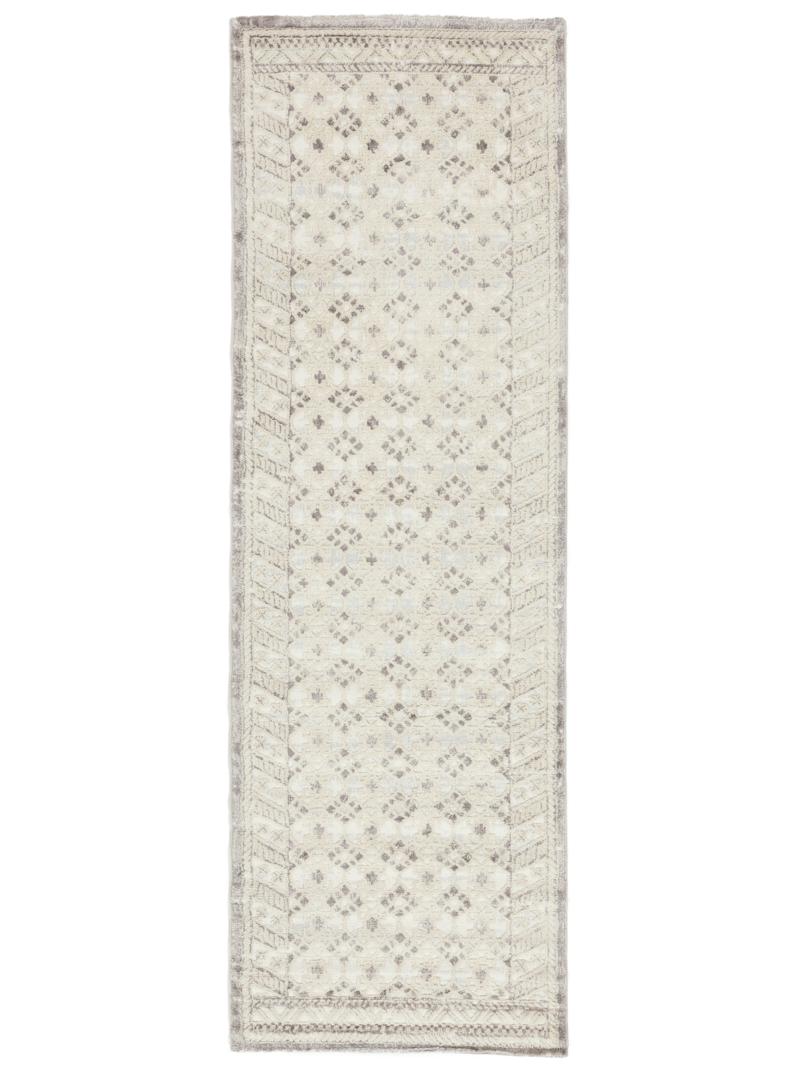
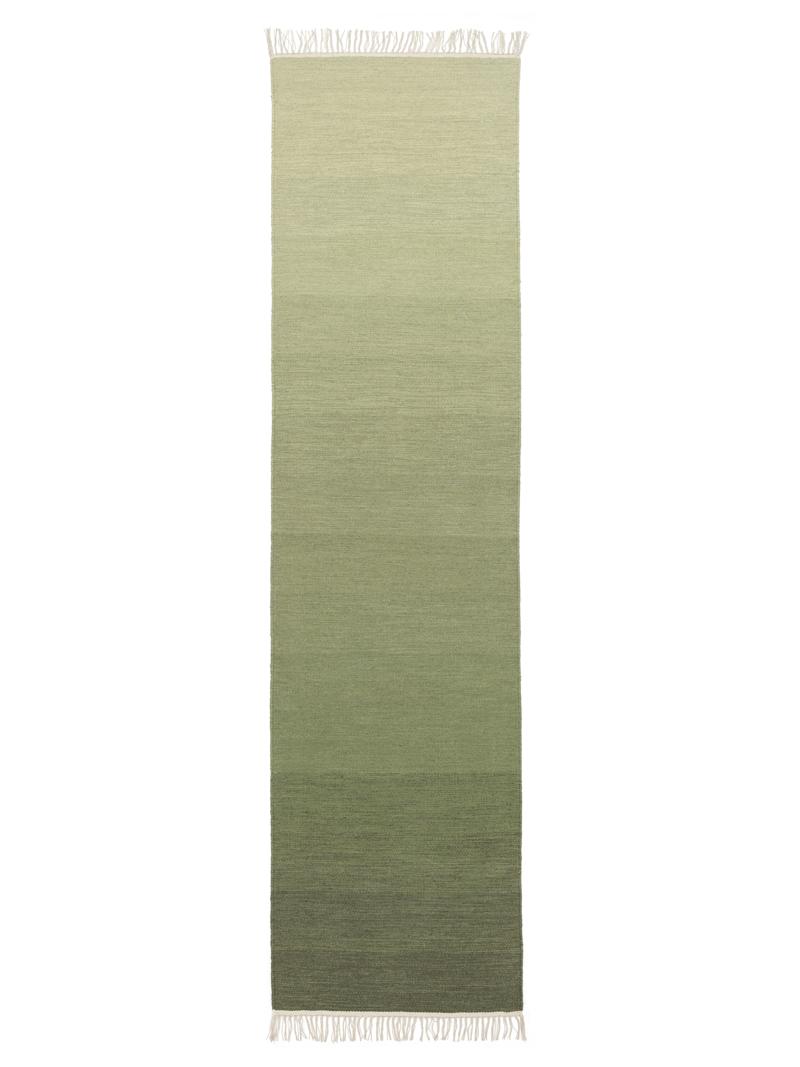
Choosing a runner for your living room
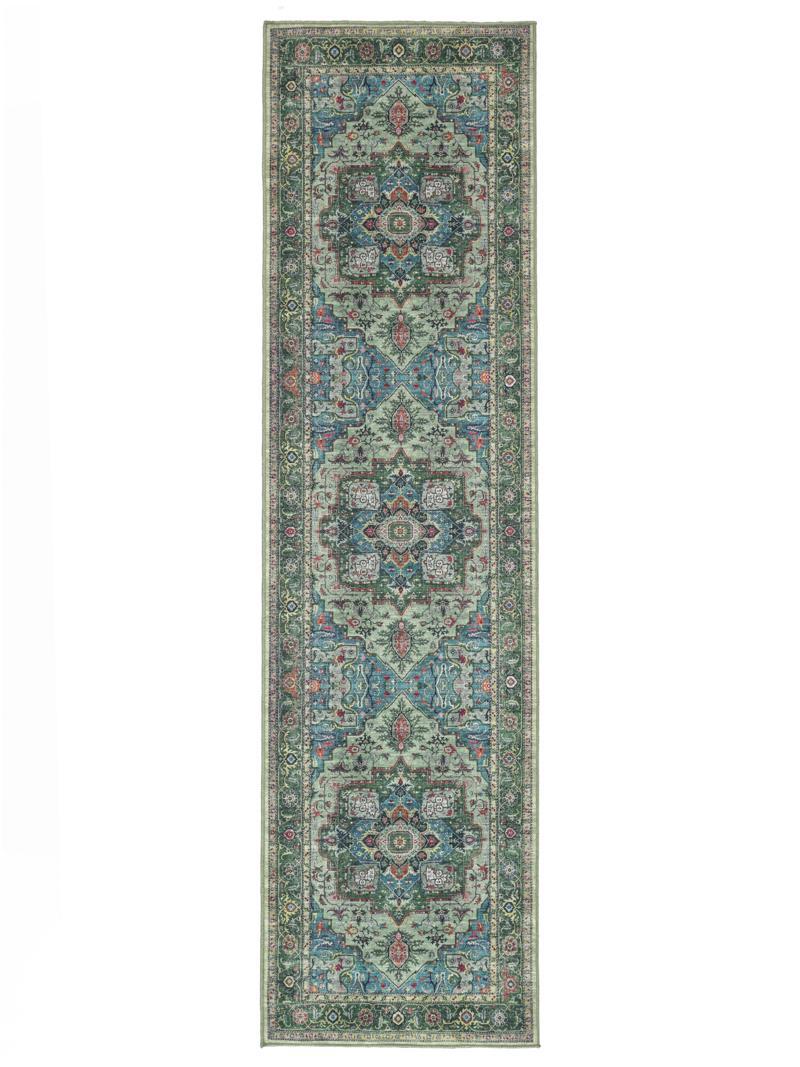
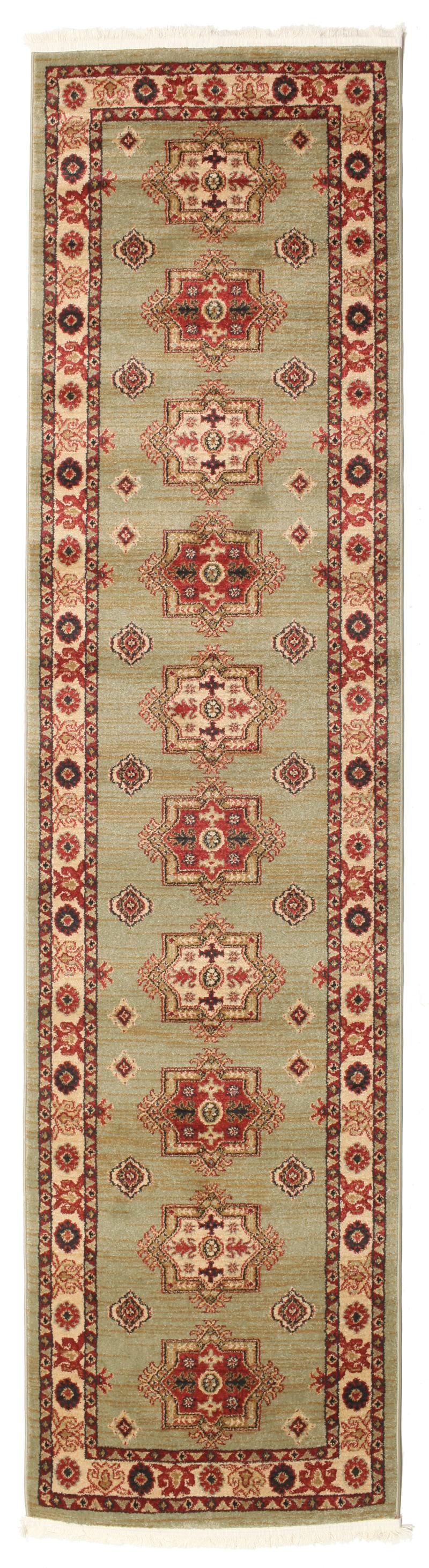
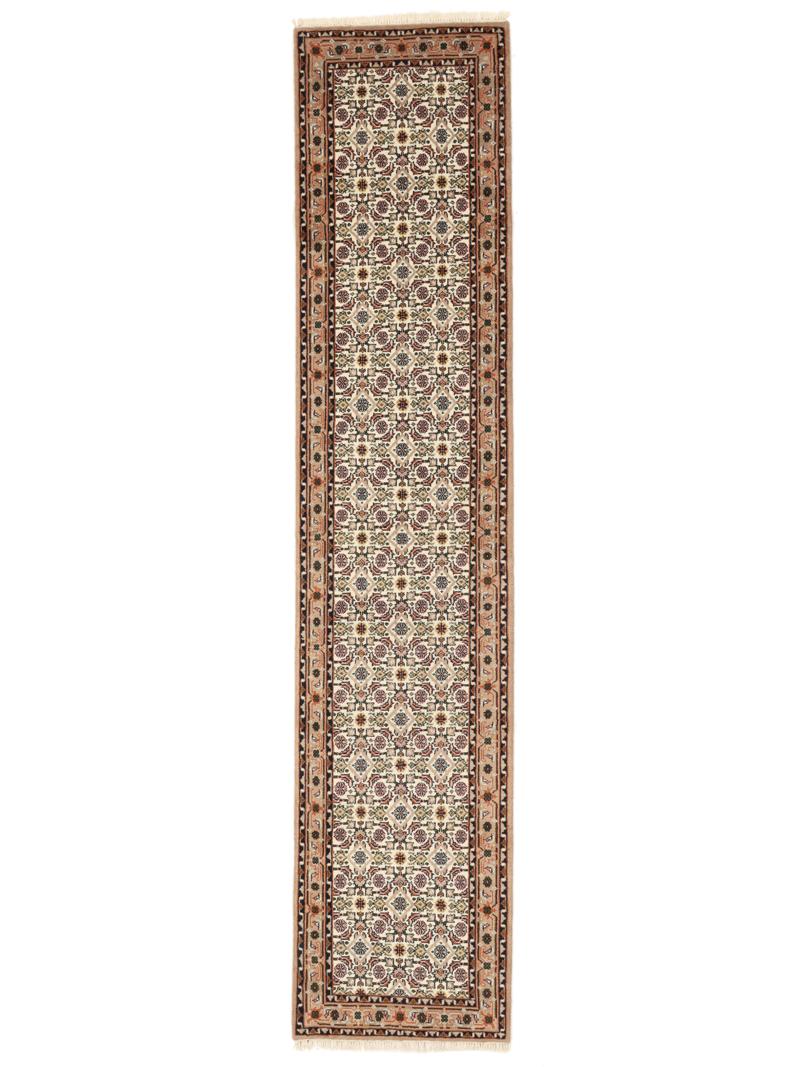
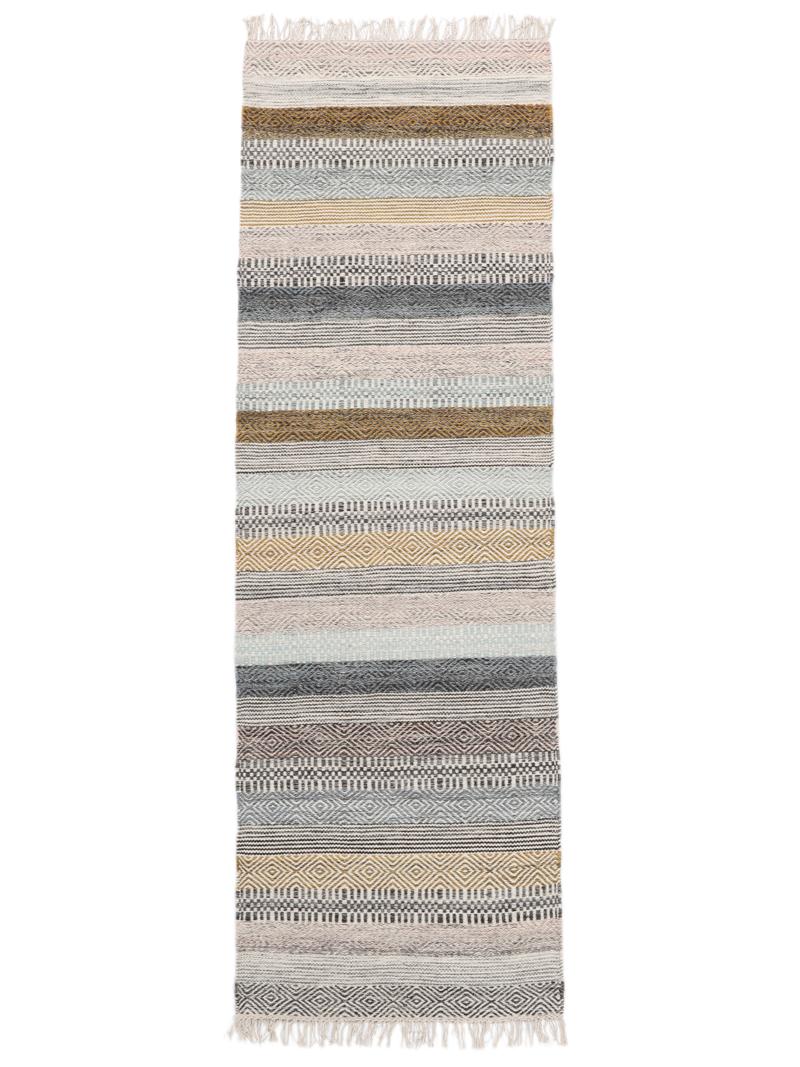
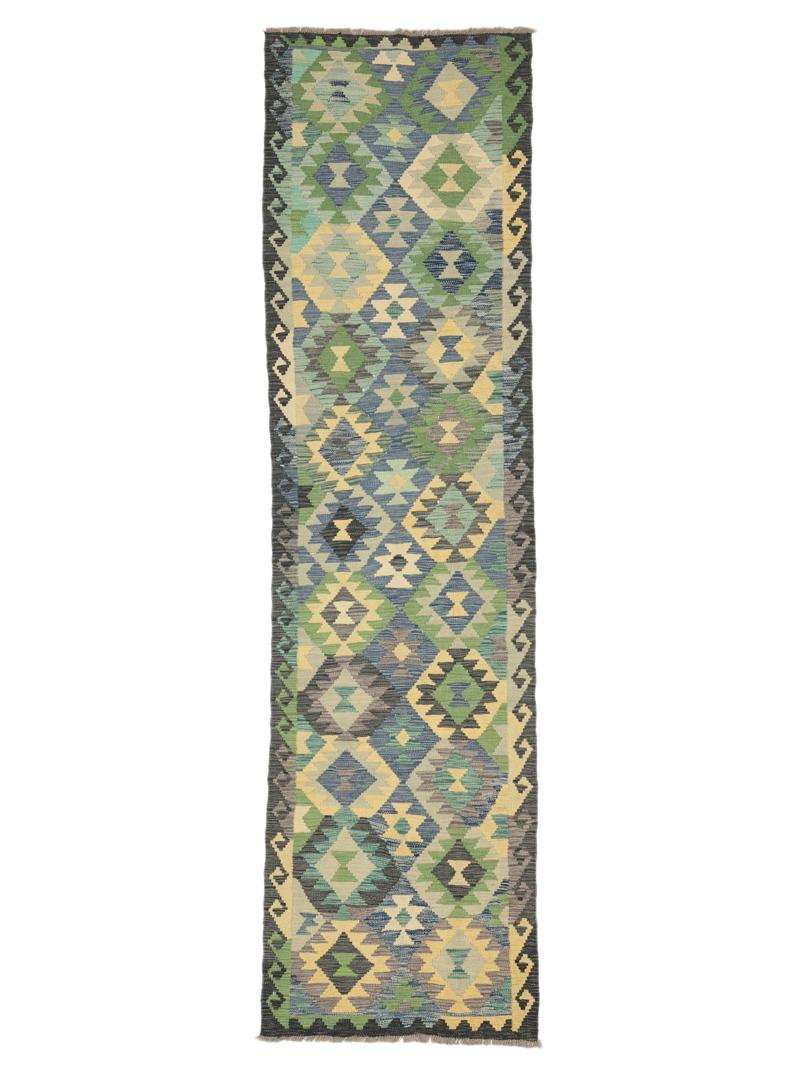
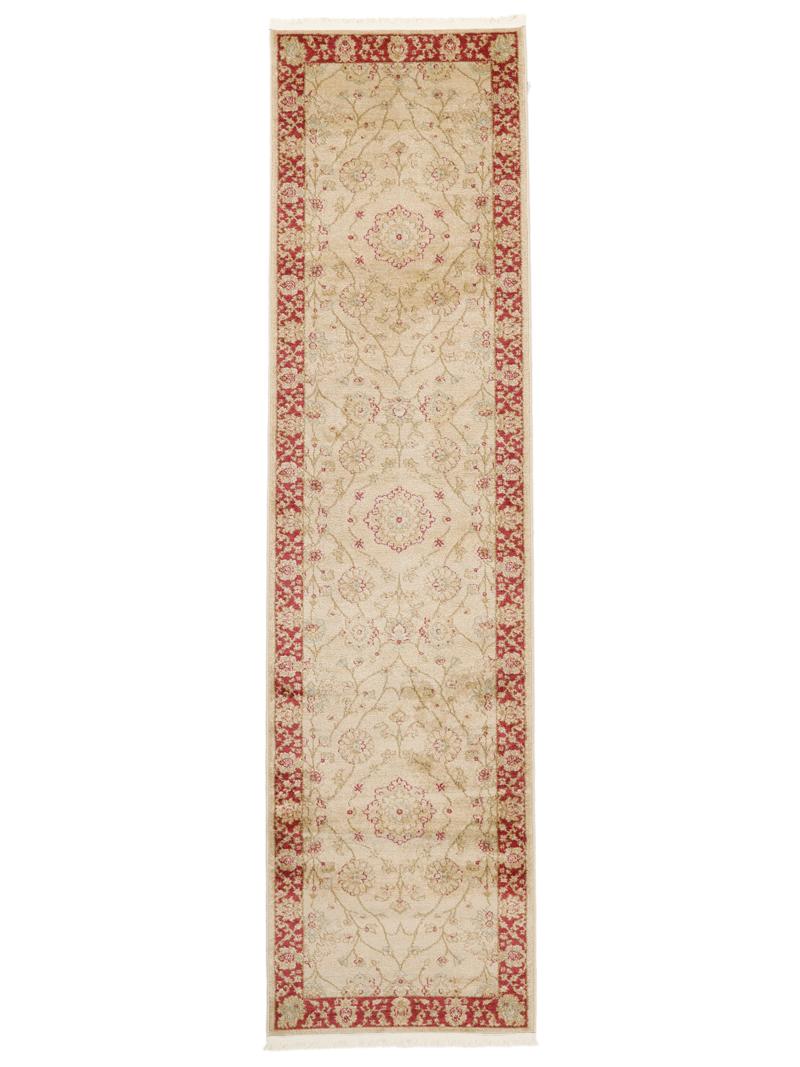
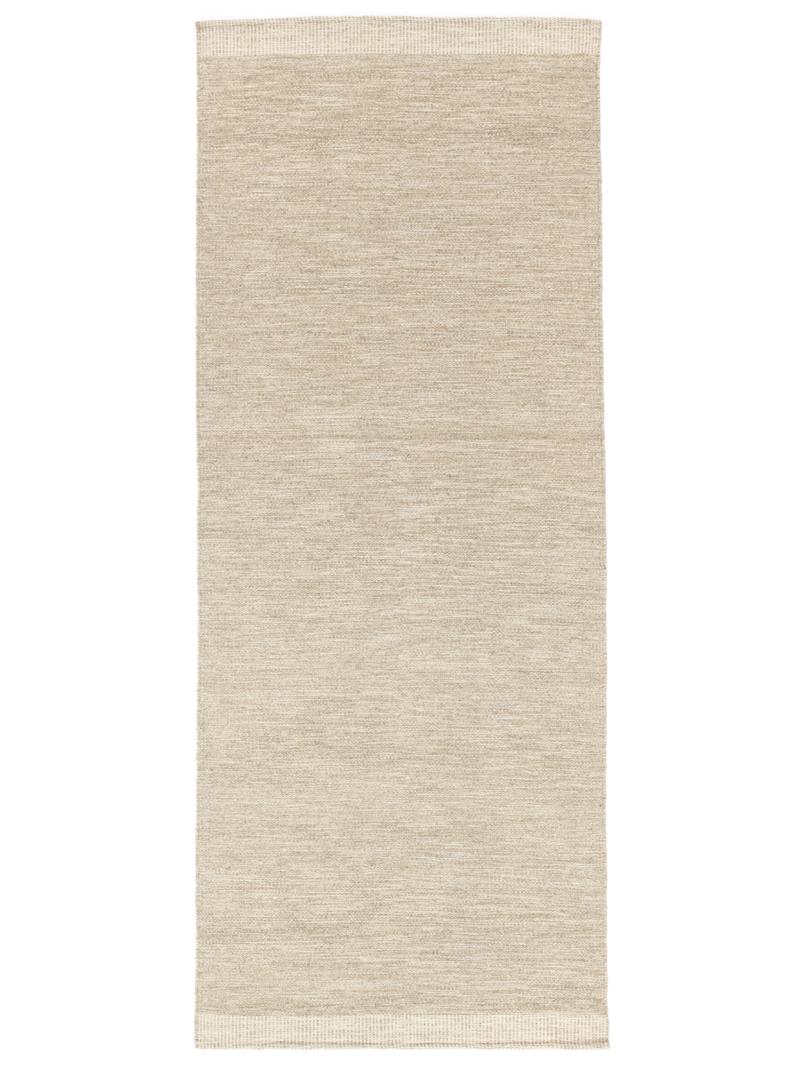
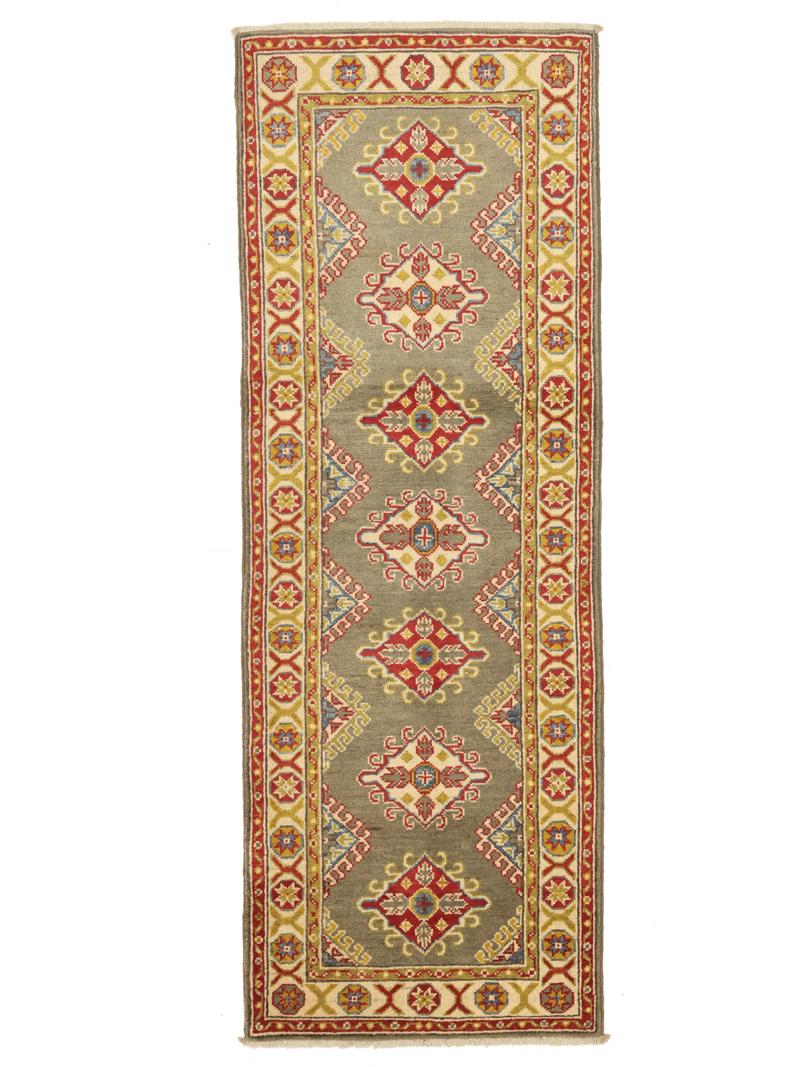
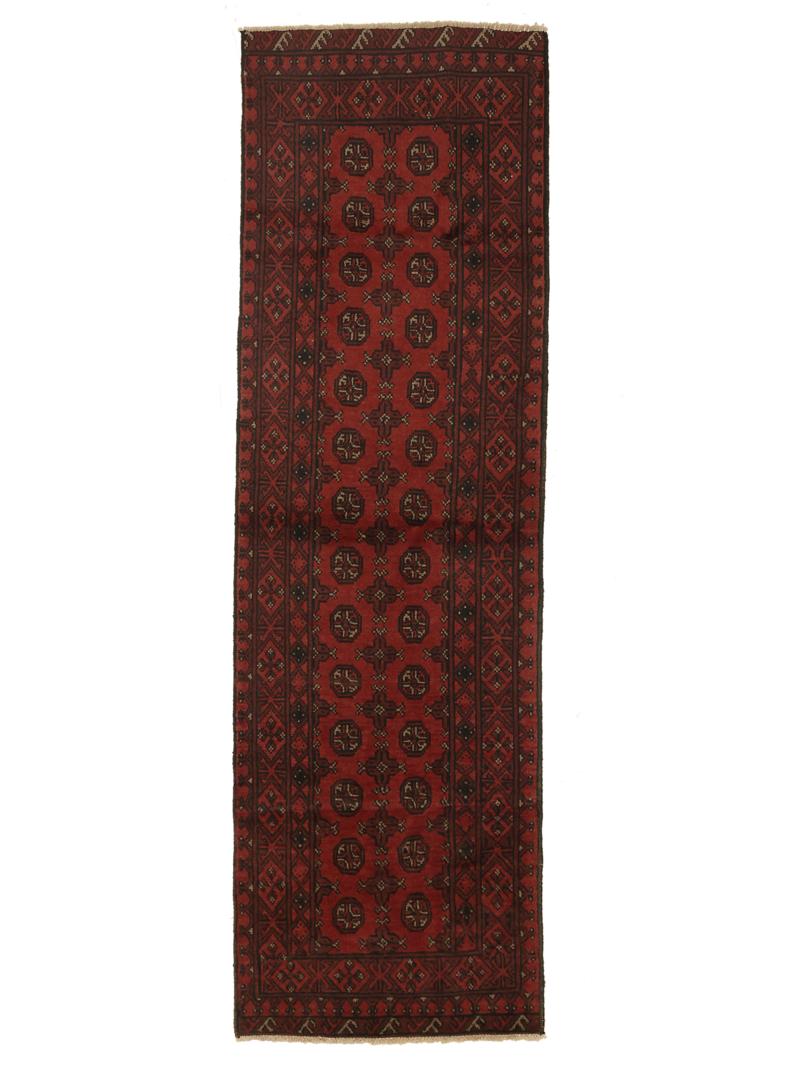
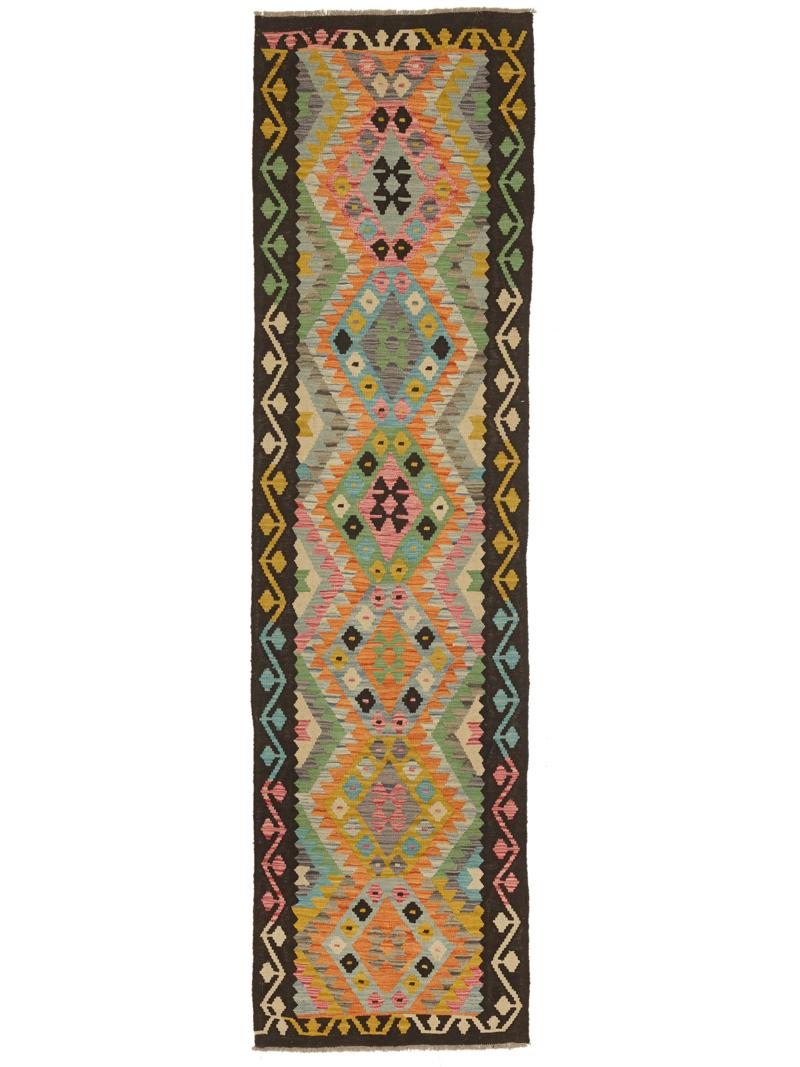
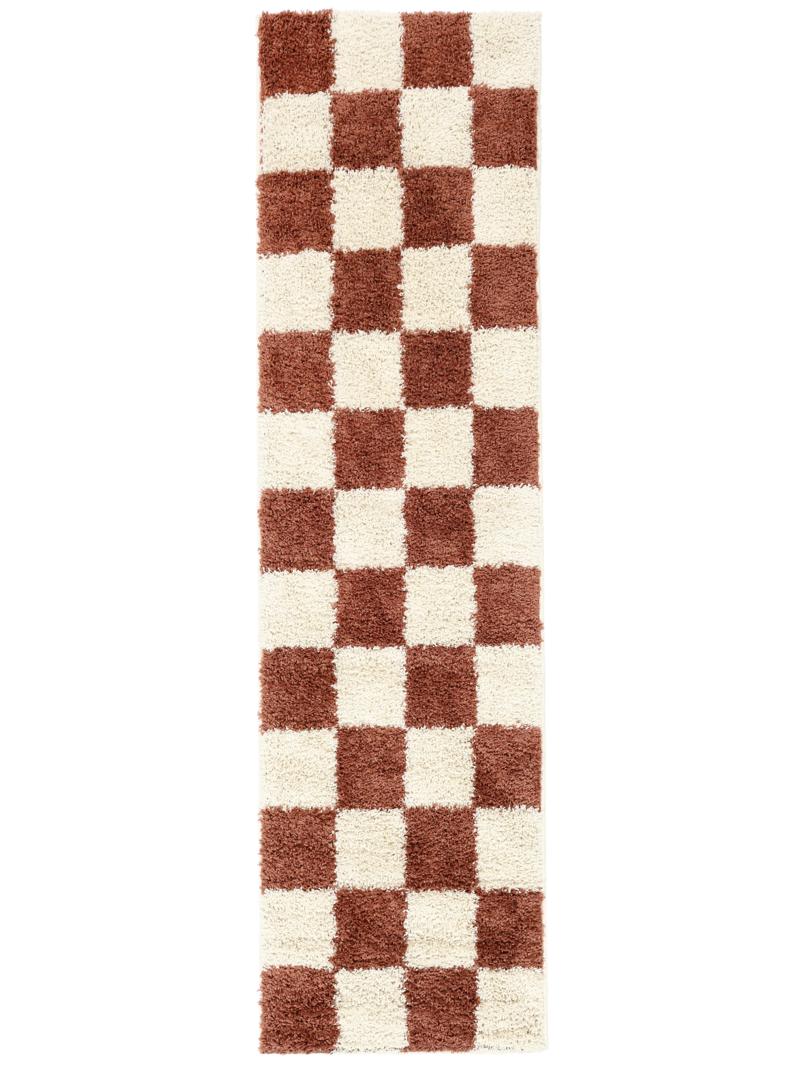
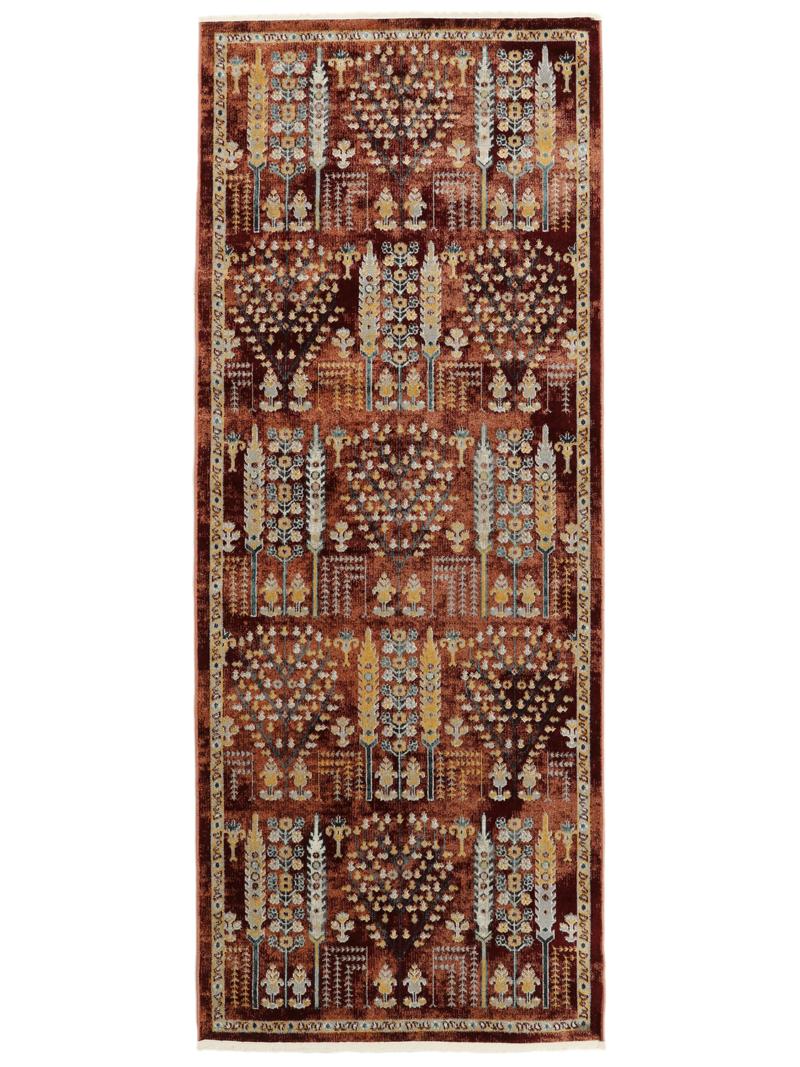
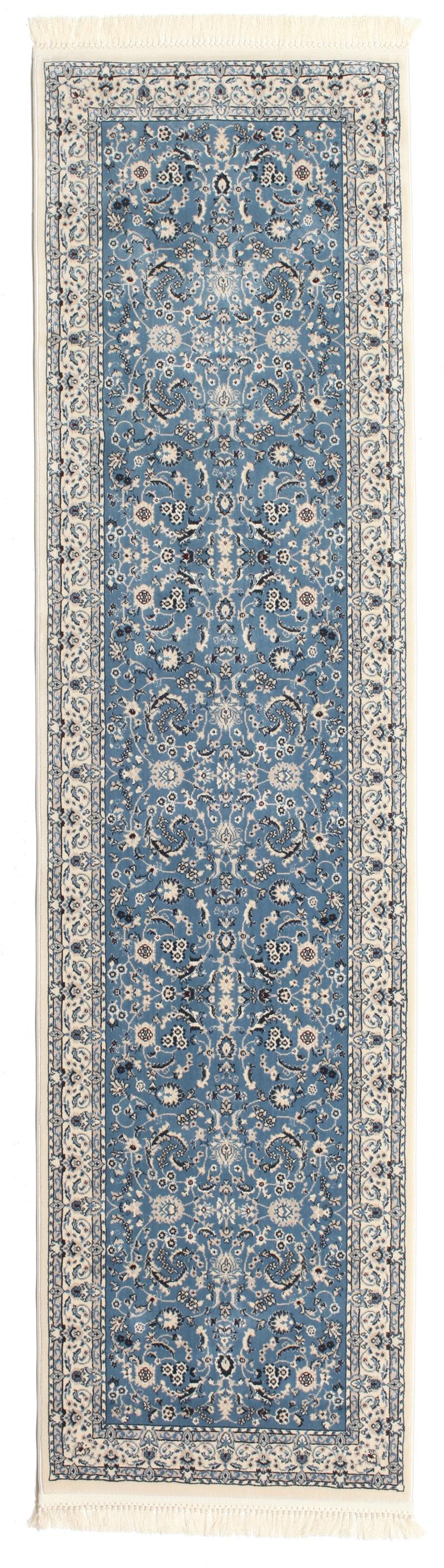
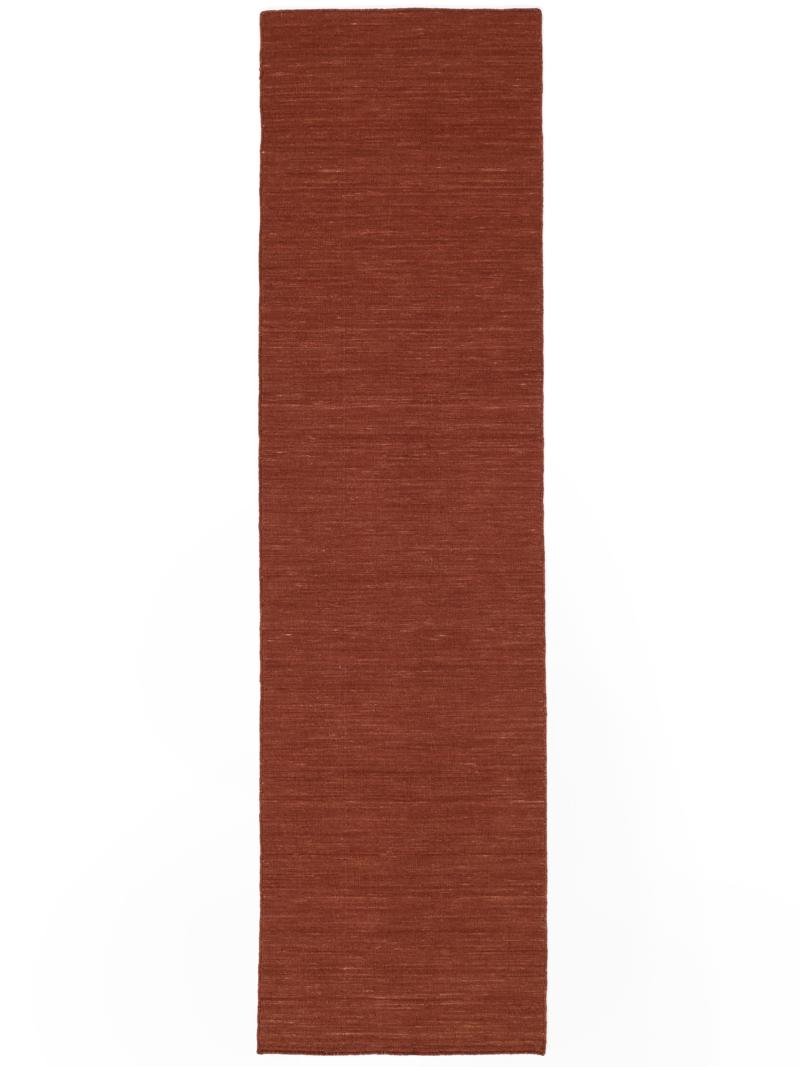
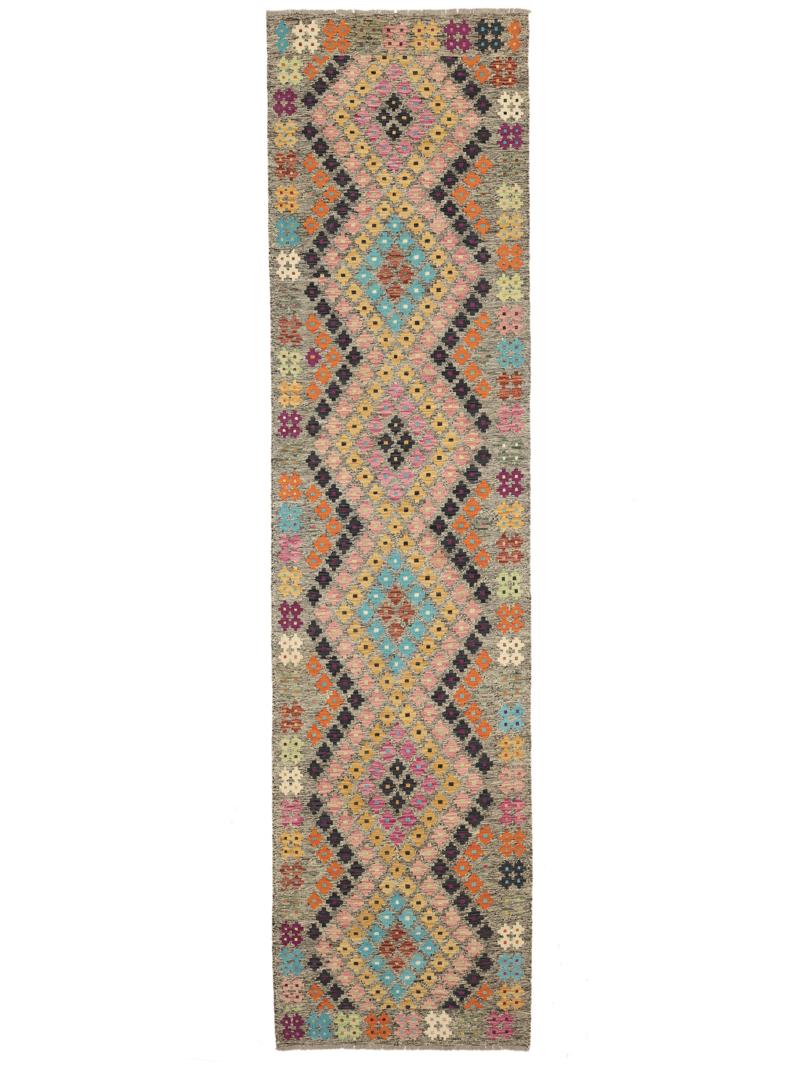
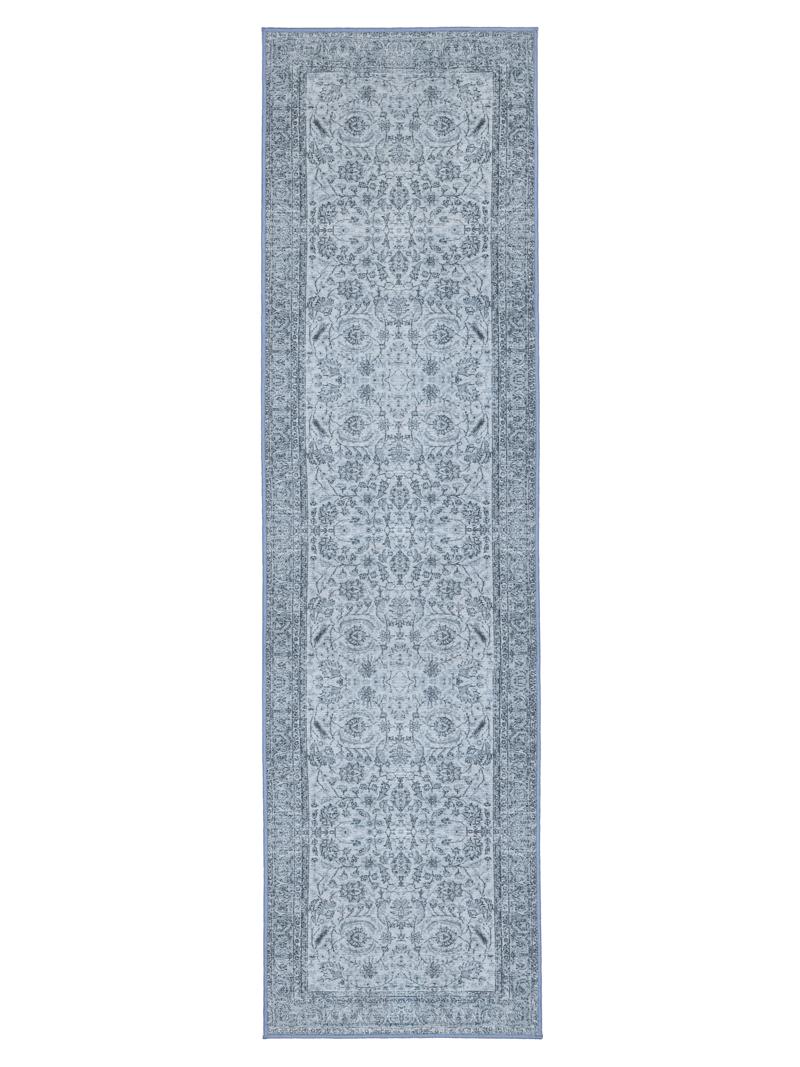
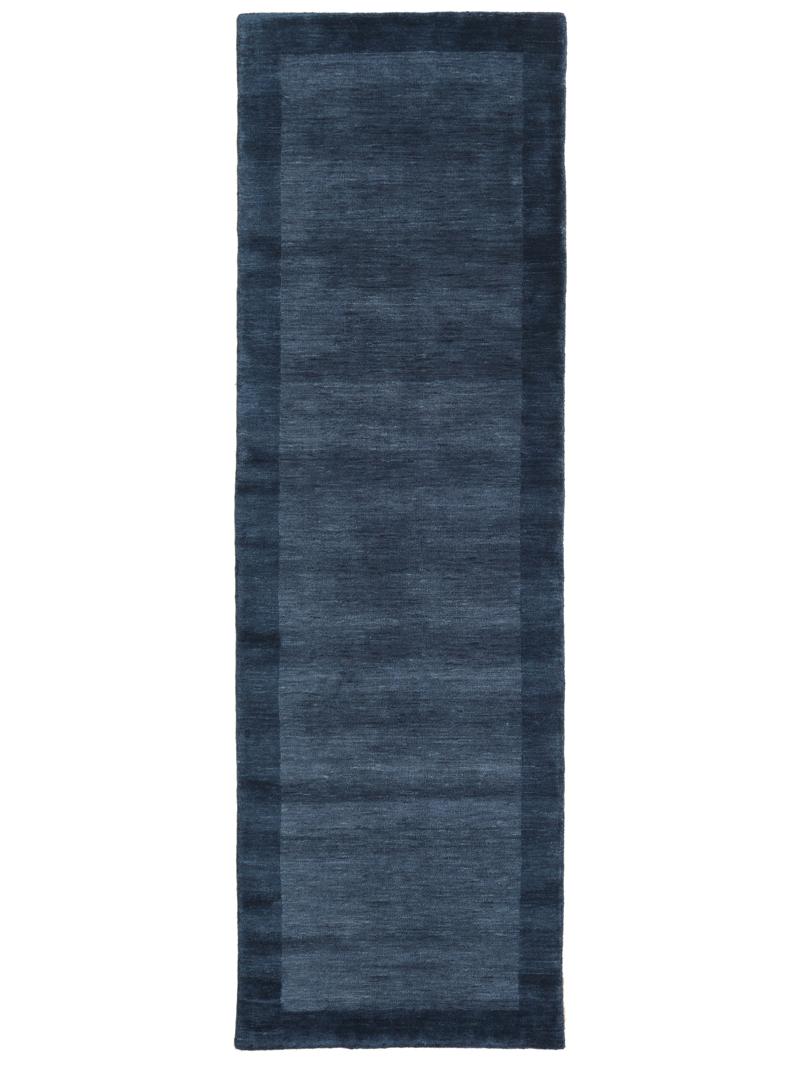
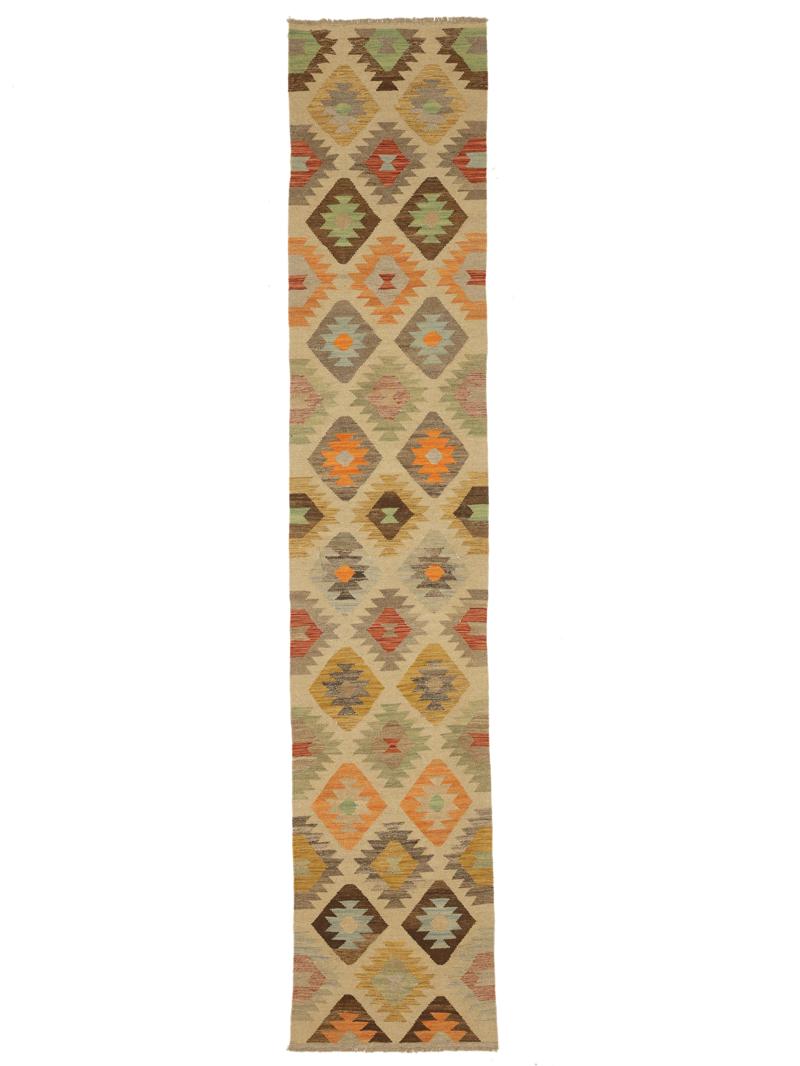
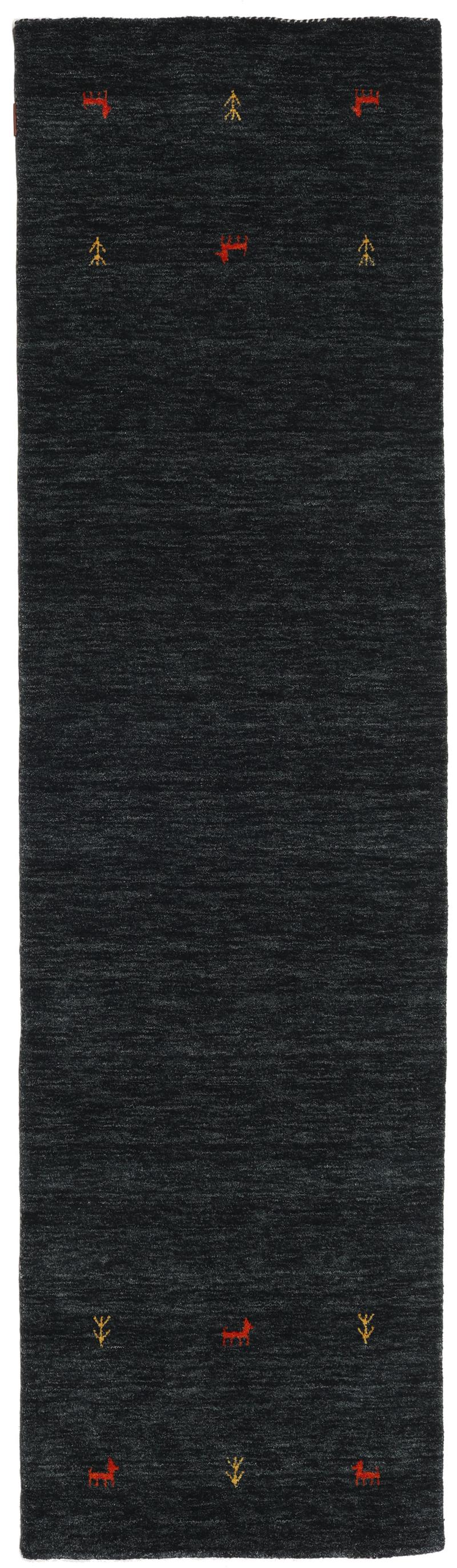
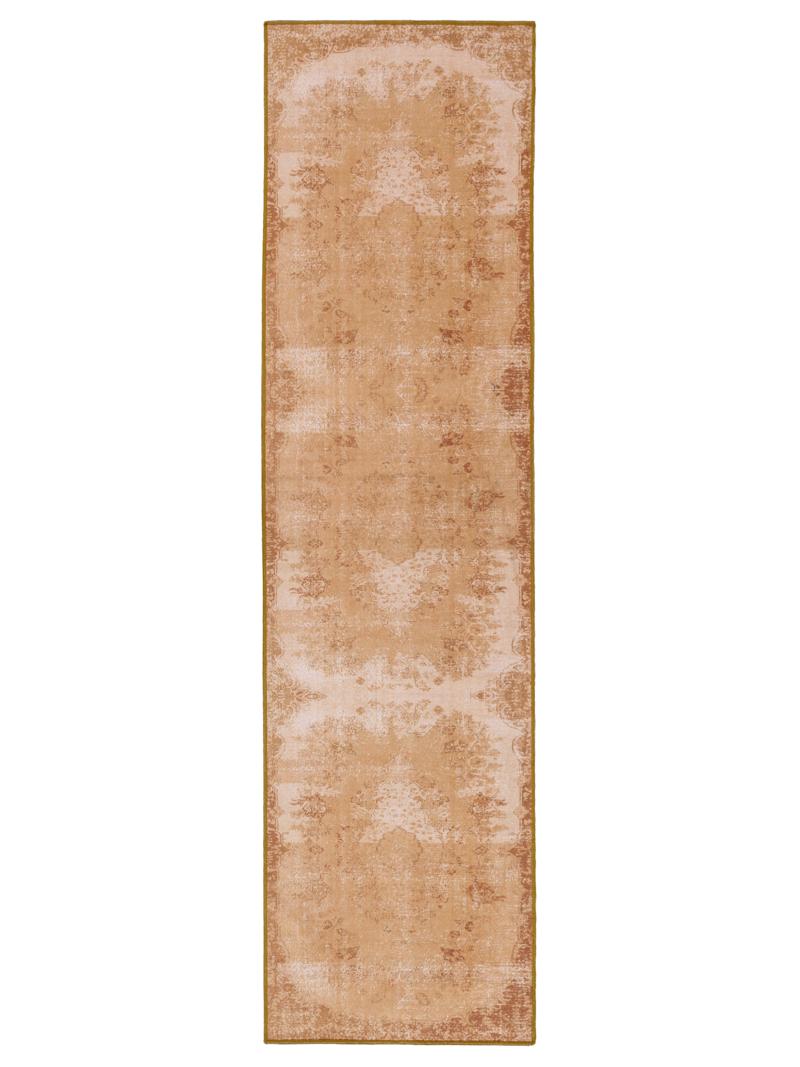
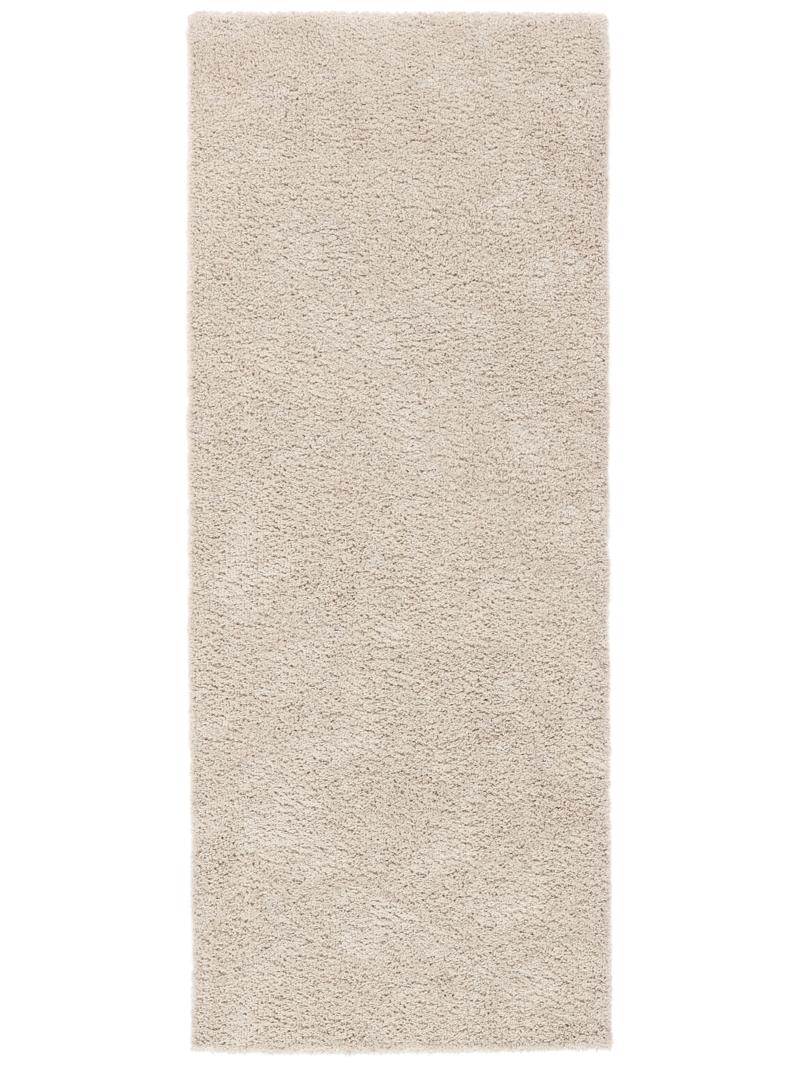
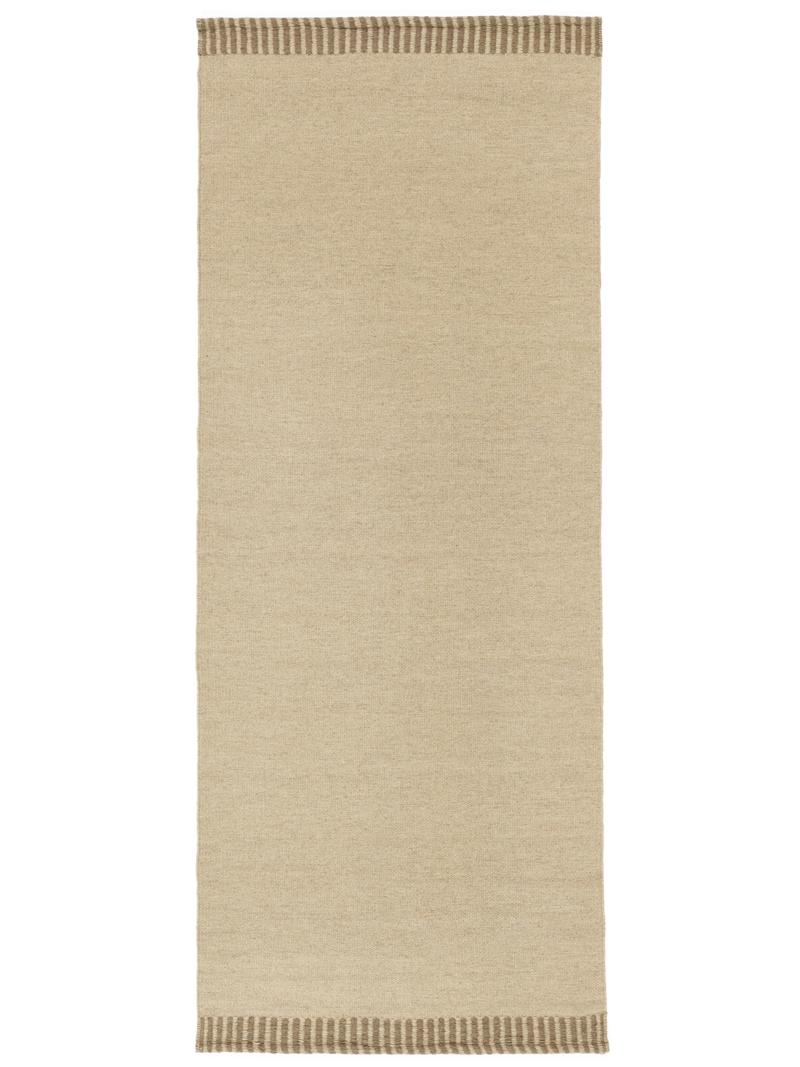
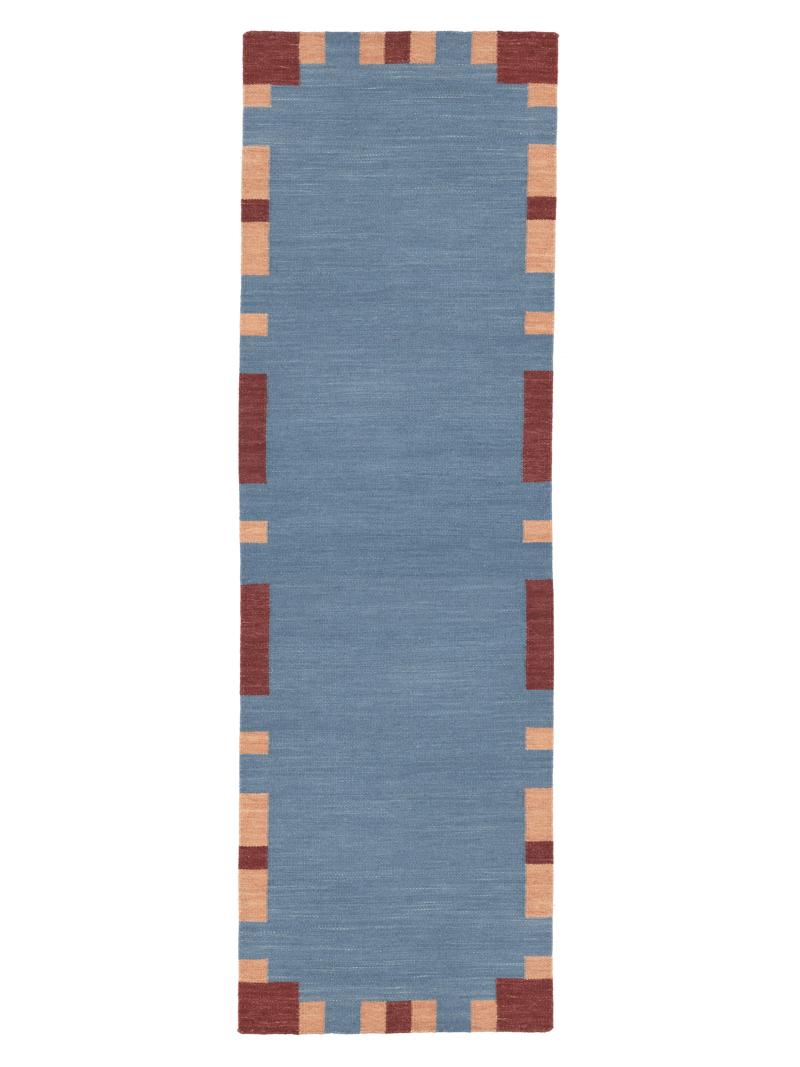
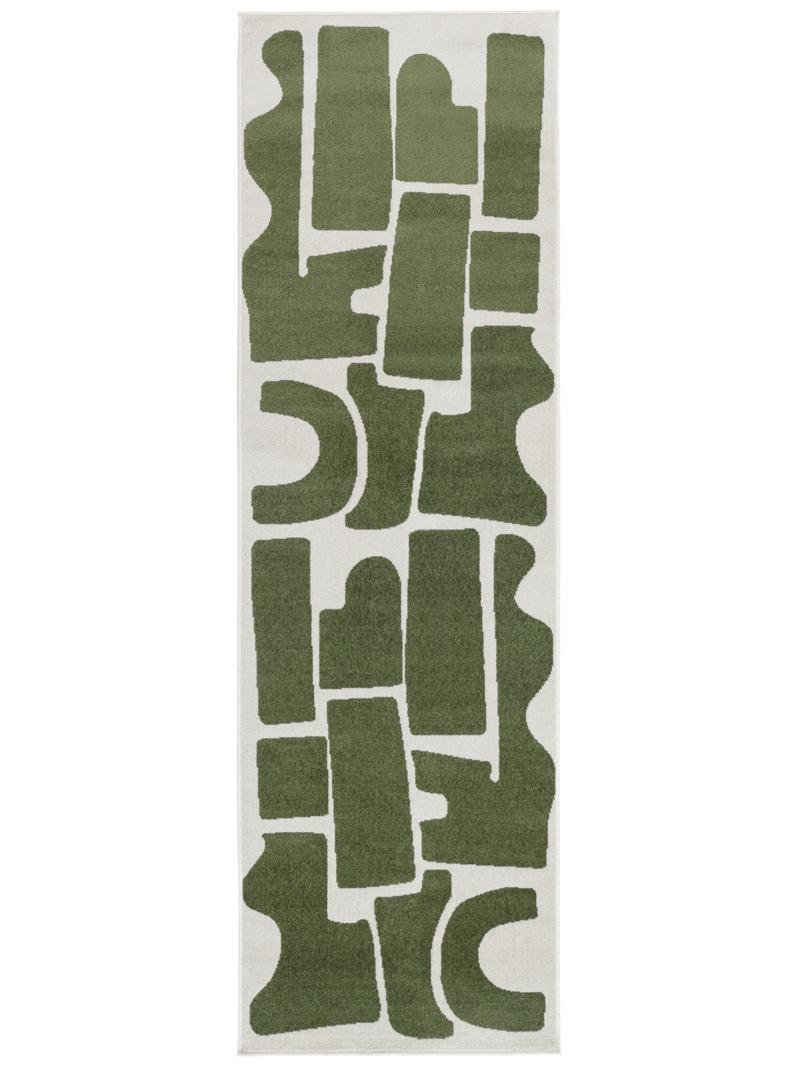
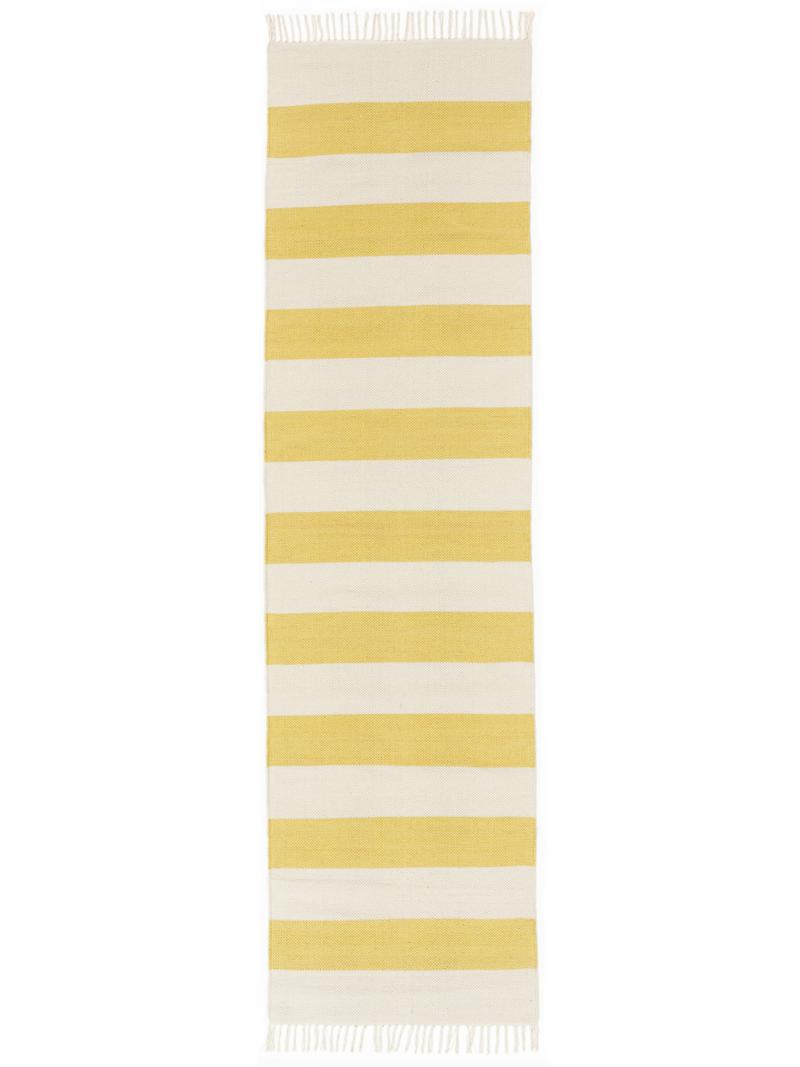
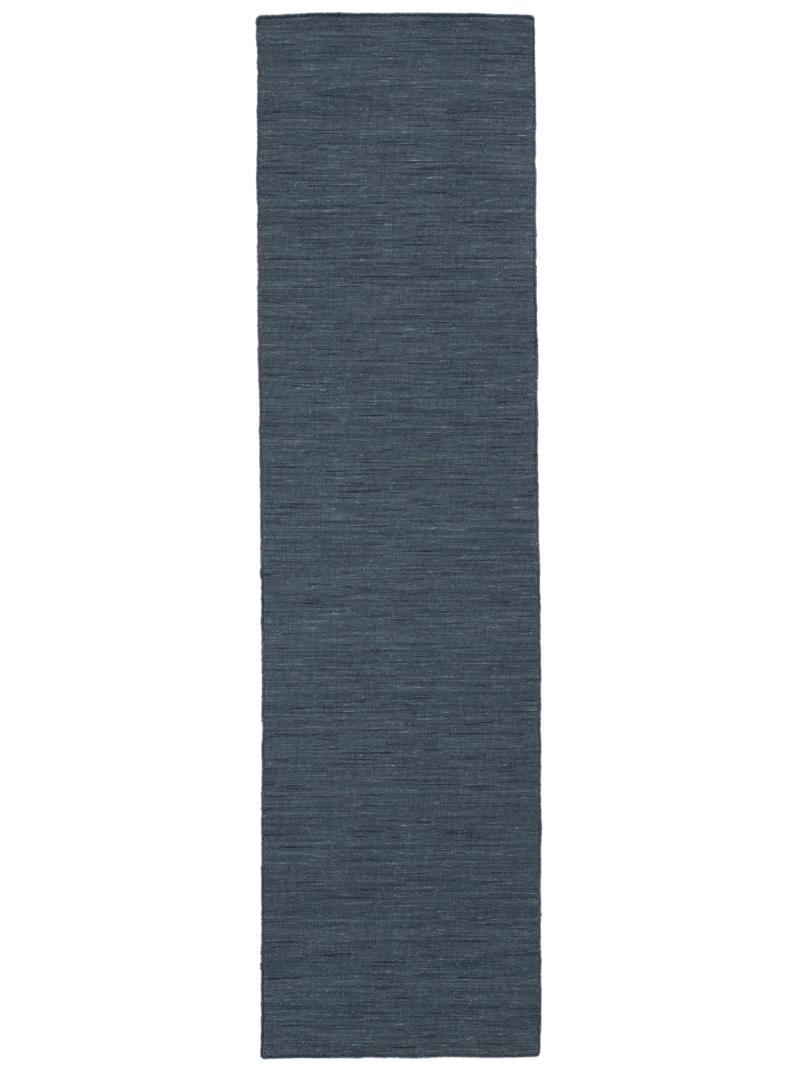
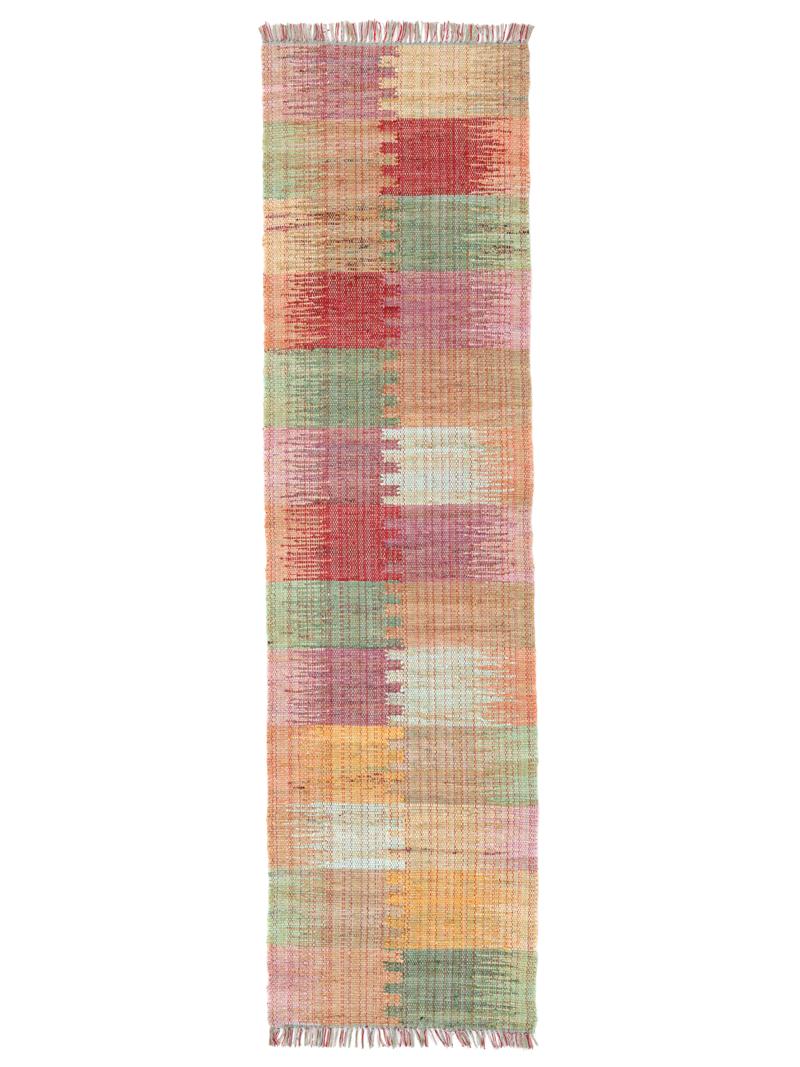
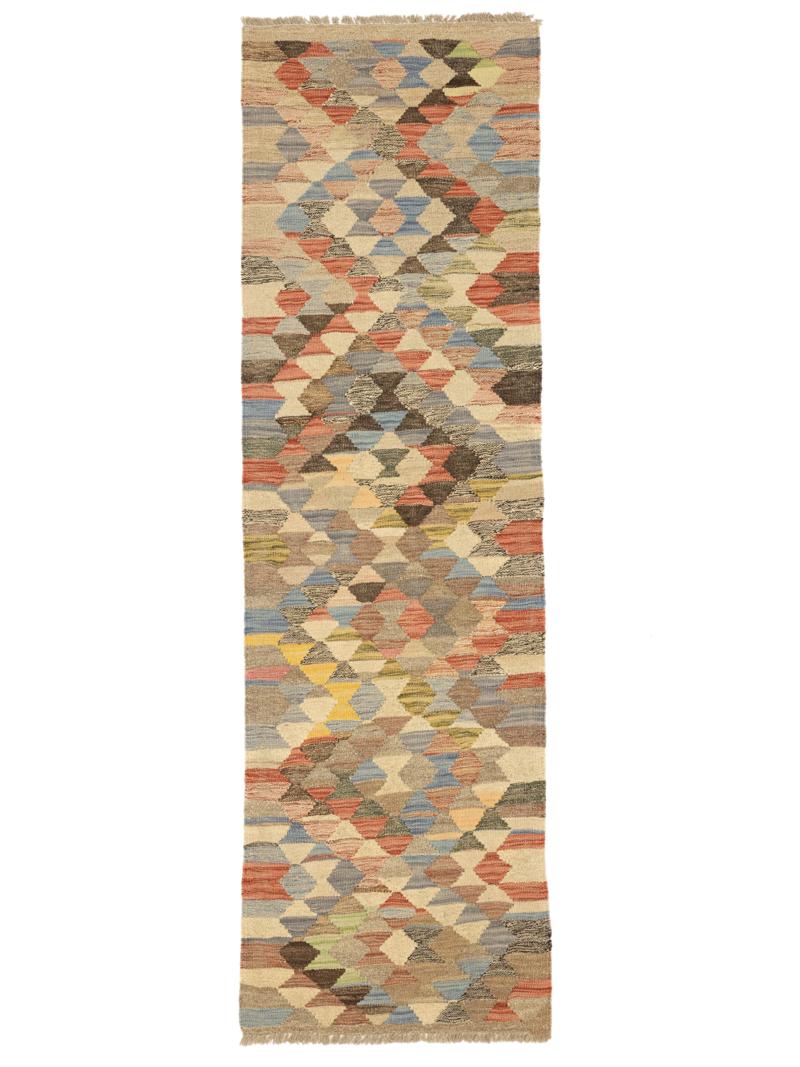
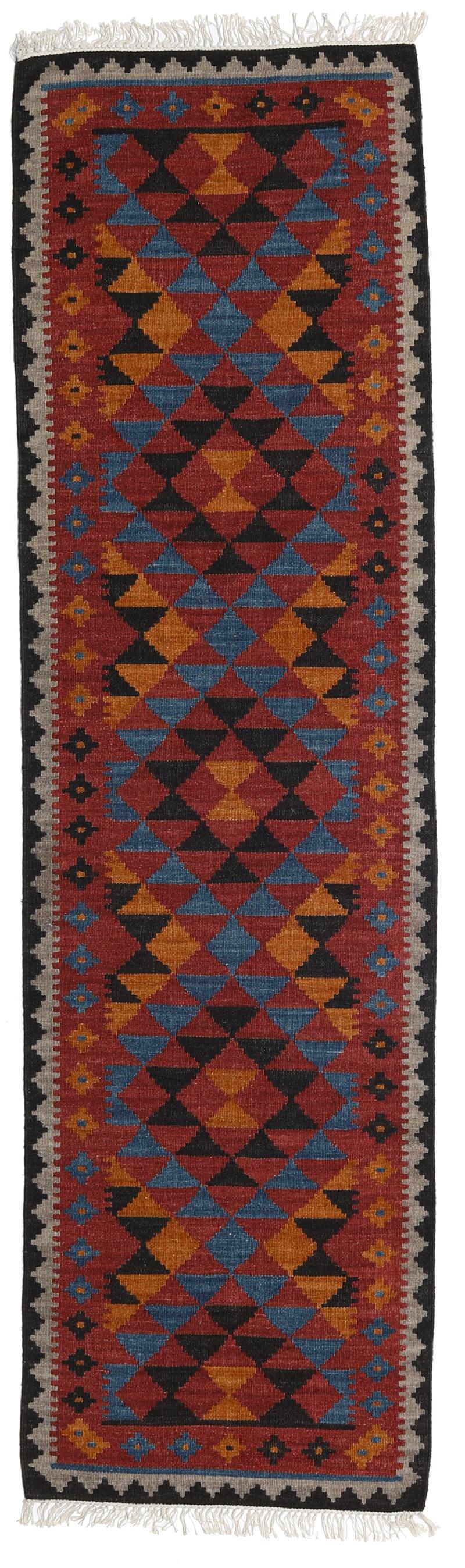
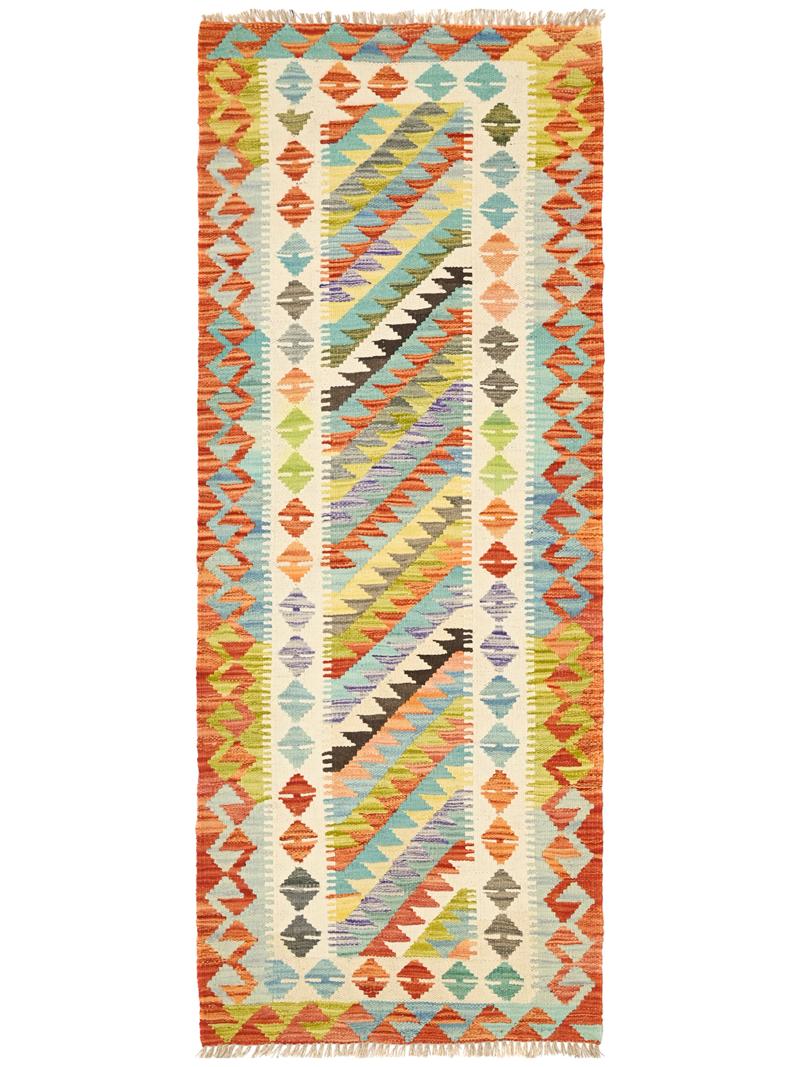
A runner rug earns its place in a living room where a standard rectangle won’t fit or isn’t needed: behind a sofa, in front of a media unit or bookcase, or along a long, narrow room. It’s also popular as a second rug. It adds colour, pattern or texture without the cost of a large rug, and it can mark a path through an open-plan space from the seating area to the hallway or kitchen. It protects the floor along the strip that takes the most footfall, and it is easy to swap when the room changes.
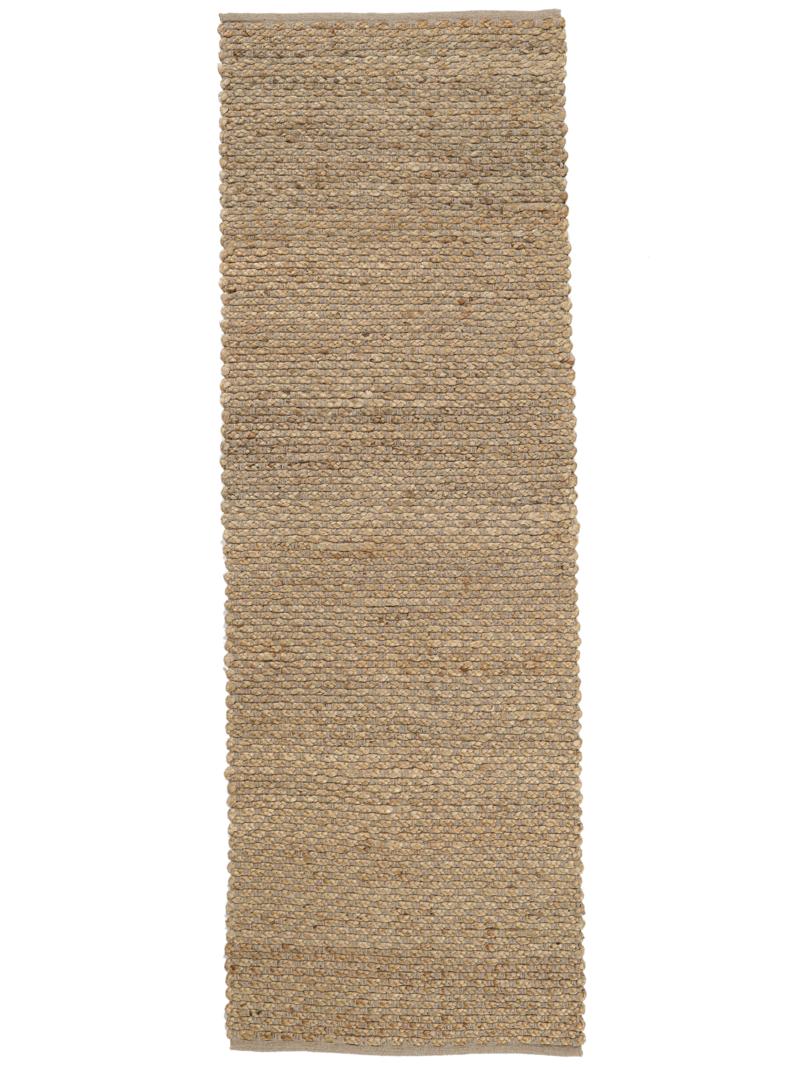
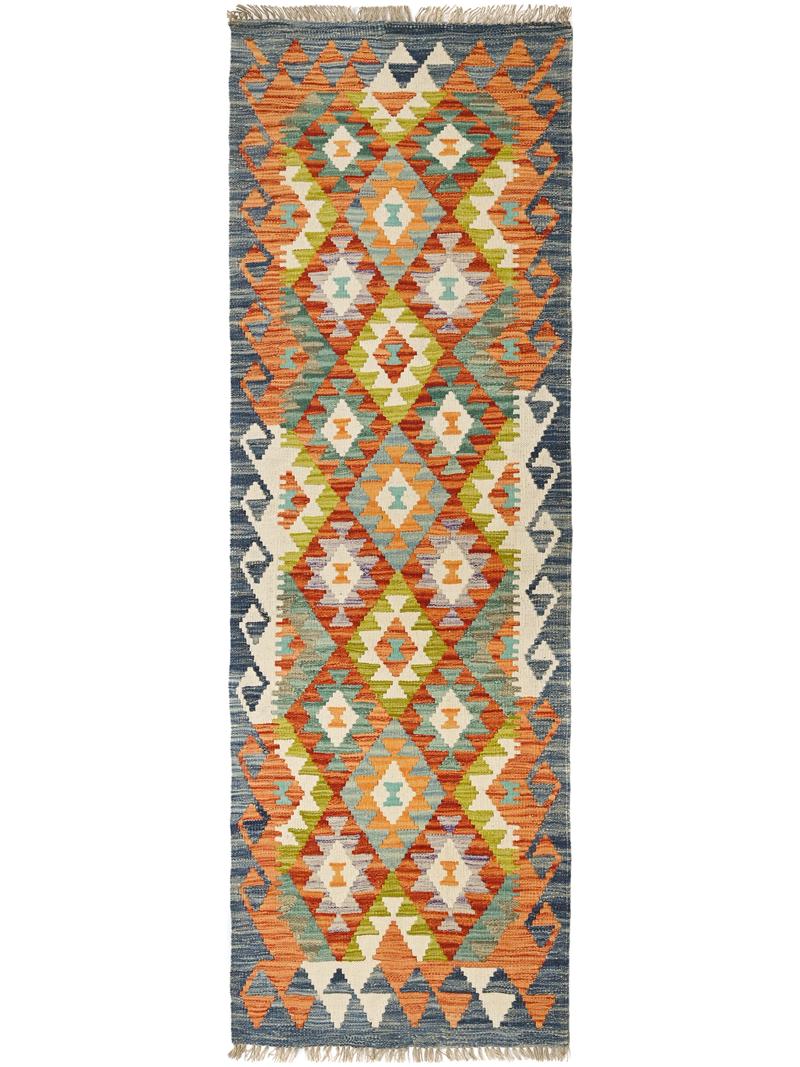
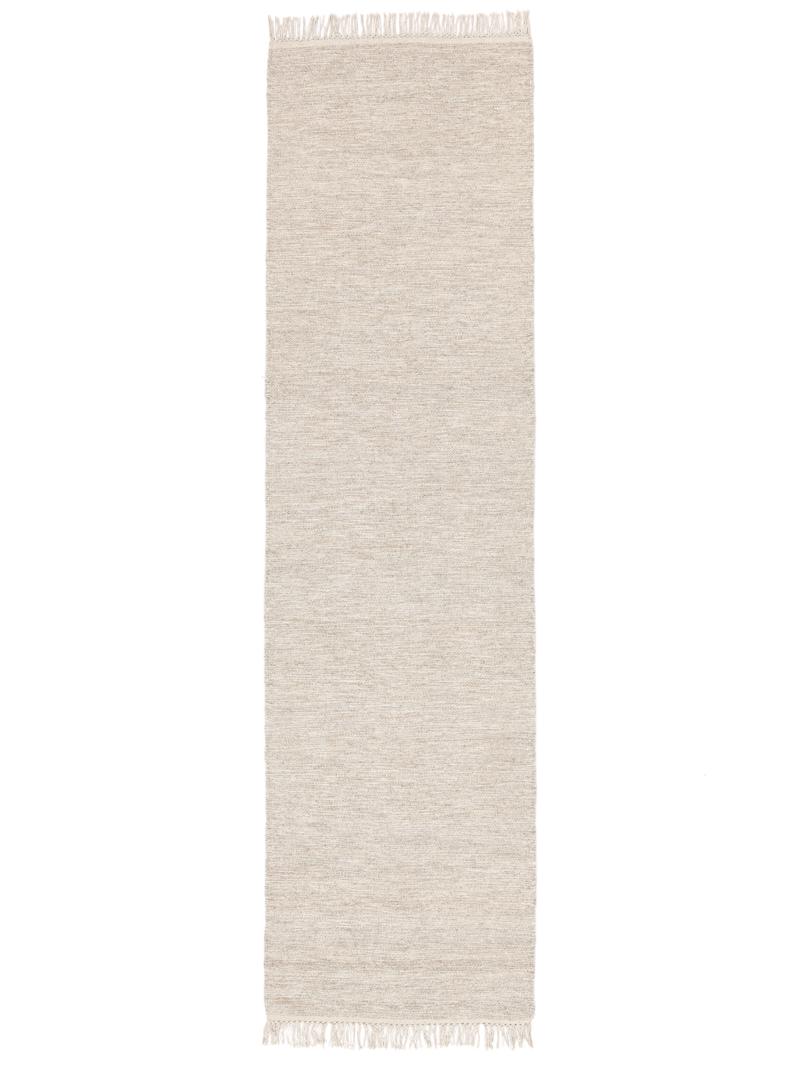
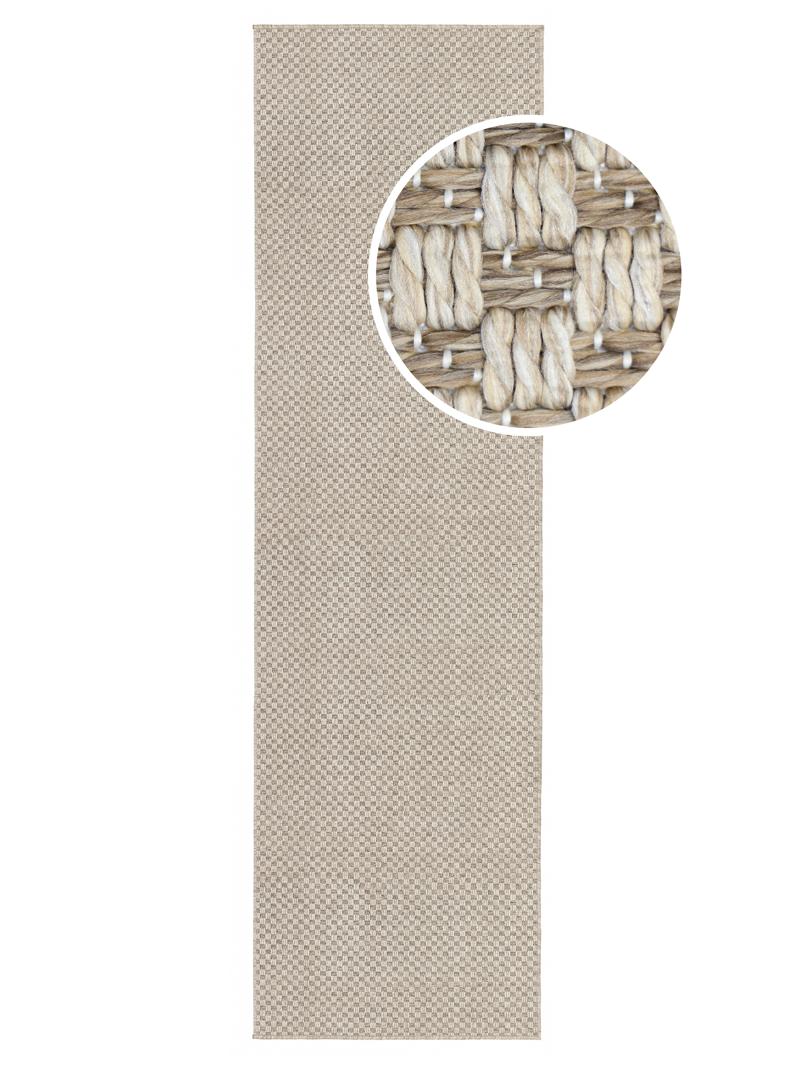
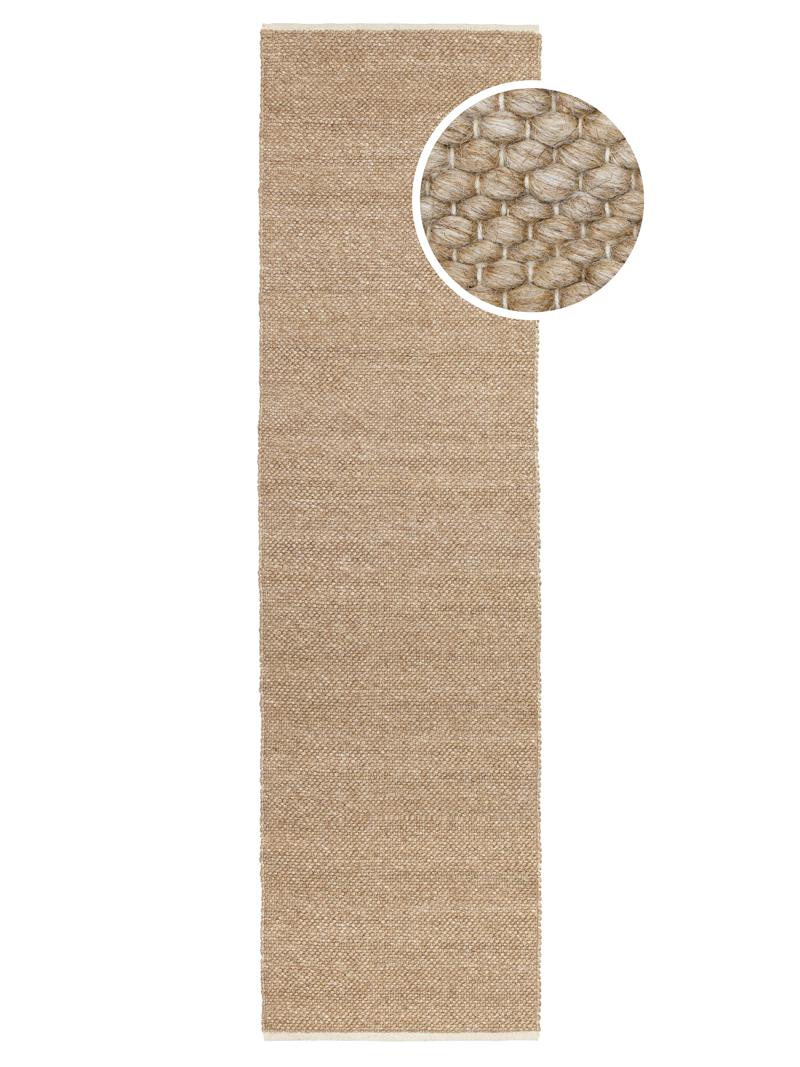
Width is what makes a living room runner work. Leave roughly 10 to 20 cm of bare floor along each side, and stop 10 to 15 cm short of the wall at either end, so the rug reads as a deliberate path rather than carpet that didn’t quite fit. Because a living room runner takes concentrated footfall along one narrow line, material matters more here than it would on a rug people mostly walk around.W is most hard-wearing and springs back where feet land day after day. Flatweaves and low pile sit flattest, which keeps the edge from catching underfoot, while jute adds texture at a lower cost but wears faster on a constantly used route, and cotton is the lightest to lift and shake out. Whichever you choose, add an anti slip underlay, since a narrow rug shifts more easily than a heavy rectangular one.